




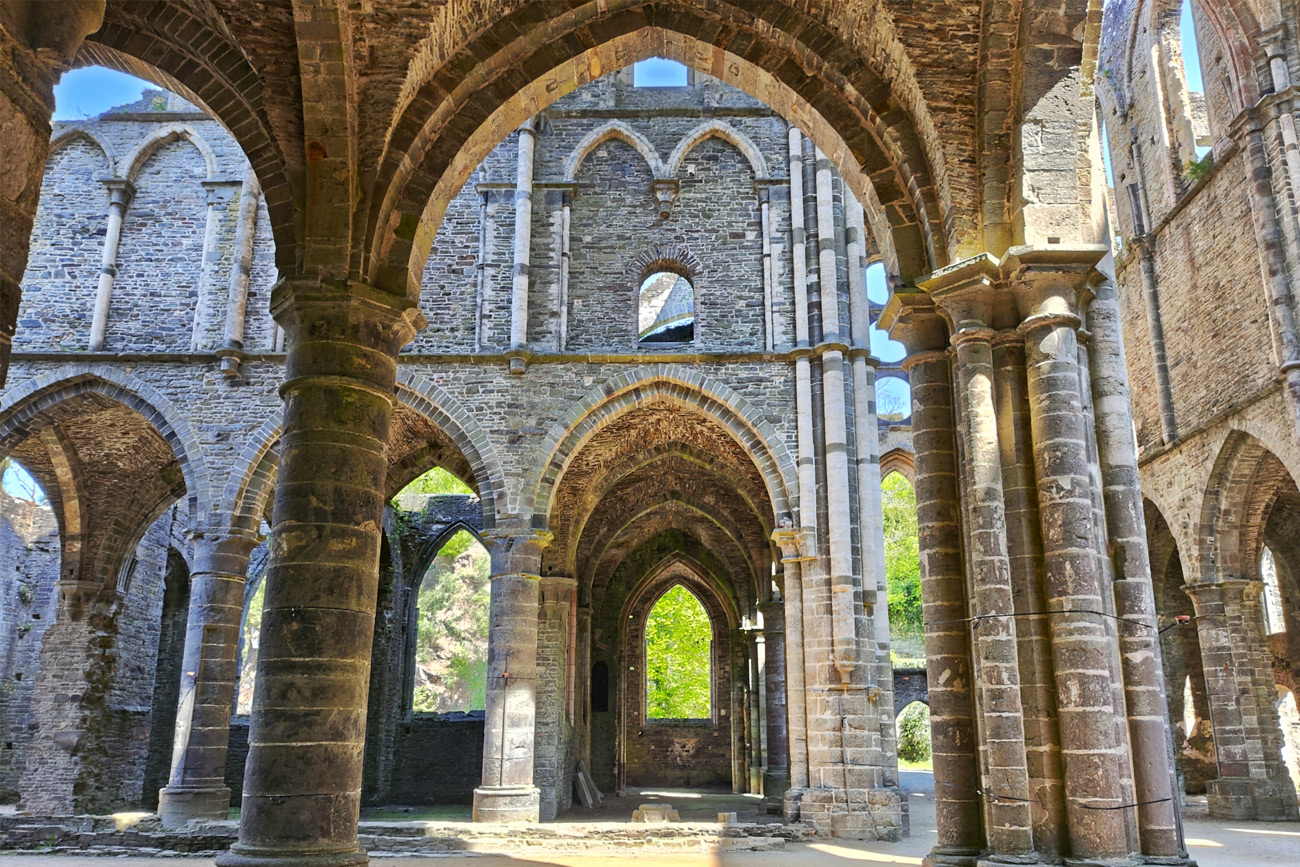
In the heart of Belgium's Wallonia region lie the majestic ruins of Villers Abbey —a testament to its ancient grandeur, now attracting romantic souls and history lovers alike.
In 1146, the knight Gauthier de Marbais and his mother Judith invited monks from France's Clairvaux to establish a new abbey on their land. A small community of 17 monks soon grew into a thriving spiritual centre.
The Middle Ages brought unprecedented prosperity. Gothic structures replaced Romanesque ones, the monastery owned thousands of hectares of land, and its library boasted the richest Cistercian collection in Europe. The monks lived in harmony—until wars and revolutions arrived.
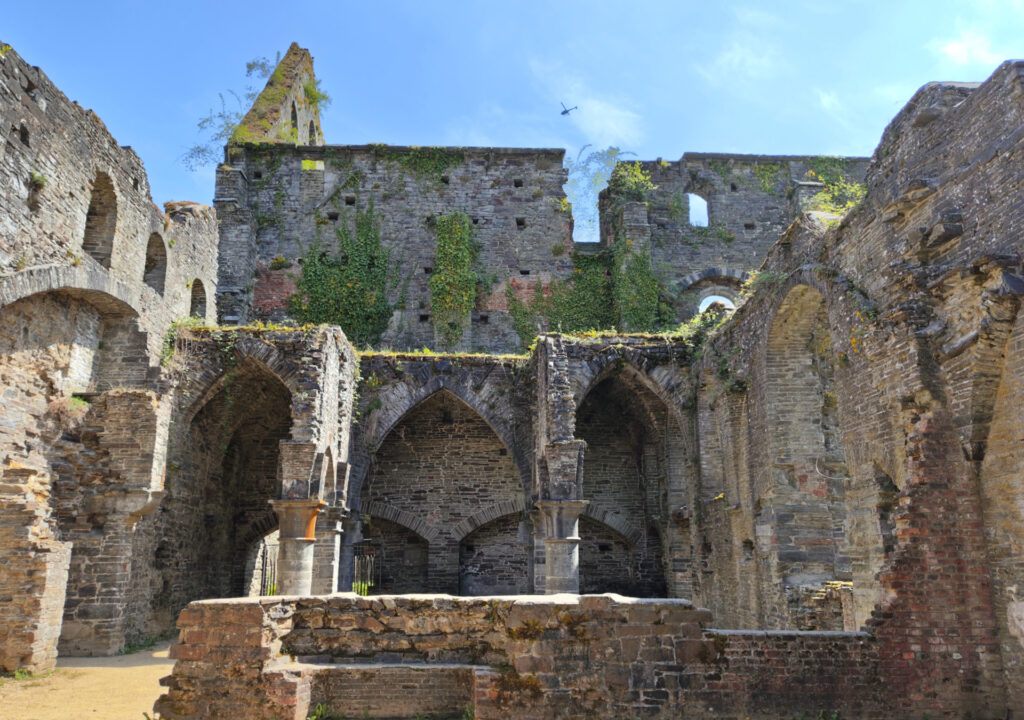
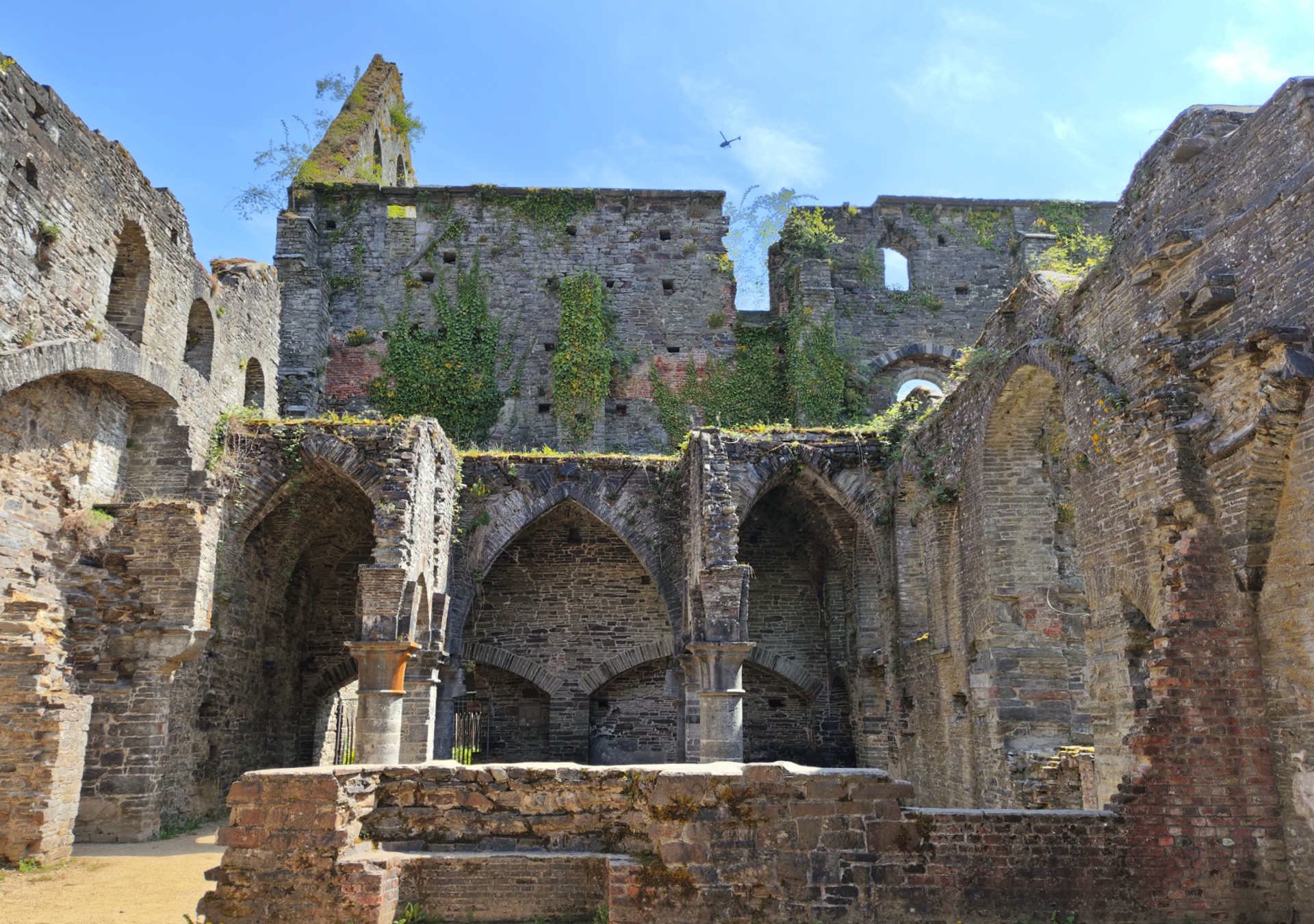
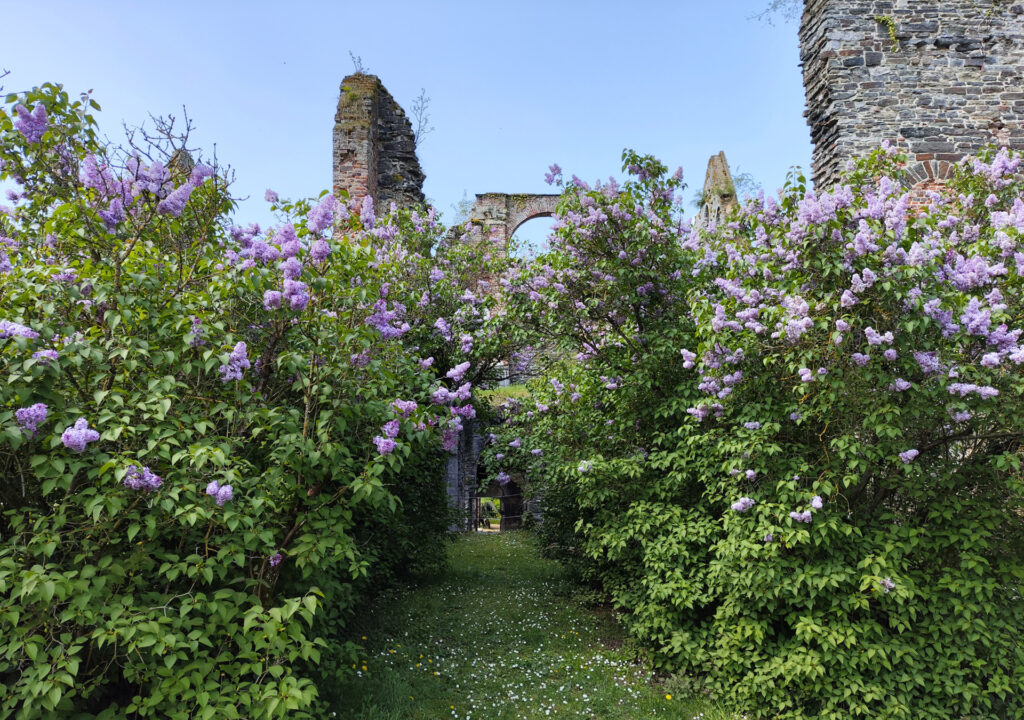
The French Revolution marked its end —the abbey was looted, dismantled for building materials, and left to the mercy of nature. Yet, its ruin held an unexpected charm.
-
- Villers Abbey
-
- Villers Abbey
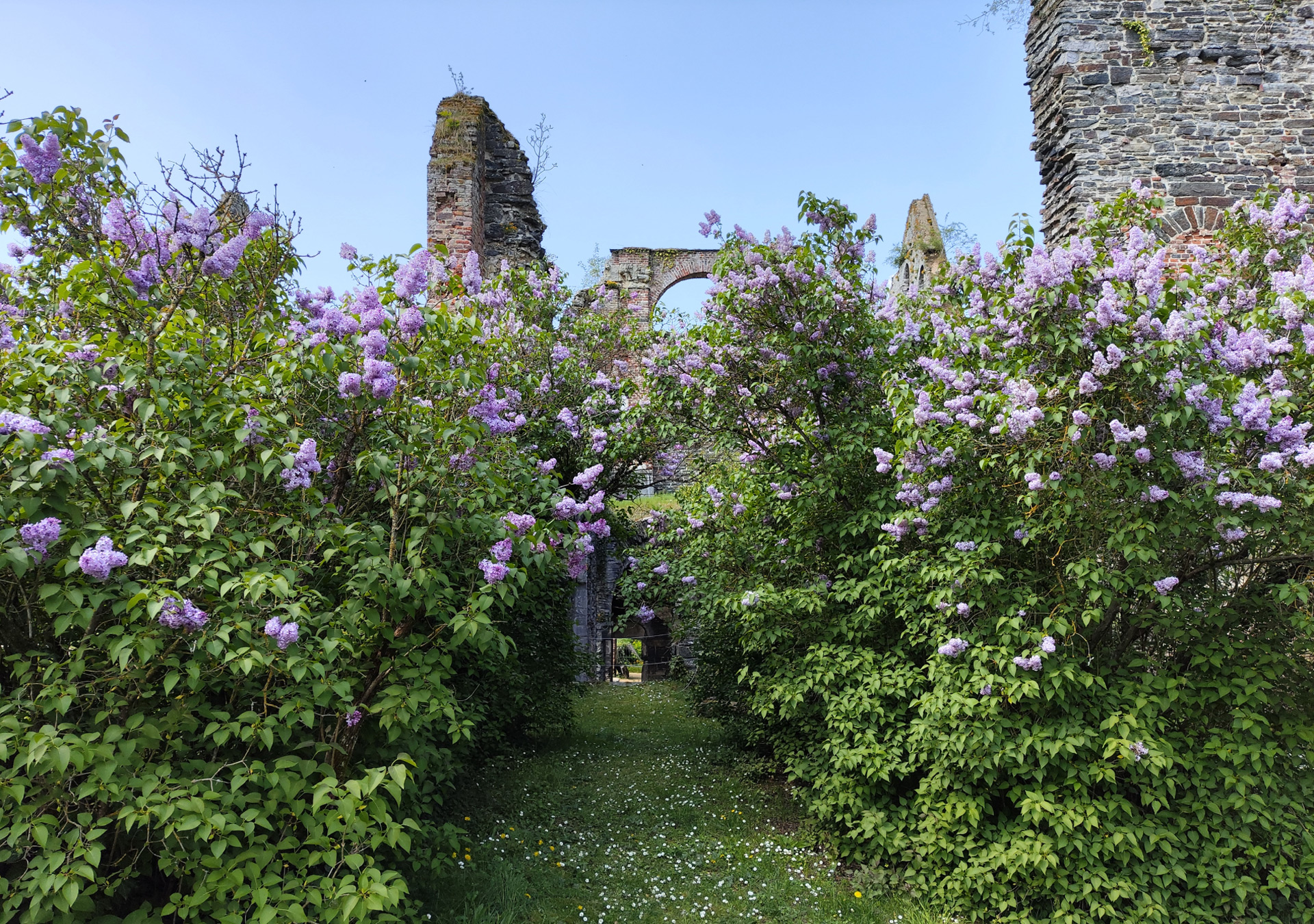
In the 19th century, the ruins captivated Victor Hugo, who visited and sketched them several times. The railway brought the first tourists but also insensitively cut through the gardens. It was not until the end of the century that the rescue of this unique monument began.
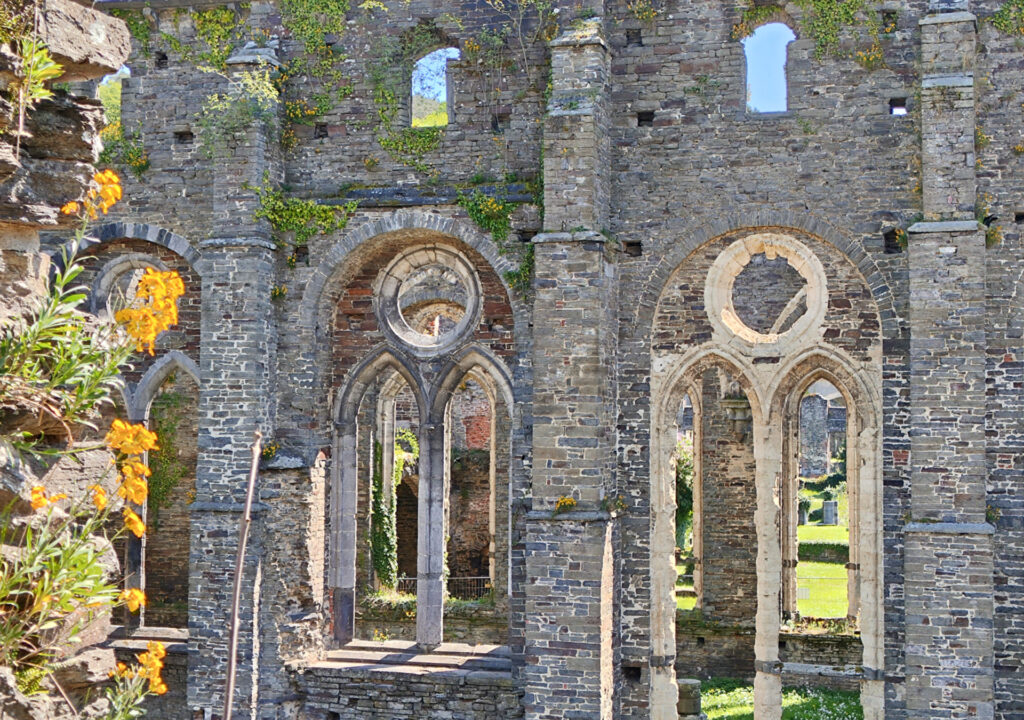
Today, Villers is an exceptional heritage of Wallonia—with impressive Gothic vaults and vast ruins that invite exploration. It is a place where history breathes and where time has stood still.
-
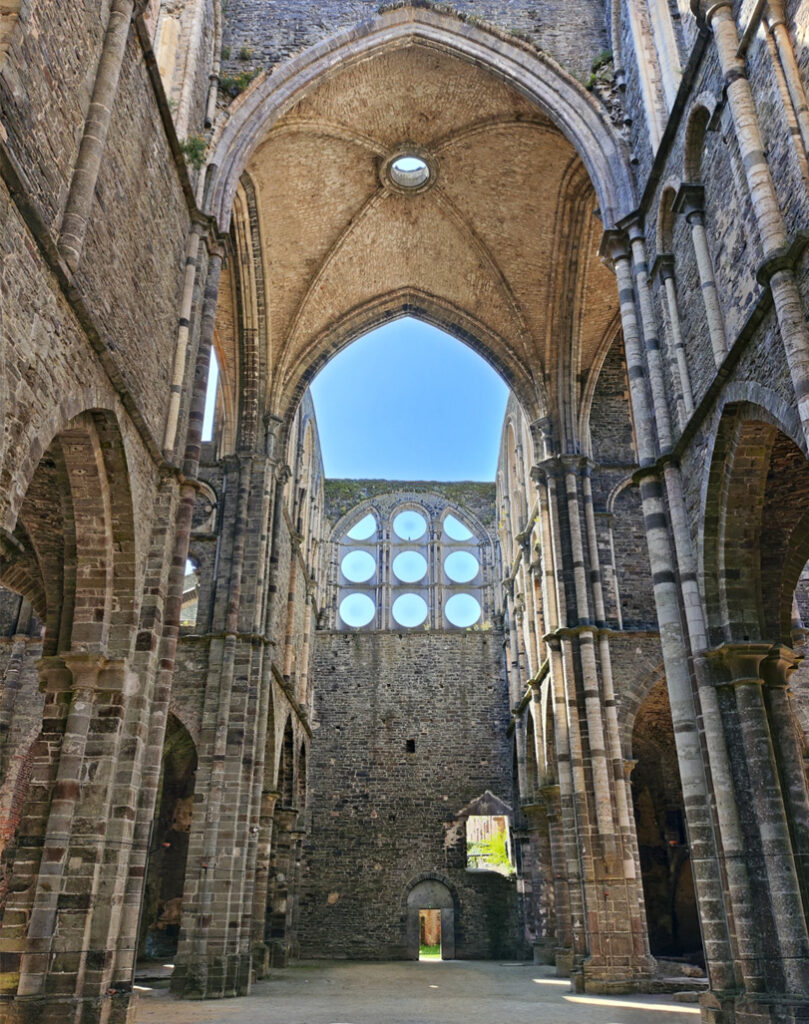
- Monastery church
-
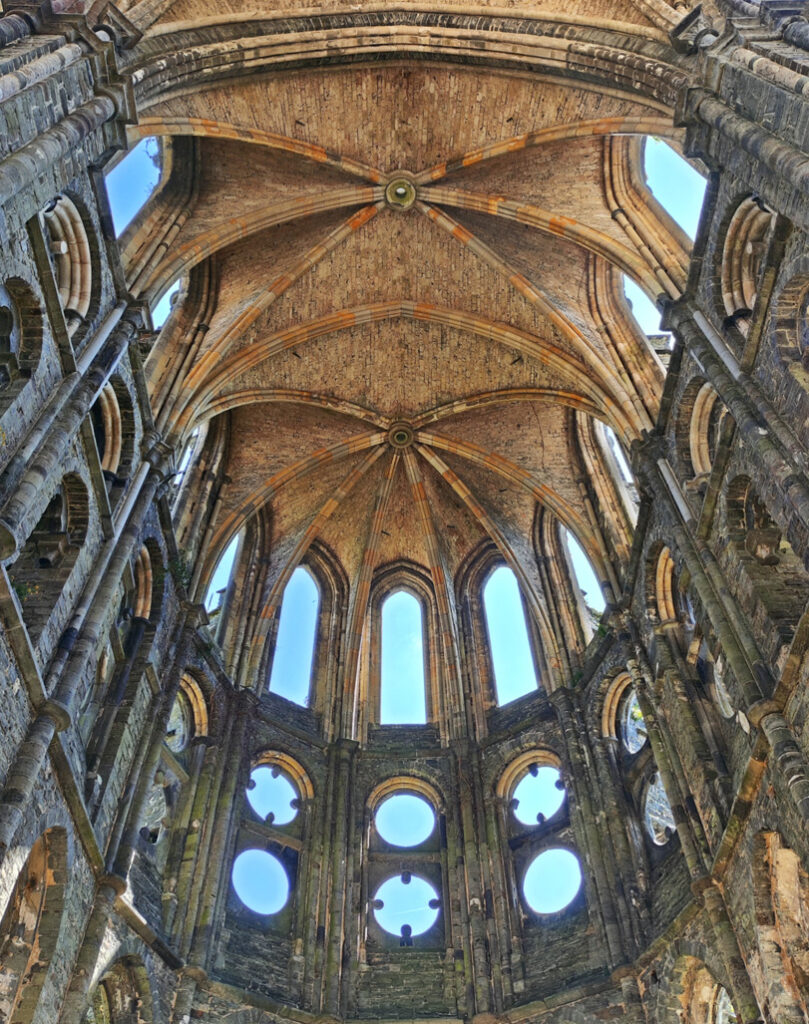
- Monastery church
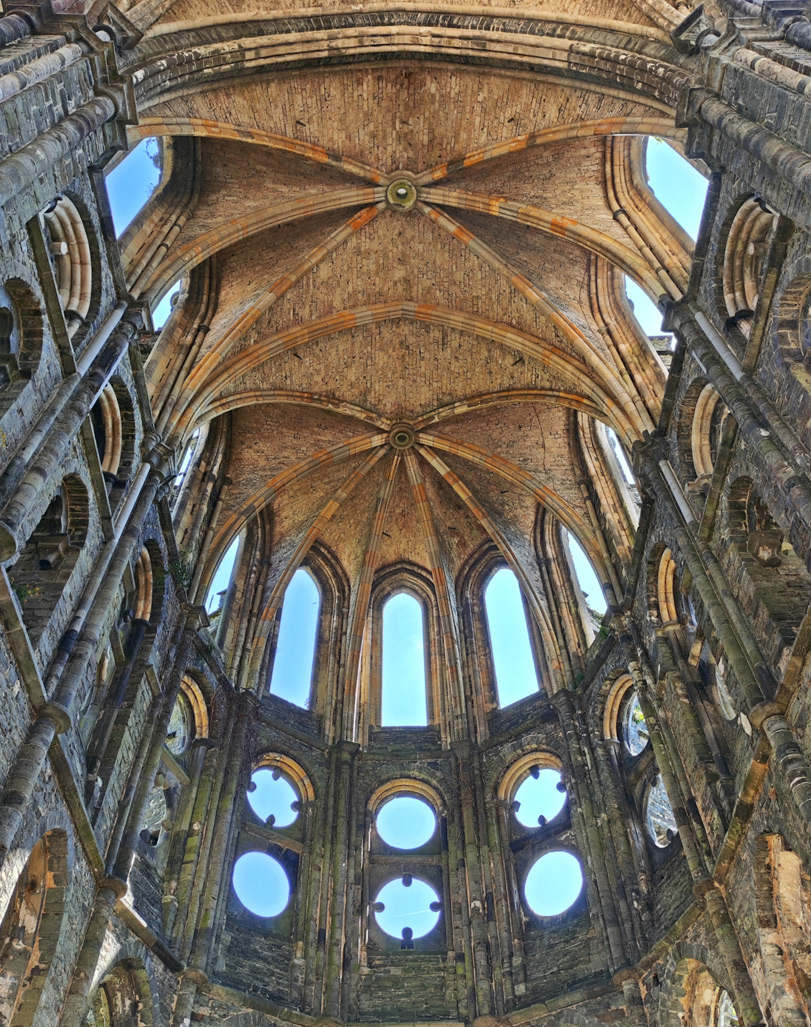
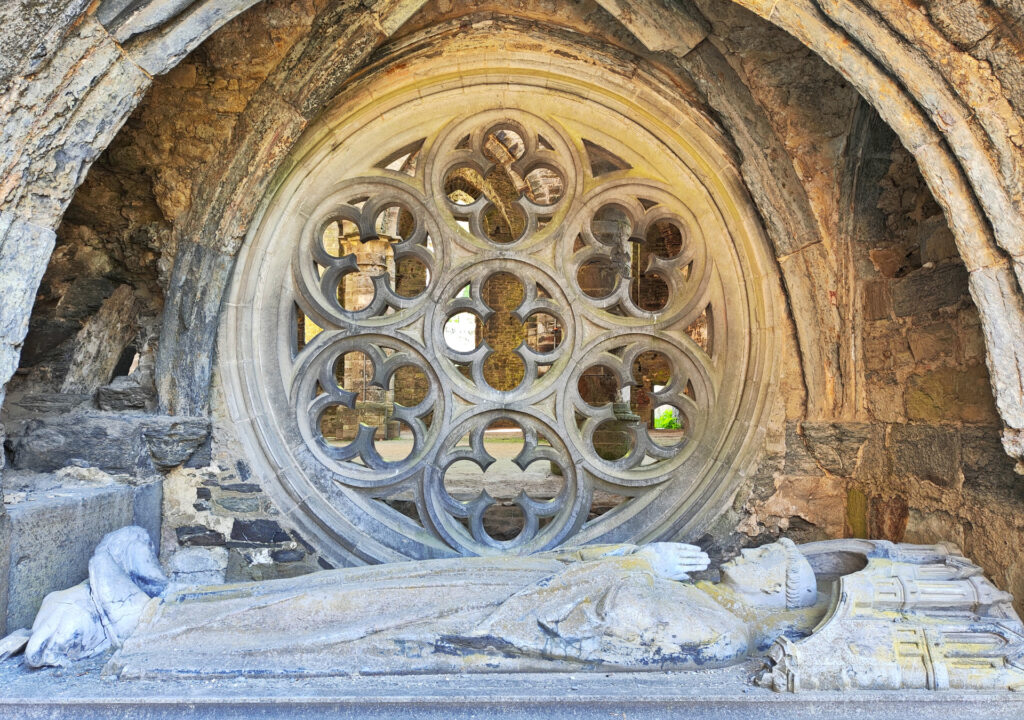
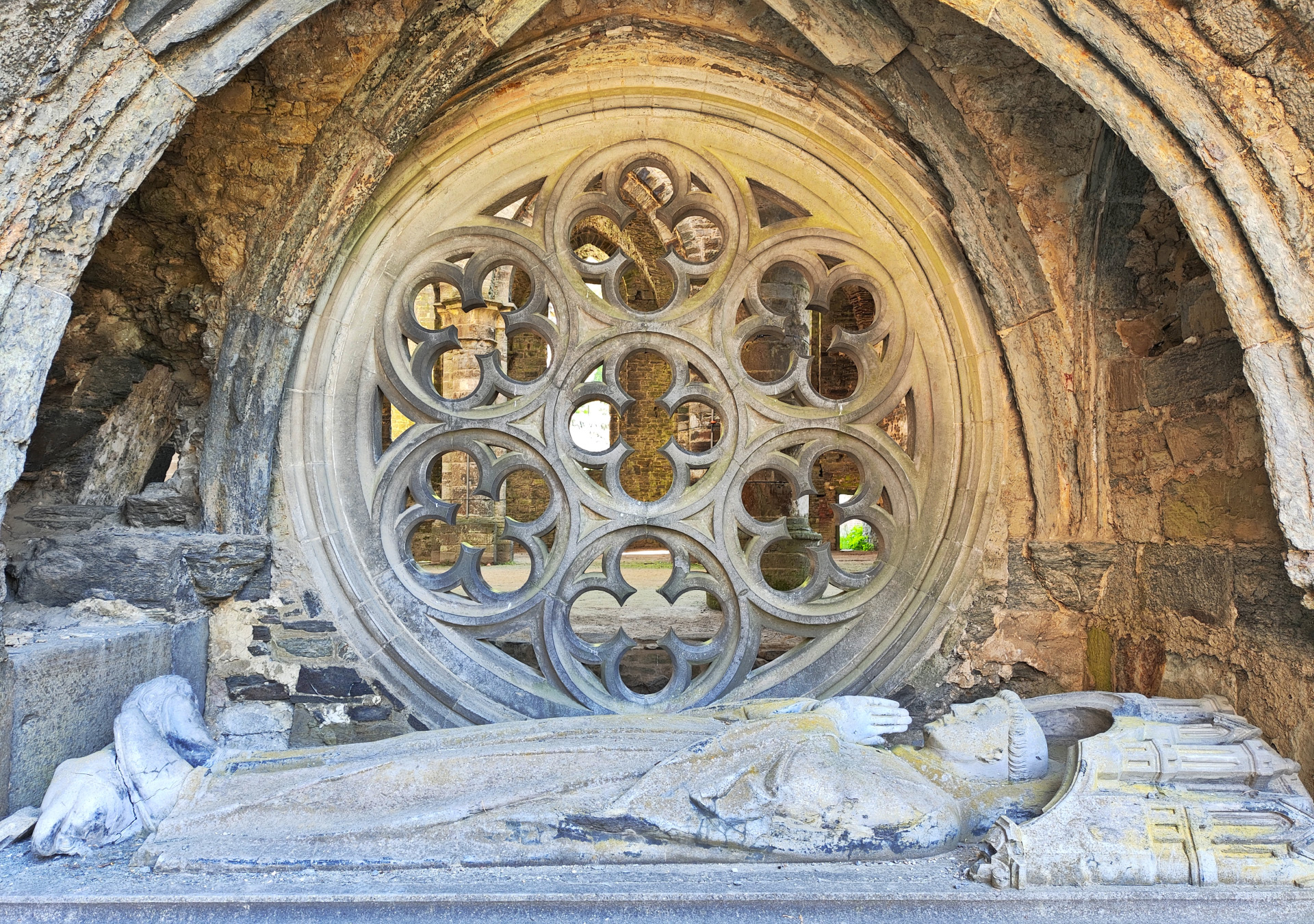
The main landmark of the monastery is its majestic church —an impressive structure that takes one's breath away with its dimensions (94 meters in length, 23 meters in height, and 40 meters in width). Its construction began in 1197 in the Romanesque style but soon acquired an elegant Gothic form and was completed only 70 years later.
What makes this church exceptional? Its austere beauty and clean lines, typical of Cistercian architecture, which favours simplicity over grandeur.
The silence of the church was interrupted only by the singing of the monks, who gathered here seven times a day—and even in the middle of the night—for prayers.
-
- Monastery church
-
- Converts' building
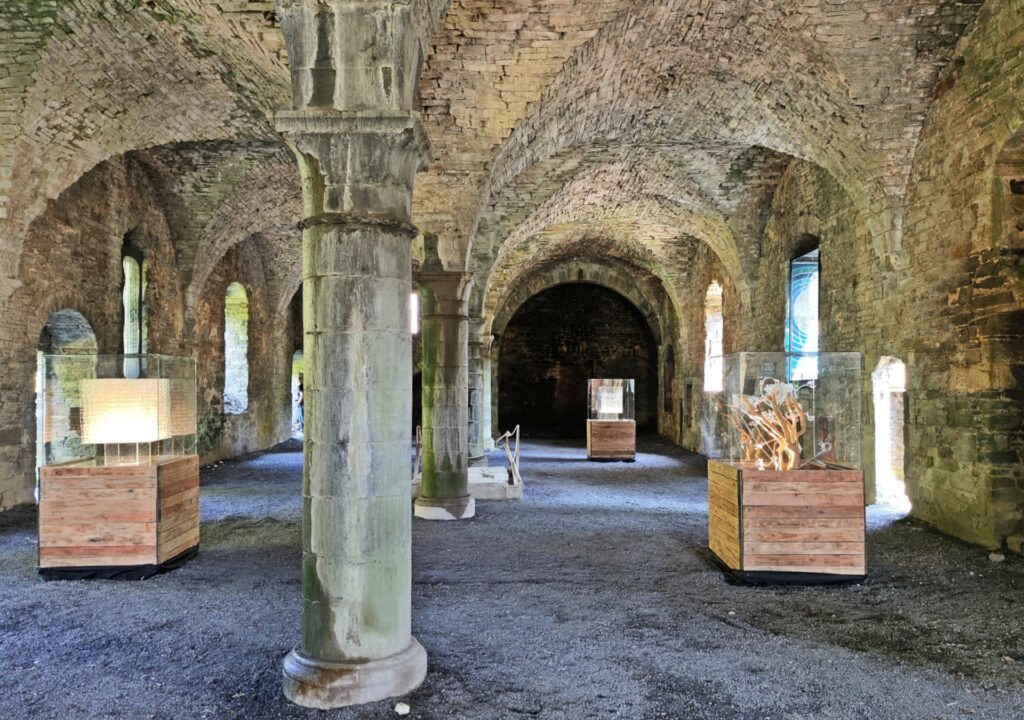
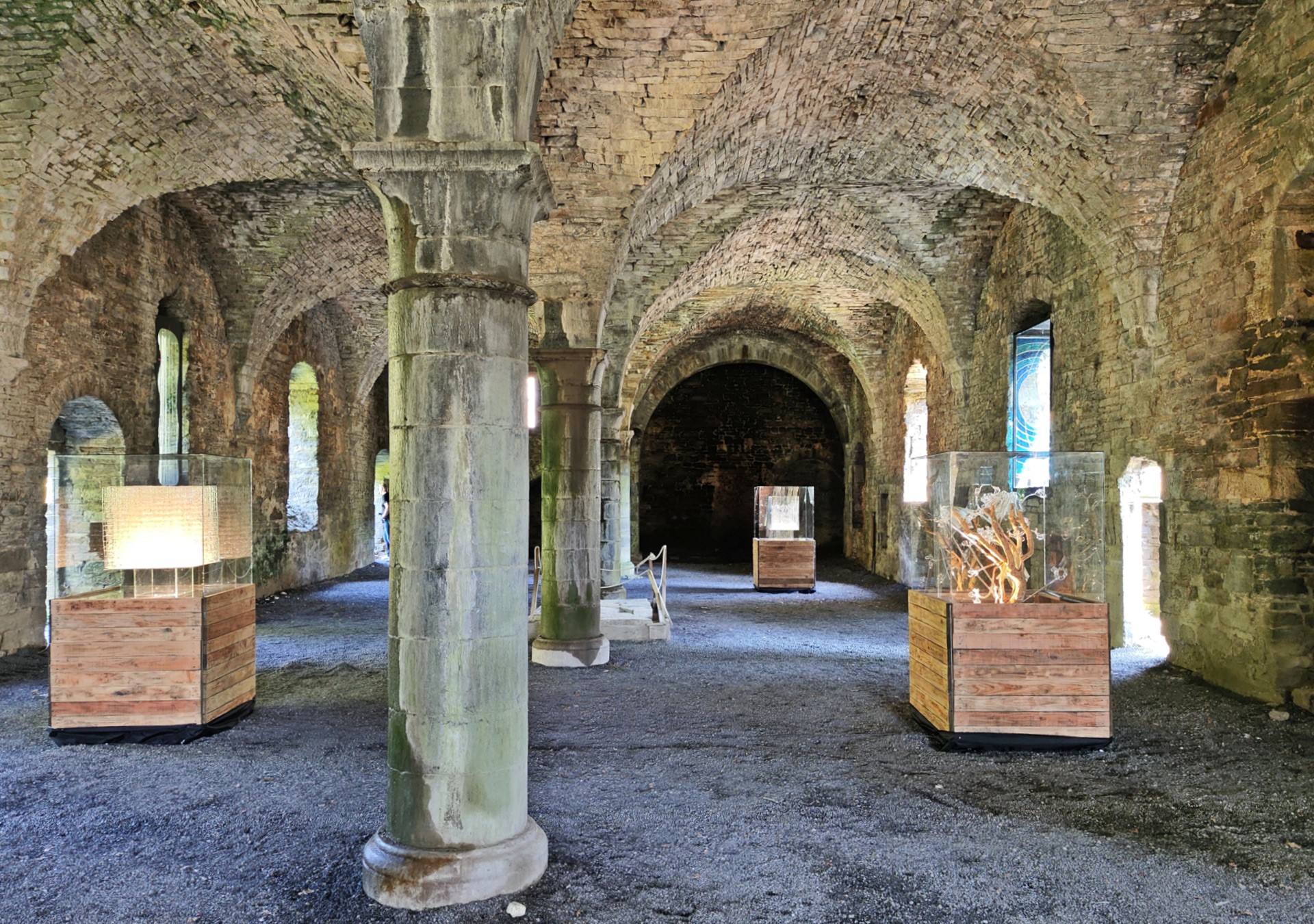
Imagine a vast hall spanning 474 m², bathed in light from eleven windows, where the quiet murmurs of monks during meals once echoed. The refectory, built in the 13th century, is an architectural gem—two vaulted naves supported by five columns, crowned by ribbed vaulting above. While the abbot dined with guests, the prior oversaw the communal meals. From the pulpit, readings from the Bible resonated, and the monks silently received their food.
And what about the two floors above the refectory? They remain a mystery —one may have served as a utility space, while the other, concealing the roof structure, likely remained empty.
-
- Medieval guesthouse
-
- Villers Abbey
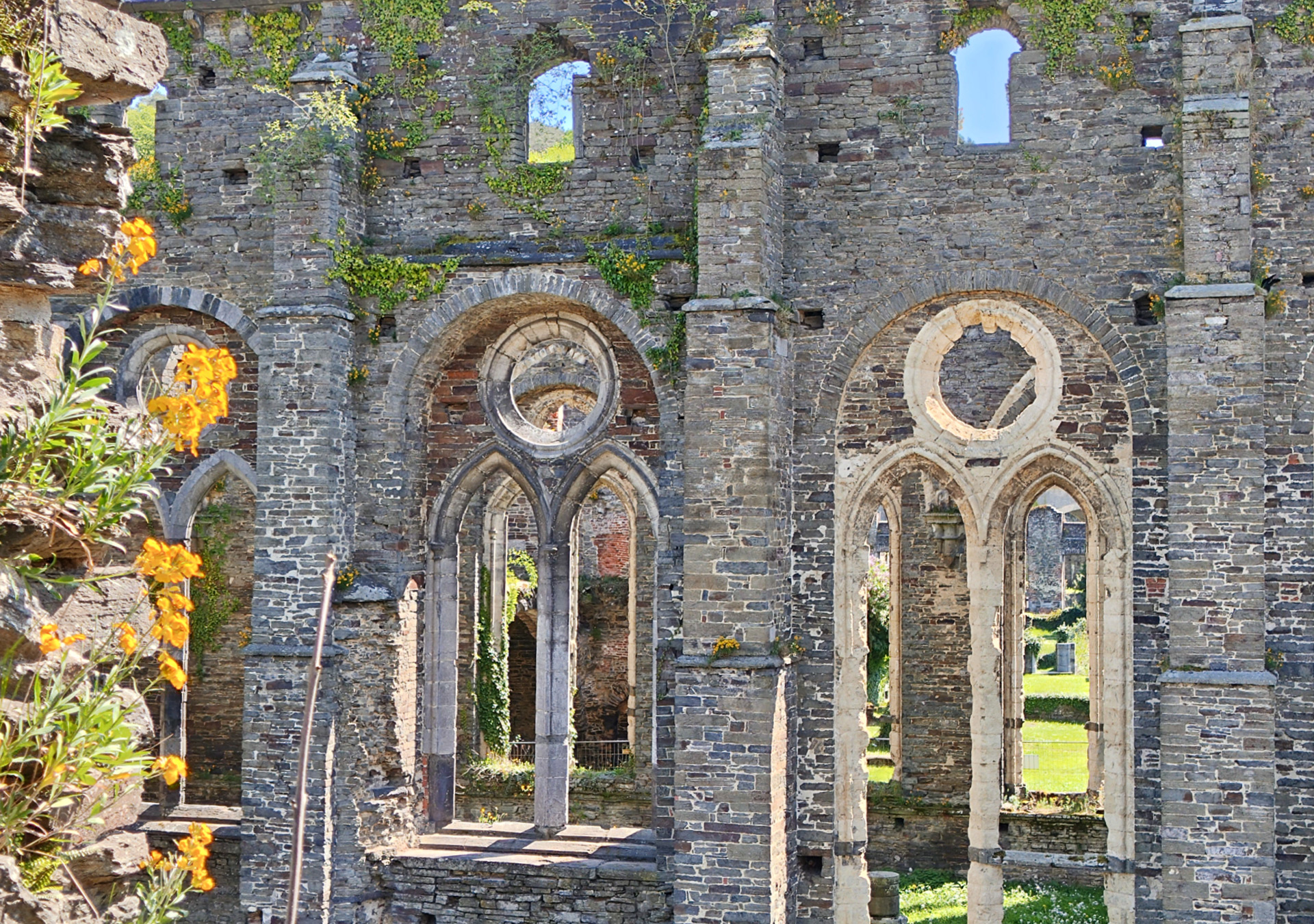
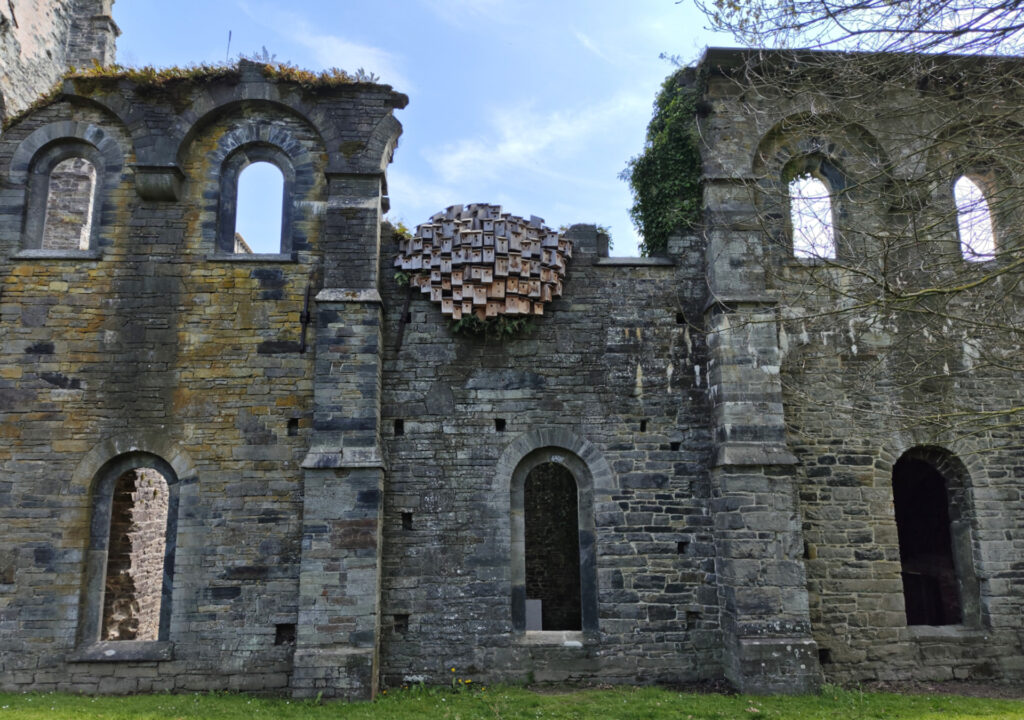
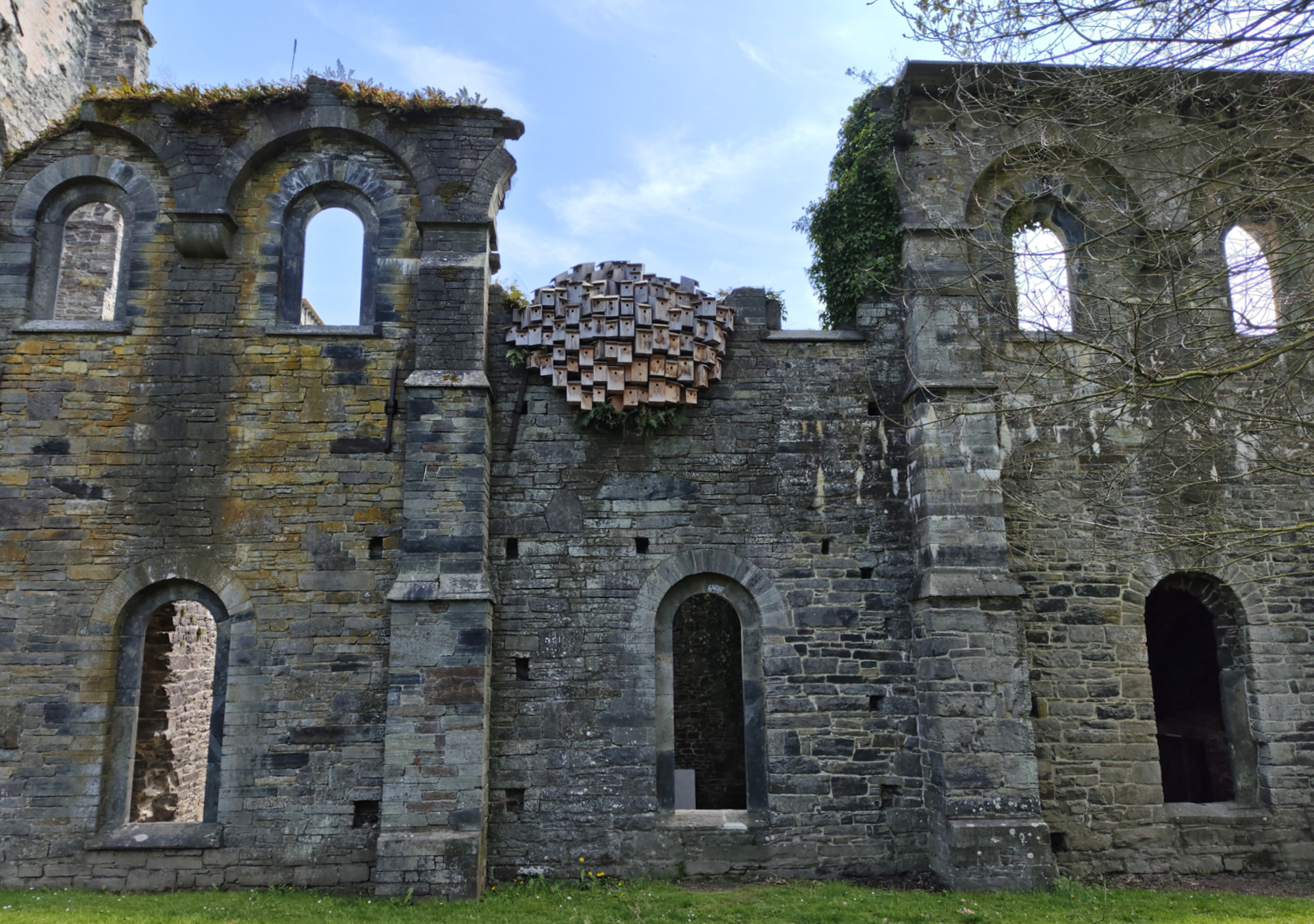
Among the ruins of the abbey hides one of the best-preserved treasures—a monumental remnant of a medieval guesthouse. This impressive building, constructed at the end of the 13th century, was once a bustling refuge for pilgrims, the poor and guests. Stretching nearly 40 meters long and accommodating up to 100 people, it provided shelter for those seeking rest. Above the dining hall, comfortable bedrooms were located. However, centuries later, the sound of bubbling beer could be heard from the building—in the 16th century, it was transformed into a brewery.
At the foot of the medieval leprosarium begins a fascinating meditation trail, which will take you through places filled with silent power. Opened in 2018, it first passes by the ruins of the Saint-Madeleine Chapel, where the bodies of sick children were once washed. The path then ascends to the Chapel of Saint Bernard and eight stations with insightful panels invite you to reflect, to connect with your body, emotions and the surrounding nature. This is not just a walk—it’s an experience that draws you into the past while awakening your present.
Address: Rue de l'Abbaye 55, Villers-la-Ville
-
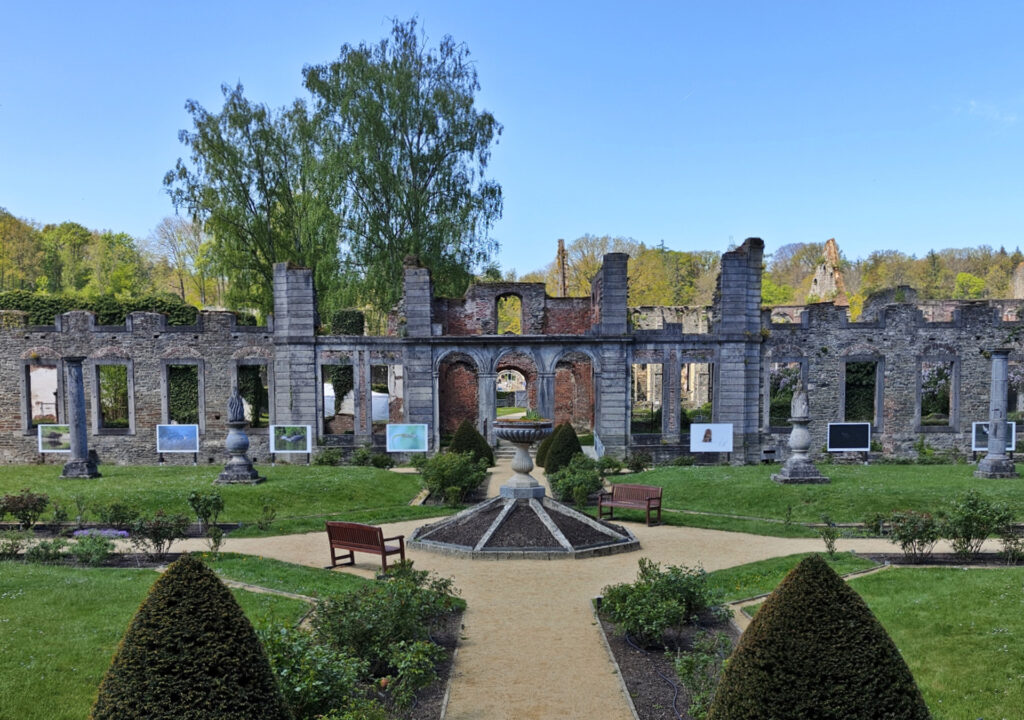
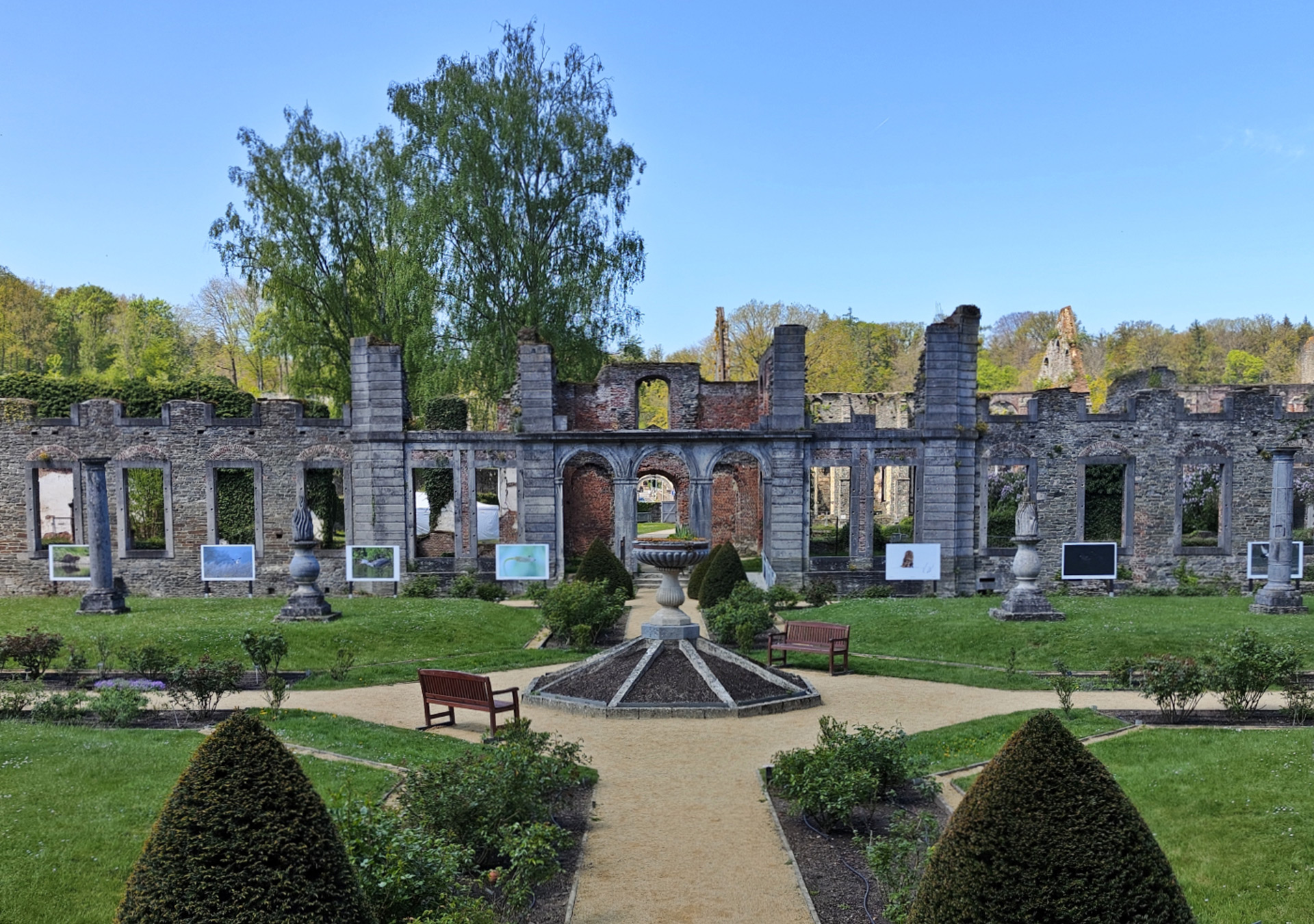
- Monastery garden
-
- Monastery garden
Parking:
The main parking lot is located just 30 meters from the entrance and is completely free of charge. A comfortable start to your trip is guaranteed.
When to visit the monastery?
Experience the mystical atmosphere of the monastery in peace and without crowds—best in the morning, even on weekends. At this time, visitor numbers are the lowest, so you can enjoy every corner of this unique landmark at a relaxed pace, without any rush.
Our tips:
After exploring the monastery, you can also visit the local souvenir shop. Among other things, you will find delicious beer, which is brewed right in the abbey—a great tip for an original gift or a tasty experience.
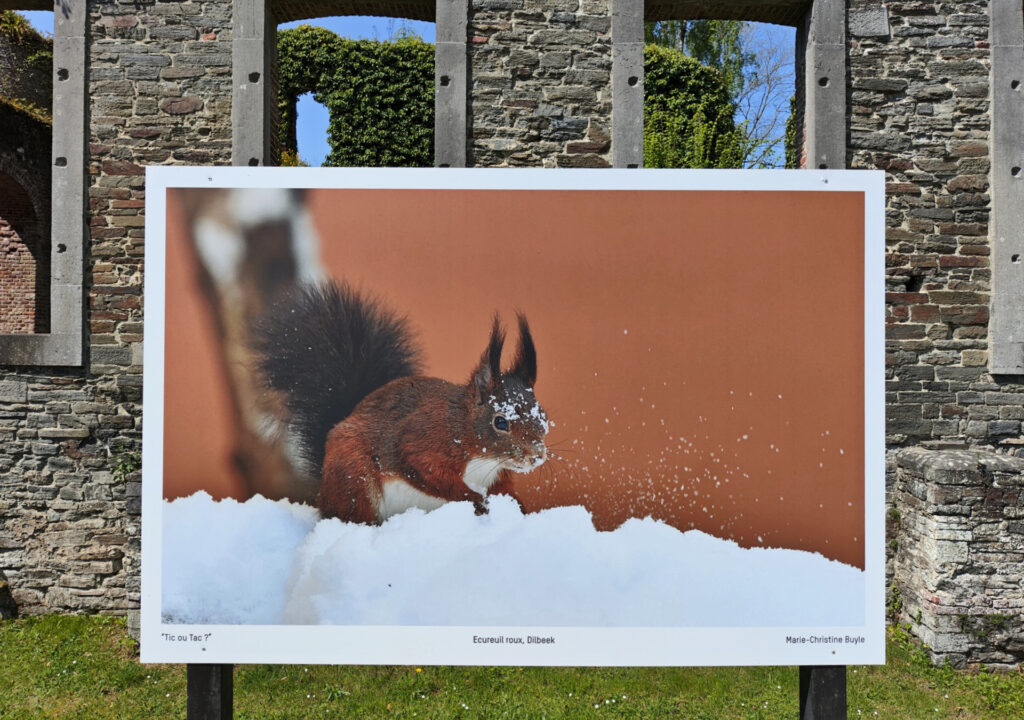
Today, this architectural gem also pulses with cultural life —concerts, exhibitions and theatre performances that will take your breath away. We were lucky enough to experience an intimate staging of The Little Prince here, and it was truly a magical moment. The performance in the authentic atmosphere of the old monastery walls added a new dimension to the story. So don't forget to check the program on the abbey's website.