




If you are wandering through the foothills of the Krkonoše Mountains, you mustn’t miss Hostinné—a picturesque town where history intertwines with myths. Above the town looms the town hall tower, adorned with five-meter-tall statues of giants, evoking ancient legends that still come alive in this mountainous landscape.
According to the first legend, two giants once lived here, after whom the Krkonoše Mountains were named (in German, Riesengebirge—"Mountains of the Giants"). Their memory remains carved in stone as a memento for future generations.
Another tale tells of a kind-hearted baker and butcher who protected travellers from the dangers of the wild forests, teeming with beasts and bandits. In honour of their bravery, the town immortalized them—their faces now gaze down from the town hall tower.
And then there’s a third, darker legend—about two bloodthirsty giants who terrorized Hostinné until clever burgher outwitted them by pouring scalding hot flour porridge from the tower, blinding and defeating them. The statues on the town hall serve as a reminder of this victory.
-
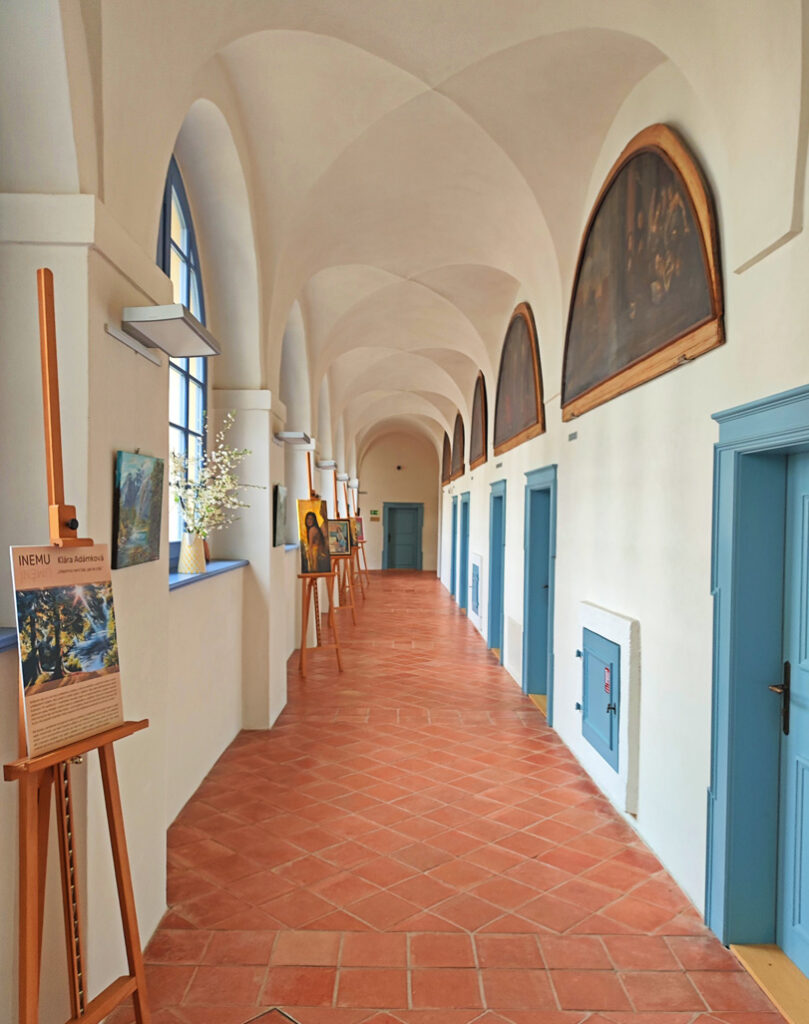
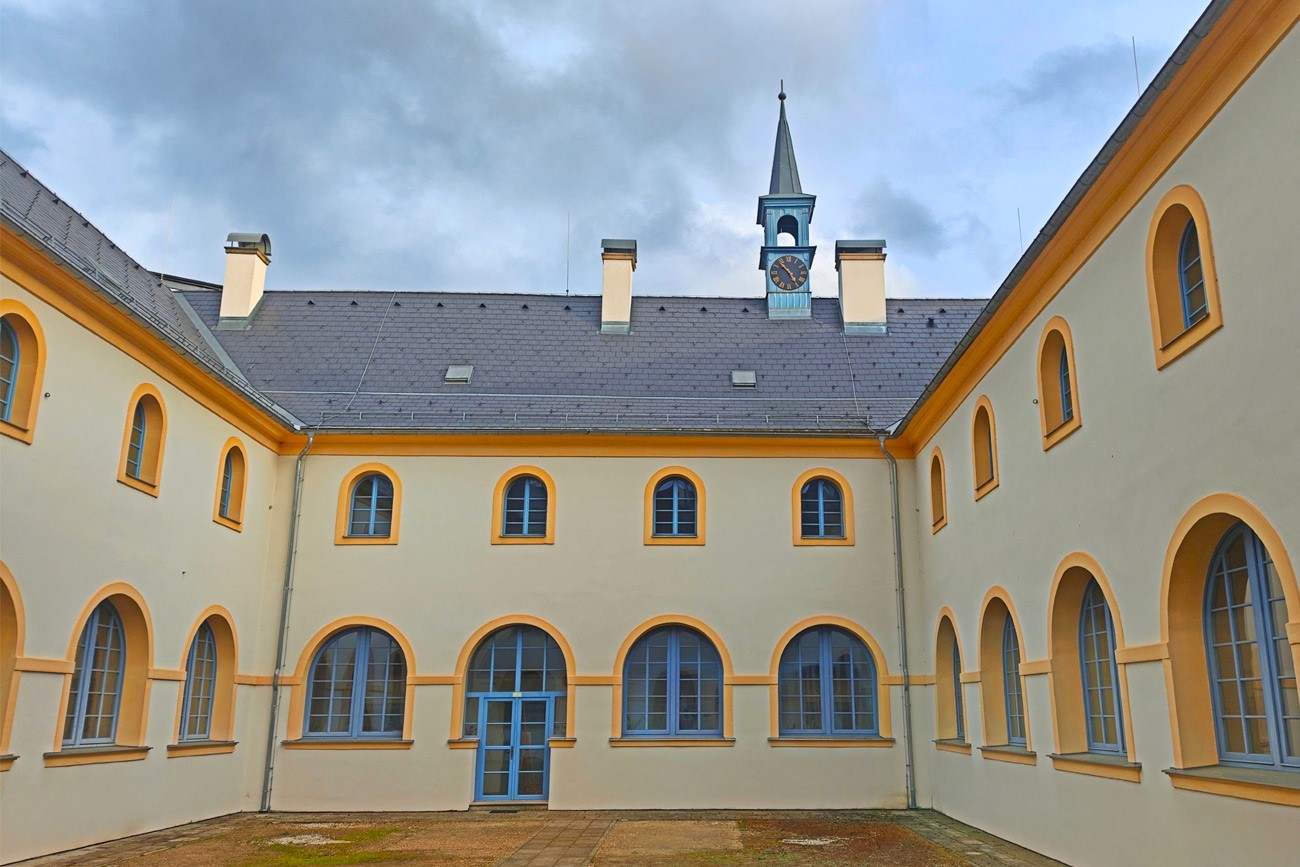
- Monastery in Hostinné
-
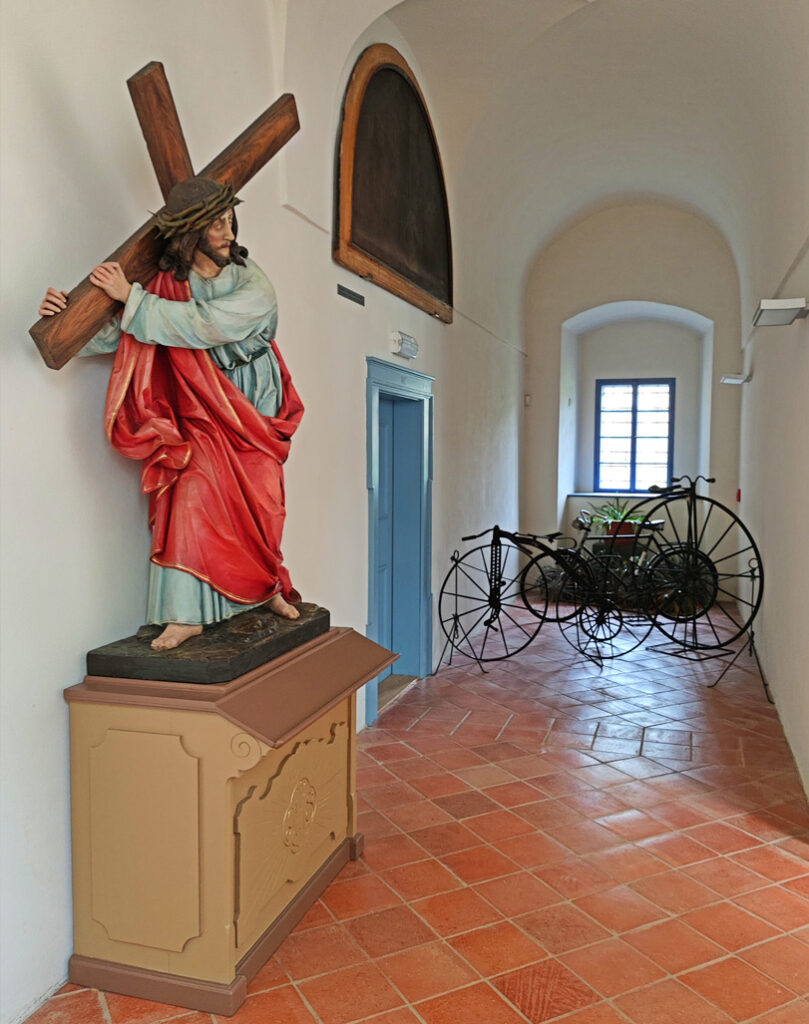
- Monastery in Hostinné
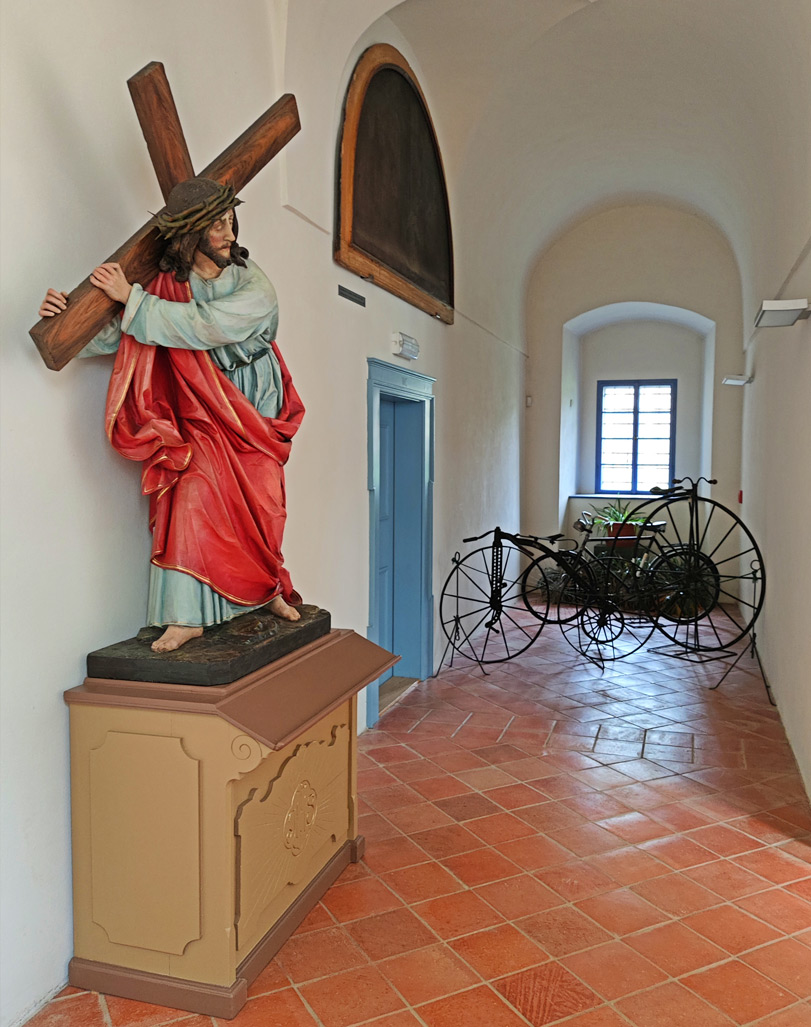
In 1635, the town of Hostinné was acquired as spoils of war by the Dutch nobleman Vilém Lamboy, who longed to leave behind more than just memories of military triumphs. His dream brought Franciscans to the town, and so in 1666, the story of one of the most remarkable monasteries in the Podkrkonoší region began to unfold.
The construction of this early Baroque gem started in 1677 under the guidance of Prague builder Martin Reiner, but fate had other plans. After financial troubles and Reiner's death, the reins were taken over by the young Wolfgang Dientzenhofer, later a legend of Baroque architecture. The monastery was consecrated in 1684 and soon blossomed into a form that still takes one’s breath away—including the Chapel of Our Lady of Sorrows, built out of the love and generosity of a local patron.
The Franciscans did not only pray here but also healed. Their pharmacy and hospital for the poor became the heart of the town. In the monastery garden, they gathered herbs, brewed medicinal teas, and kept bees in hand-carved hives. Even though Emperor Joseph II nearly consigned them to oblivion, the monks returned —their services were simply irreplaceable.
Dark times struck in 1950 when the communists turned the monastery into a grim warehouse. Only after the Velvet Revolution did hope shined again. The decaying monastery was given a second chance—after careful restoration, it came back to life.
-
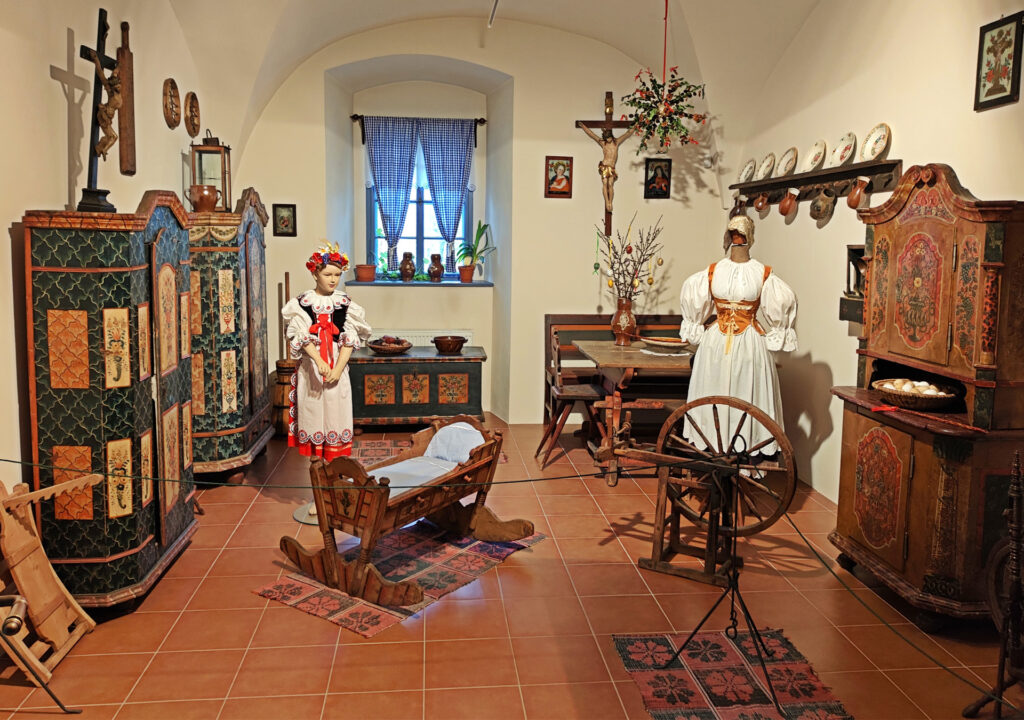
- Town Museum
-
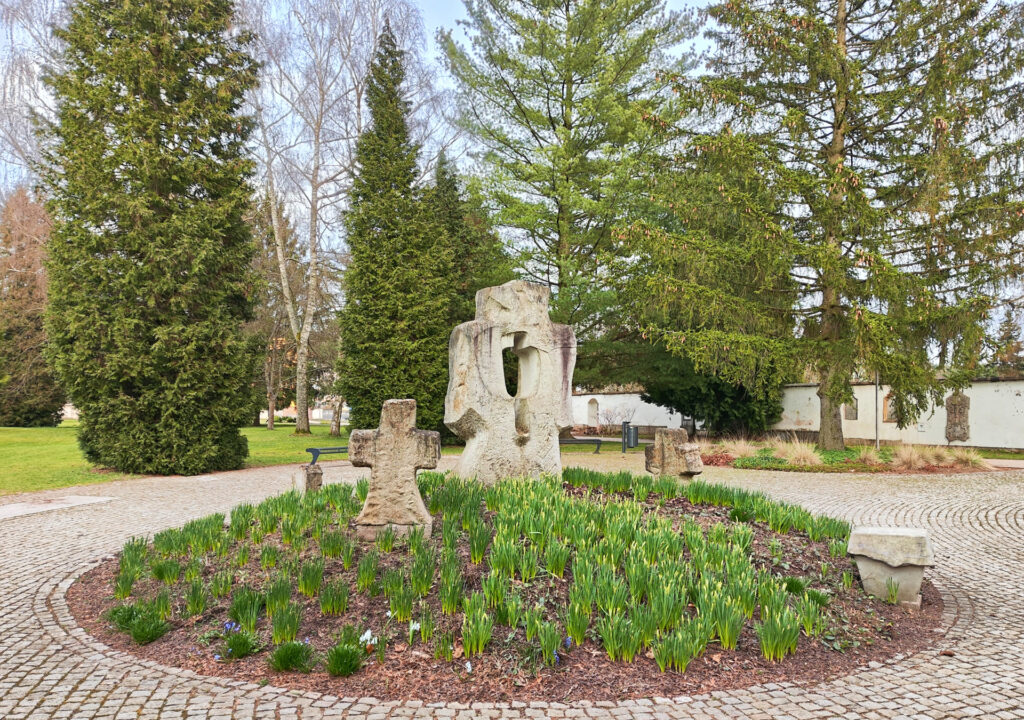
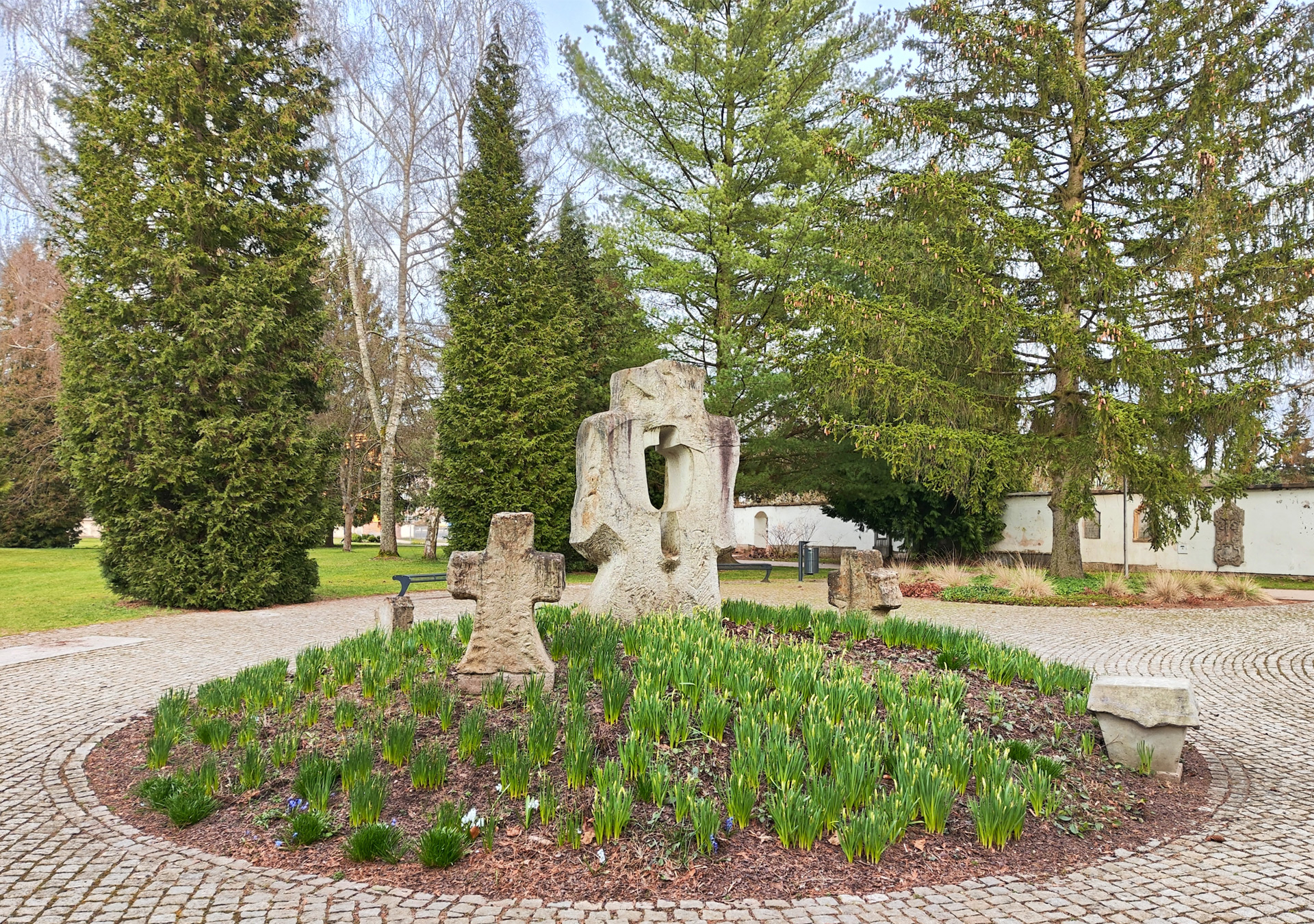
- Park of Reconciliation
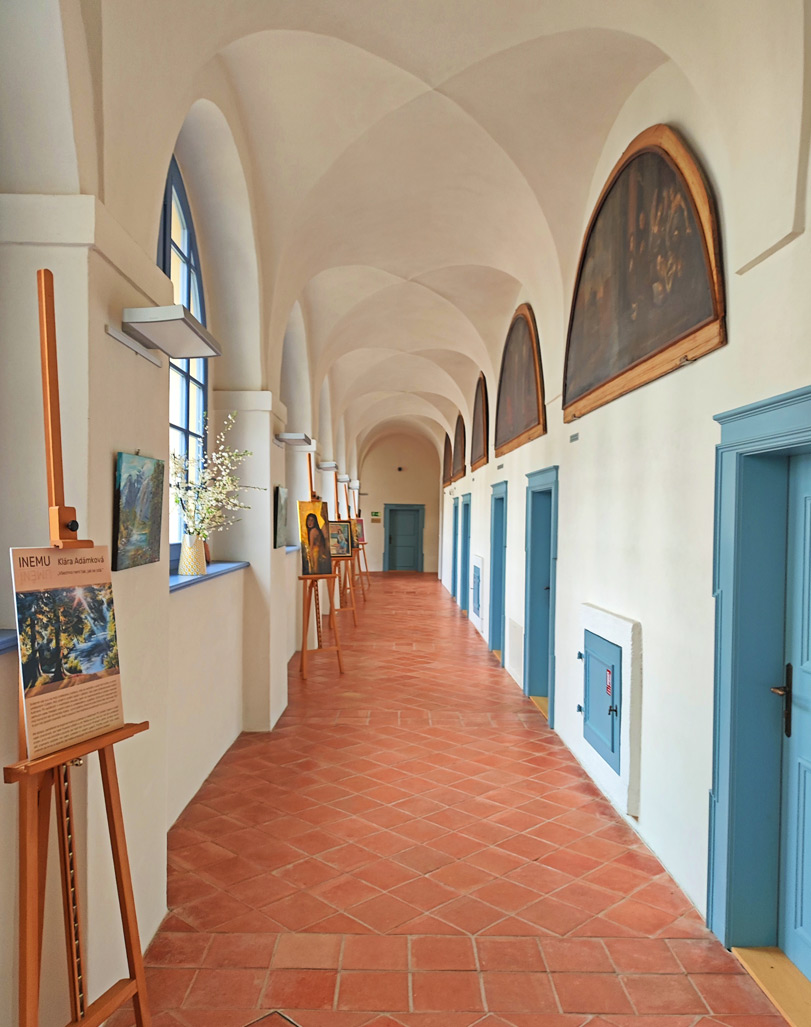
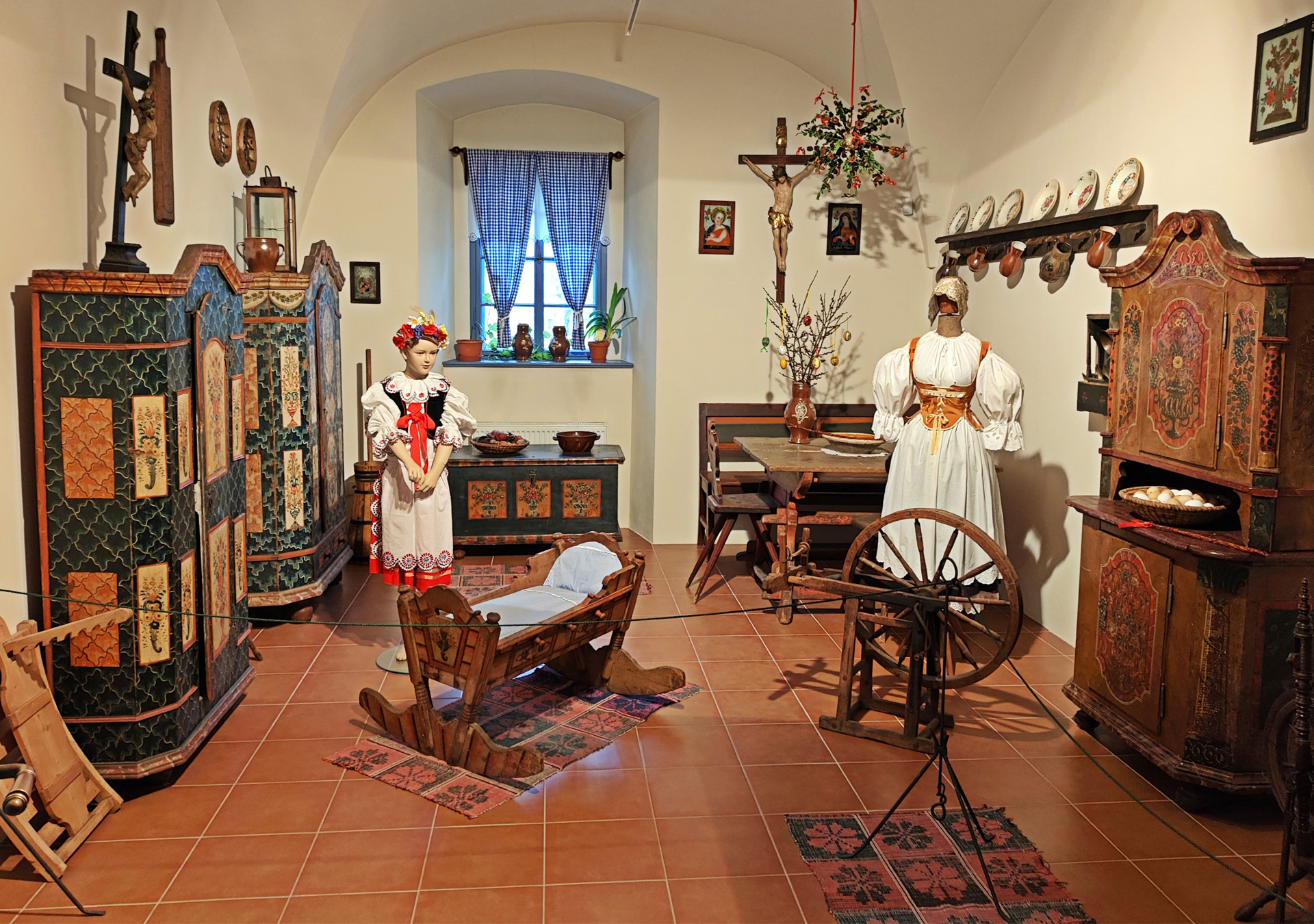
Within its historic walls lies a treasure trove of the past: the Town Museum will guide you through the turbulent history of Hostinné, from medieval colonization to the year 1948. Be enchanted by the unique collection of hand-carved beehives or the mysterious 17th-century lunettes in the cloister, which tell the stories of Saint Francis of Assisi.
-
- Gallery of Classical Art
-
- Gallery of Classical Art
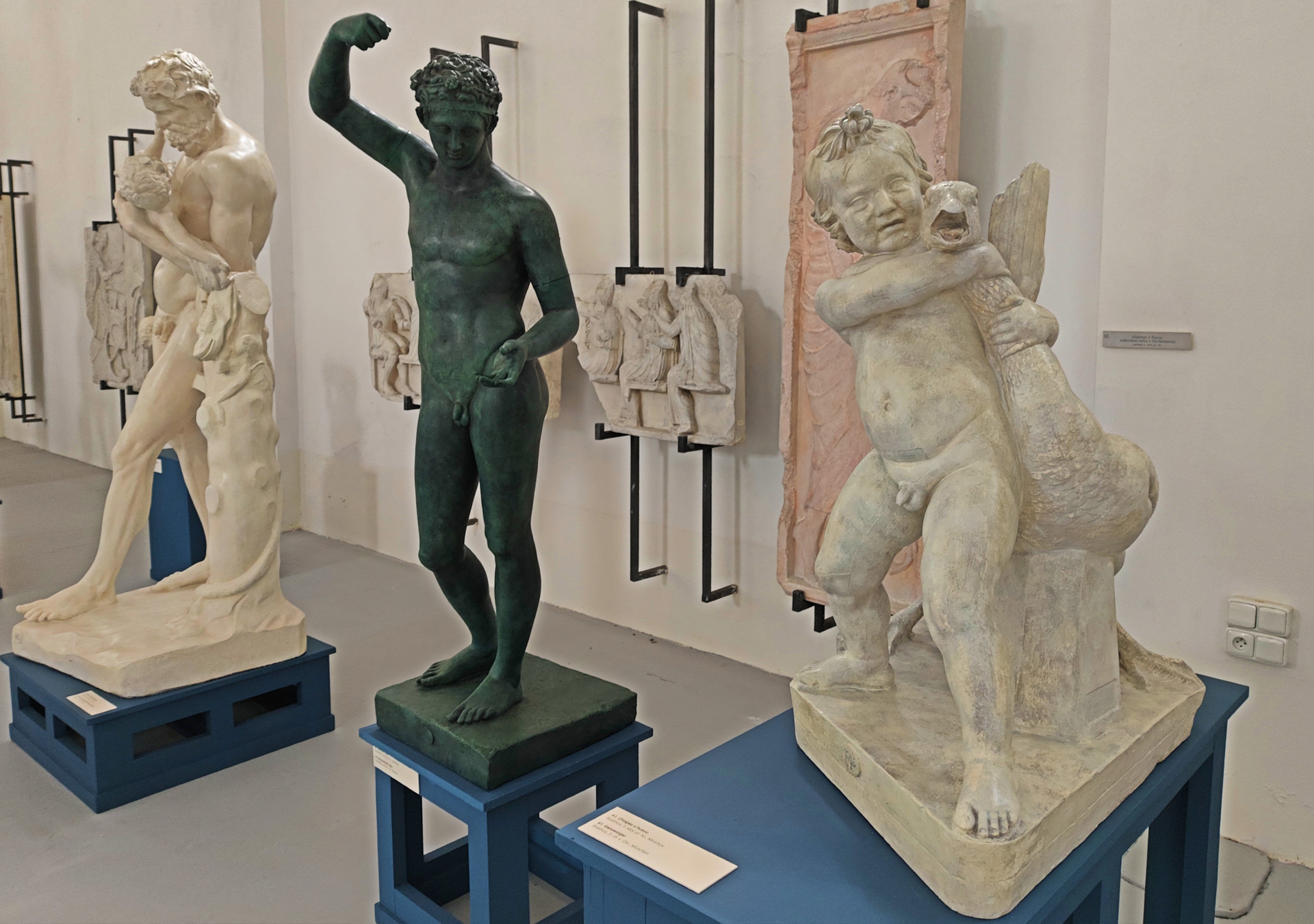
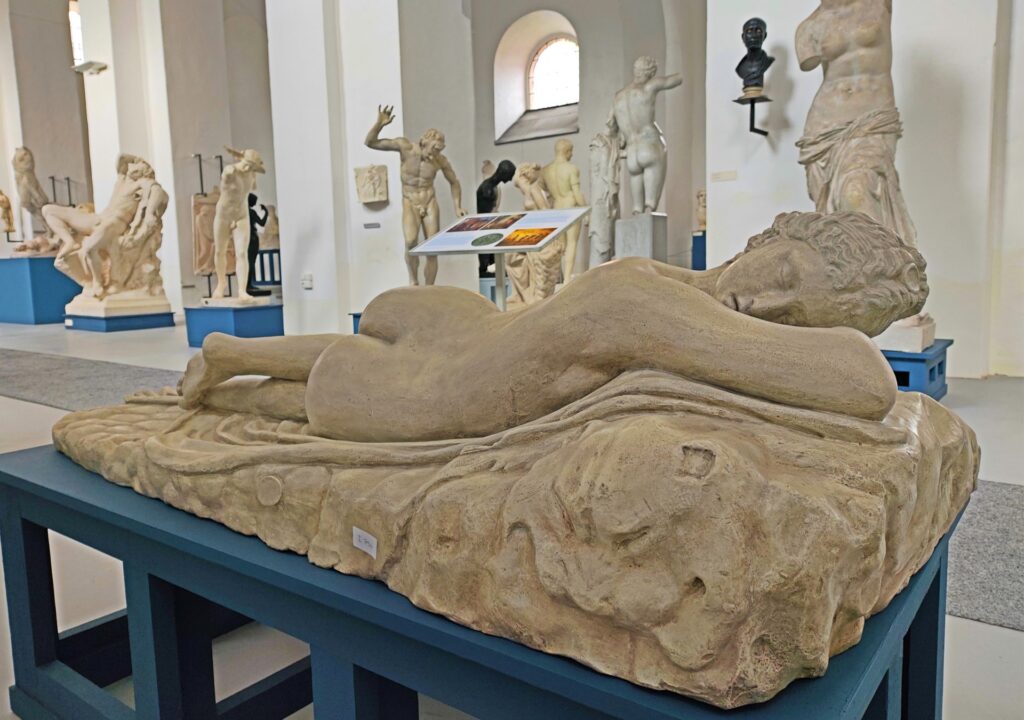
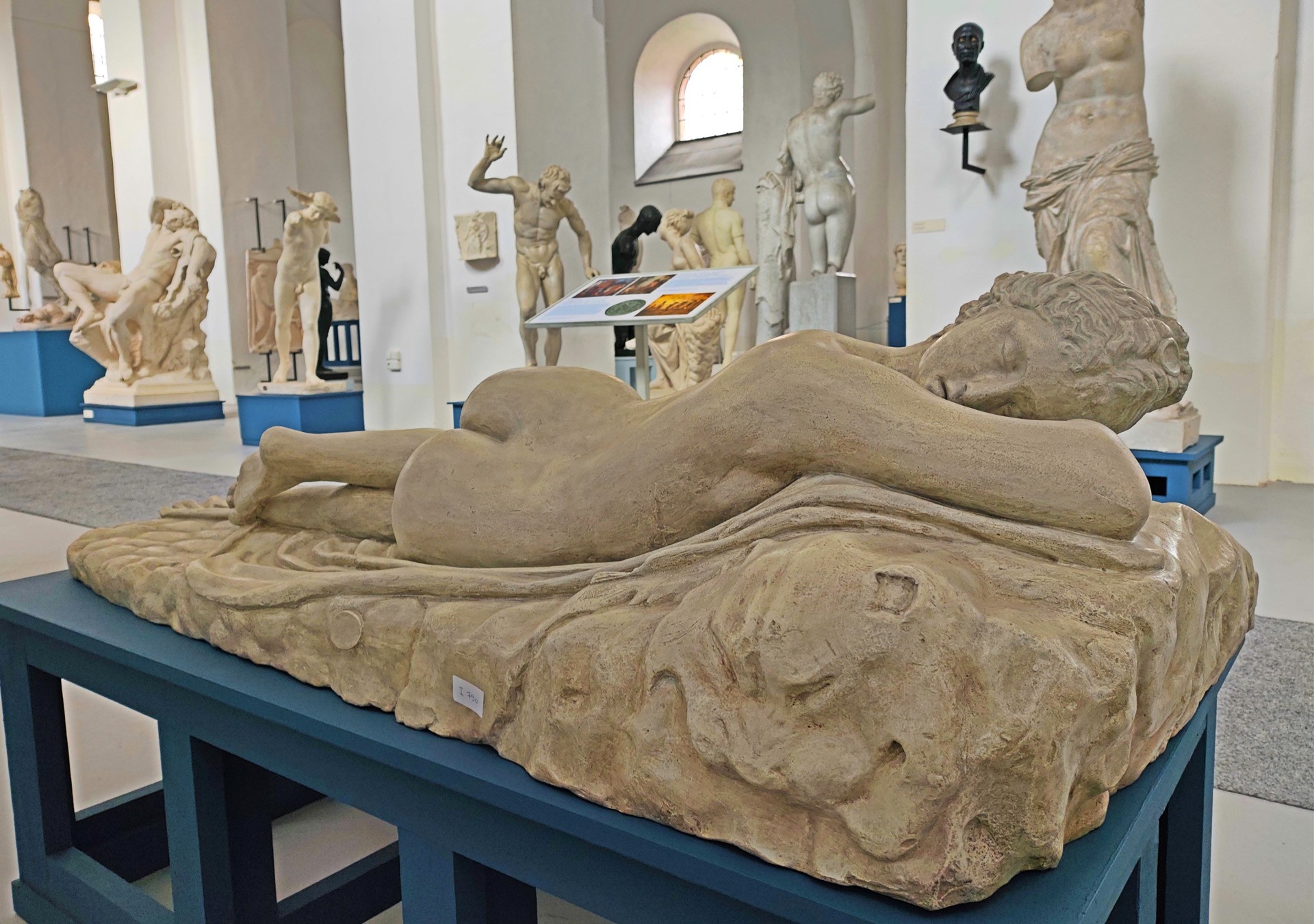
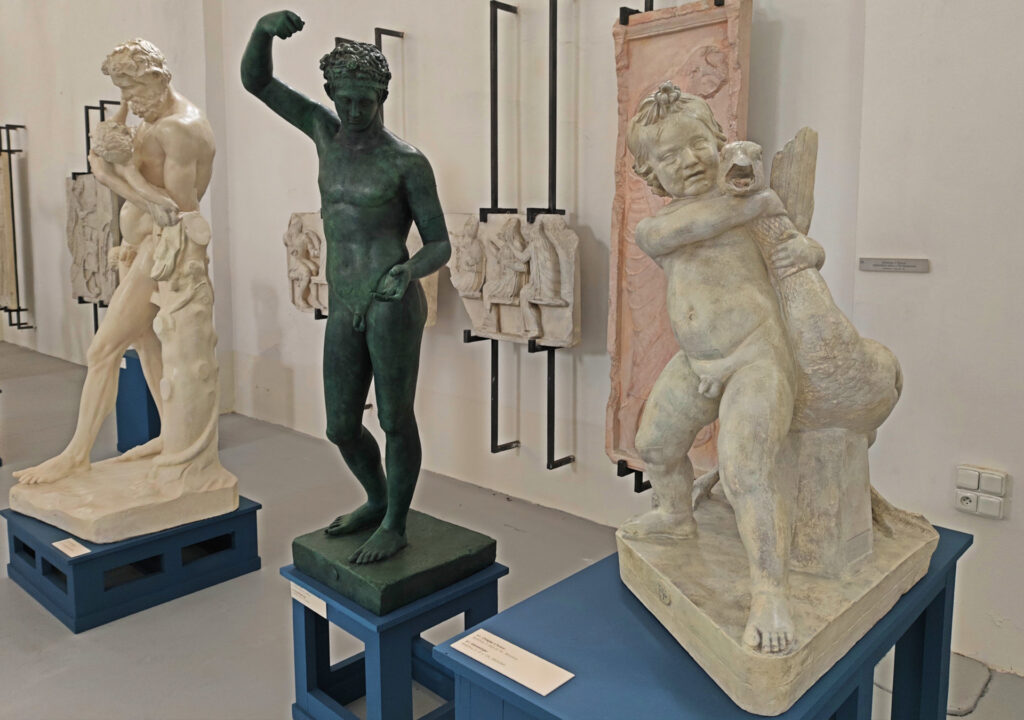
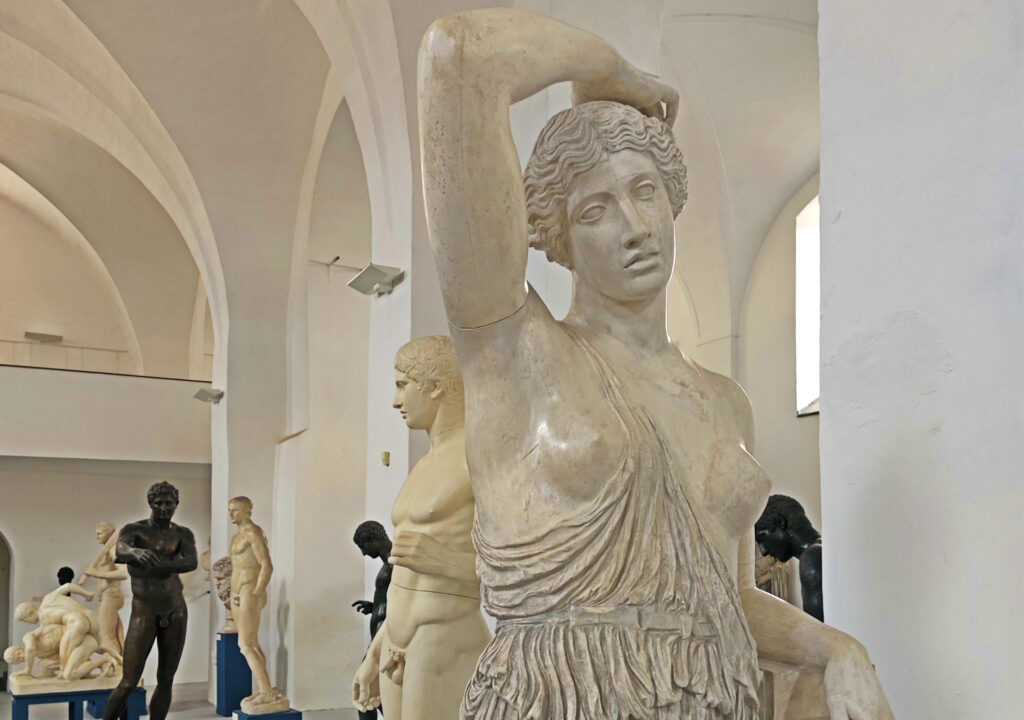
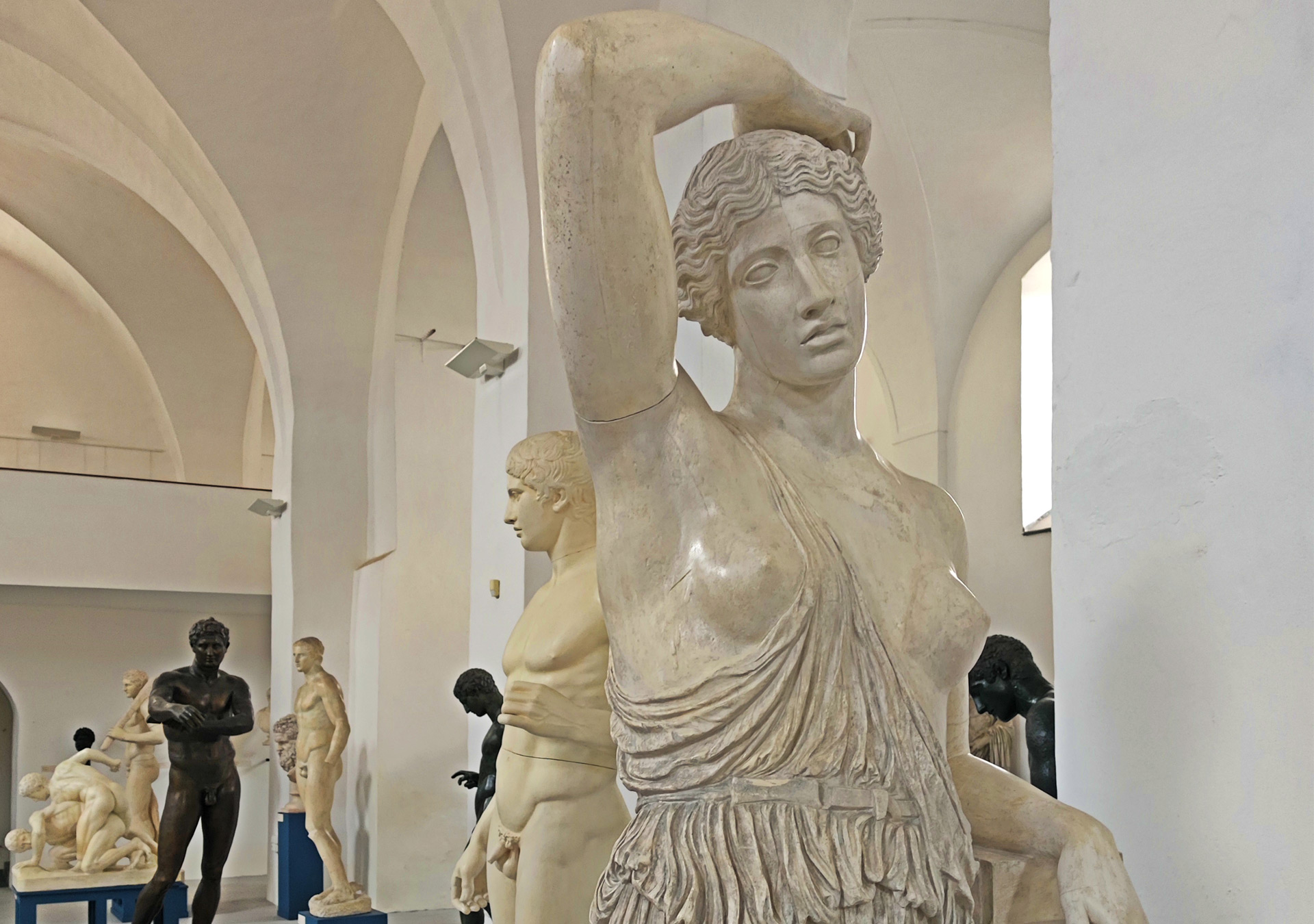
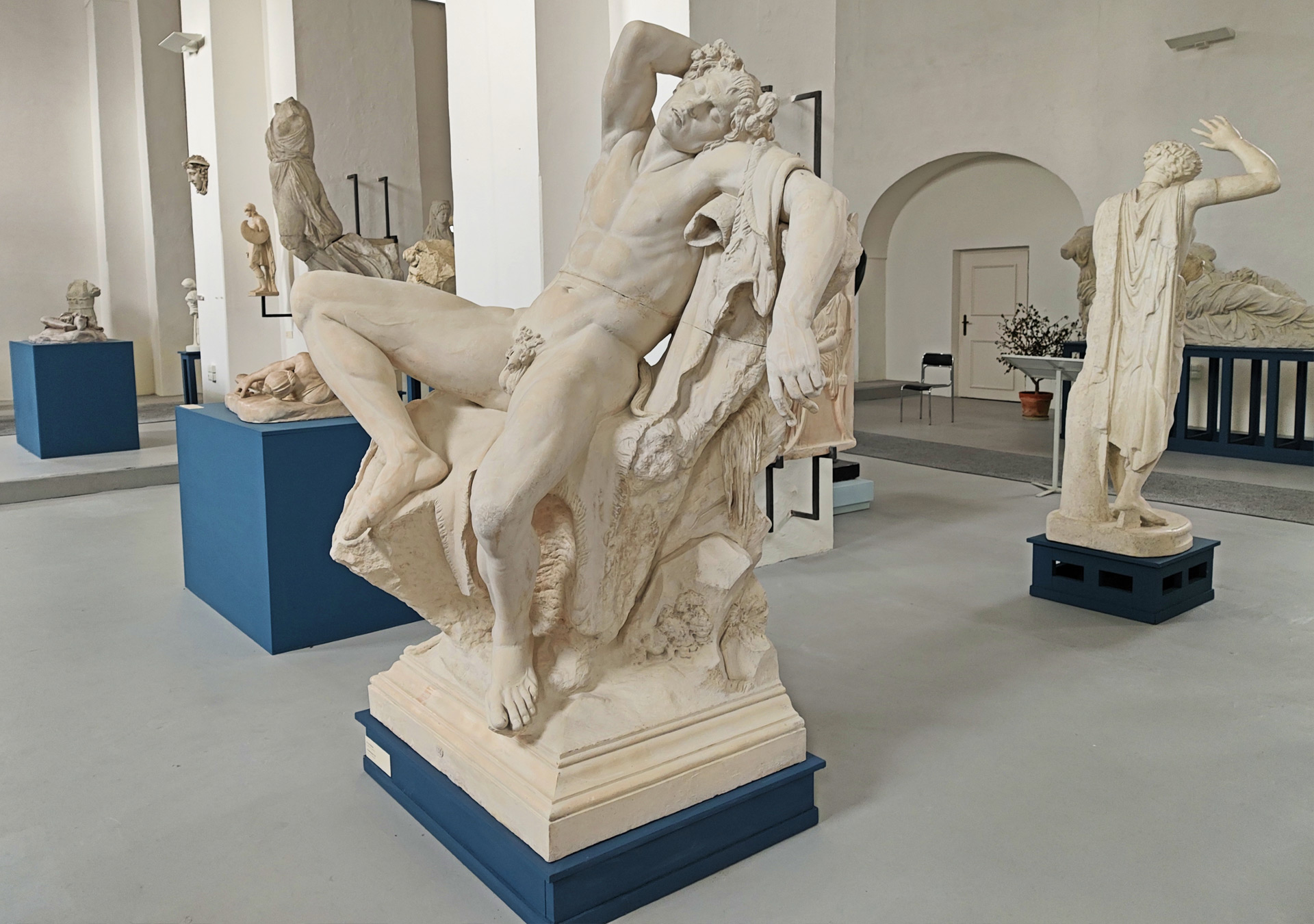
And that's not all – at the Church of the Immaculate Conception of the Virgin Mary, an unexpected experience awaits you: a Gallery of Classical Art featuring perfect casts of sculptures whose originals adorn famous museums around the world. Walk among marble gods and heroes whose beauty has endured for millennia.
Address: Nádražní 119, Hostinné
-
- Gallery of Classical Art
-

- Gallery of Classical Art
Where did we park?
Přímo naproti areálu kláštera se nachází parkoviště zcela zdarma. You can find it at the address: K. V. Raise 123, Hostinné.
Our tip:
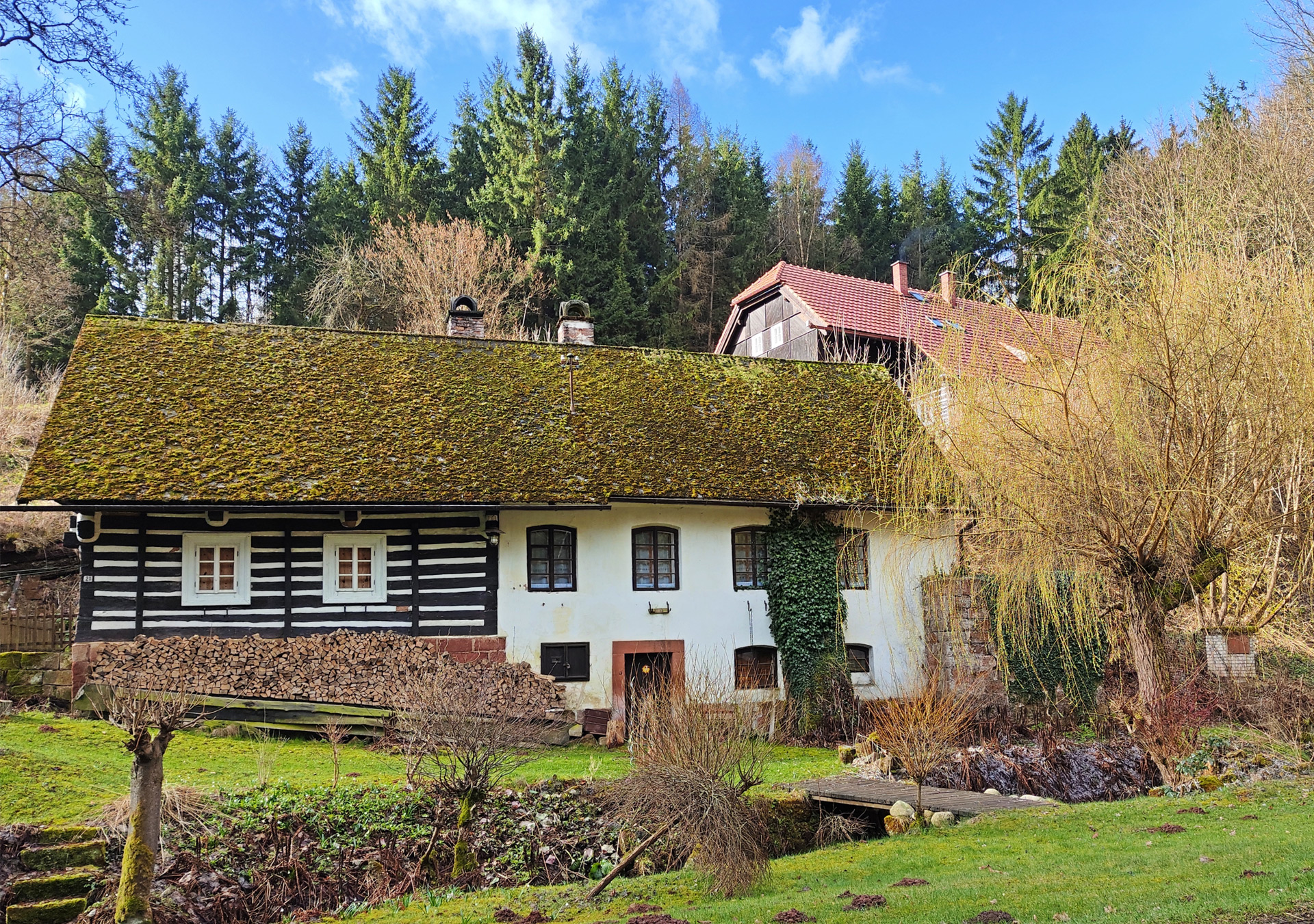
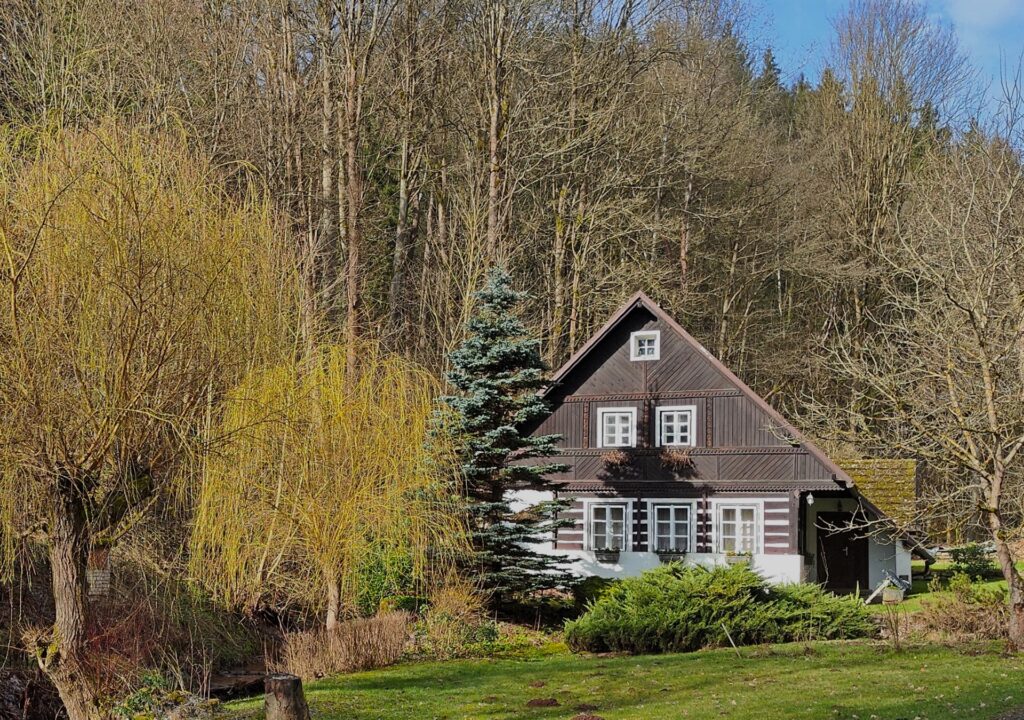
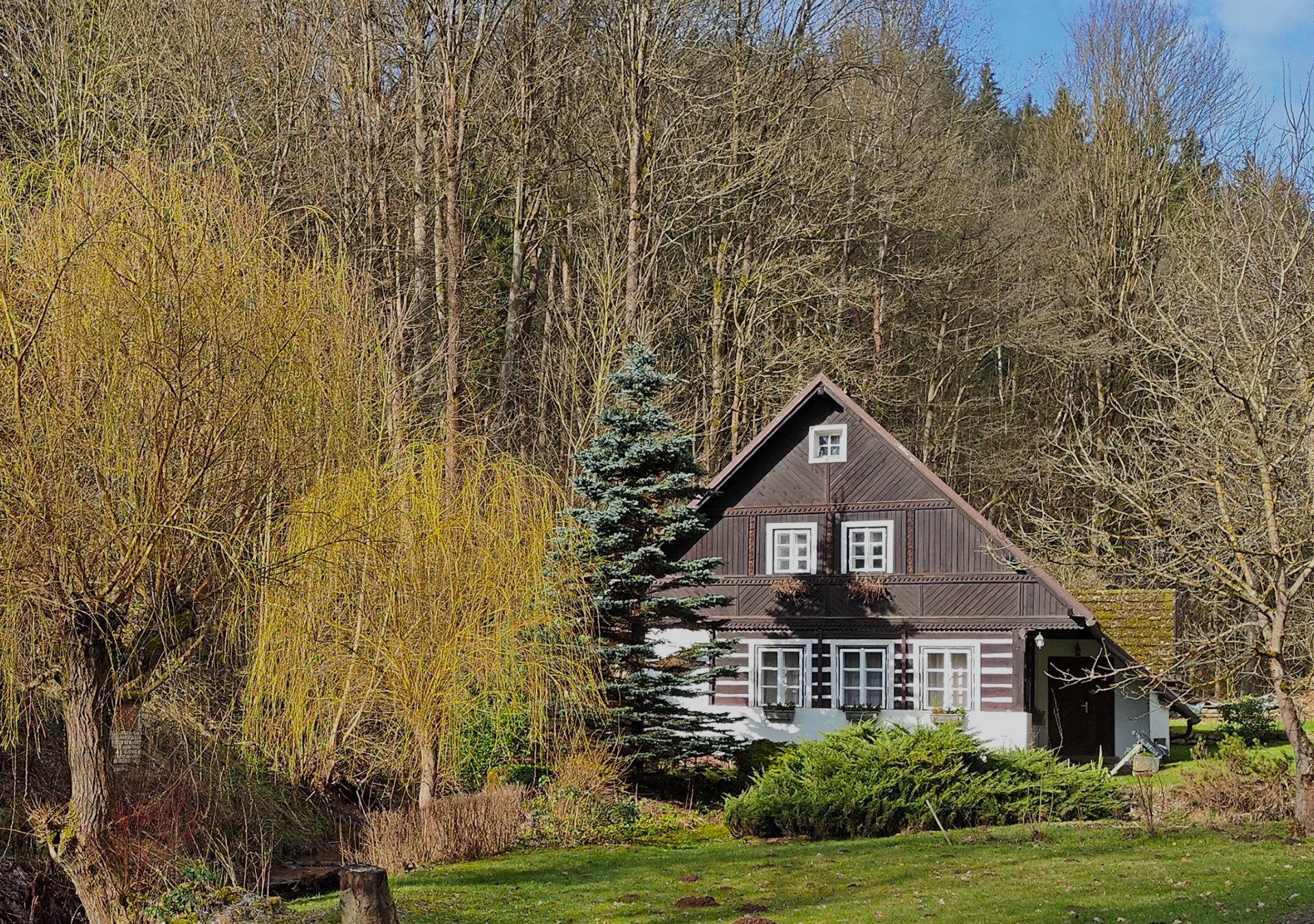
Just 25 kilometres from Hostinné, in the direction of Nová Paka, lies the picturesque village of Stupná, part of the Vidochov municipality. You will fall in love with this place for its peaceful atmosphere and, above all, its stunning timbered houses that look like they are straight out of a fairy tale.
Driving through the village is an experience in itself—each house has its own unique appearance and decorative details that will immediately catch your eye. While it might seem like timber-framed houses all look alike, just stop and take a closer look. You will discover their unique beauty.
This time, we’re not in an open-air museum, but in an ordinary village where these wooden gems still live at their own pace. You will be surprised by how many you will find here and the diverse purposes they once served. Stupná is a small treasure worth discovering.
-

- Stupná
-
- Stupná
Our final invitation:
We’ve prepared another piece of travel inspiration for you—this time, we’re inviting you to the nearby town of Nová Paka. A story full of mysterious gemstones and unique museums awaits you.