




Paris attracts visitors from all over the world with its unique charm. From historic landmarks to fashionable boutiques and cozy cafés, the city offers so much that you’ll want to return again and again.
In this article, we’ll guide you through the labyrinth of Parisian streets and show you the most beautiful and fascinating places you shouldn’t miss on your first visit.
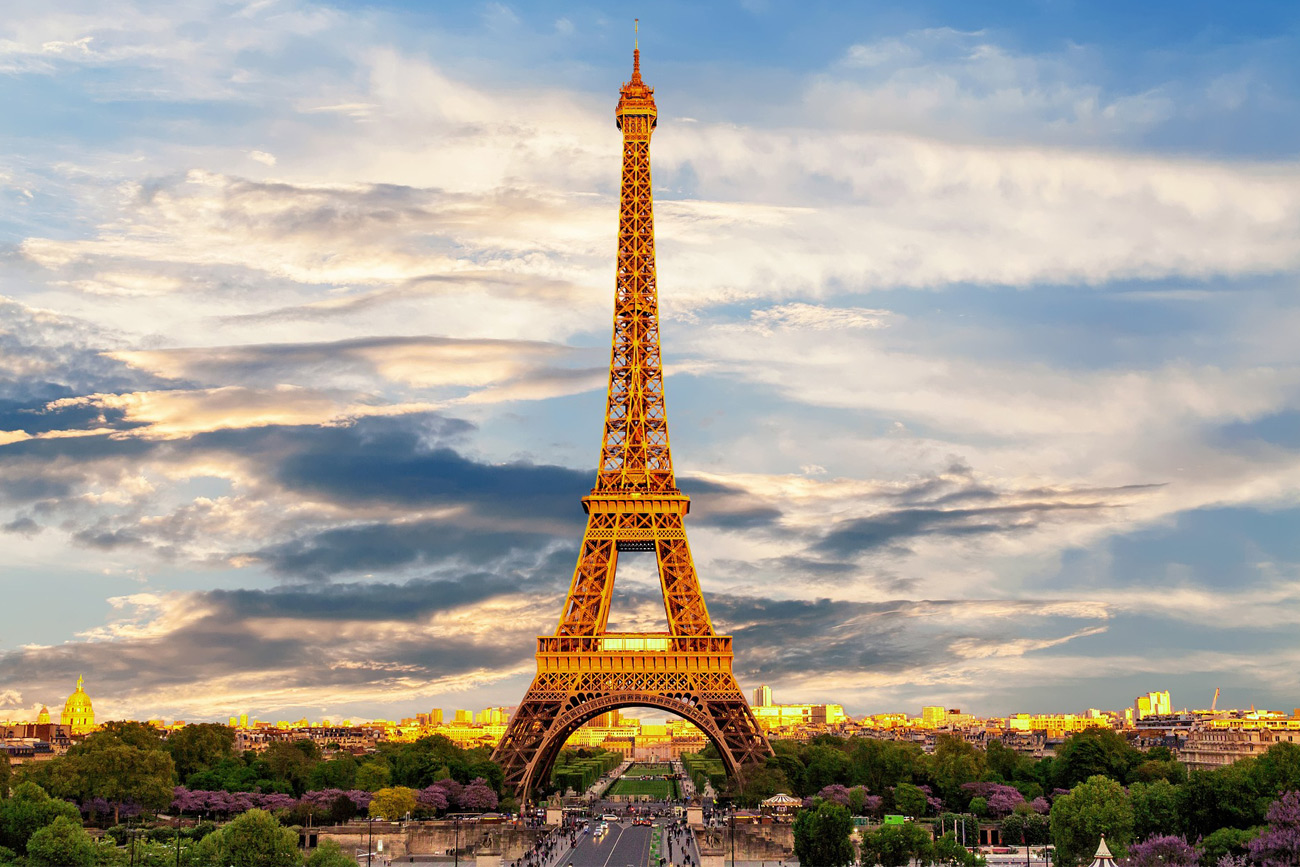
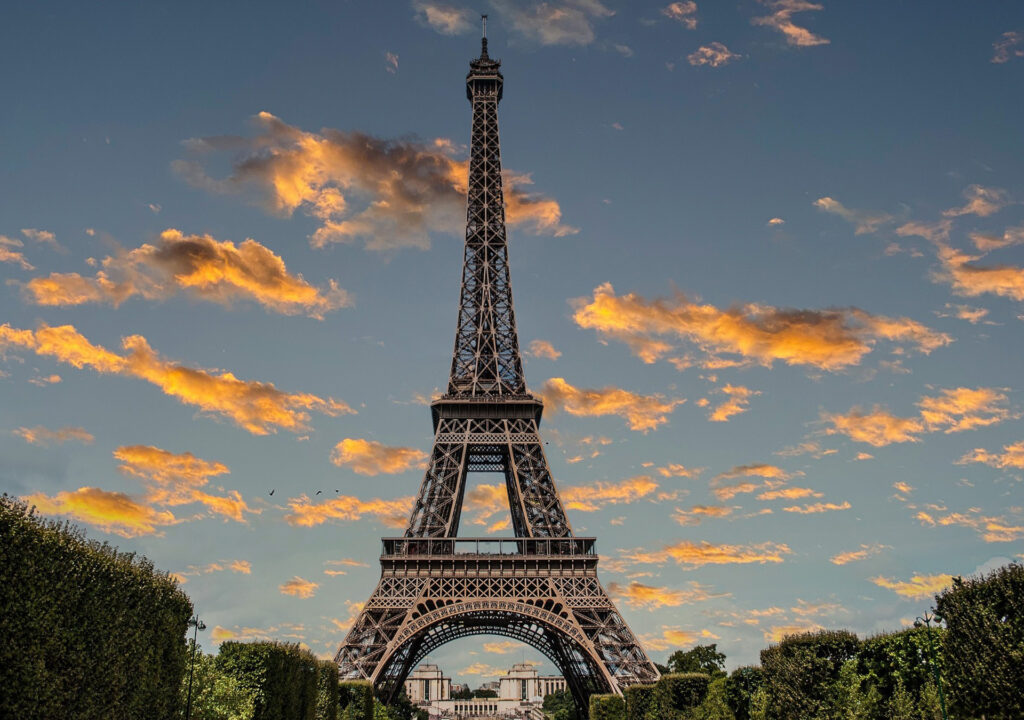
The Eiffel Tower (La tour Eiffel)
This iron lady, towering in the heart of the city, still divides locals into two camps: lovers and haters.
When the tower was built in 1889 for the World's Fair to mark the 100th anniversary of the French Revolution, many Parisians considered it an ugly, tasteless iron monster that disrupted the city's skyline. Gustave Eiffel, the engineer behind this controversial structure, had to publicly declare that his creation would stand for only 20 years. Fortunately for all of us, the Eiffel Tower has become a symbol of Paris and France itself, and today it is one of the most visited landmarks in the world.
From its top, you’ll be treated to a panoramic view, which will take your breath away. And when it lights up at dusk, you’ll feel like you’re in a fairy tale. So, are you ready to conquer it too?
Address: Avenue Gustave Eiffel, Paris
-
- Eiffel Tower

-
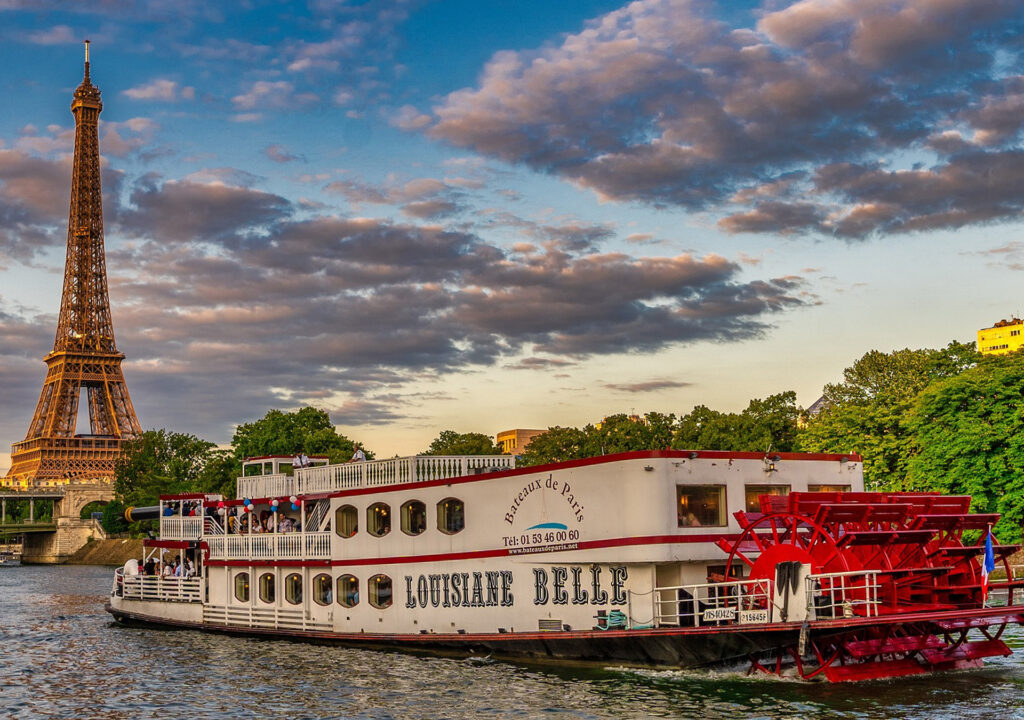
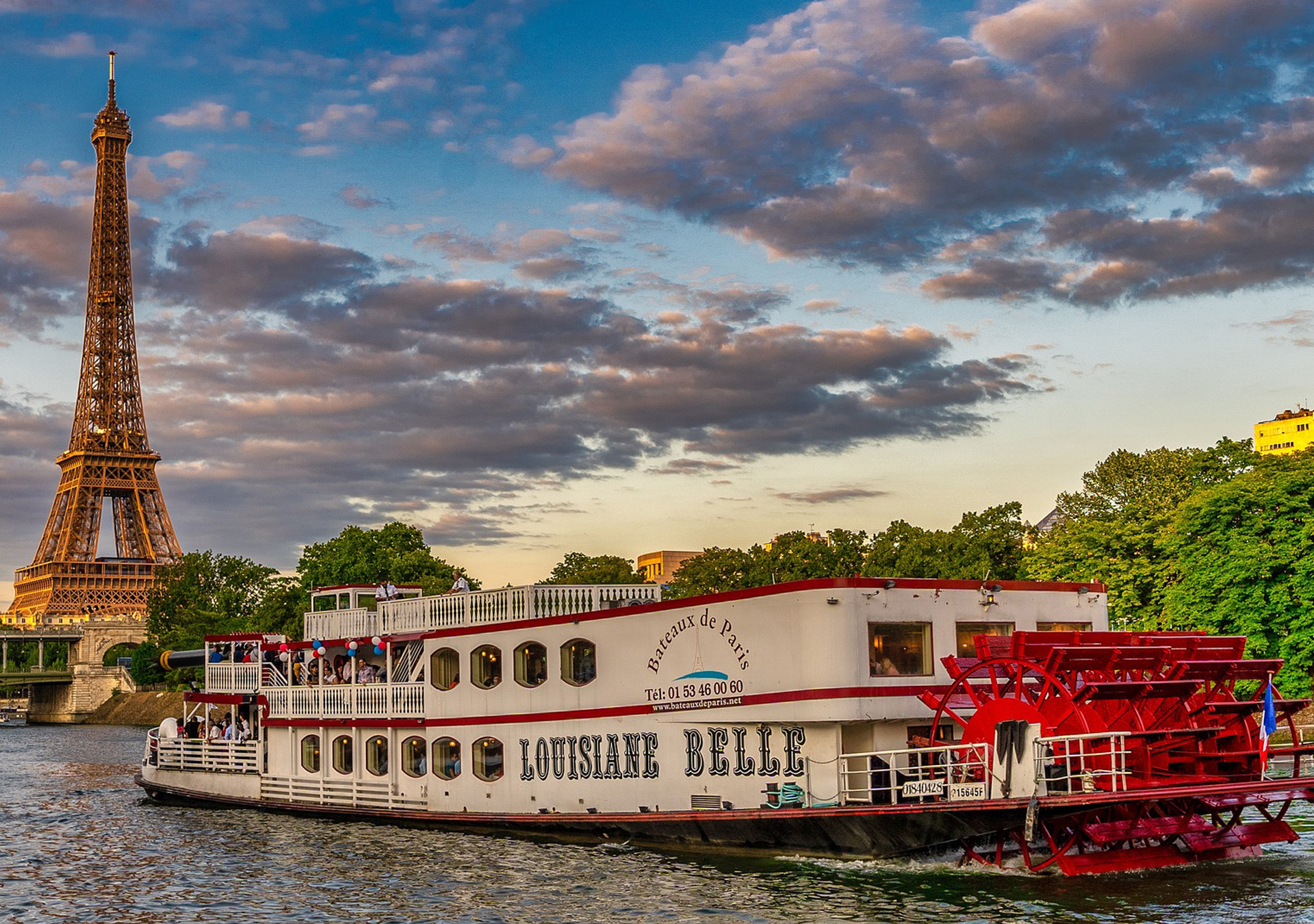
- Eiffel Tower
Our tip:
Plan your visit carefully. You can avoid long lines by purchasing a timed-entry ticket in advance or booking a guided tour.
The Triumphal Arch (L´Arc de triomphe)
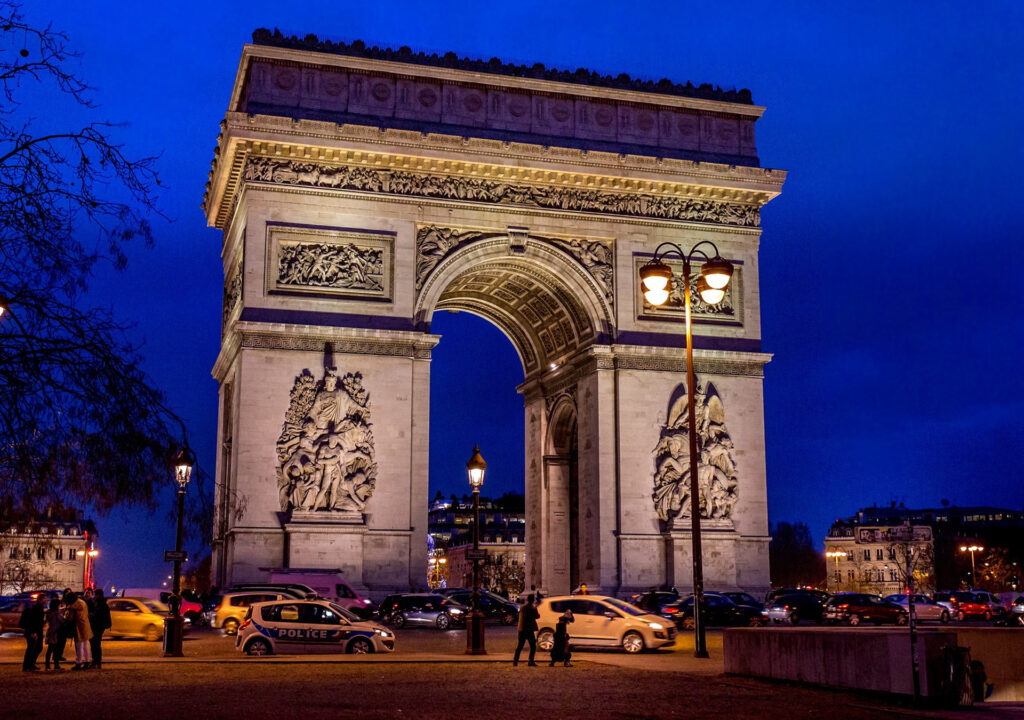
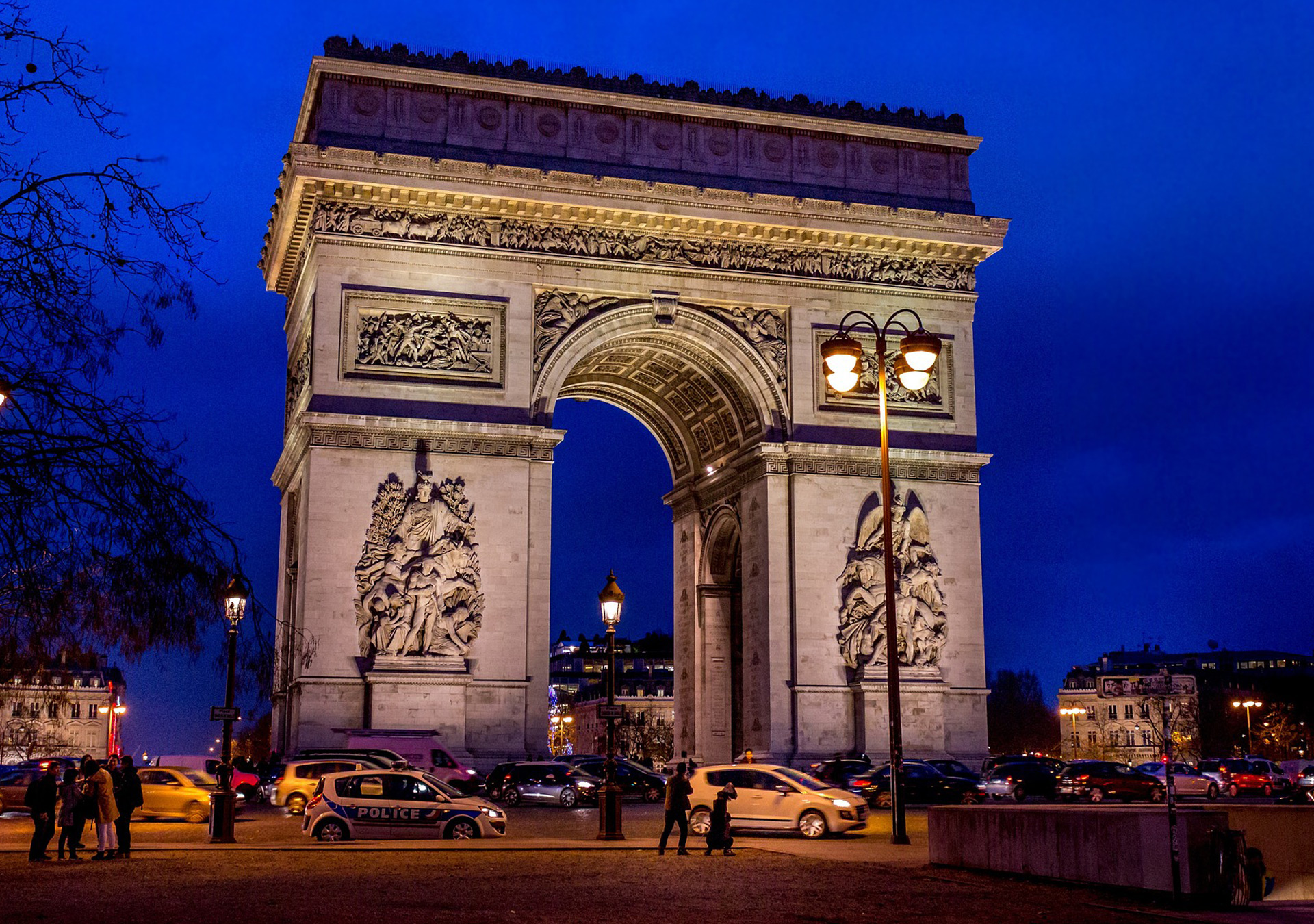
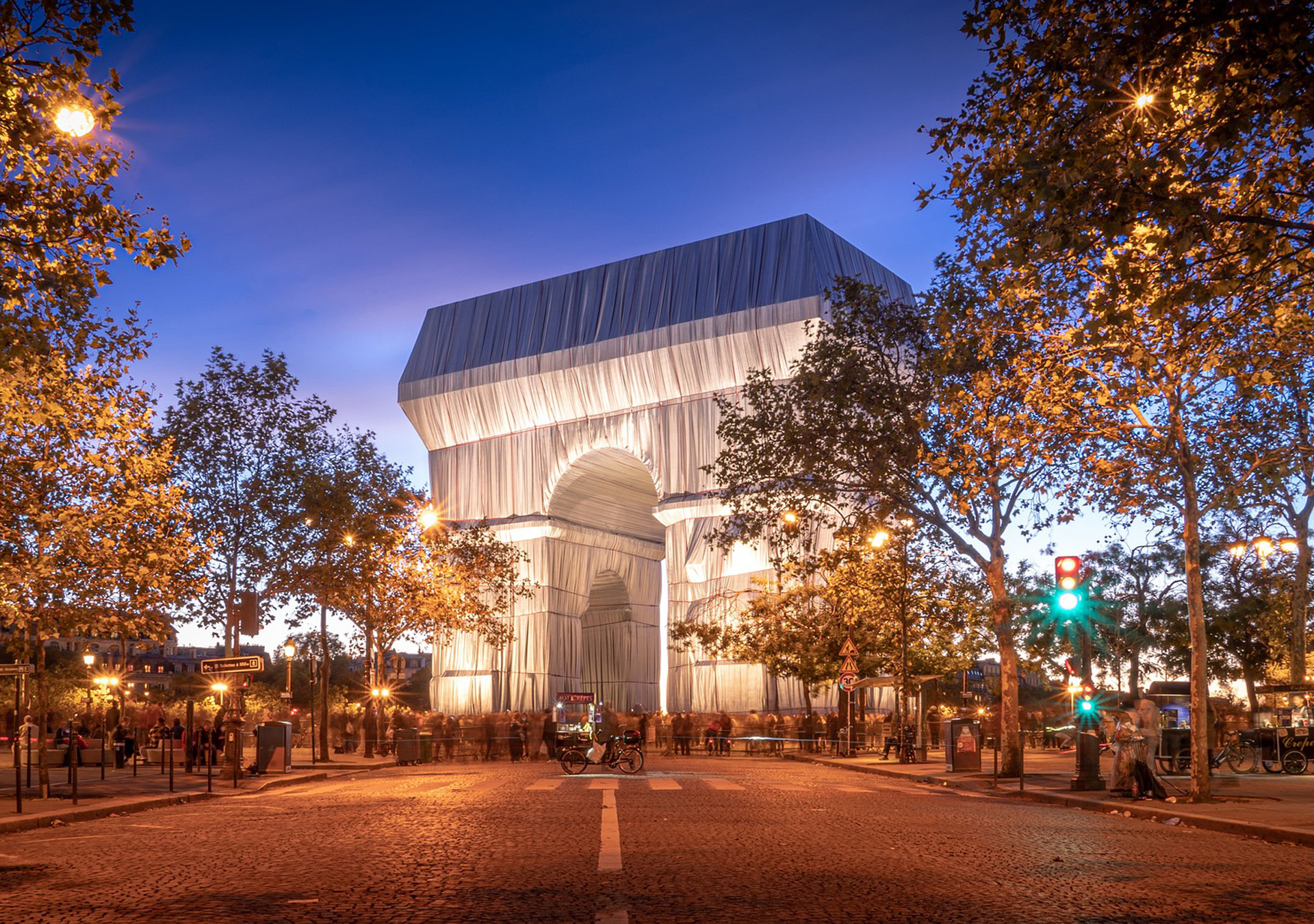
Another national symbol standing in Paris is this monumental structure, which celebrates military victories while also serving as a perfect spot to capture your moments in photographs.
This arch was commissioned by Napoleon Bonaparte himself. Its construction began in 1806 after the famous victory at Austerlitz and took an incredible 30 years to complete. Although it was finished after Napoleon’s death, his spirit still lingers in this arch.
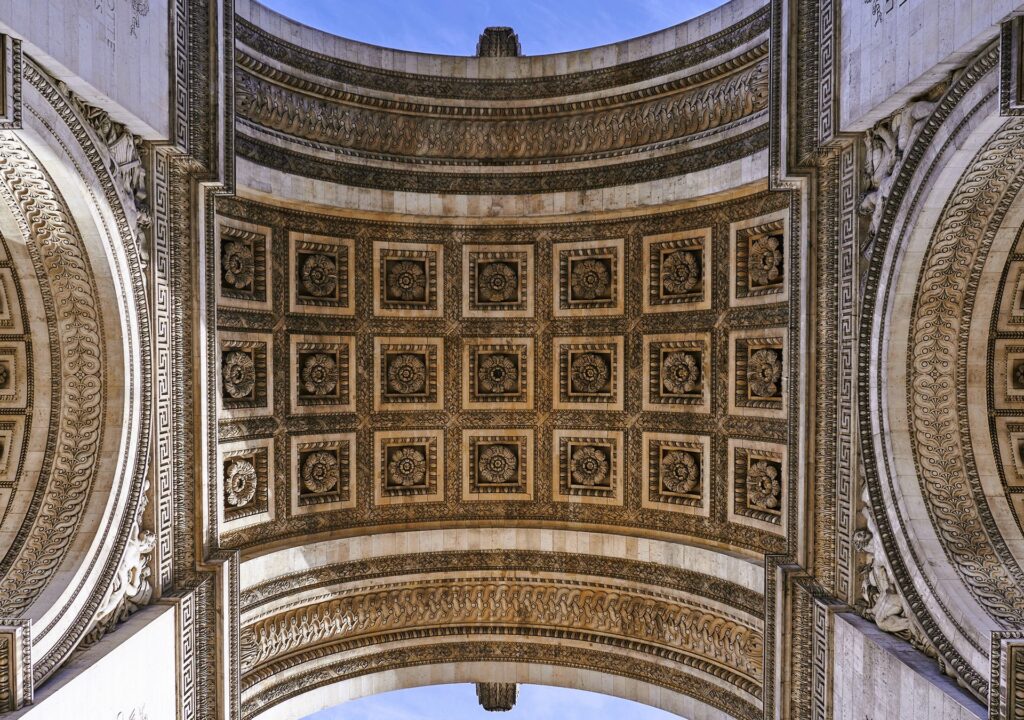
Originally conceived as a tribute to Napoleon’s and the French army’s military successes, the arch is adorned with reliefs depicting significant battles and events from French history. Beneath the arch burns the eternal flame at the Tomb of the Unknown Soldier, honouring fallen French soldiers.
Additionally, every year, the site serves as the starting point for a grand military parade, which commemorates the storming of the Bastille and the beginning of the French Revolution. Conversely, it is also the finish line of the famous cycling race, the Tour de France. For cyclists, crossing this line is the pinnacle of their career, and for spectators, it’s an unforgettable experience.
-
- Triumphal Arch
-
- Triumphal Arch
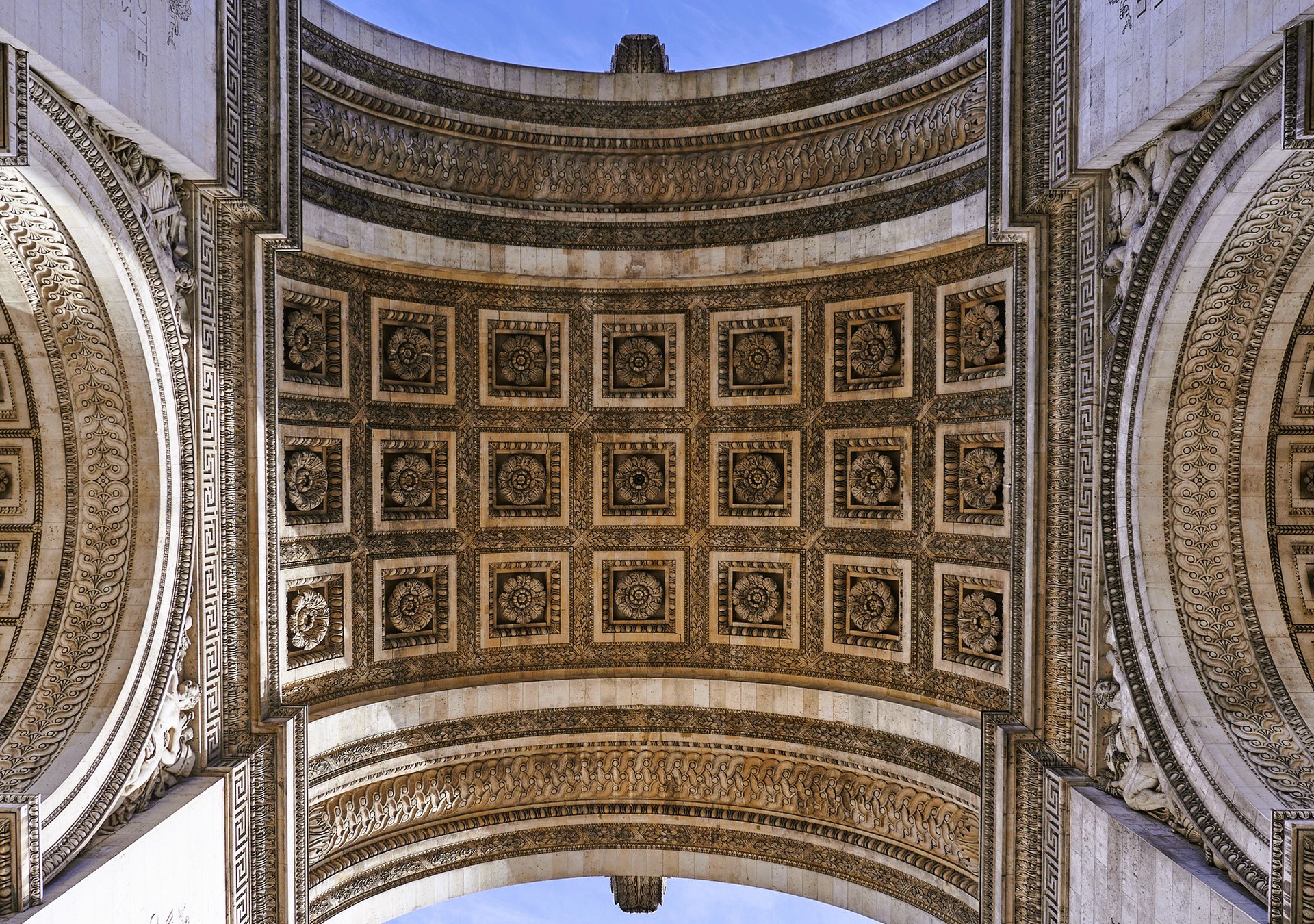
If you climb the 284 steps, you will be rewarded with a breathtaking panoramic view, making you feel like you could fit all of Paris in your pocket. Inside the arch, you’ll also find a museum that tells the history and significance of this monument. Tickets to enter the arch can be purchased online on the official website.
Address: Place Charles de Gaulle, Paris
Champs-Élysées (L´avenue des Champs-Élysées)
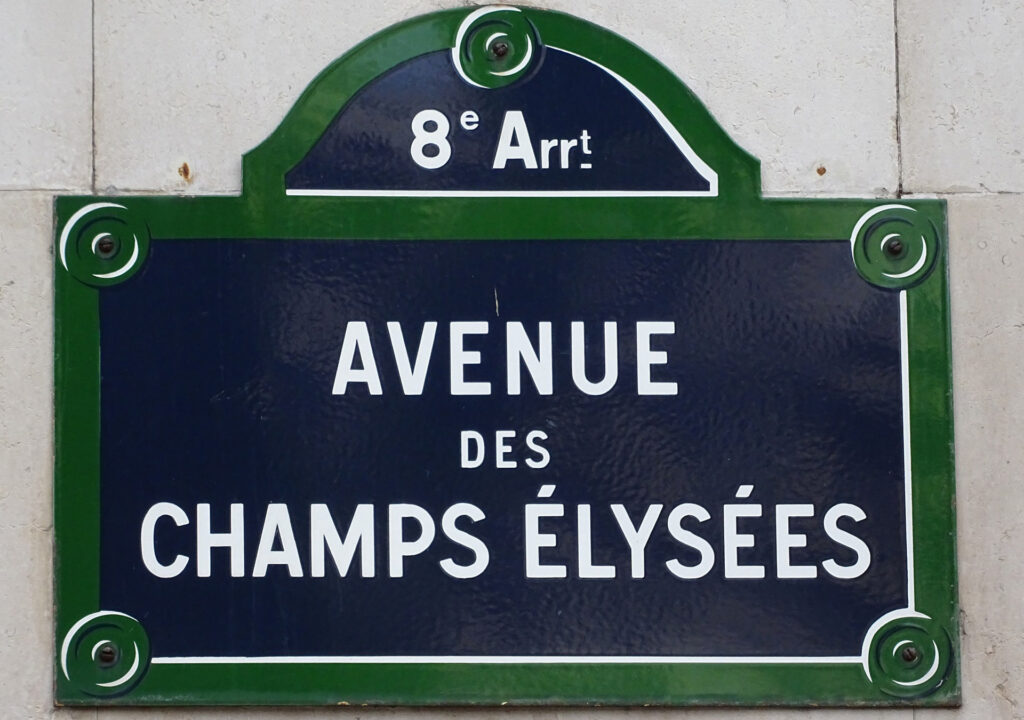
This iconic Parisian avenue, stretching beneath the Arc de Triomphe, is one of the most famous and most visited streets in the world. The Champs-Élysées, however, is more than just a shopping boulevard—it is a living museum of history, telling the story of the rise and fall of French society. Its very name refers to Elysium, the place where, according to ancient mythology, heroes went to live in bliss after death.
Today, it’s hard to imagine that the place now frequented by luxury cars and fashion icons was once a marshy area. It wasn’t until the 17th century that landscape architect André Le Nôtre, best known for designing the gardens of Versailles, began drainage work and transformed it into a pleasant promenade.
-

- Triumphal Arch
-
- Avenue des Champs-Elysées

This avenue has been a stage for history. During the French Revolution, celebrations and parades were held here. Under Napoleon Bonaparte, the avenue was redesigned and took on its current form, becoming a place to celebrate the emperor’s victories.
After Napoleon’s fall, the Champs-Élysées became a gathering place for Parisian high society. Lavish homes and palaces were built here, and over time, the avenue transformed into a popular spot for strolls, shopping and entertainment.
Today, it is a symbol of modern Paris. Here, you’ll find luxury boutiques, cafés, restaurants, cinemas and other entertainment venues. Every year, millions of tourists visit to soak up the vibrant atmosphere of this iconic location.
Our tips:
Best time to visit: To avoid crowds, steer clear of weekends and holidays.
Shopping: If you plan to shop, be prepared to open your wallet. Some prices in luxury boutiques reach dizzying heights.
Relaxation: Find a quiet spot in one of the cafés and enjoy the ambiance.
The Louvre Museum
The Louvre is not just the name of a famous museum—it’s a synonym for art, history and culture. This monumental palace houses treasures from antiquity to the modern era. So, what makes the Louvre so exceptional? Let’s embark on a journey through time together and uncover its secrets.
The Louvre has a rich history that began in the 12th century. Originally serving as a fortress and later as a royal palace, its doors were opened to the public during the French Revolution, transforming the former seat of monarchs into a museum. Today, the Louvre is one of the largest and most visited museums in the world, renowned not only for the breadth of its collections but also for its stunning architecture.
Address: Place du Palais Royal, Paris
-

- The Louvre

-

- The Louvre

What not to miss in the museum:
Mona Lisa: A world-famous art icon and the museum’s most popular exhibit. Come uncover the mystery behind the smile of Leonardo’s enigmatic portrait.
Michelangelo’s Hall: Immerse yourself in the Renaissance and admire Michelangelo’s masterpieces, such as the Slaves sculptures.
Apollo Gallery: Be enchanted by the luxury and opulence of French classicism. Here, you’ll find not only sculptures and paintings but also precious stones and other artistic treasures.
Napoleon III’s Apartments: Step back into the era of the Second Empire and marvel at the lavish interiors filled with gold, mirrors and crystal.
Our tips:
Plan your visit in advance and book tickets online to avoid long queues. You’ll also dodge the biggest crowds if you arrive early in the morning.
Enter the museum through the glass pyramid.
The Louvre is enormous, so focus only on what interests you most during your tour.
The Notre-Dame Cathedral
The Notre-Dame Cathedral in Paris is more than just a building. It is a living piece of history, a spiritual oasis, and an unforgettable experience for millions of visitors each year. This imposing Gothic temple, towering over the Île de la Cité, is rightfully considered one of the most important symbols of France.
The cathedral has deep roots in the past. On the site where it now stands, there once stood a Gallo-Roman temple dedicated to Jupiter. The construction of the current cathedral began in the 12th century and lasted nearly two centuries. Throughout its long history, the cathedral has witnessed major events, from the coronations of French kings to the turbulent period of the French Revolution.
-

- The Notre-Dame Cathedral

-

- The Notre-Dame Cathedral
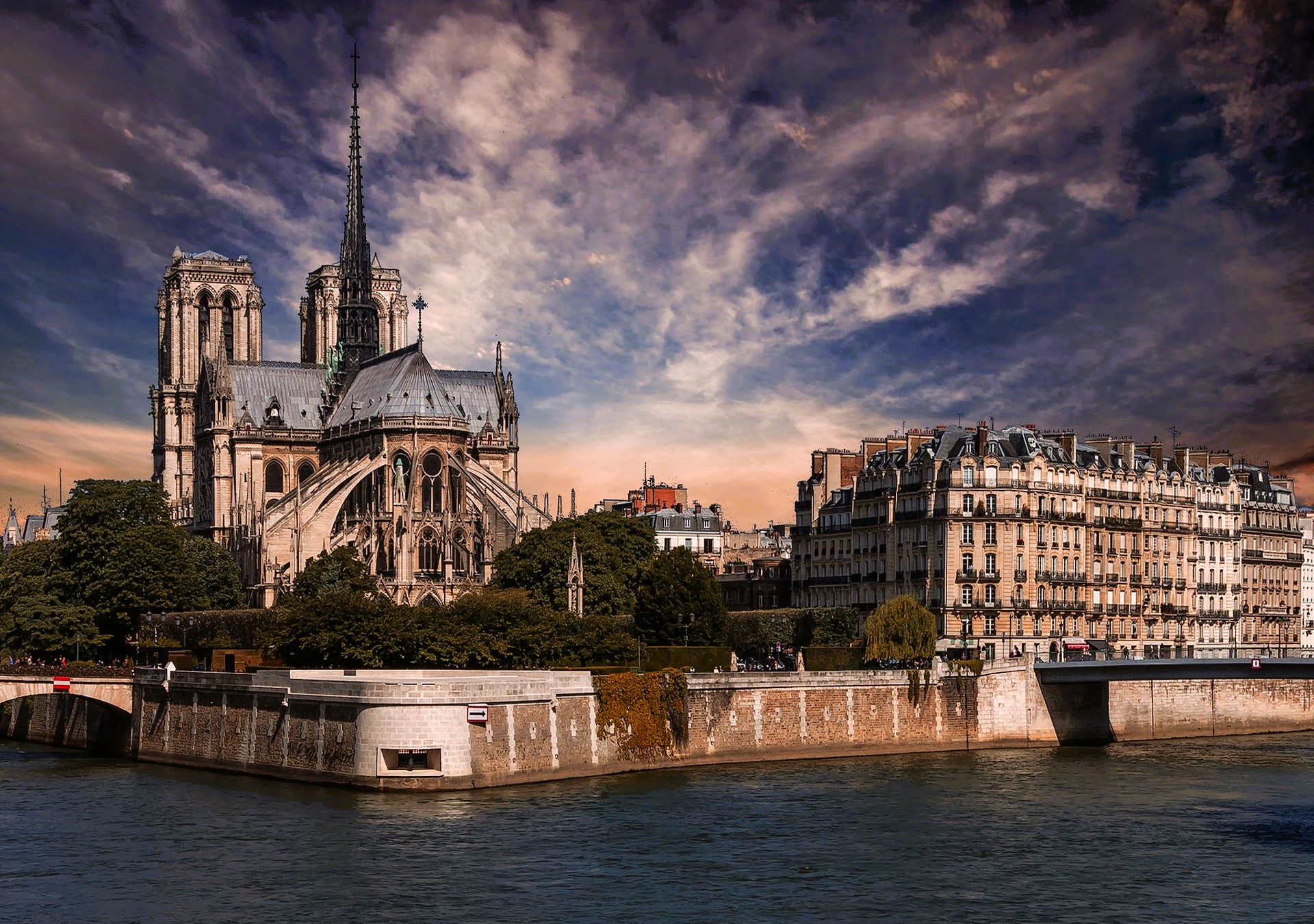
The cathedral is a masterpiece of Gothic architecture. Its imposing dimensions, intricate vaults and sculptural decorations still amaze visitors today. The stunning stained-glass windows fill the interior with colourful light, creating a unique atmosphere.
The fantastic chimeras and gargoyles adorning the cathedral’s walls and roof originally served to drain rainwater. Today, they are among its most famous symbols.
Address: 6 Parvis Notre-Dame – Place Jean-Paul II, Paris
Tragedy and rebirth:
On April 15, 2019, a devastating fire struck the cathedral, damaging the roof, destroying the iconic spire and threatening the entire structure. The world watched in horror as flames engulfed centuries-old wood, risking the loss of this unique monument. However, thanks to the firefighters' swift response and subsequent international solidarity, the cathedral was saved, and restoration efforts began.
France and international donors contributed hundreds of millions of euros to restore Notre-Dame to its original form. Restorers used traditional craftsmanship techniques to preserve its medieval grandeur while employing modern technology to reinforce the structure.
After five years of painstaking reconstruction, the cathedral has reopened to the public! If you're planning a trip to Paris, a visit to Notre-Dame should be at the top of your must-see list.
Our tips:
We recommend adhering to the dress code, covering your knees and shoulders.
As this is a sacred site, visitors are expected to explore the cathedral quietly and respectfully.
Entry to the main nave is free, but if you want to make the most of your time and avoid long lines, we recommend booking a free reservation online.
At the heart of the cathedral lies a hidden treasure—golden reliquaries, sacred artifacts and ancient books that have survived for centuries. After the renovation, the exhibit is even more impressive: modern, yet with a medieval soul. Admission is not free, but visiting the treasury is well worth it.
Where did we stay in Paris?
We grew fond of Place d'Italie, tucked away in the 13th arrondissement. This lively, circular square became our home base during every visit to the city. Its convenient location, with direct metro access, allowed us to easily and quickly explore every corner of Paris. Plus, staying in this area offers a pleasant balance between price and comfort—a refreshing change compared to the crowded and expensive city centre.
We don’t recommend staying on the very outskirts of the city, as it can turn into a nightmare, especially during transit strikes. We’ve learned from experience that even an hour-long walk to the centre is still better than being stranded on the edge of town.
The square itself has everything you need: a large shopping mall, which became our go-to spot for souvenirs and local delicacies, as well as countless restaurants and cafés to suit every taste.
From personal experience, we can recommend the Ibis and Mercure hotels. Ibis offers an excellent price-to-quality ratio, while Mercure caters to more demanding guests with spacious rooms and a rich breakfast buffet.
Ibis Hotel Address: 15 Bis Avenue d'Italie, Paris
Mercure Hotel Address: 25 Boulevard Auguste Blanqui, Paris
Transportation:
We used the Paris Metro, which boasts an incredible 14 lines weaving through the city like colourful threads. Each line has its own number and distinctive colour, making it easier to navigate even for first-time visitors.
Clear system maps are available at all stations, displaying the entire network. Information boards are also essential, indicating the direction (Direction), transfer options (Correspondance) and exits (Sortie).
Tickets for the metro, operated by RATP (Régie autonome des transports parisiens), can be chosen based on the length of your stay and frequency of public transport use.
From Charles de Gaulle Airport we took the RER B line (Réseau Express Régional), an extensive network of suburban express trains that complement the Paris Metro. Tickets can be purchased from vending machines or at the ticket counter directly at the airport.