




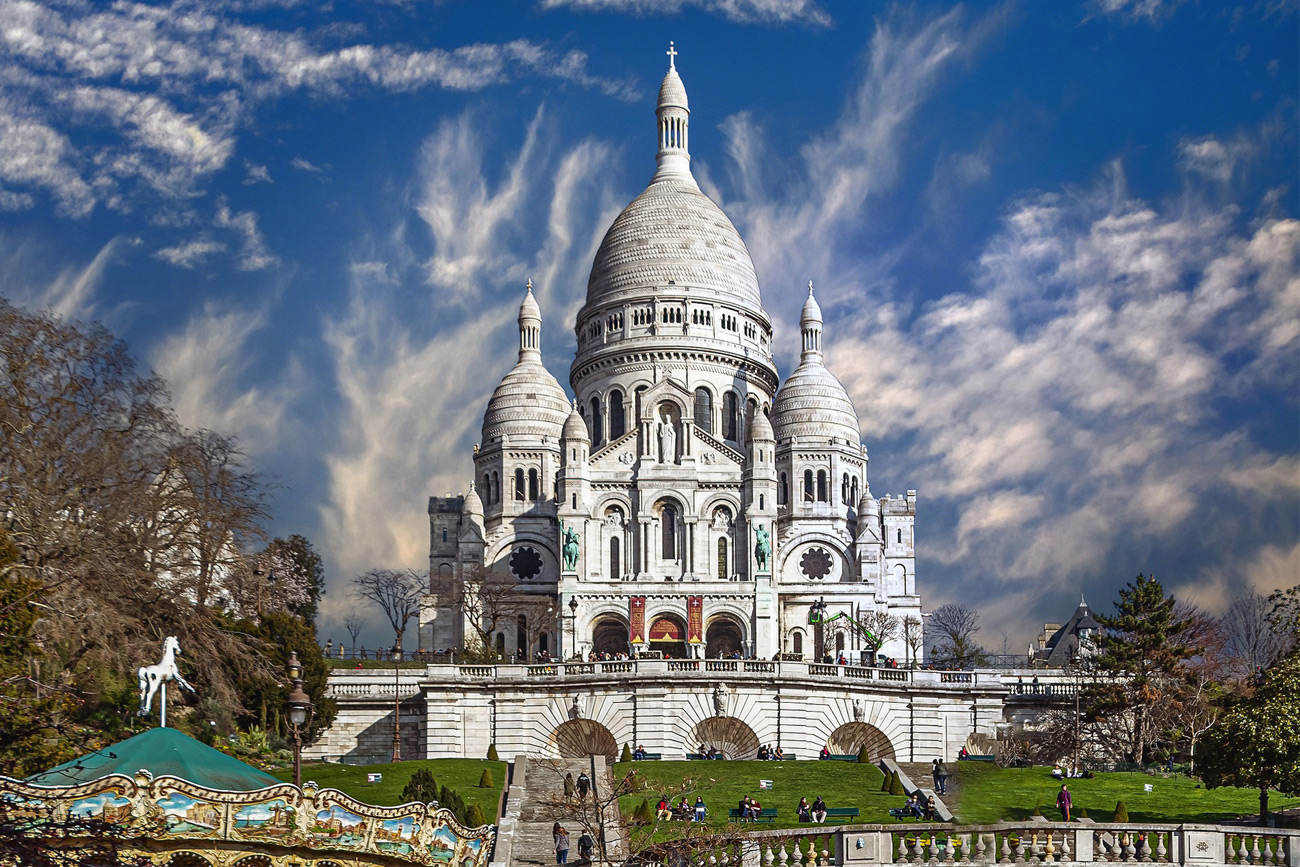
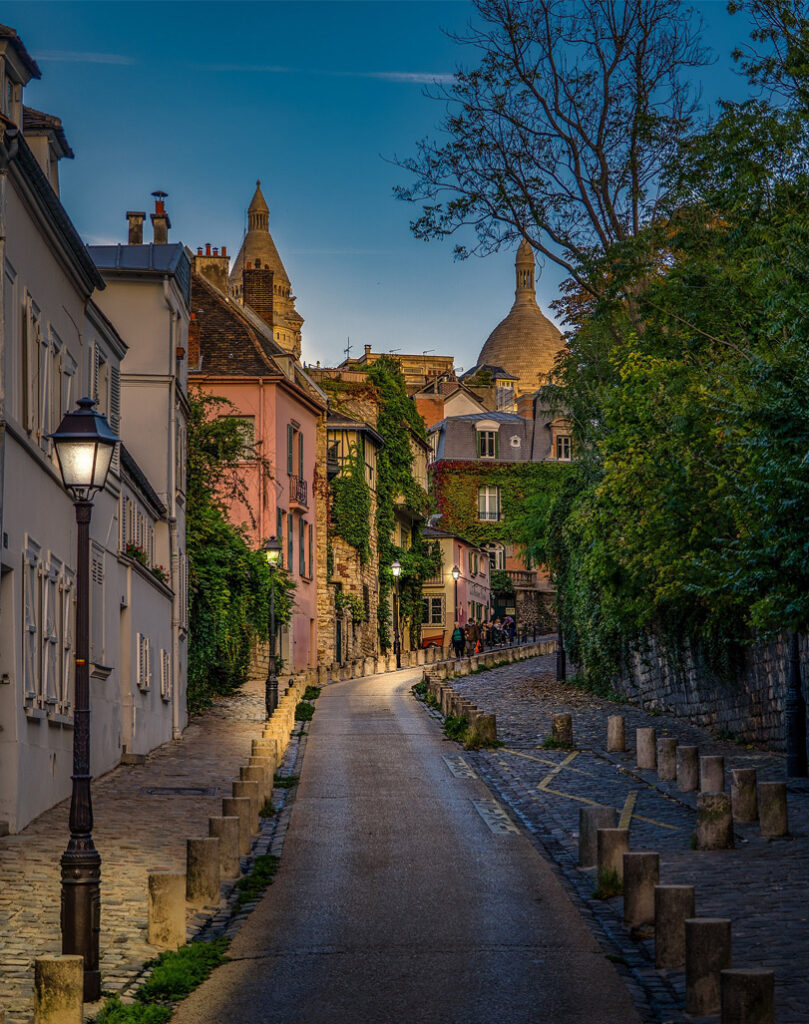
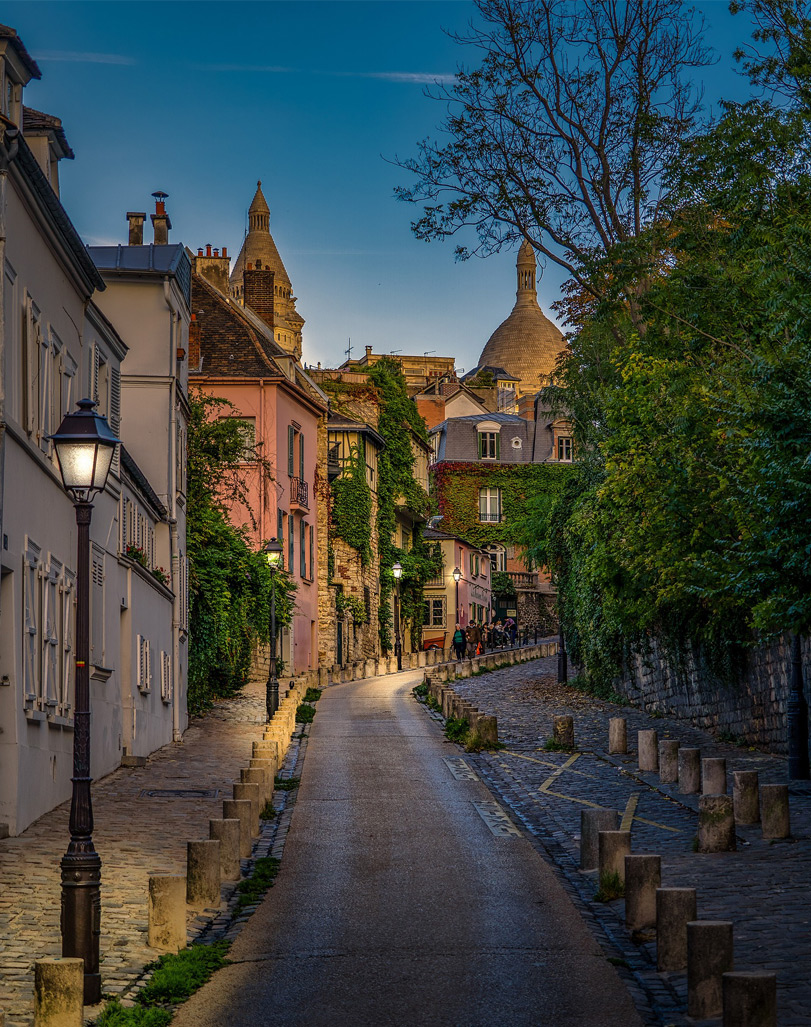
Montmartre is not just an ordinary Parisian neighbourhood. It is a place with soul, with history, with art. It is a hill that rises above the city and offers breathtaking views. It is a place where artists, bohemians, lovers and tourists all come together.
In the past, Montmartre was a small village outside the city walls. It was a place of tranquillity and humility, where wine was cultivated and life moved at a slower pace. But that changed in the 19th century when Paris expanded and Montmartre became a haven for artists and free spirits. Low rents and a peaceful atmosphere attracted painters, poets and musicians.
Thus, the Montmartre we know today was born—full of inspiration, creativity and bohemian life.
-
- Montmartre
-

- Montmartre

The Sacré-Cœur Basilica
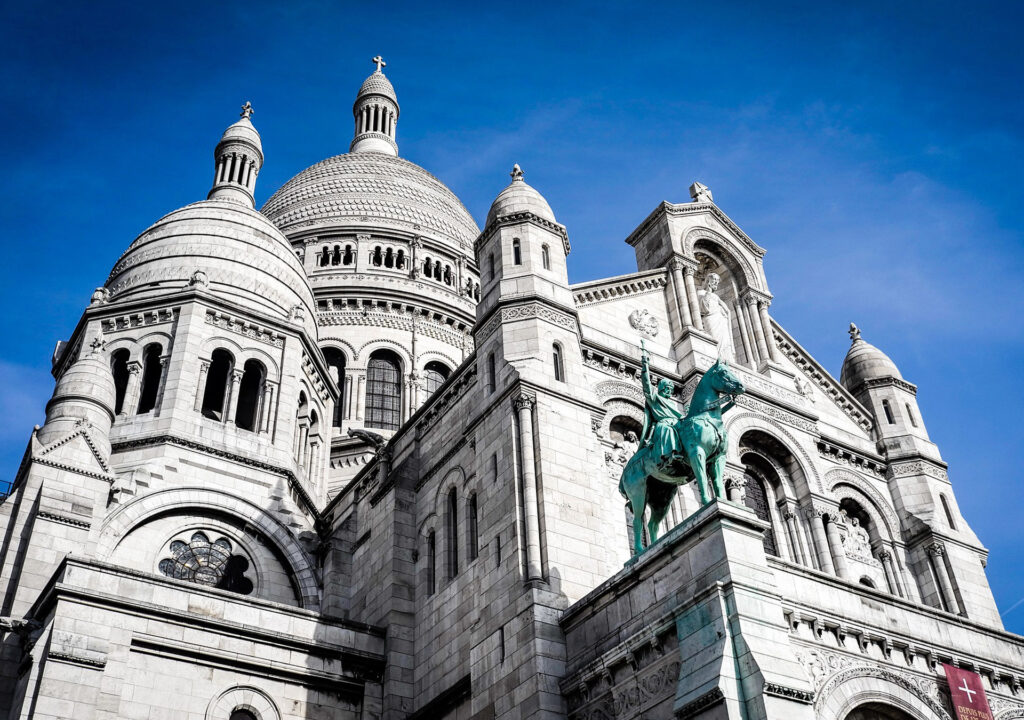
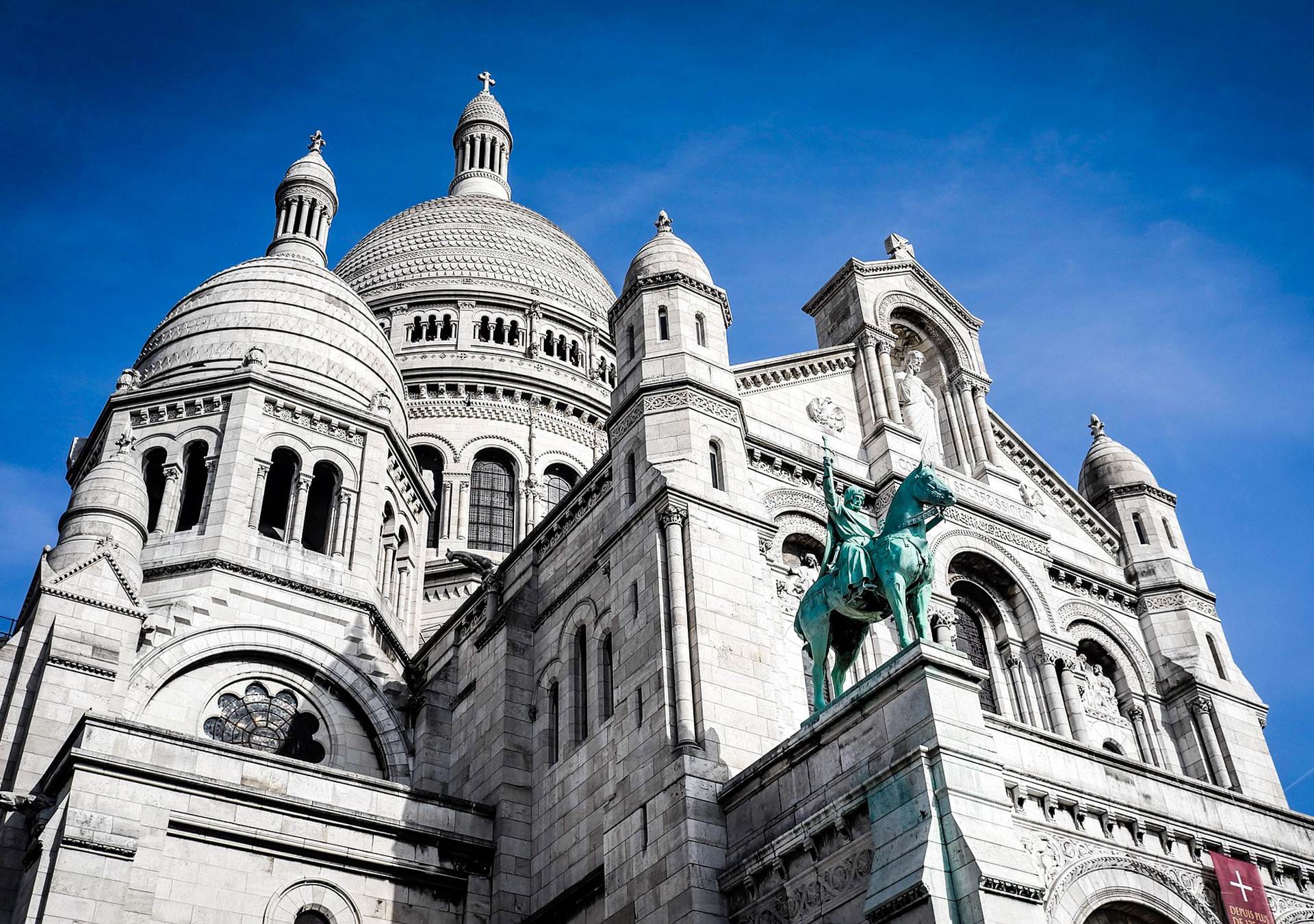
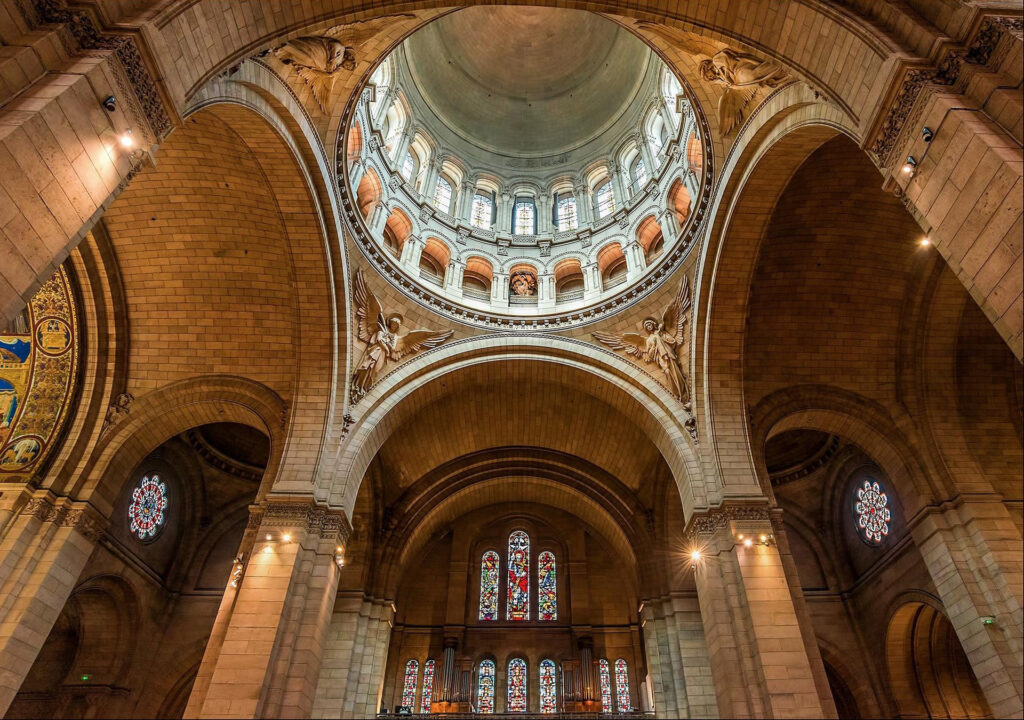
The dominant feature of Montmartre is the radiant white Sacré-Cœur Basilica. This impressive temple, dedicated to the Sacred Heart of Jesus, is a magnet for tourists from around the world. Its white façade, adorned with mosaics and statues, shines from afar and instantly catches the eye of every passerby.
And how does its white colour remain so bright? The basilica's façade is built from travertine, a natural stone with self-cleaning properties.
-
- The Sacré-Cœur Basilica
-
- The Sacré-Cœur Basilica

You can reach the basilica by climbing the stairs or taking the local funicular (Funiculaire de Montmartre). The same ticket used for the metro is also valid for the funicular.
On the way to the basilica’s dome, you can visit the underground chapel in the crypt, where the heart of the famous astronomer Le Gentil is kept. The top of the dome offers a unique experience—the feeling that you can touch the clouds.
Address: 35 Rue du Chevalier de la Barre, Paris
Our tips:
The best time to visit the basilica is in the morning or late afternoon when there are fewer tourists.
Entry to the basilica is free, but you’ll need to pay extra to visit the crypt and the dome.
Our warning:
Montmartre is a magical place, but unfortunately, it’s also a paradise for scammers. You’ll encounter them at literally every step.
Here, you’ll find "shell game" hustlers. At first glance, they seem like harmless street players offering an easy chance to win. In reality, it’s a well-planned trick to take your money. Just a moment of distraction, and your cash will disappear into their pockets.
Then there are the "lucky bracelet givers". Seemingly friendly "givers" will stop you with a smile and offer you a lucky bracelet. But once they slip it onto your wrist, they turn into pushy money-demanding extortionists. Some are so bold they’ll even snatch cash right out of your hand!
How to protect yourself? The best defense is strict avoidance. Don’t make eye contact, don’t respond—just keep walking. And if possible, steer clear of them altogether. That way, you’ll take home only the best memories from Montmartre!
La place du Tertre
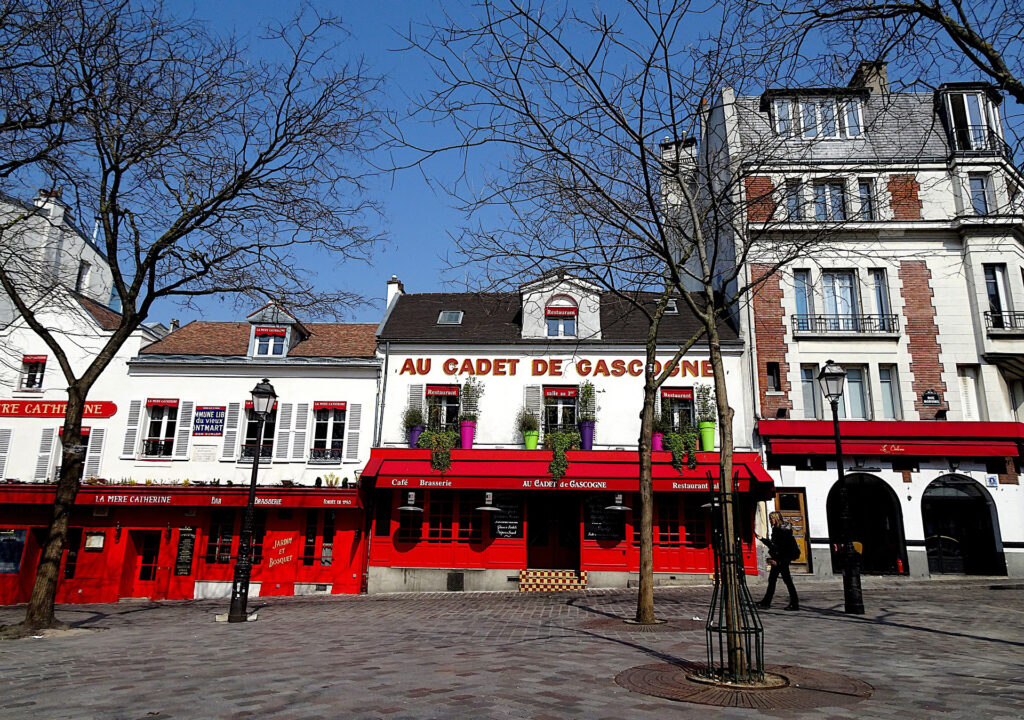
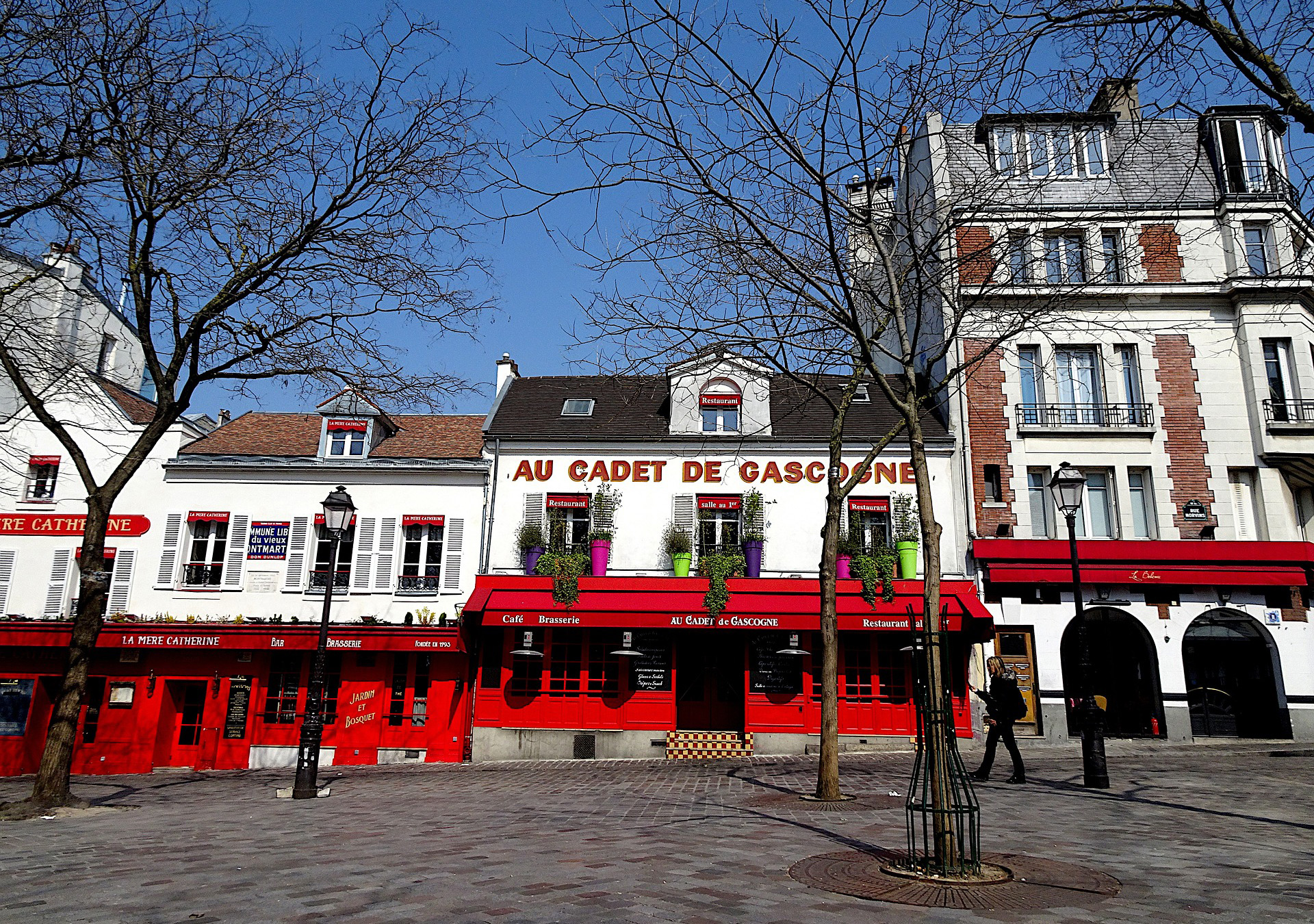
This iconic square is famous for its painters and caricaturists, waiting to capture you on canvas or in a humorous sketch. Stroll among the stalls, soak up the lively atmosphere and relax in one of the charming cafés—perhaps at La Mère Catherine, the oldest bistro on the square, which has been welcoming guests since 1793.
La place du Tertre is more than just a tourist attraction—it’s a celebration of Parisian life, art and its one-of-a-kind atmosphere.
-
- La place du Tertre
-
- Montmartre
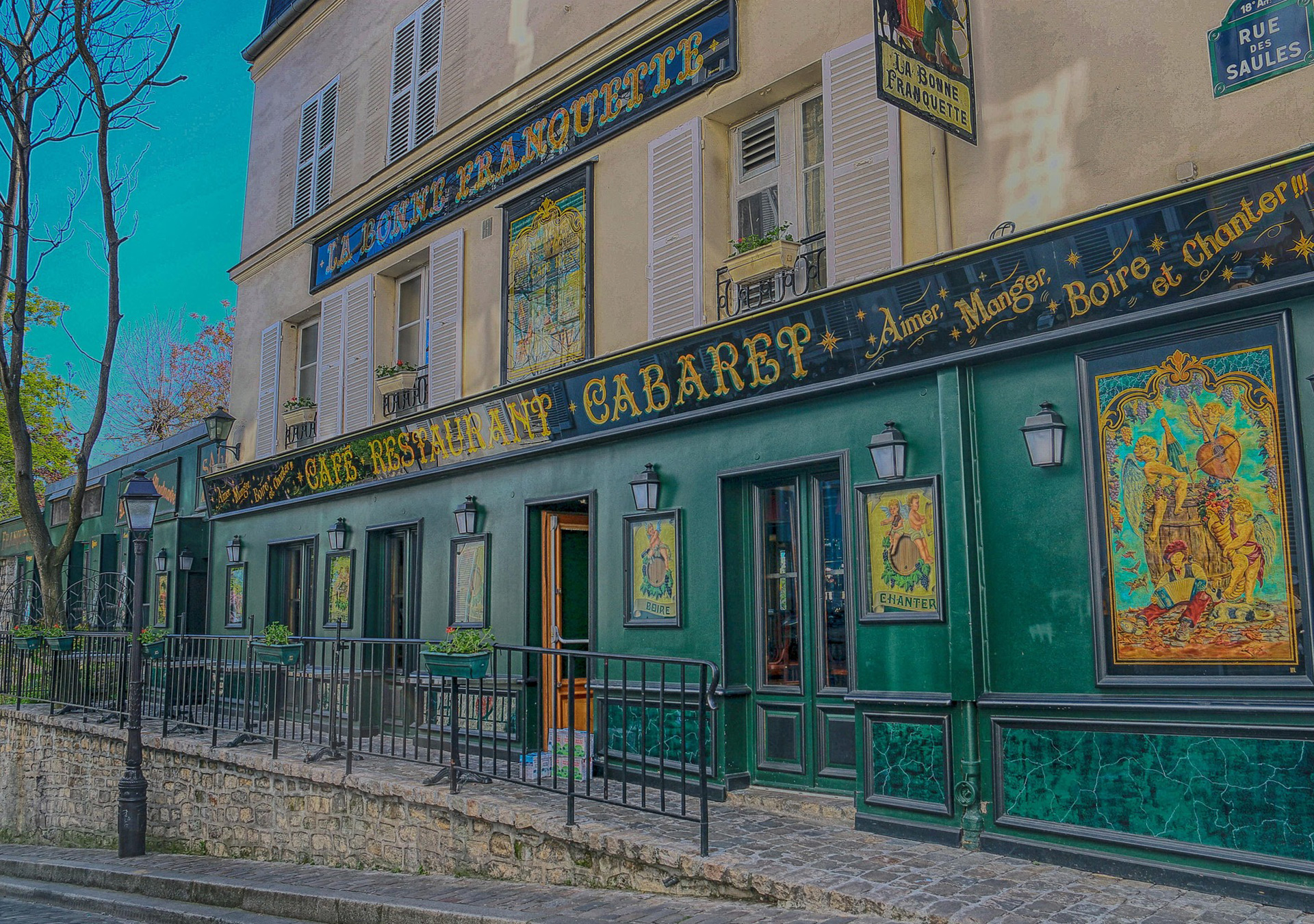
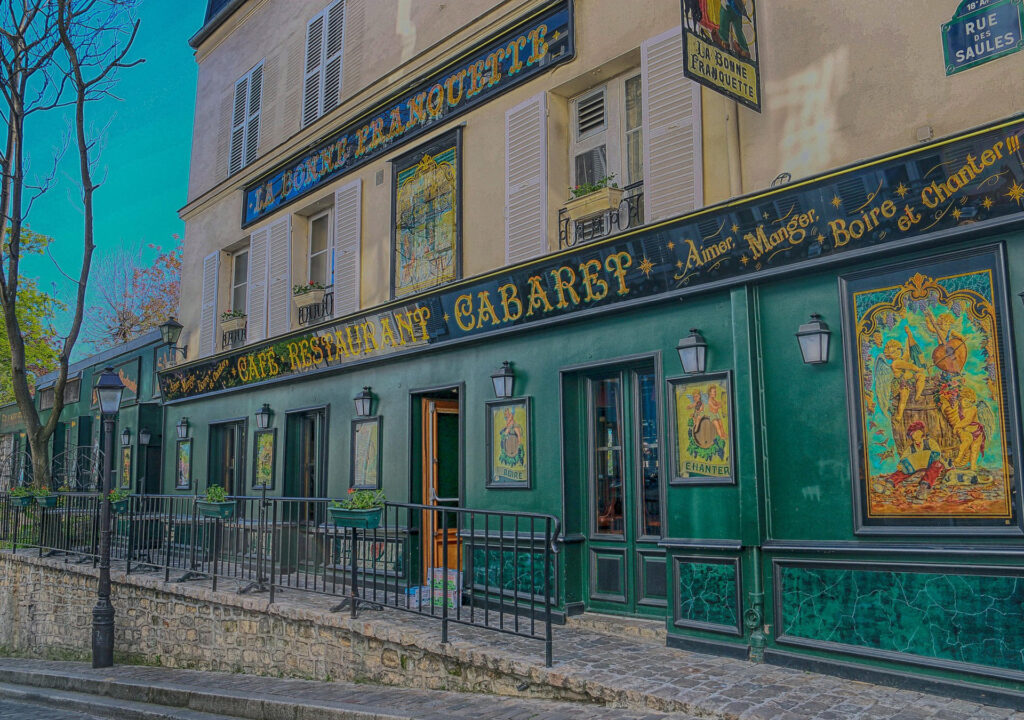
Clos Montmartre Vineyard and the Montmartre Museum
This picturesque corner, hidden behind winding alleys, is one of the most romantic and authentic parts of Paris. Grapevines stretch across the slope, surrounded by old stone houses, and the air is filled with the scent of grapes and wood.
This last remaining Parisian vineyard is home to over 1,700 grapevines. Varieties brought from France’s most famous wine regions give life to a wine that becomes the star of the annual, lively October harvest festival, the Fête des Vendanges de Montmartre.
Wine has flowed through veins since the 12th century when the first vineyard was planted by the nuns of the Montmartre Abbey. Winemaking became a vital source of income—as late as the 18th century, there were around twenty vineyards spread across the hillside! But as Paris expanded in the late 19th century, the vineyards gradually disappeared. It wasn’t until 1933 that a group of enthusiasts from the Commune Libre du Vieux Montmartre decided to bring the vines back where they always belonged.
Want a taste? Visit the Montmartre Museum shop, where you can buy wine from this unique vineyard. And if you’re eager for more, book a tour of Clos Montmartre Vineyard, complete with a tasting—an ideal way to experience Montmartre differently.
The Montmartre Museum is housed in La Maison du Bel Air, a beautiful building surrounded by tranquil gardens. Once, this place was a haven for famous artists like Renoir and Bernard, who created their masterpieces here.
Inside the museum, you’ll be enchanted by permanent collections full of paintings, posters and sketches—discovering the stories of Montmartre, its legendary studios and the vibrant energy of its cabarets. This stop will immerse you in an era where every brushstroke and pen stroke made history.
Vineyard address: 18 Rue des Saules, Paris
Museum address: 12 Rue Cortot, Paris
Le Moulin de la Galette
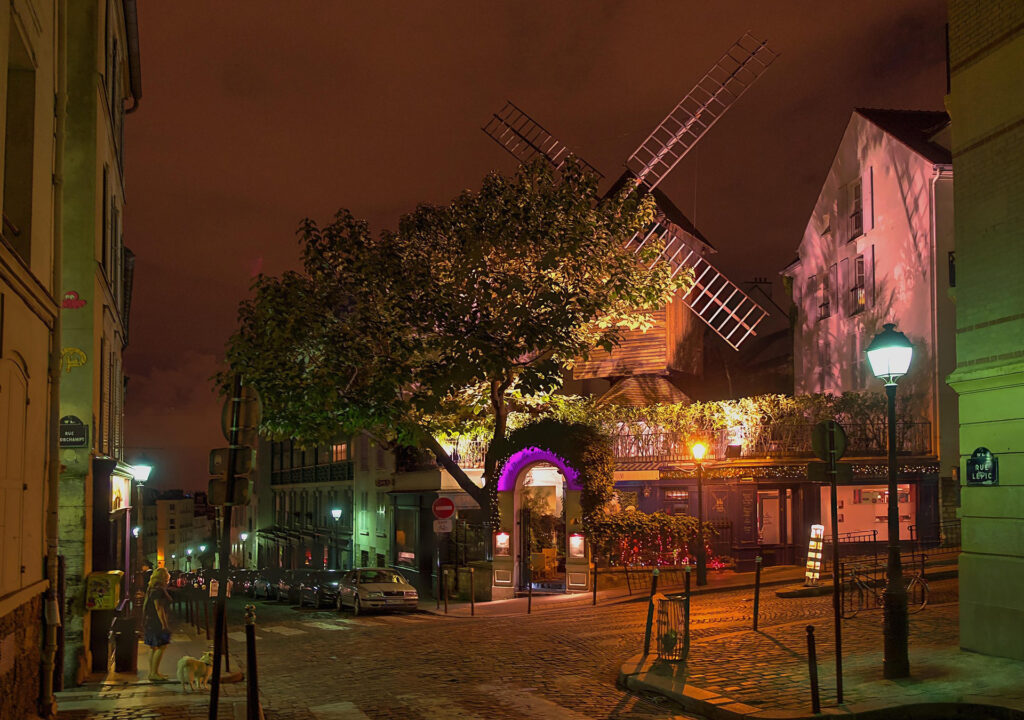
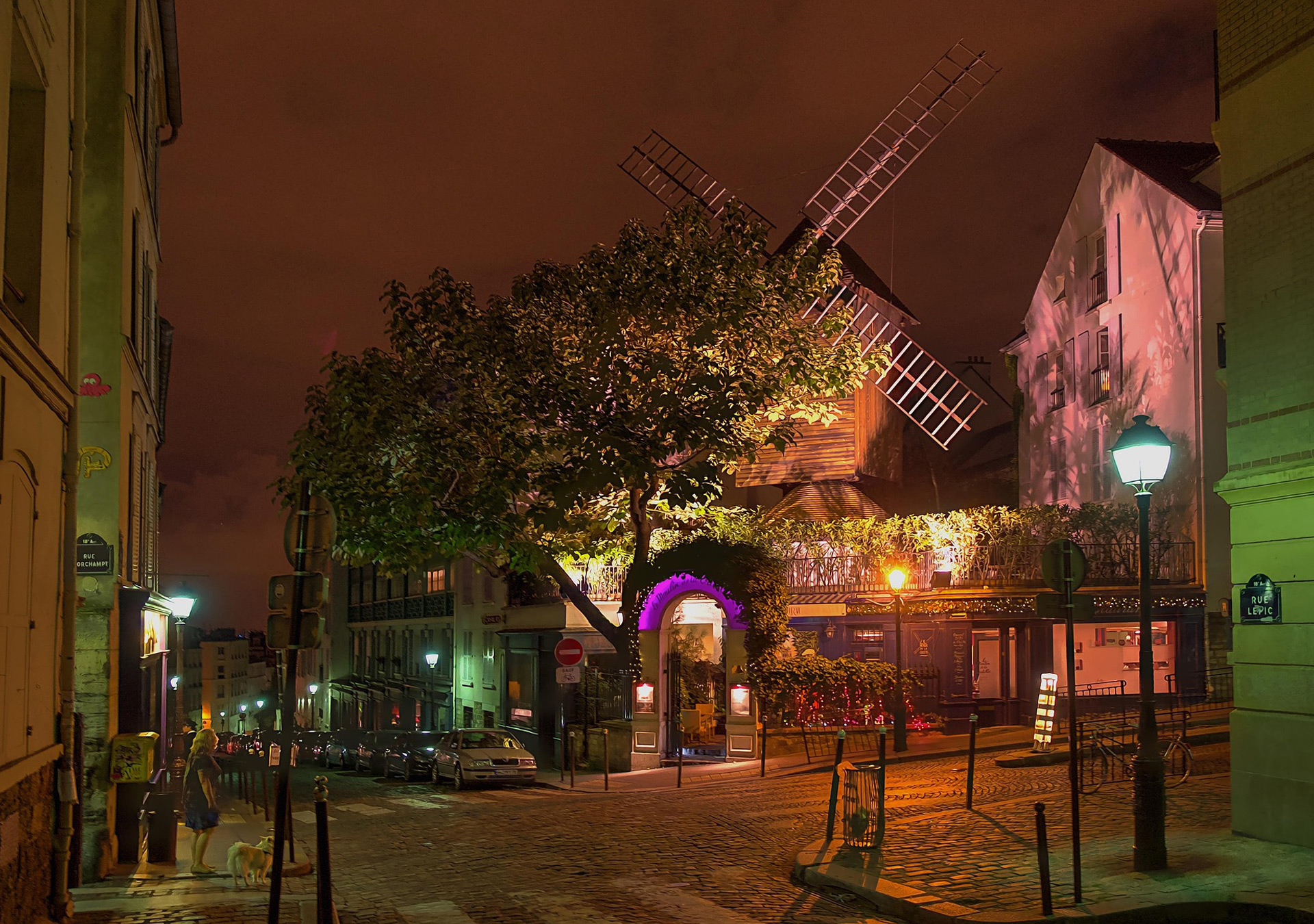
Did you know that just a few centuries ago, Montmartre was best known for its windmills? They helped millers process grain from the surrounding fields. At a time when Montmartre was surrounded by vineyards and farmland, there were more than thirty of them! Today, only two remain, but their charm endures.
One of them is Le Moulin de la Galette. This 17th-century windmill became famous not only for its history but also as a symbol of the bohemian life of artists. In the 19th century, a garden restaurant surrounded it, where painters, writers and Parisian high society gathered.
It was here that Renoir painted his famous work "Le Moulin de la Galette", capturing the joy and dancing of the locals.
Address: 83 Rue Lepic, Paris
-
- Le Moulin de la Galette
-

- Le Passe-Muraille
Our tip:
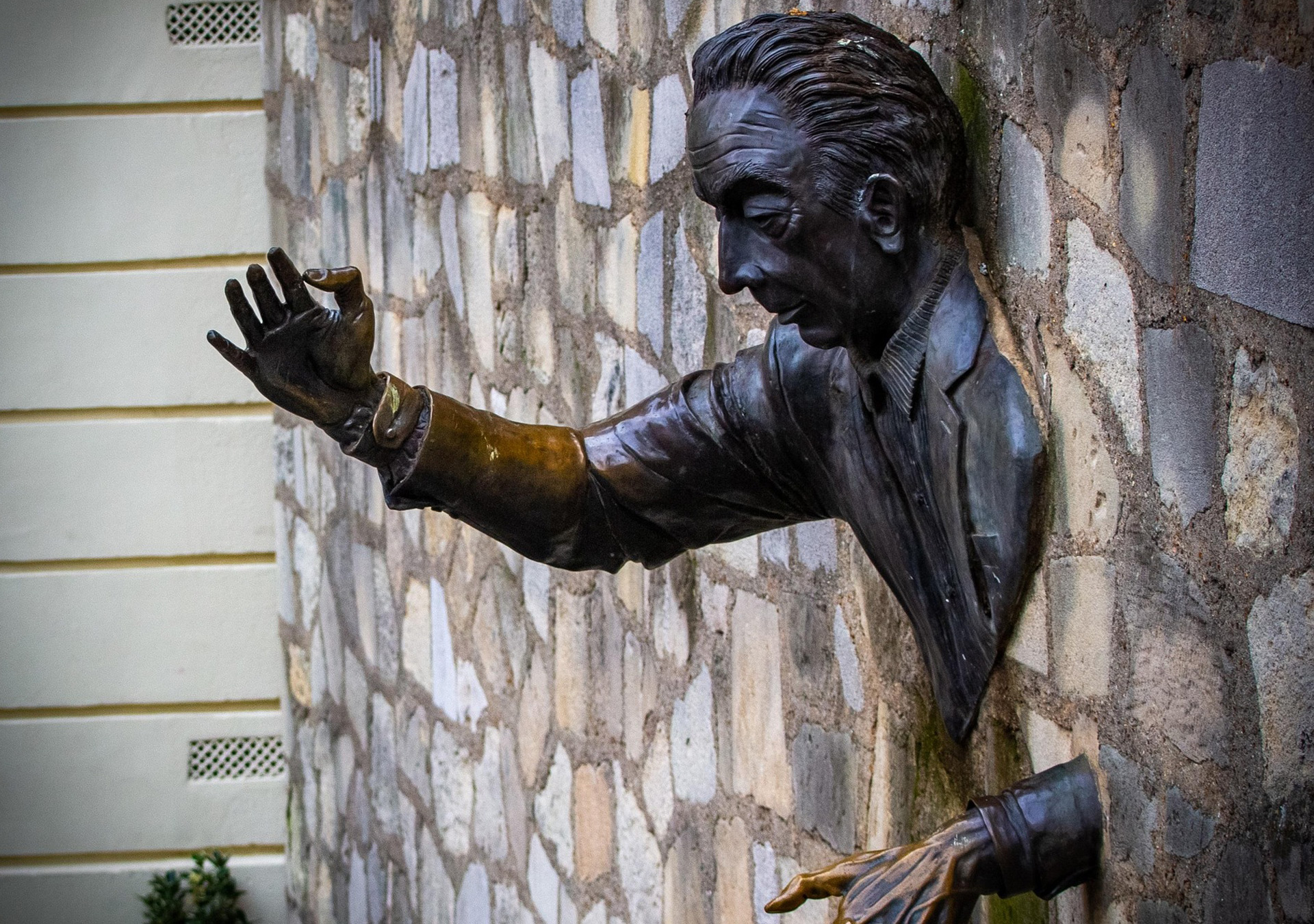
Just a few steps from Le Moulin de la Galette, on the charming Place Marcel Aymé, lies one of Paris’s most enchanting artistic treasures—the bronze statue Le Passe-Muraille by actor and artist Jean Marais. This work draws you into the world of magical realism, as it is inspired by Marcel Aymé’s famous short story about an ordinary clerk who suddenly gains an incredible ability: walking through the walls of Parisian houses!
The statue captures the tragicomic moment when Dutilleul (the story’s hero) is forever trapped in a wall after his supernatural gift suddenly vanishes. But Jean Marais added a brilliant detail—instead of the unfortunate clerk’s face, he sculpted the likeness of Aymé himself! It’s a tribute to the writer, whose stories still breathe the spirit of old Montmartre and remind us that Paris is a city where reality blends with magic.
La rue des Abbesses
La rue des Abbesses is a place where time seems to have stood still. This wide pedestrian zone, filled with restaurants offering outdoor seating, immerses you in the quintessential Parisian atmosphere. Whether it's warm or cold outside, the tables are almost always full. We recommend trying some of the local specialties—such as coq au vin.
At the end of la rue des Abbesses, you’ll come across la place des Abbesses, a paradise for artists. Here, you can encounter street musicians, dancers and painters. The atmosphere is always lively and inspiring.
What’s more, the square boasts several noteworthy sights. For example, the brick-built Church of Saint-Pierre features an unusual artistic element—cast iron. Or there’s the original Art Nouveau metro entrance designed by Hector Guimard. This architectural gem is the only surviving 19th-century entrance to the Paris Metro. Its curves, ornaments and delicate details will transport you back to the early days of the metro’s construction.
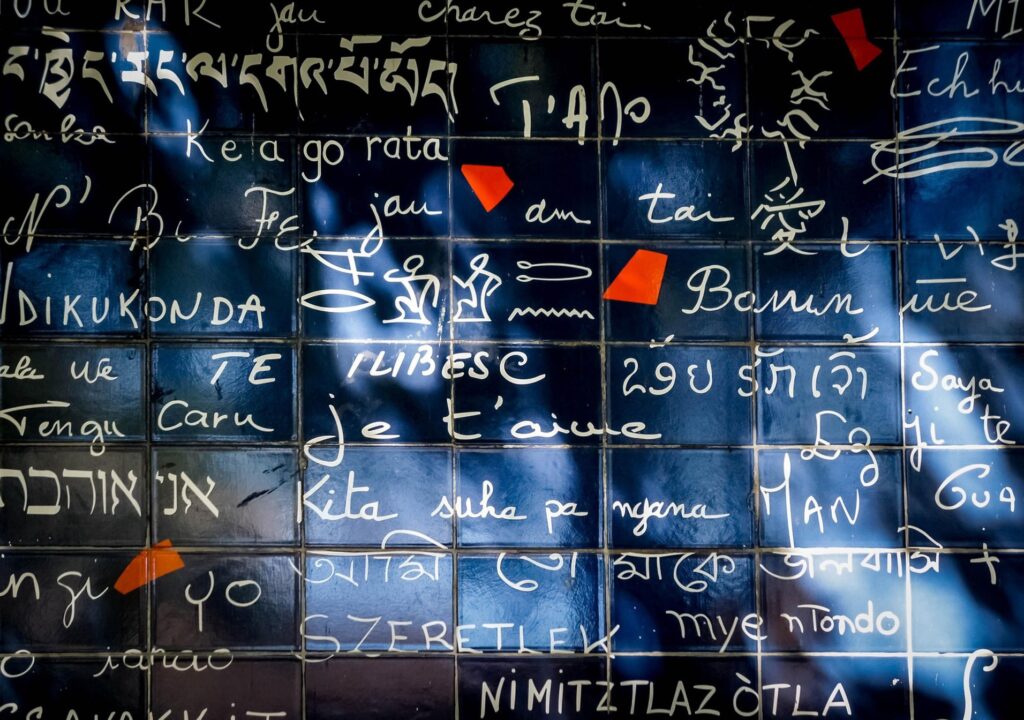
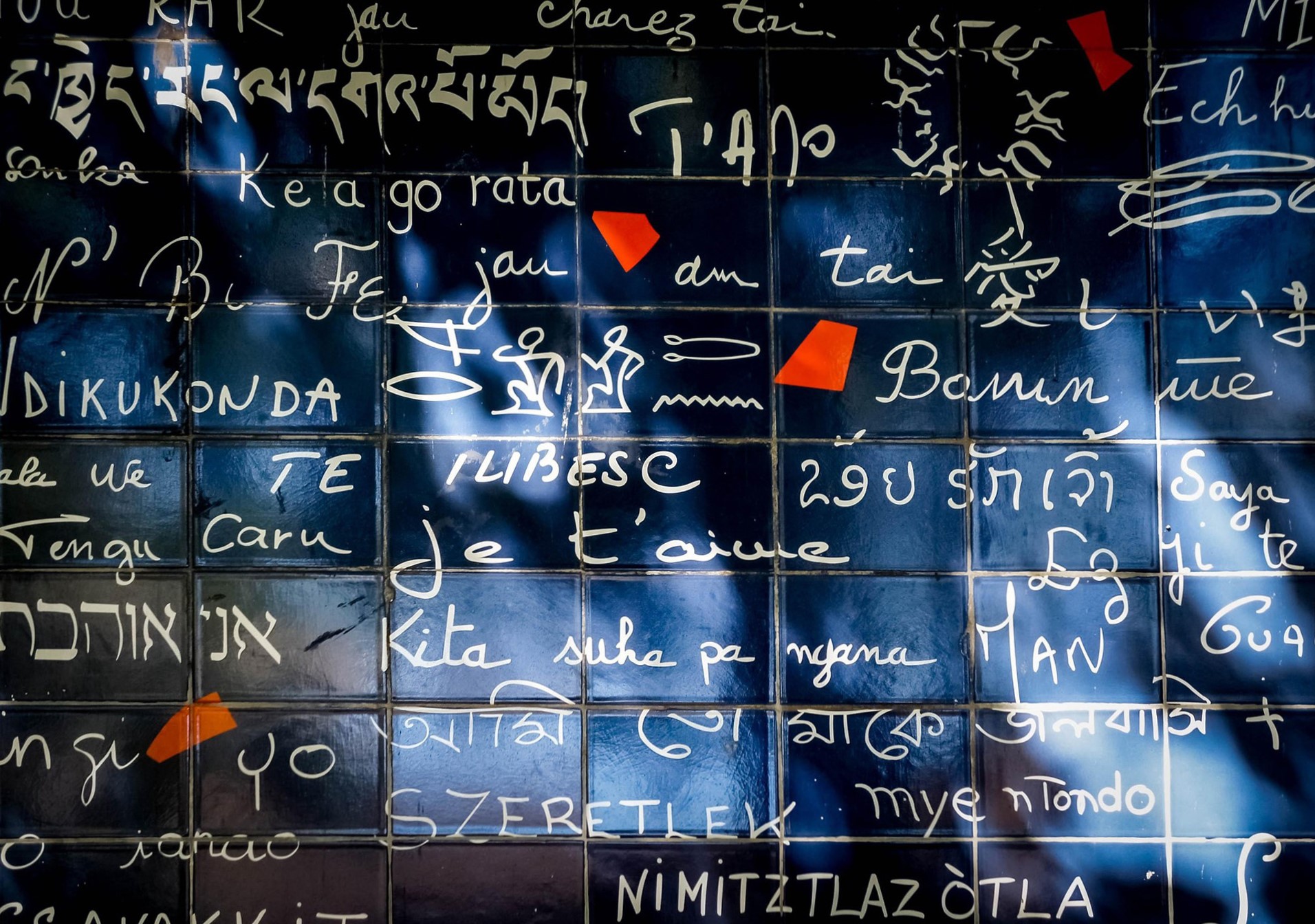
And we mustn’t forget the Wall of Love. (Le mur des je t'aime). This wall, inscribed with “I Love You” in all the world’s languages, is a favourite spot for tourists and locals alike—you’ll even find Czech there!
The area around the square is packed with shops selling art pieces, souvenirs and local delicacies, just waiting to be explored.
-
- Wall of Love
-
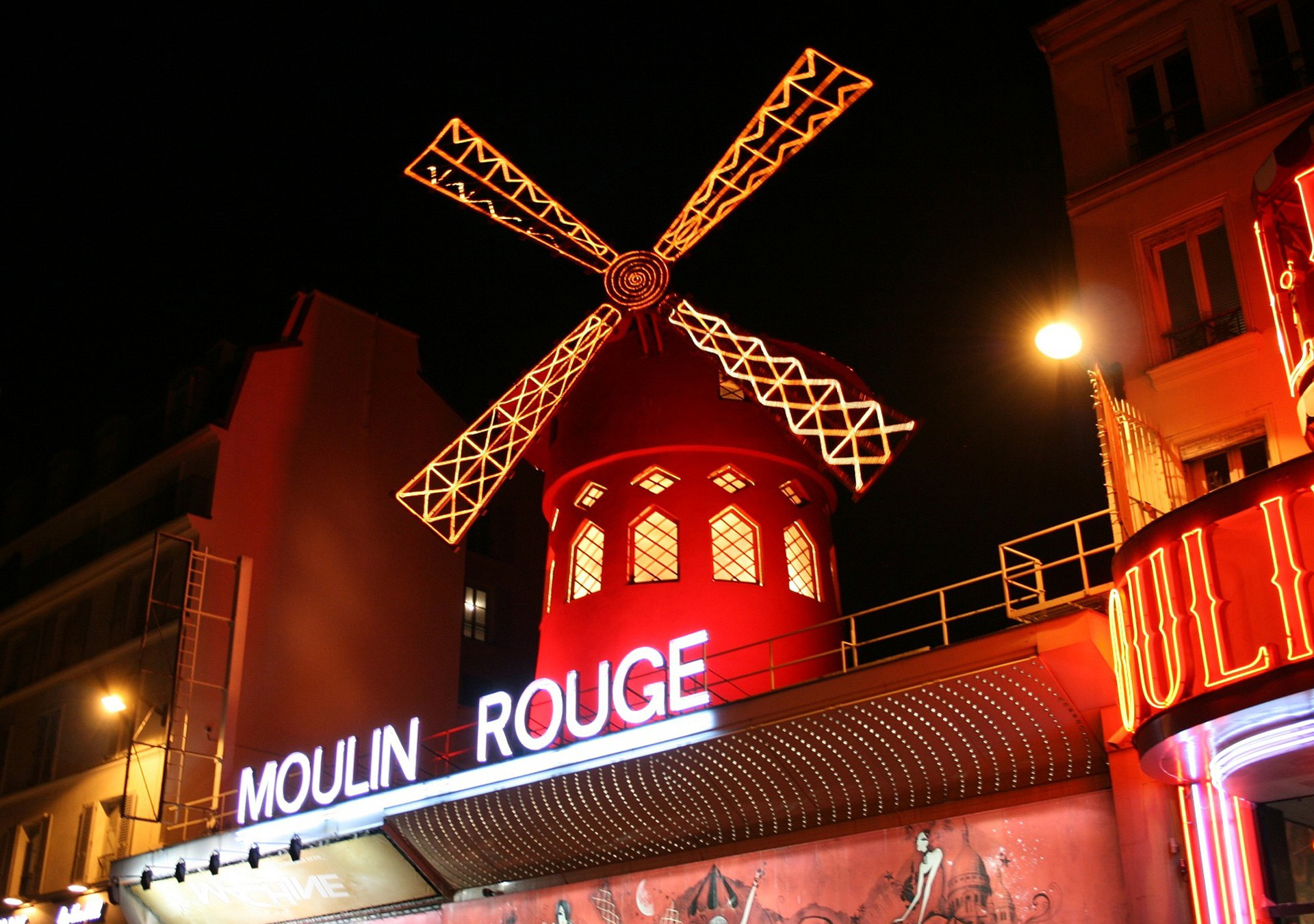
- Le Moulin Rouge
Our tip for a nighttime experience:
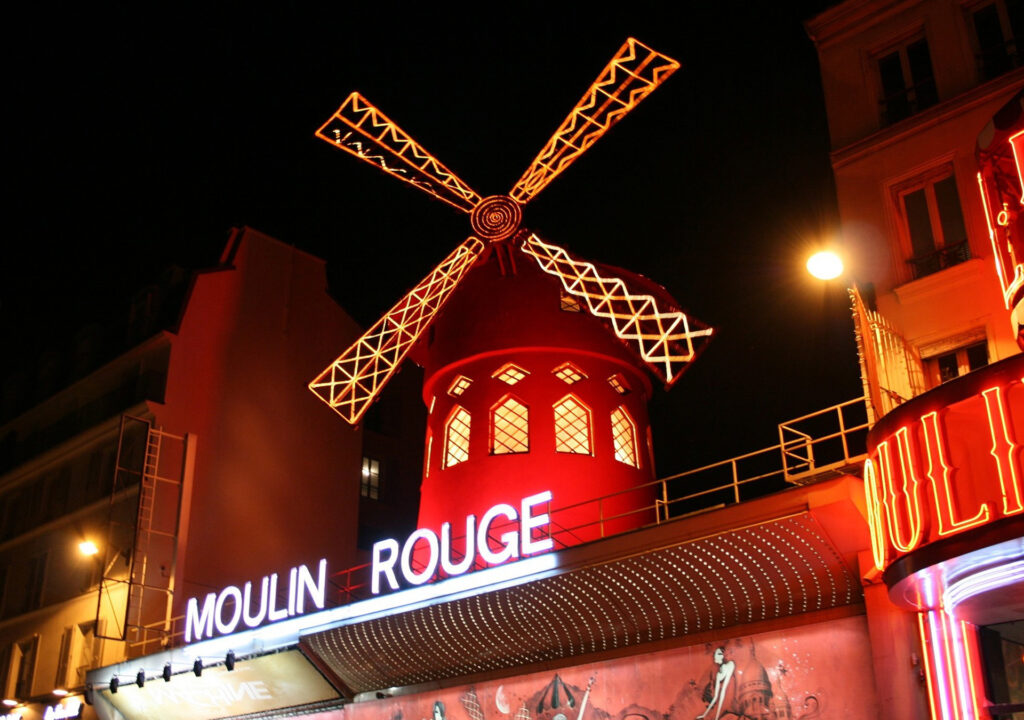
Want to experience a true Parisian night? Visit the legendary Moulin Rouge cabaret, the second preserved windmill on Montmartre. Burlesque, cancan and an unforgettable atmosphere will transport you to a world full of passion and luxury. But beware—the ticket price matches the lavish surroundings. And of course, reservations are a must, as demand for this unique experience remains high.
Address: 82 Boulevard de Clichy, Paris
Our tip for a great lunch:
We’ve grown fond of the Italian restaurant Ristorante Al Caratello. From the moment you step inside, you’re surrounded by a warm and lively atmosphere. The cozy interior, friendly staff and the aroma of freshly cooked Italian cuisine create the perfect setting for an unforgettable dining experience. We recommend trying one of the daily specials—the chef regularly updates the menu, so you can try something new with every visit.
Address: 5 Rue Audran, Paris
Our recommendation:
If you want to experience Montmartre like a local, head there early in the morning. The streets will still be quiet and you’ll be able to enjoy the area without the crowds of tourists.
Our final invitation:
Want to discover Paris's famous icons or looking for a great accommodation tip? Then don’t hesitate and read our article Paris: a guide to the city and its most famous icons. You’ll find practical advice, unforgettable experiences and inspiration for the perfect trip.