




Rome, once called the Eternal City, is steeped in legends that have been passed down through generations. According to one of them, the city was founded by the brothers Romulus and Remus, twins raised by a she-wolf on Palatine Hill. Although this story has become a symbol of Rome, some historians suggest that the original Latin text might have referred to the "she-wolf" as a "prostitute." Whatever the truth may be, this legend continues to fascinate and draw visitors from around the world.
Rome is like an open book of history. Every stone, every statue tells a story. Stroll through its ancient alleys, let yourself be carried away by the aroma of coffee and fresh pastries and immerse yourself in the atmosphere of bygone eras. Whether you're drawn to the majestic Colosseum or the romantic Trevi Fountain, Rome will enchant you with its beauty and energy.
Rome's historic centre, a UNESCO World Heritage Site, is a treasure trove of art and architecture that will leave you breathless. In the following lines, we’ll introduce you to the best sights you can admire under the open sky.
The Colosseum (Colosseo)
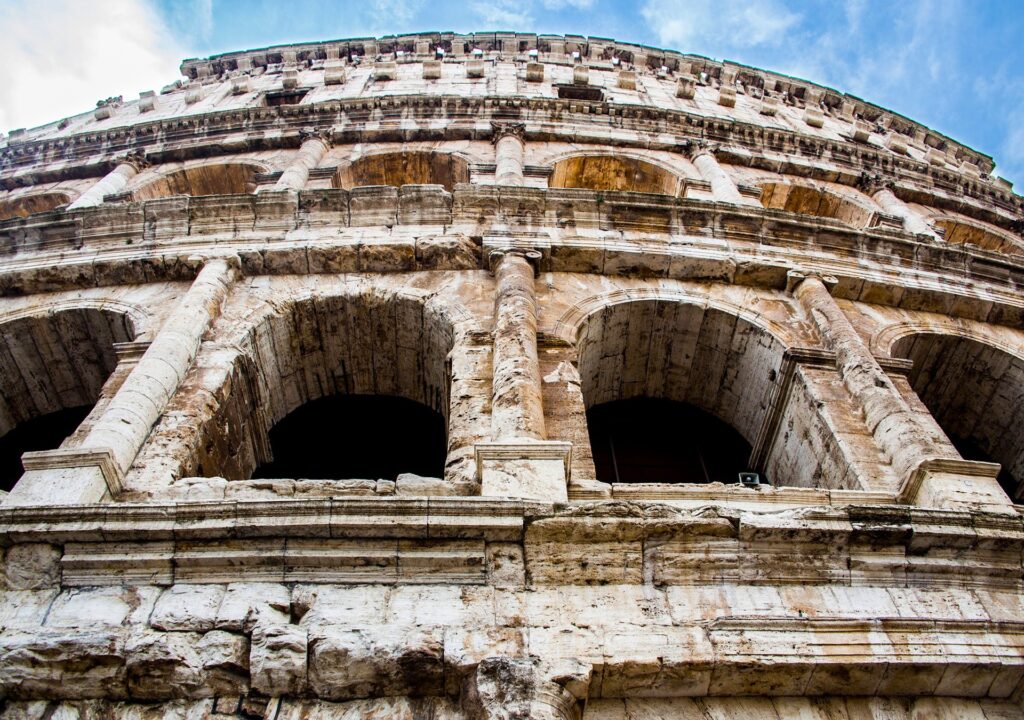
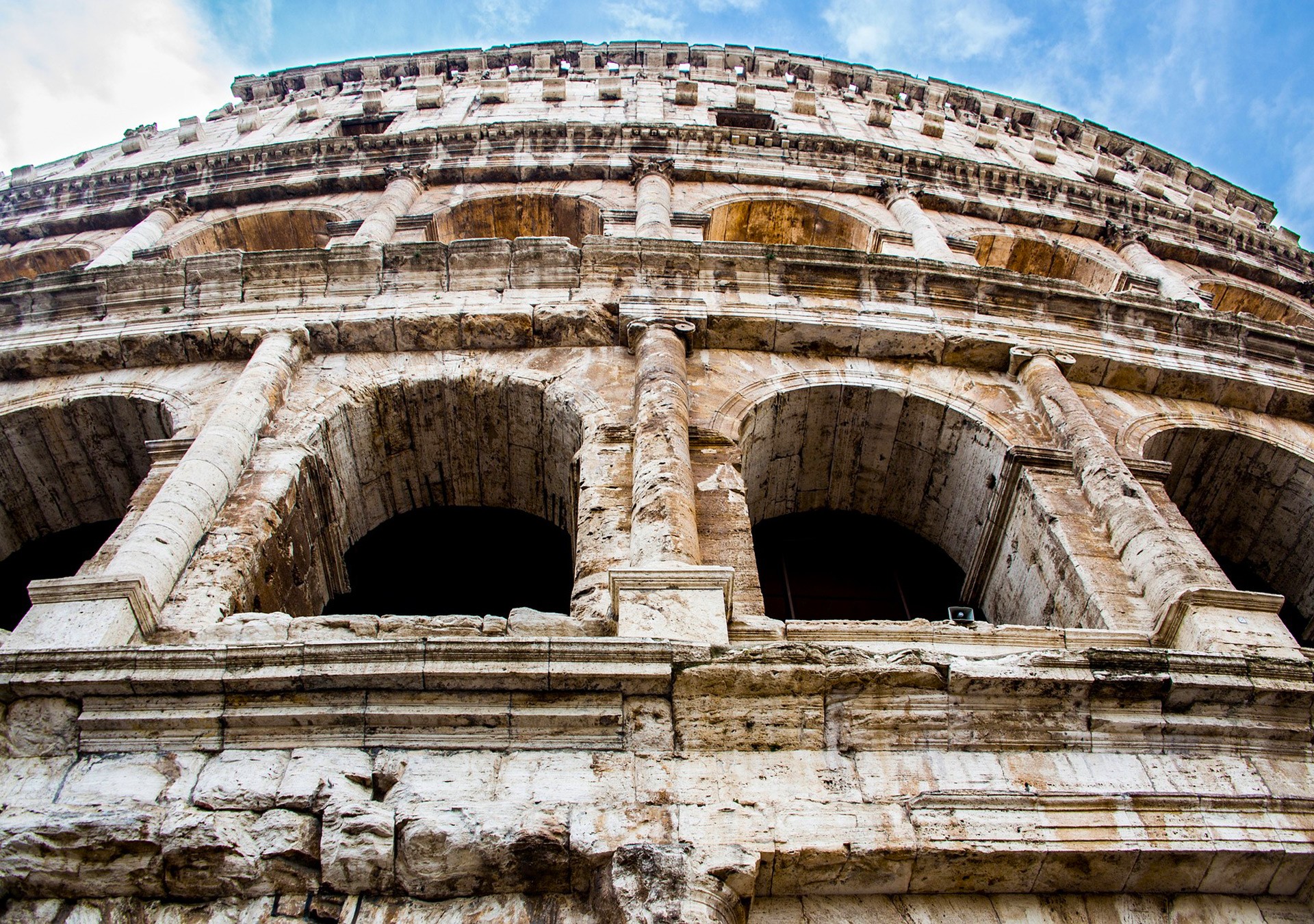
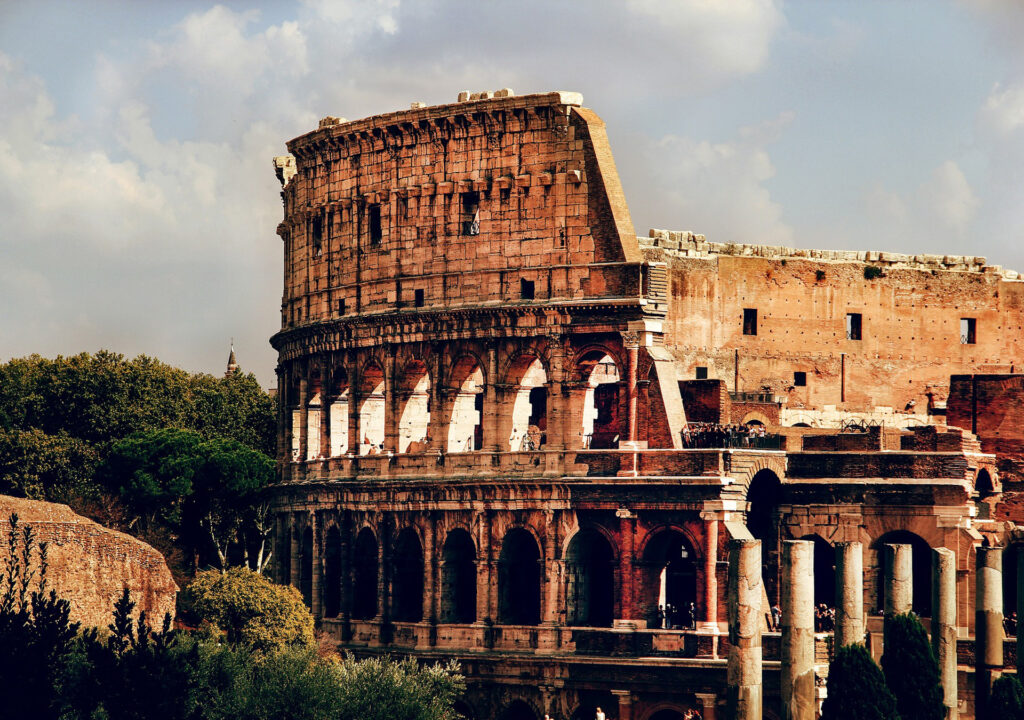
Imagine an oval colossus towering over the city, its walls bearing witness to thousands of years of history. This is the Colosseum, the largest amphitheatre ever built by the Romans. Its original name is somewhat more complicated— the Flavian Amphitheatre —named after the Flavian dynasty of emperors who commissioned its construction.
At the height of its glory, starting in 80 AD, the Colosseum was a gathering place for crowds of up to 70,000 excited spectators. Here, all kinds of spectacles took place, from bloody gladiatorial battles to exotic hunts of wild animals. There were even simulated naval battles staged within its walls.
After the fall of the Roman Empire, the Colosseum gradually lost its original purpose. It was repurposed as a fortress, workshops and even a Christian shrine. Earthquakes and stone thieves slowly turned it into a ruin, yet it remains a powerful symbol of Rome's might and legacy.
-
- Colosseum
-
- Colosseum
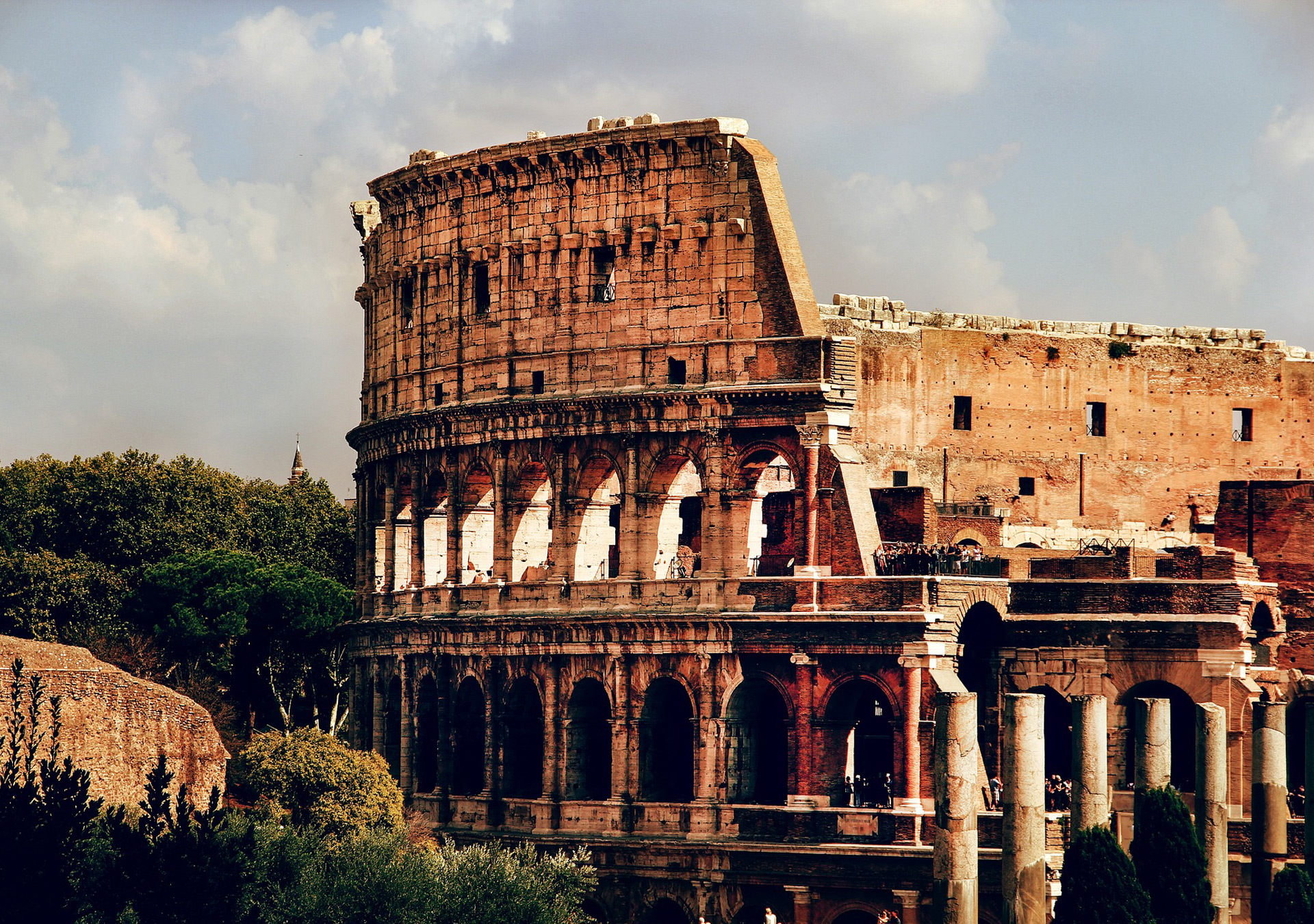
The Colosseum isn’t the only star in the square. It was once home to the Colossus of Nero, a giant statue of Emperor Nero that could be seen from far away. But after his death, something changed. The Romans simply swapped the head. Instead of Nero, the Sun God Helios appeared in his place. Sadly, the colossus is now a thing of the past, but its story adds even more mystery to this place.
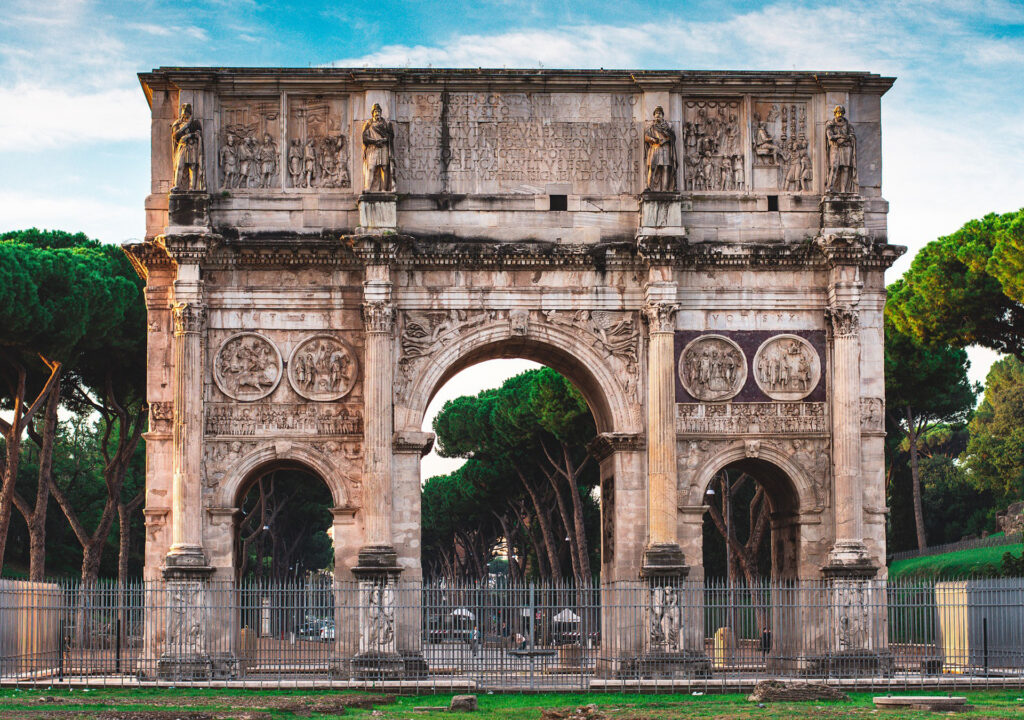
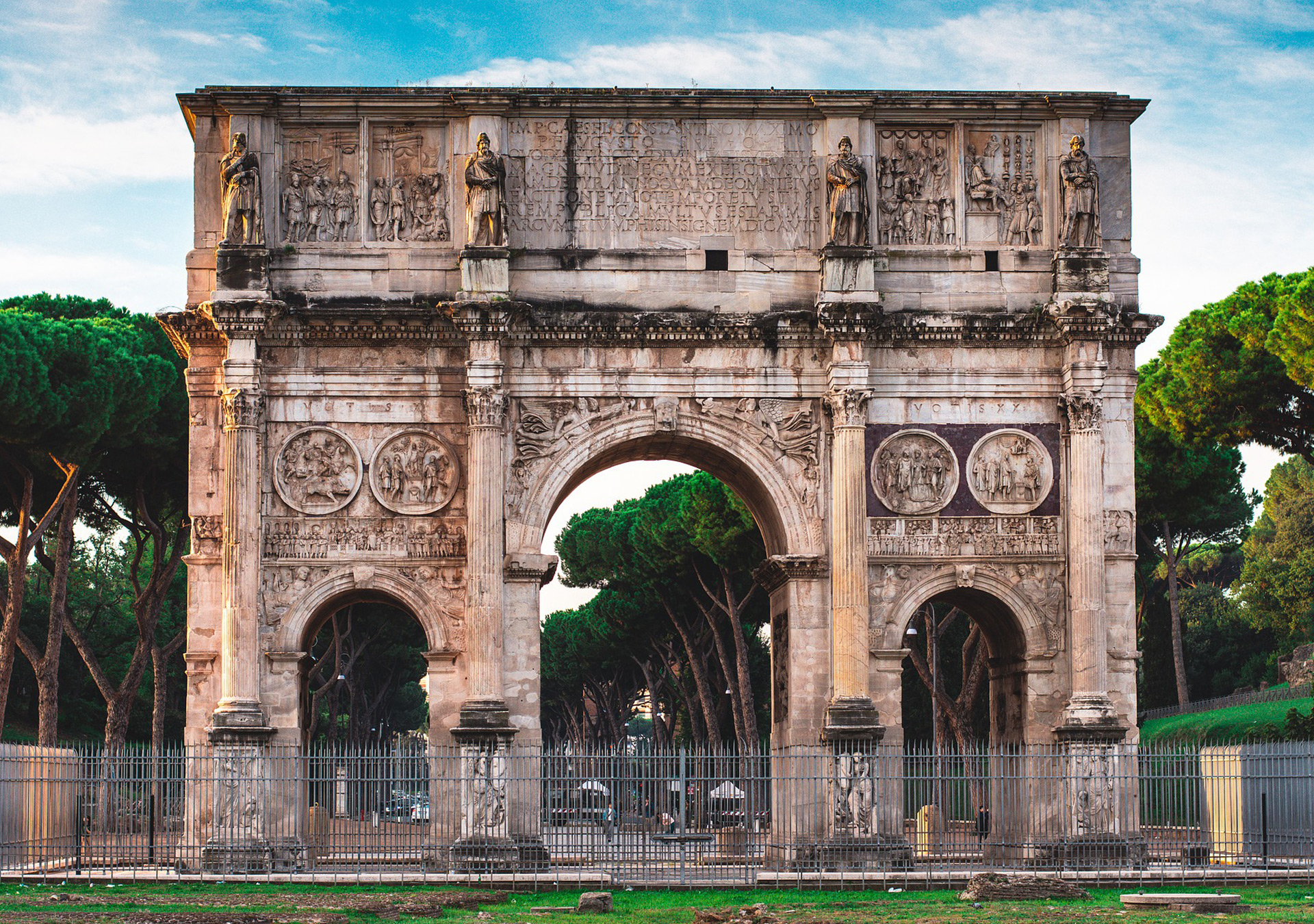
Not far from the Colosseum stands the Arch of Constantine (Arco di Costantino), a monumental structure built to honour Emperor Constantine’s victory. He is considered the first Christian emperor—the one who ended the persecution of Christians and granted them religious freedom.
As we stood before these landmarks, we imagined the bustling life that once thrived here—gladiatorial battles, triumphal processions, and celebrations. Even today, centuries later, this place breathes with history—all you need to do is pause for a moment and let yourself be carried away by its magic.
Address: Piazza del Colosseo, Rome
-
- Arch of Constantine
-
- Roman Forum
Our ticket tip:
We bought a combined ticket in advance for the Colosseum, Roman Forum and Palatine Hill. However, be aware that you need to reserve a specific time slot for the Colosseum. We recommend arriving at least 10 minutes in advance, but be prepared that the waiting time can be longer, especially during peak season. Expect around 30 minutes.
Based on our experience, we also recommend starting your visit with the Colosseum. After exploring the amphitheatre, you can take your time to discover the Roman Forum and Palatine Hill in detail. Both sites fascinated us so much that we spent about half a day exploring them.
A tip for a great guidebook:
During our visit to Rome, we came across a real treasure – the book Rome Past and Present with Reconstructions by R. A. Staccioli. We bought it directly at the bookstore in the Colosseum, and even in the Czech language.
Thanks to the excellently executed graphic reconstructions of ancient monuments, we were able to bring history to life and better imagine what places like the Roman Forum looked like in their heyday. Walking among the ruins while having vivid images of the past in our minds was an amazing experience.
If you're planning a trip to Rome, we highly recommend this book. It will deepen your experience of the visit and uncover the hidden stories of this fascinating city.
The Roman Forum (Foro Romano)
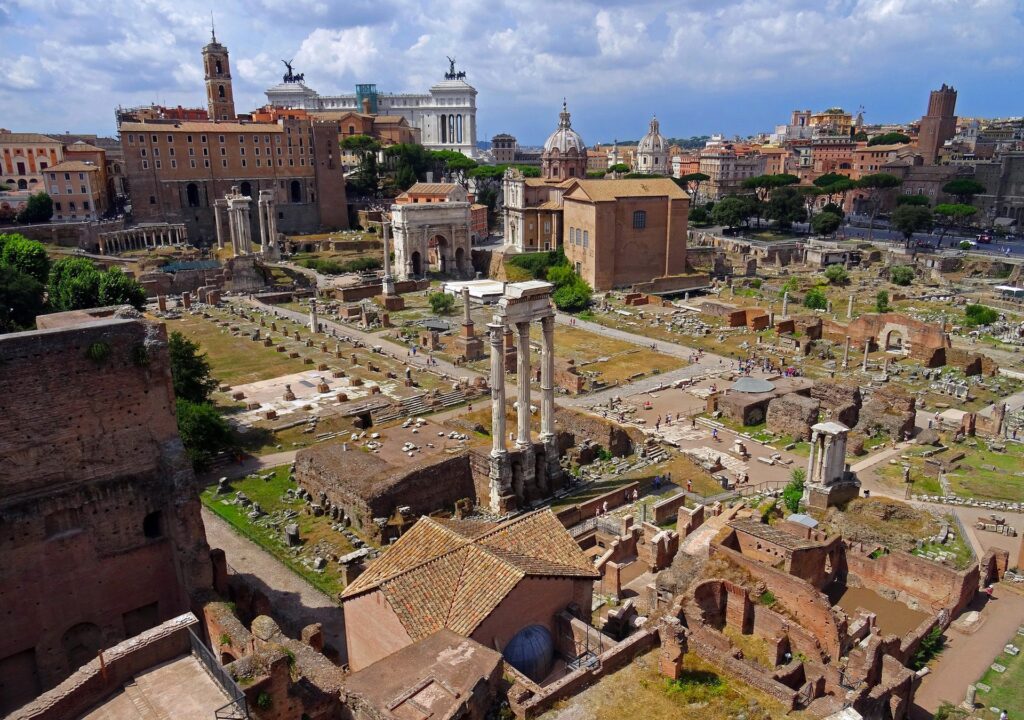
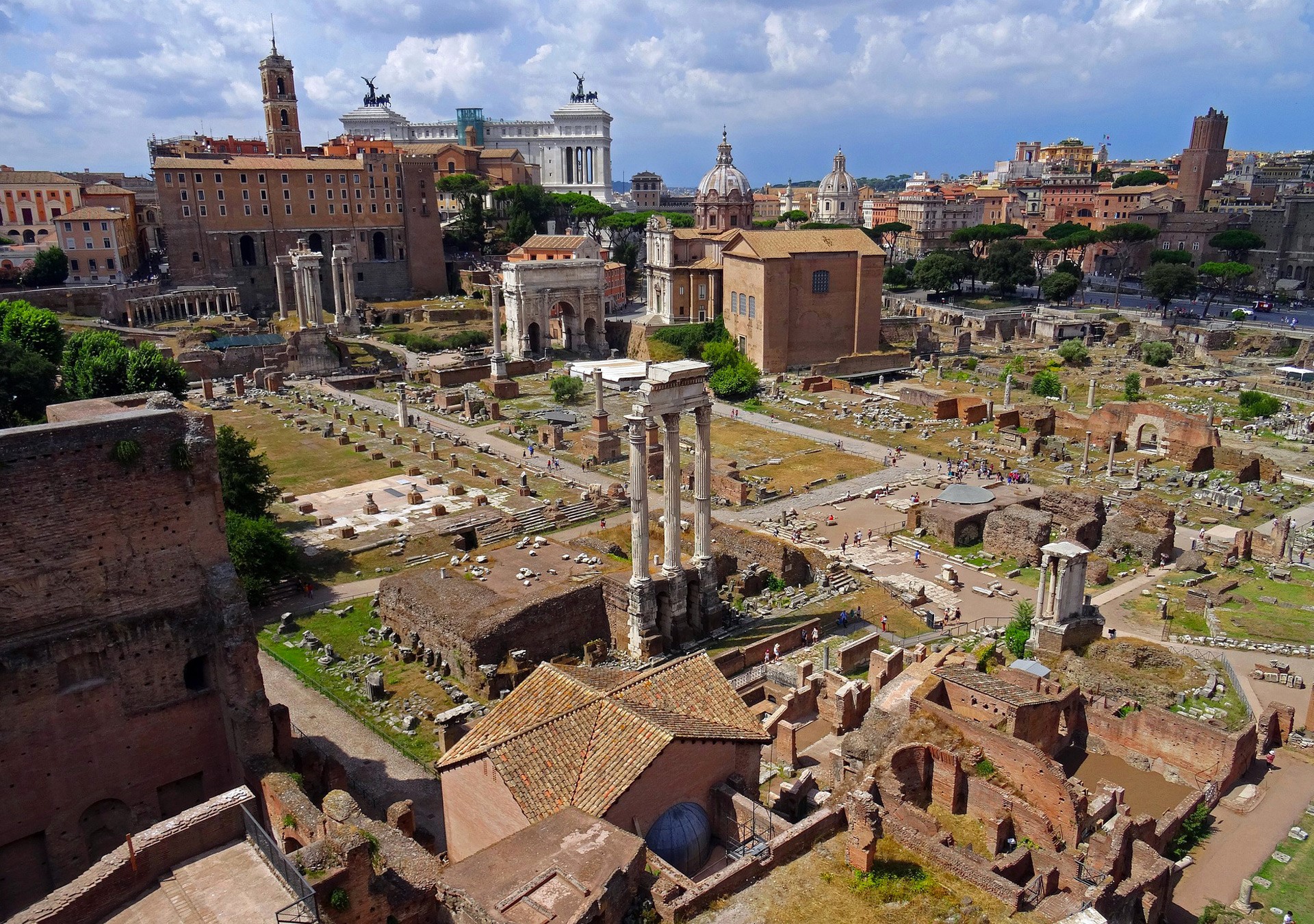
Imagine finding yourself at the very centre of ancient Rome’s bustling life. A place where the fate of the empire was debated, religious ceremonies were held and victories were celebrated. All this and much more is offered by the Roman Forum—today an open-air museum that opens a window into the fascinating world of the past.
Before this site became the pulsating heart of Rome, it was covered in marshland. It wasn’t until the construction of the Cloaca Maxima sewer system that the area began to transform. It was here, between the Palatine and Capitoline Hills, that buildings for various purposes gradually arose—from political assemblies and court trials to commerce.
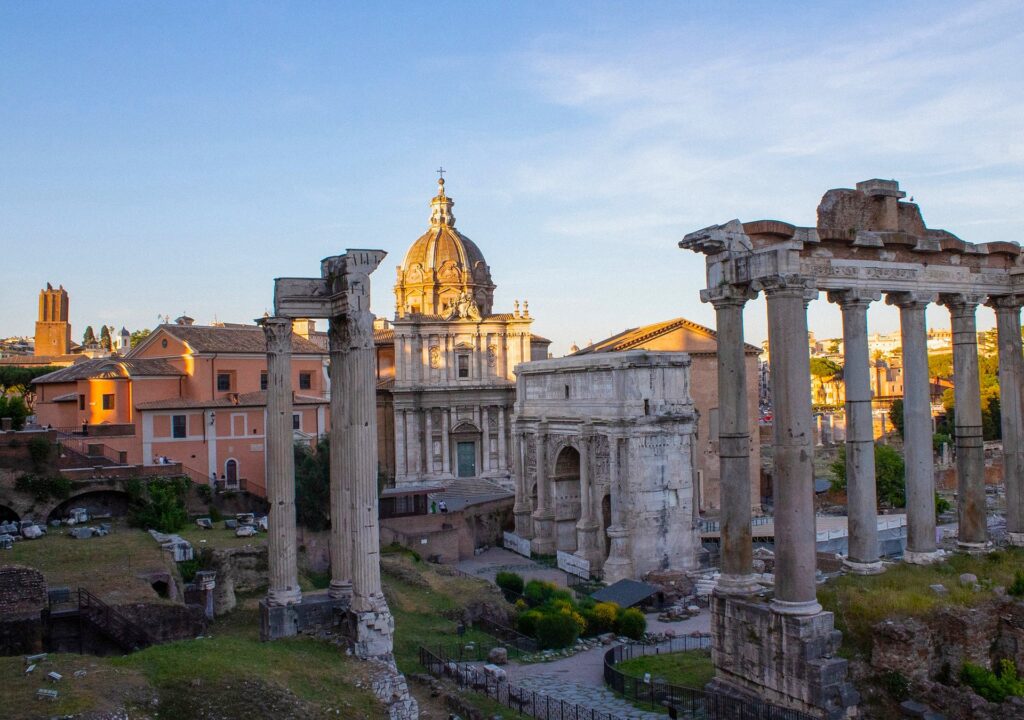
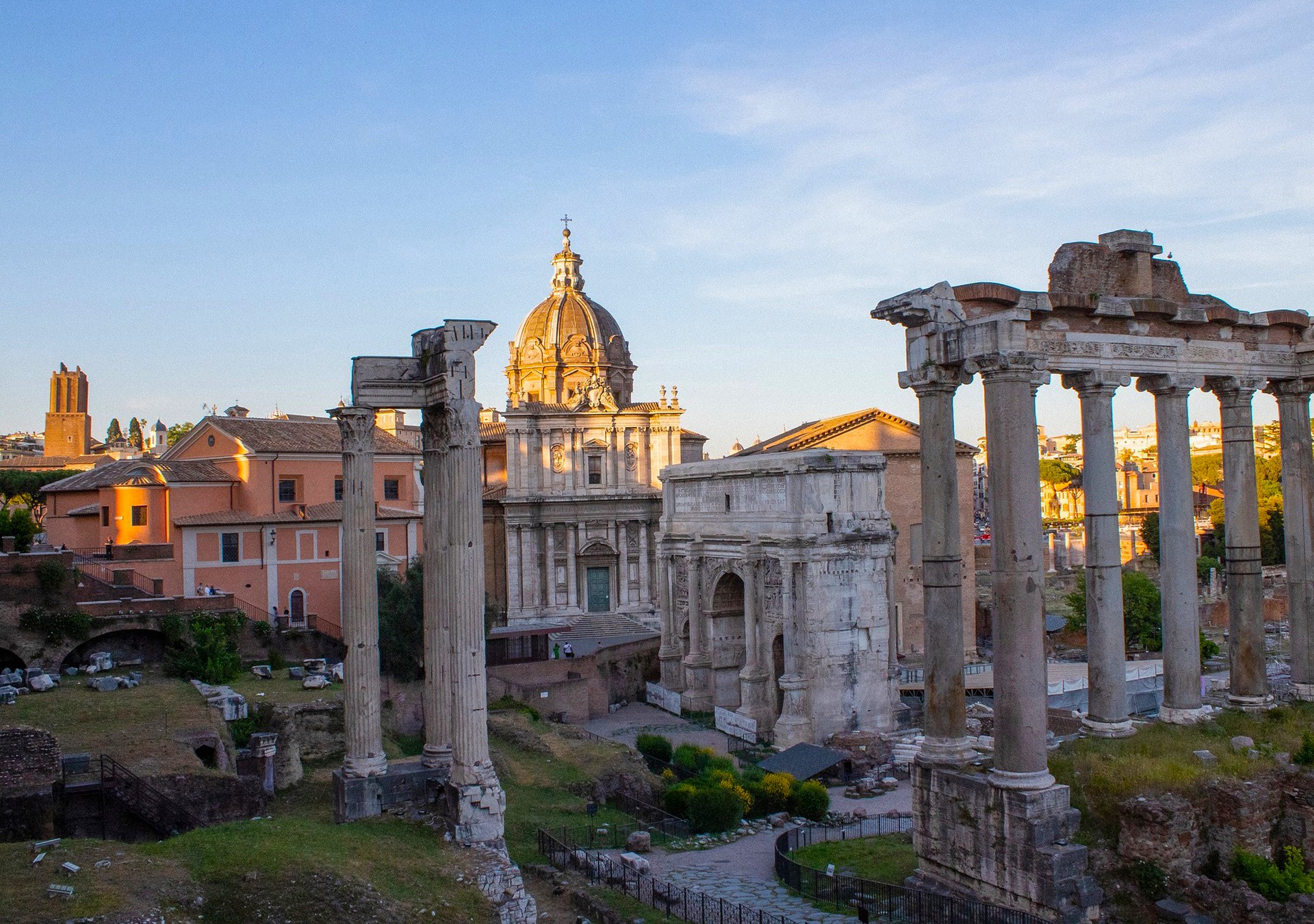
Every building, every arch and every column in the Roman Forum has its own story. The Temple of Vespasian and Titus: Two temples built in honour of the Flavian emperors. The Arch of Septimius Severus: A monumental gateway erected to celebrate victory over the Parthians. The Via Sacra: The sacred road where religious and triumphal processions took place.
-
- Roman Forum
-

- Roman Forum
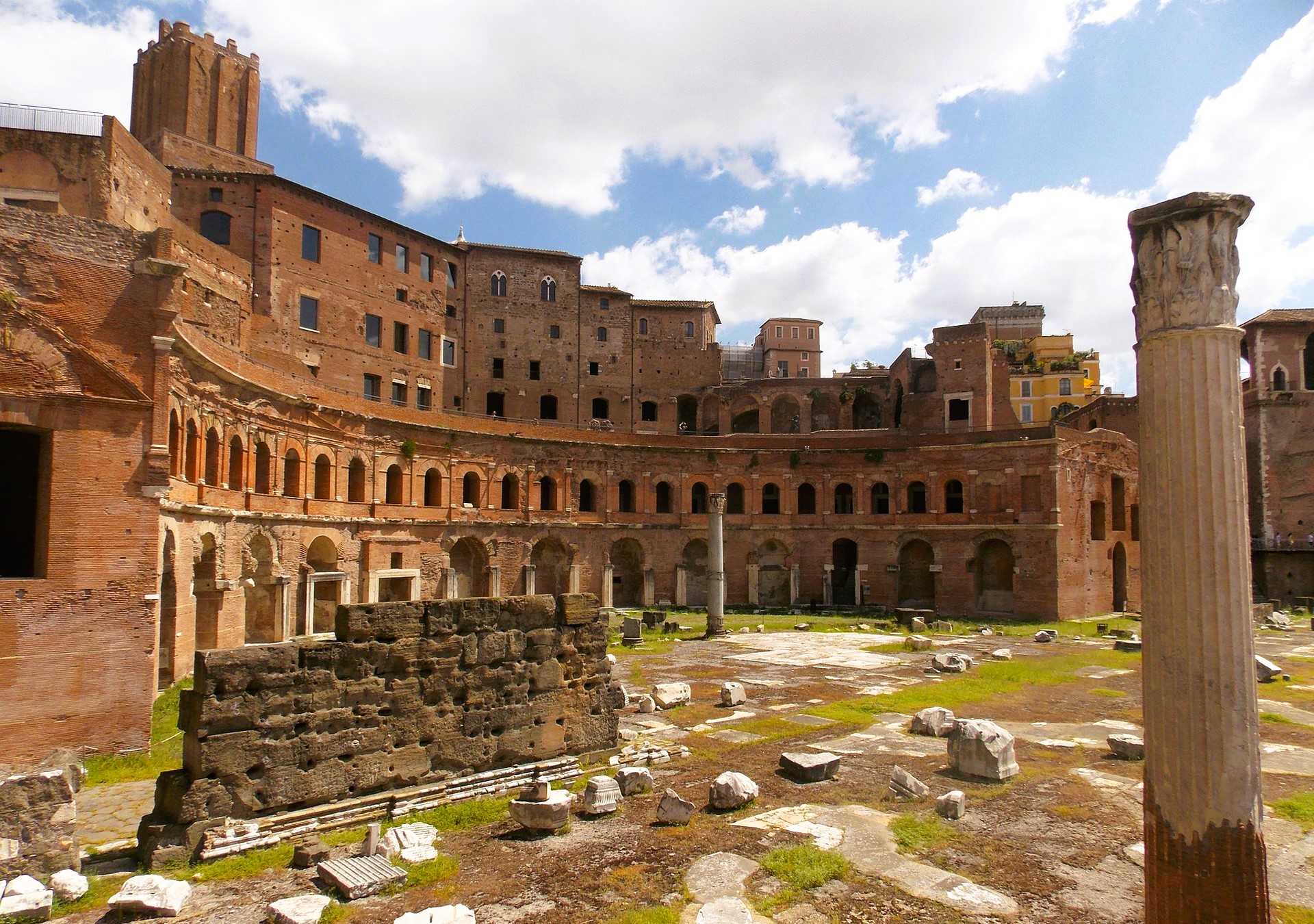
The last touch of life here was a column erected in honour of the Byzantine Emperor Phocas in 608 AD. After that, however, this once-bustling centre gradually turned into forgotten land, buried under layers of mud and overgrown with vegetation.
Today, visitors to the Roman Forum essentially walk above the ruins of ancient temples, basilicas and other structures that were transformed into churches over the centuries or simply buried underground.
It wasn’t until the 19th century that this fascinating archaeological site began to be uncovered—a site that still holds its secrets today.
Address: Entrance gate at Largo della Salara Vecchia 5/6 or entrance gate at Via del Tulliano, Rome
Our recommendation:
Comfortable shoes: You’ll be doing a lot of walking, so don’t forget comfortable footwear.
Sun protection: In the summer months, remember a hat and sunscreen.
Audio guide: With an audio guide, you’ll learn much more interesting facts about each landmark.
Our secret tip:
Want to see the Roman Forum without fighting through crowds of tourists? We have a great tip for you.
When visiting the Capitoline Museums (Musei Capitolini), you’ll have a unique opportunity to see the Roman Forum from a bird’s-eye view. From the museum terraces, you can enjoy a breathtaking panorama of the ruins of this once-bustling centre of Roman life.
If you don’t want to pay the museum entrance fee, walk around the back of Capitoline Hill. You’ll still get a beautiful view of the Roman Forum from there.
The Palatine Hill (Palatino)
The Palatine, one of Rome’s seven hills, is the legendary birthplace of the city itself. While the tale of Romulus and Remus belongs to the realm of myth, archaeological findings confirm that the Palatine was indeed one of the earliest settled areas in this region. The remains of ancient huts here testify that one of the first settlements emerged on this very spot, later growing into a mighty city.
At the top of the Palatine Hill resided Rome’s elite —emperors, senators, wealthy merchants and renowned artists. Each of them built lavish villas here, adorned with magnificent frescoes and mosaics. Among the Palatine’s most famous residents were Cicero, one of Rome’s greatest orators, and the lyric poet Catullus.
A special mention goes to the House of Augustus, the residence of Rome’s first emperor. Its wall paintings are among the most precious surviving examples of Roman art. The vibrant colours, intricate details and fascinating mythological scenes still amaze visitors today.
Exploring the Palatine is like stepping back in time. Walking among the ruins of former palaces and temples, you can imagine what life was like in ancient Rome. You can stand in the very places where the fate of the empire was decided and where the most influential people of the era gathered.
Address: Via di San Gregorio 30, Rome
Our tip:
Not far from the iconic Palatine Hill lies the Circuc Maximus (Circo Massimo), once the largest and busiest chariot racing venue in the entire Roman Empire. Imagine a monumental structure that could hold up to 300,000 excited spectators. They gathered here to watch thrilling chariot races with bated breath, loudly cheering for their favourites and placing bets. The atmosphere was undoubtedly electrifying.
During Emperor Augustus’ reign, the Circus Maximus was adorned with a towering obelisk, which can now be admired at Piazza del Popolo. A second obelisk, gifted by Emperor Constantine II, also no longer stands in its original location—today, it can be found at Piazza di San Giovanni in Laterano.
Nowadays, visitors won’t find bustling racetracks or grand stands here, yet the site is still steeped in history and atmosphere. The vast grassy expanse, lined with the remains of noble palaces, offers a peaceful retreat in the heart of the bustling city.
Address: Via dei Cerchi, Rome
The Trevi Fountain (Fontana di Trevi)
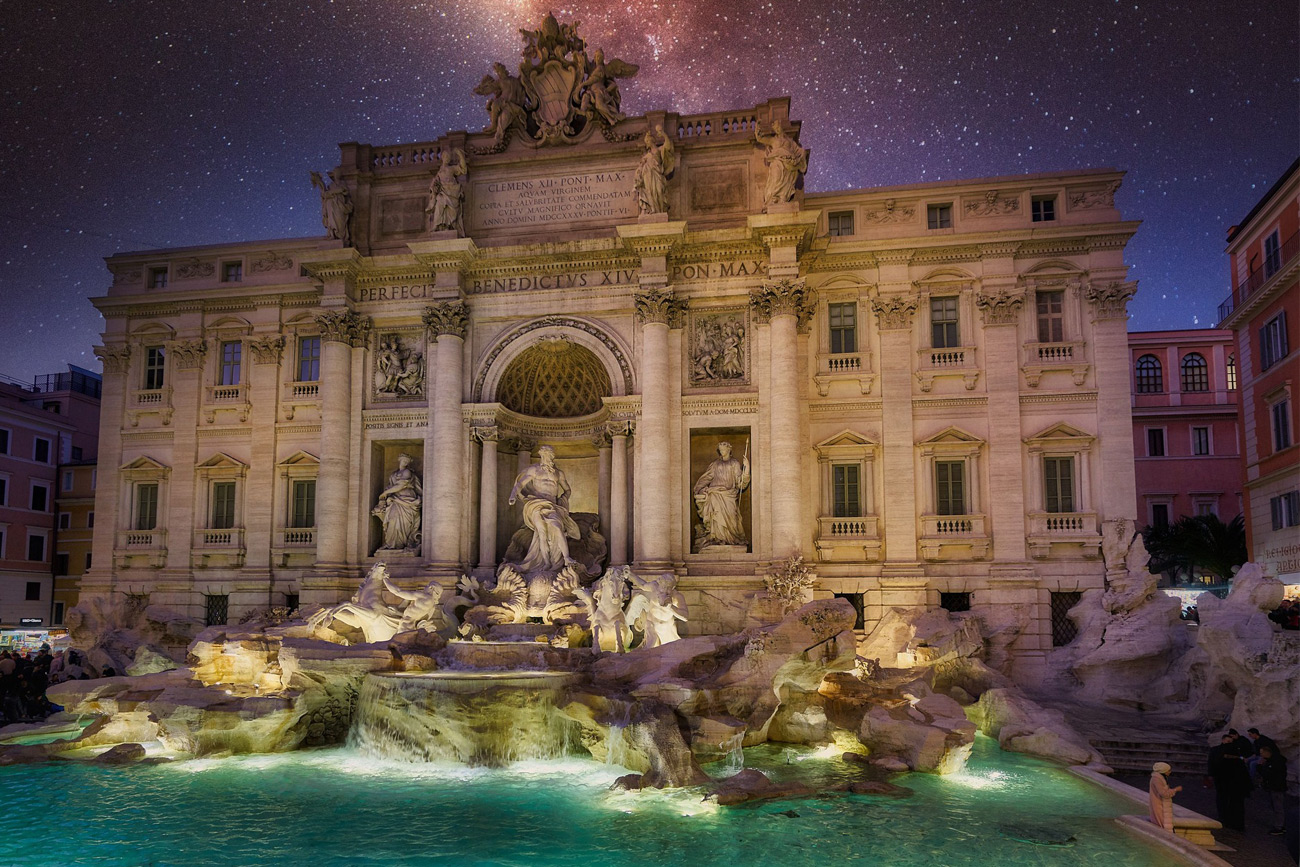
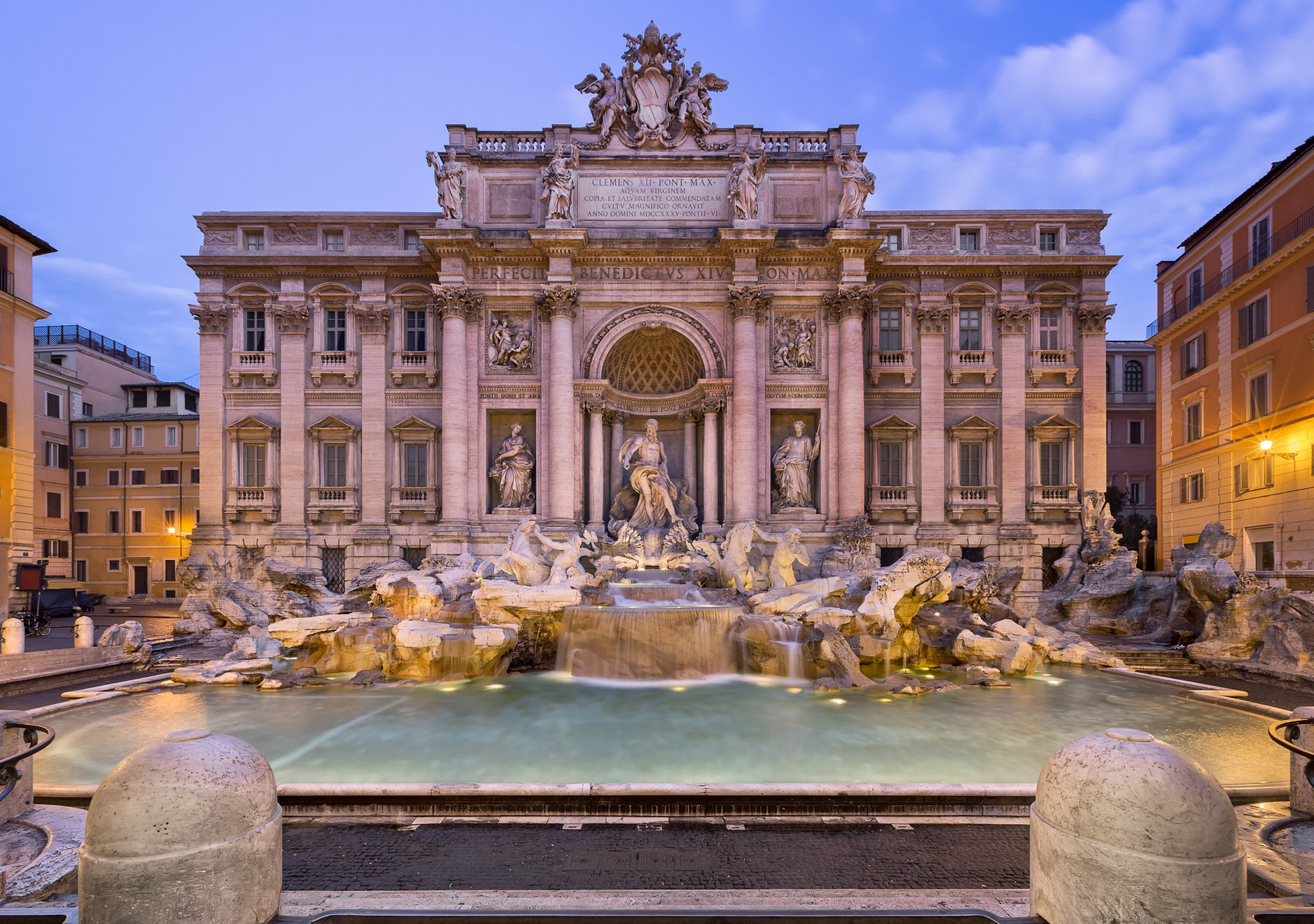
Rome is full of treasures that captivate every visitor. One of its most famous symbols is undoubtedly the Trevi Fountain. This magnificent structure, dating back to the 18th century, is the work of architect Nicola Salvi and represents the pinnacle of late Baroque art.
So why is it so extraordinary? The fountain is supplied with water from the ancient Aqua Virgo aqueduct, adding to its mystique and historical value. The name "Trevi" comes from the Italian "tre vie," meaning "three roads," as this is where three streets converge toward the fountain.
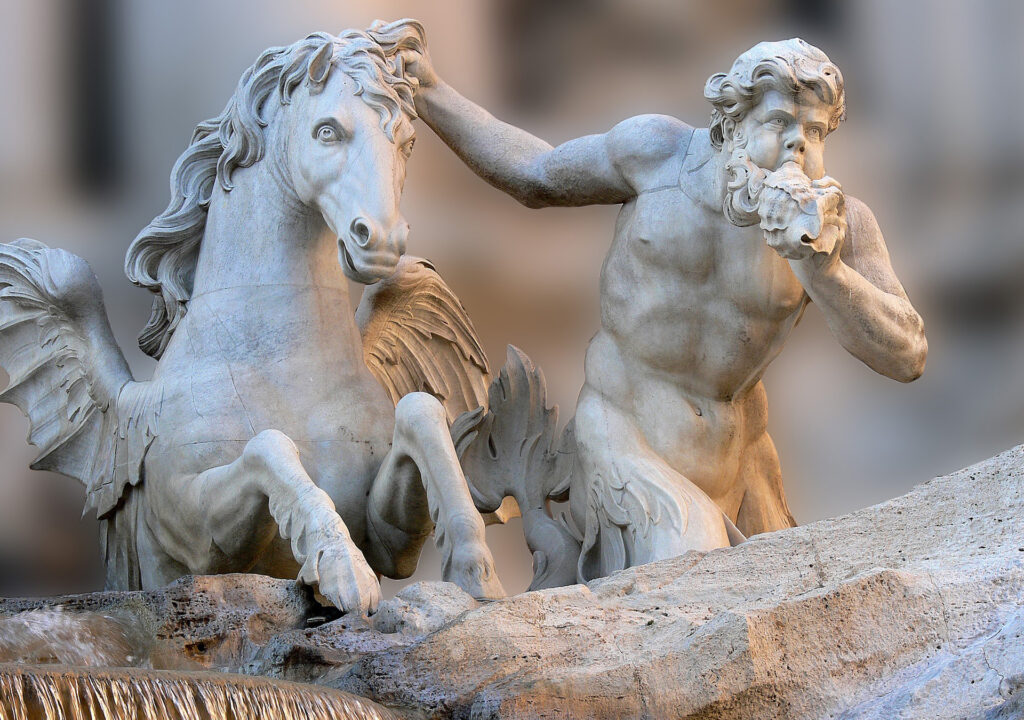
The centrepiece is a massive statue of the Roman god of the sea, Neptune, riding a seashell chariot pulled by two Tritons. These mythical creatures embody the two faces of the sea—fierceness and calm. In the niches of the fountain stand statues of the goddess of abundance, Abundantia, and the goddess of health, Hygieia. These allegorical figures remind us that life is a gift and that we should enjoy it to the fullest. The entire fountain is surrounded by impressive cascades and jets of water, creating a truly unique atmosphere.
Address: Piazza di Trevi, Rome
-
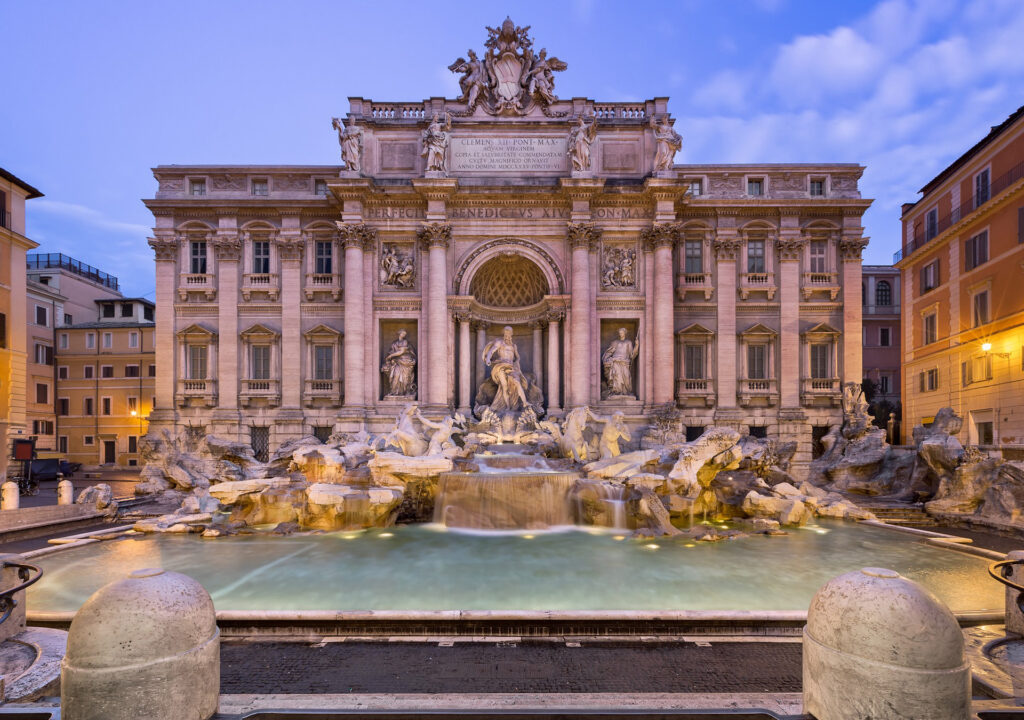
- Trevi Fountain
-
- Trevi Fountain
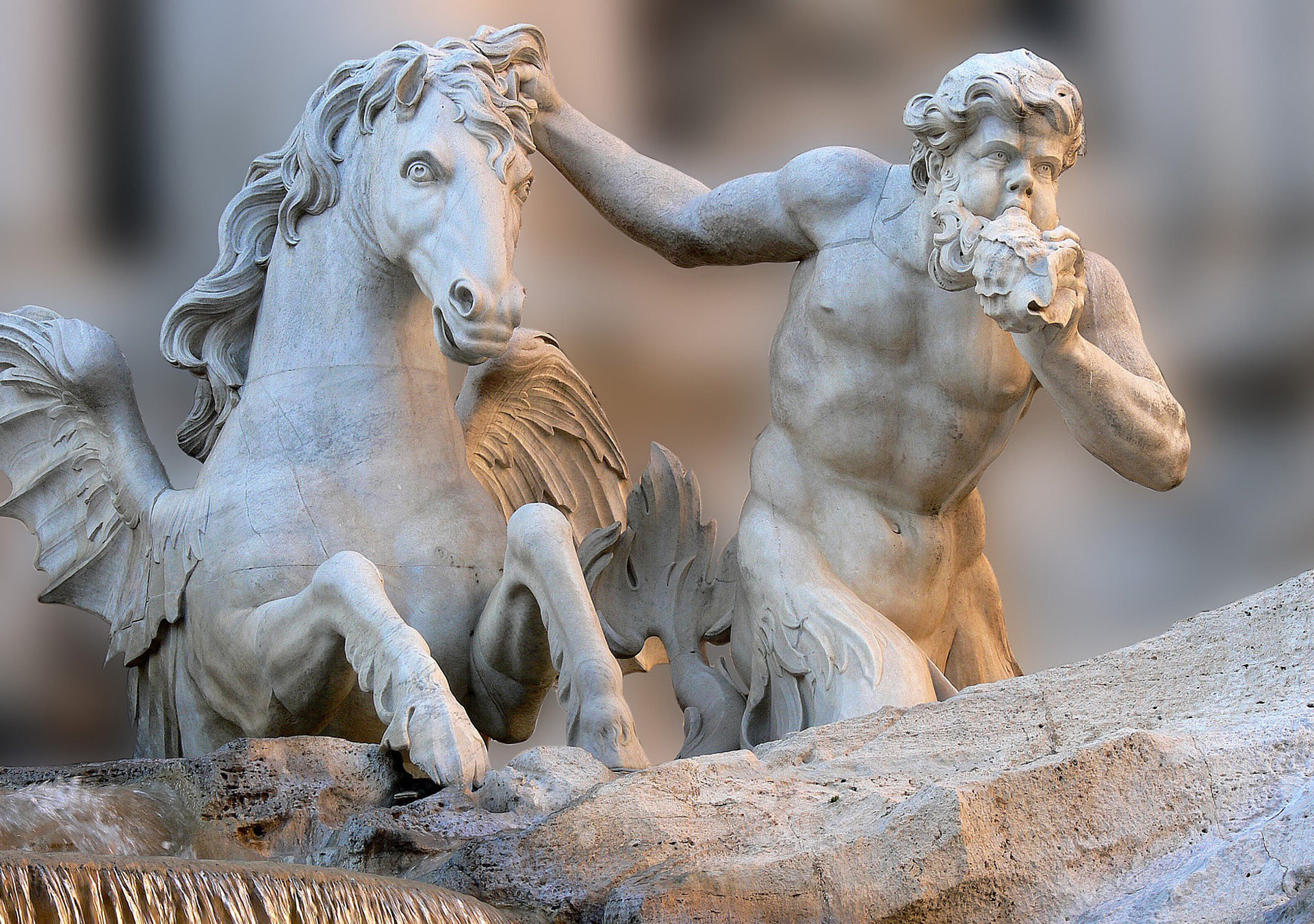
Entrance to the inner fountain area is subject to a fee and can be purchased online, at tourist information centres, or directly at the entrance. It opens daily, with the last admission one hour before closing. Residents of Rome and the metropolitan area, children under 6 years old, and persons with disabilities enter free of charge. It is forbidden to eat, drink, or sit on the edge of the fountain. The entrance leads from Via della Stamperia and the exit to Via dei Crociferi.
The Spanish Steps (Scalinata di Trinità dei Monti)
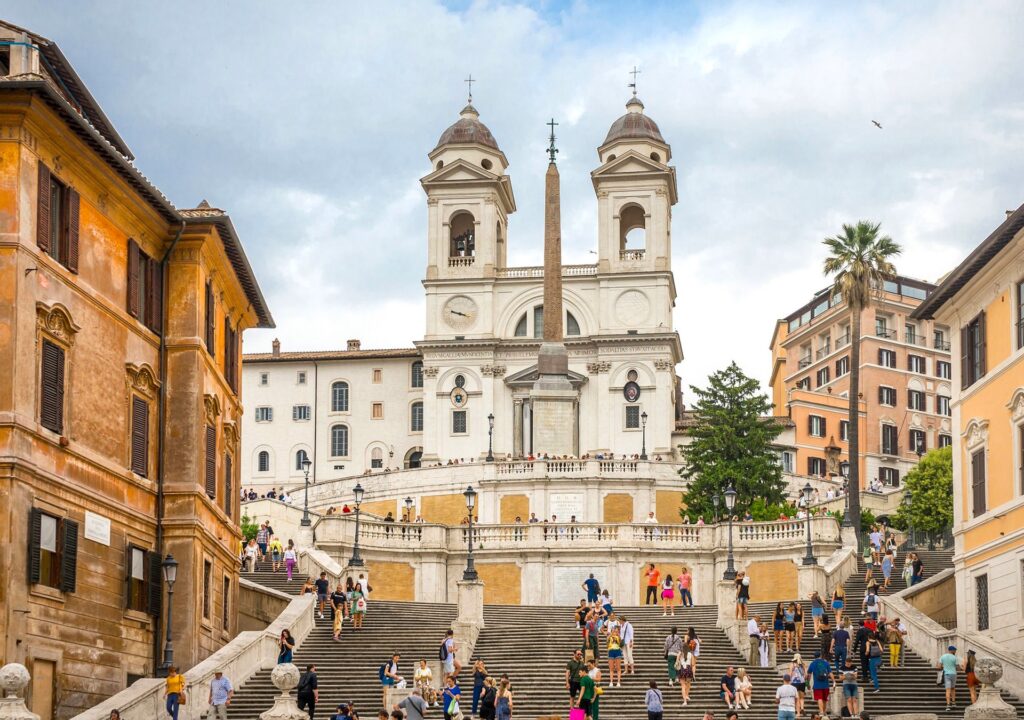
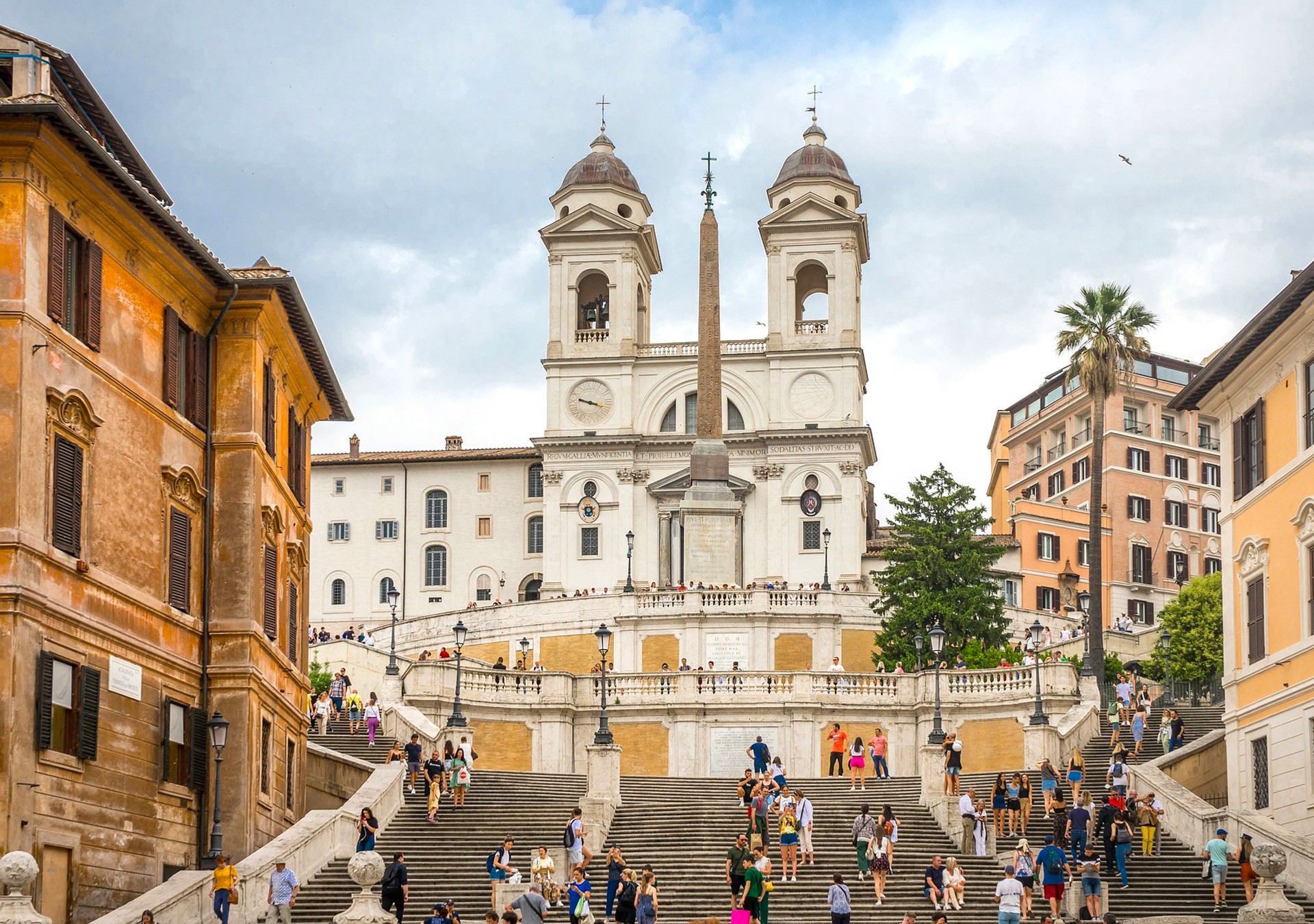
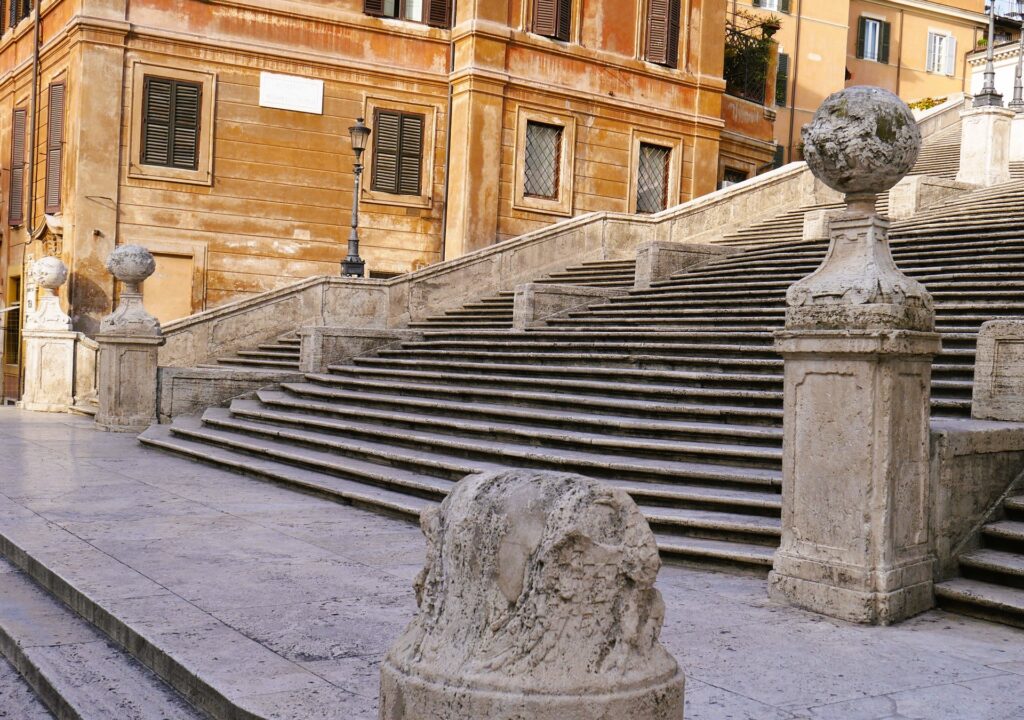
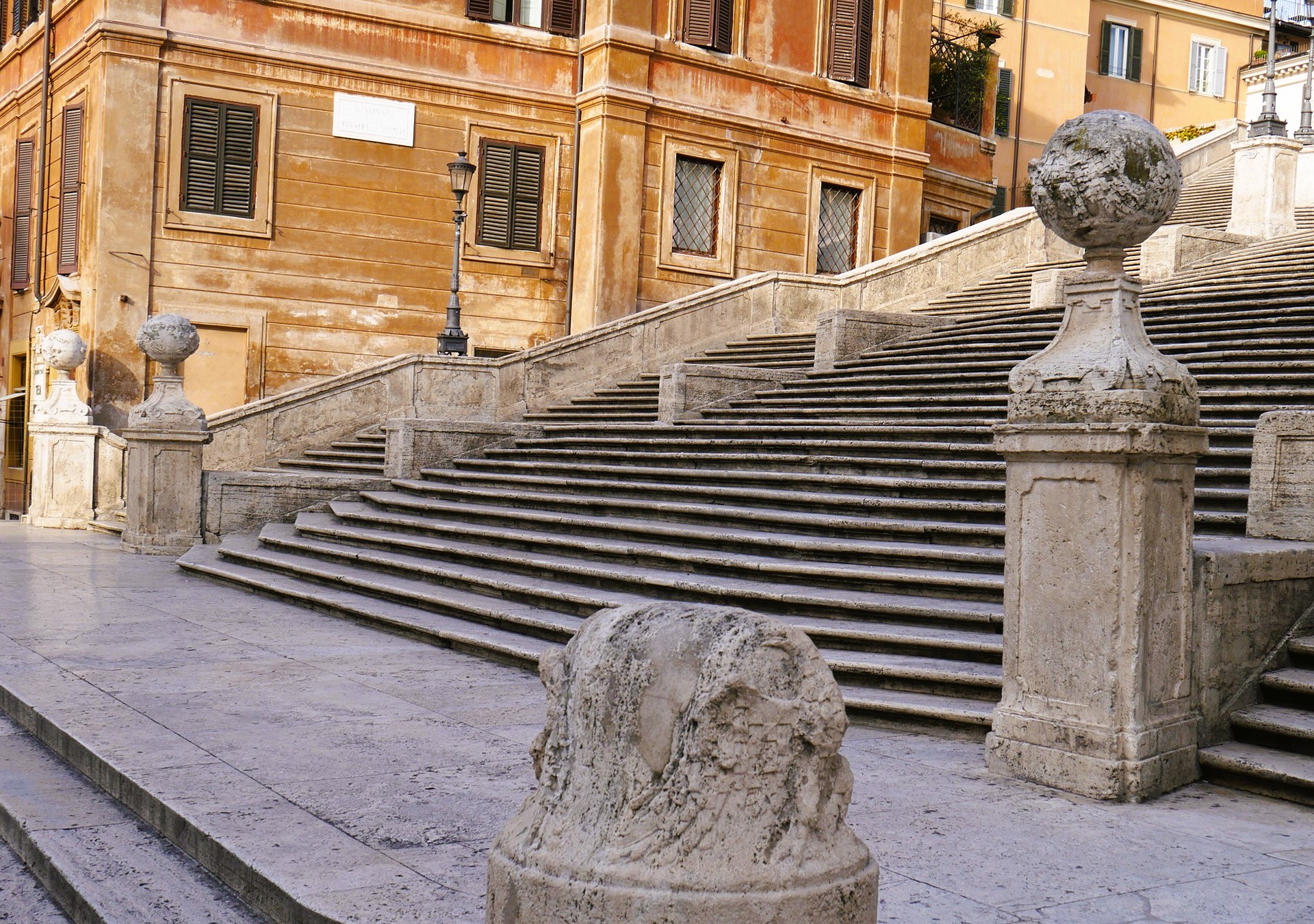
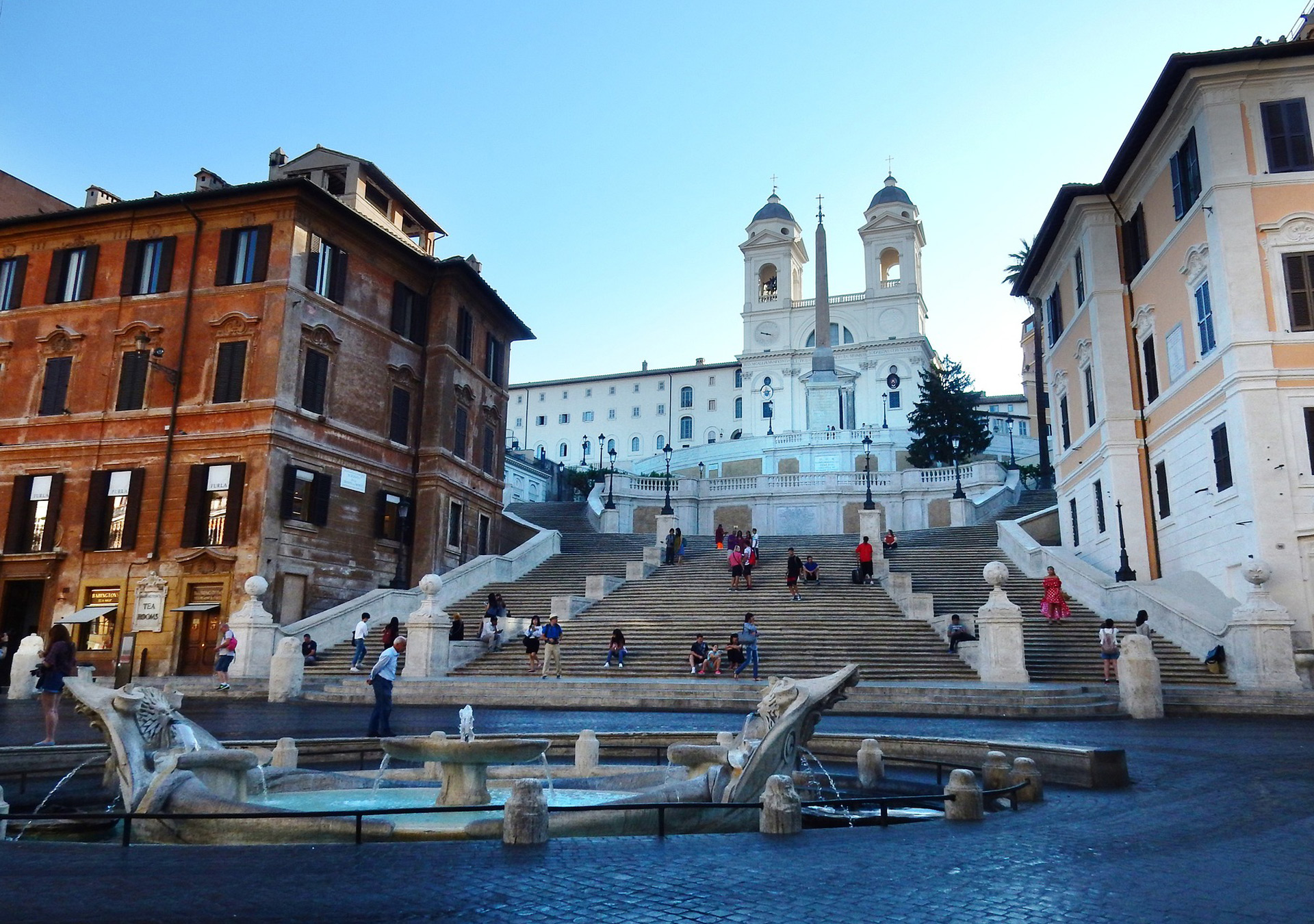
This monumental 18th-century structure, built in an elegant Rococo style, connects the bustling Piazza di Spagna with the imposing church of Trinità dei Monti. It was the French clergy, who owned the church, that were behind the creation of this artistic masterpiece.
Climbing all 135 steps might be a bit challenging, but the reward is a breathtaking view of the city. Along the way, you can stop at one of the three terraces, which symbolize the Holy Trinity, and soak in the atmosphere of this unique place.
Why are they called the Spanish Steps? While it might seem, the name is related to the architectural style, the opposite is true. The Spanish Steps got their name because the Spanish Embassy was located nearby.
-
- Spanish Steps
-
- Spanish Steps
At Piazza di Spagna, we were also charmed by the Fontana della Barcaccia, a masterpiece by Pietro Bernini. Its name, which translates to "Fountain of the Ugly Boat," carries an interesting story. In the 16th century, an unsightly boat got stuck here on the flooded Tiber River, becoming unexpected inspiration for this famous sculptor. Today, this fountain is not only an artistic gem but also a reminder of Rome’s turbulent history.
When to visit?
The best time to visit is from April to May when the steps bloom with pink azaleas and are lined with lush green palm trees. For a quieter stroll, go early in the morning or late in the evening.
Our warning:
The Spanish Steps are under strict protection—sitting, eating or drinking on them is not allowed. The city police strictly enforce this rule to keep the stairs beautiful and accessible to everyone. So, take photos, admire the view, but save your relaxation for one of the nearby cafés.
-
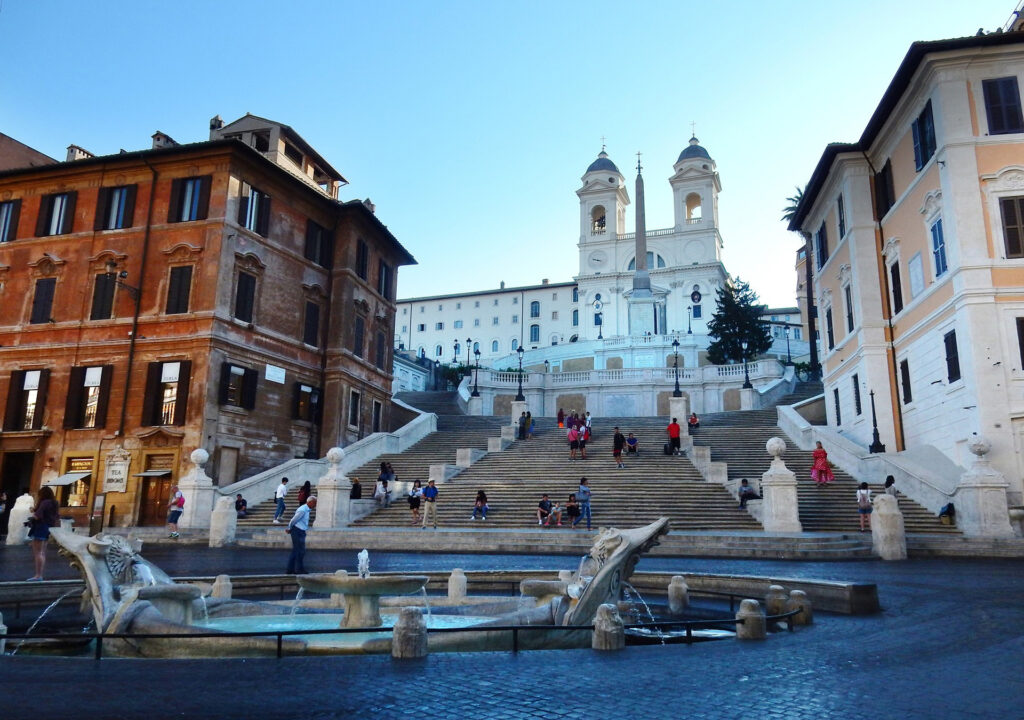
- Fontana della Barcaccia
-
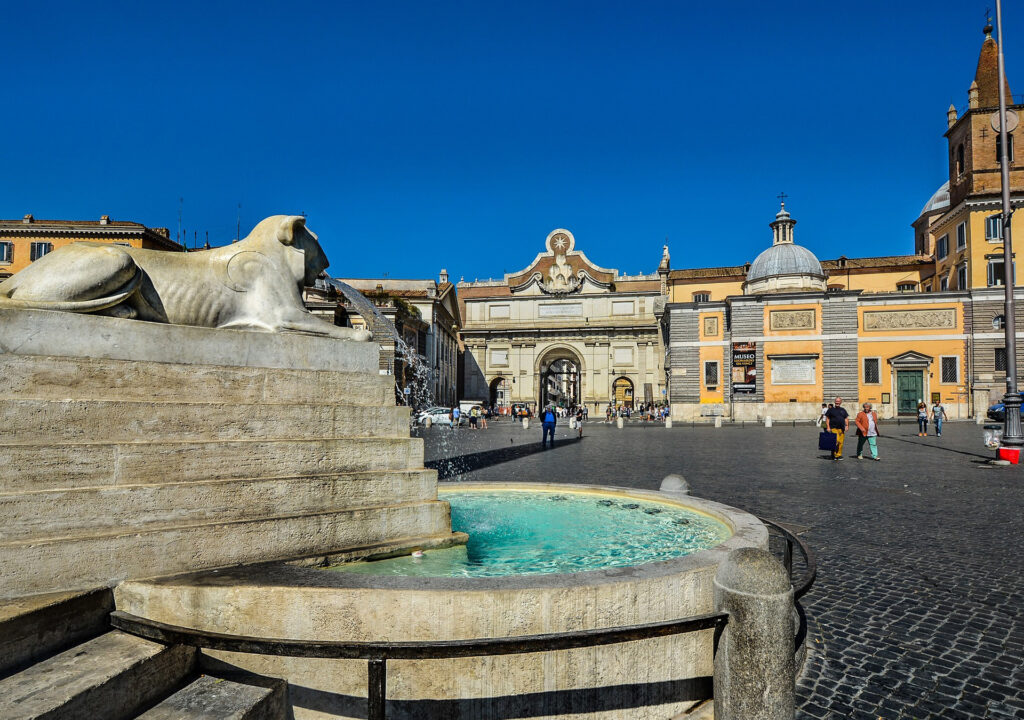
- Piazza del Popolo
After visiting the Spanish Steps, which were once also a venue for fashion shows, you can head to the surrounding streets for shopping. Via Condotti and Via Borgognona are home to world-famous brands. However, if you're looking for something unique, try visiting the small boutiques in the side streets instead.
Our tip:
Want to enjoy Rome without the crowds of tourists? Walk from the bustling Piazza di Spagna along the lesser-known Viale della Trinità dei Monti. This pleasant stroll will take you all the way to the Pincian Gardens, where you can escape the city's hustle and bustle. From the Terrazza del Pincio, you’ll be treated to a stunning view of Piazza del Popolo. The gardens are the perfect place to relax and enjoy a peaceful moment.
Piazza del Popolo
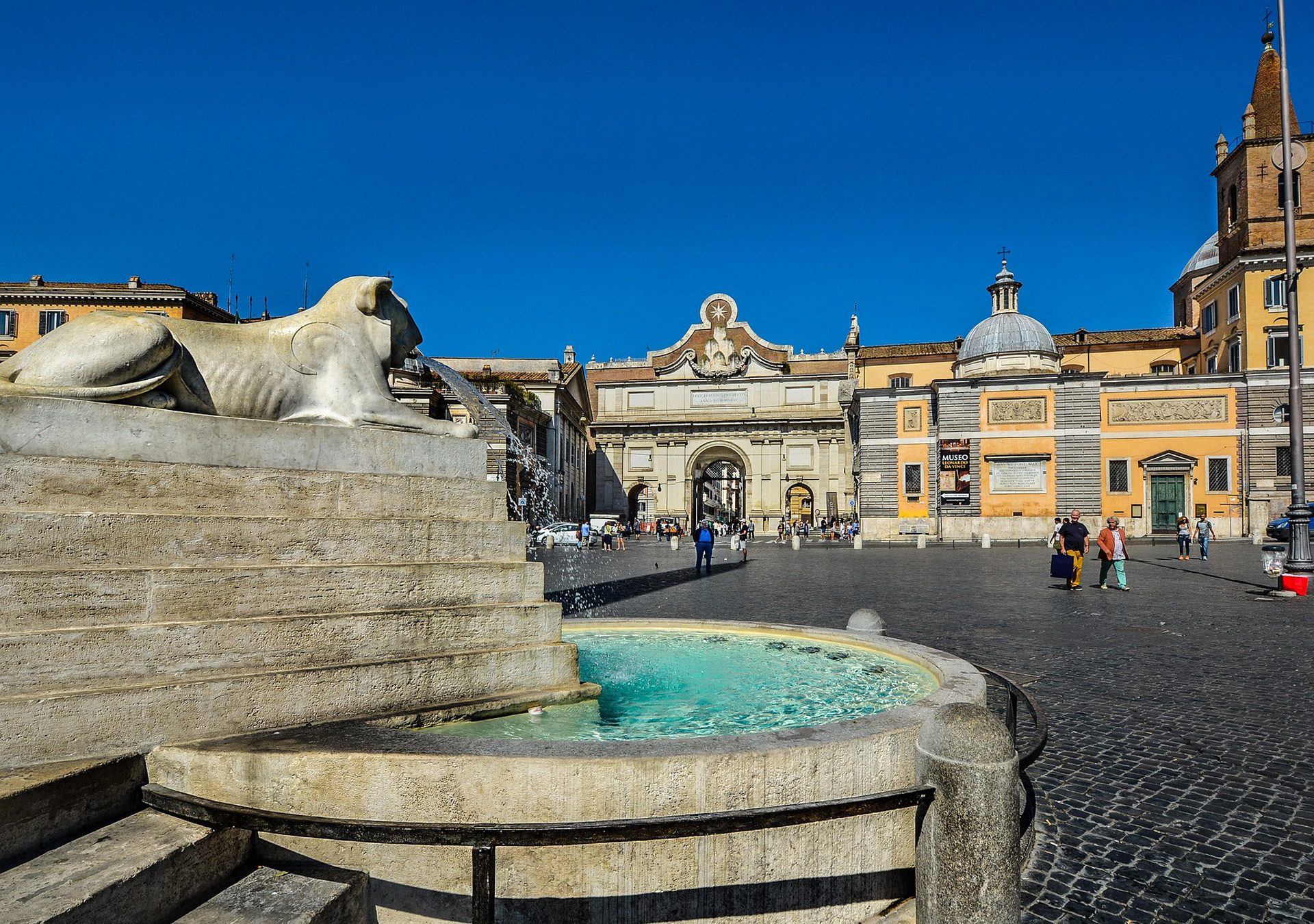
Long ago, the Via Flaminia was the main artery connecting Rome to northern Italy. And right at its end, Piazza del Popolo was born—a square that served as a gateway to the world for the Romans. For centuries, this square also welcomed all who came to Rome. Its name, "People’s Square," hints that there was always something happening here. Today, it’s a meeting place, but in the past, it was even the site of public executions.
The square is like a theatre stage where different styles take turns. The neoclassical appearance blends with the Baroque churches of Santa Maria dei Miracoli and Santa Maria in Montesanto, which stand like twins facing each other.
And then there’s the Basilica of Santa Maria del Popolo. It will amaze you not only with its size but also with the artistic treasures inside. In its side chapels, you’ll find masterpieces by Caravaggio and Raphael.
Rising in the square is one of the most incredible witnesses of the distant past— the Egyptian obelisk of Pharaoh Ramses II. This 36-meter-tall monolith, carved from a single block of red granite, originally stood in the Sun Temple at Heliopolis as a symbol of the sun god Ra. Imagine the effort it must have taken to quarry and transport it.
After the conquest of Egypt, Emperor Augustus had it brought to Rome and placed in the Circus Maximus. But even that wasn’t its final resting place. In the 16th century, by order of Pope Sixtus V, it was moved here, to Piazza del Popolo. Today, it’s surrounded by a fountain with four lions, symbolizing the scattering of light to the four corners of the world—just as the Egyptian sun once cast its rays.
And that’s not all. On both sides of the square stand two imposing fountains, as if guarding this place. On one side, you’ll see the mighty Neptune, ruler of the seas, gripping his trident as he prepares to command the waters (Fontana del Nettuno).
On the other side stands the proud goddess of Rome, determined to protect her city (Fontana della Dea di Roma). She’s armed like a true warrior, yet her expression is full of maternal love. Beneath her feet lies a touching scene: the she-wolf nursing Romulus and Remus.
These fountains are not just water features—they are stories carved in stone. As we admired their beauty, we were swept back to ancient times when the god of the seas ruled the waves and the legend of Rome’s founding was still fresh.
Our recommendation:
We headed from there to Piazza Navona via the main street running through the city centre—Via del Corso.
For fashion lovers, Via del Corso is nothing short of paradise. At every corner, we stumbled upon a boutique with clothing stylish enough for fashion runways. And the best part? All these beautiful pieces came at prices that definitely didn’t strain our budget. Shopping therapy at its finest.
But it wasn’t just fashion that delighted us on Via del Corso. Countless cafés and restaurants tempted us to sit down and sample local specialties. And since we were in Italy, we couldn’t resist trying authentic Italian gelato. We treated ourselves to a refreshing scoop at the famous Venchi gelateria.
Address: Via del Corso 335, Rome
Piazza Navona
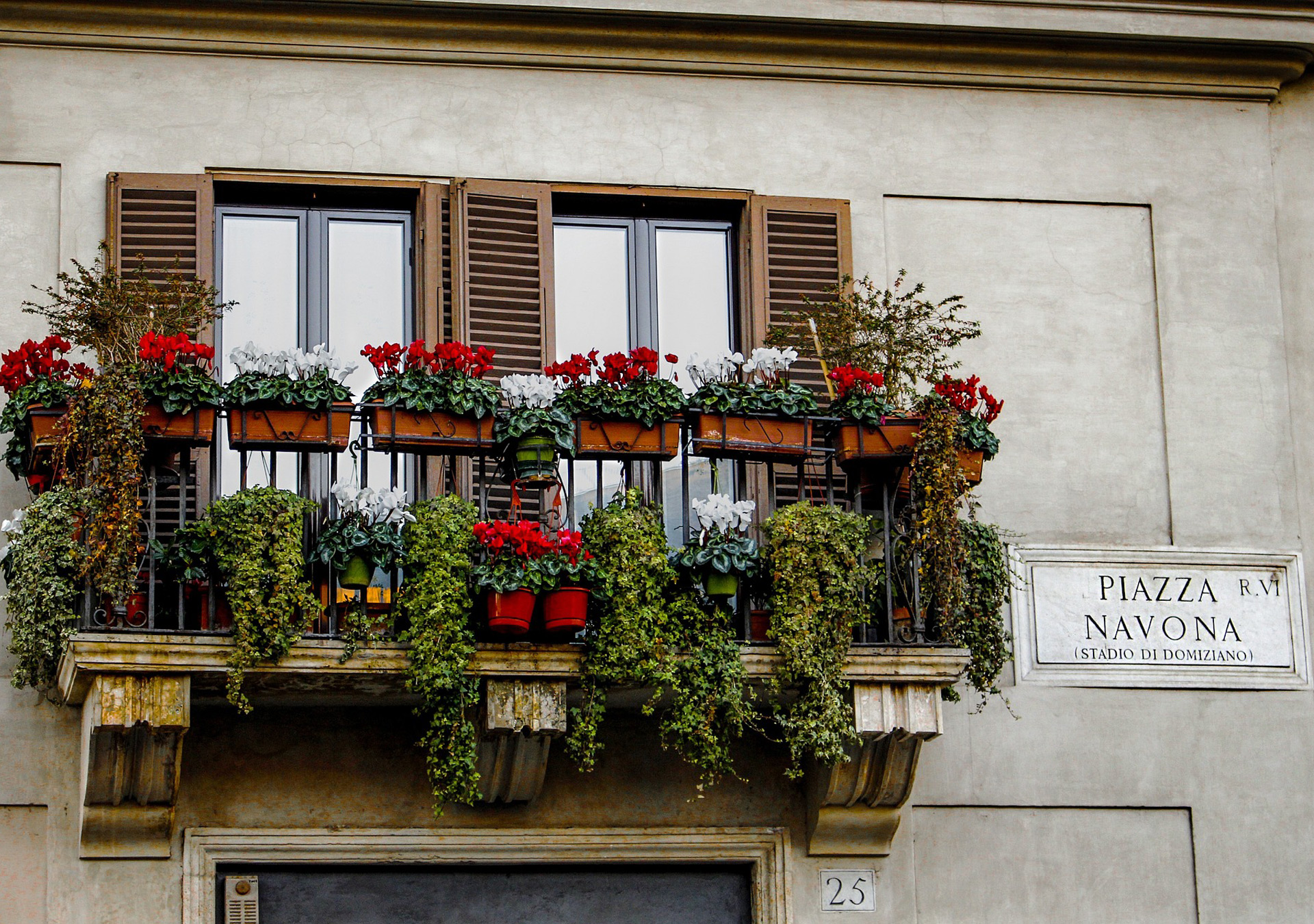
As we strolled through the magnificent Roman square, Piazza Navona, it was hard to imagine that this very spot once echoed with the roars of 30,000 spectators during thrilling athletic games.
In 86 AD, Emperor Domitian had a massive stadium built where the square now stands. The stands rose high, fans cheered for their favourites, and encouraging shouts filled the air. And when the Roman heat became unbearable, the entire square turned into a giant pool. Yes, you read that right. The stadium was flooded with water in the summer, and the Romans enjoyed refreshing "water games."
After the fall of the Roman Empire, the stadium gradually transformed. Houses were built where the stands once stood, but the long athletic track remained open. And it was on this very ground that the now-famous square was created.
-
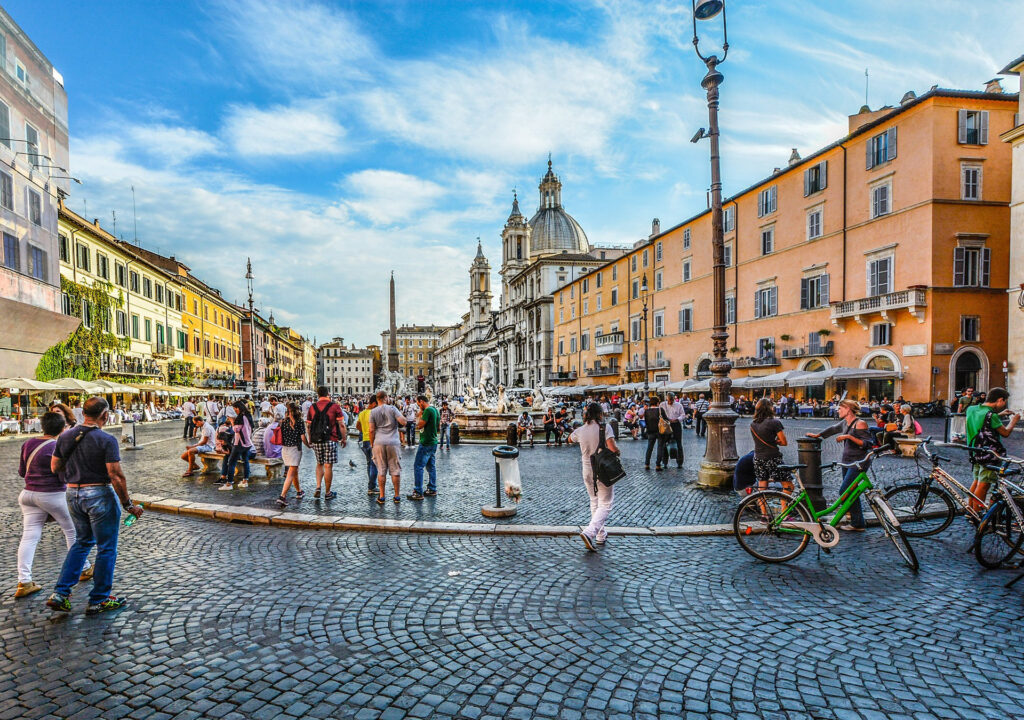
- Piazza Navona

-
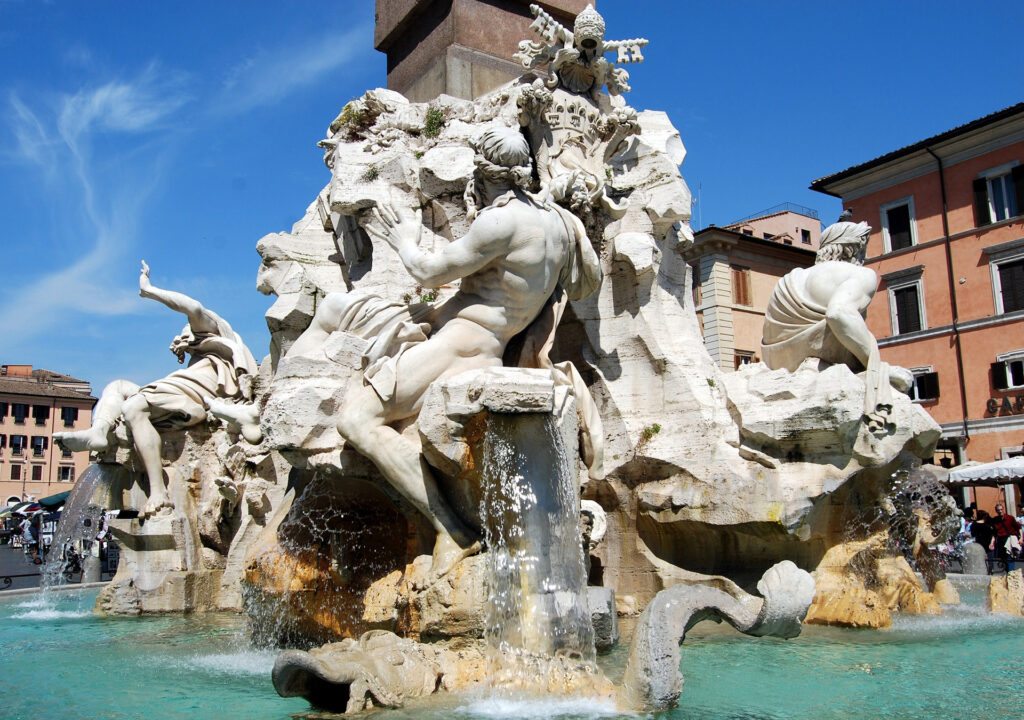
- Fountain of the Four Rivers
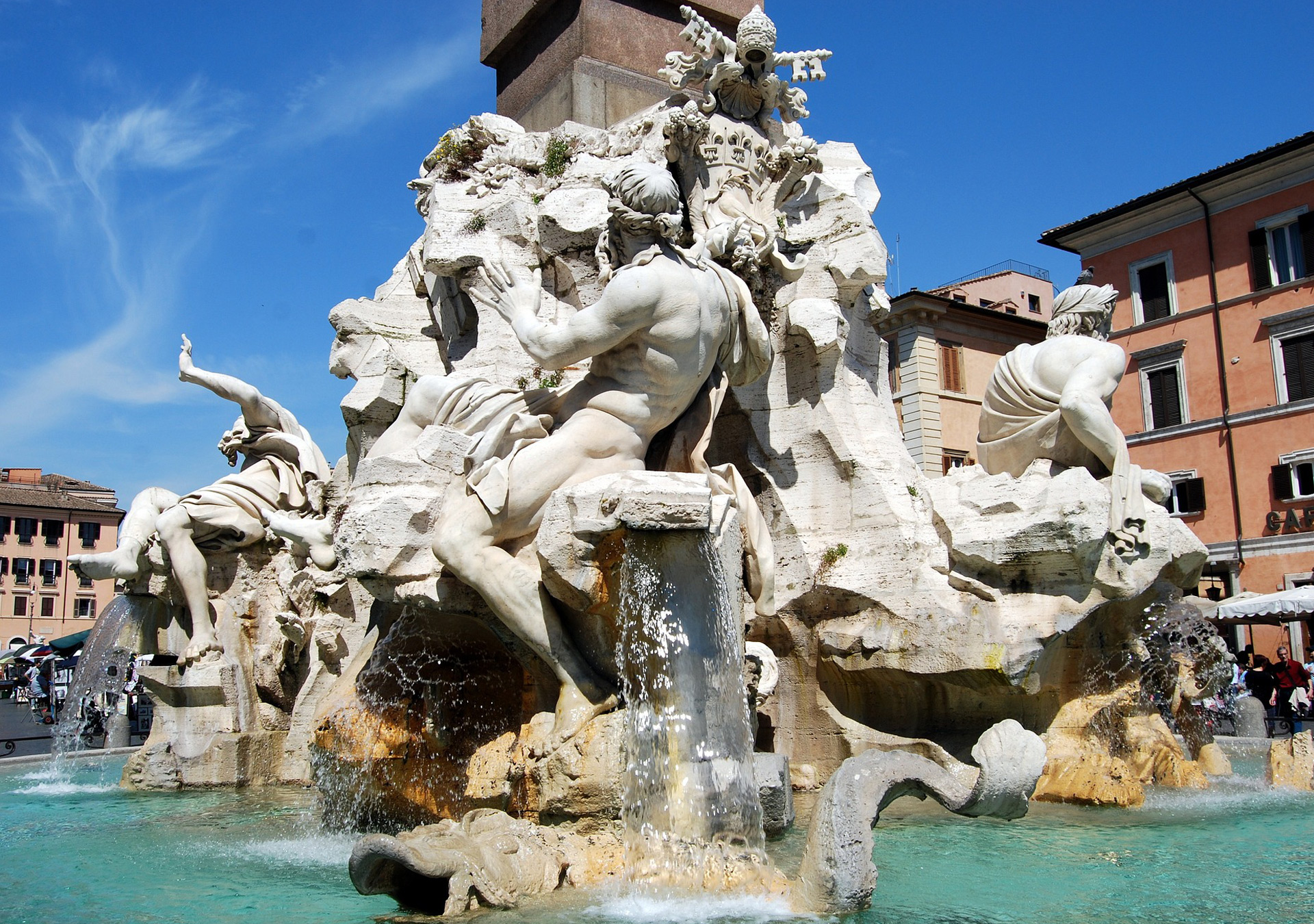
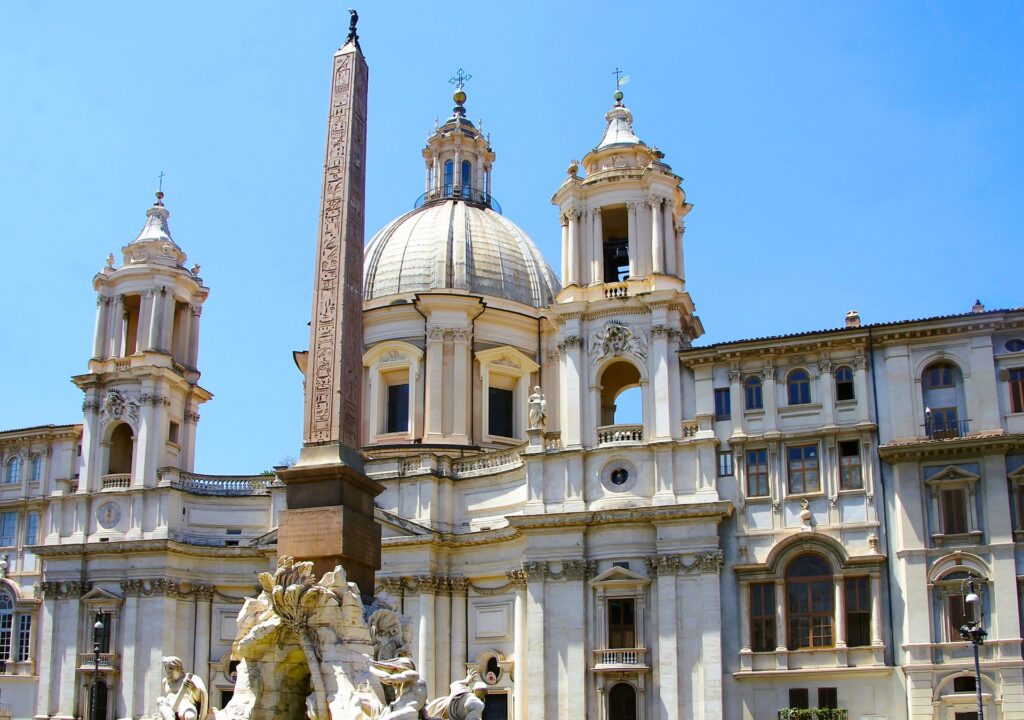
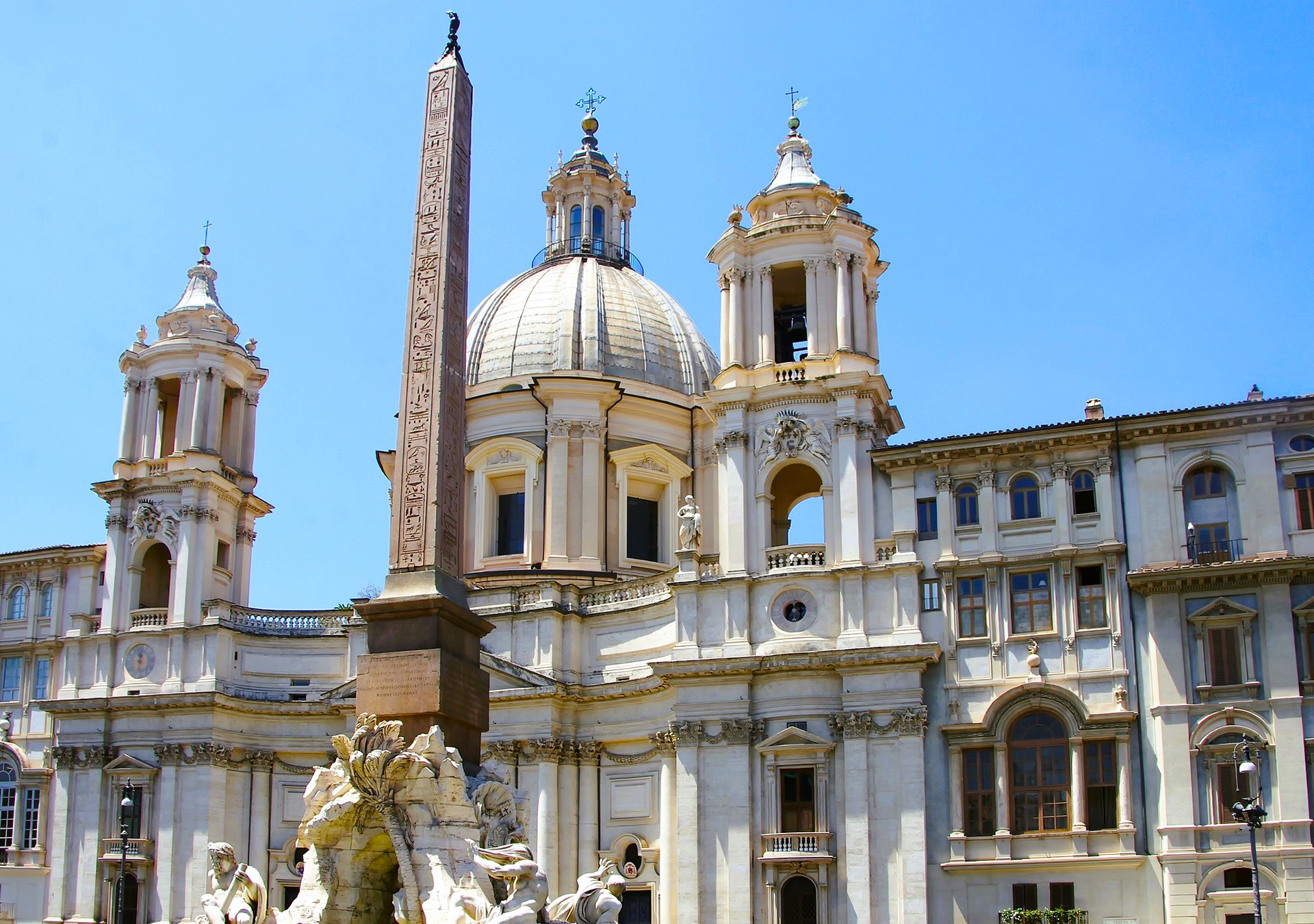
The unique appearance of this square was shaped in the 17th century when the church of Sant'Agnese in Agone was built—a structure with a dark past. Legend has it that Saint Agnes was tortured here, stripped naked, and pressured to renounce her faith. Today, the square feels almost extravagant, thanks to the extraordinary façade designed by architect Francesco Borromini.
We also came across a remarkable work by sculptor Bernini, the Fountain of the Four Rivers (Fontana dei Quattro Fiumi), adorned with an Egyptian obelisk. Each of the four statues symbolizes one of the then-known continents, represented by their rivers: the Nile, the Ganges, the Danube and the Río de la Plata.
Today, this lively square with countless cafés and outdoor seating is also home to street artists and portrait painters. In winter, the area transforms into a paradise for Christmas market lovers.
Our tip:
If you want to experience Piazza Navona in a different light, come here in the evening. The illuminated fountains and buildings create a truly unique atmosphere.
-
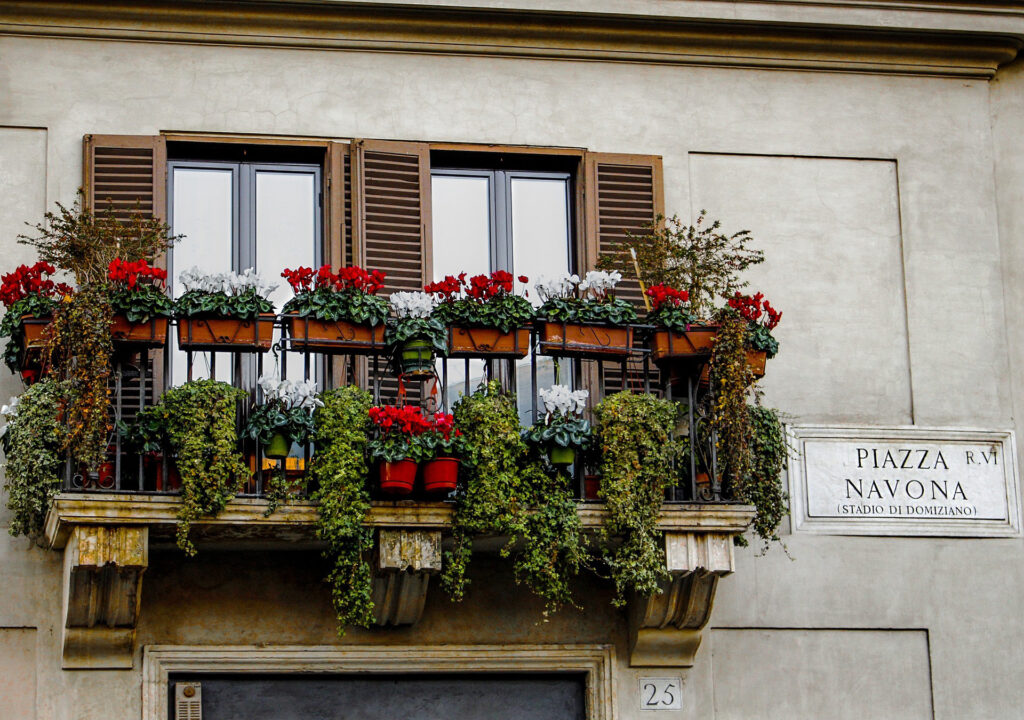
- Piazza Navona
-
- Church of Sant'Agnese in Agone
Our recommendation:
Embark on a fascinating journey through time and uncover the hidden treasures of ancient Rome. Beneath Piazza Navona lie the impressive ruins of the Domitian Stadium, a UNESCO World Heritage Site. Descend 4.5 meters below today's street level and step into an era of grand games and entertainment. This unique archaeological discovery is undoubtedly one of the most interesting stops while exploring the city.
Address: Via di Tor Sanguigna 3, Rome
Hadrian’s Temple (Il Tempio di Adriano)
Our final stop under the open sky was Hadrian’s Temple. Eleven Corinthian marble columns, once part of a magnificent structure, now stand as silent witnesses to the ancient Roman Empire. It was fascinating to imagine that these columns have stood here since the 2nd century AD. Today, the temple ruins are part of the stock exchange building (La Borsa), adding another interesting chapter to its long history.
Address: Piazza di Pietra, Rome
Transportation and accommodation:
Since Rome’s public transport isn’t very reliable, we preferred walking to avoid wasting precious time—so comfortable shoes were a must. Plus, in a city filled with countless beautifully decorated churches and ancient landmarks, there was something to see at every corner.
This also influenced our decision to stay near the city centre. We chose Hotel Ripa, which not only offers comfortable rooms but also a rich breakfast that gave us plenty of energy to explore the city’s beauty.
Address: Via degli Orti di Trastevere 3, Rome
To get from Fiumicino Airport to the hotel, we took a direct train that departs every 20 minutes. We got off at Trastevere Station, about a 20-minute walk from the hotel. Alternatively, you can take a tram or bus to the Bernardino Da Feltre stop, just a short distance from the hotel.
From Ciampino Airport you can take the Terravision bus, which takes about 40 minutes to Termini Station (Piazza dei Cinquecento). From there, take bus H for about 30 minutes to the Bernardino Da Feltre stop.
For transfers from both airports to the city (and back), we highly recommend the shuttle bus.
A final word of warning:
At popular tourist spots, people may offer you water or flowers for a fee. The best approach is simply not to respond. Plus, fountains all over Rome provide drinking water, so you can just fill your own bottle for free.