




The charming spa town of Bad Ischl, located in the federal state of Upper Austria, reached its peak fame in the 19th century when it was frequented by the imperial family and the aristocracy of the time. However, this magnificent destination still has much to offer today.
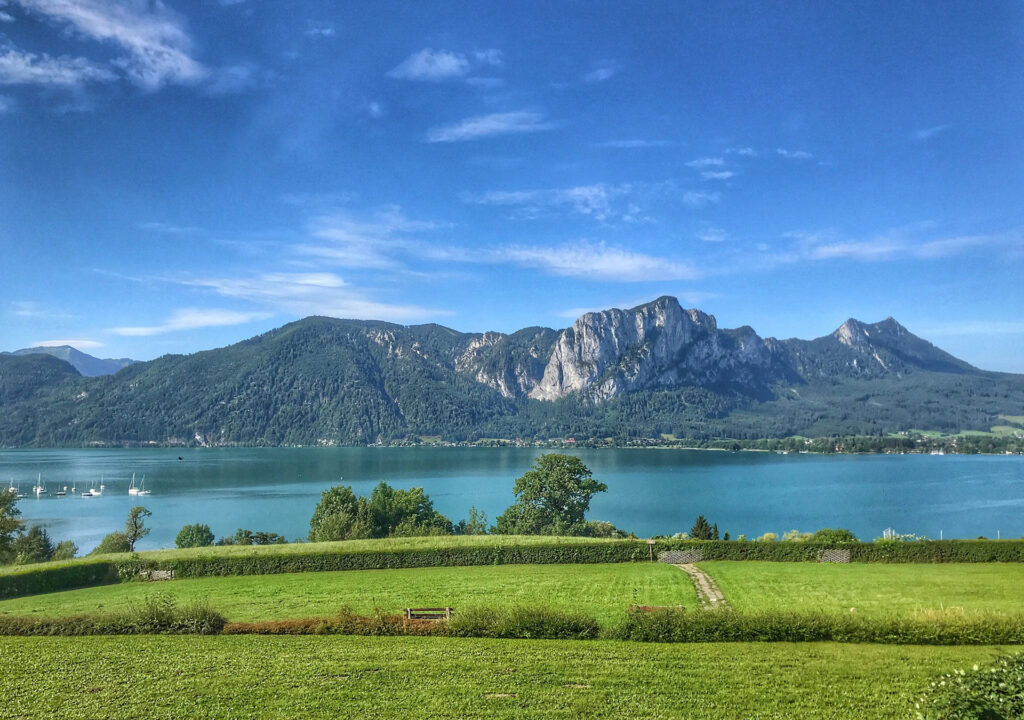
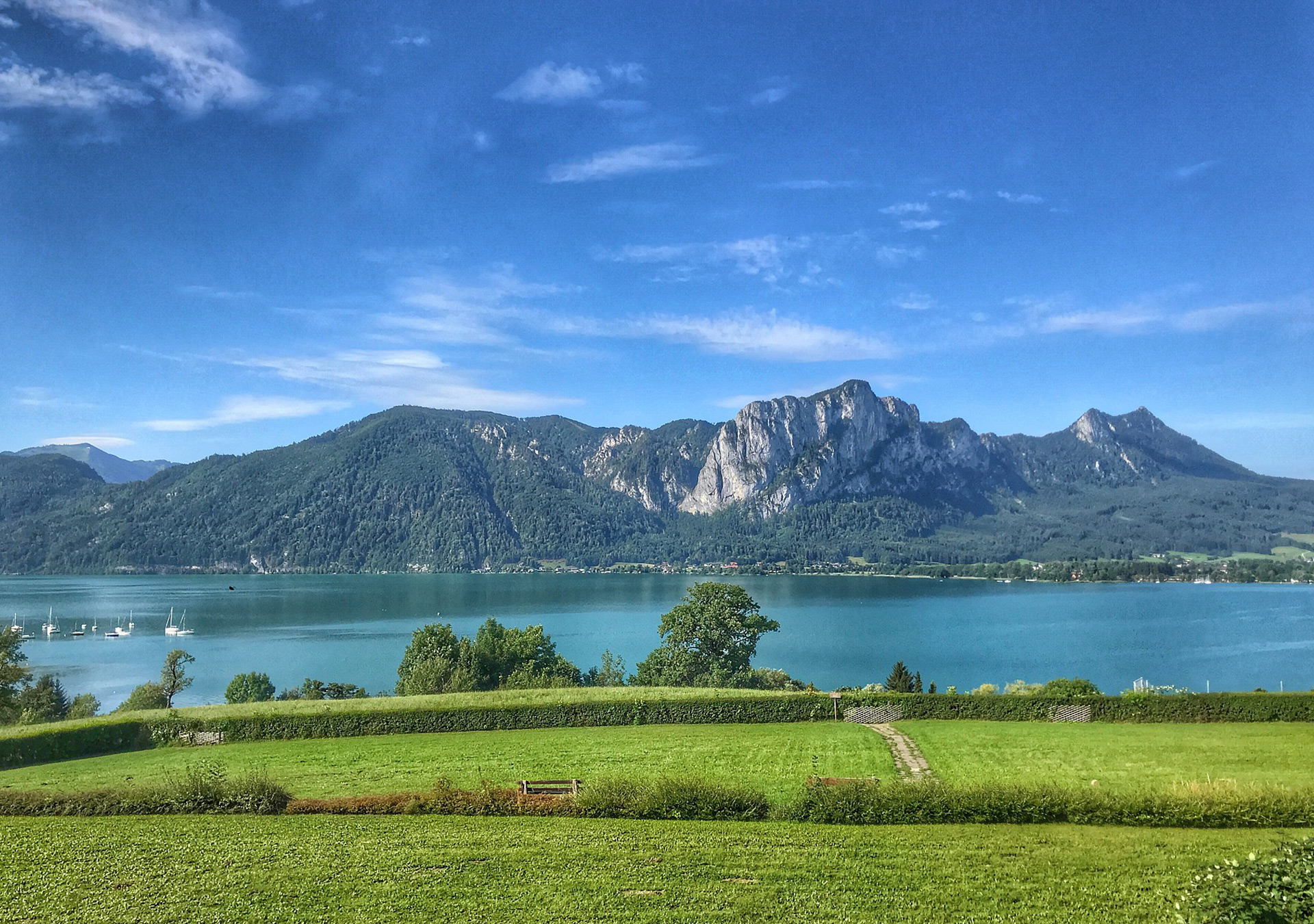
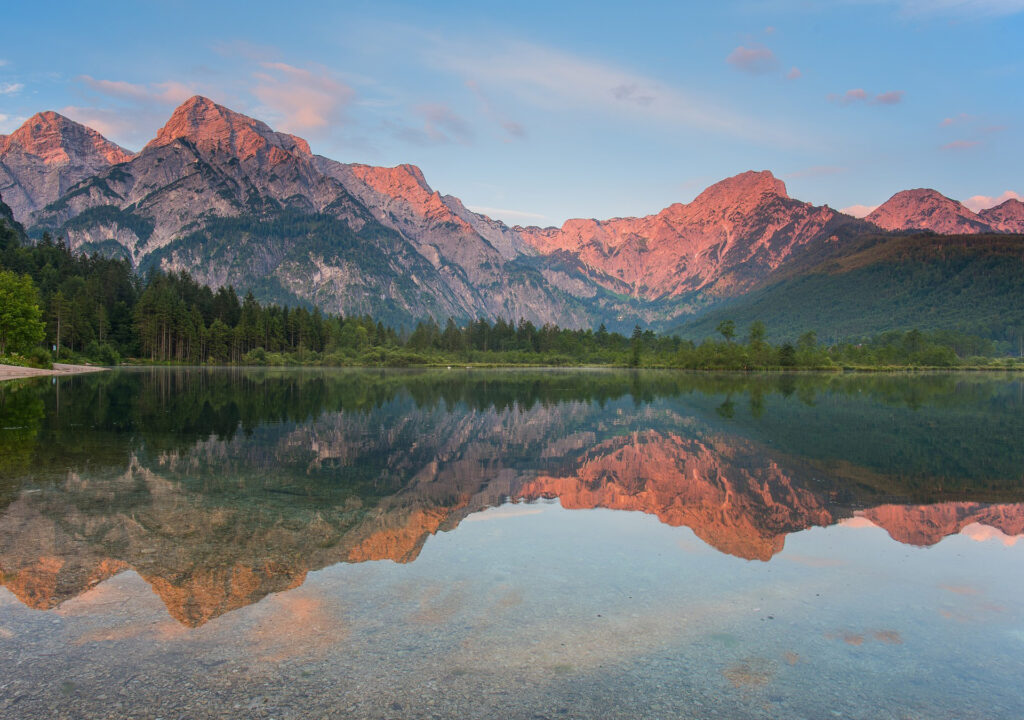
The town lies in the Salzkammergut region, dotted with pristine blue Alpine lakes and surrounded by majestic mountains. It is no surprise that this is one of Austria’s most visited tourist areas.
The name Salzkammergut is derived from salt, which has been mined here since the days of ancient Celtic settlement. For a long time, the region was difficult to access. The first road was built in 1872, leading directly to Bad Ischl. It is also worth noting that salt was also exported to Bohemia via a horse-drawn railway to České Budějovice.
-
- Salzkammergut region
-
- Salzkammergut region
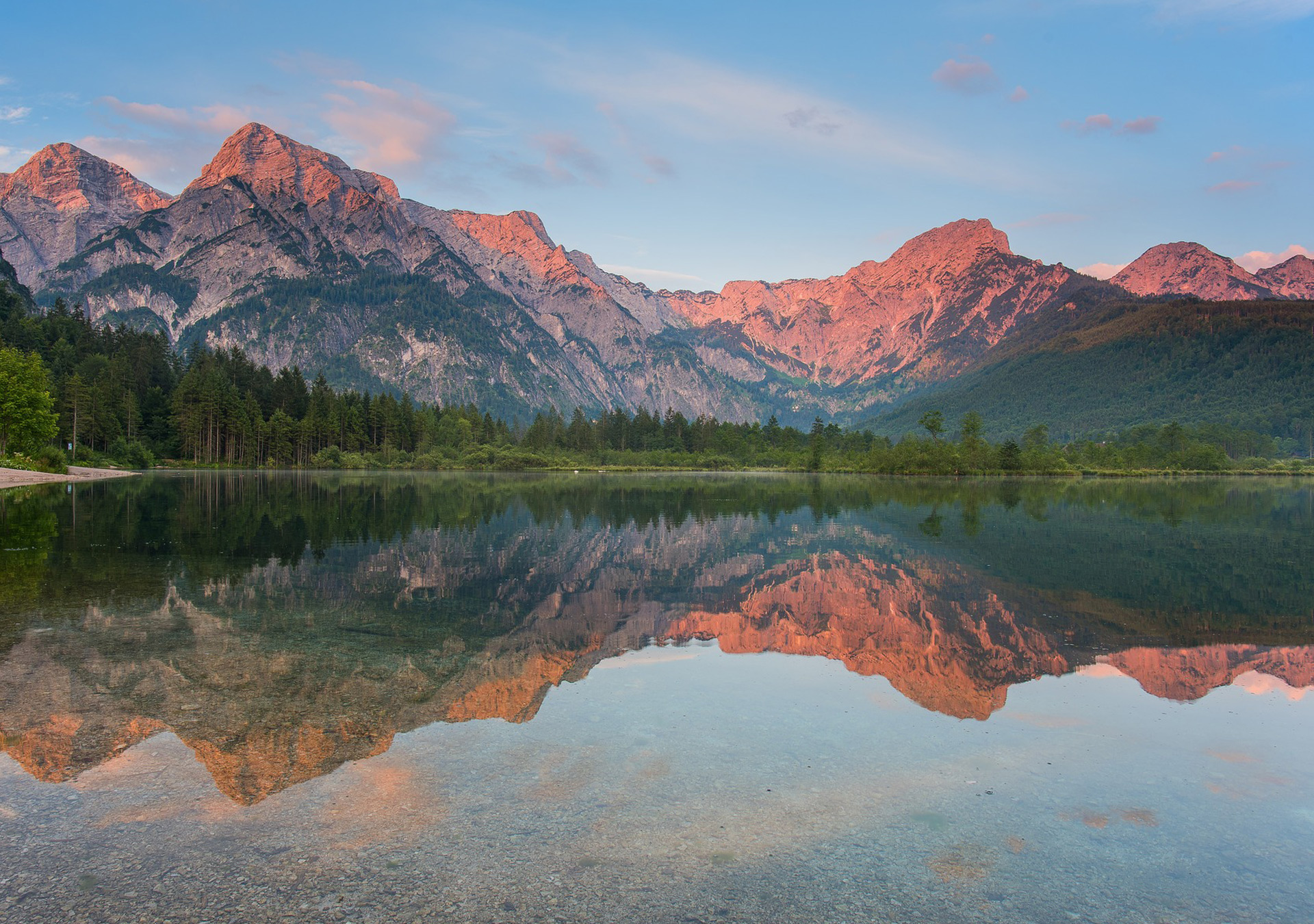
Besides its salt spas, which focus primarily on treating respiratory ailments, rheumatism and women's health issues, Bad Ischl offers many beautiful sights and quiet corners.
This small piece of paradise is also inextricably linked to Empress Sissi and her husband, Emperor Franz Joseph I. But we will tell you more in the following lines.
-
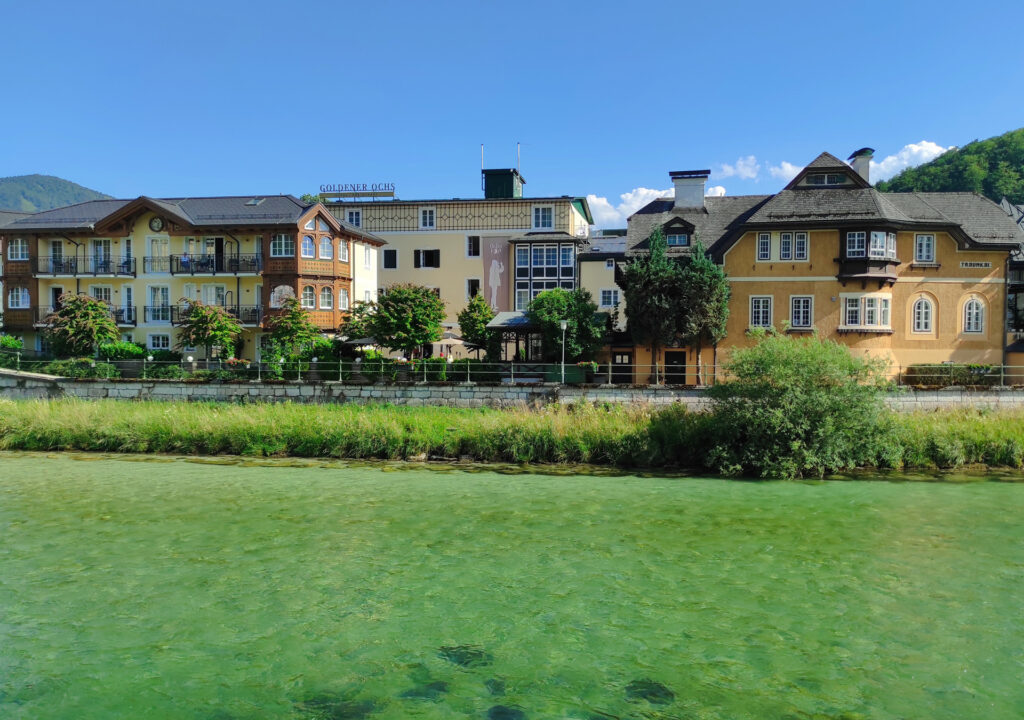
- Promenade by the Traun River
-
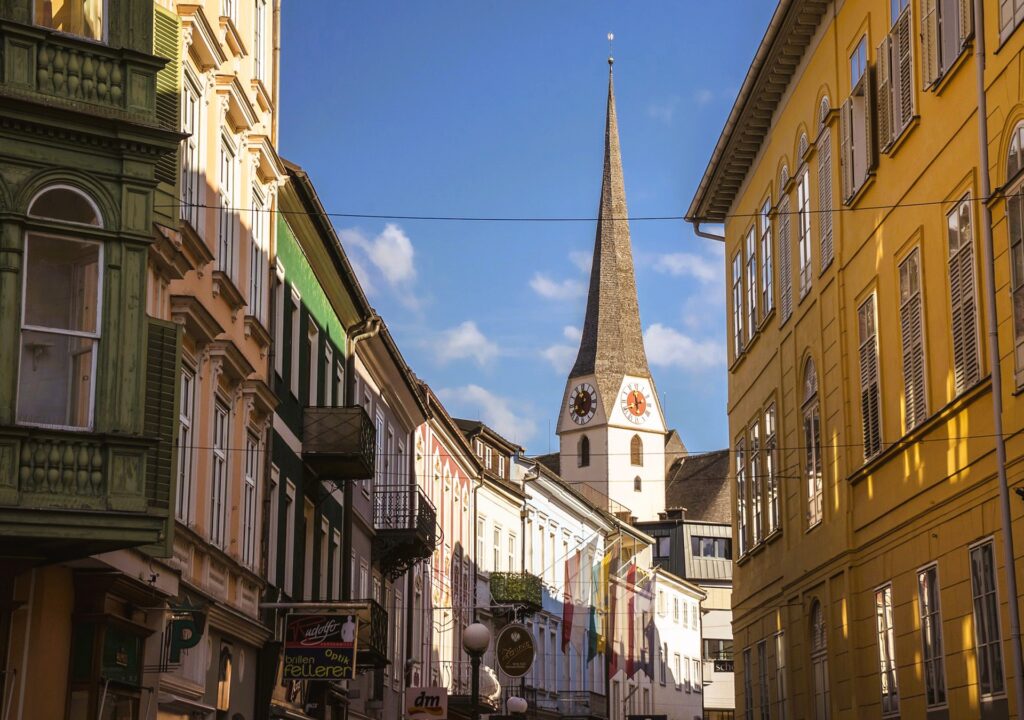
- Town centre
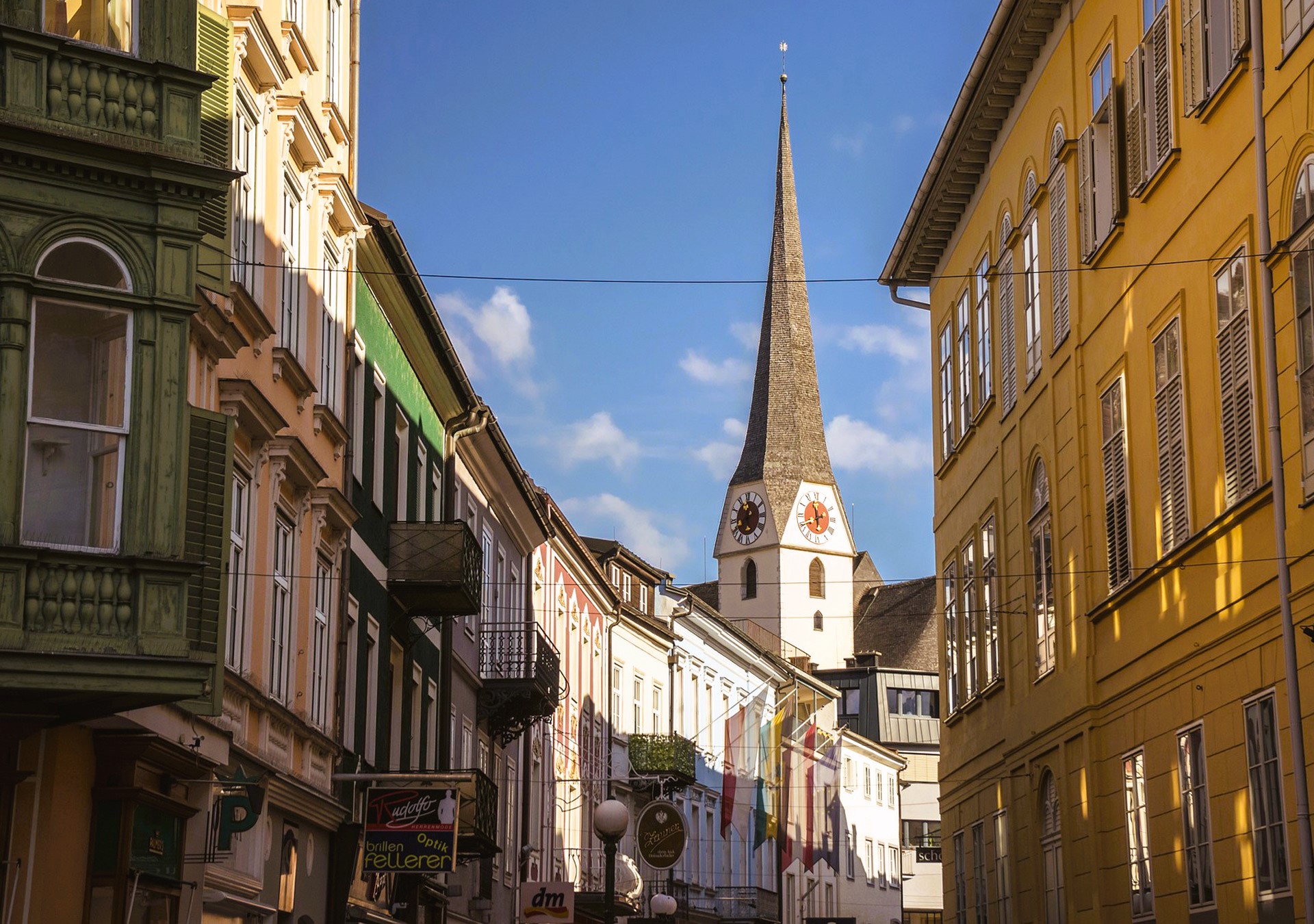
Imperial Villa (Kaiservilla)
The year is 1853 and it is in Bad Ischl that Elisabeth of Bavaria, still known as Sissi, and the future heir to the imperial throne, Franz Joseph, meet for the first time. They fall in love and become engaged that same year, right here in Bad Ischl.
Just as the town is linked to the birth of Franz Joseph—because his mother, Princess Sophie, was cured of infertility here—it is also connected to the end of the beautiful Sisi’s life. Her final meeting with her husband takes place in the imperial park. Shortly afterward, Elisabeth leaves for Geneva, where the Italian anarchist Luigi Lucheni pierces her heart with a file.
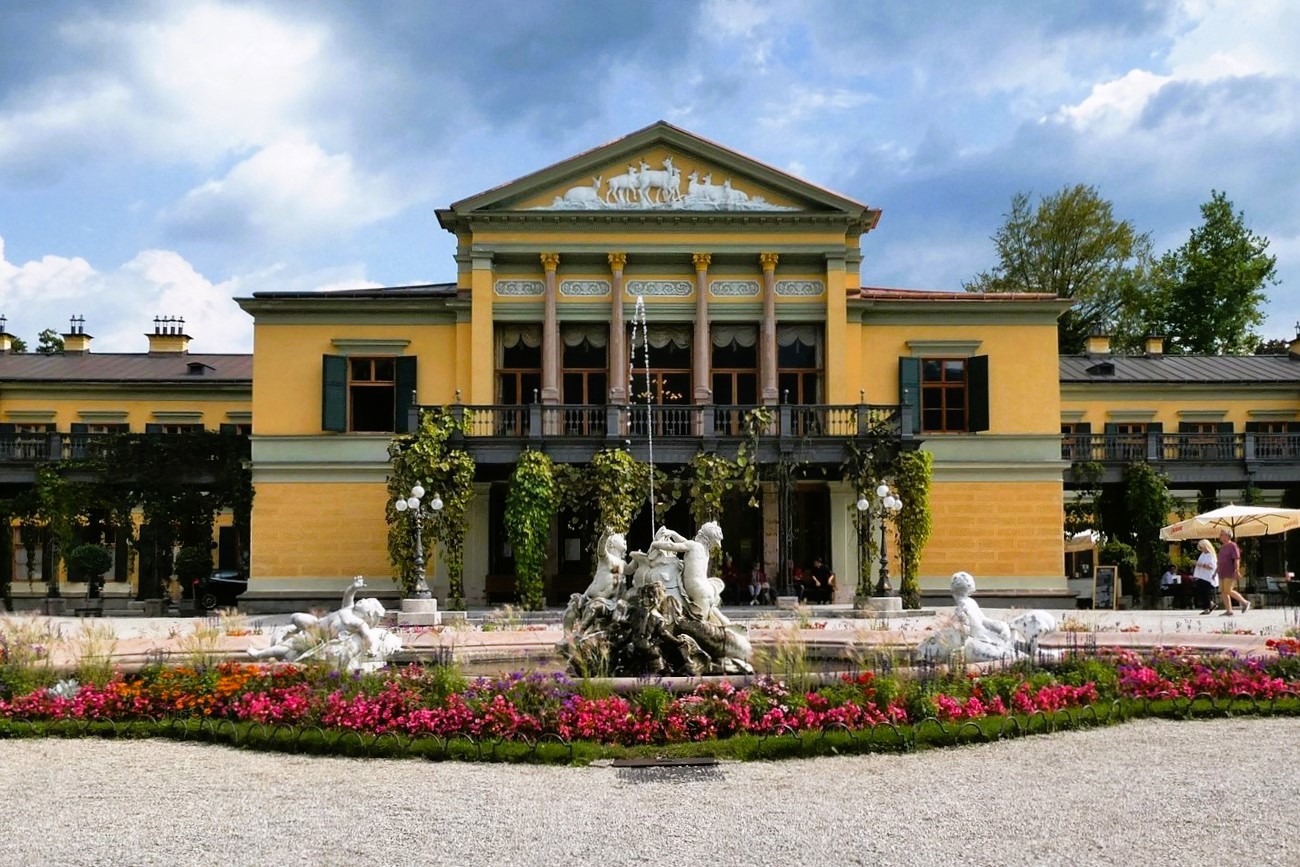
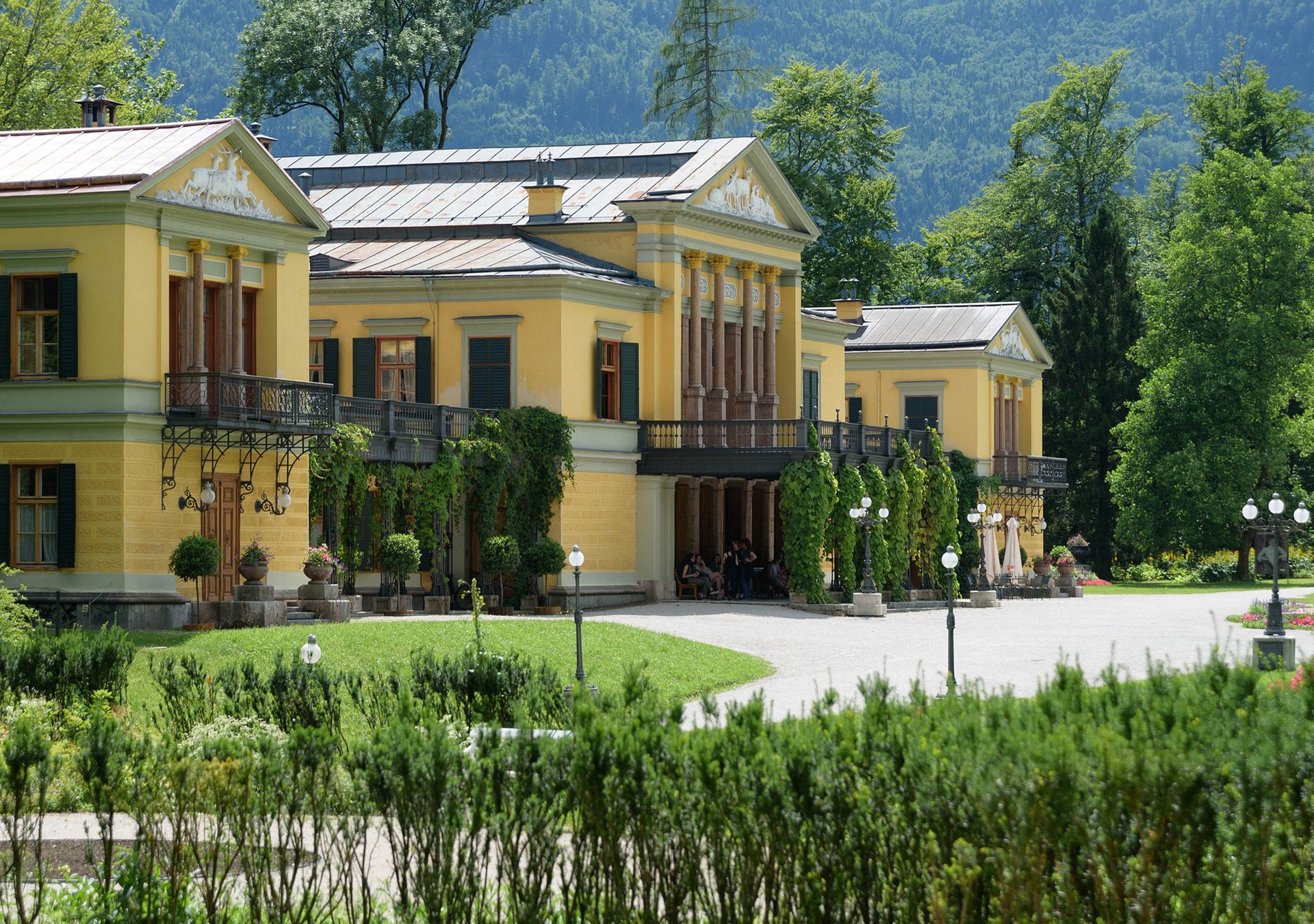
But let us now turn to the fascinating Imperial Villa, which was an engagement gift to Franz Joseph I and his wife Sisi. Originally built in the Biedermeier style and now in the neoclassical style, the villa served as a precious summer residence for the Habsburg family, where Franz Joseph stayed and ruled for over 60 years. Perhaps this is why Bad Ischl is considered Austria’s secret capital.
Sisi also loved this place deeply. Here, she could enjoy happy family moments away from the strict court protocol and find refuge in the green imperial park high above the town.
-
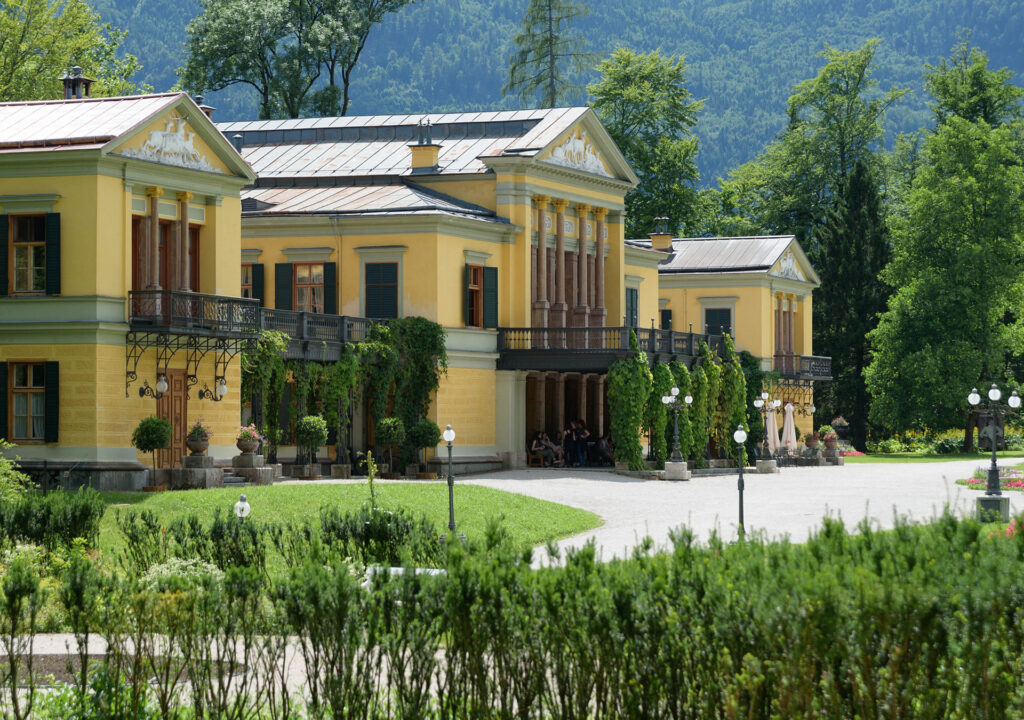
- Imperial Villa
-
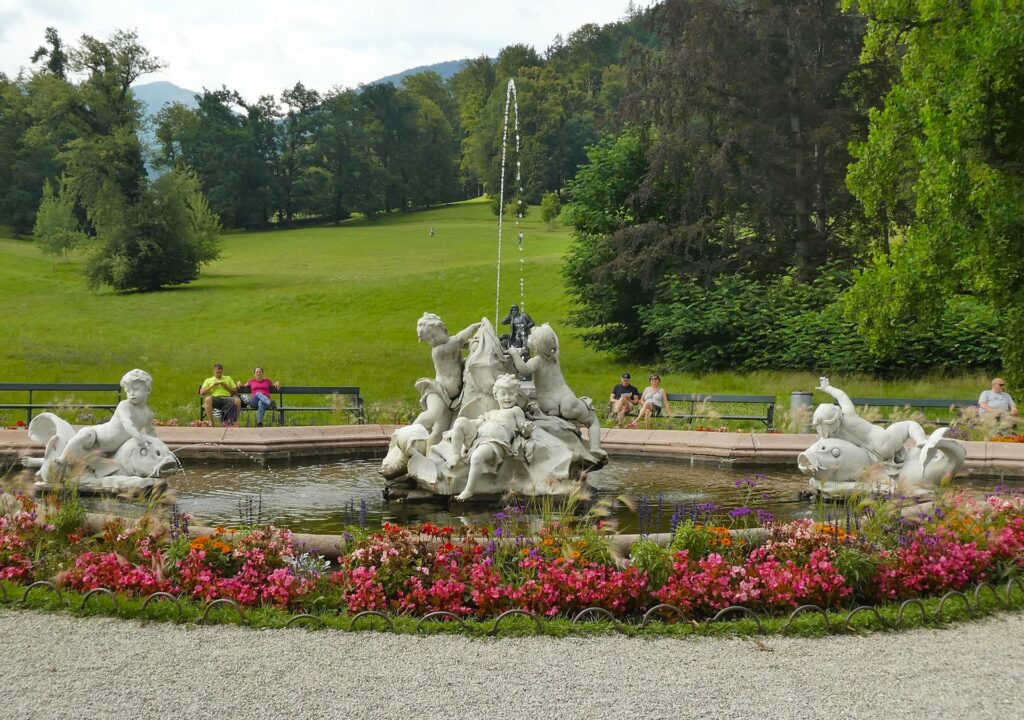
- Marble fountain
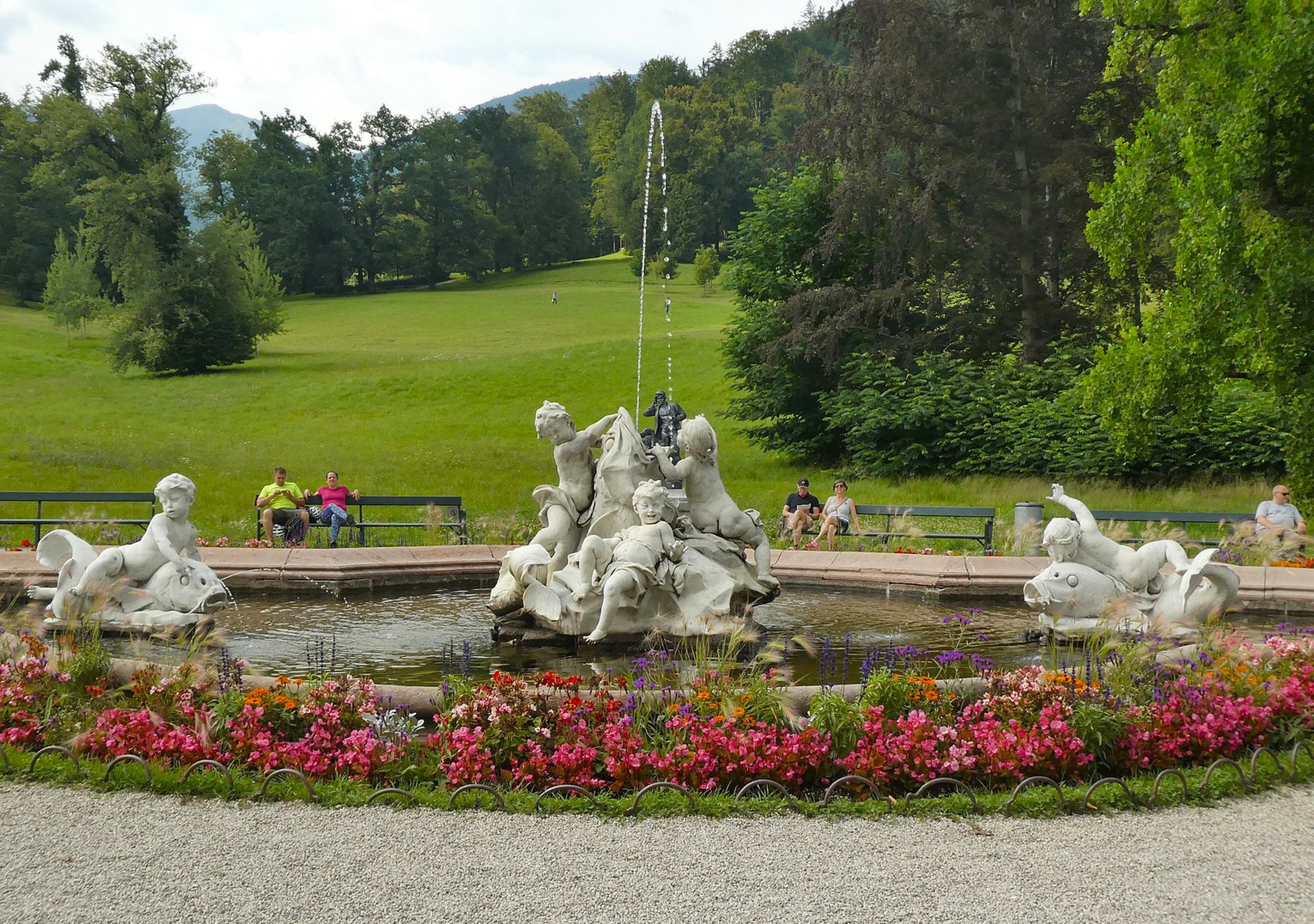
Emperor Franz Joseph I himself already permitted visits to the Imperial Villa, even during his stays there. His descendants have preserved this tradition, so the house and park are also open to the public during the summer months today.
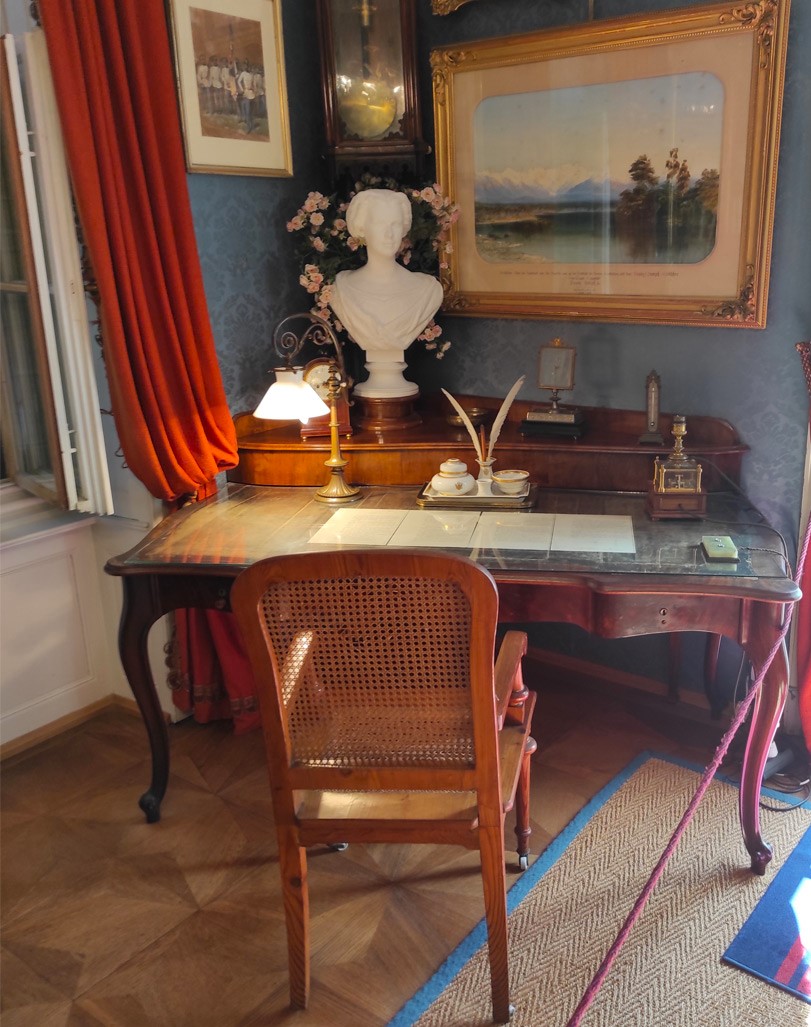
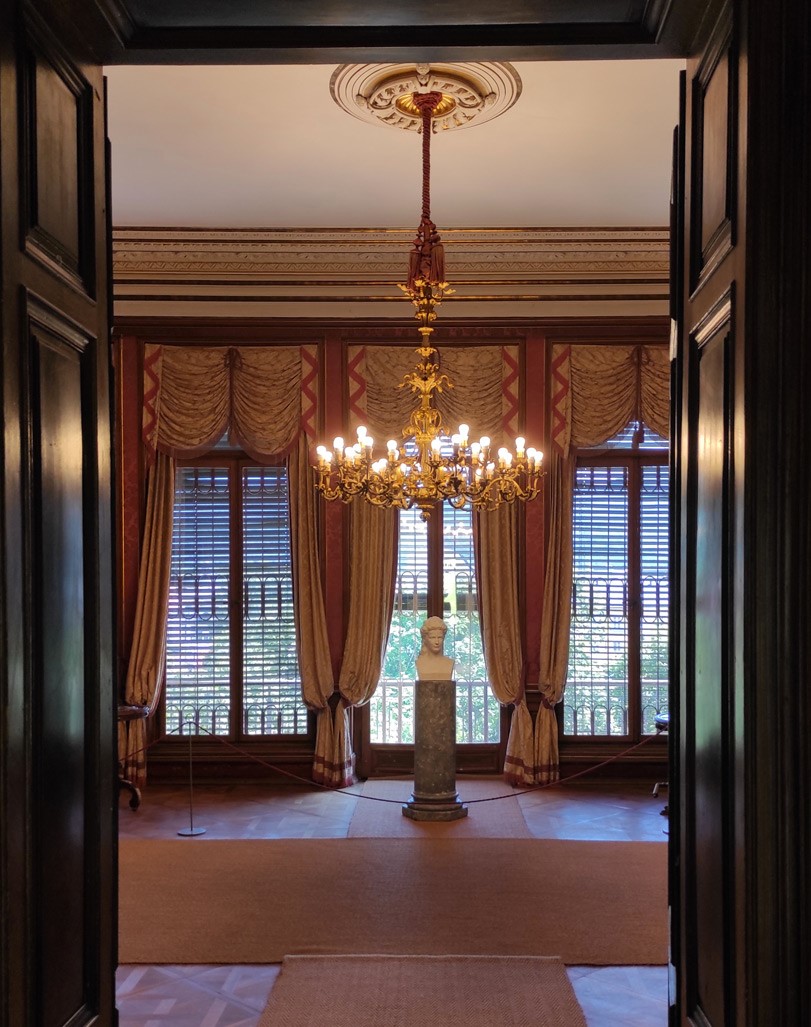
A tour of the building will paint the same picture once enjoyed by the emperor and his family. Moreover, the unchanged atmosphere of a bygone era still lingers here. It was here that the emperor sought solace after the assassination of Sissi, here he met with statesmen for diplomatic negotiations, and also here, in his study, he signed the declaration of war against Serbia in 1914 following the Sarajevo assassination of the heir to the throne, Franz Ferdinand d'Este, thereby providing the catalyst for the First World War.
-
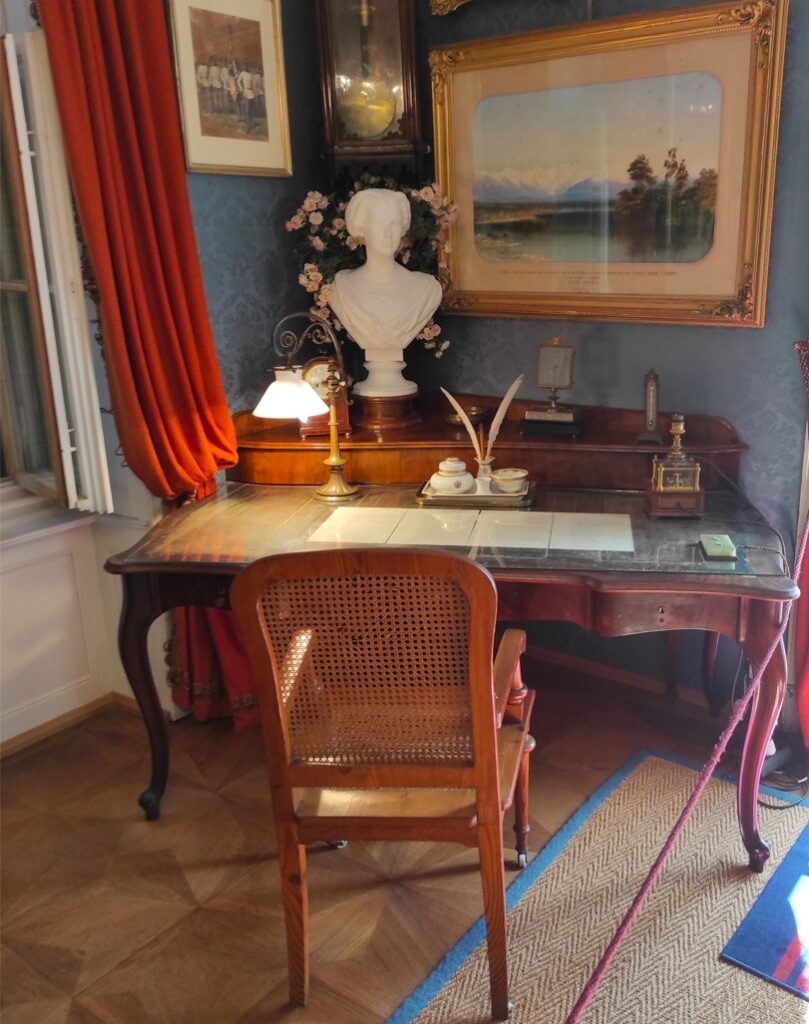
- Emperor's study
-
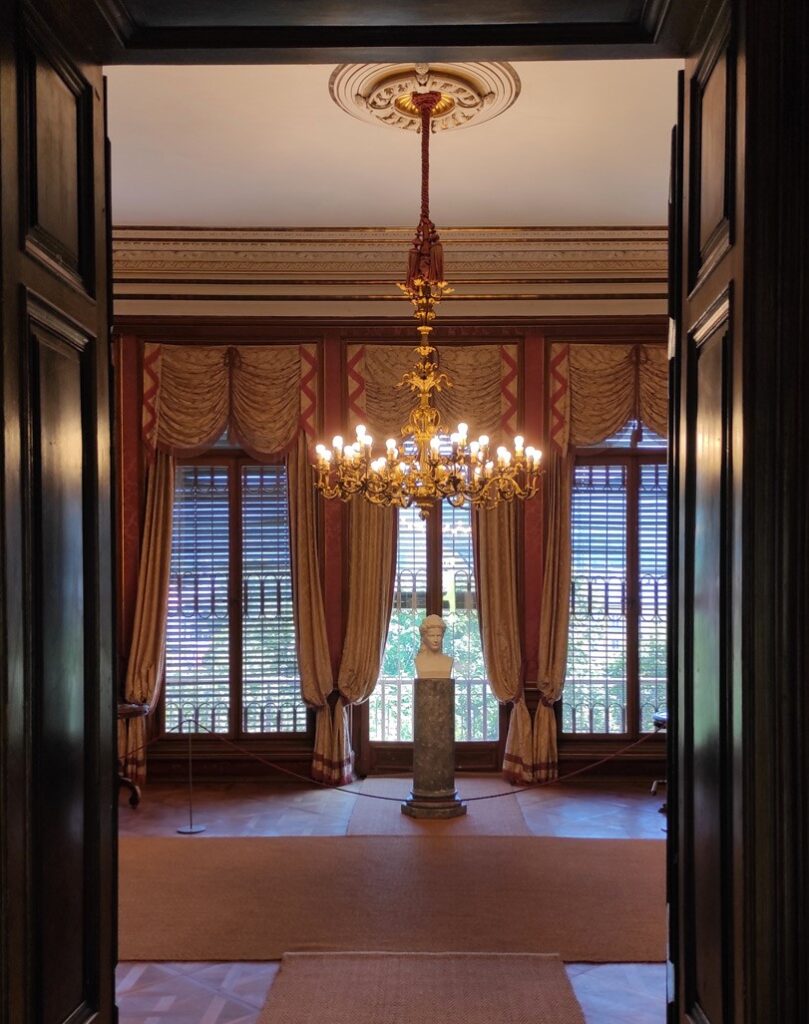
- Hall with the bust of Sissi
The Imperial Park (Kaiserpark) is a diverse garden full of light and colour. The forest appears in the form of small groups of species-rich, mighty trees. Nature and culture blend together perfectly here.
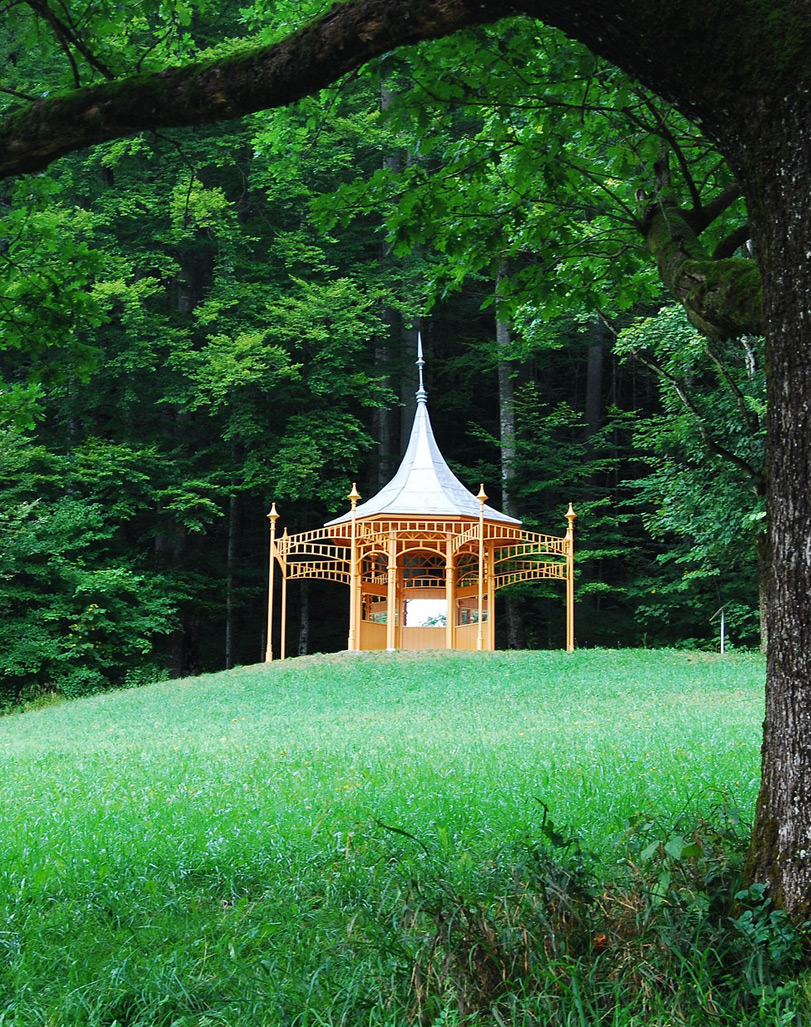
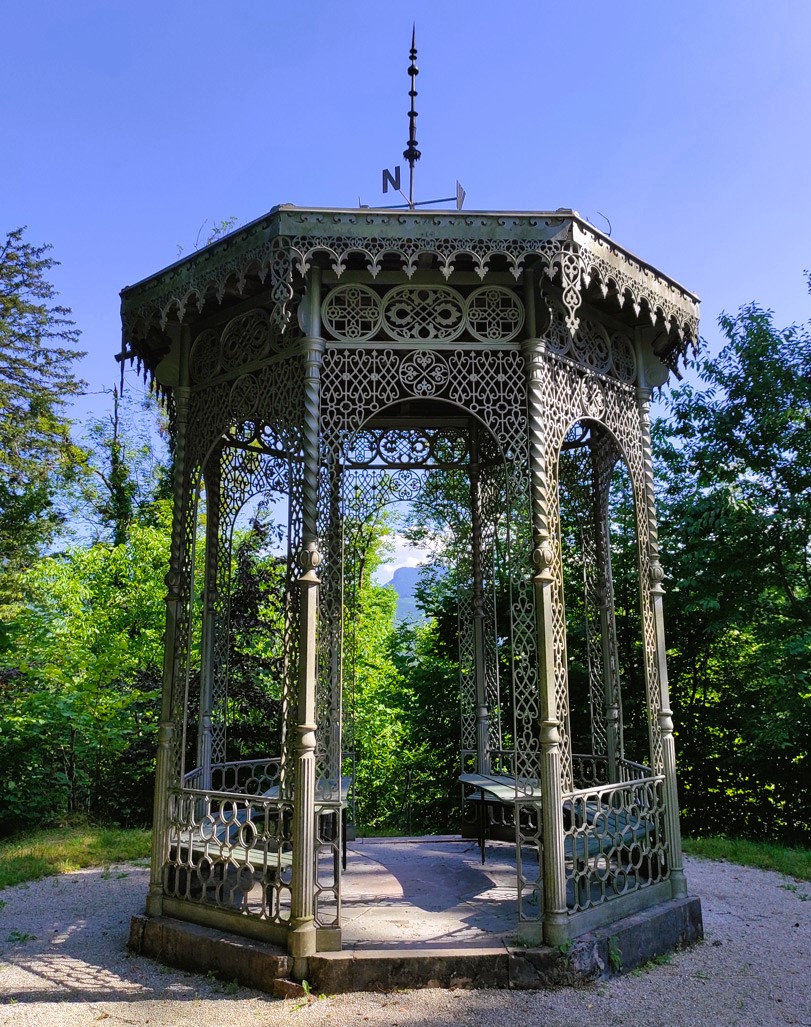
You will discover a rose garden, the Empress’s thematic park with a small pond, the Marble Palace (Marmorschlössl) overgrown with wild grapevines, the Mirror Pavilion (Spiegelpavillon), which reflects the mountain landscape rising behind the town, and the Gloriette, an octagonal iron structure that served as the engagement pavilion of the imperial couple’s youngest daughter, Marie Valerie.
„I am a seagull and have no land, no shore I call home. I am here a while and there a while, flying from wave to wave…” This is one of the many verses by Empress Sissi that you can read in the Imperial Garden.
-
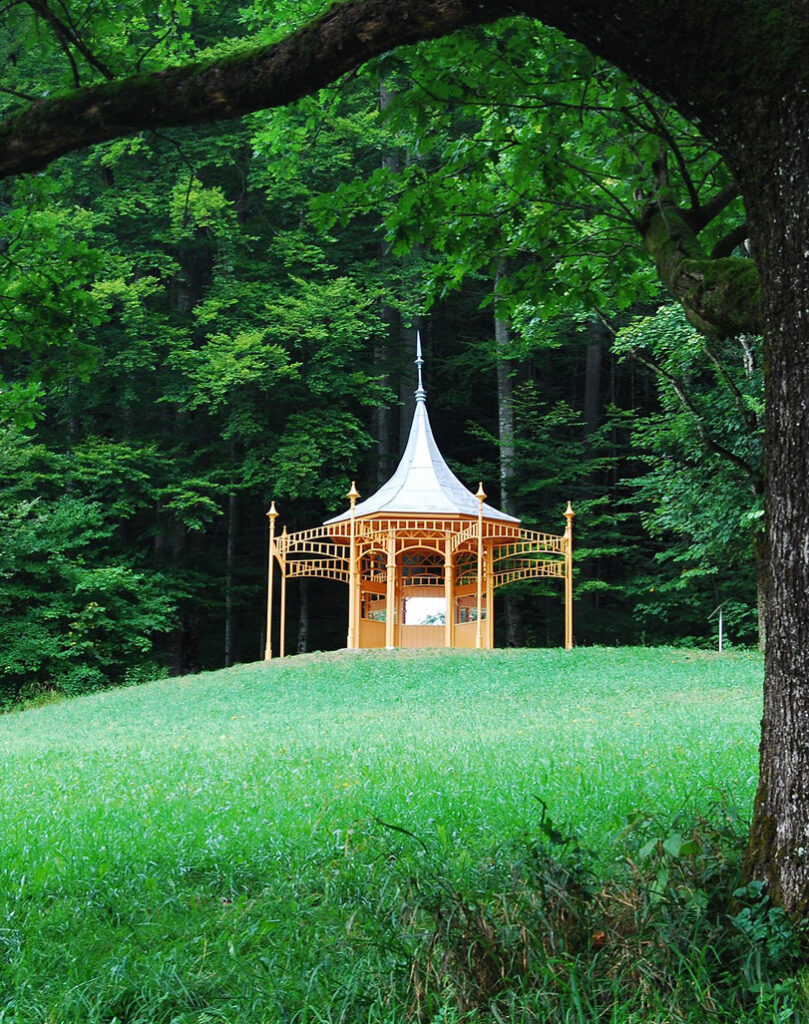
- Mirror Pavilion
-
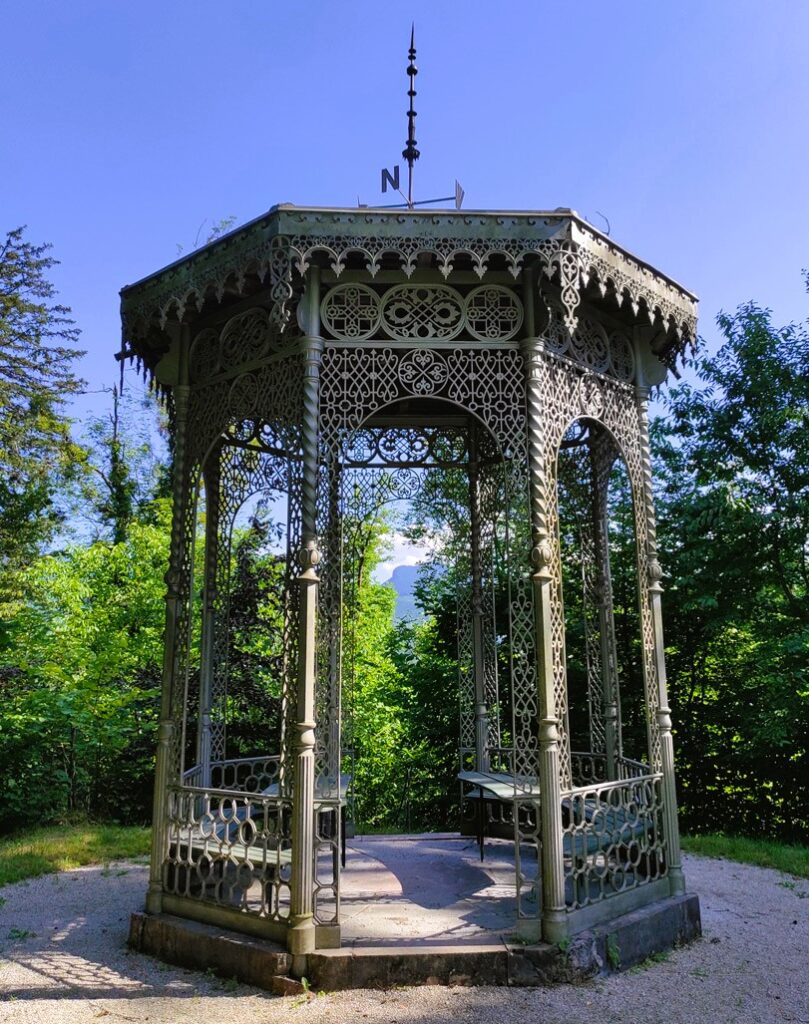
- Pavilion Gloriette
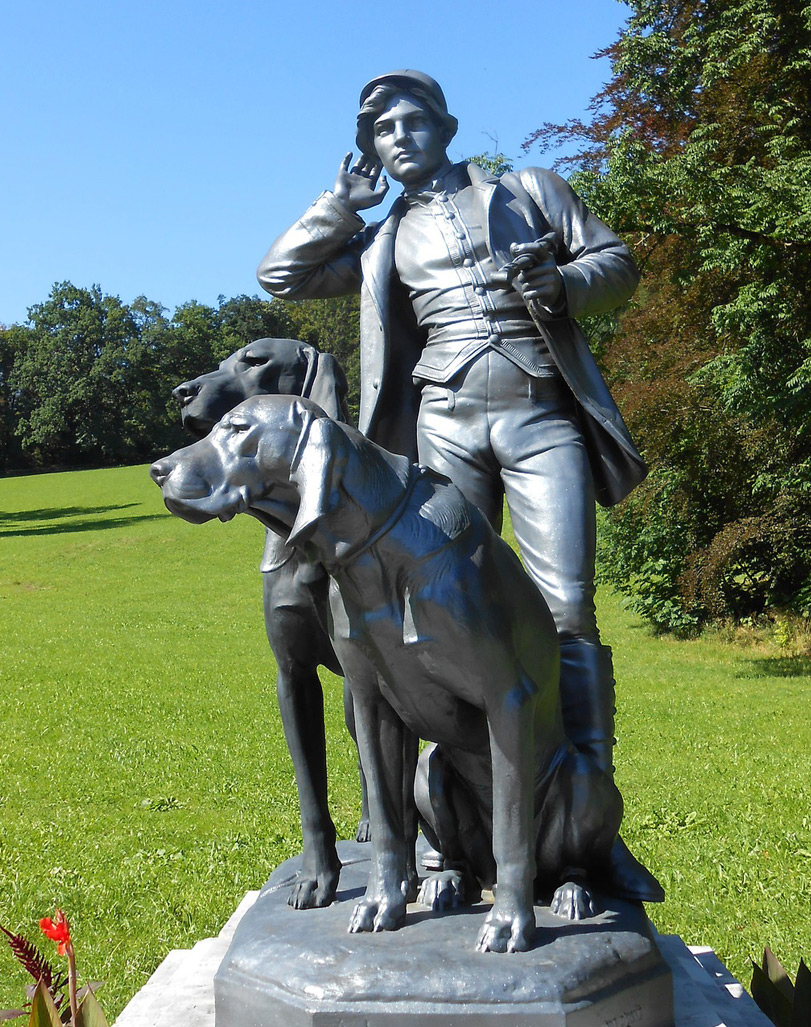
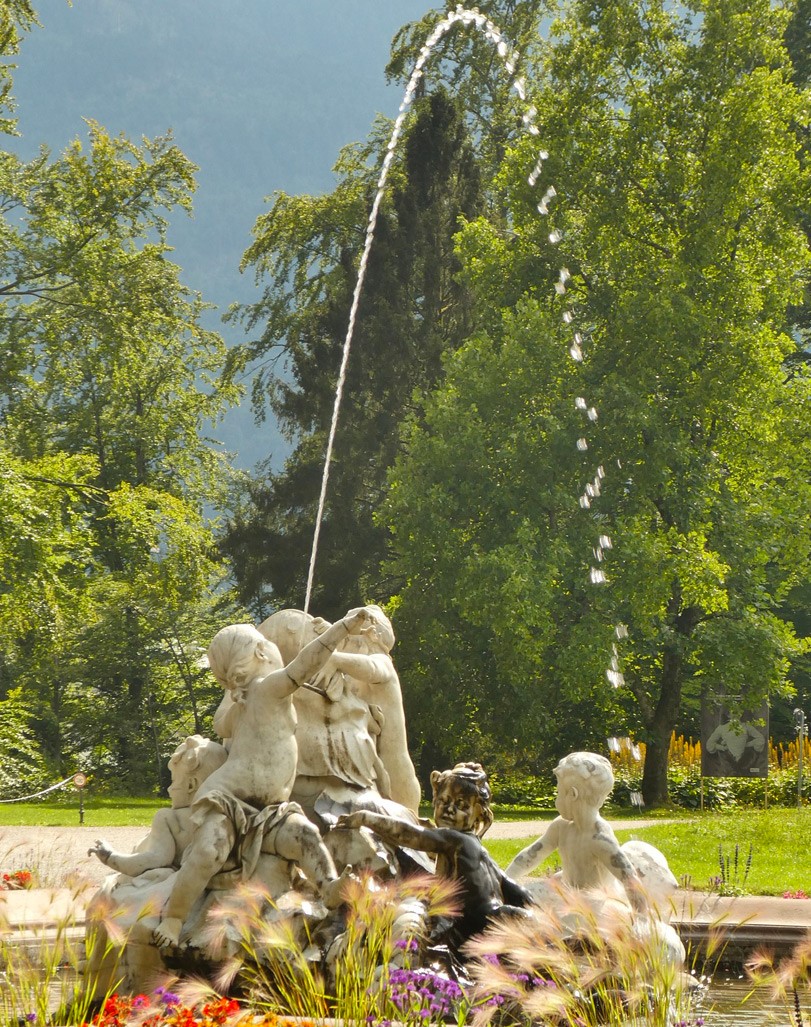
In front of the entrance to the villa stands a fountain made of white marble, and behind it, on a pedestal, peeks out a statue of a hunter named Lauscher (The Eavesdropper), a gift from the English Queen to Empress Elisabeth.
Address: Jainzen 38, Bad Ischl
-
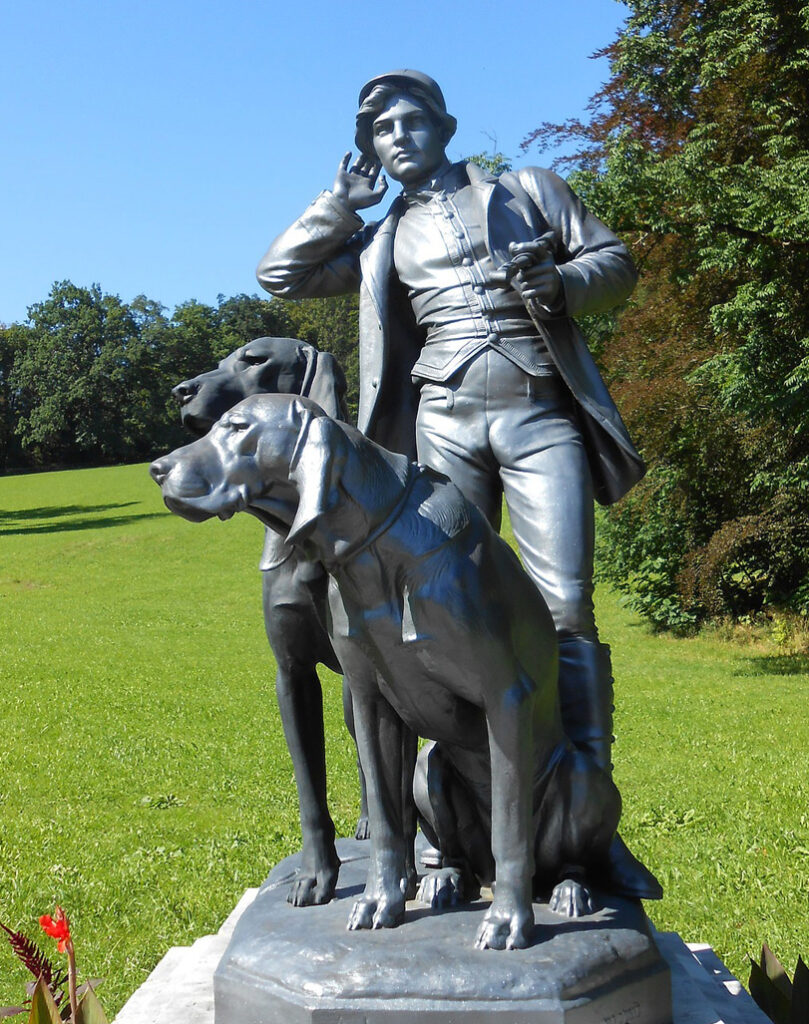
- Eavesdropper
-
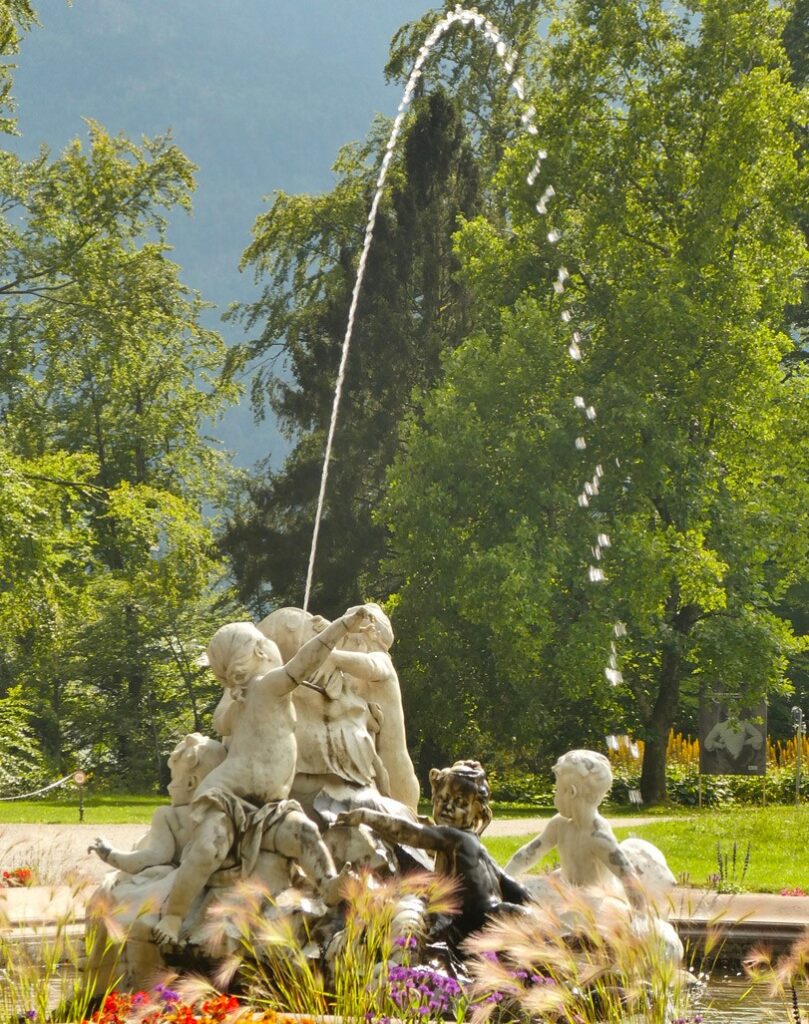
- Marble fountain
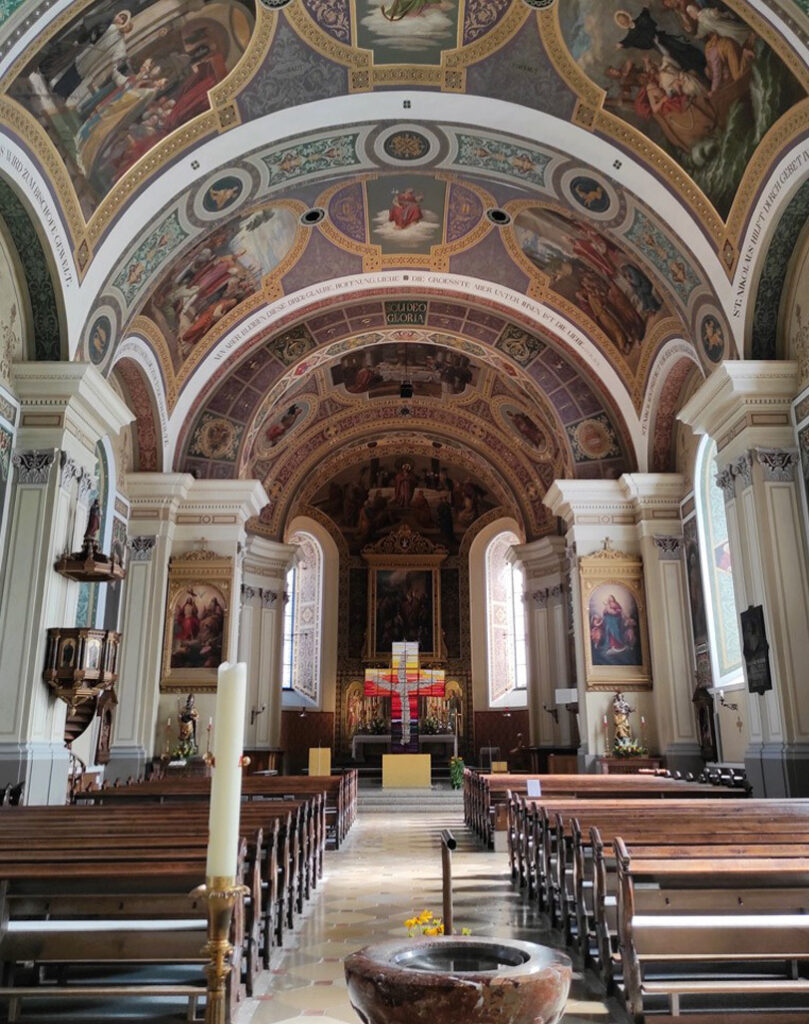
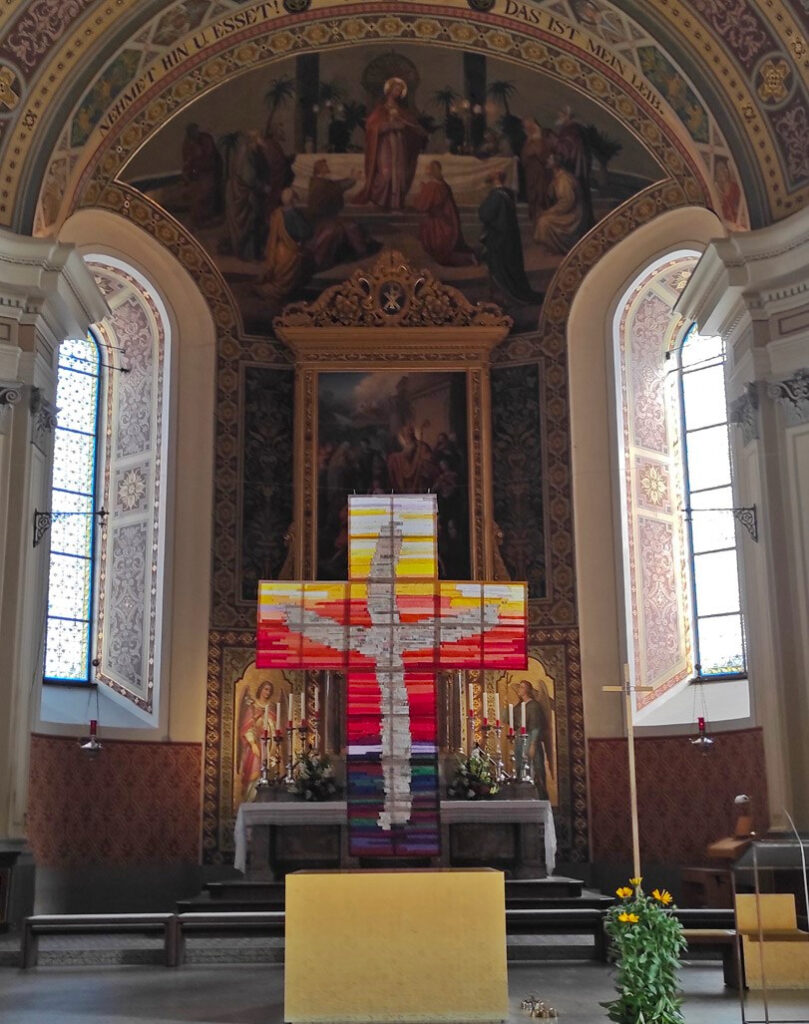
Parish Church of Saint Nicholas (Stadtpfarre St. Nikolaus)
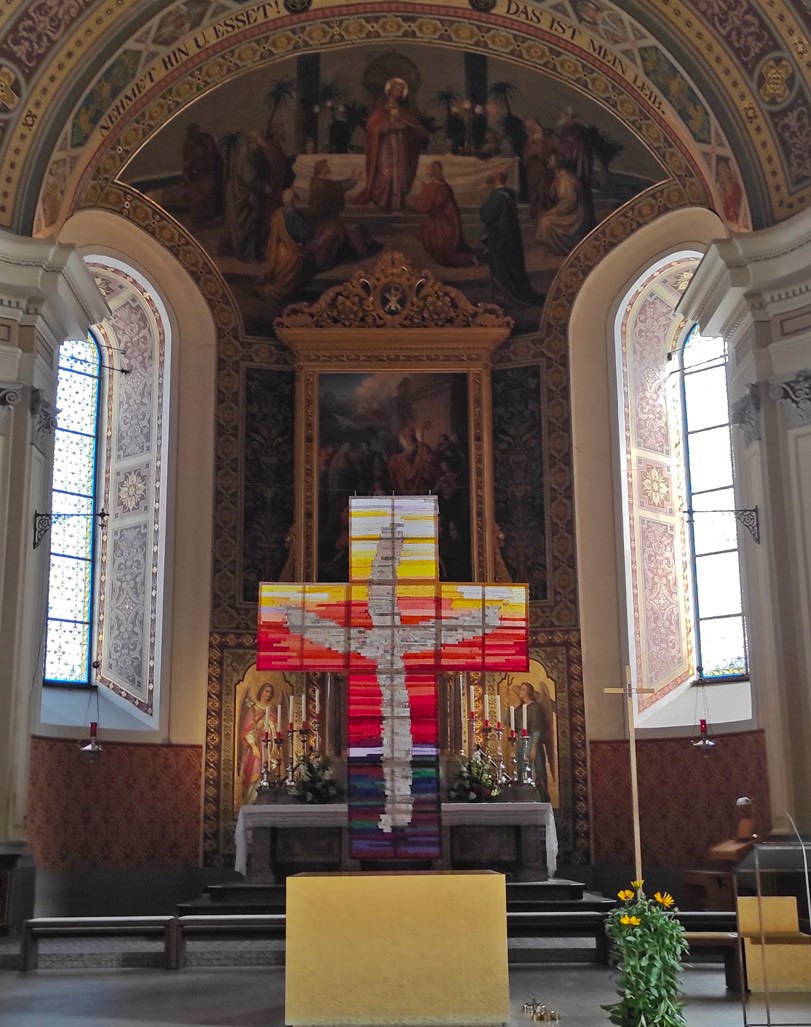
This classicist-style sacral building, located near the Imperial Villa, served for many years as the court parish church of Emperor Franz Joseph I. The church was solemnly consecrated on the occasion of the emperor's 50th birthday in 1880.
The Austrian composer Anton Bruckner regularly played the local organ, which is considered one of the finest examples of Austrian organ art from the monarchy era.
Address: Auböckplatz 3, Bad Ischl
-
- Church of St. Nicholas
-
- Church of St. Nicholas
Café Zauner (Konditorei Zauner)
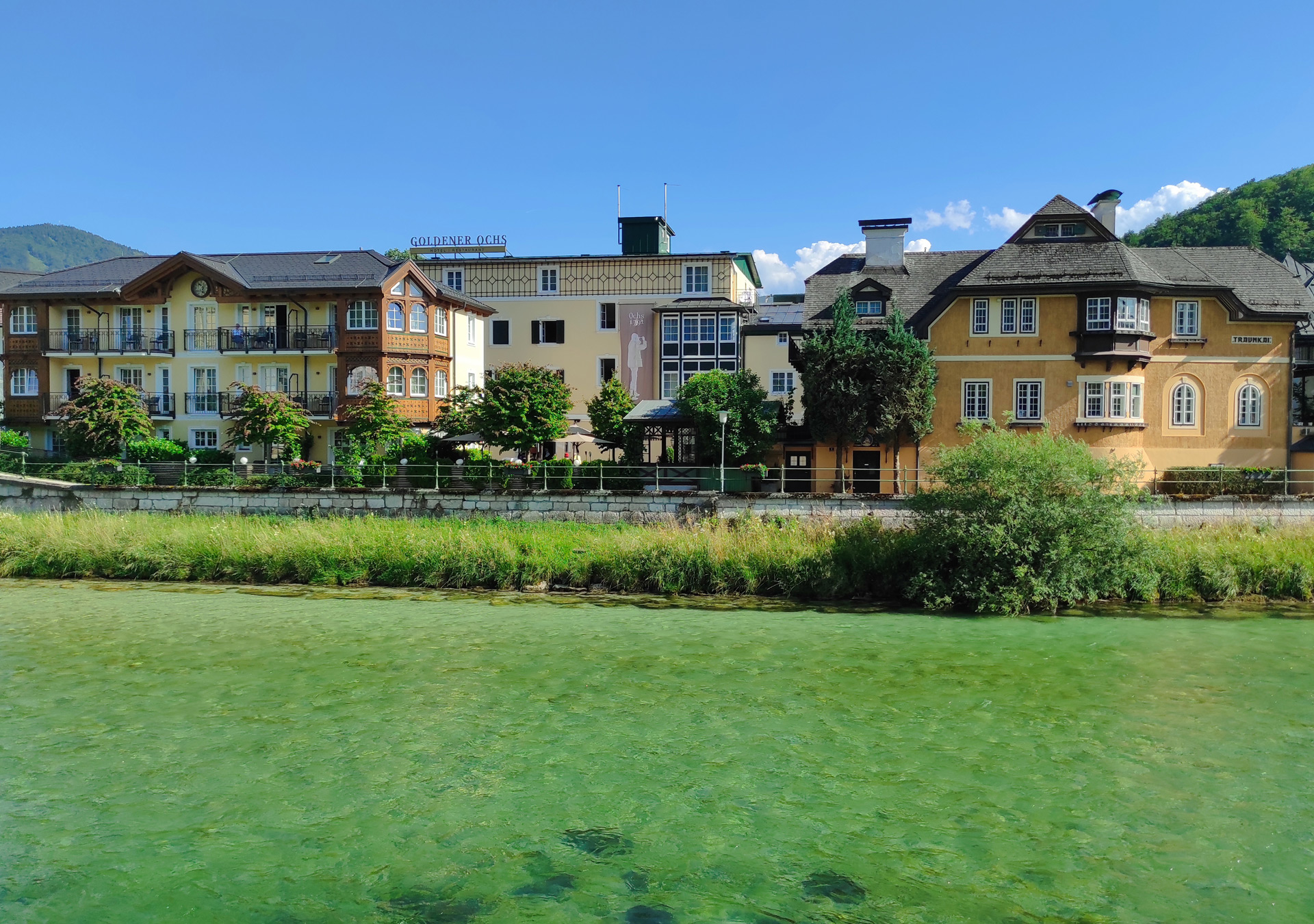
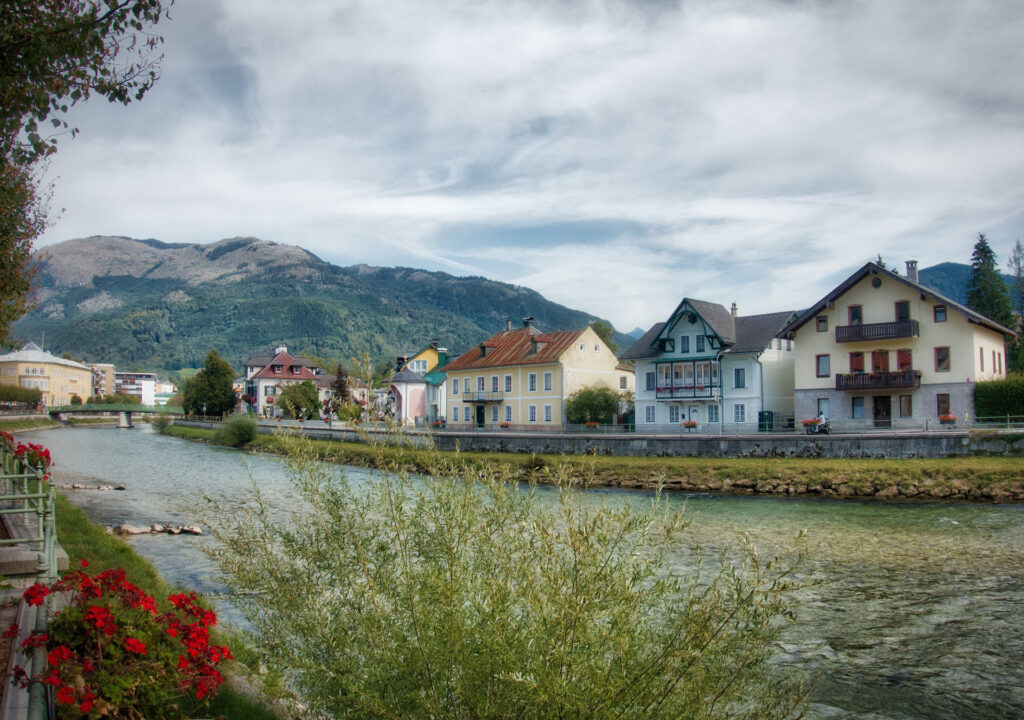
Just a short way past the church, you'll find Esplanade Street, which invites you to take a leisurely stroll along the crystal-clear Traun River.
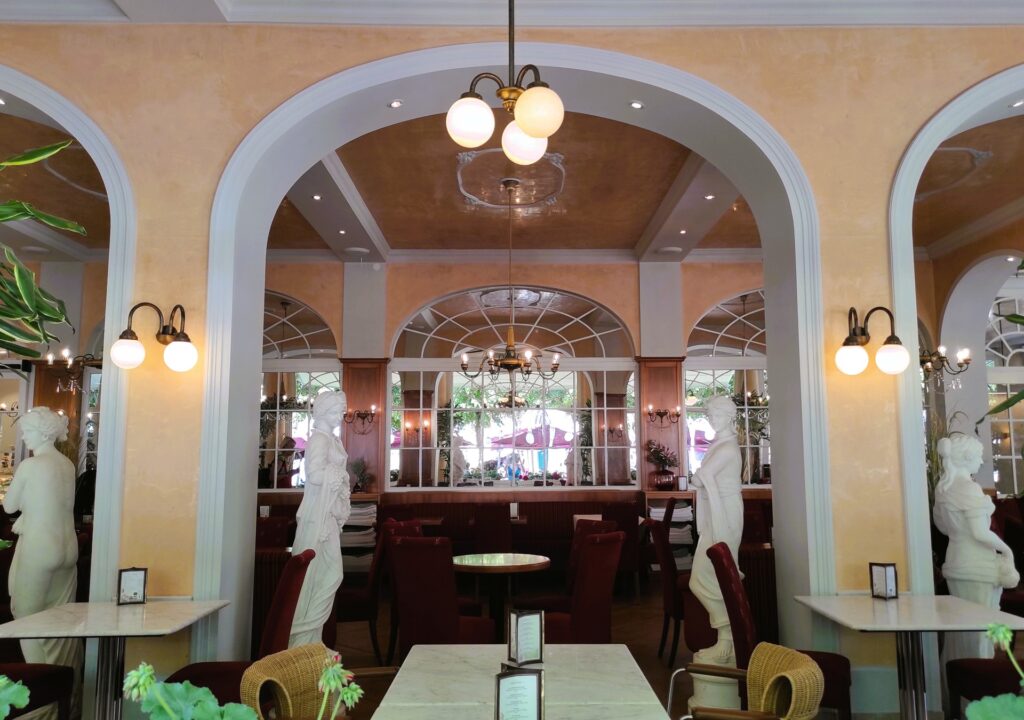
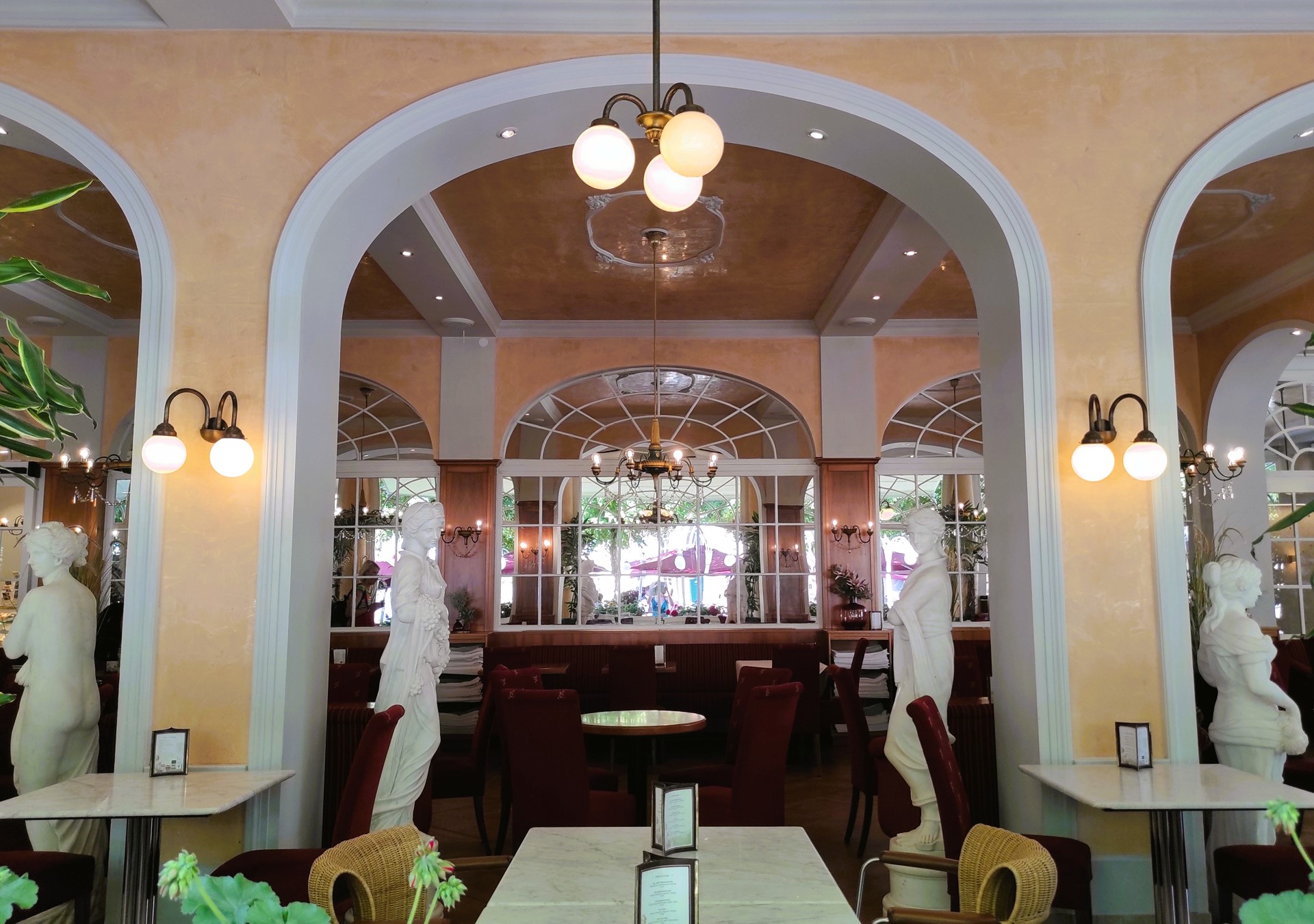
While walking along the river, you can stop by the famous imperial confectionery, Café Zauner, just as we did. Even Emperor Franz Joseph I used to come here to indulge his sweet tooth. The café was founded in 1832 and still offers traditional luxurious pastries with a first-class taste.
Address: Hasnerallee 2, Bad Ischl
-
- Traun River

-
- Café Zauner
Spa Park (Kurpark)
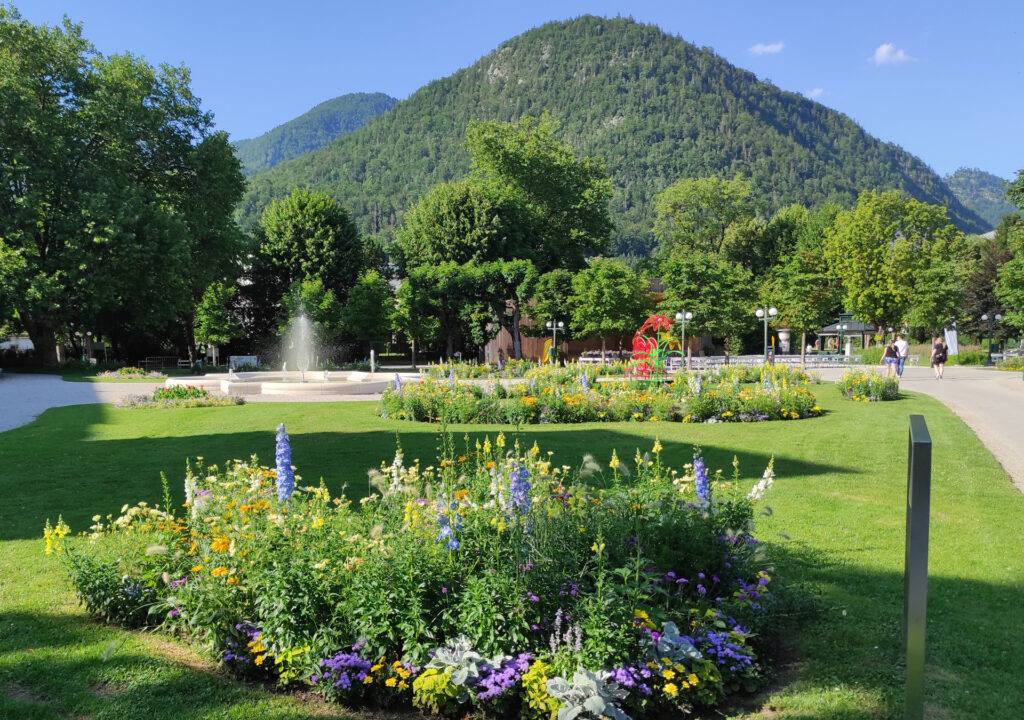
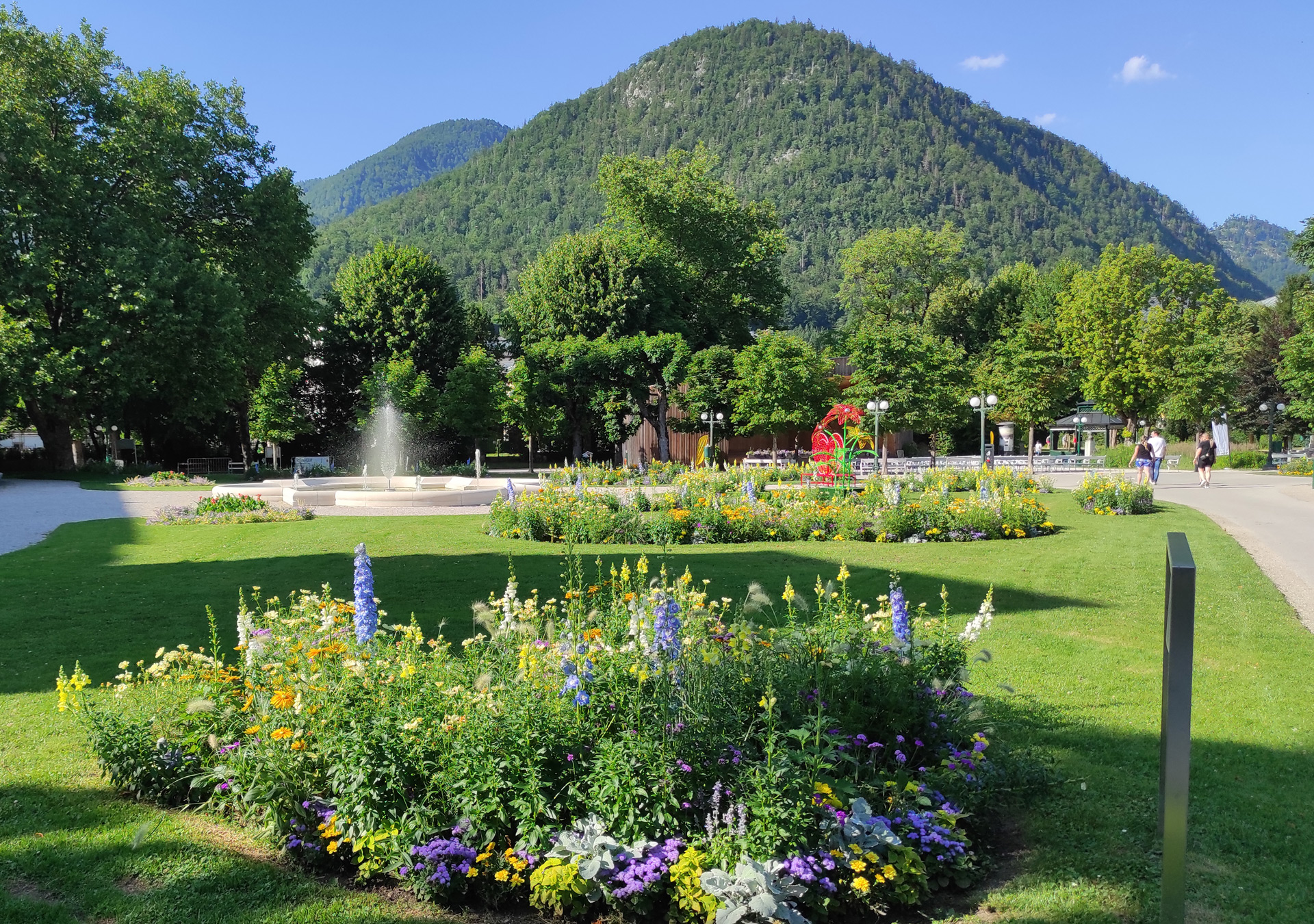
After a sweet dessert, you can head to the Spa Park, which stretches behind Esplanade Street from the river back toward the centre. The park was recently renovated as part of the Regional Garden Show in 2015. The pleasant atmosphere and shady spots under old trees are perfect for relaxation.
You’ll also discover the Monument to Franz Lehár, the famous Austrian composer who lived and worked in the city for a long time. On the banks of the Traun River stands the pink Franz Lehár Villa (Lehárvilla), which now serves as a museum showcasing the artist’s life and work. Here, you’ll find period furniture, the composer’s personal belongings and a collection of paintings.
Town Museum (Museum der Stadt Bad Ischl) is located at Esplanade 10 in the building of the former Hotel Austria. The exhibits will introduce you to the town’s rich history. It was in this very building, by the way, that Franz Joseph I and Sissi once got engaged.
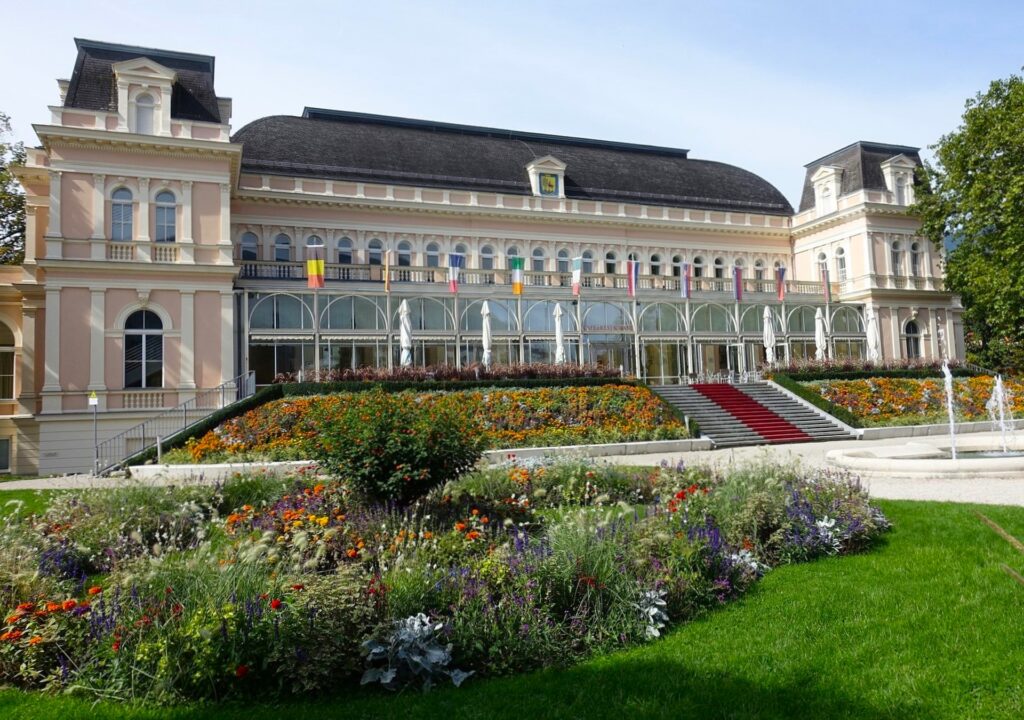
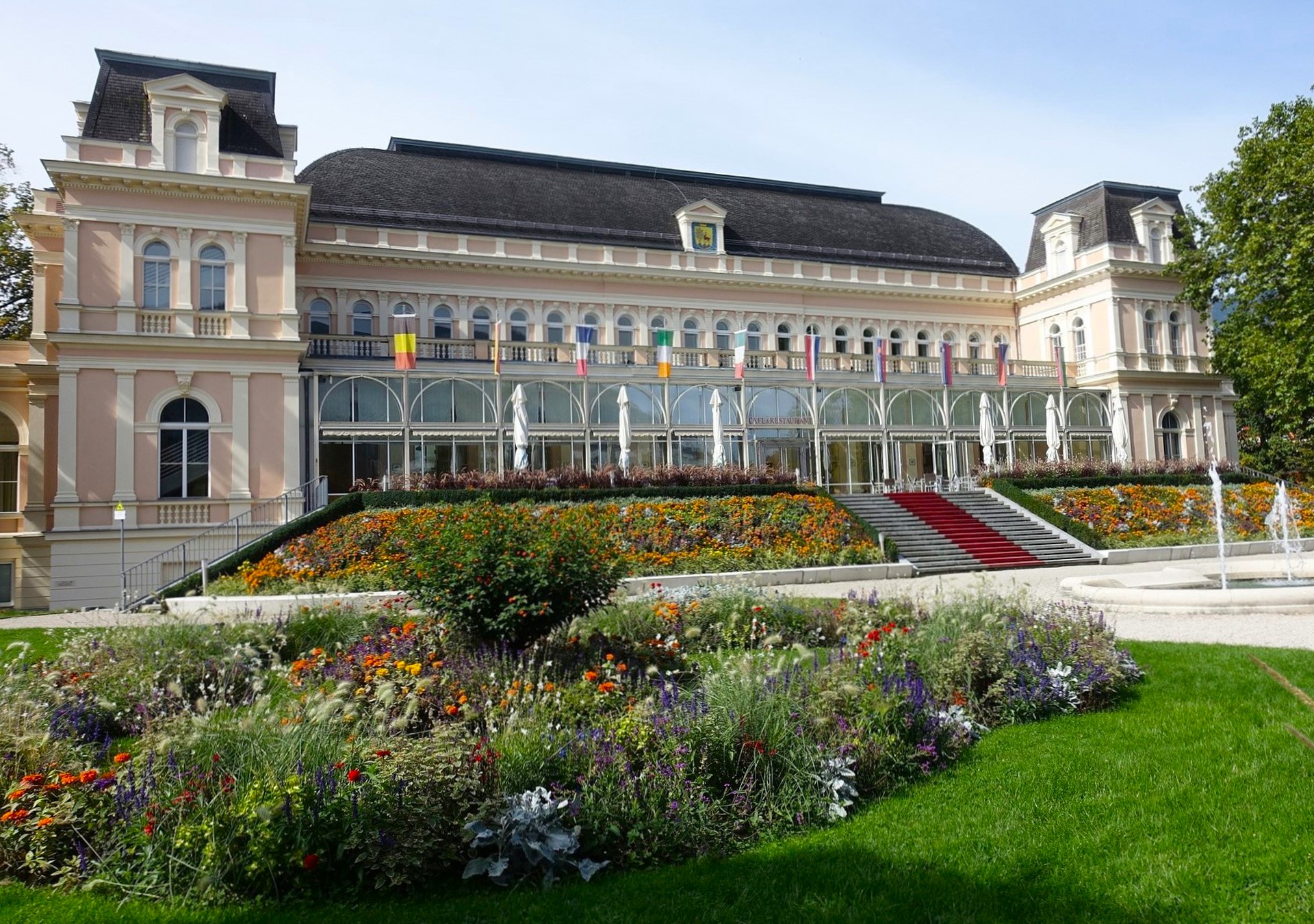
In the middle of a green park stands the Congress Centre and Theatre (Kongress & TheaterHaus). To this day, the Lehár Festival, the largest operetta festival in Europe, is held here annually.
During the summer months, the music pavilion serves as a venue for open-air concerts.
-
- Spa Park
-
- Congress Centre and Theatre
Where’s a good place to eat?
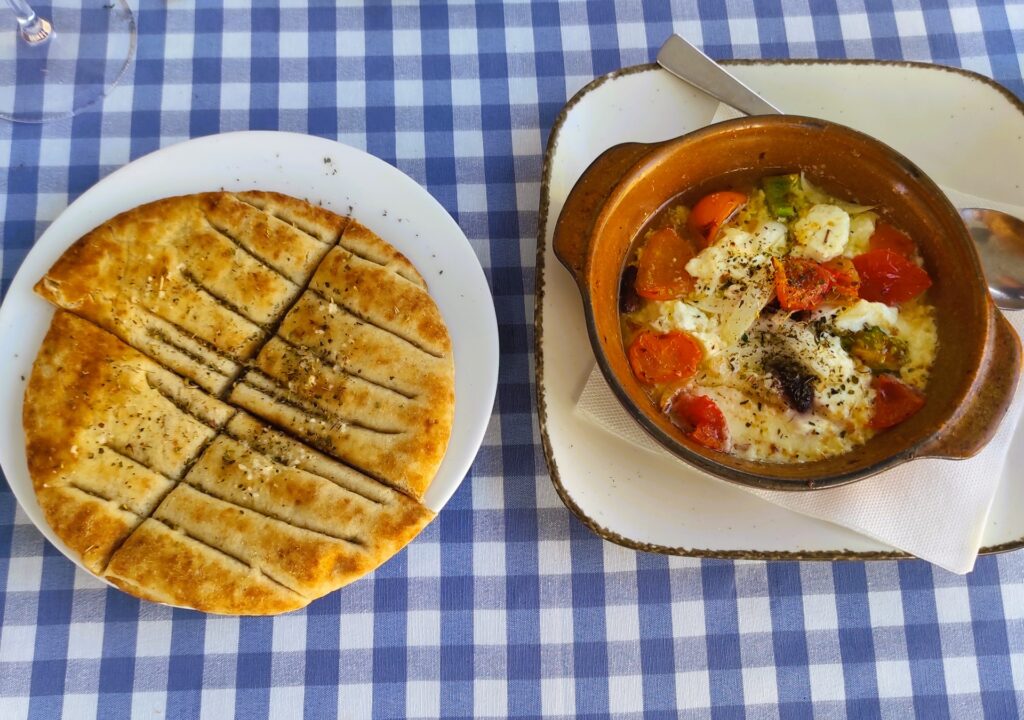
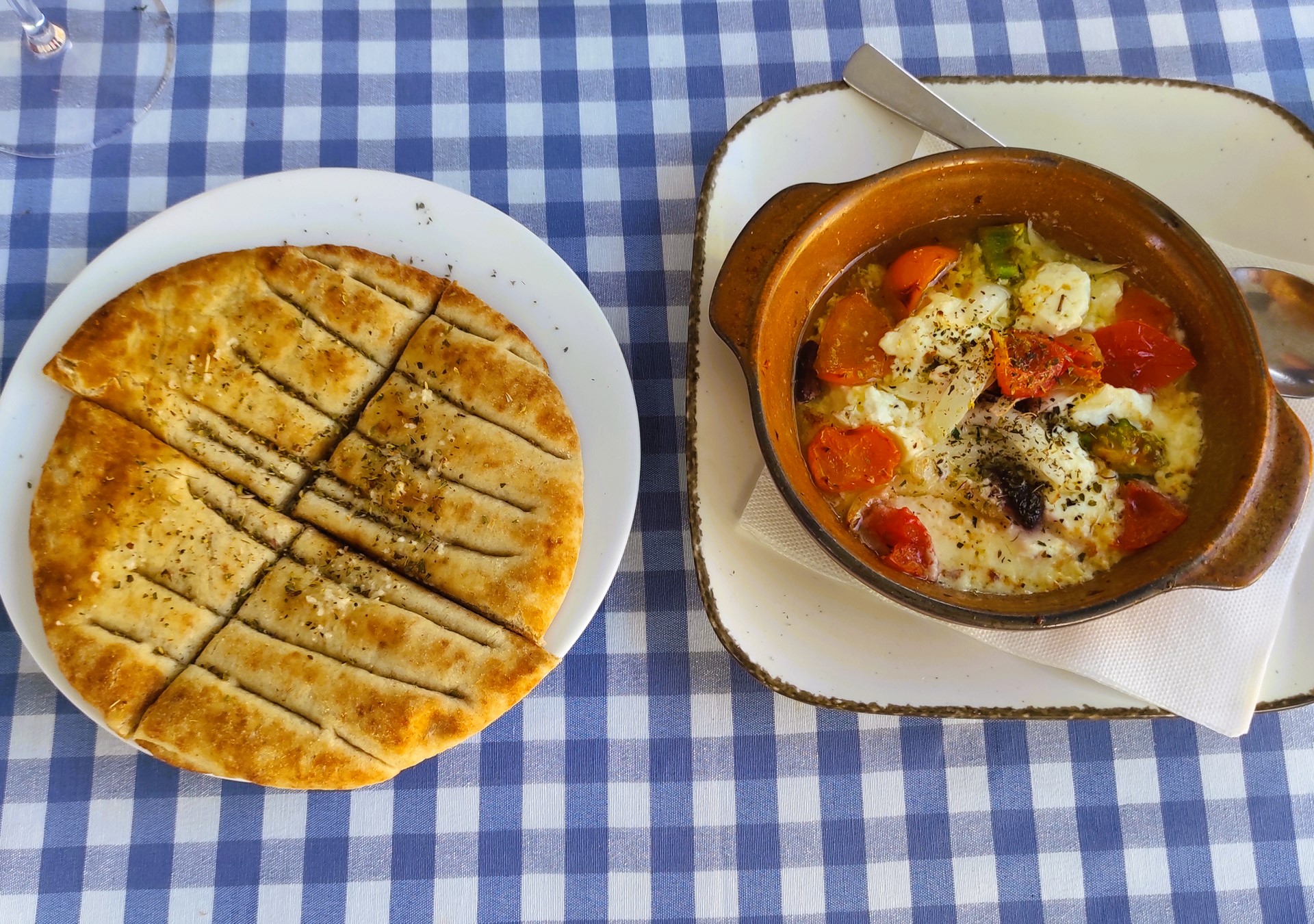
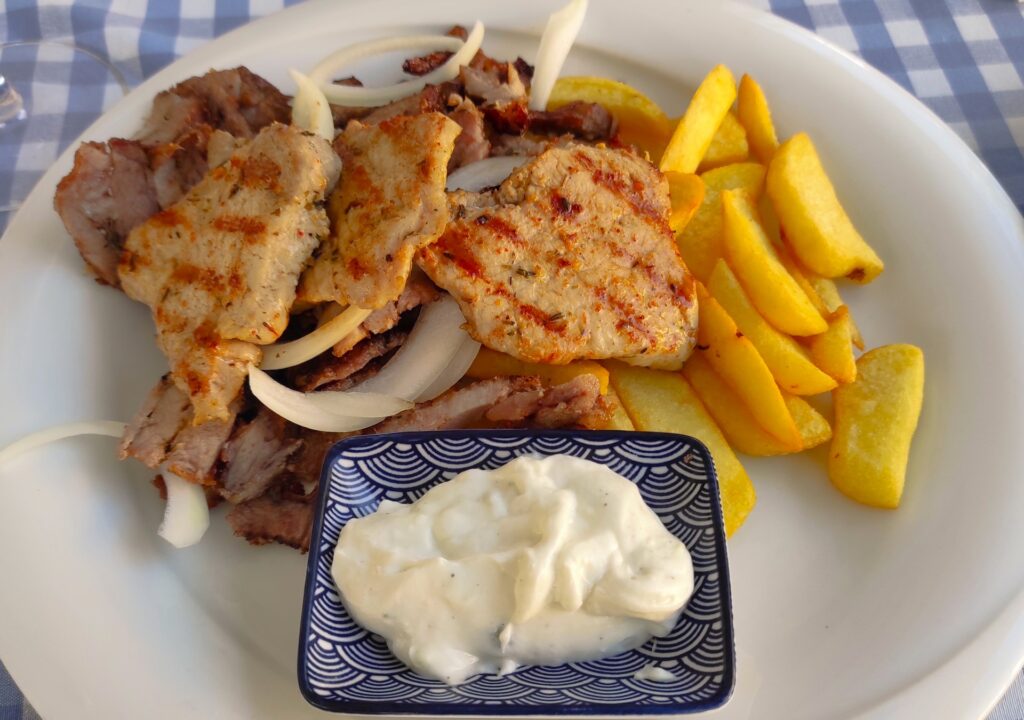
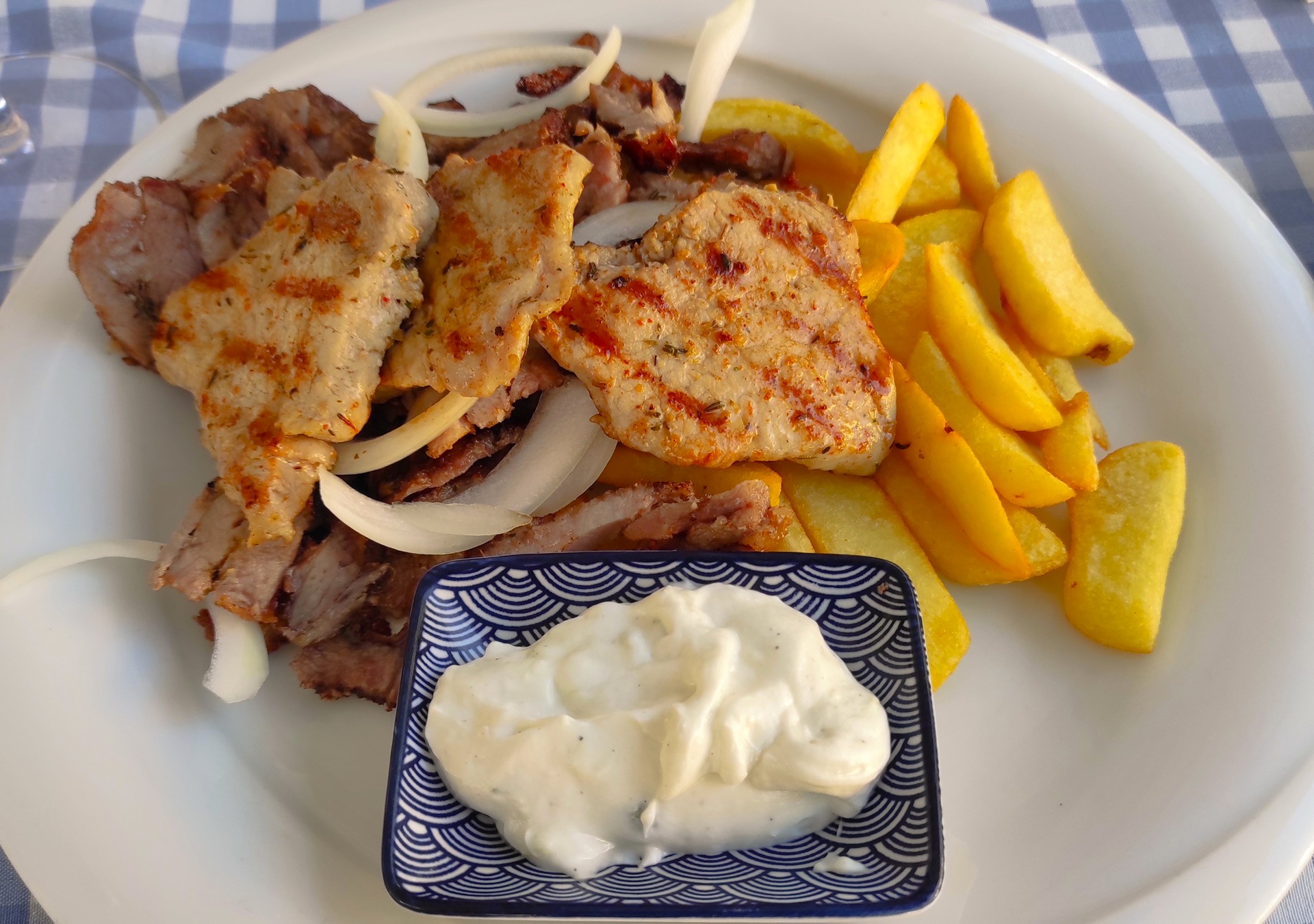
We went to the excellent Greek restaurant Taverna Corfu, located within sight of the church of Saint Nicholas. We enjoyed not only the great food but also the pleasant outdoor seating on a sun-drenched evening.
For a starter, we recommend the garlic pita and baked feta cheese with fresh tomatoes.
Address: Kaiser-Franz-Josef-Straße 3, Bad Ischl
-
- Taverna Corfu
-
- Taverna Corfu
Where to relax in a healthy way?
Of course, in one of the local resorts offering spa treatments with the beneficial power of salt and brine. Among the most famous is the EurothermenResort Bad Ischl.
Address: Voglhuberstraße 10, Bad Ischl
Where to park?
We parked at the paid parking lot Parkplatz Rechensteg, which is located below the Imperial Villa. We walked about 10 minutes to the town centre on a pleasant stroll.
Address: Schutzenbichl 10, Bad Ischl