




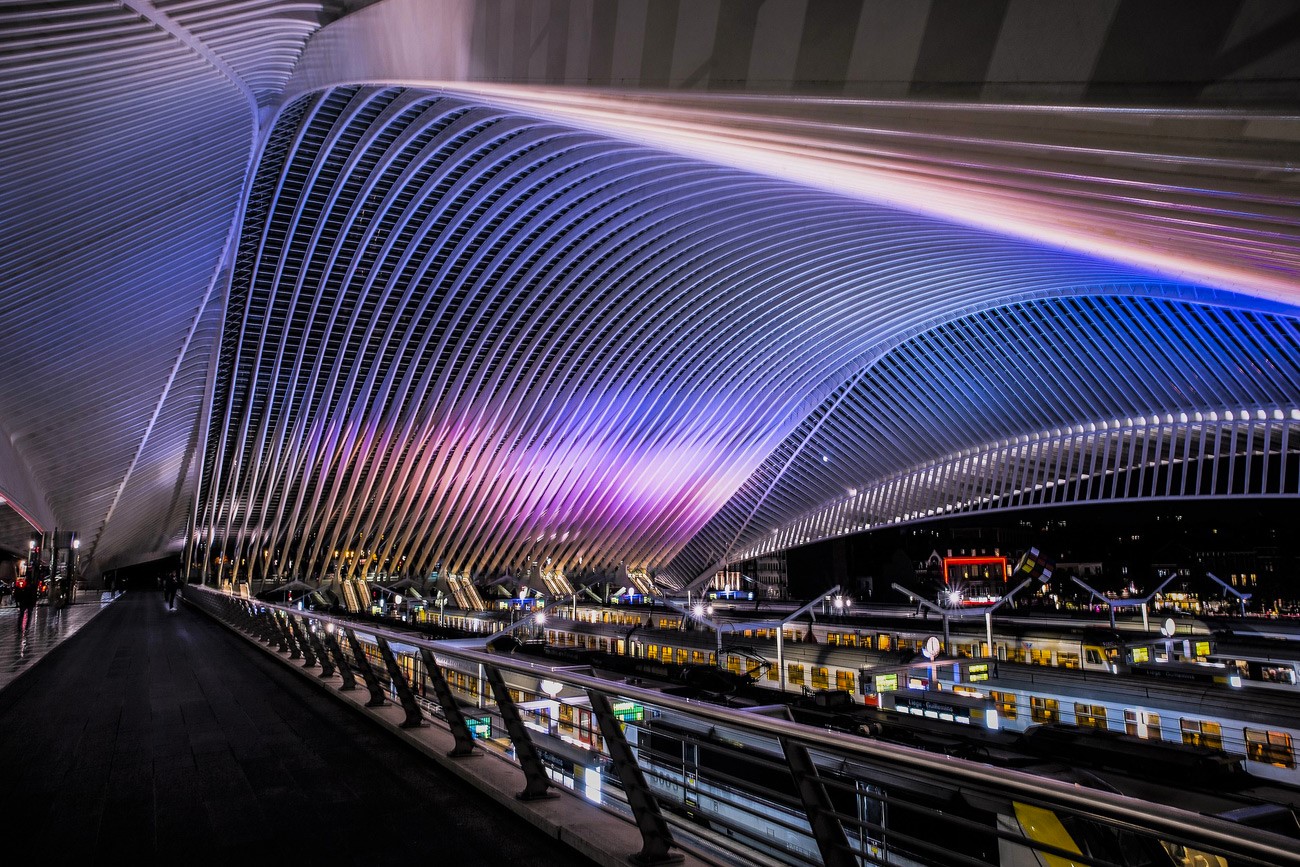
Head to the heart of Wallonia, to a city that will enchant you with its rich history, vibrant culture and unique charm. Liège is not just the name of a city—it’s a story that began in Roman times. Today, it’s a place where French elegance blends with Belgian ease. And what’s more, it’s the birthplace of one of Belgium’s most famous writers of all time, Georges Simenon, the creator of the Inspector Maigret detective novels.
La Boverie Museum and Park
Imagine finding an oasis of calm in the middle of the city. Parc de la Boverie is exactly that kind of place. Stroll among blooming roses, admire the futuristic Nicolas Schöffer Tower, and don’t forget to take in the view of the museum’s elegant building. And if you get hungry? Just spread out a blanket and enjoy a picnic.
Now for the best part— the La Boverie Museum. Inside, you’ll find masterpieces ranging from the Renaissance to contemporary art. Gauguin, Chagall, Picasso, Magritte—these are just a few of the artists whose works you can admire here. And if you start feeling lost in all that art, stop by the little boutique and take home a piece of inspiration.
Address: Parc de la Boverie 3, Liège
-
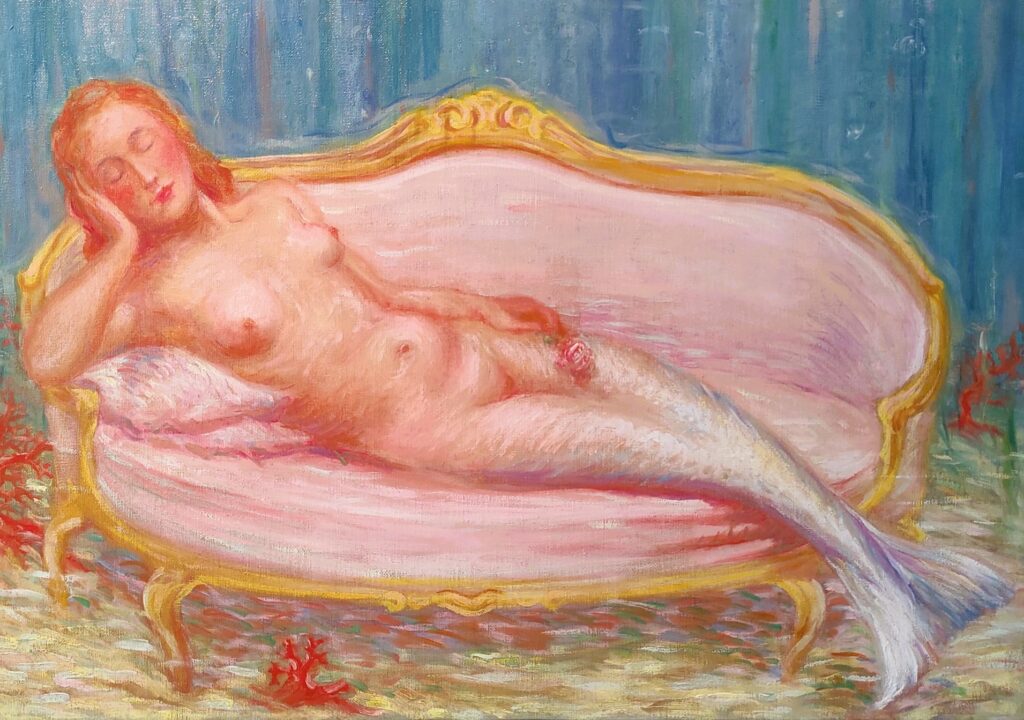
- La Boverie – Magritte

-
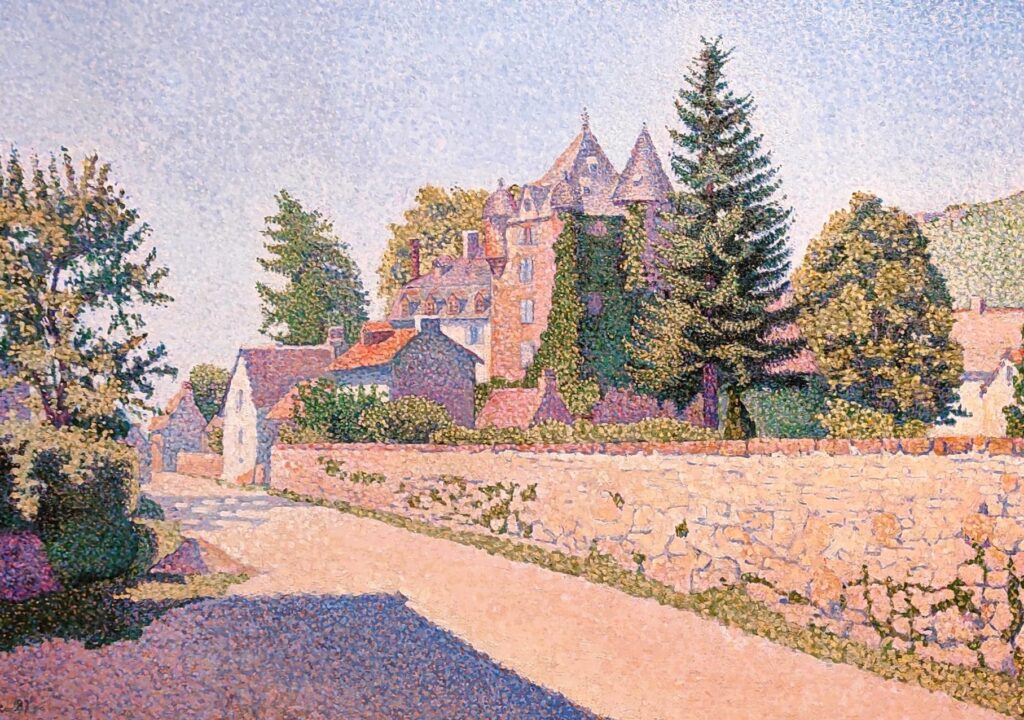
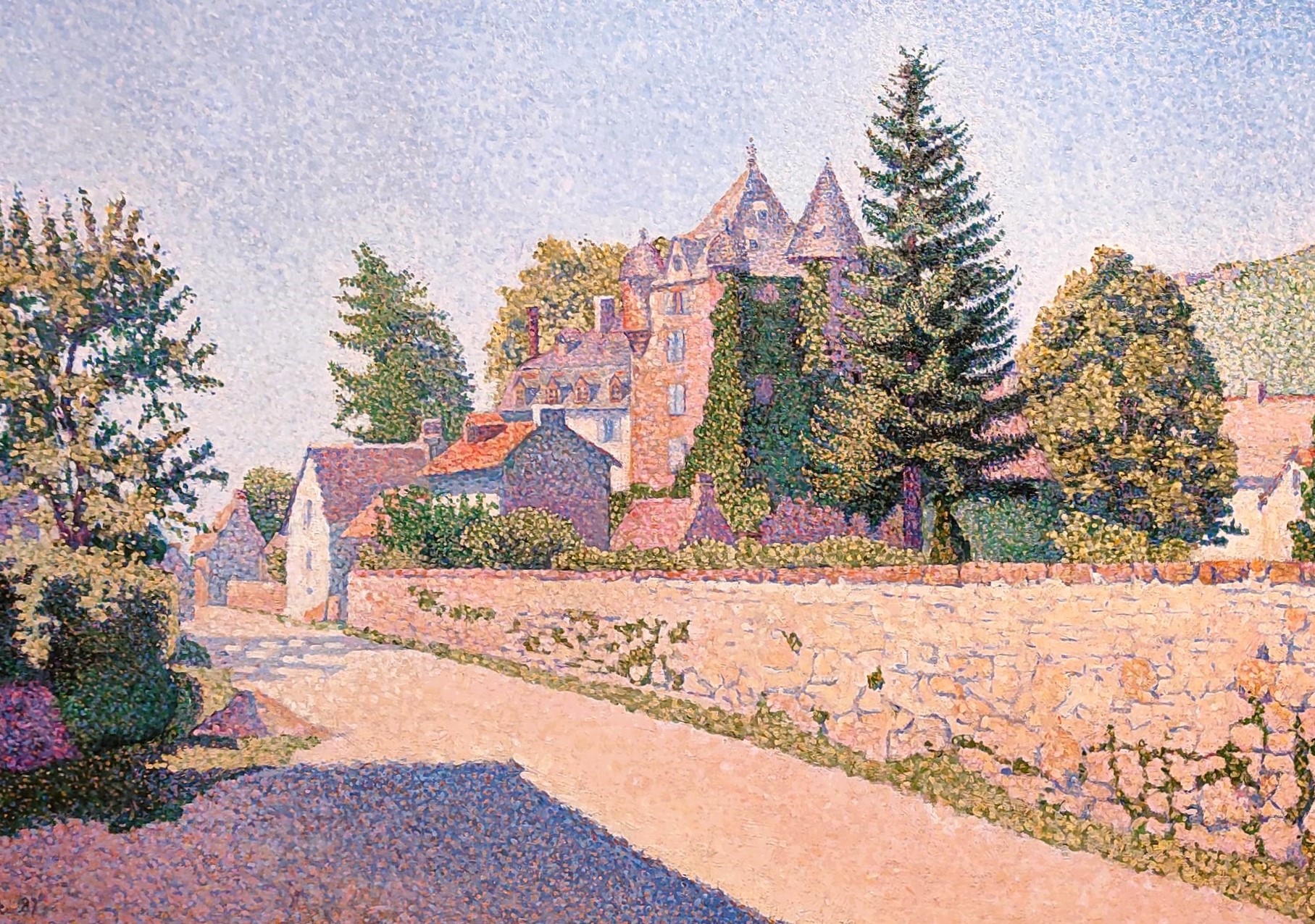
- La Boverie – Signac
After visiting the museum, take a stroll across the "Passerelle La Belle Liégeoise" bridge and admire the views of Liège's modern architecture.
Paradis Tower (Tour Paradis)
This elegant structure, also known as the Financial Tower, rises to a height of 118 meters and serves as the headquarters for the city's financial institutions. Not only is its height impressive, but so is the speed of its construction—the entire project was completed in less than three years.
And why "Paradis"? The name might surprise you at first, but it’s no coincidence. The tower stands on the site of a 19th-century chapel called Paradiso. While it may seem a bit unusual, the name "Paradise" was not uncommon in the past. So, when you walk by the foot of the tower today, you can remember that this place has deep historical roots.
Address: Rue de Fragnée 2, Liège
Railway Station (Gare Liège-Guillemins)
Founded in 1863, this station has undergone a turbulent evolution. It has undergone several reconstructions, including one after the 1905 World’s Fair. But what we see today is the work of world-renowned architect Santiago Calatrava. His futuristic building, with its arched roof of metal and glass, resembles a spaceship ready for takeoff.
Address: Place des Guillemins 2, Liège
-
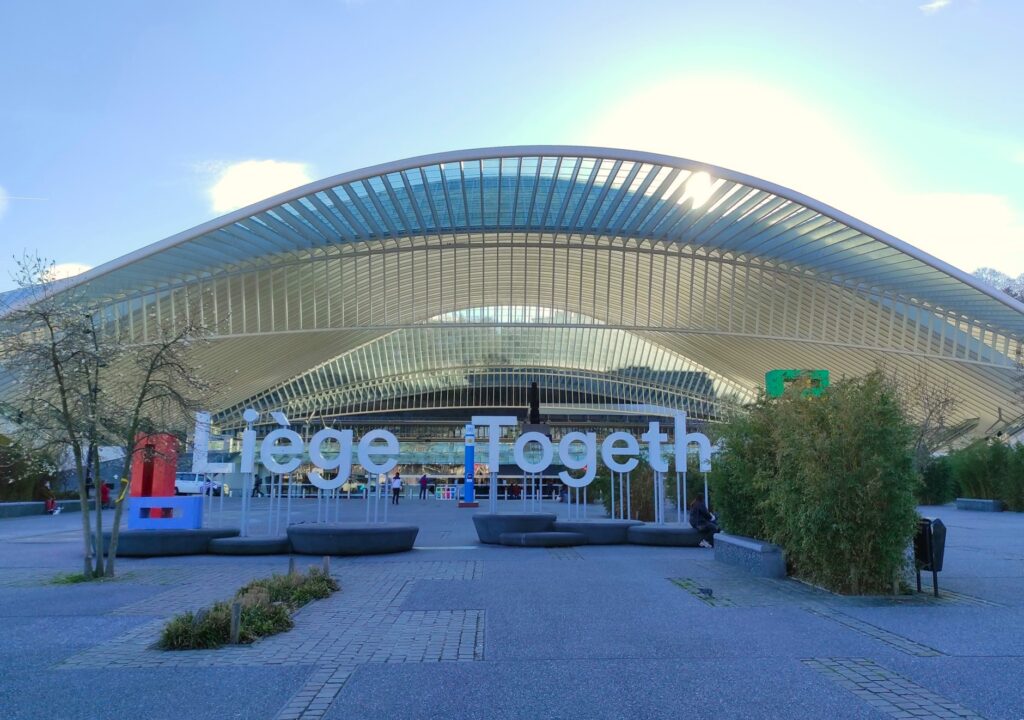
- Railway Station
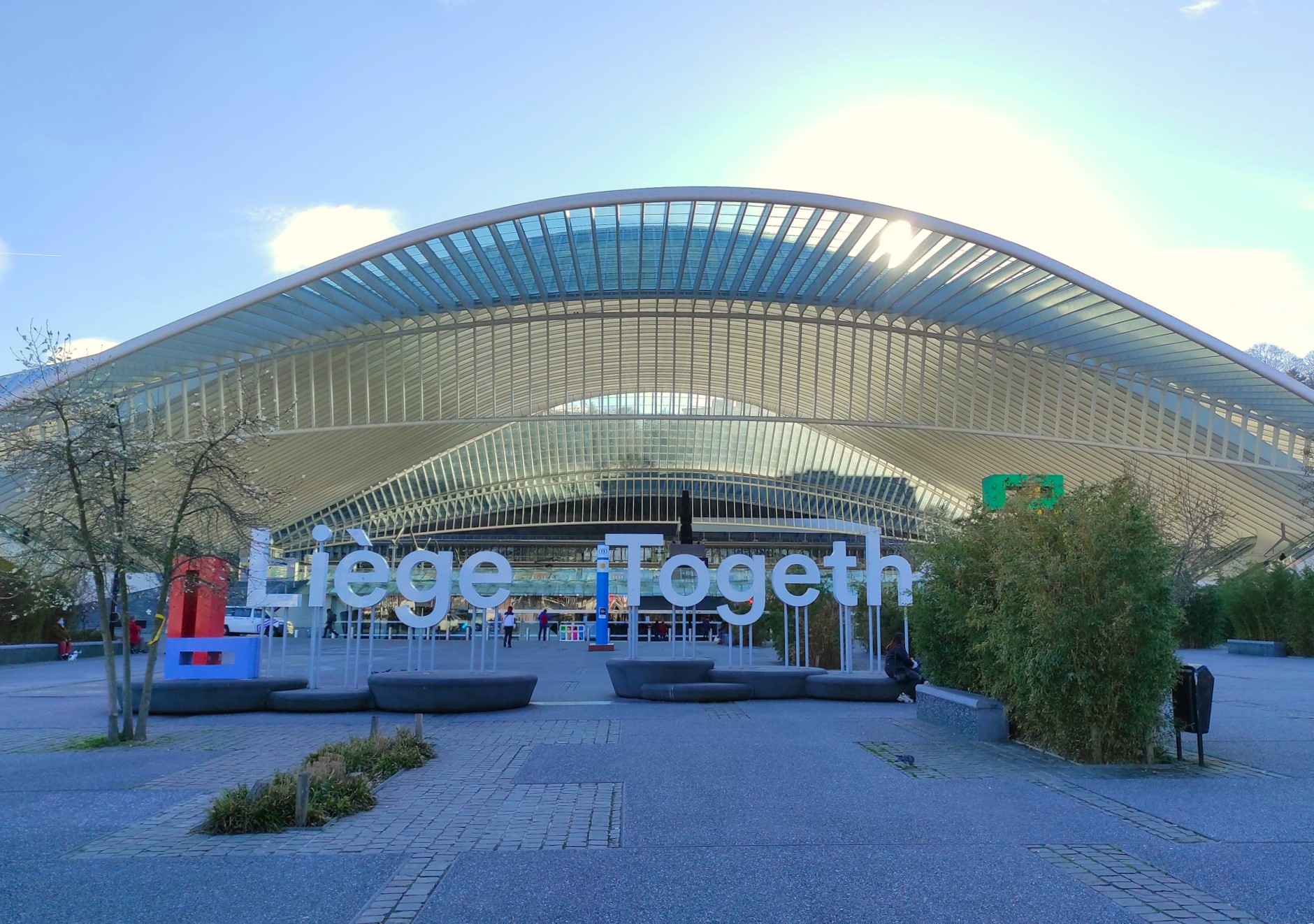
-

- Railway Station
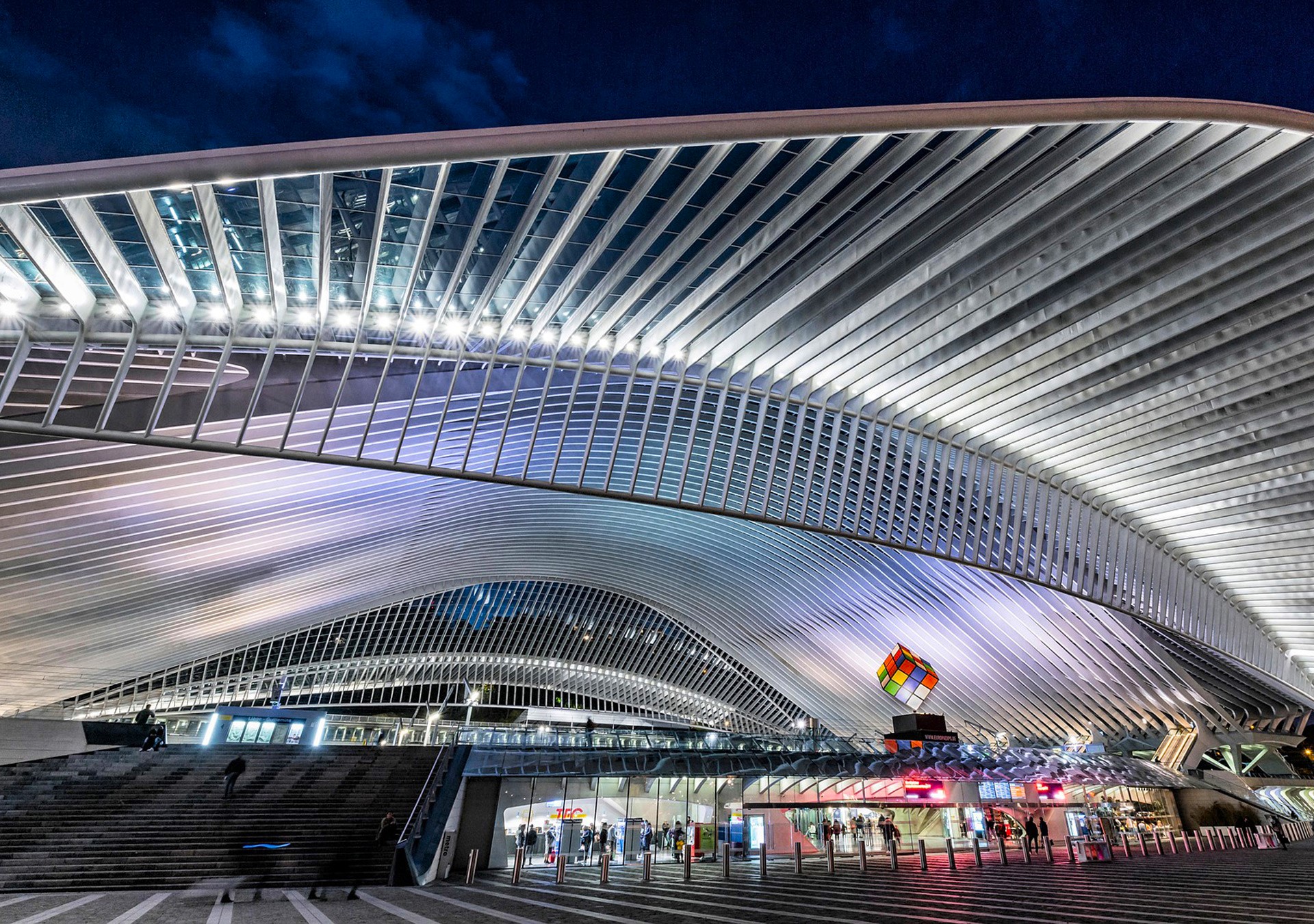
Our tip:
After visiting the train station, head down the elegant street Rue Dartois and let yourself be captivated by architectural masterpieces. The houses here, as if taken straight from an art history textbook, will transport you to the 19th century. Neoclassical facades alternate with whimsical Art Nouveau elements.
Church of Saint James (Église Saint-Jacques de Liège)
Imagine standing before an imposing structure with over a thousand years of history. That’s exactly what the Church of Saint James is like. Its foundations date back to 1015, when an abbey was first established here. Today, only this magnificent Gothic masterpiece remains, but it’s precisely this blend of old and new that gives it its unique atmosphere.
When you step inside, you’ll feel like you’re in a fairy tale. Your eyes will wander in every direction. The 16th-century stained-glass windows tell stories of ancient times; the monks’ choir stalls will take you back to the Middle Ages and the Baroque statues by the famous Jean Del Cour will speak to you of art and religion.
And what about the double spiral staircase? That’s simply something you have to see with your own eyes! Not only is it an architectural rarity, but it’s also a great opportunity to feel like you’re in some mysterious monastery.
The Church of Saint James isn’t just a place for prayer—it’s also a prestigious cultural centre. Concerts and performances are regularly held here, so if you’re lucky, you might just experience a unique artistic moment.
Address: Place Saint Jacques 8, Liège
-
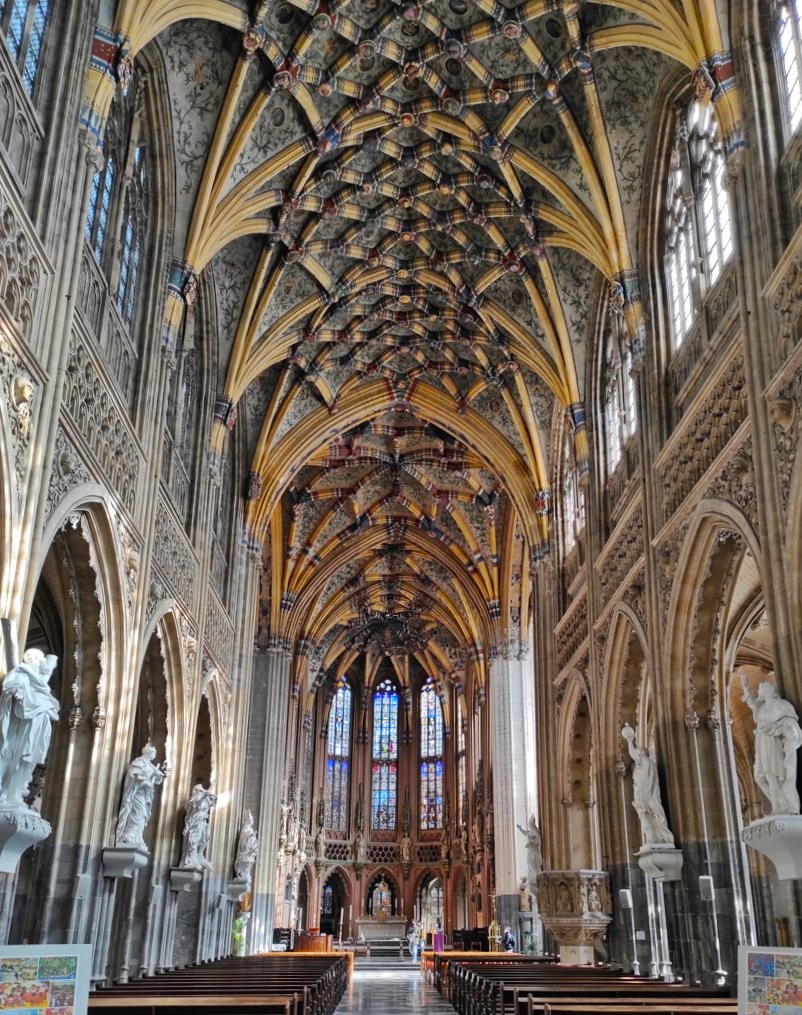
- Church of St. James
-

- Church of St. James
Saint Paul's Cathedral (Cathédrale Saint-Paul de Liège)
This Gothic masterpiece, whose construction spanned nearly 200 years, holds countless fascinating stories within its walls. Did you know that the famous Czech chronicler Cosmas of Prague once studied here? Or that its tower resonates with the sound of up to 49 bells?
Hidden in the cathedral’s cloister is a true treasure— the Cathedral Treasury (Trésor de Liège). Here, priceless artifacts are gathered, each telling the rich history of the Prince-Bishopric of Liège. If you love history and art, a visit to the treasury is an absolute must.
Address: Place de la Cathédrale, Liège
-
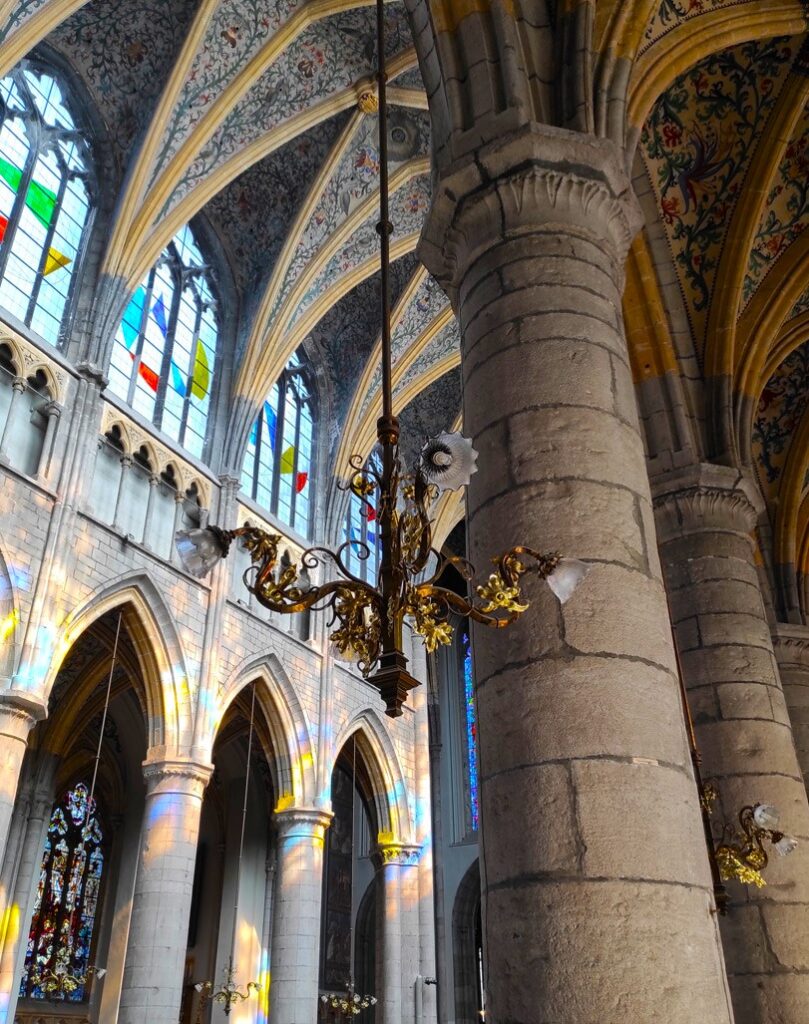
- St. Paul's Cathedral

-
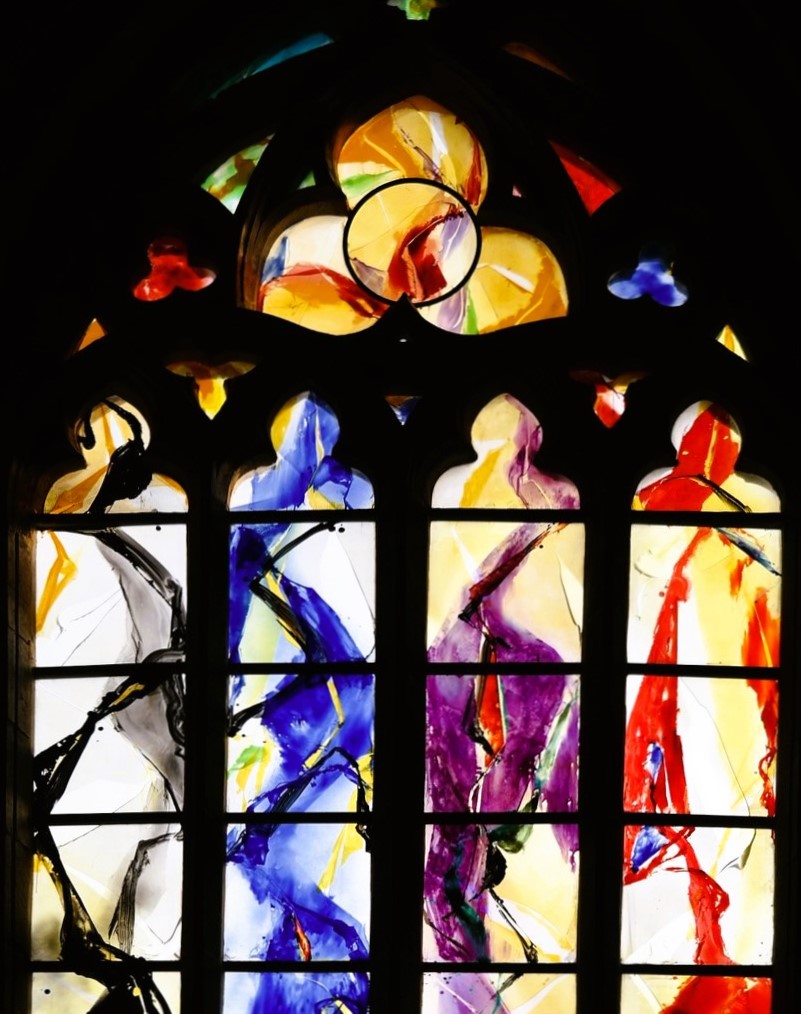
- St. Paul's Cathedral
After admiring Liège’s treasures, take a stroll through its picturesque streets. Stop by Place Saint-Lambert and Place du Marché, where you’ll be charmed by the Prince-Bishops' Palace and the Le Perron monument.
Saint Lambert Square (Place Saint-Lambert)
This square holds one of the most fascinating chapters in the city’s history. It was here that the imposing Saint Lambert’s Cathedral once stood. Unfortunately, in 1794, it was destroyed in a devastating revolutionary storm. Only its foundations remain, which you can explore in the underground Archéoforum. It’s like stepping into the past and touching the remnants of its former glory.
And how about visiting the very seat of power? Towering over the square is the majestic Prince-Bishops' Palace (Palais des Princes-Évêques). This was the centre of political and spiritual life in the city. The prince-bishops ruled with an iron fist, deciding the fate of the city and its people. Today, it houses the courthouse and the provincial government building. You could think of it as a small-scale Versailles in the heart of Wallonia.
Market Square (Place du Marché)
As the name suggests, Market Square has always been the bustling heart of the city. At first glance, you’ll notice its main attractions: Le Perron and the Town Hall La Violette (Violet).
Le Perron, a slender and elegant monument, is a symbol of the city’s freedom. Its story reads like something out of a novel. Once, Charles the Bold, the Duke of Burgundy, had it taken to Bruges to crush the rebellious city of Liège. Fortunately, Le Perron was returned and now stands as a proud testament to the resilience of the locals. Today, it is adorned with the Three Graces, supporting a pinecone with a cross—a symbol of Christianity. The Town Hall La Violette, with its purple façade, is a reminder of the city’s former power.
The entire square feels like a living painting. The ancient houses—some with flat roofs that survived the war—give the place its unique character.
From the square, embark on an adventure and climb the Montagne de Bueren stairs. It’s a bit of a challenge for the untrained, but the view from the top is worth it. You’ll see the entire city spread out before you and feel like a conqueror.
Bueren Mountain (Montagne de Bueren)
Imagine standing at the foot of a stone giant towering into the sky. No, this isn’t a fantasy novel—it’s reality. This long stone staircase, with an incredible 374 steps, leads up Bueren Hill. And believe it or not, every single step has its own story.
This unique 19th-century creation was built as a tribute to 600 brave Belgian soldiers who fell in the fight for the country’s independence. It takes its name from Vincent de Bueren, a nobleman who left an indelible mark on Liège’s history. When Charles the Bold, Duke of Burgundy, attacked the town in 1468, de Bueren led a desperate yet heroic defence.
But that’s not the whole story. In reality, the staircase was primarily a strategic feature—designed to allow soldiers to move quickly from the citadel to the city centre in case of danger. But times changed, and the citadel lost its importance, leaving today’s staircase as a silent witness to long-past events.
As you climb the steps, you’ll feel like the hero of a historical novel. With each step, you get a little closer to the past. At the top, you’ll not only find an amazing view of the city but also a monumental obelisk dedicated to the 14th Line Regiment of the Belgian Army (Monument au 14ème Régiment de Ligne), which fought in World War I.
Address: Boulevard du 14ème de Ligne, Liège
-
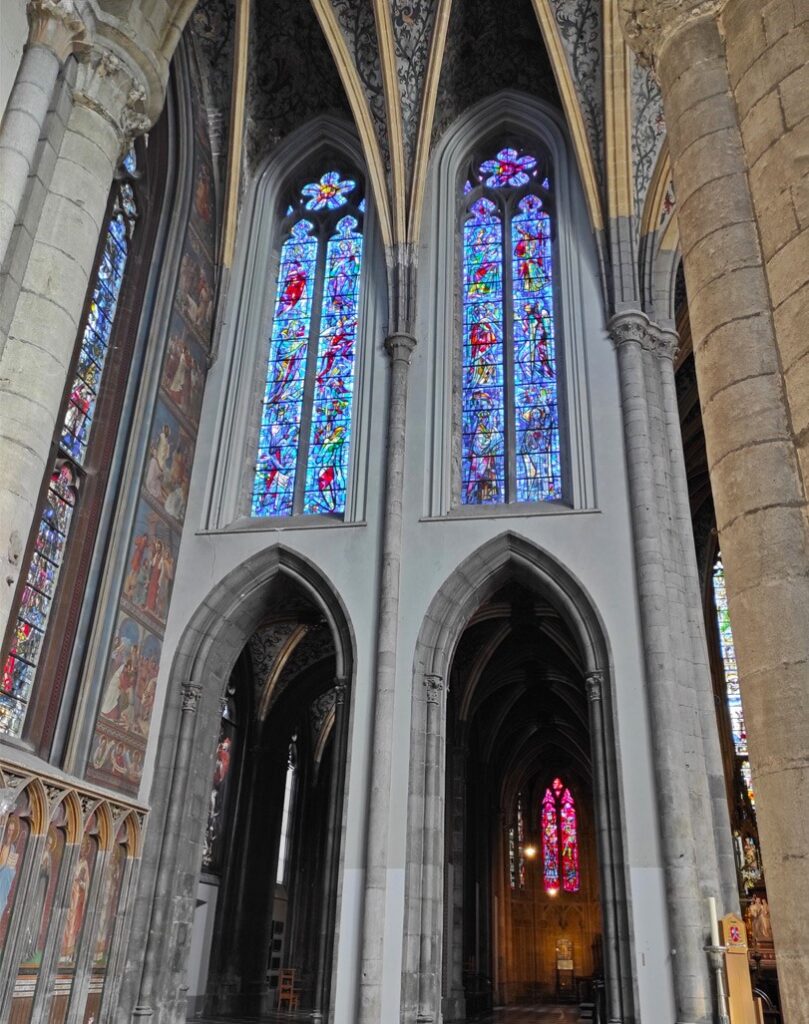
- St. Paul's Cathedral

-
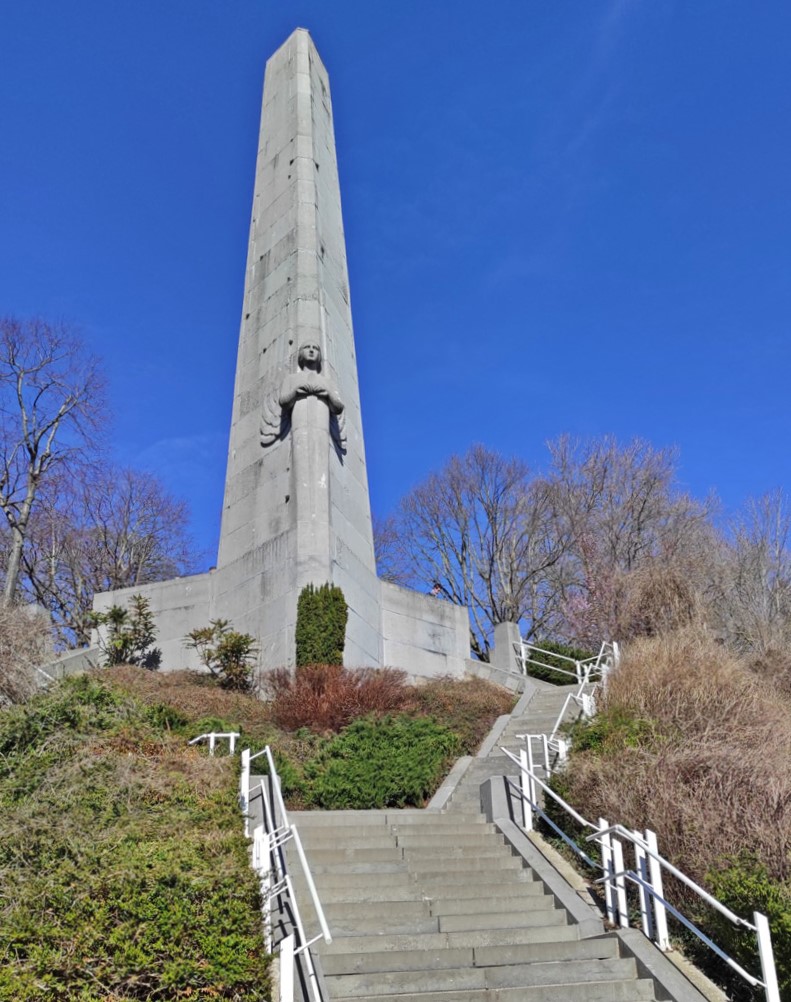
- Bueren Mountain
Once you’ve enjoyed the view, descend the stairs and head to the Le Grand Curtius Museum.
Le Grand Curtius Museum
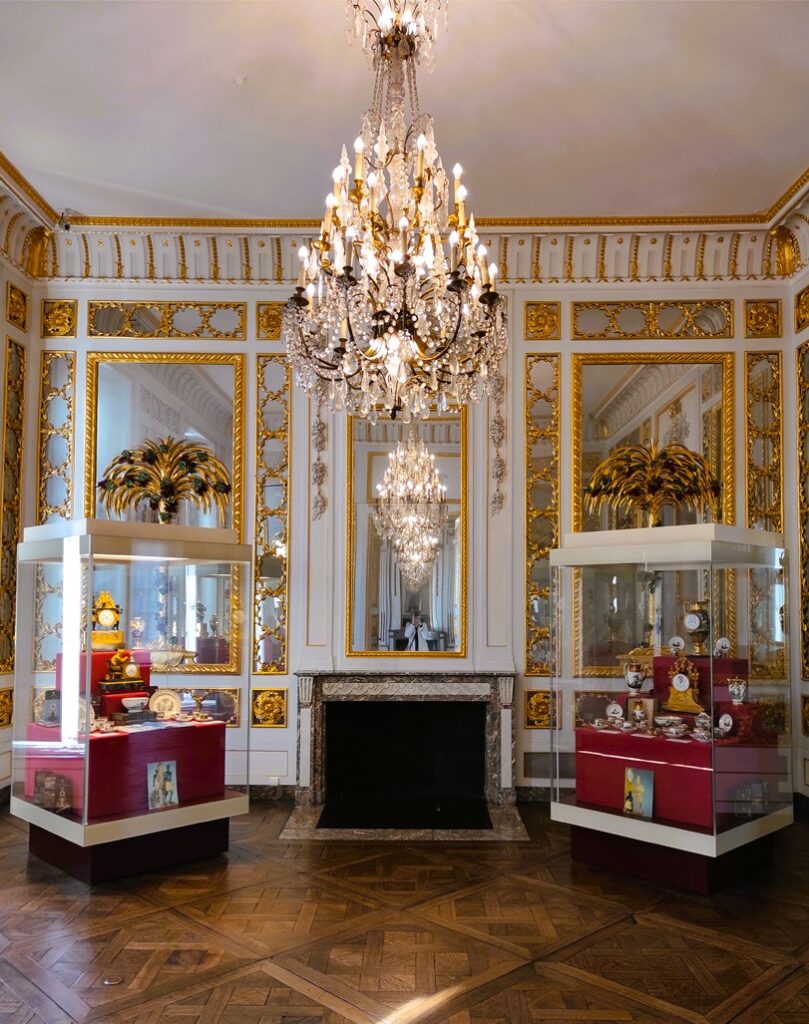
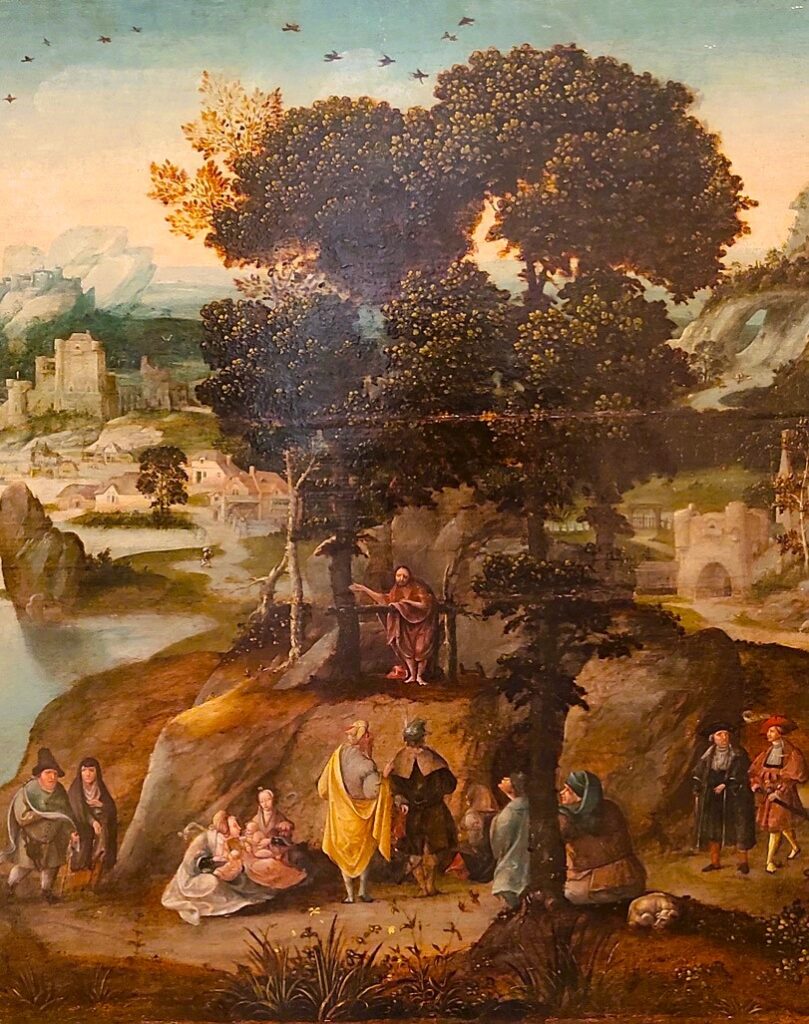
This architectural gem, born from the fusion of ancient and modern buildings, will transport you to distant times. Wander through exhibitions that bring the city’s rich history to life. And don’t worry—even lovers of Czech art won’t be disappointed, as the collections here include exquisite pieces of Czech porcelain. It’s like flipping through a picture book full of stories.
Address: Féronstrée 136, Liège
-
- Le Grand Curtius Museum

-
- Le Grand Curtius Museum

Our gourmet tip:
If you have a sweet tooth, Liège offers a delicious culinary experience— Liège waffles (Gaufres de Liège)! Unlike the fluffy Brussels waffles, these are crispy on the outside, denser on the inside and have a sweeter dough. They’re baked right in front of you, filled with the aroma of cinnamon and taste best when still warm from a street stall.
Our parking tip:
We parked our four-wheeled darling in the garages of the Médiacité shopping centre. From there, it was just a short walk to Parc de la Boverie.
Address: Boulevard Raymond Poincaré 7, Liège
Our final invitation:
Just about 20 minutes from bustling Liège, you can step into a world where crystal glimmers and history meet the present. Château du Val Saint-Lambert, an elegant chateau with soul, houses the Musée du Val, which will enchant you with its uniqueness.
Cristal Discovery —isn’t just any museum. It’s more like a journey through time. Imagine finding yourself right in the heart of a glassblowing workshop. A film immerses you in the story of the people who once toiled here, creating works of art. And there’s no shortage of masterpieces! From delicate jewellery to breathtaking giant sculptures.
Interactive fun guaranteed! You can touch cool crystal and take home a souvenir. And while you’re in this glassmaking paradise, be sure to stop by the on-site shop. There, you’ll find original pieces at pleasantly surprising prices.
Bonus? Spacious on-site parking is free.
Address: Esplanade du Val, Seraing