



Today we share with you the second part of our open days visit. The first part about the palaces can be found in the article Open Days in Prague: palaces (not) only for the elite I.
This time, we will introduce the (in)accessible Prague palaces of the Senate and the Liechtenstein Palace. The seat of the Senate of the Parliament of the Czech Republic forms a cohesive complex consisting of the Waldstein Palace and its adjacent garden, as well as the Kolovrat Palace, which stands just across the street.
Get inspired by the charm of the majestic buildings owned by Czechia.
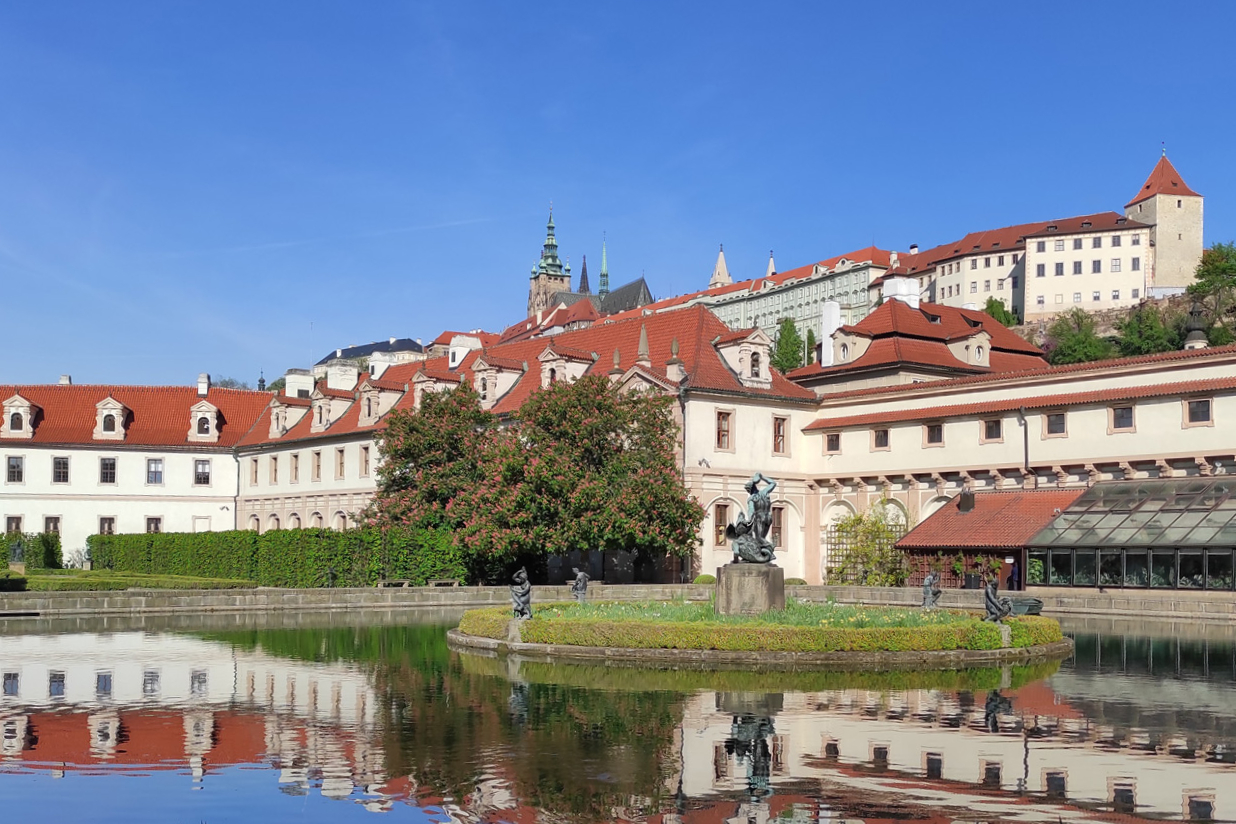
Wallenstein Palace
As the name suggests, Albrecht von Wallenstein, one of the most important noblemen of his time, had this magnificent residence built. The result was a unique early baroque palace complex, where we were able to admire all the beautiful halls, corridors and lounges during the tour.
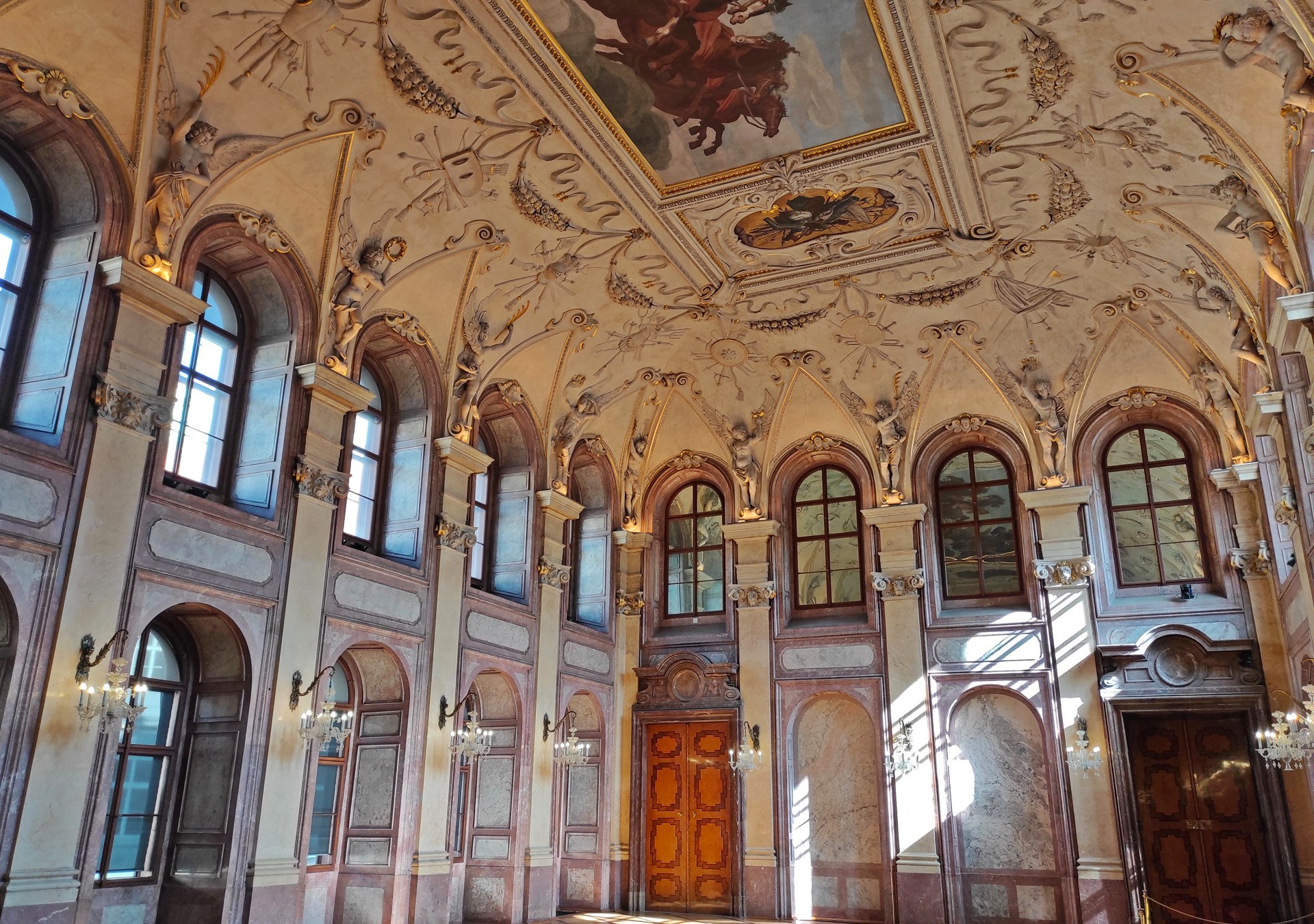
The monumental decoration of the Main Hall, which was the second largest hall in Prague in the 17th century (after the Spanish Hall at Prague Castle), was one of the most representative in Central Europe during the early baroque period.
-
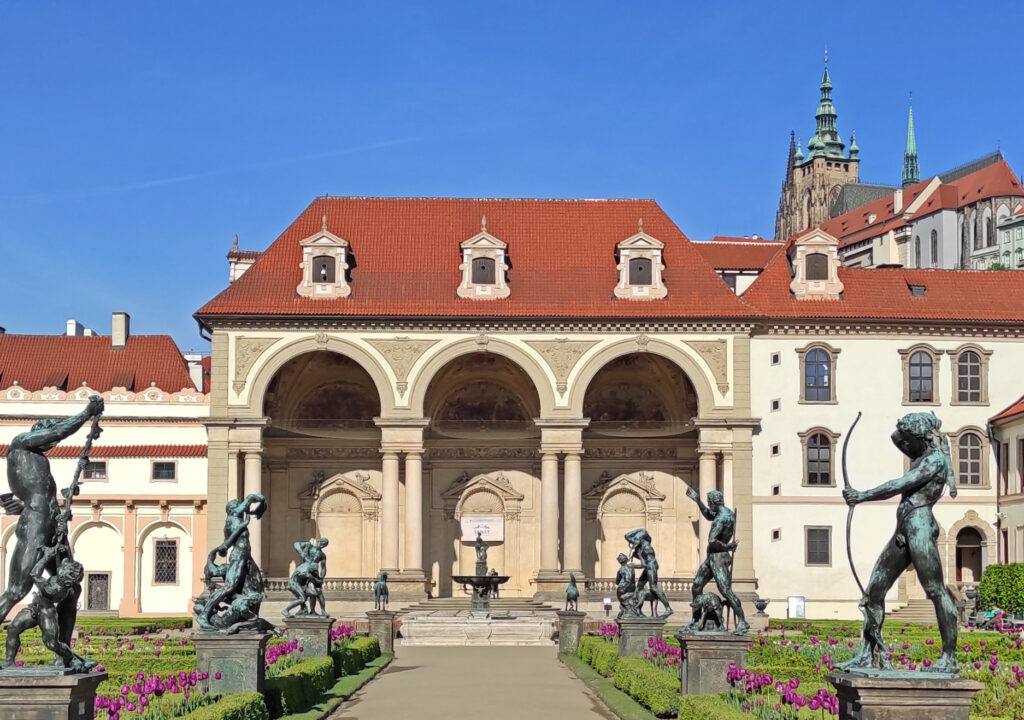
- Wallenstein Palace
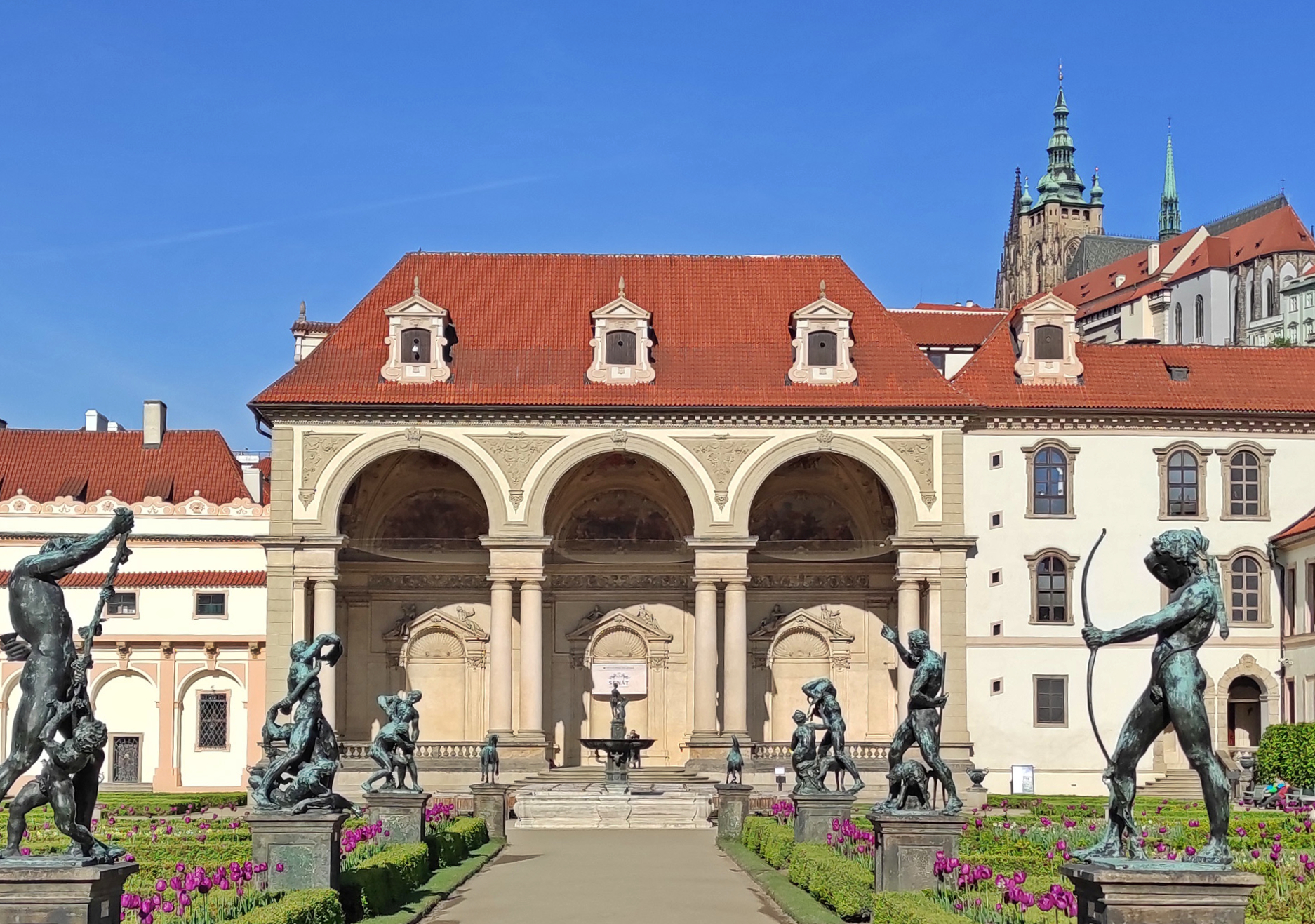
-
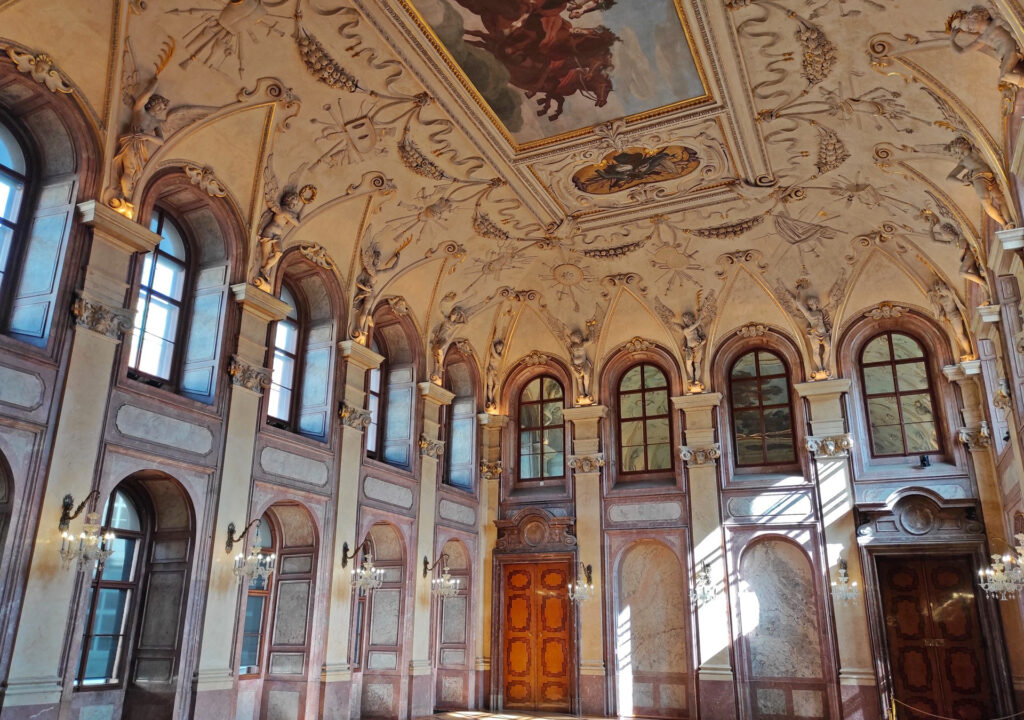
- Main Hall
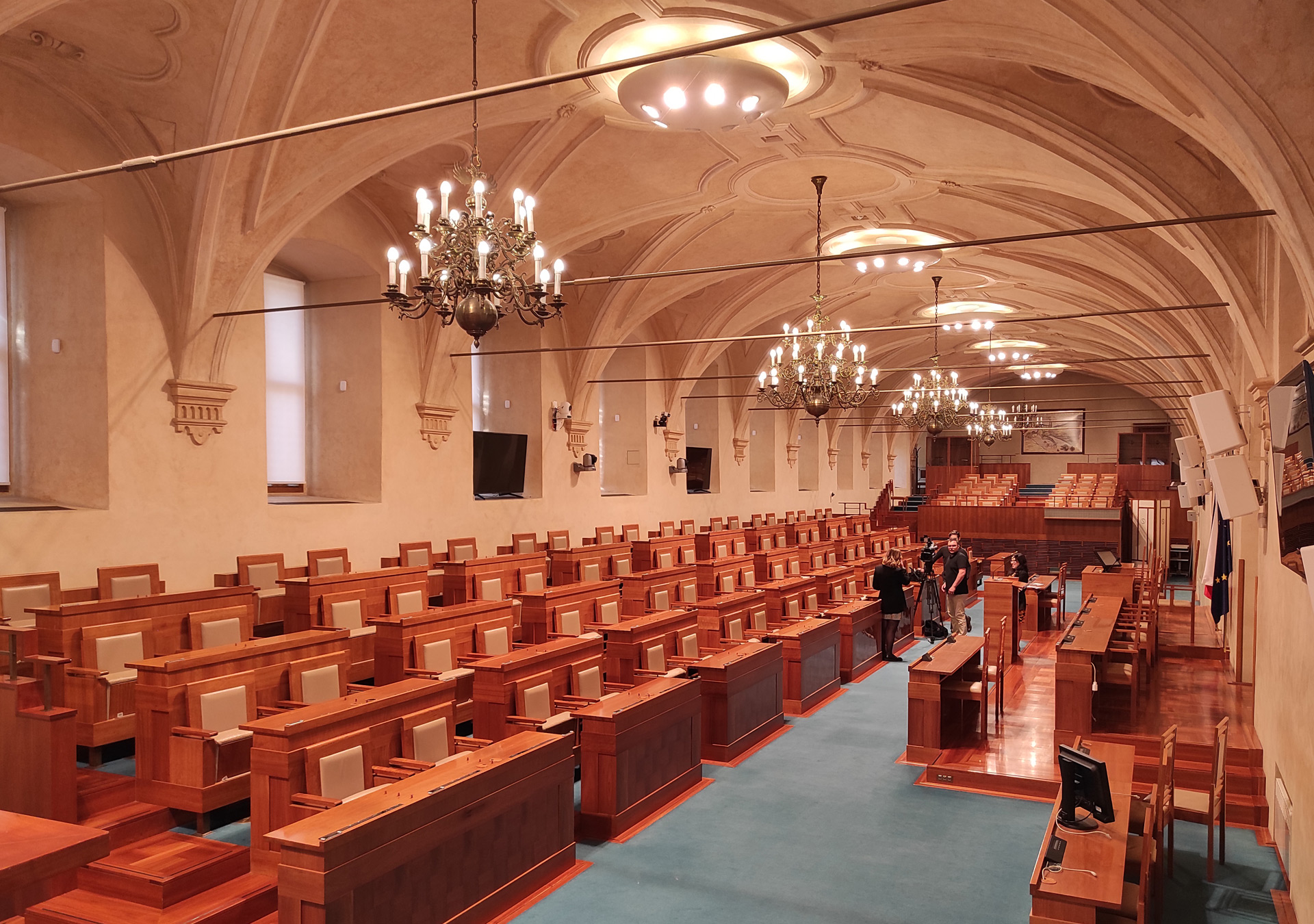
During the open days, it was also possible to peek into the Session Hall, which now serves as the meeting place for the Senate. However, few would guess that this room, with its preserved original vault and geometric-patterned decorations, was once a lavish horse stable.
Address: Valdštejnské náměstí 4, Prague
-
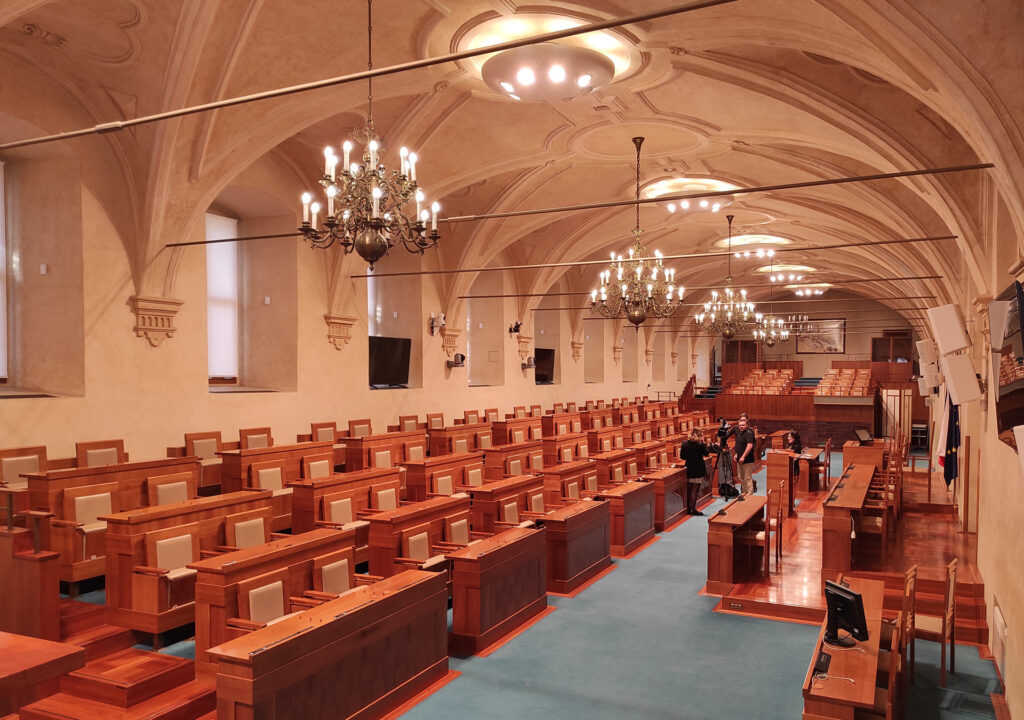
- Session Hall
-
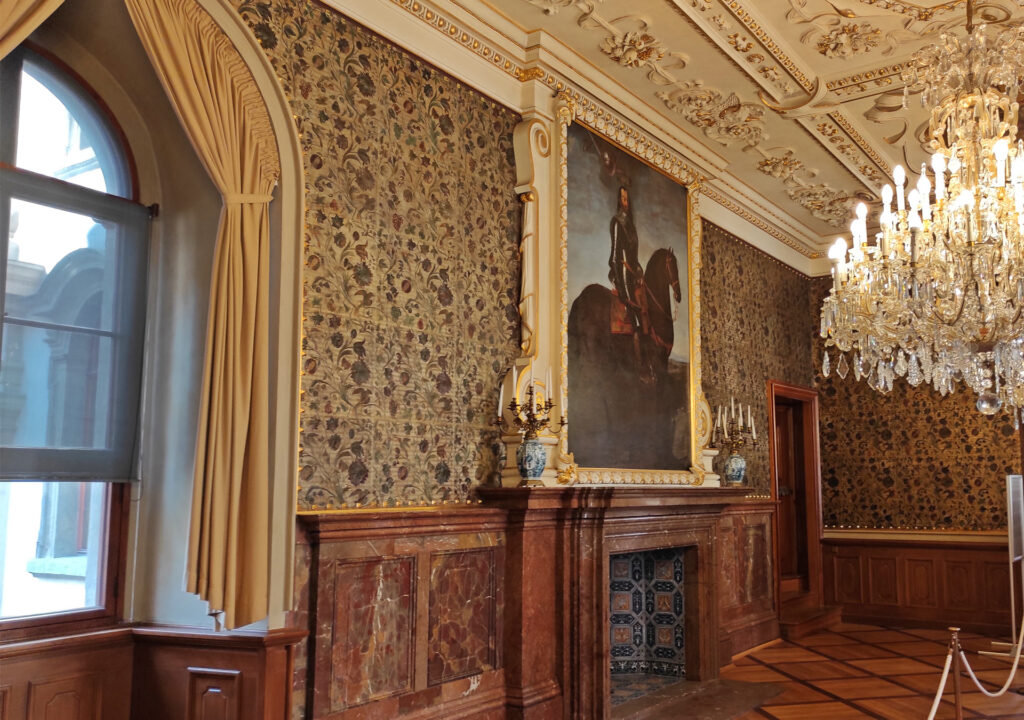
- Hall of Knights
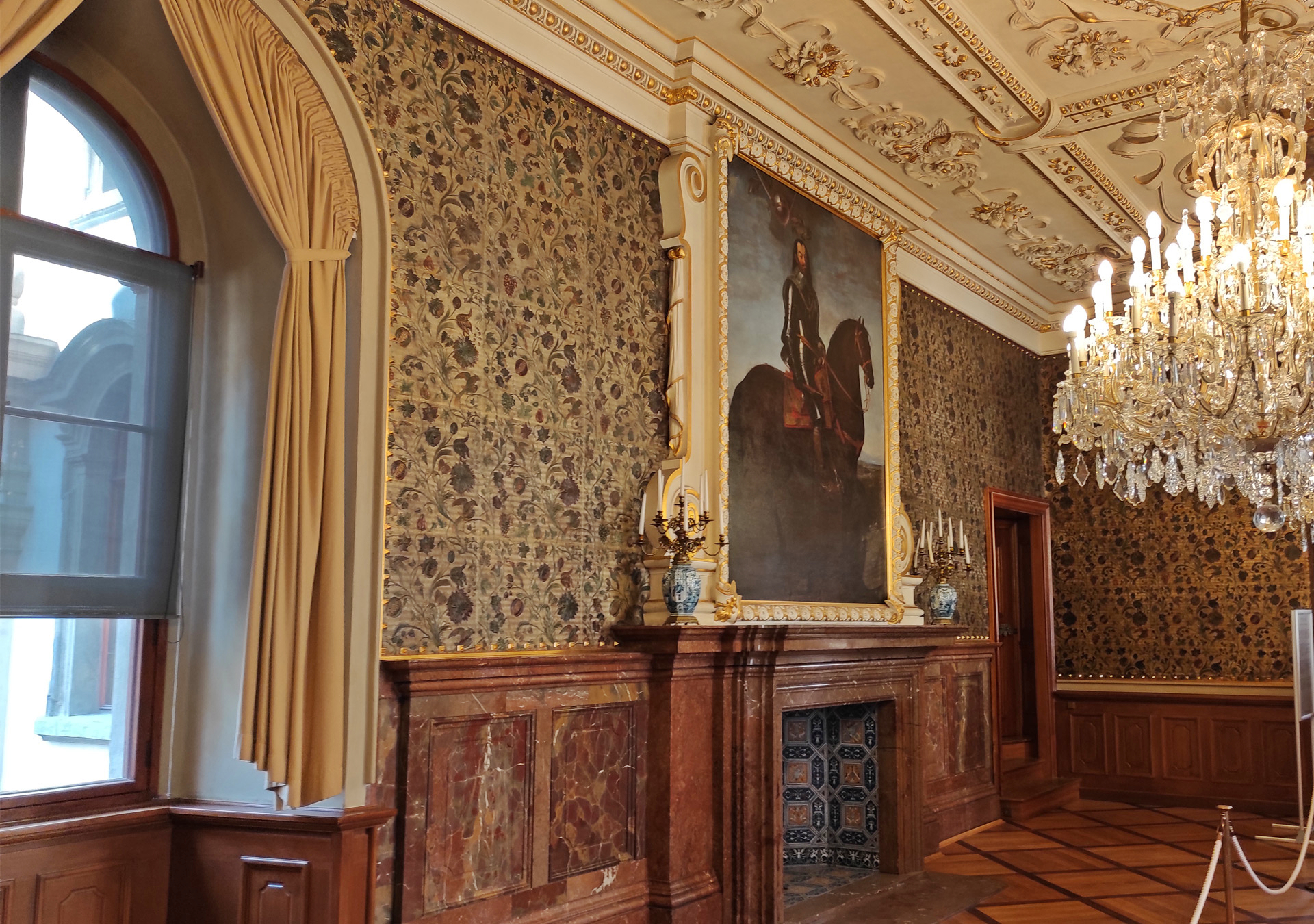
-
- Wallenstein Palace
-
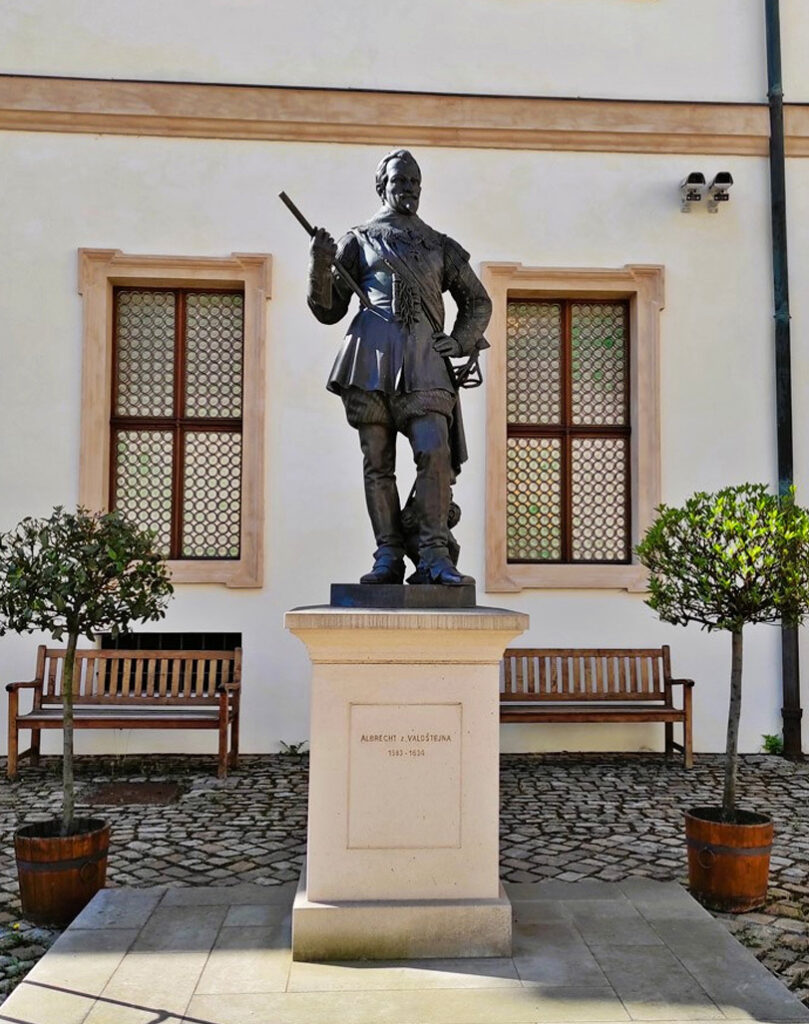
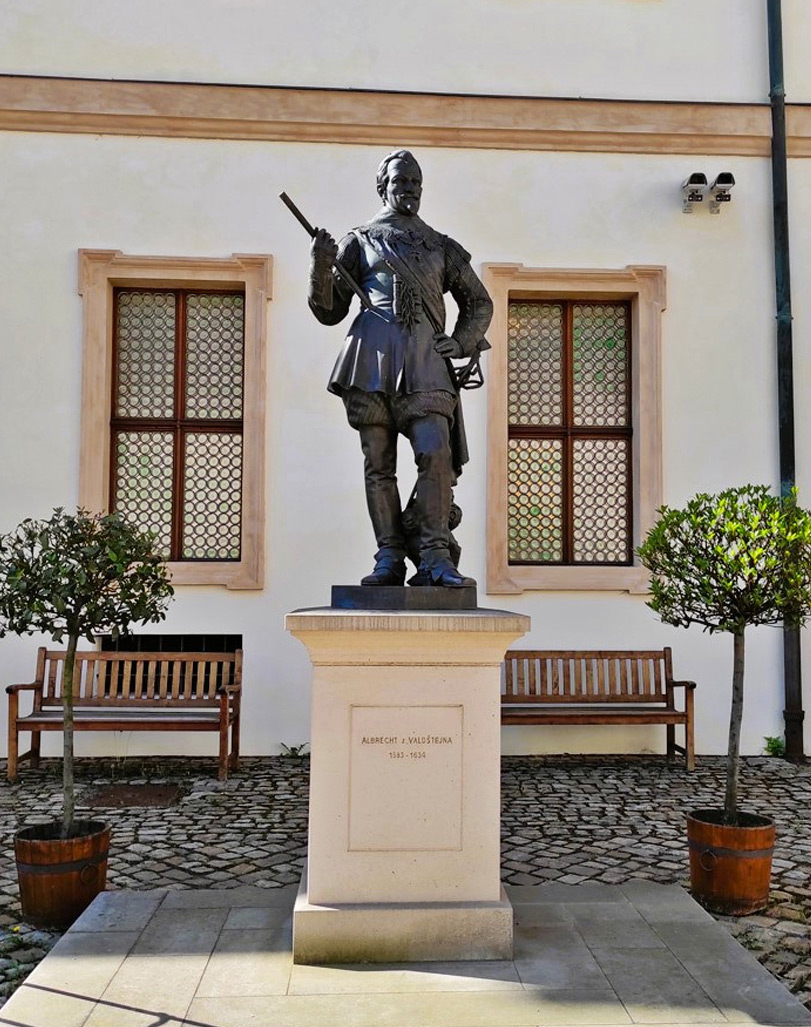
- Albrecht von Wallenstein
Wallenstein Garden
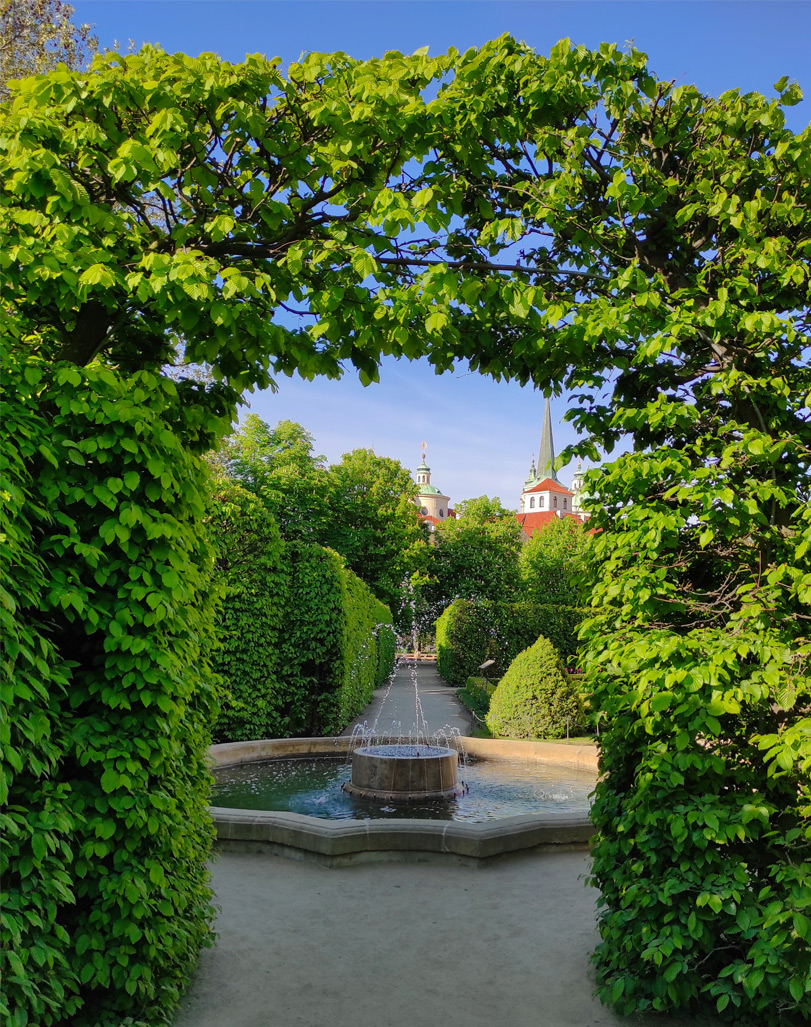
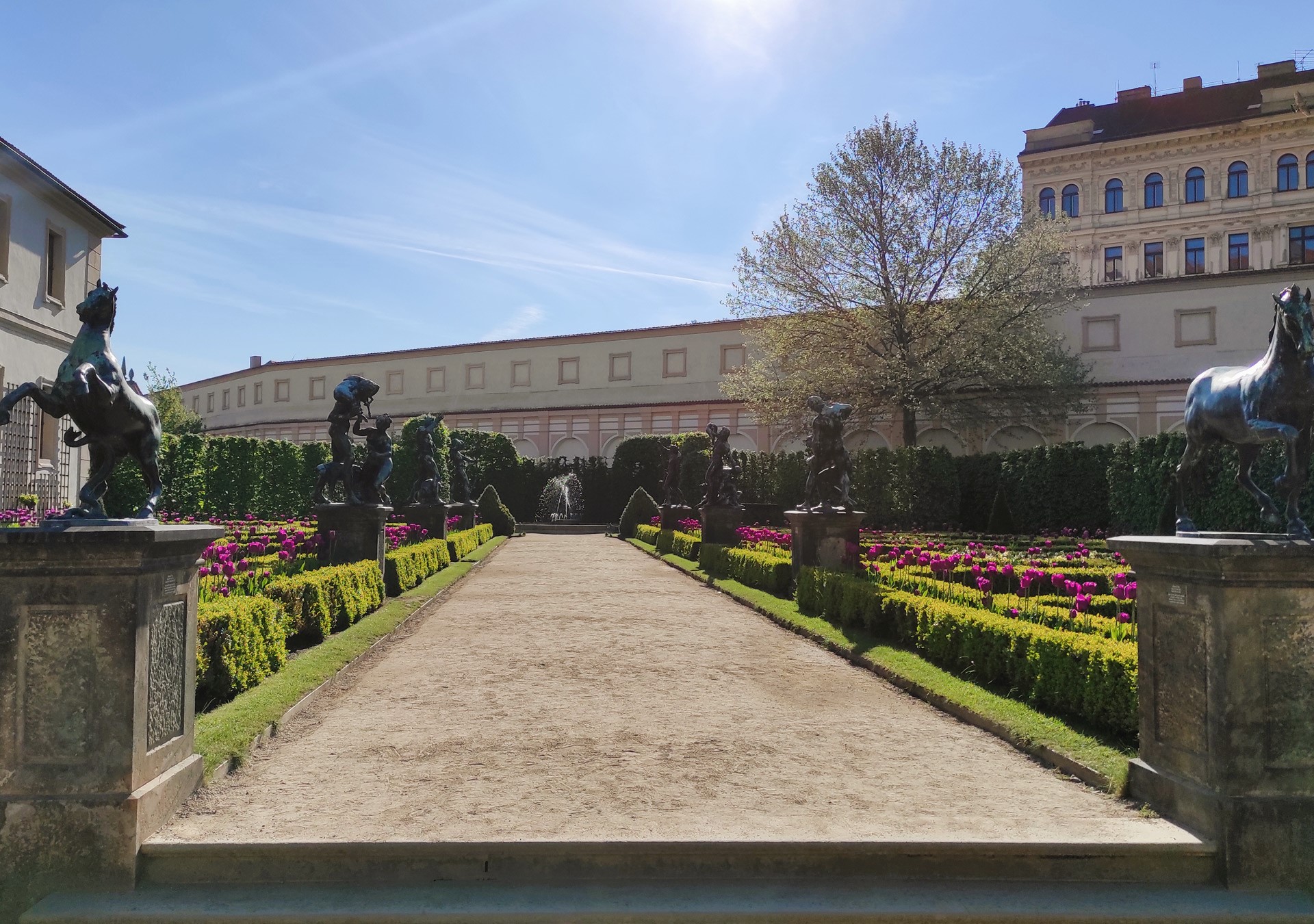
This baroque garden, one of the gems of Malá Strana, welcomes visitors every day for a stroll and relaxation. Due to the large number of tourists, we recommend visiting the garden—which is free of charge and open to the public—shortly after opening hours, when you can enjoy its beauty almost privately and take fantastic photos.
-
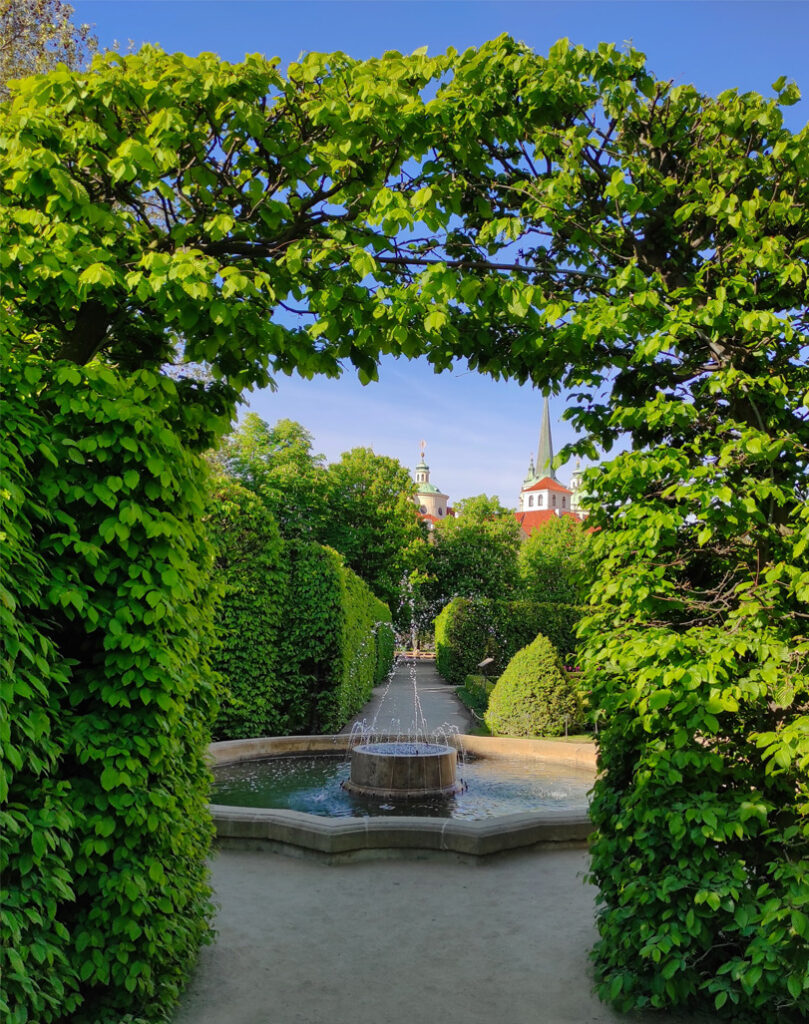
- Wallenstein Garden
-
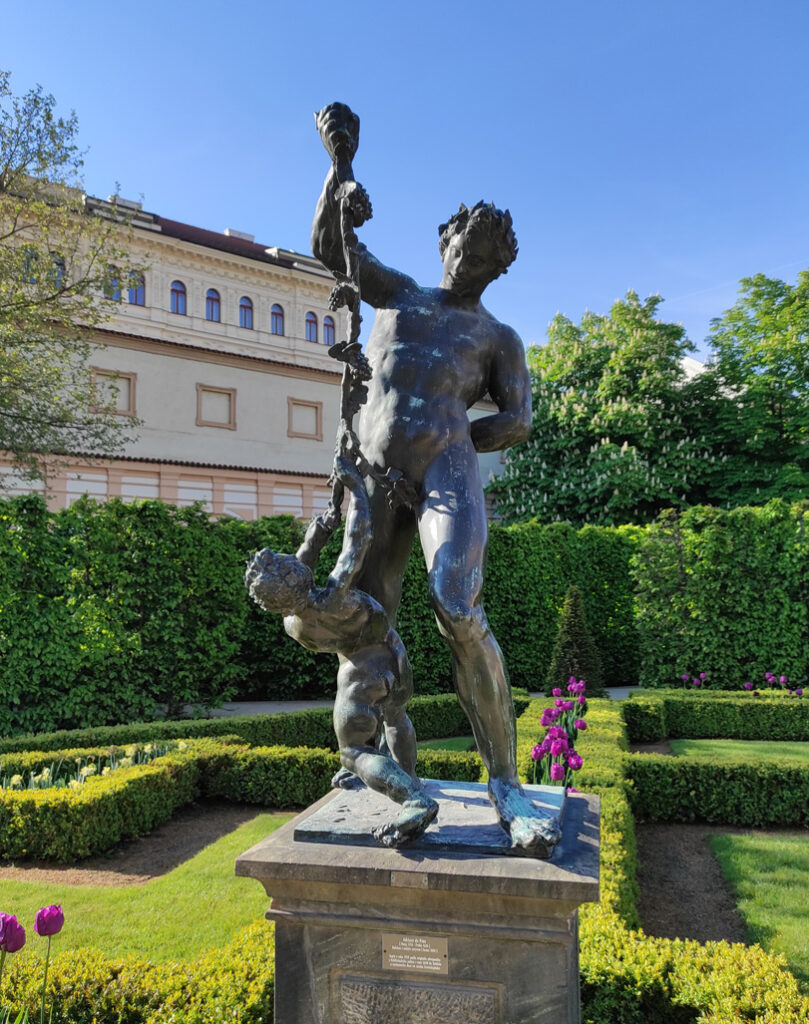
- Wallenstein Garden
-
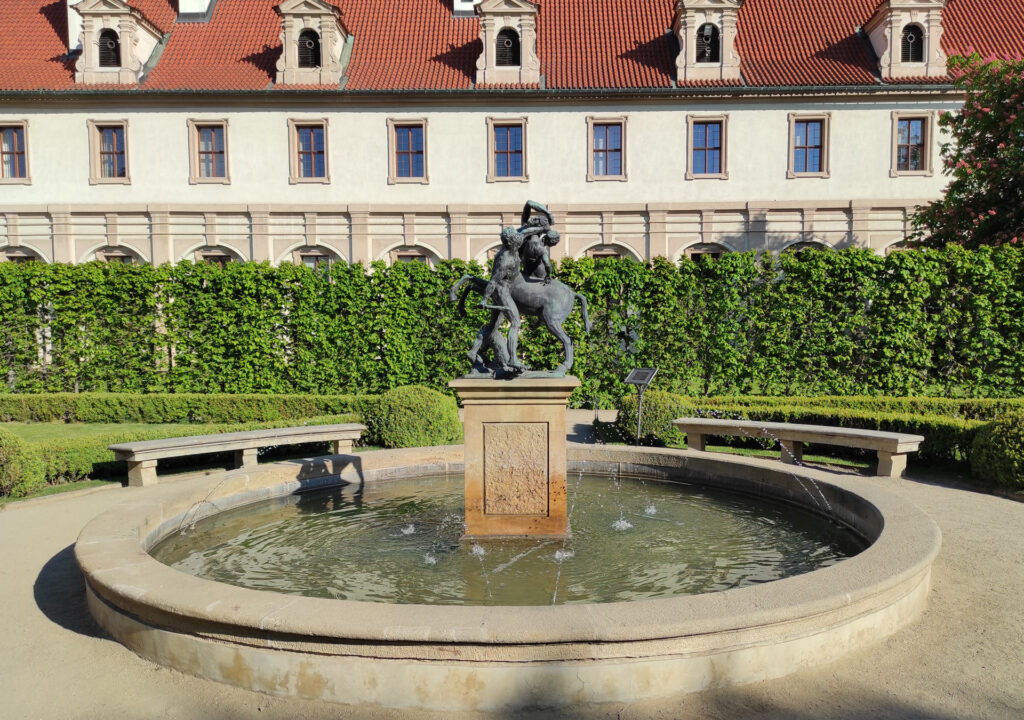
- Wallenstein Garden
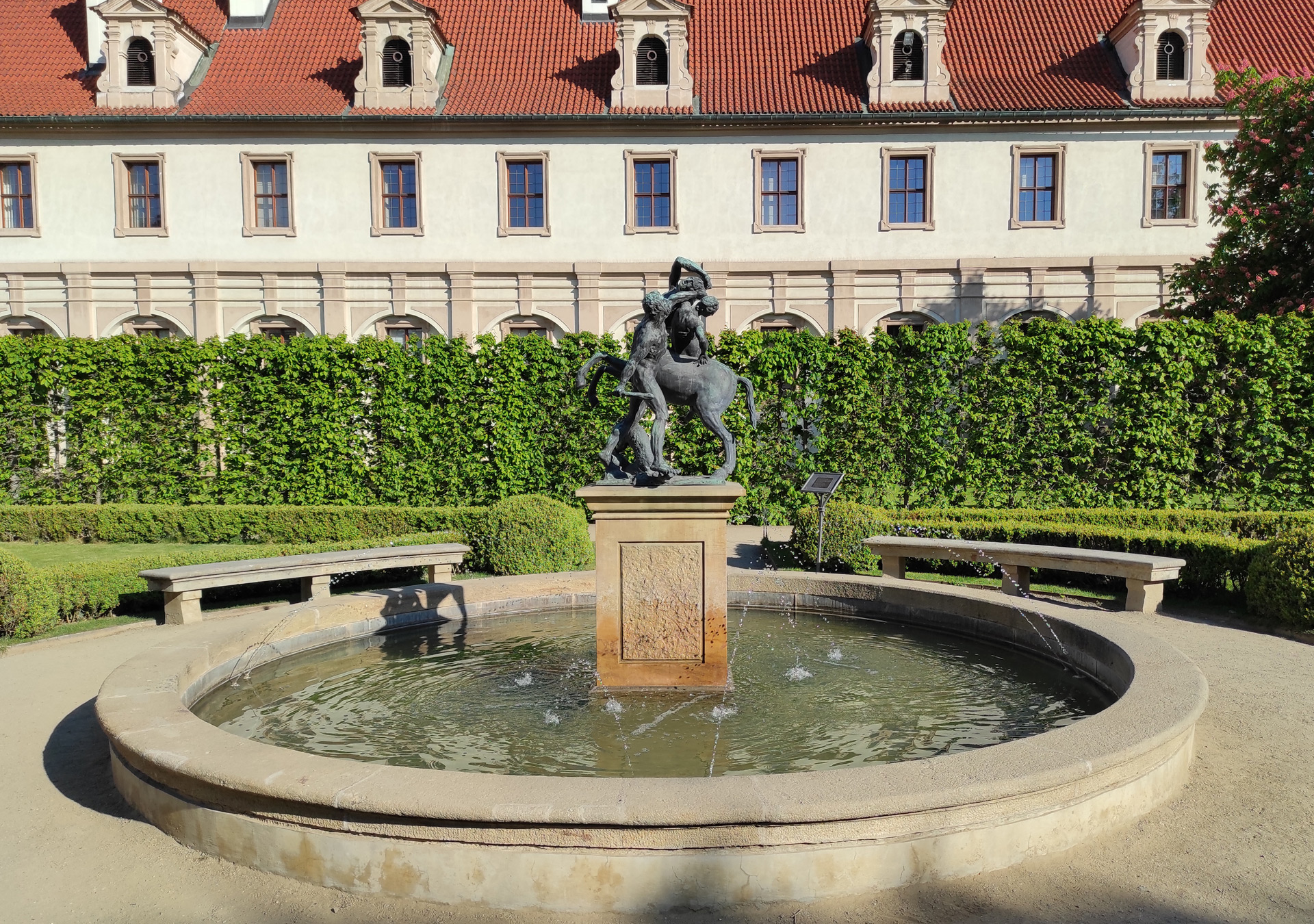
-
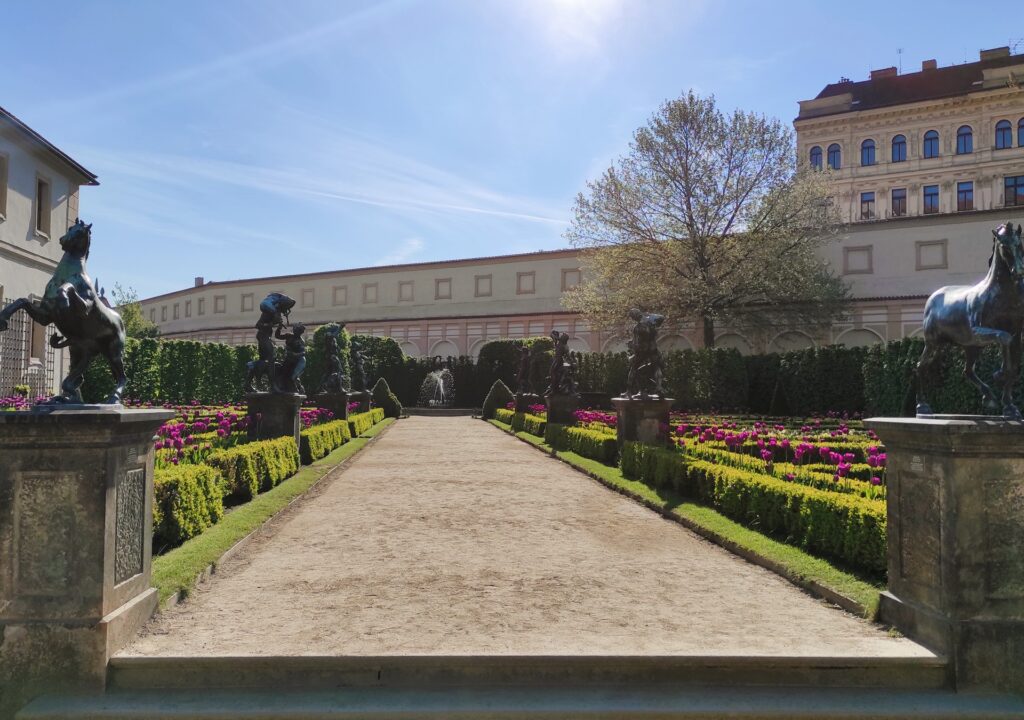
- Wallenstein Garden
Our tip:
If you like music, we recommend following the official website of the Prague Symphony Orchestra FOK, which traditionally opens the season in the garden with a concert featuring film music. You can enjoy the magic of the garden while listening to beautiful melodies—completely free of charge.
Kolowrat Palace
This late baroque palace is named after its last owner, Zdeněk Kolowrat Krakovský, who sold it to the Czechoslovak state. Among the significant events in our history that took place here is undoubtedly the process of the Czech side becoming acquainted with the Munich Agreement in the autumn of 1938.
The most romantic room is perhaps the pink lounge, adorned with white wooden panelling and gold mouldings. The charm of the space is further enhanced by pink fabric wallpaper.
In front of the luxurious green lounge, a copy of the Munich Agreement is displayed, along with panels describing the turbulent history of the occupation period.
Address: Valdštejnská 154, Prague
Liechtenstein Palace on Kampa Island
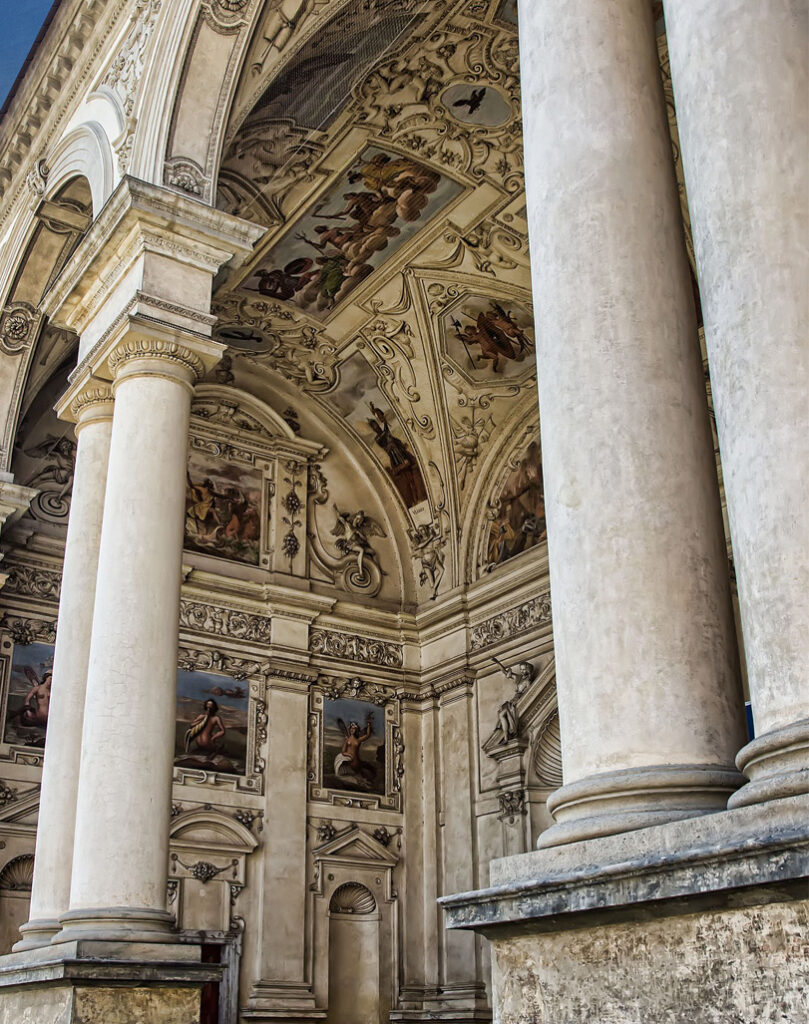
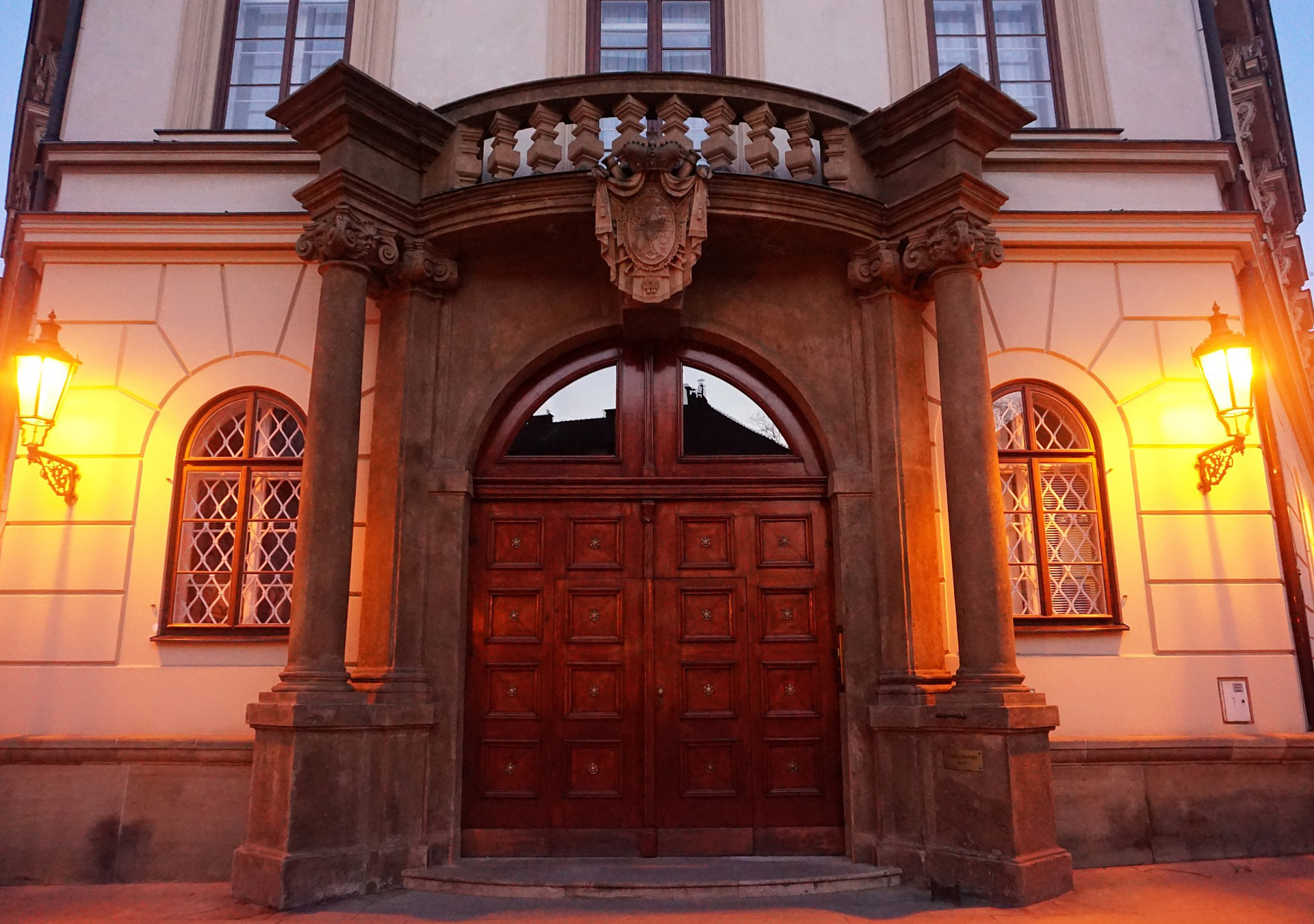
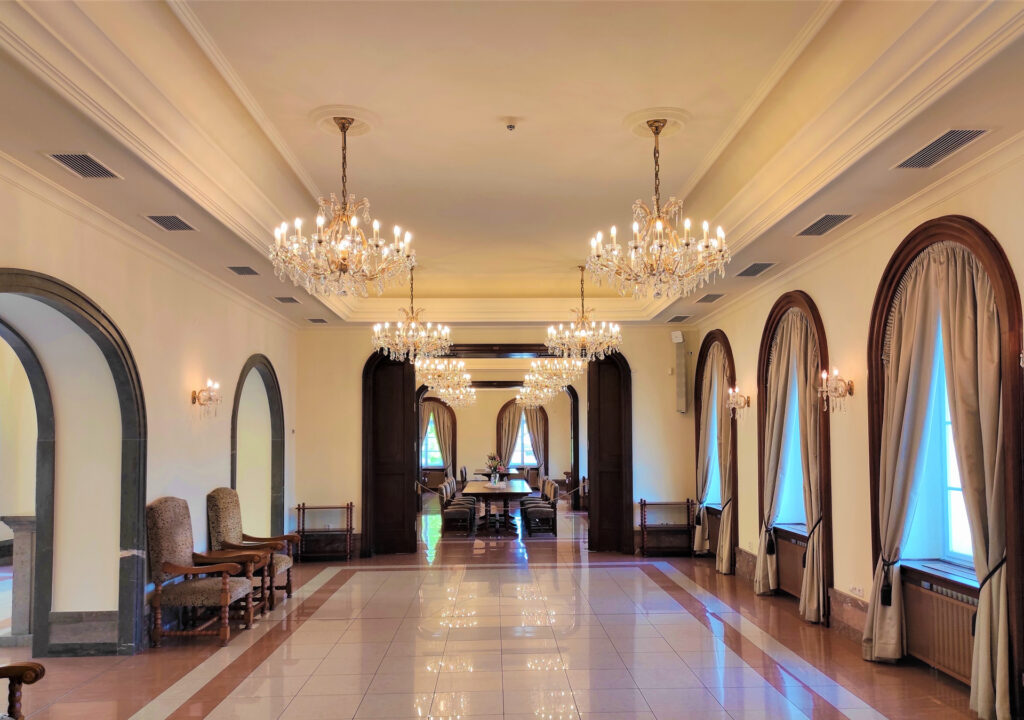
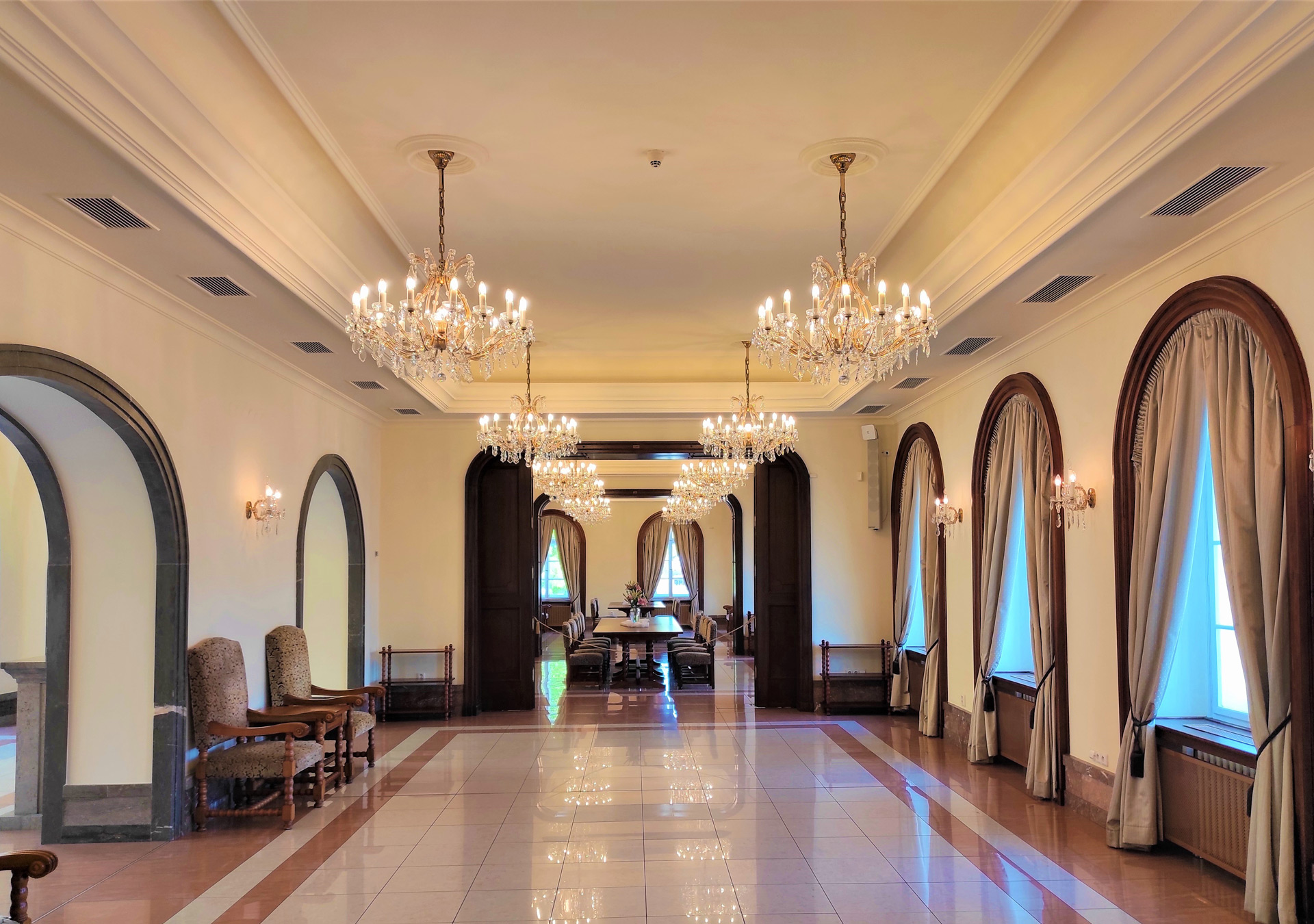
This luxurious palace, currently used by the Czech government for representative purposes, is named after one of its former owners, the nobleman Jan Josef of Liechtenstein, who, among other roles, served as the supreme commander of the Austrian Imperial Army. However, the palace's current classicist appearance was given by a later owner, the miller František Odkolek.
-
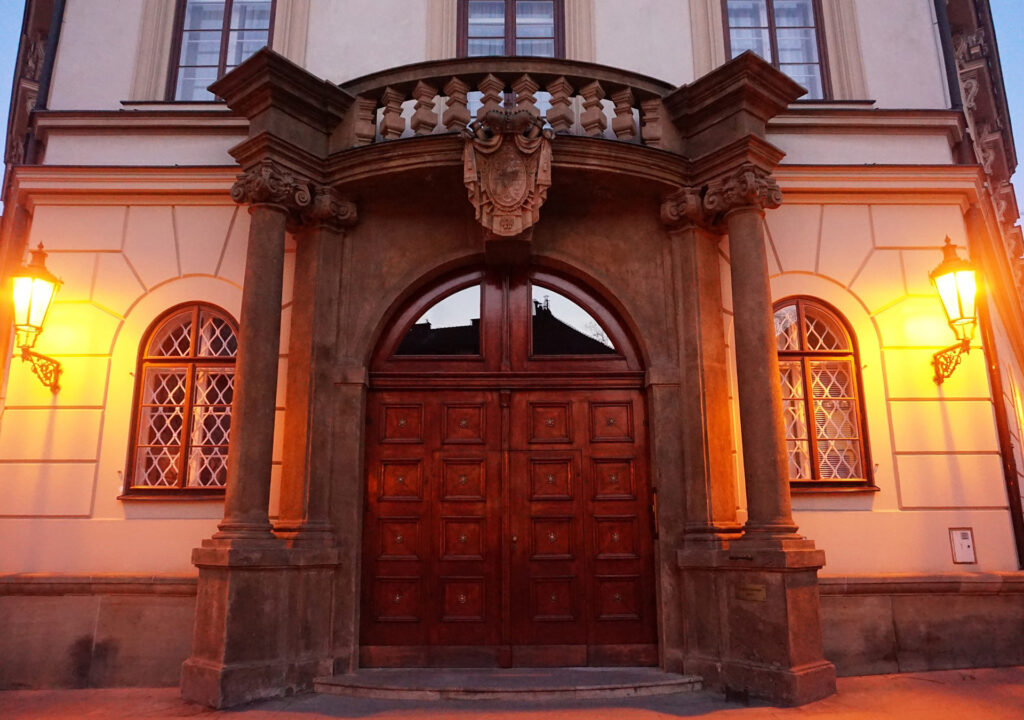
- Liechtenstein Palace
-
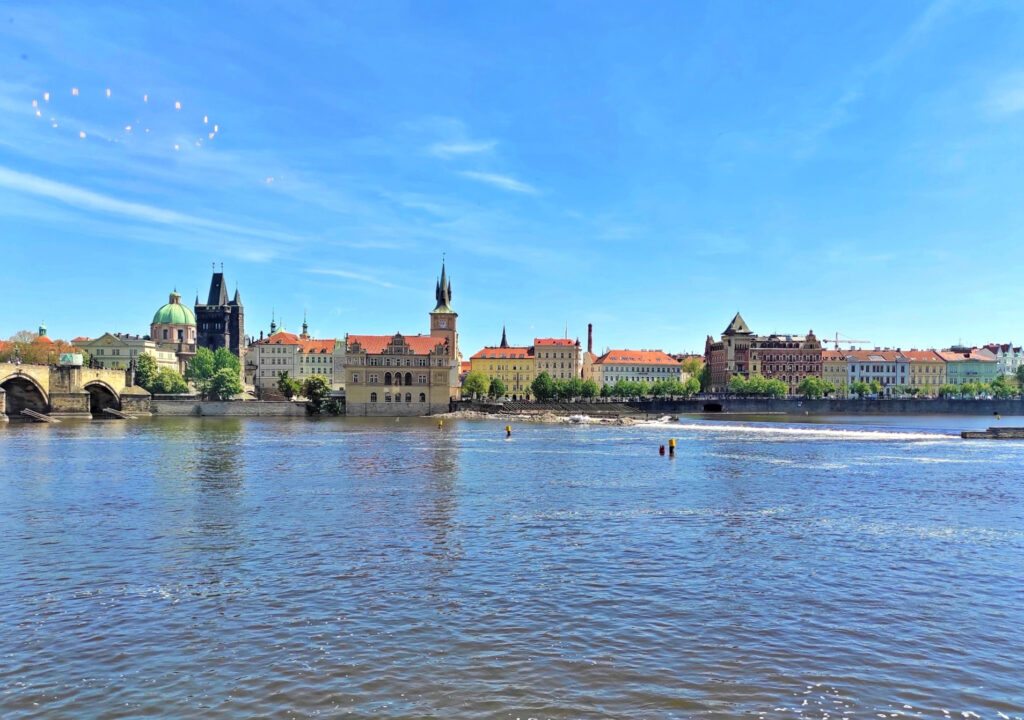
- View from the palace
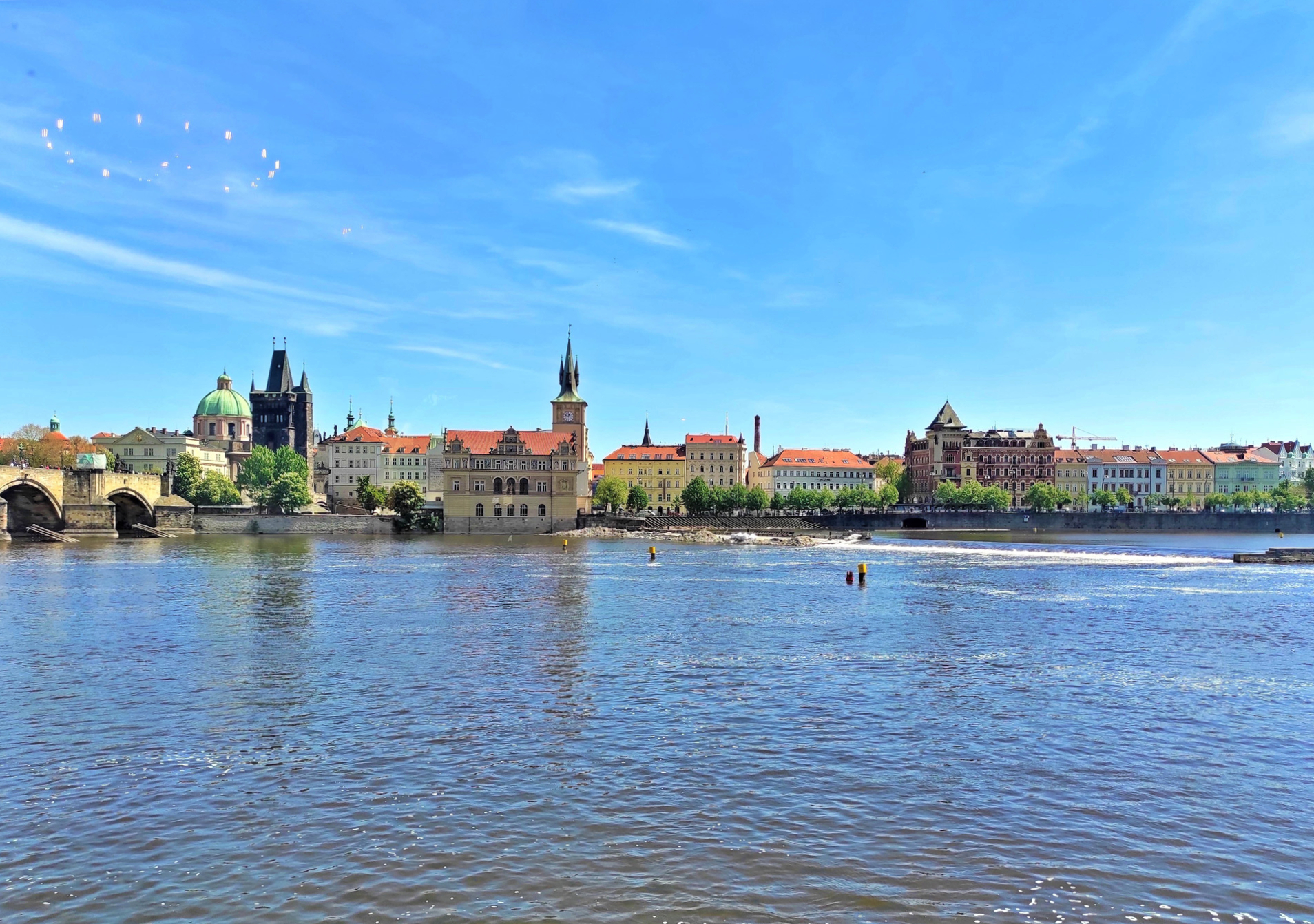
The apartments located on the second floor have hosted distinguished guests during official visits to Prague, such as the Spanish King Juan Carlos and the British Queen Elizabeth II. It’s no wonder that the Czech Republic chose this very building as a dignified place to accommodate important visitors, as the enchanting atmosphere of its representative rooms perfectly blends with the unique view of the Vltava River and the opposite bank.
Address: U Sovových mlýnů 506/4, Prague
-
- Liechtenstein Palace
-
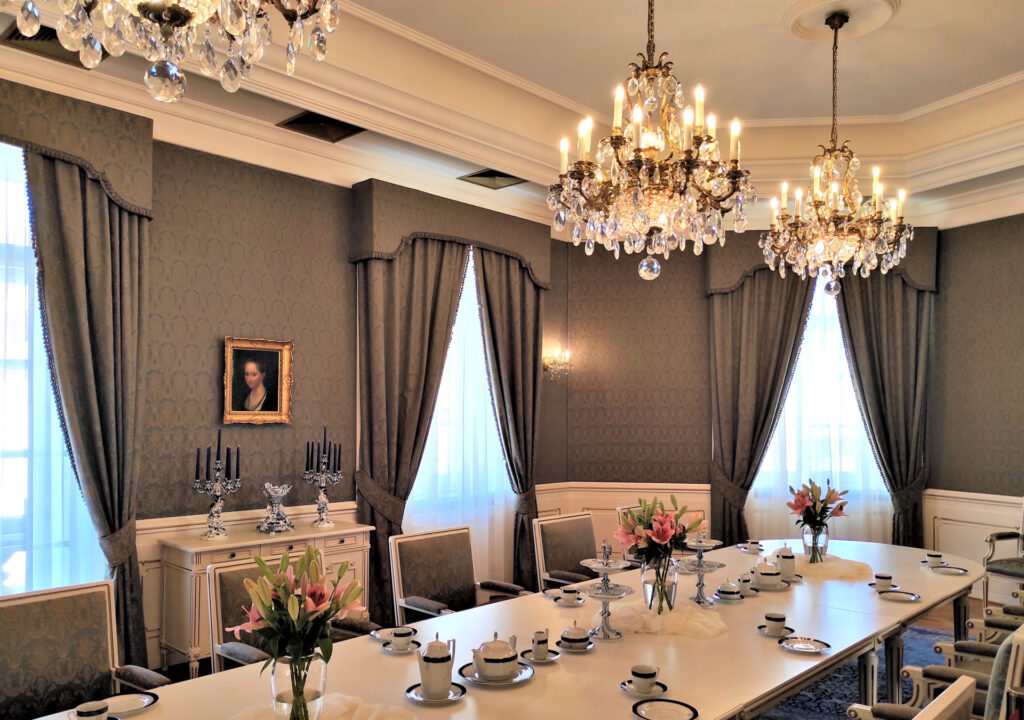
- Liechtenstein Palace
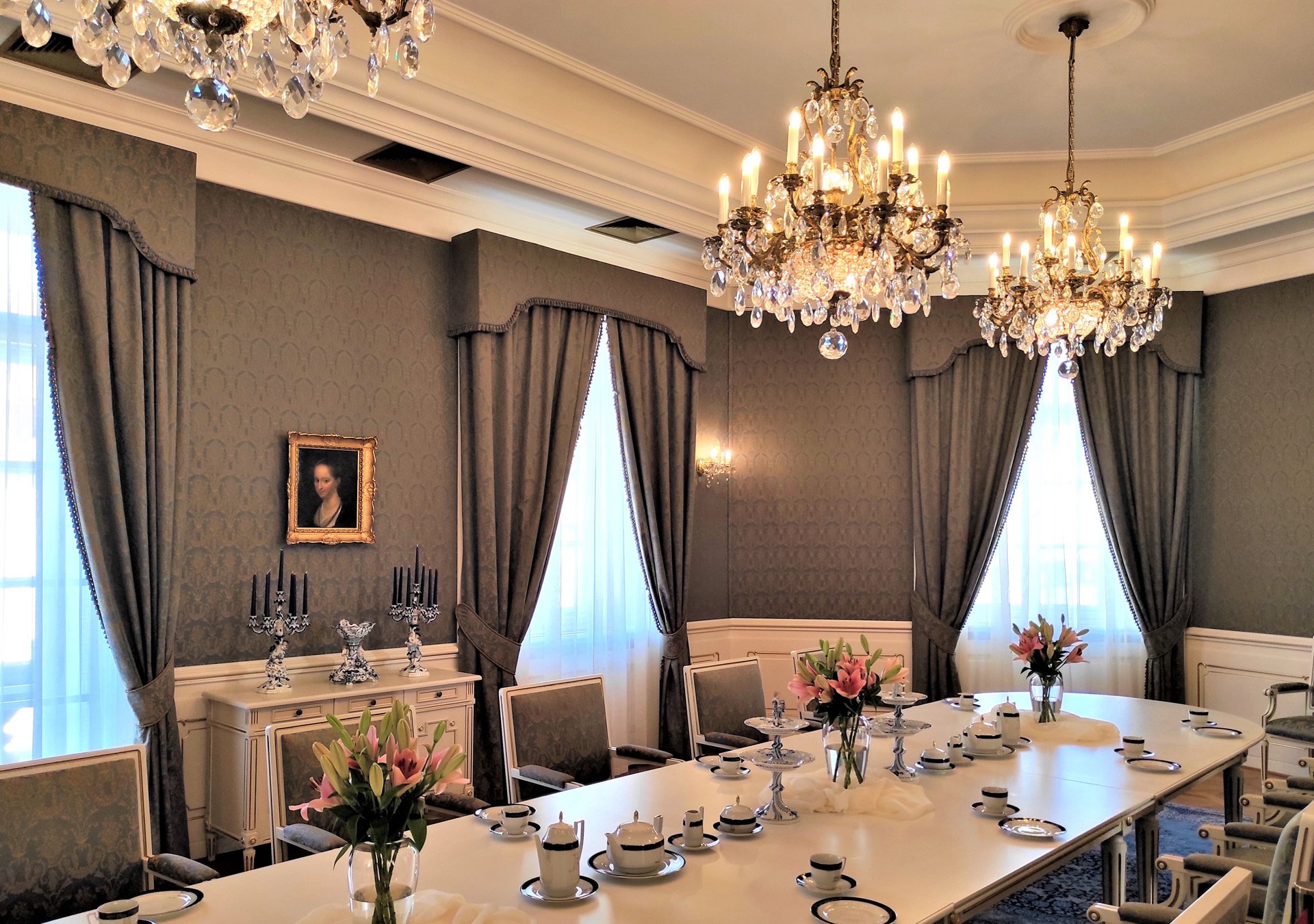
-
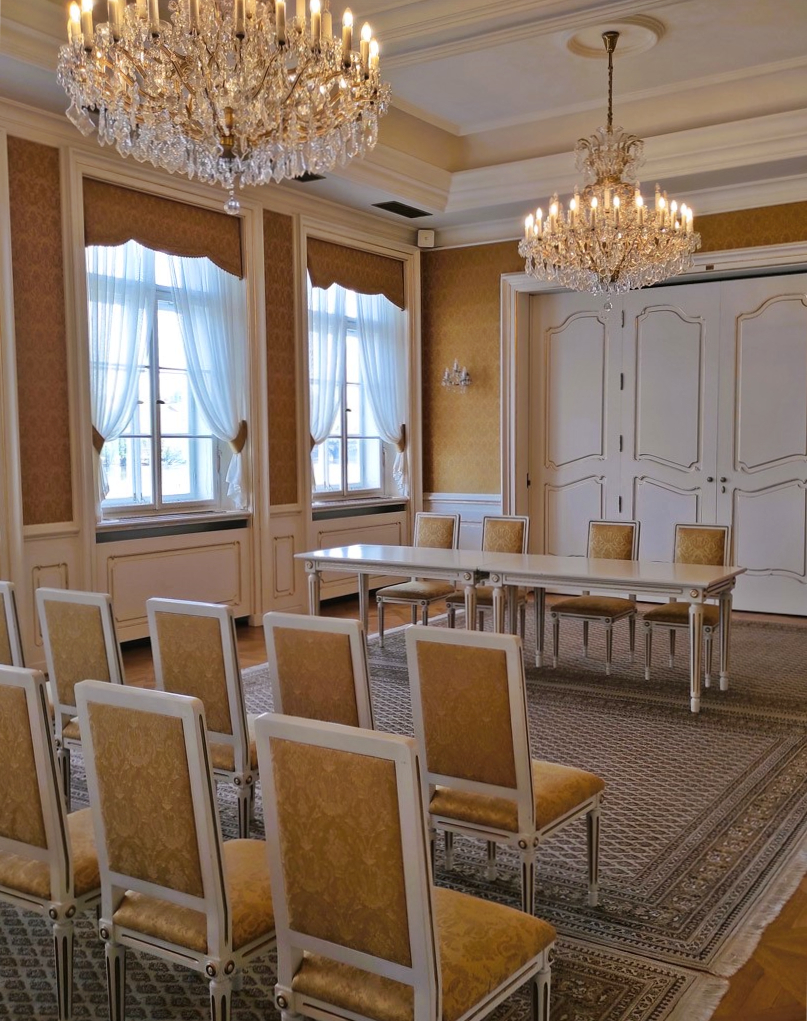
- Liechtenstein Palace
-
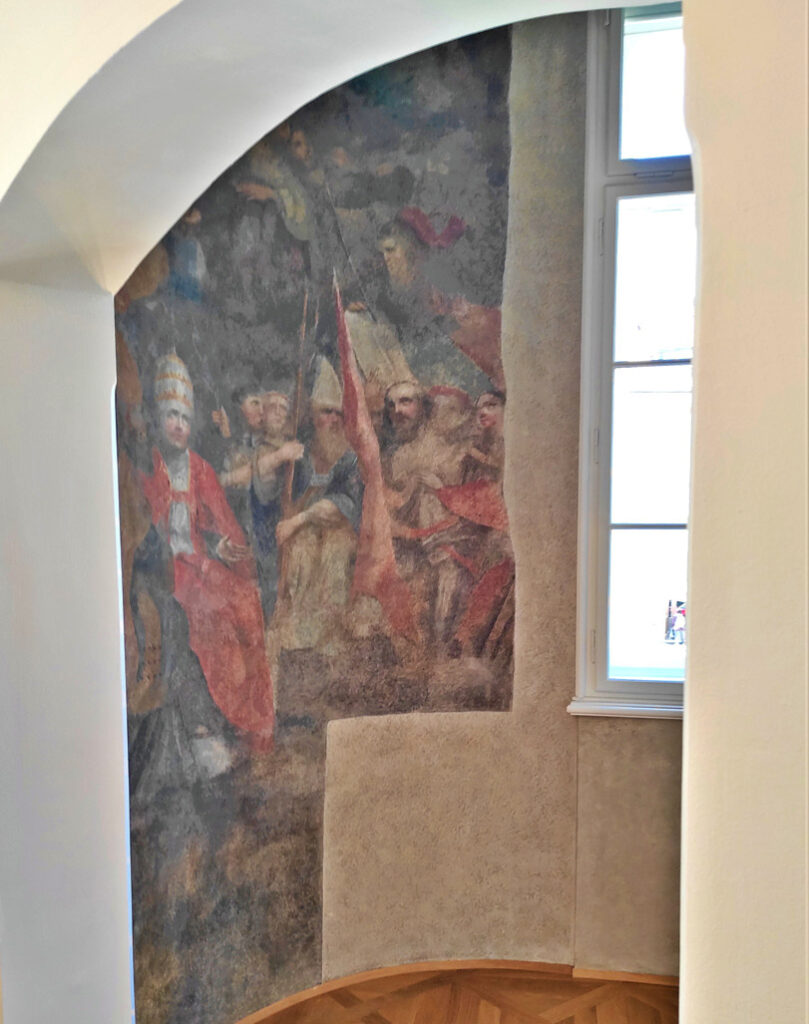
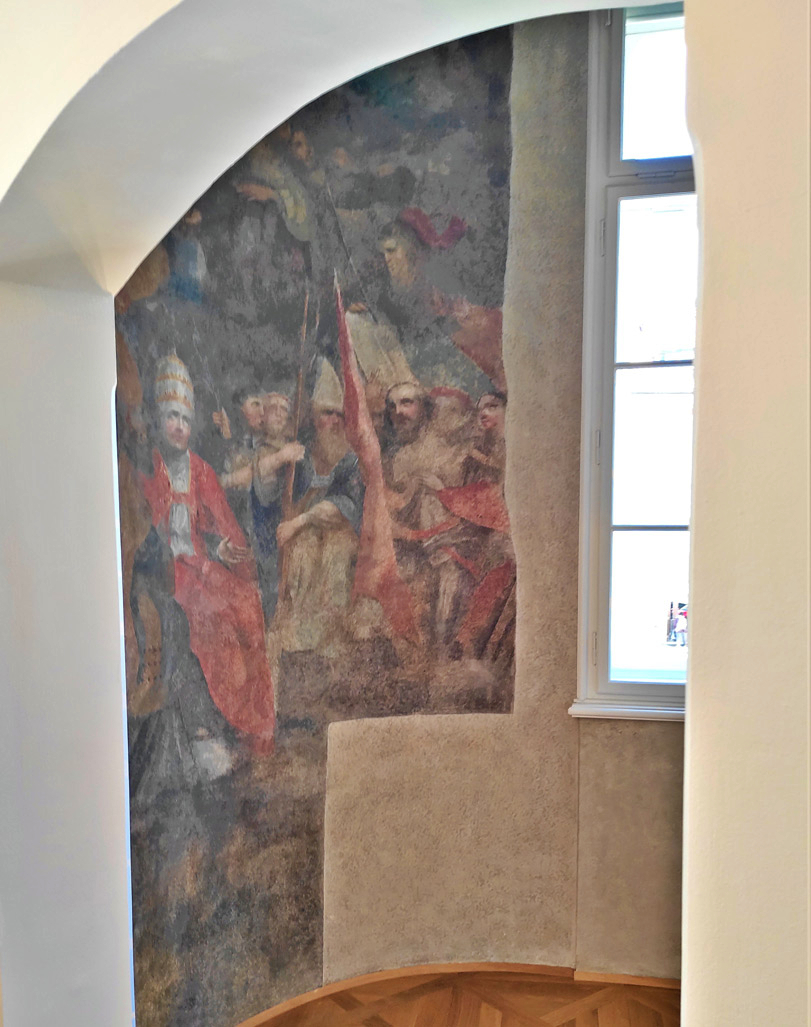
- Fresco in the palace chapel
A few useful tips to conclude:
To visit the palaces, simply arrive about 10 to 15 minutes before the opening time, which is usually at 9 am, and you’ll easily be among the first visitors (around the first 30 people).
The Senate palaces are freely accessible, while visits to the Liechtenstein Palace are only permitted with guides. However, the guides are excellent at answering any curious questions you might have. Photography of the interiors is allowed.
And where can you find information about open days?
Preferably on the official websites of the Government and the Senate. We also recommend that you follow the website "Open Doors Day".