




Next time your journey takes you to the foothills of the Krkonoše Mountains, make a stop in Hořice—a town that will enchant you with its sweet rolls, dramatic history and the beauty of sandstone cliffs. Here, you can indulge, admire and embark on adventurous outings.
Jiří z Poděbrad Square
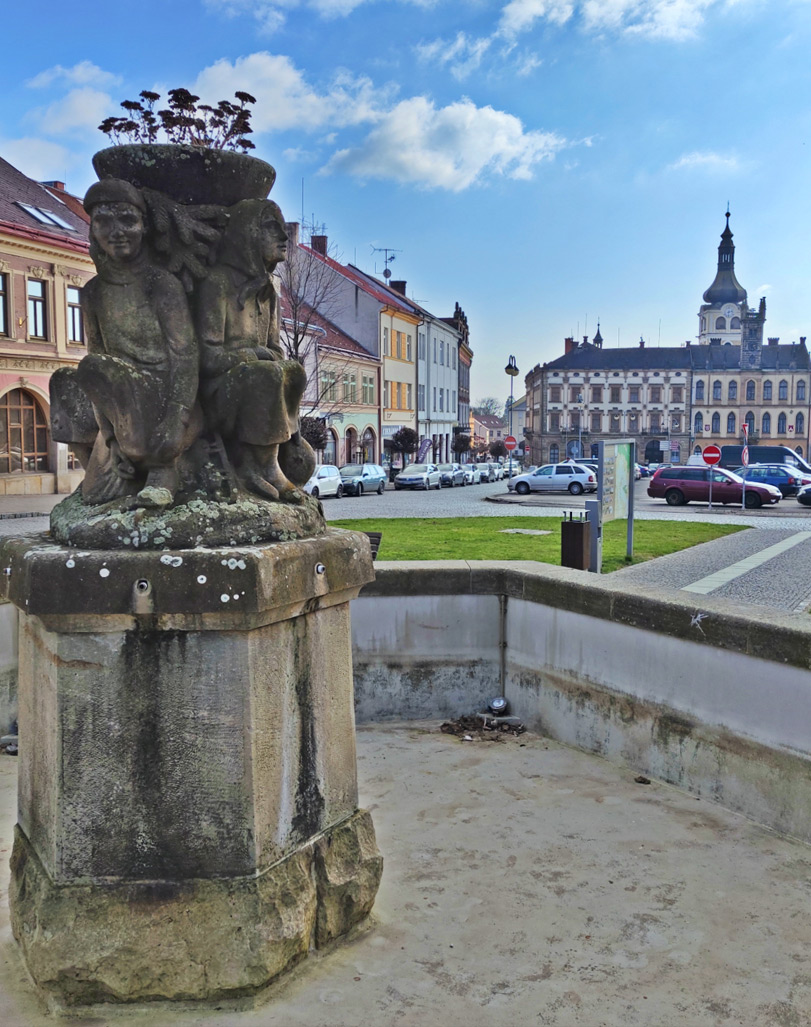
Hořice wouldn’t be the same without this square. Jiří z Poděbrad Square, though slightly irregular, is all the more charming and serves as a living chronicle of the town. Despite being ravaged by fires in the past, it still boasts beautiful buildings that tell tales of bygone eras.
Your attention will immediately be drawn to the Neo-Gothic town hall from 1872, which, along with the elegant Municipal House, dominates the square. As you walk by, take note of the 18th-century pillory —a silent witness to the bygone punishments.
The square also features a Marian column that survived the hardships of the 20th century and now once again overlooks the town’s bustle. And if you’re looking for a moment of relaxation, the Four Seasons Fountain in the northern part will captivate you—a perfect spot for a peaceful break amid the urban hustle.
Our tip:
The square isn’t just a great starting point for exploring the town, but you can also park here without any hassle or fees.
-
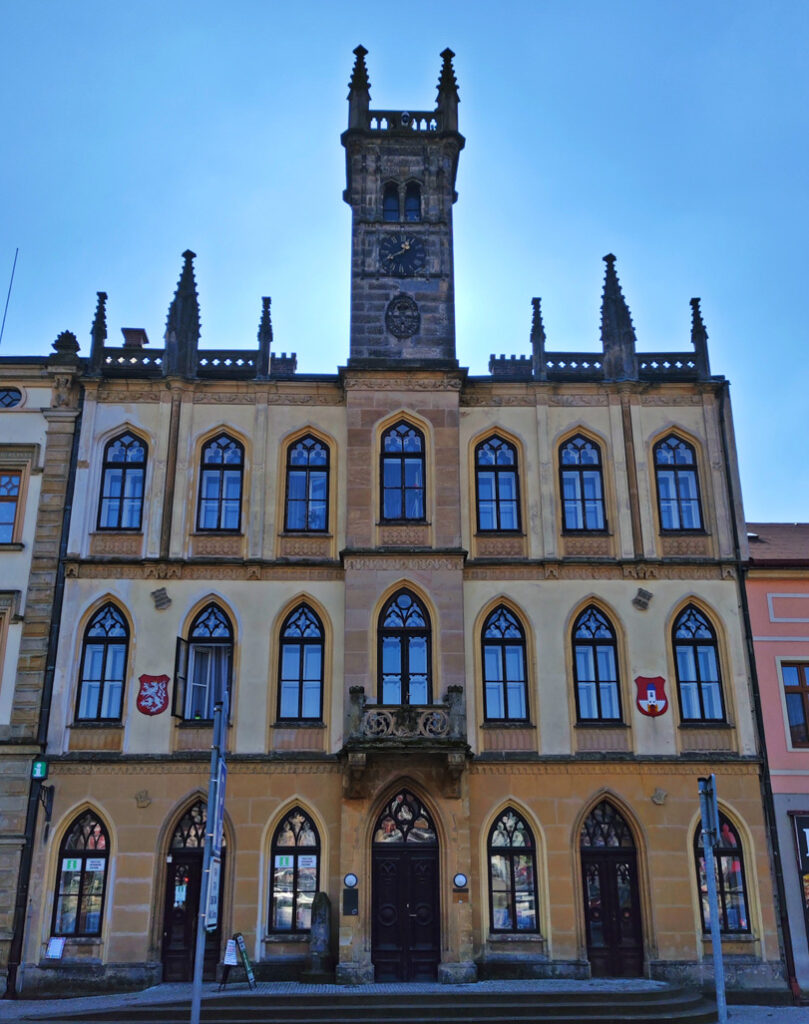
- Neo-Gothic town hall
-
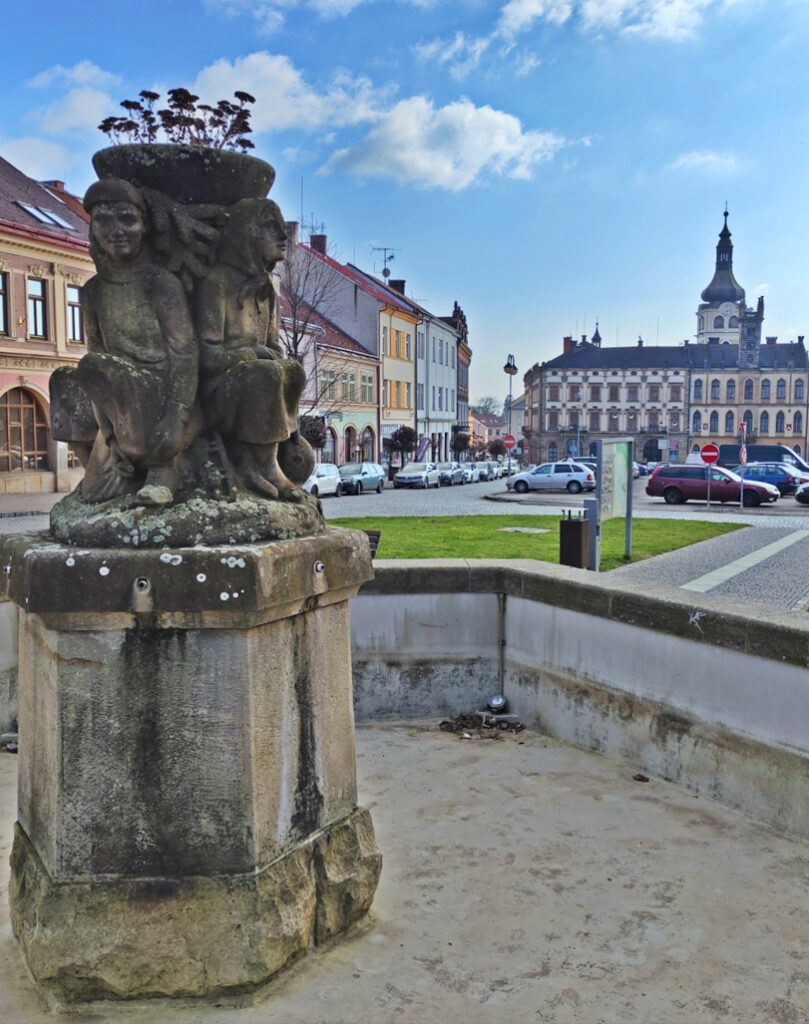
- Four Seasons Fountain
Hořice Municipal Museum and Gallery
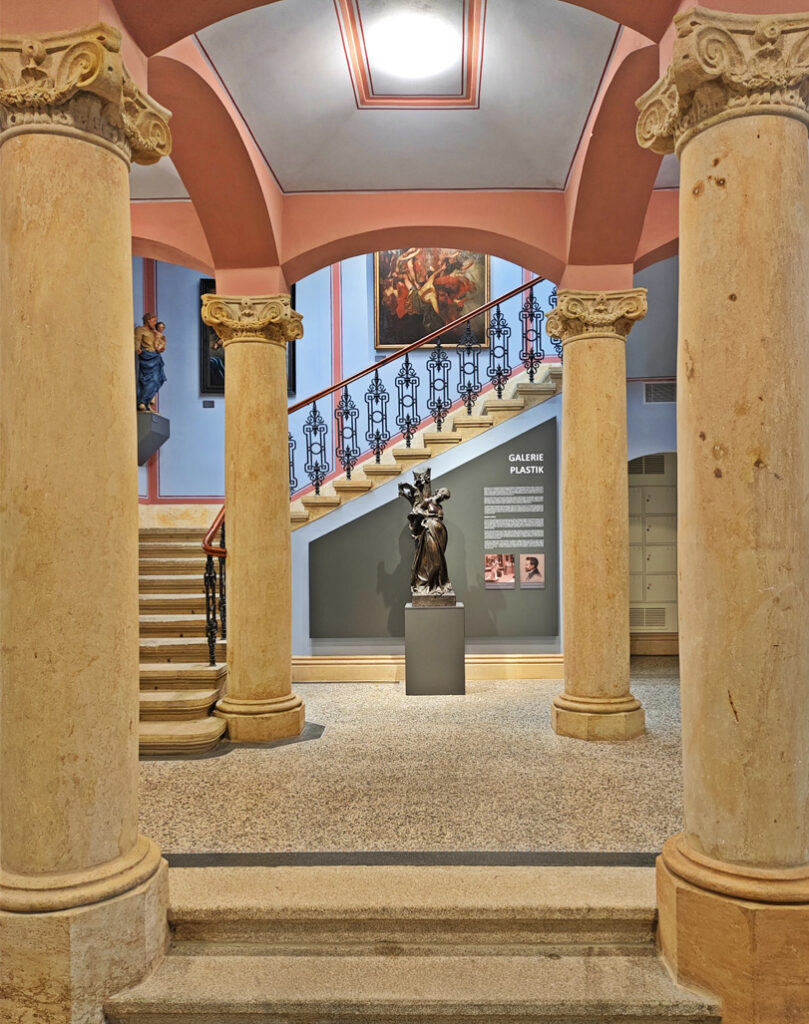
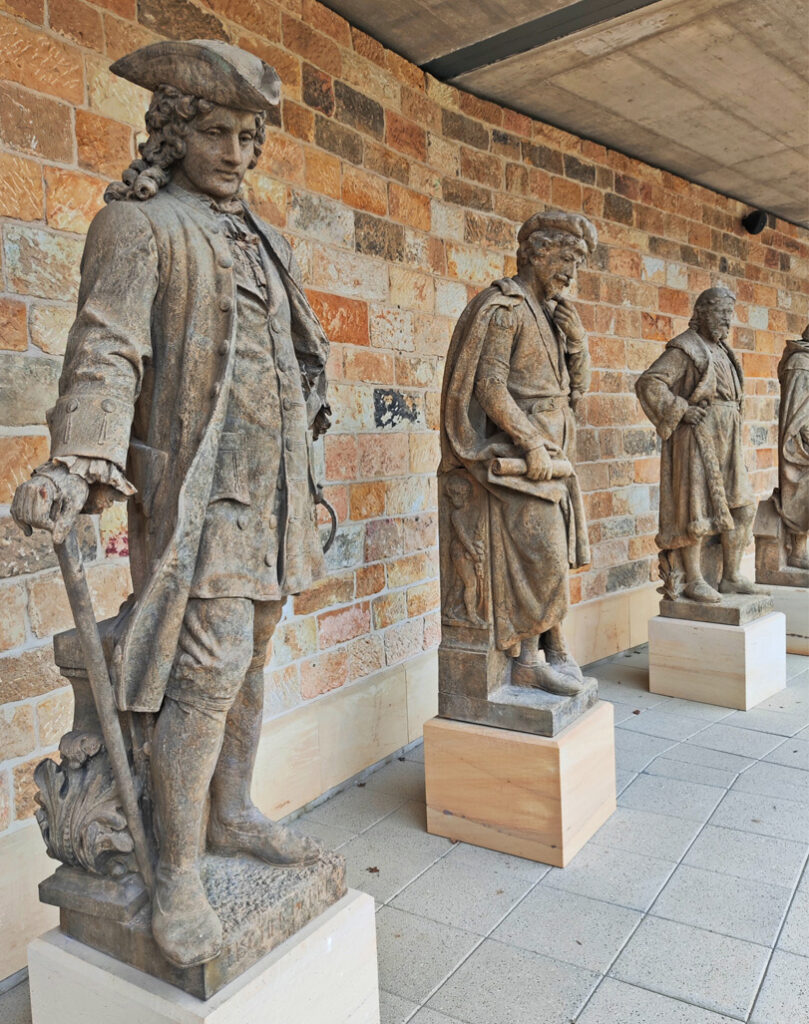
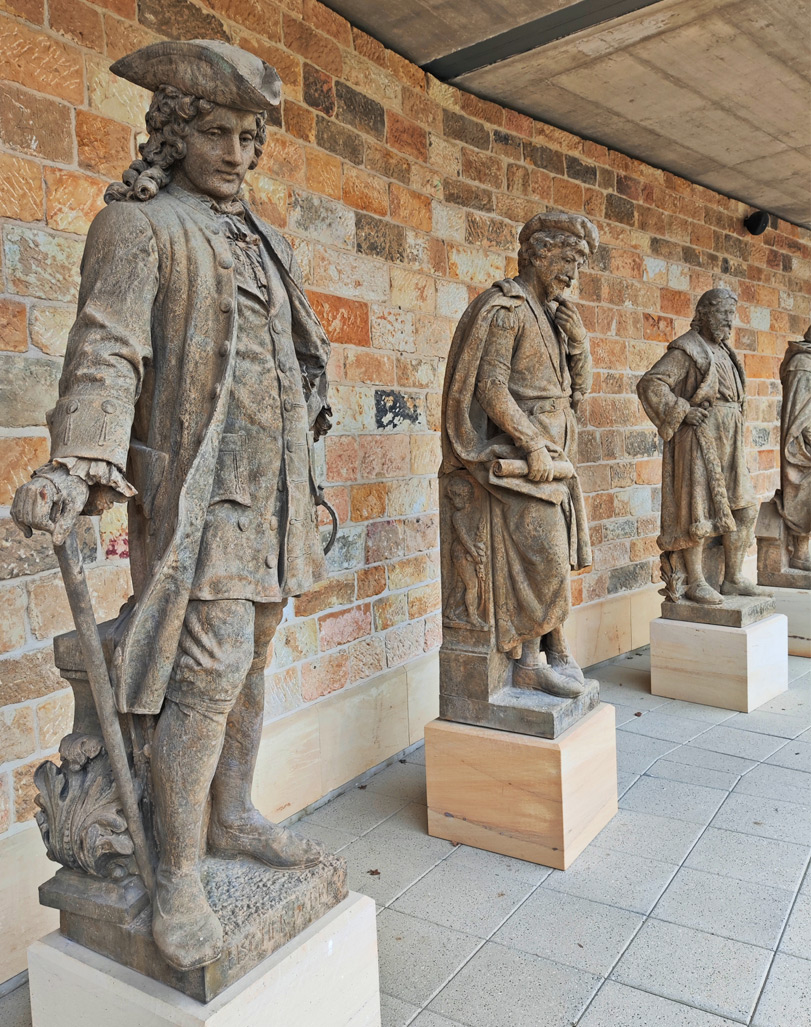
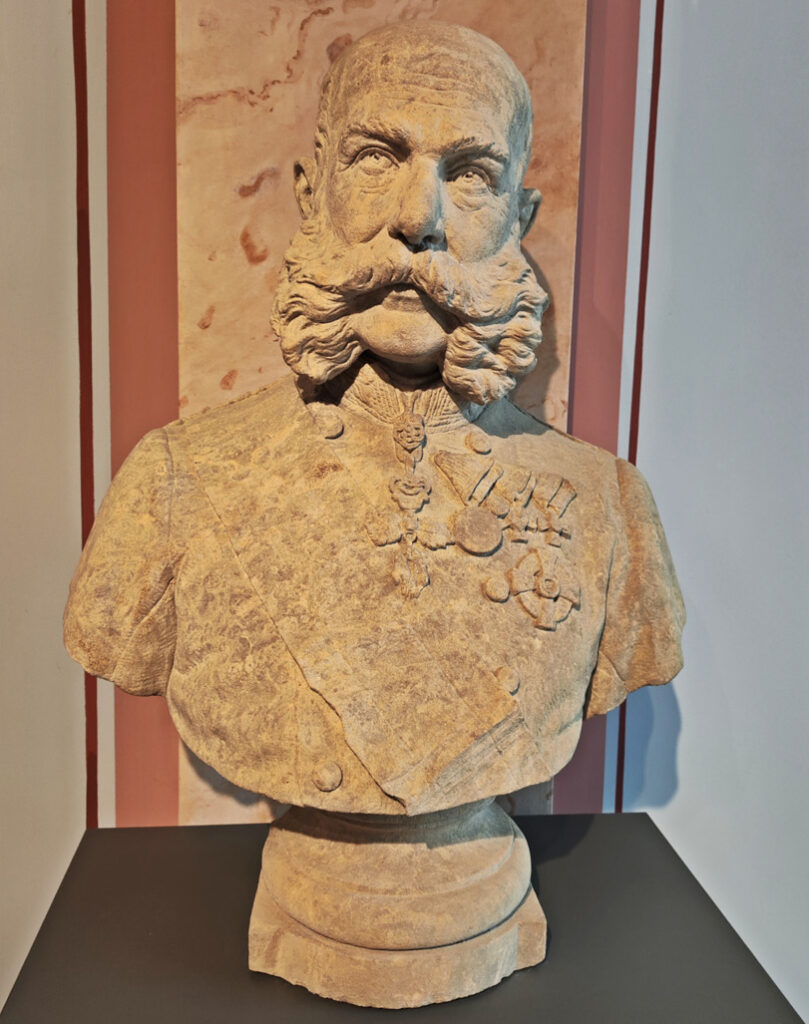
The Hořice Museum, founded in 1887 by passionate history enthusiasts, boasts rich collections and fascinating stories. It began as a small association dedicated to rescuing valuable artifacts from destruction, and today, it offers captivating exhibits ranging from archaeology to art.
The biggest turning point came in 1942 when the museum acquired a magnificent sandstone building on the town square—finally providing enough space for its treasures. Add to that the unique Štorch Hall, dedicated to the famous author of prehistoric novels, and you get a place where history and culture intertwine.
-
- The Hořice Museum
-
- The Hořice Museum
The museum is not just a treasure trove of the past but also a vibrant hub of living culture. Throughout the year, it comes alive with fascinating exhibitions, unique events and unforgettable experiences. Plus, the friendly staff is always happy to offer advice and share interesting details—don’t hesitate to ask.
Address: náměstí Jiřího z Poděbrad 160, Hořice v Podkrkonoší
-
- The Hořice Museum
-
- The Hořice Museum
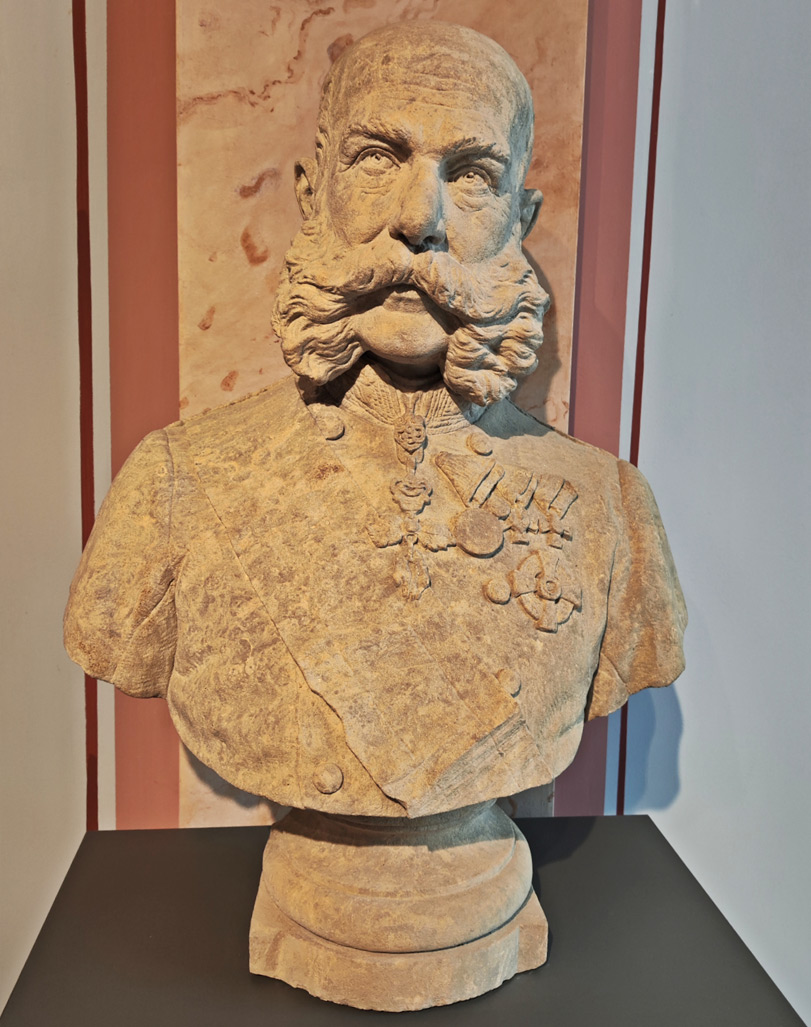
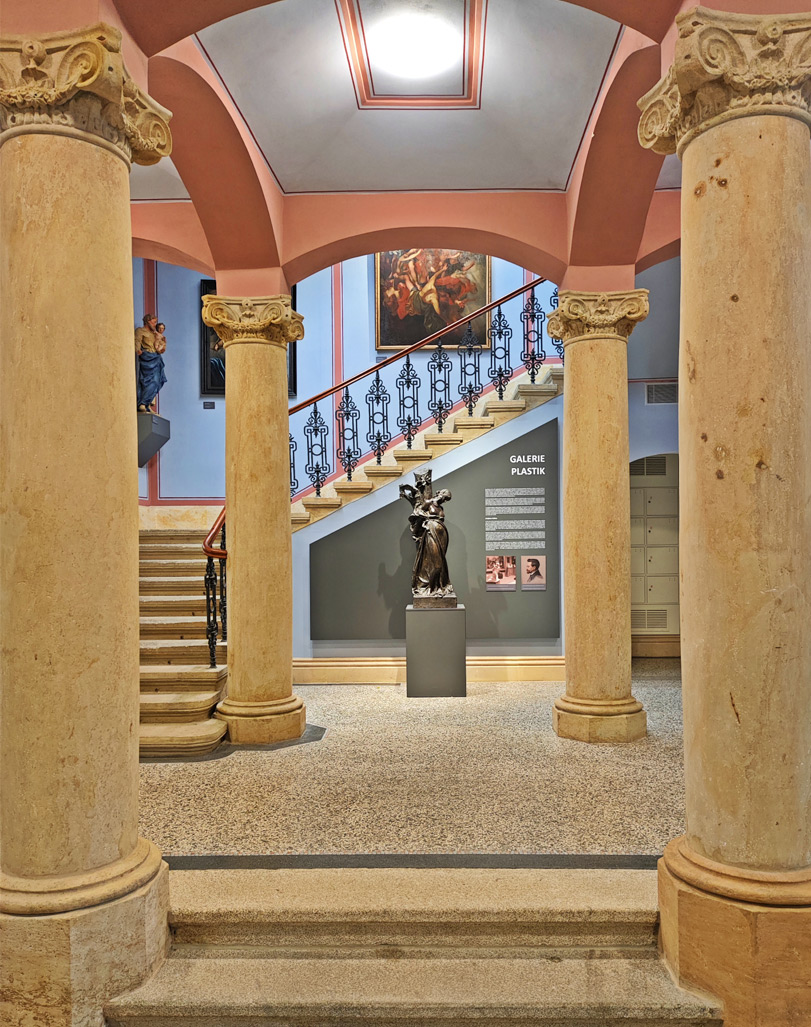
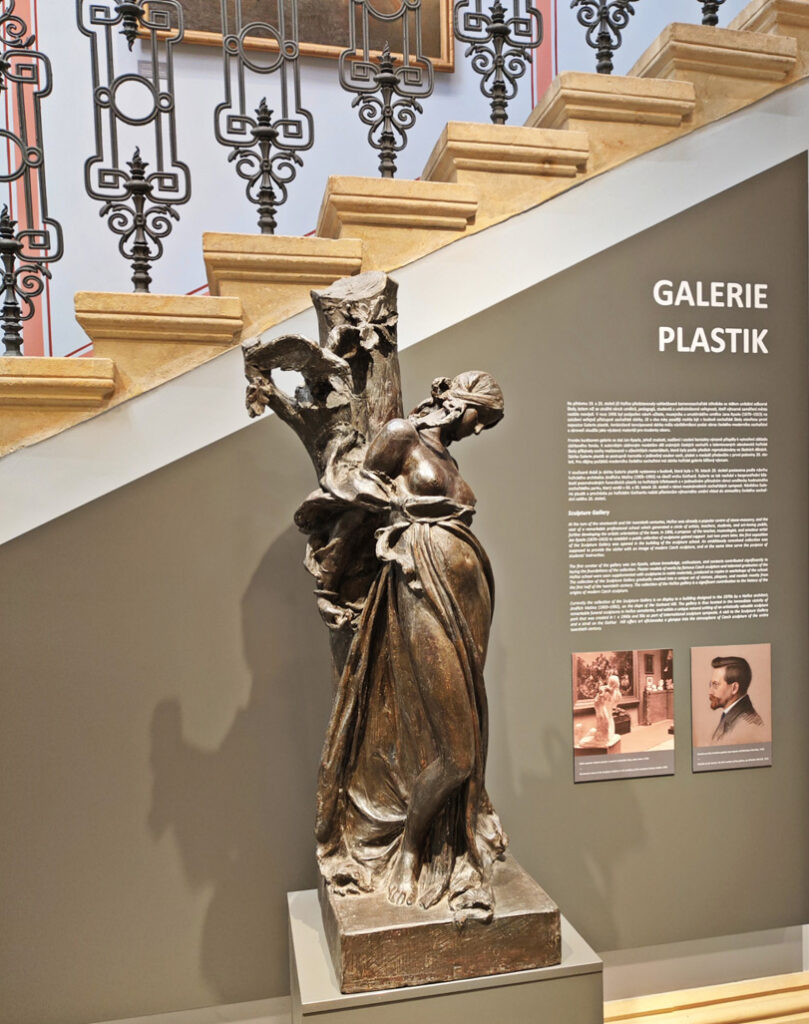
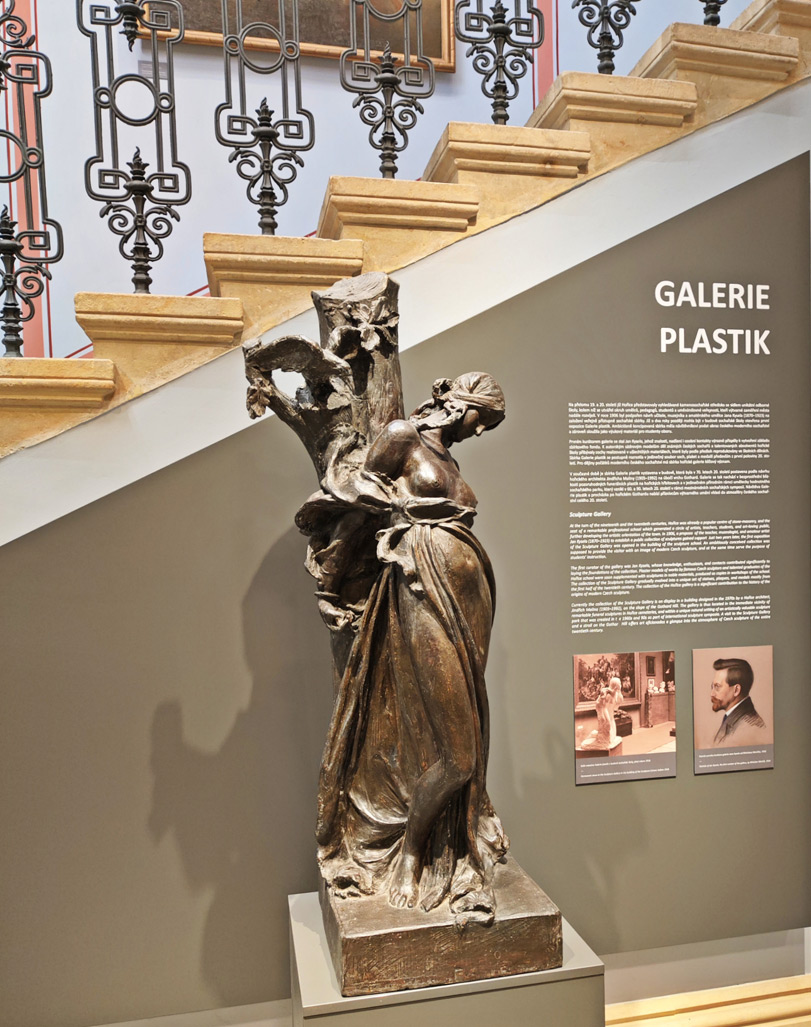
The Sculpture Gallery is a treasury of Czech sculpture. Since 1908, it has gathered unique works ranging from Art Nouveau masters (Šaloun, Bílek, Sucharda) to classical modernists (Štursa, Wagner). The local stonemasonry tradition and the renowned sculpture school have given the gallery its distinctive character—here, you’ll discover marble, granite and sandstone masterpieces. The collection also includes paintings and graphic works by artists connected to Hořice. A paradise for all art lovers.
Address: Gothardská 1639, Hořice v Podkrkonoší
Church of the Nativity of the Virgin Mary
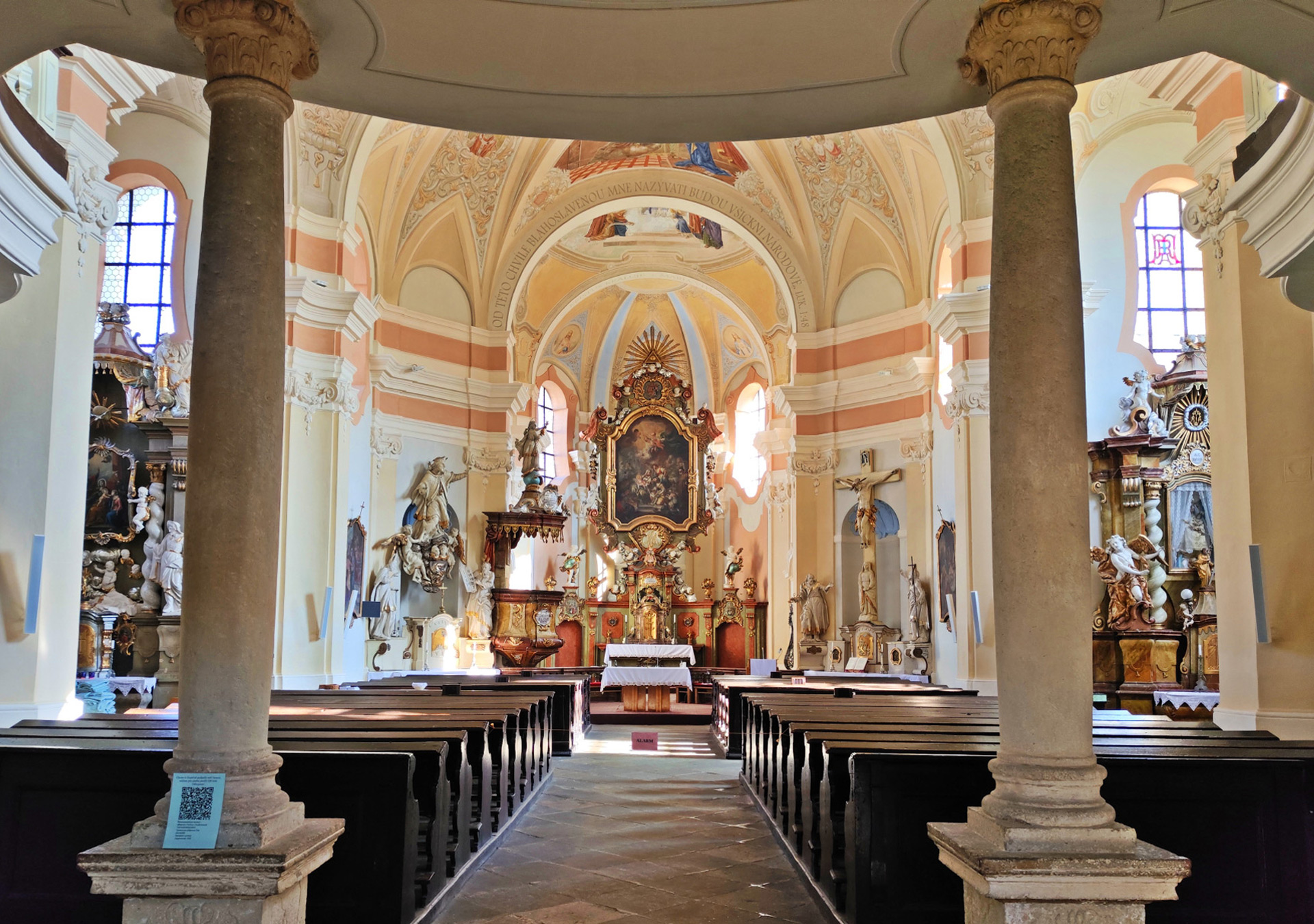
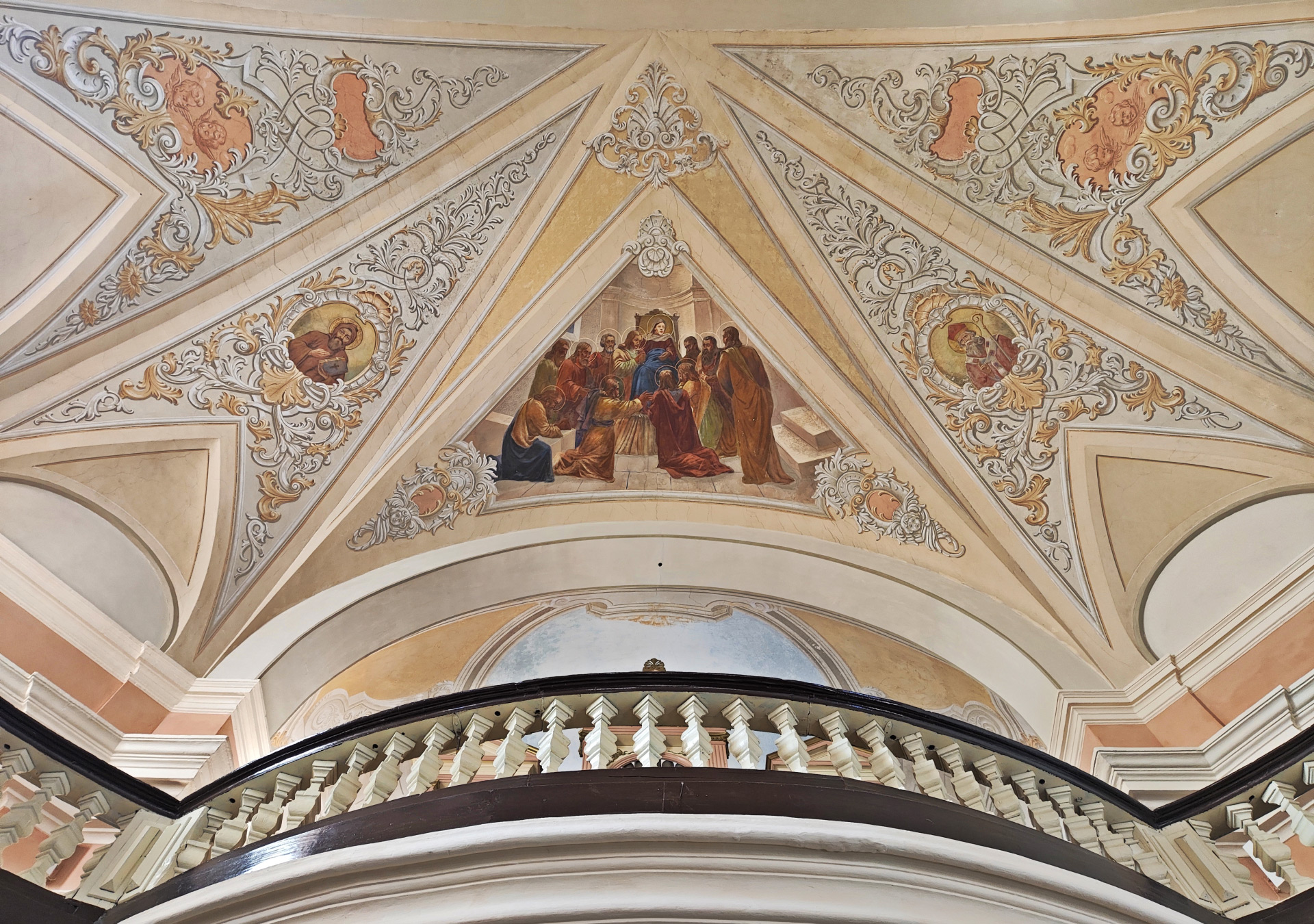
Hořice hides one of the most valuable Baroque monuments—the Church of the Nativity of the Virgin Mary, a masterpiece by the renowned architect Kilián Ignác Dientzenhofer. Built in the 18th century on the site of an original Gothic chapel that was destroyed in a fire, the church now attracts visitors not only with its majestic silhouette but also with its rich history.
The church will enchant you with its Gothic tower, arcaded gallery and distinctive onion dome. Inside lies a treasury of Baroque and Classical art, including rare sculptures crafted by students of Matyáš Braun, who brought their masterful skills from nearby Kuks.
And here’s another interesting fact: In 1820, the parents of Czech composer Bedřich Smetana were married here.
The church is open during services, but if you’d like a more detailed tour, stop by the Hořice Tourist Information Centre.
Church address: Jungmannova, Hořice v Podkrkonoší
Tourist Information Centre address: náměstí Jiřího z Poděbrad 3, Hořice v Podkrkonoší
-
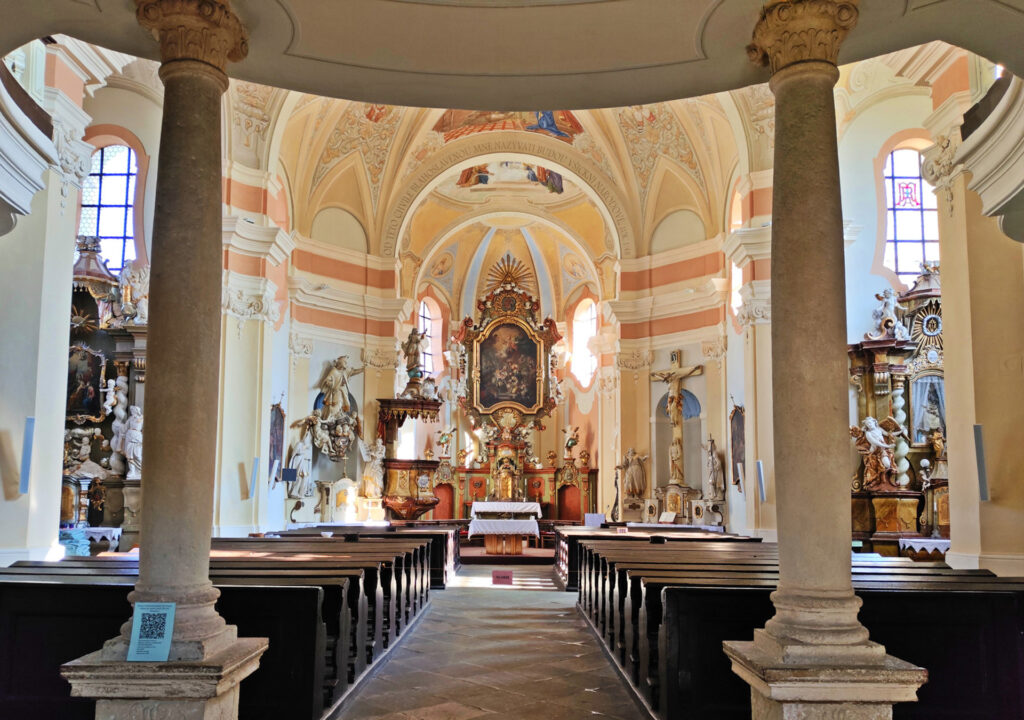
- Church of the Nativity of the Virgin Mary
-
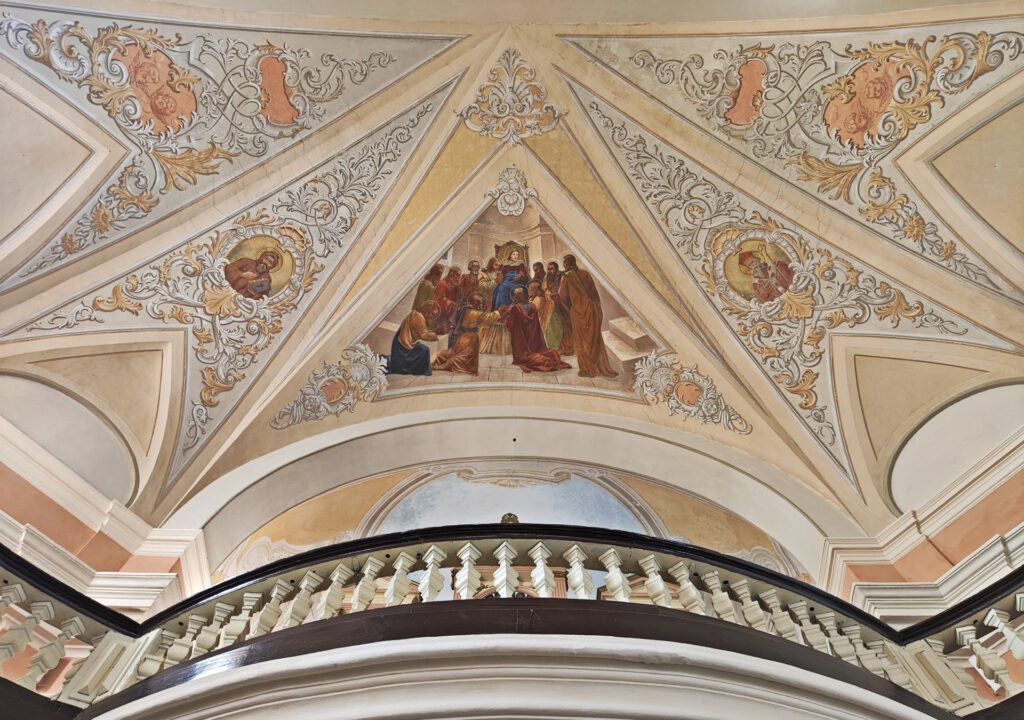
- Church of the Nativity of the Virgin Mary
Sculpture and Stonemasonry School
Hořice is like an open-air gallery. Thanks to its rich sculpting tradition, art greets you at every corner.
In the centre, where Husova Street meets Komenského Street, you’ll come across the iconic Man of Labour statue, which has become one of the town’s symbols. Its expression and dynamic pose tell a story of determination, hard work and the pride of manual labour. When you see it, you’ll understand why Hořice takes such pride in its sculpting heritage.
A little further down Komenského Street stands the monument to the "Teacher of Nations," J. A. Comenius—a symbol of wisdom and education that fits here like a natural ornament.
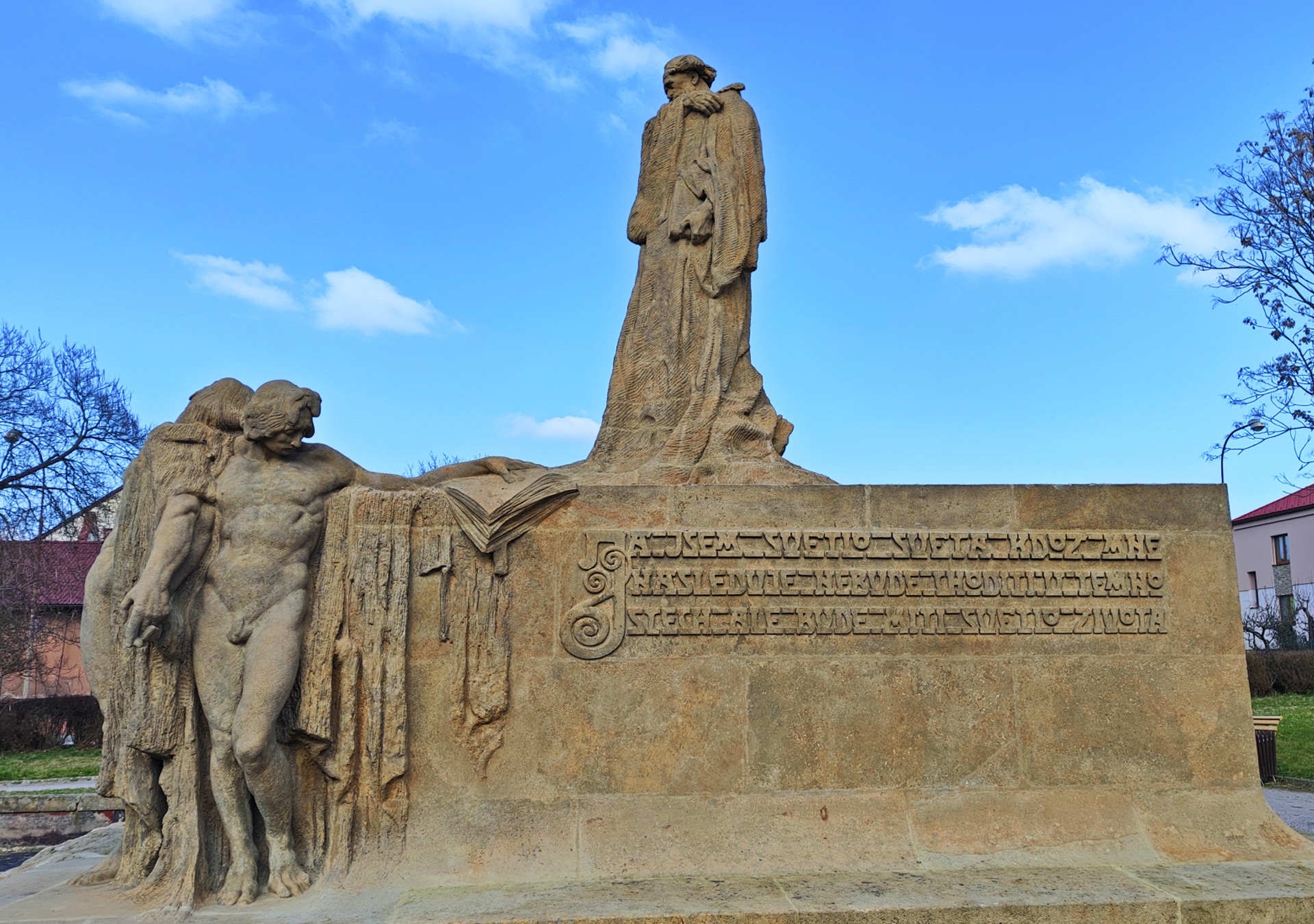
What captivated us the most was the imposing monument to Master Jan Hus, standing at the intersection of Husova and Šalounova Streets. Its dramatic silhouette against the sky commands respect and serves as a reminder of the legacy of the Czech reformer.
-
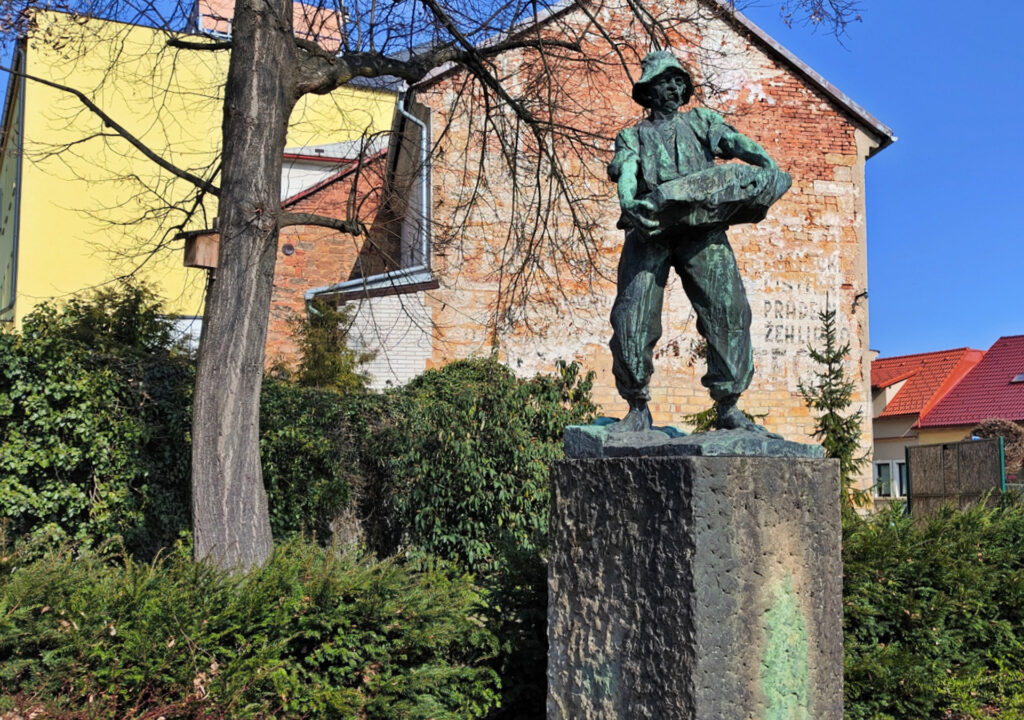
- Man of Labour
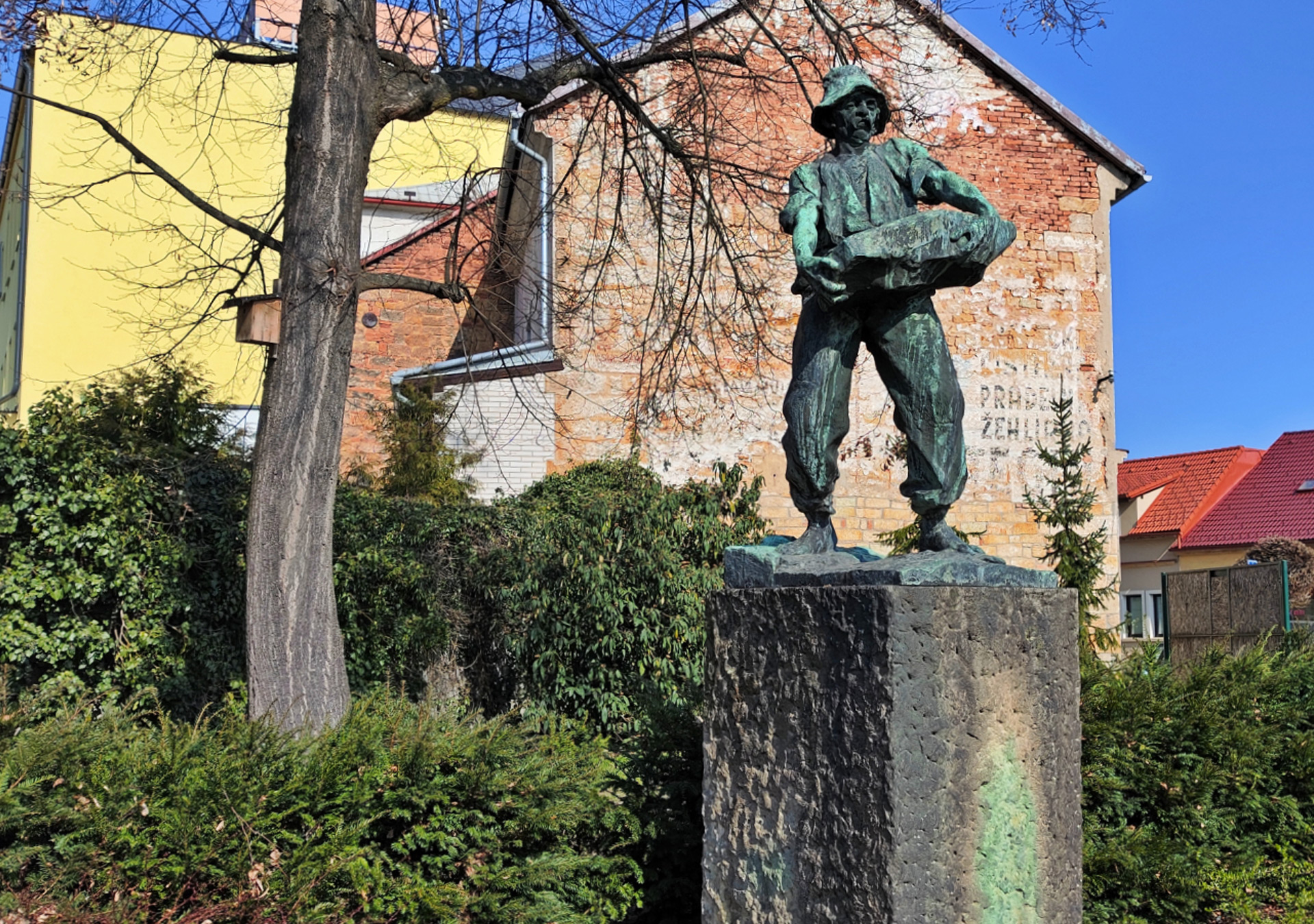
-
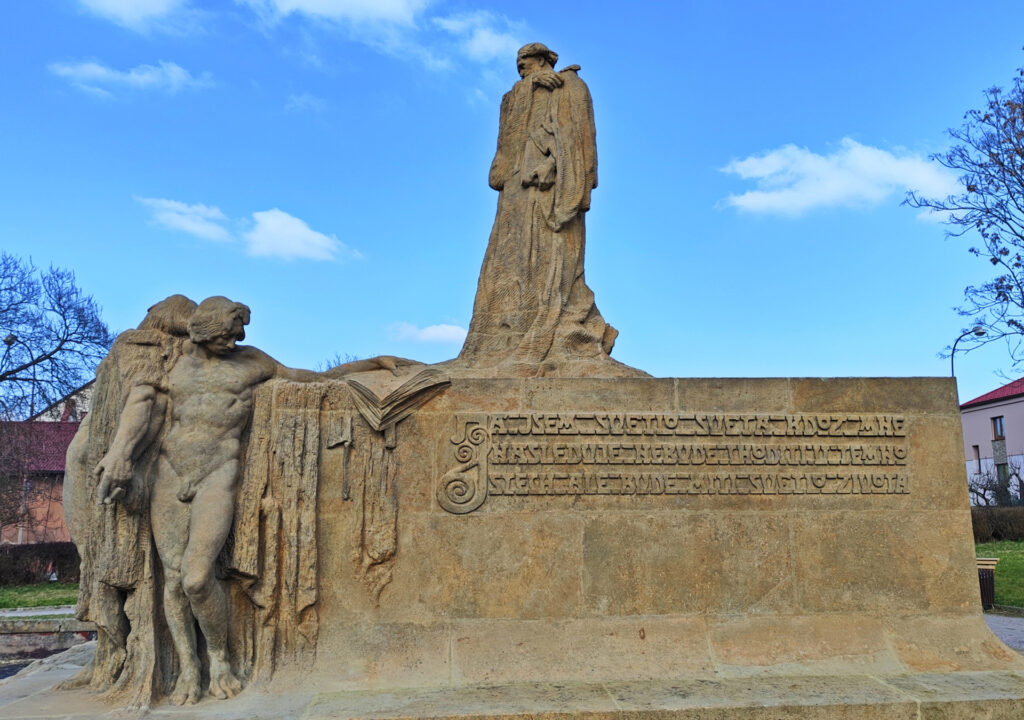
- Monument to Master Jan Hus
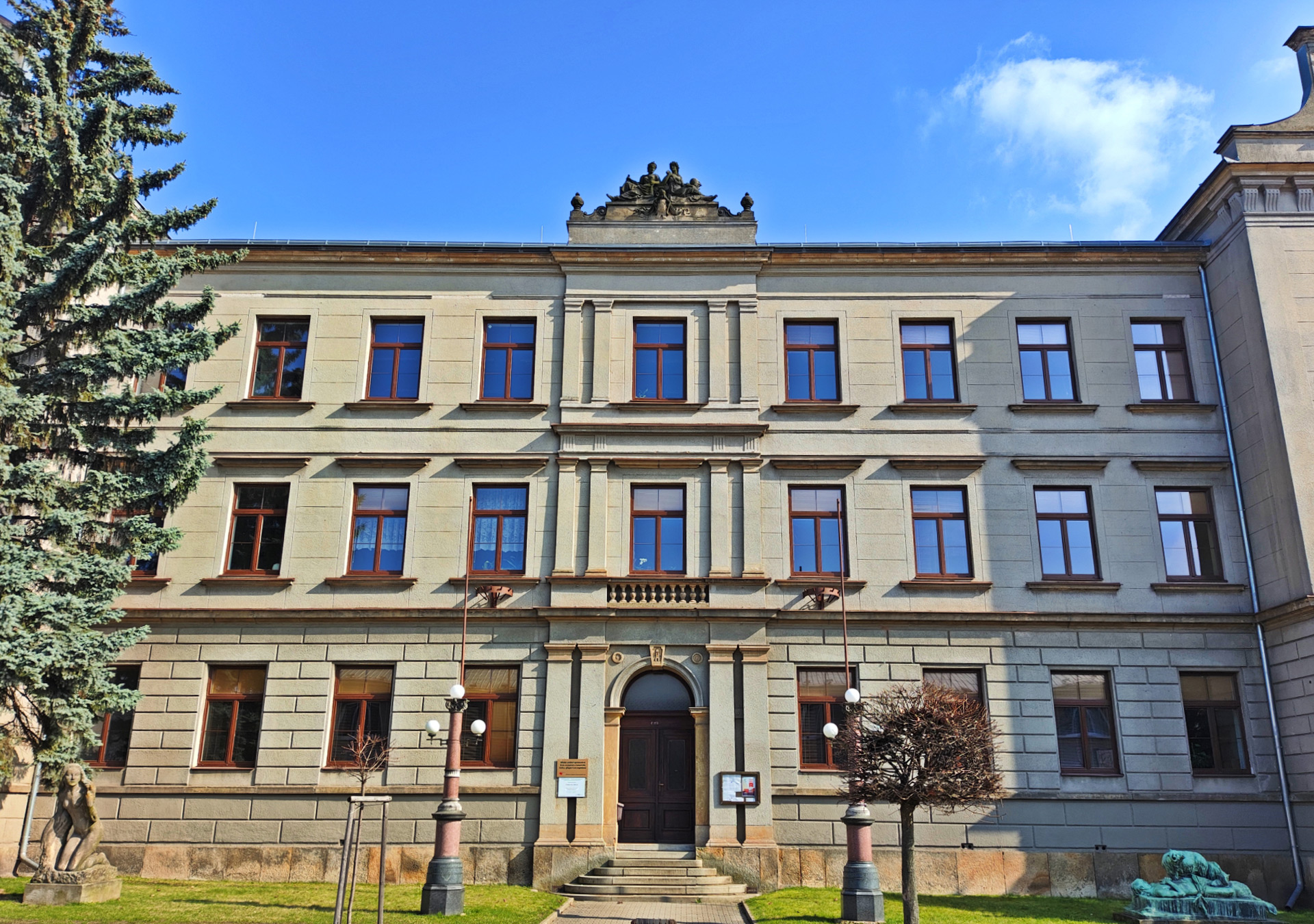
Thanks to extensive deposits of high-quality sandstone and centuries of craftsmanship, the first Sculpture and Stonemasonry School in the entire Austro-Hungarian Empire was founded here in 1884. And right from the start, it was a sensation—brilliant teachers, progressive teaching methods and students whose names later graced art history.
The Neo-Gothic school building was constructed between 1890–1891 based on a design by Vilém Doderer and soon expanded with an additional floor. At the entrance, you’re greeted by two impressive works—Dead Abel by Quido Kocián and Awakening by Jan Štursa.
Address: Husova 675, Hořice v Podkrkonoší
-
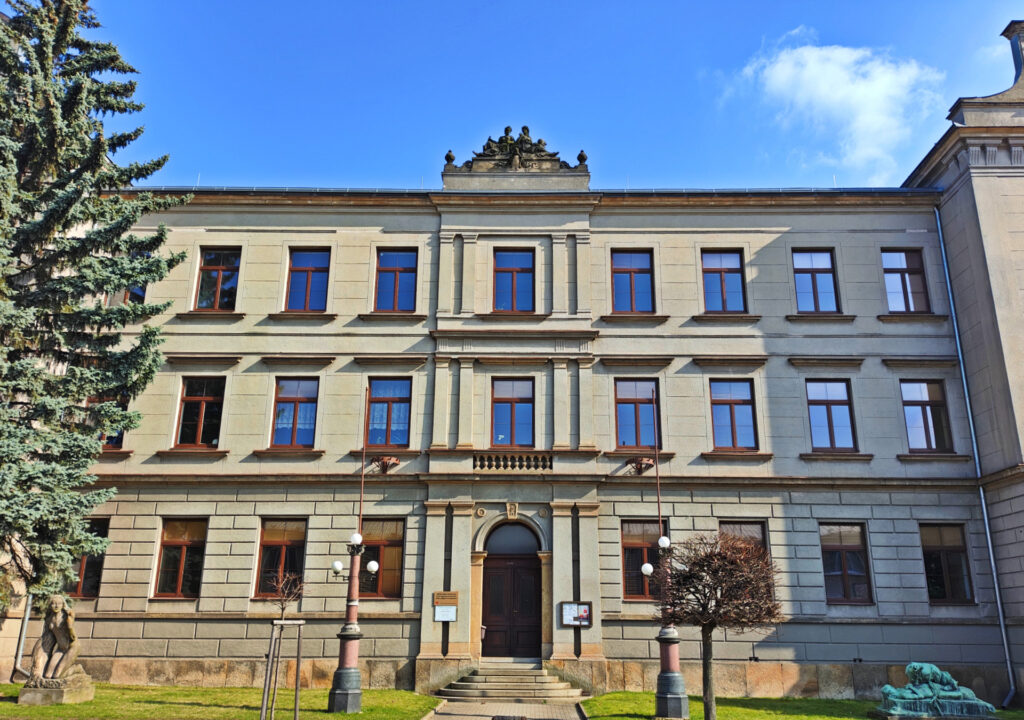
- Sculpture and Stonemasonry School
-
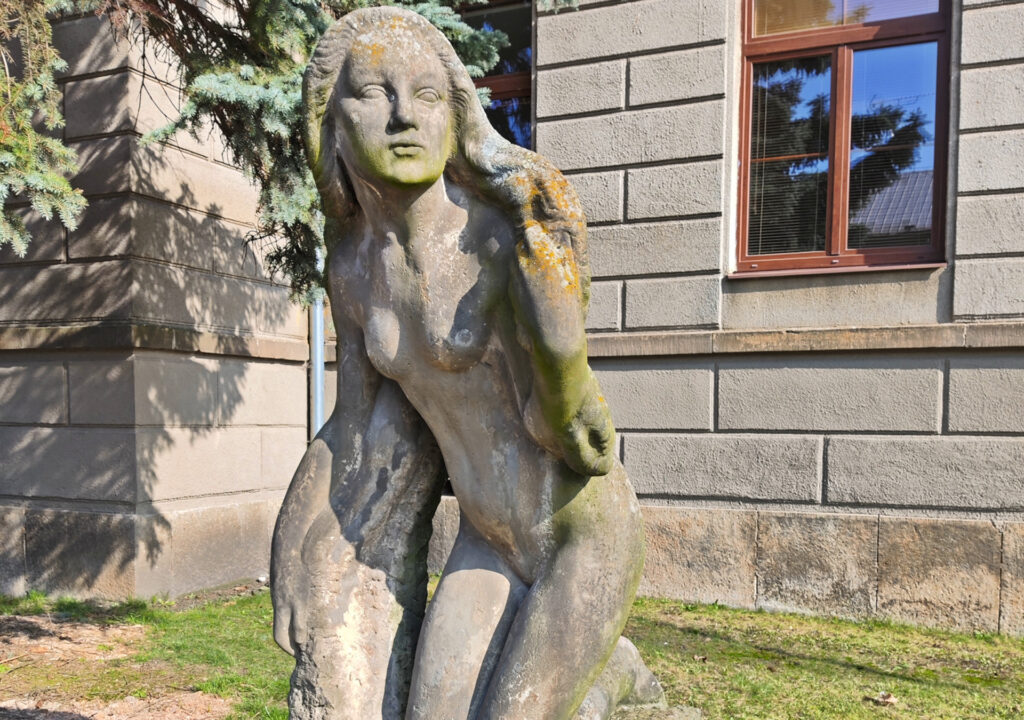
- Awakening
Smetana Park
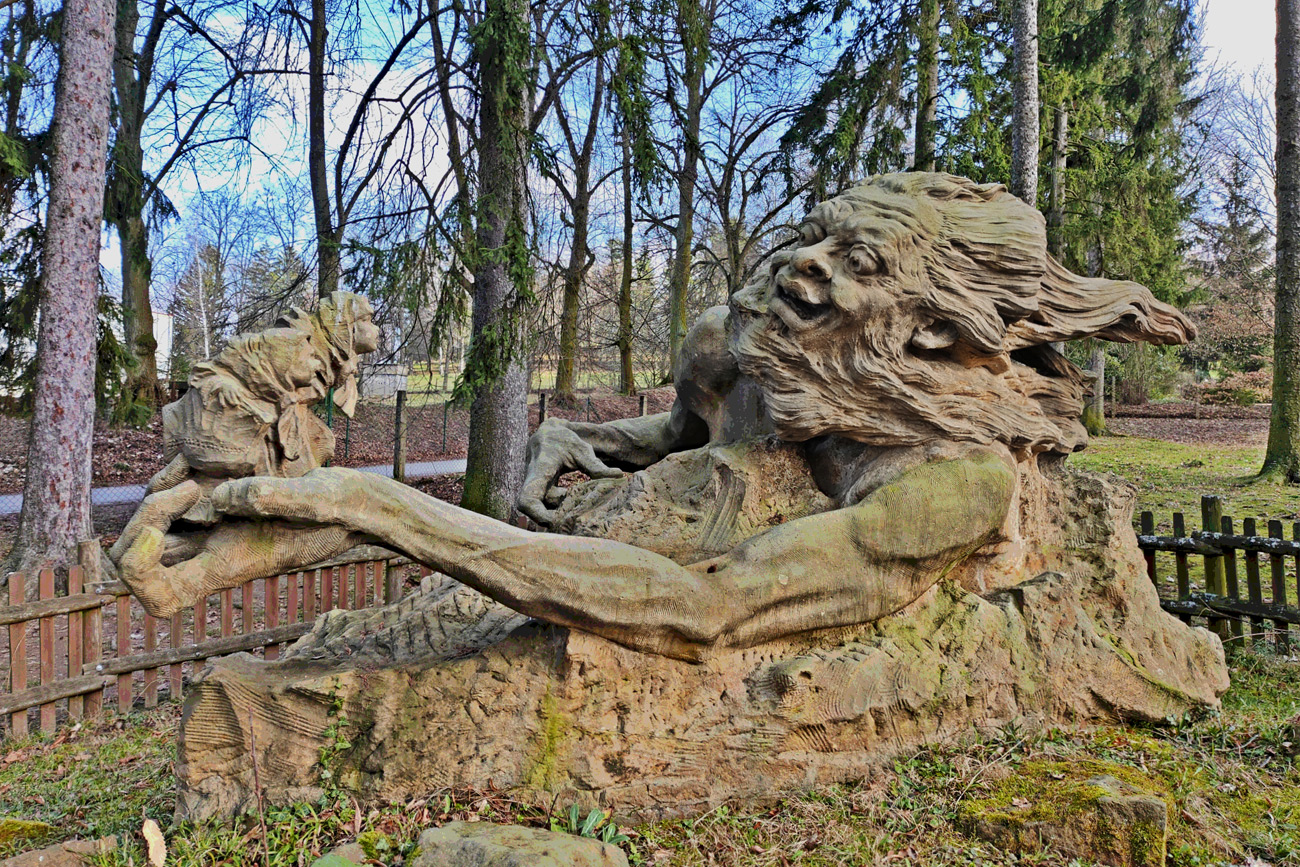
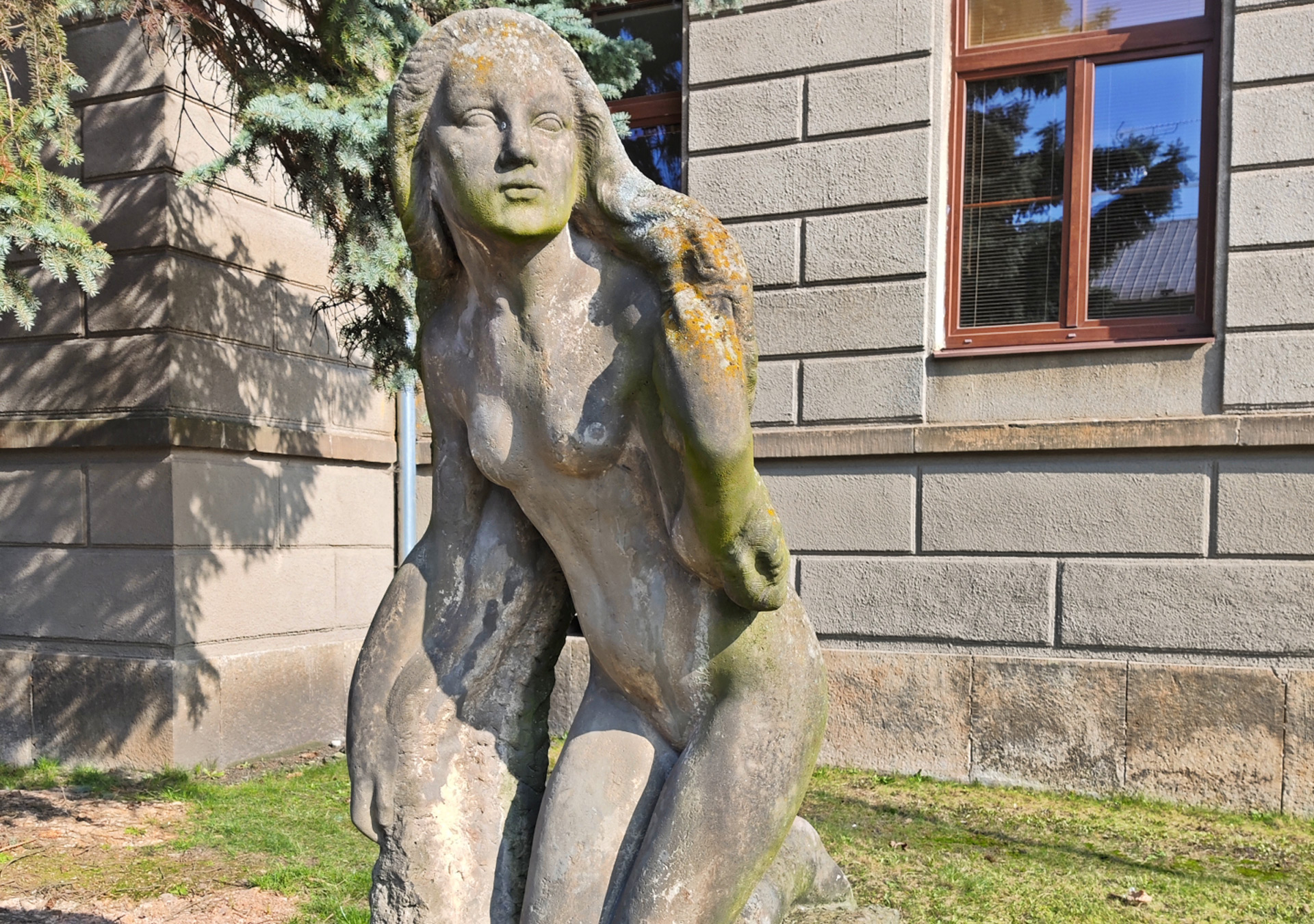
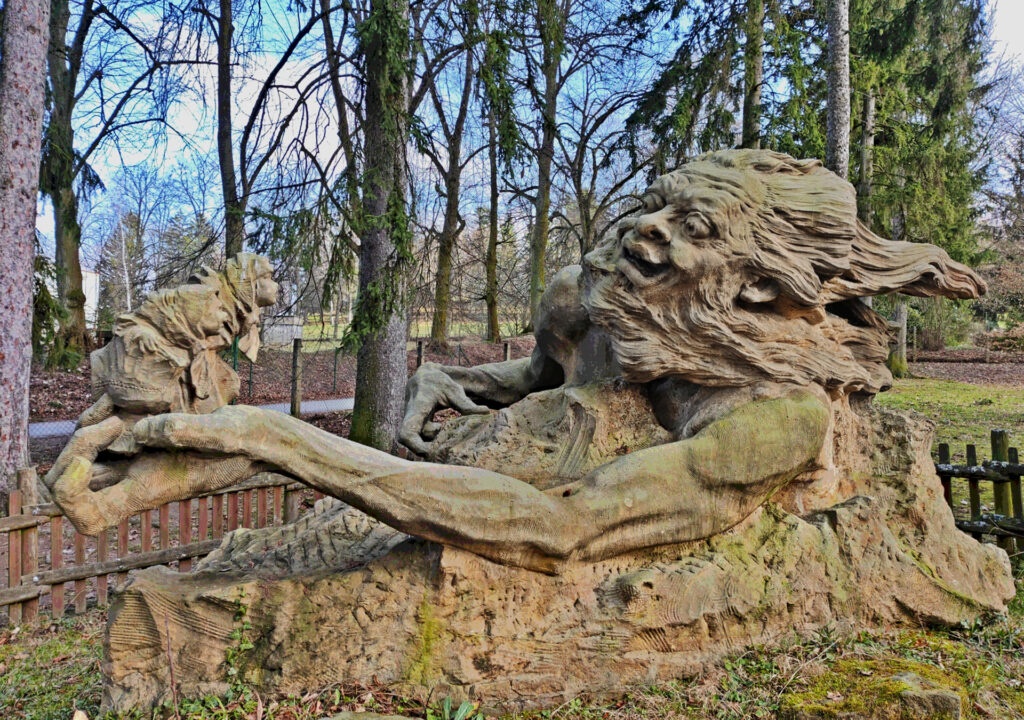
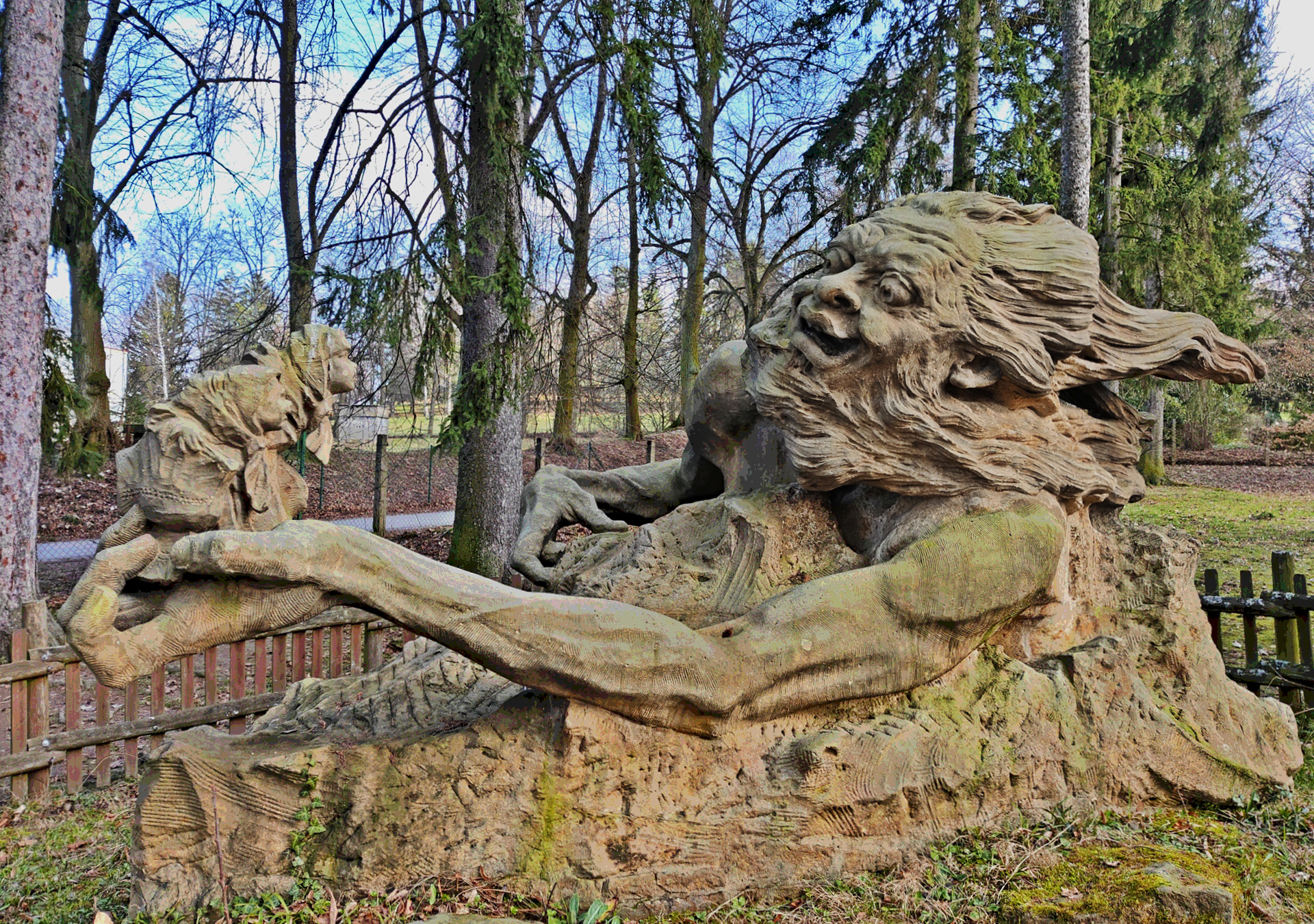
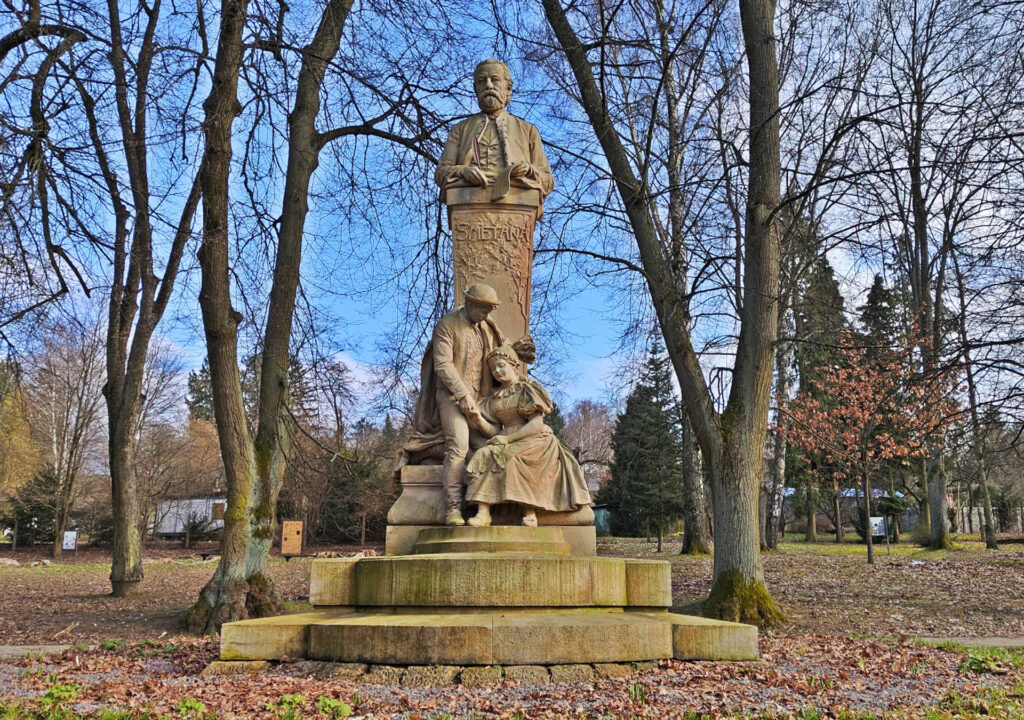
In 1900, the Dalibor music society created this green oasis, which soon transformed into a memorial site dedicated to the greats of Czech culture. Just three years later, the first monument to Bedřich Smetana was unveiled here. And since one genius wasn’t enough, Antonín Dvořák joined him in 1910. Over time, the park filled with other notable figures: Petr Maixner—a painter who captured the beauty of Hořice, Mikoláš Aleš—a master of Czech illustration, Juro Jánošík—a Slovak outlaw who took from the rich and gave to the poor, and also Krakonoš (Rübezahl)—a charming statue that became one of the town’s symbols.
And if you're interested in history, you must not miss the Hussites on Guard sculptural group, which commemorates the legacy of the Hussite warriors.
Smetana Park isn’t just about statues—you’ll also find playgrounds and the educational Roll Trail, which explores the history of Hořice’s famous rolls and delights visitors of all ages.
Address: Gothardská, Hořice v Podkrkonoší
-
- Krakonoš (Rübezahl)
-
- Monument to Bedřich Smetana
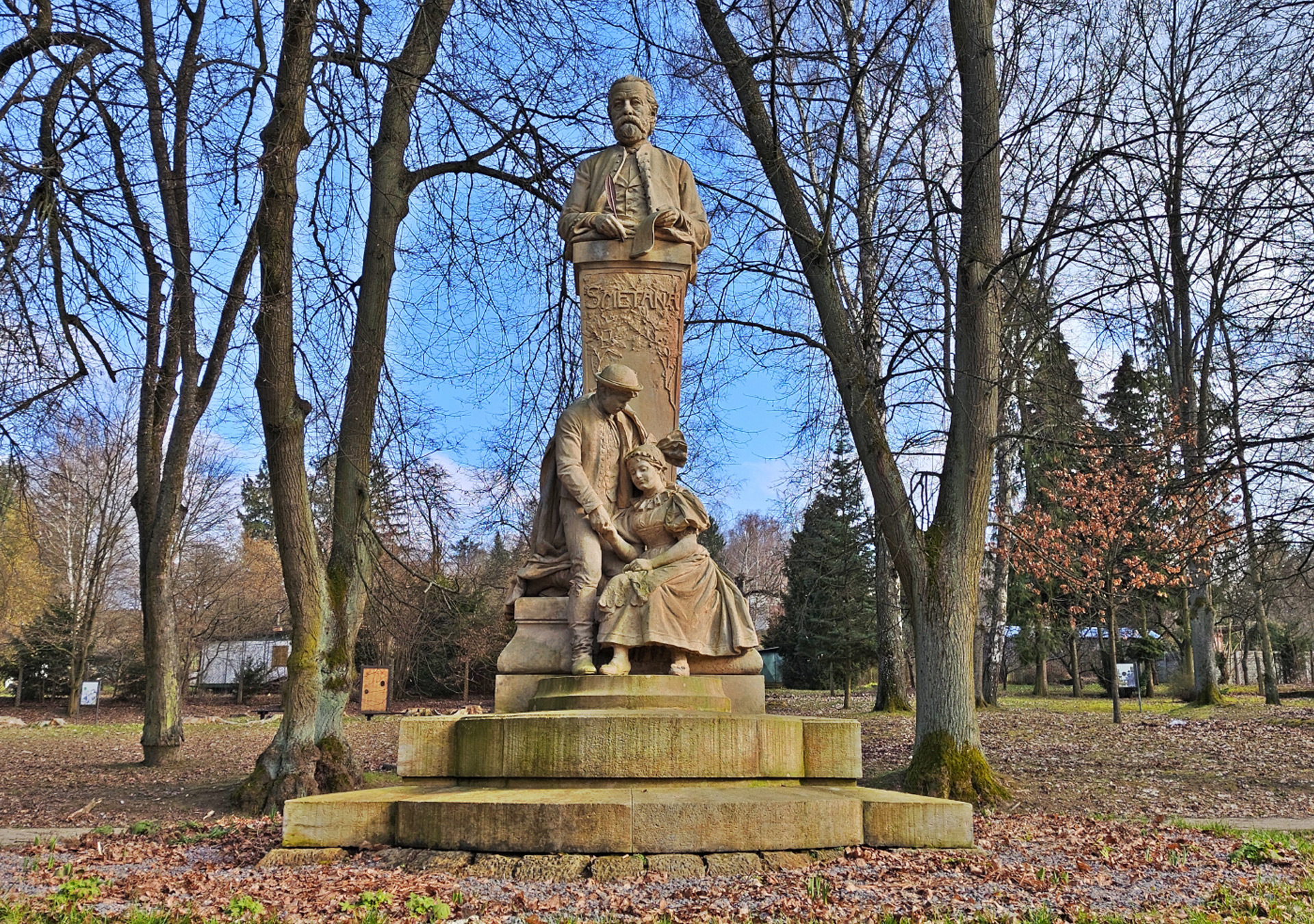
Gothard Hill
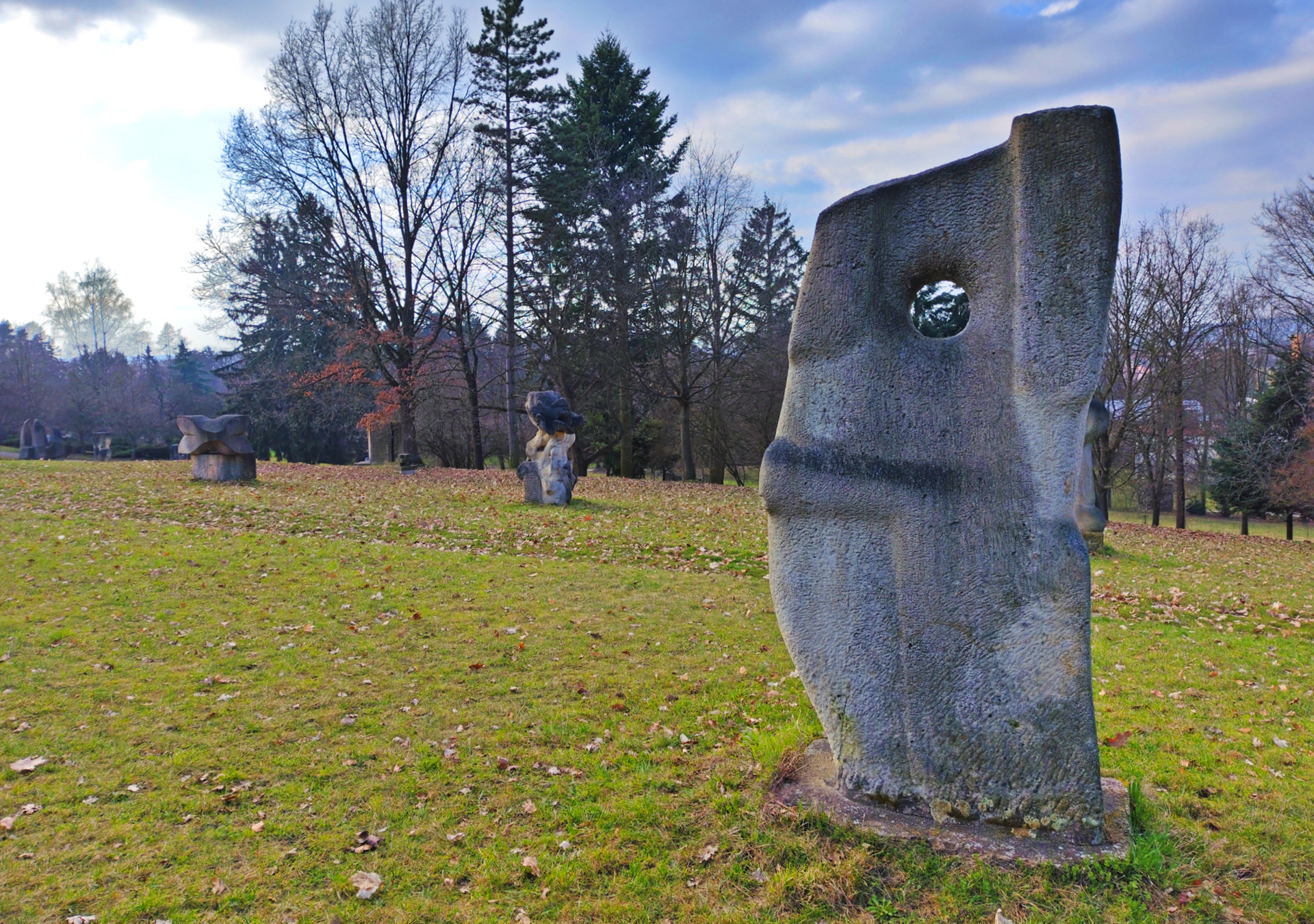
In 1966, the abandoned quarry U svatého Josefa (St. Joseph’s Quarry) came to life with the first international sculpture symposium in Bohemia. Thanks to sandstone mining and the renowned sculpture school, Hořice became a place where artists from around the world created art directly in nature. Today, you’ll find here two unique parks —U svatého Gotharda (St. Gothard’s Park) and U svatého Josefa (St. Joseph’s Park)—filled with monumental sculptures. Come and take a walk among the works shaped by talented creators over the decades.
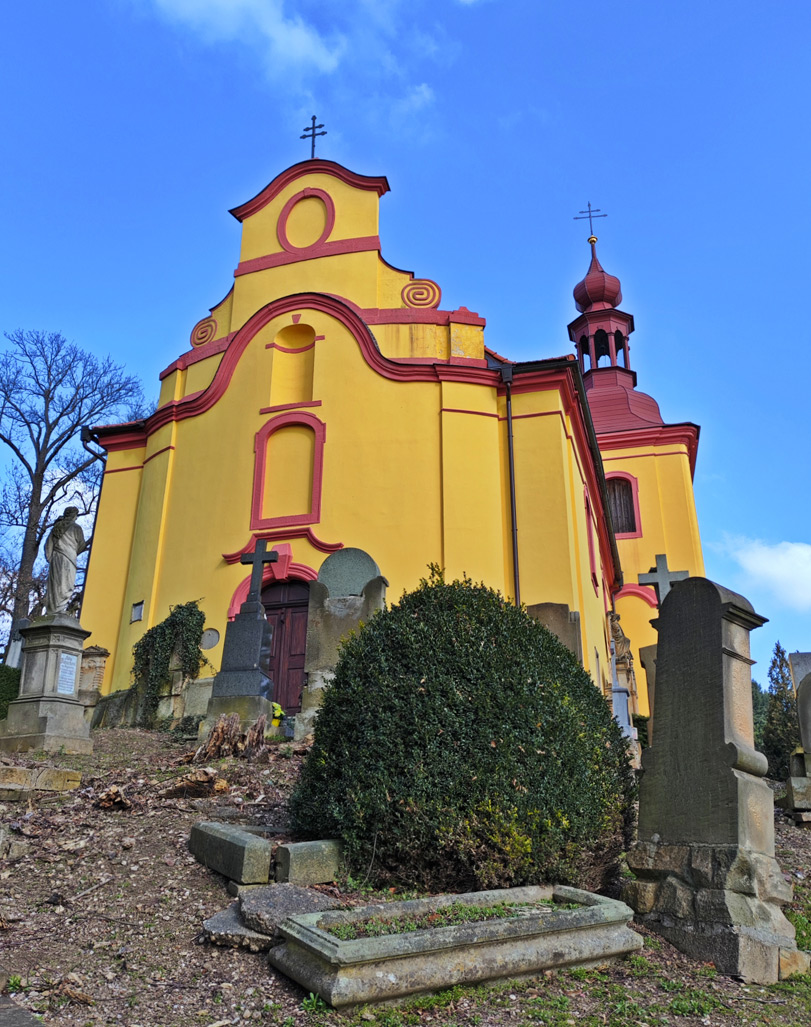
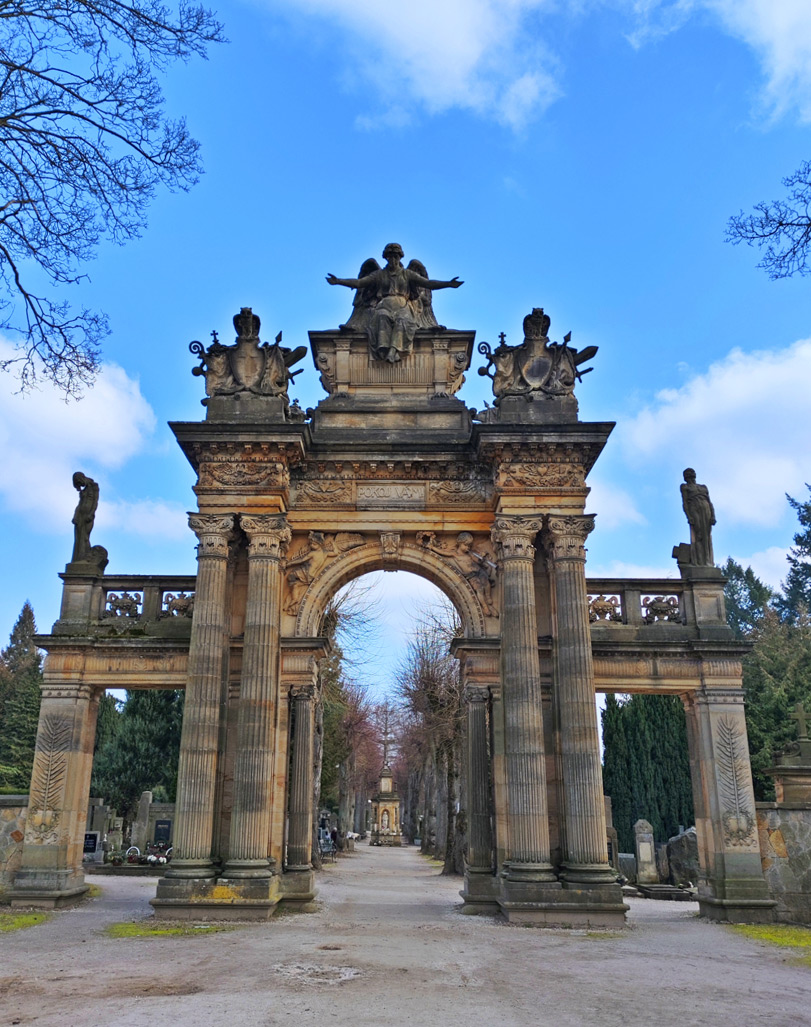
The dominant feature of the hill is the Baroque Church of Saint Gothard, which replaced the original wooden sanctuary. Inside, you’ll be enchanted by the moving statue of Mourning Angel by Václav Prachner. Today, the church primarily serves as a place for final farewells, so it’s no surprise that its surroundings include two cemeteries—the old and the new one. Thanks to the rich sculpture tradition, you’ll find many artistically valuable tombstones here. The old cemetery holds a monument to the fallen from the Battle of Sadová (1866), including a mass grave of soldiers.
However, the greatest attention is drawn to the Neo-Renaissance portal of the new cemetery, a masterpiece by local stonemasons and sculptors. Prominent figures rest here—from opera singer Pavlína Erbanová to famous sculptors like Quido Kocián and Josef Wagner.
-
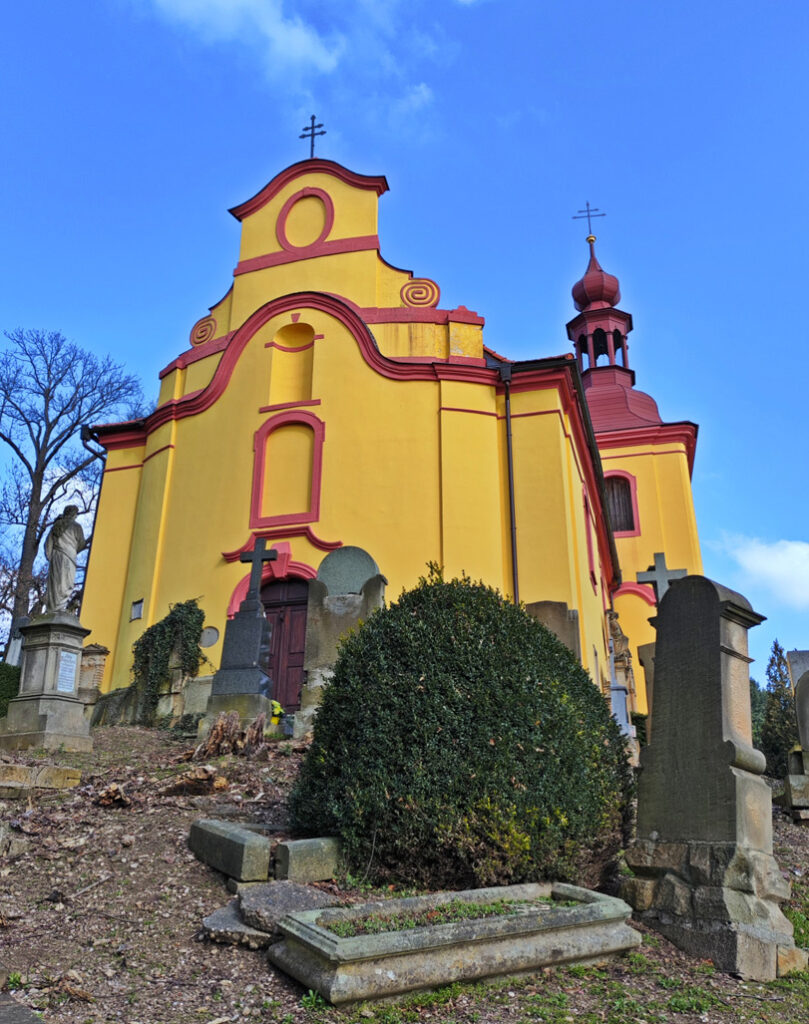
- Church of St. Gothard
-
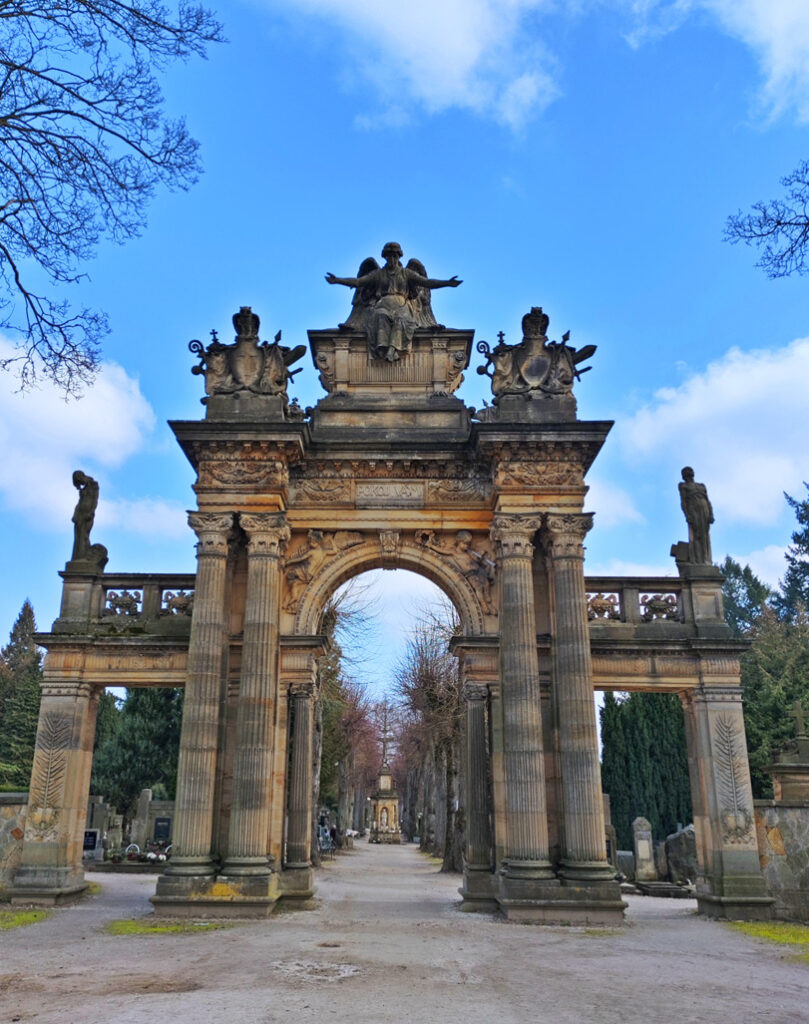
- Neo-Renaissance portal
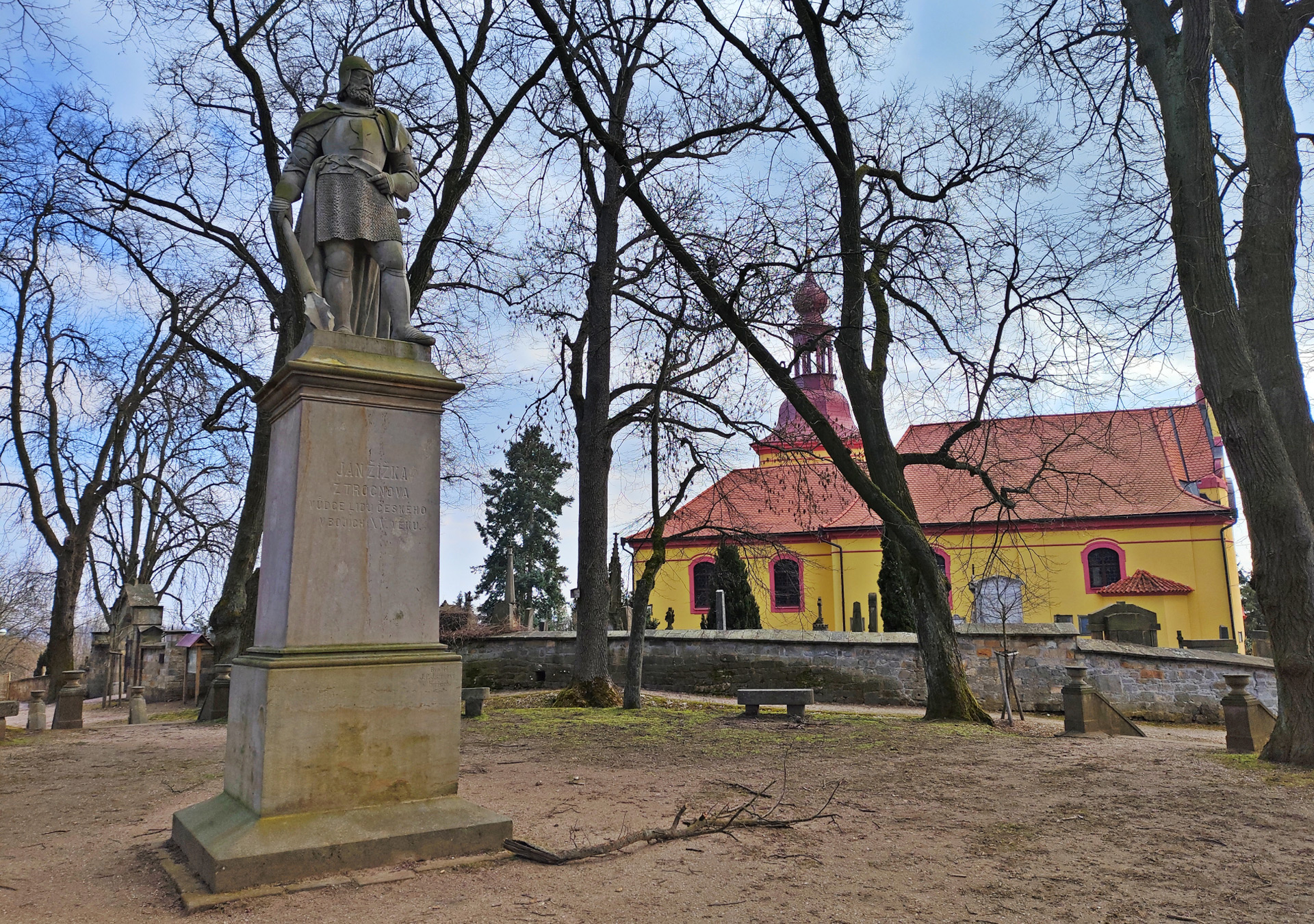
Gothard Hill is also home to the first monument to Jan Žižka in Bohemia (1873) and, nearby, the impressive Rieger’s Obelisk—a 12-meter-high sandstone monolith that showcases the skill of Hořice’s craftsmen.
Whether in summer or winter, the hill is accessible all year round and completely free of charge.
-
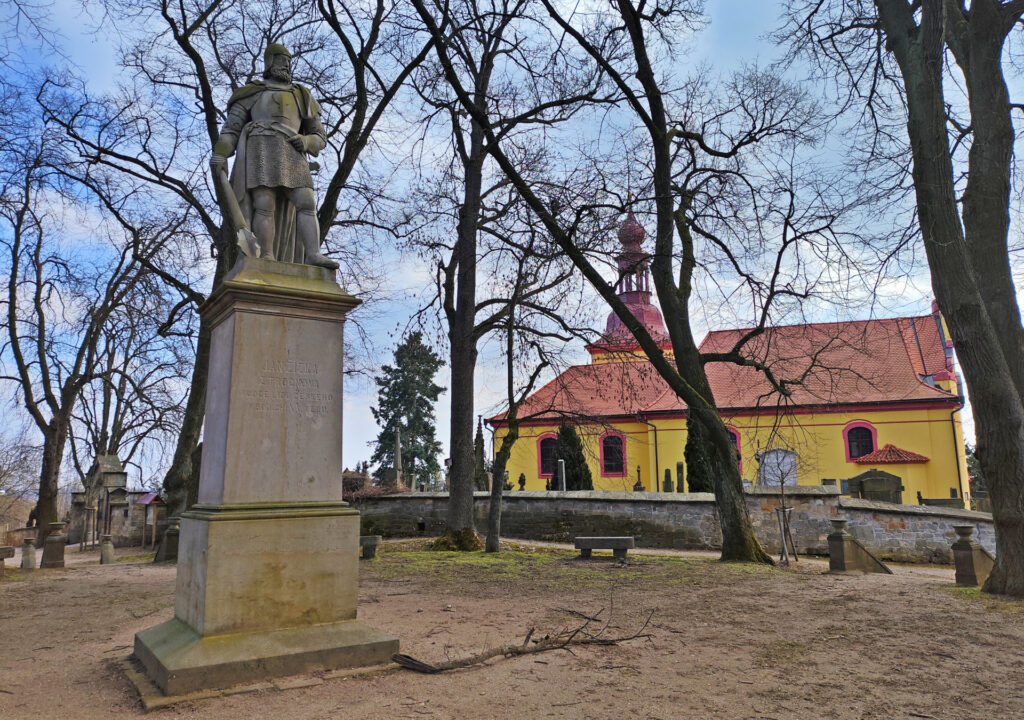
- Monument to Jan Žižka
-
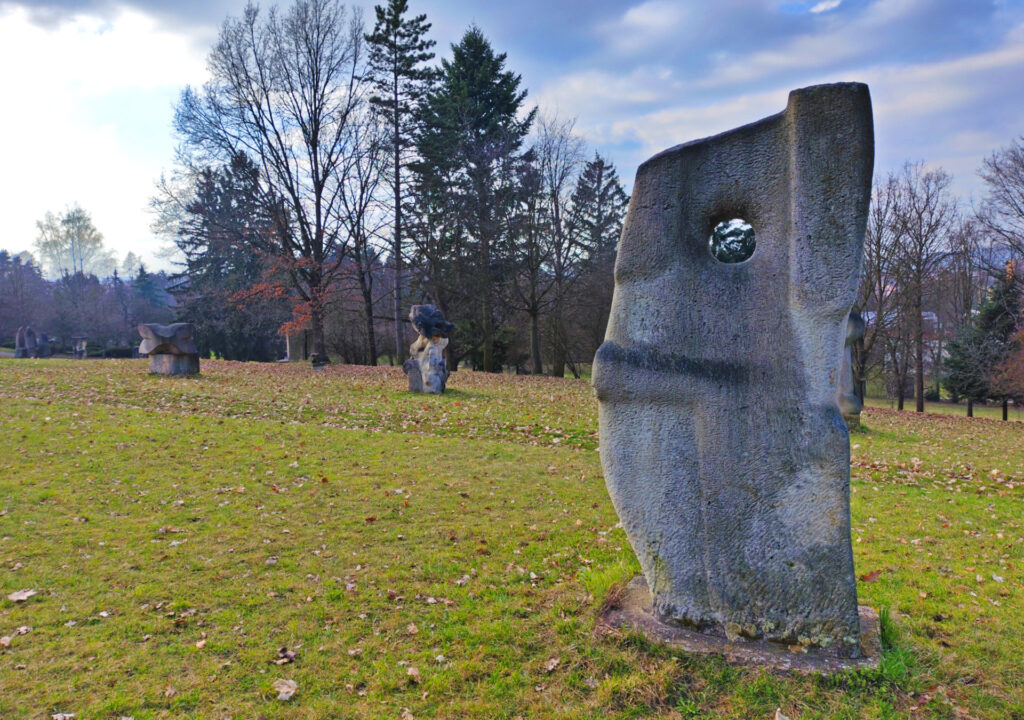
- Gothard Hill
Our tip:
From Smetana Park, a walk along Gothard Street will take you to the Church of Saint Gothard in just 5 minutes.
If you're in a hurry, just hop in the car and follow the signs to the Sculpture Park. Plus, parking here is free.
Brewery
Hořice and beer? It’s love at first taste. Since the 16th century, beer has been brewed here like there’s no tomorrow—thanks to the Smiřický family, who knew one thing for sure: grain and hops are essential. The brewery in the chateau grounds wasn’t exactly a technical marvel, but the beer flowed freely.
Then came the 19th century, and manager Karel von Kerner said, “Why buy hops when we can grow our own?” And so, their own hop gardens were established, and Hořice beer began conquering the market. In 1871, the locals wanted to build a joint-stock brewery, but the price scared them off—so they bought the old manorial brewery instead. And it was the right move.
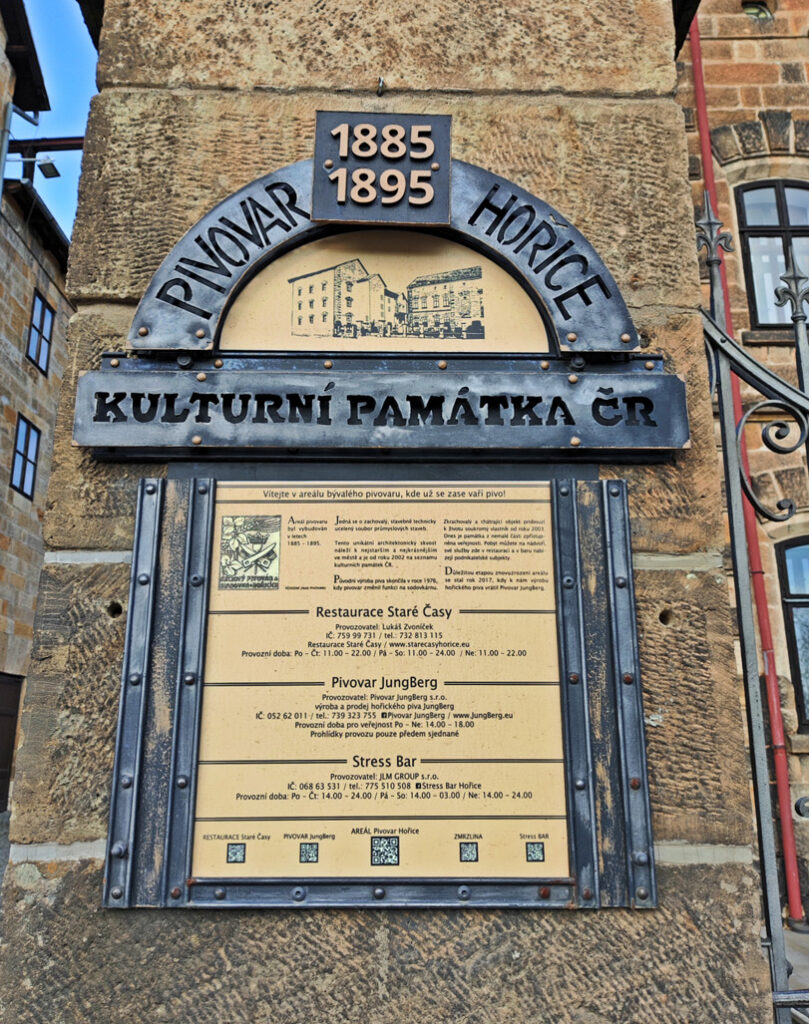
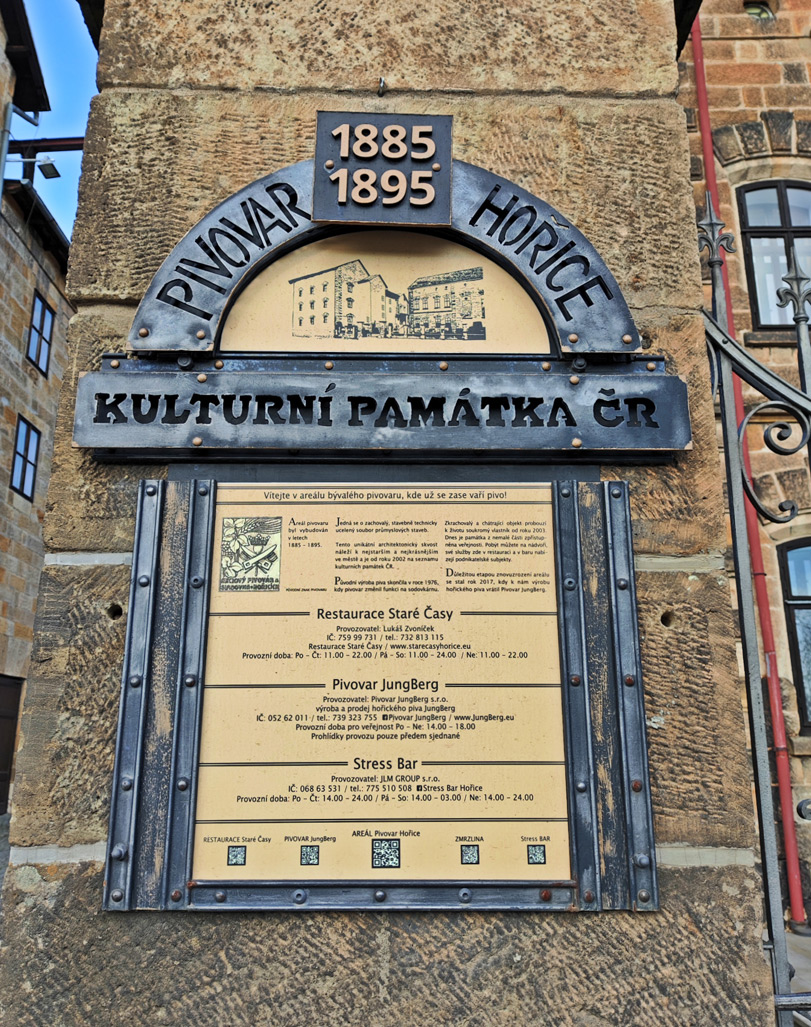
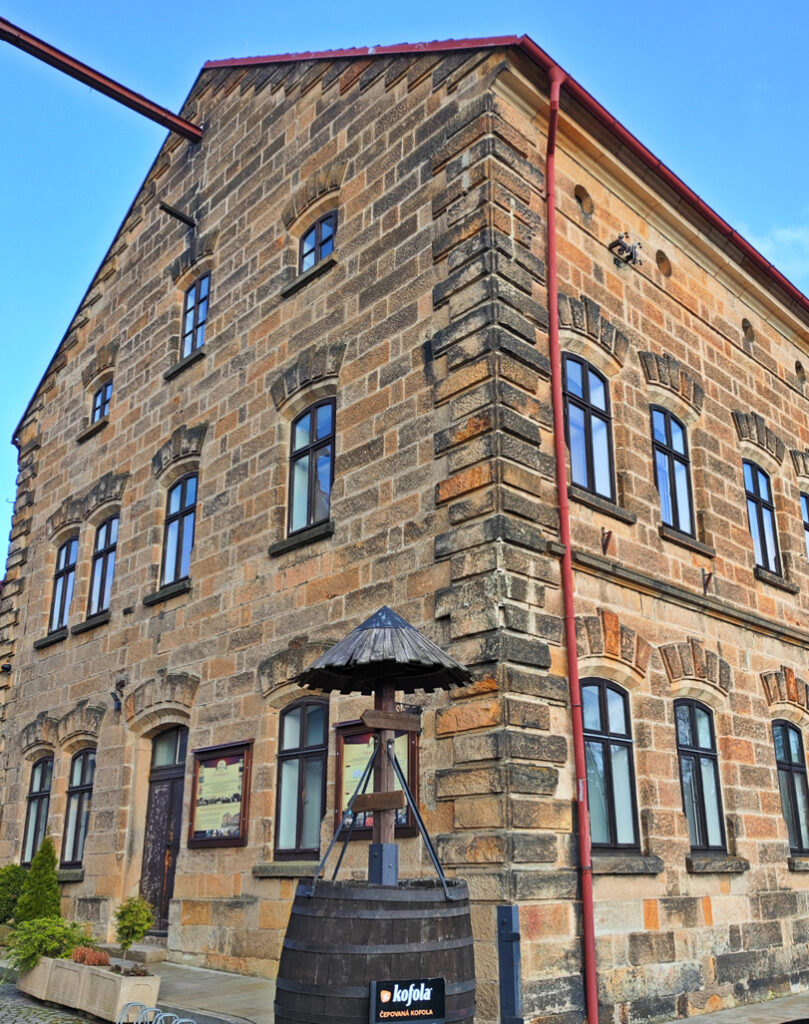
The new modern brewery made of Hořice sandstone (1885–1896) wasn’t just functional—it was beautiful, showcasing industrial architecture at its finest. But then came nationalization in 1948, and the beer started losing its quality. The final blow came in 1976 when the brewery’s well became contaminated, and production ended.
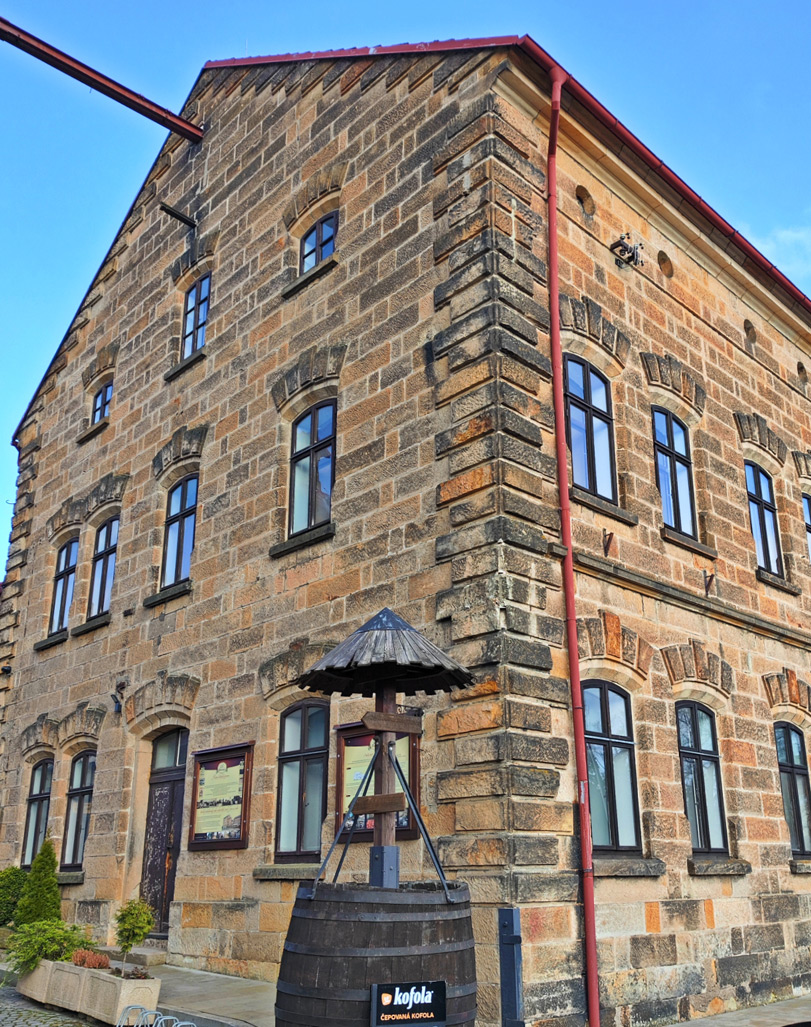
But don’t worry—this isn’t the end. In 2002, the brewery became a cultural landmark, and in 2017, brewing started again. Today, the brewery Pivovar JungBerg operates here, where you can enjoy fresh beer or take a tour of the production (by prior reservation for groups of 15 or more).
So, when you’re in Hořice, have a beer—to honour the centuries-old tradition that survived even the toughest tumbles. Or grab one to go from the brewery’s takeout window.
Address: Riegrova 619, Hořice v Podkrkonoší
-
- Brewery
-
- Brewery
Baroque Chateau
Just a few steps from Jiří z Poděbrad Square stands an elegant Baroque chateau, which acquired its current appearance in the 18th century. But beware—hidden in the courtyard are mysterious remnants of a Gothic fortress. Above the entrance, you’ll be greeted by the coat of arms of the Strozzi family and a sundial that seems to measure time from the days when the chateau was managed by a military veterans' foundation. Today, however, it’s not officials who rule here—instead, the place has become a paradise for speed lovers.
The Czech Road Racing Museum isn’t just about bikes on display—these are legends with soul. In the historic workshop and Hall of Fame, you can encounter trophies, photos and machines belonging to champions like Gustav Havel or František Mrázek. And there are plenty of them! Over 30 racing machines, half of which roared on World Championship tracks.
And what about kids? They won’t be bored either. An adventurous treasure hunt awaits them, guiding them through the entire museum.
When to go? The museum comes alive from May to September, but the chateau also hosts other events. So, whether you love history, speed, or just unique experiences, the chateau will amaze you.
Address: Riegrova 1, Hořice v Podkrkonoší
Hussite Mound
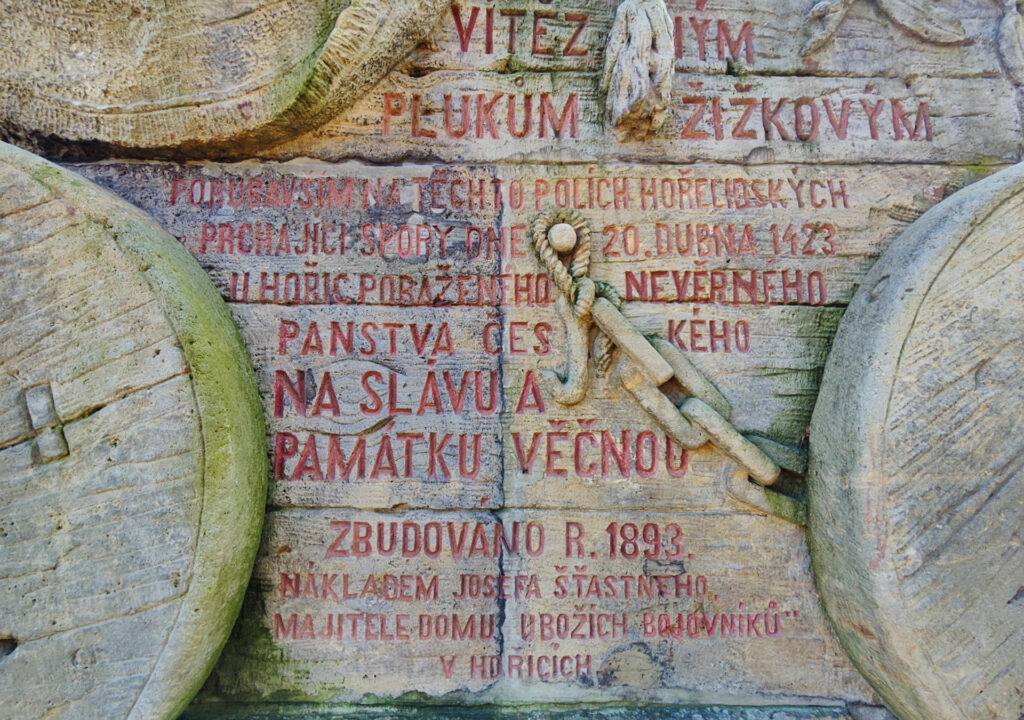
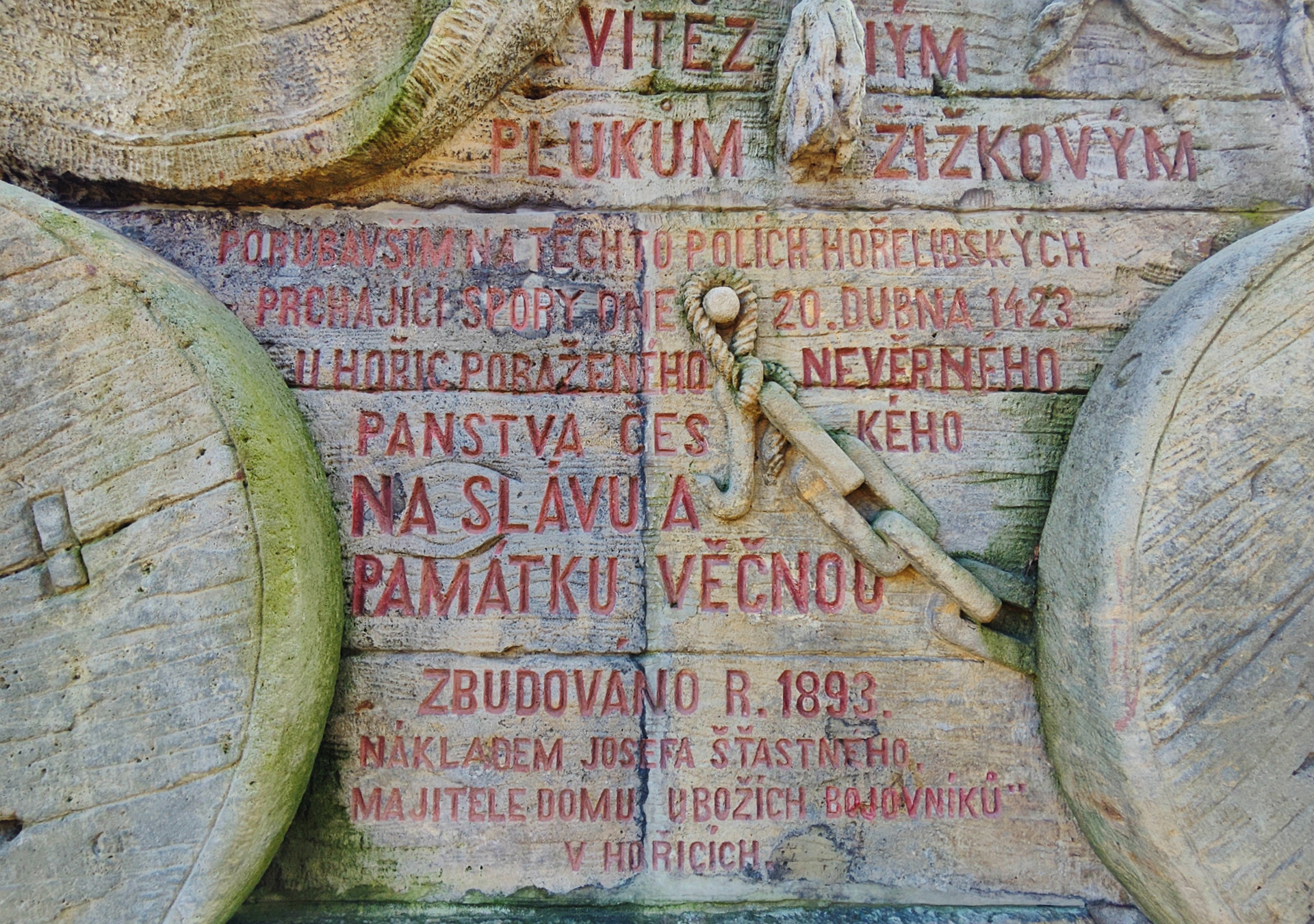
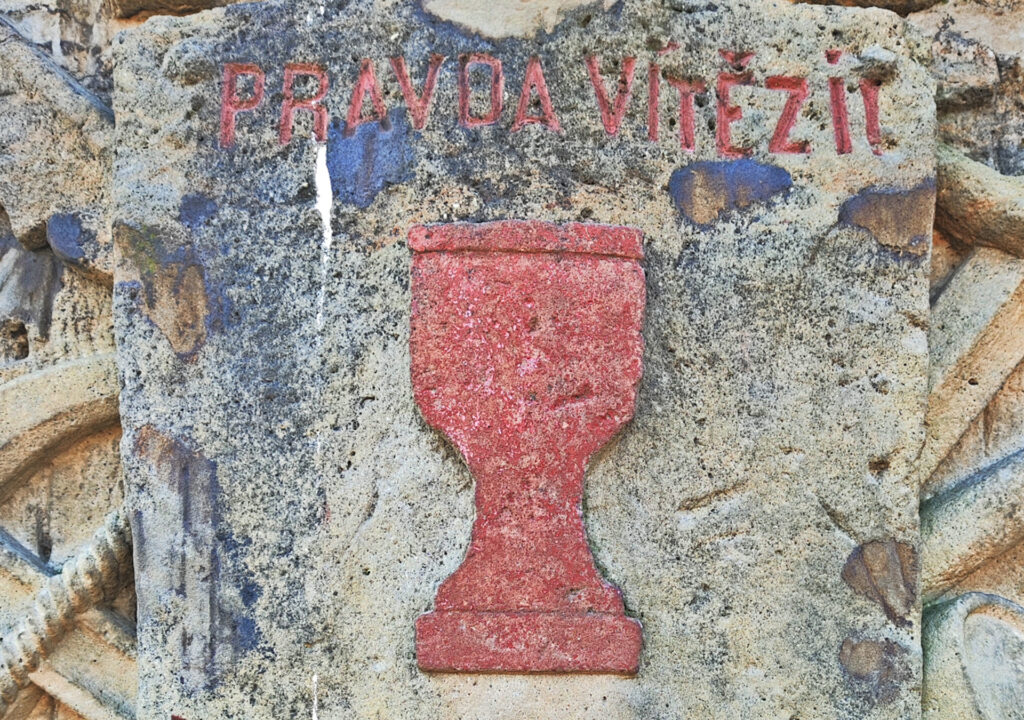
This unique monument (nicknamed "Mohejlík") in the shape of a Hussite war wagon has stood on a hill near Hořice since 1893. It commemorates the famous 1423 battle where Jan Žižka taught his enemies a hard lesson.
Local patriot Josef Štastný commissioned it, and sculptor Antonín Šešina crafted it in a way that’s impossible to miss.
Mohejlík awaits you 365 days a year.
How to get there? On foot from Jiří z Poděbrad Square, following the signs to Mohejlík (about 35 min), or by car toward Třebnouševes (about 5 min).
Where to park? No problem—right by the roadside.
-
- Mohejlík
-
- Mohejlík
Masaryk Tower of Independence
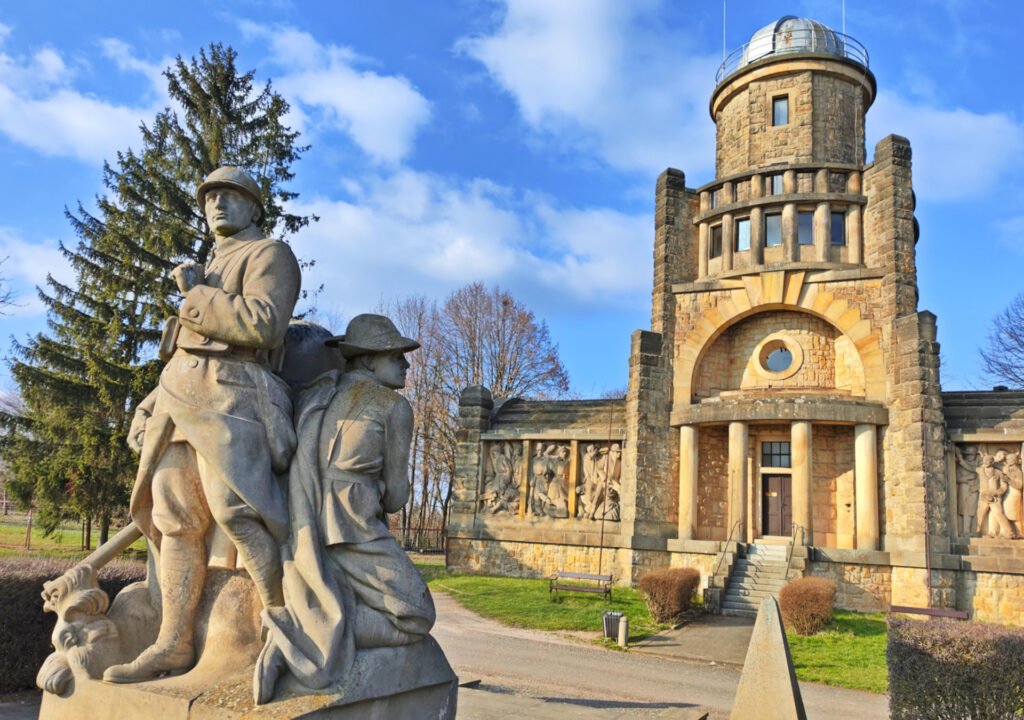
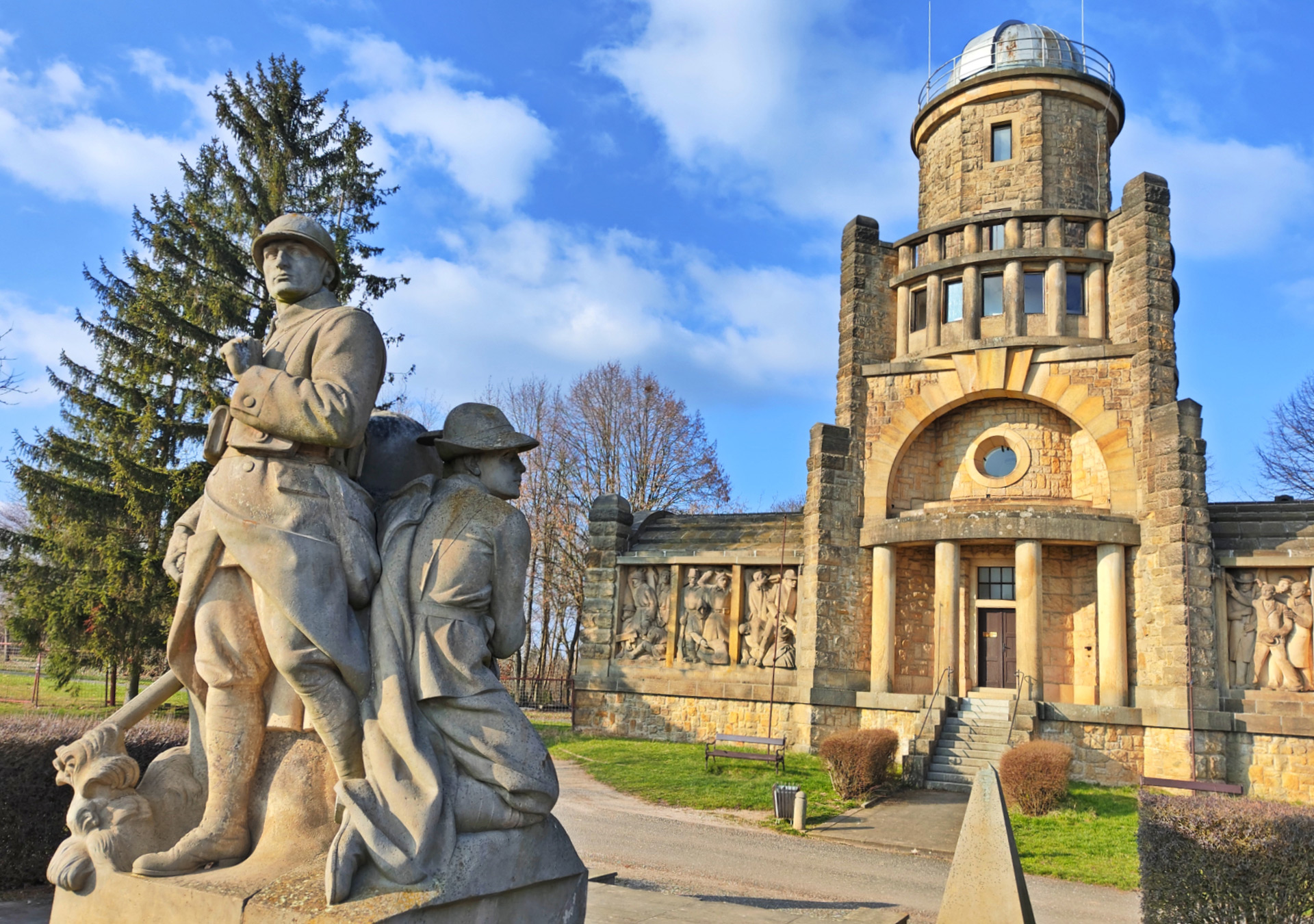
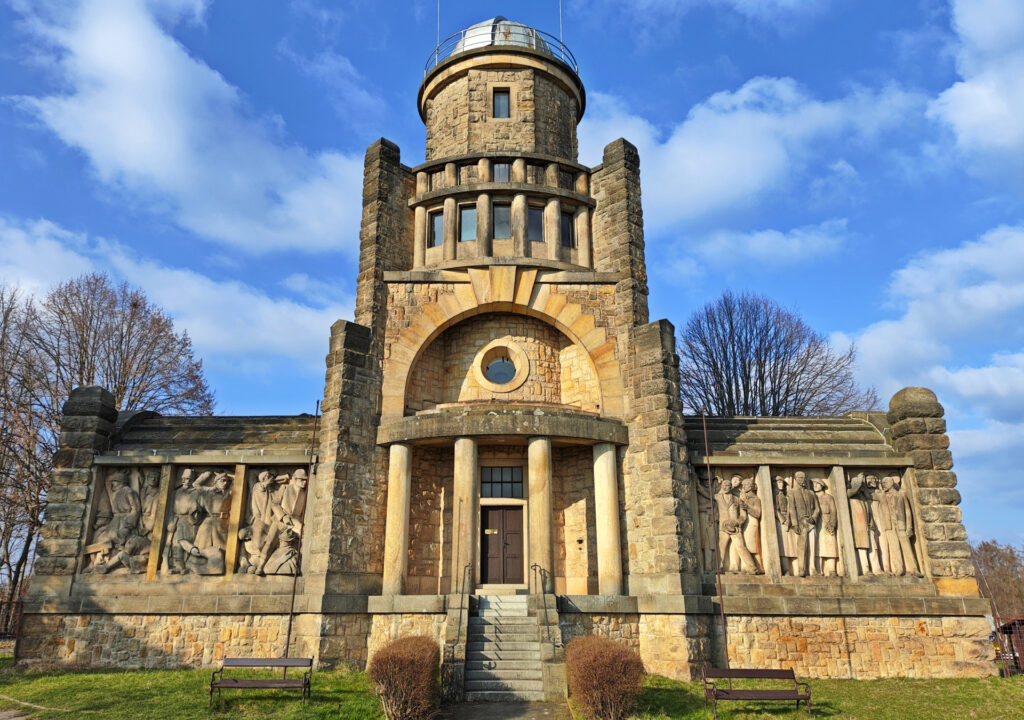
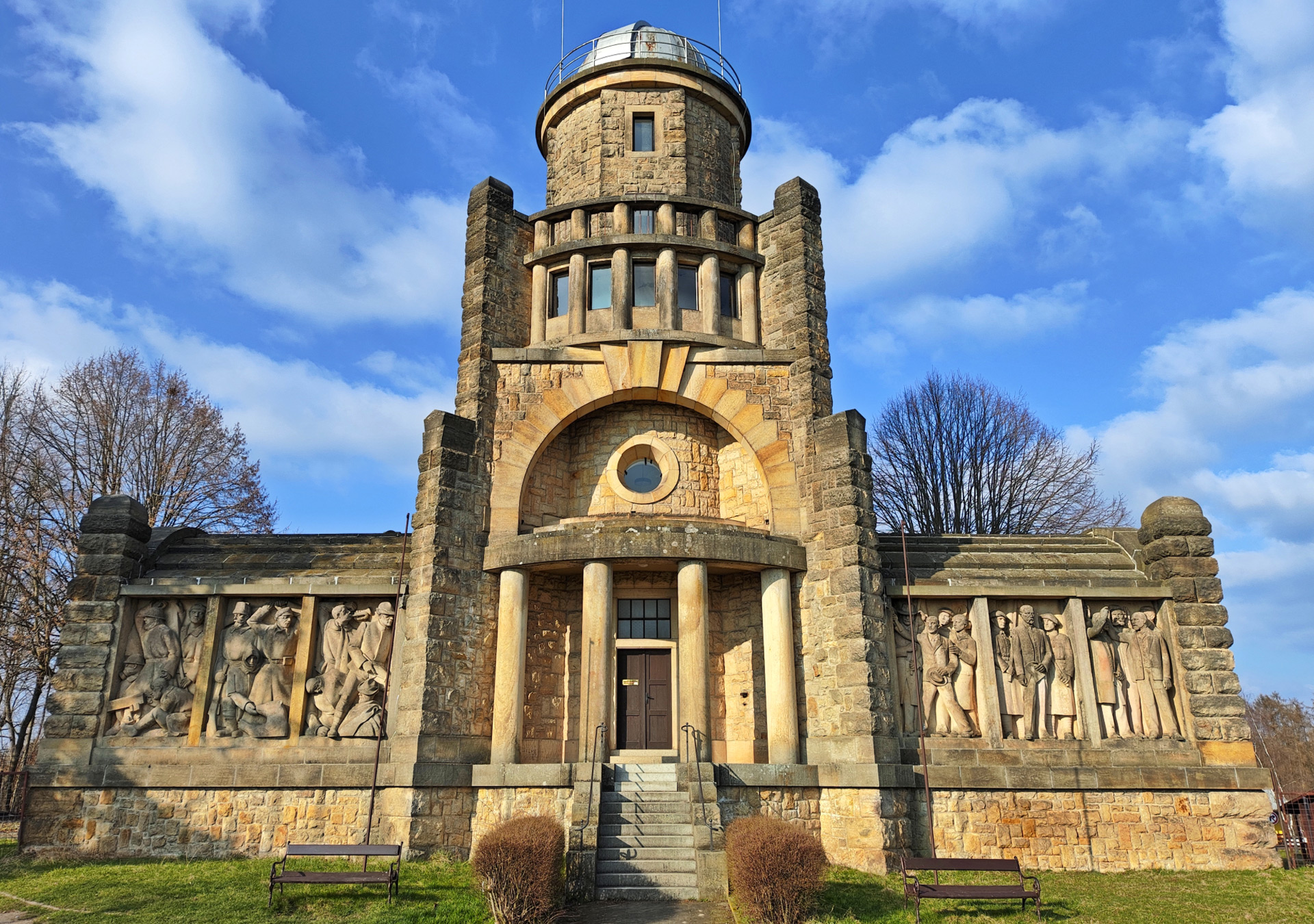
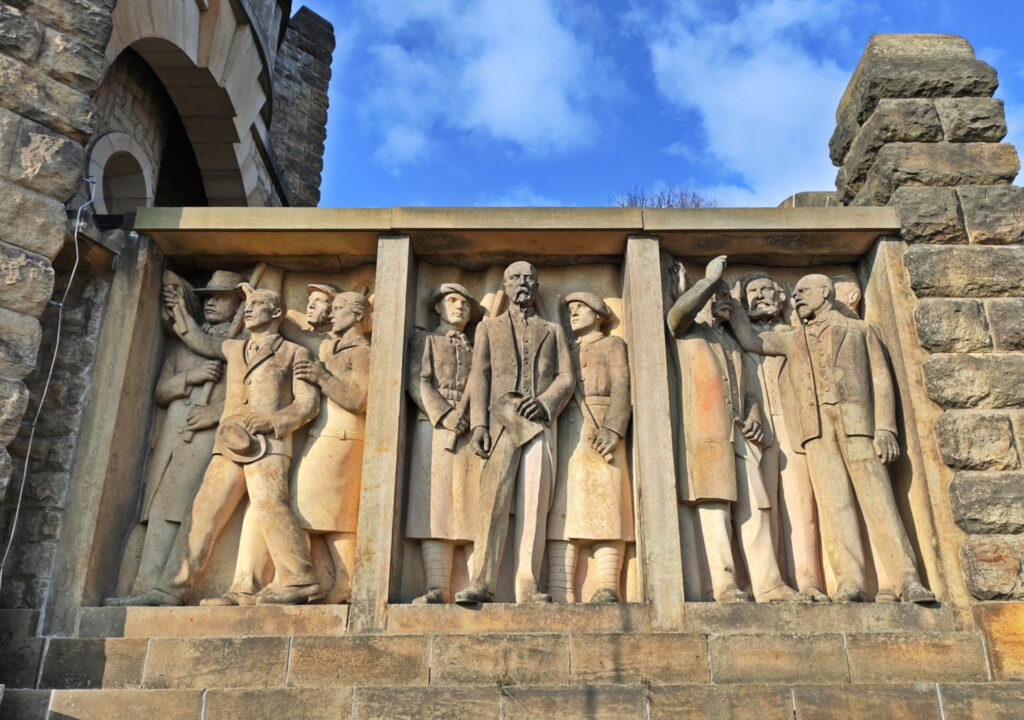
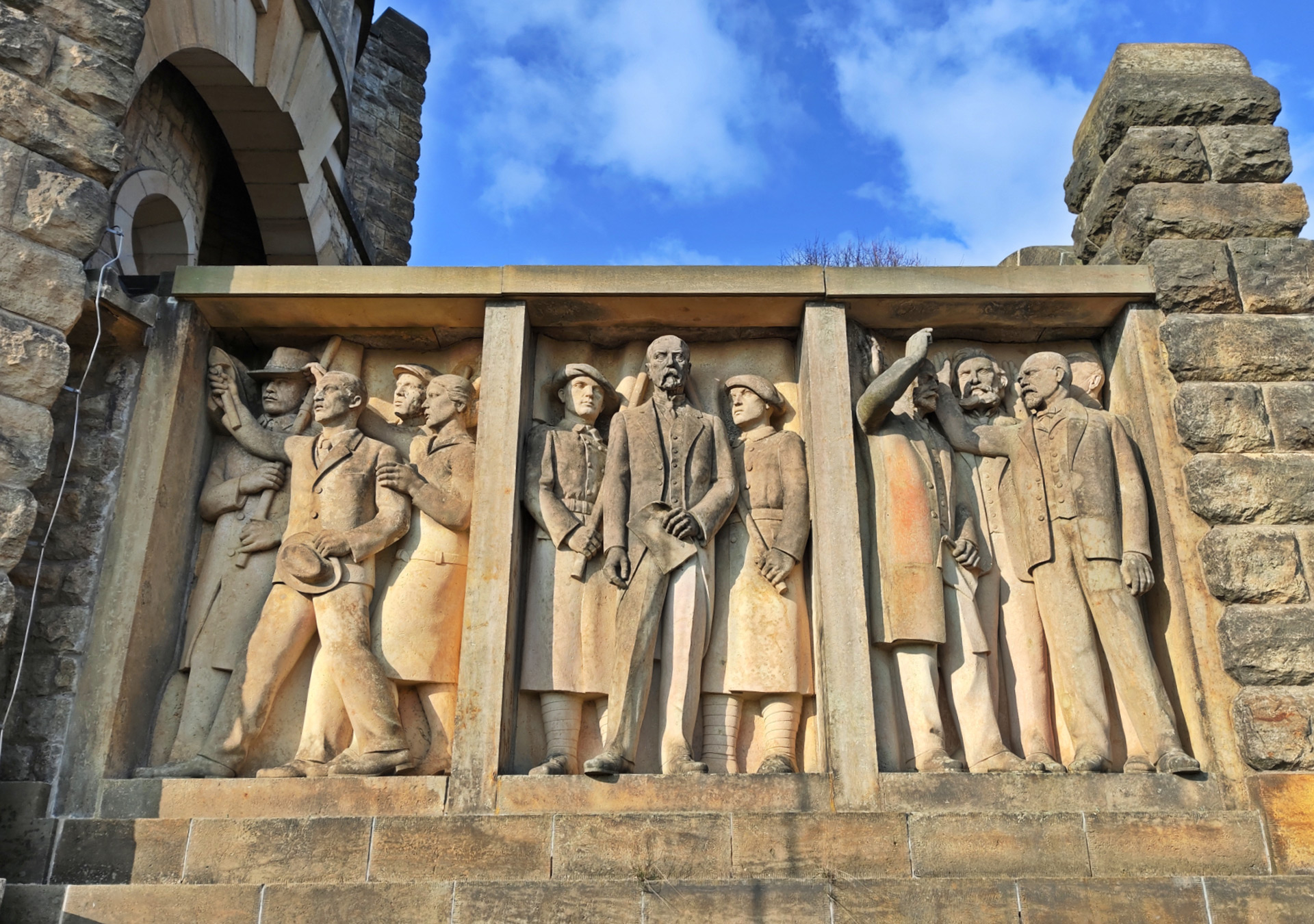
Atop Hořický Chlum stands the iconic Masaryk Tower of Independence —a monumental memorial to war victims and a stunning lookout tower in one. This 25-meter beauty was built between 1925 and 1938. Originally, it was meant to be twice as tall, but World War II disrupted the plans. Yet, the landmark remains impressive—and when President Masaryk himself tapped on it in 1926, it was clear this tower would be something special.
The highlight? The massive reliefs by master sculptors Jan Vávra and Karel Lenhart, which tell the story of the Czechoslovak resistance.
And once you climb to the viewing platform, your reward awaits: panoramic views of the Krkonoše Mountains and the golden fields of the Elbe Valley. In front of the tower, you’ll find the striking Legions Beyond Borders statue group—a tribute to Czechoslovak heroes.
Where to park? On the small lot right in front of the monument.
How to get there? By car, you’ll reach it from the main square in just five minutes—almost faster than ordering a coffee. Want a more immersive experience? Hike up on the red-marked trail. The walk takes about 20 minutes, but the atmosphere is worth it.
When to visit? The tower is open from May to September.
Address: Cesta Legií 1370, Hořice v Podkrkonoší
-
- Masaryk Tower of Independence
-
- Masaryk Tower of Independence
Our tip:
Just a short walk away (260 m along Cesta Legií), you’ll find the Empire-style Chapel of the Virgin Mary of the Hawthorn. It was built by local mathematician Josef Ladislav Jandera as a thanksgiving for the end of a cholera epidemic.
Dachova Natural Swimming Pool
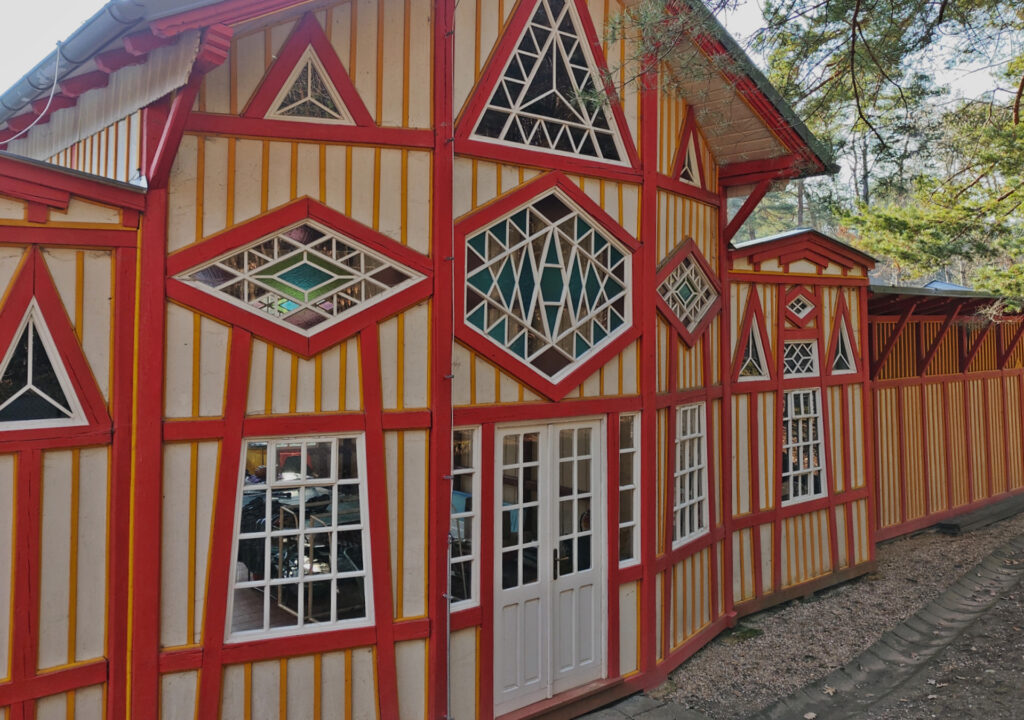
Through the Hořický Chlum hills, you’ll reach the picturesque village of Dachovy, home to a hidden gem: a natural swimming pool with wooden architecture from the 1920s. Designed by architect Karel Bachura, this romantic water oasis has been attracting swimmers and filmmakers alike since 1925.
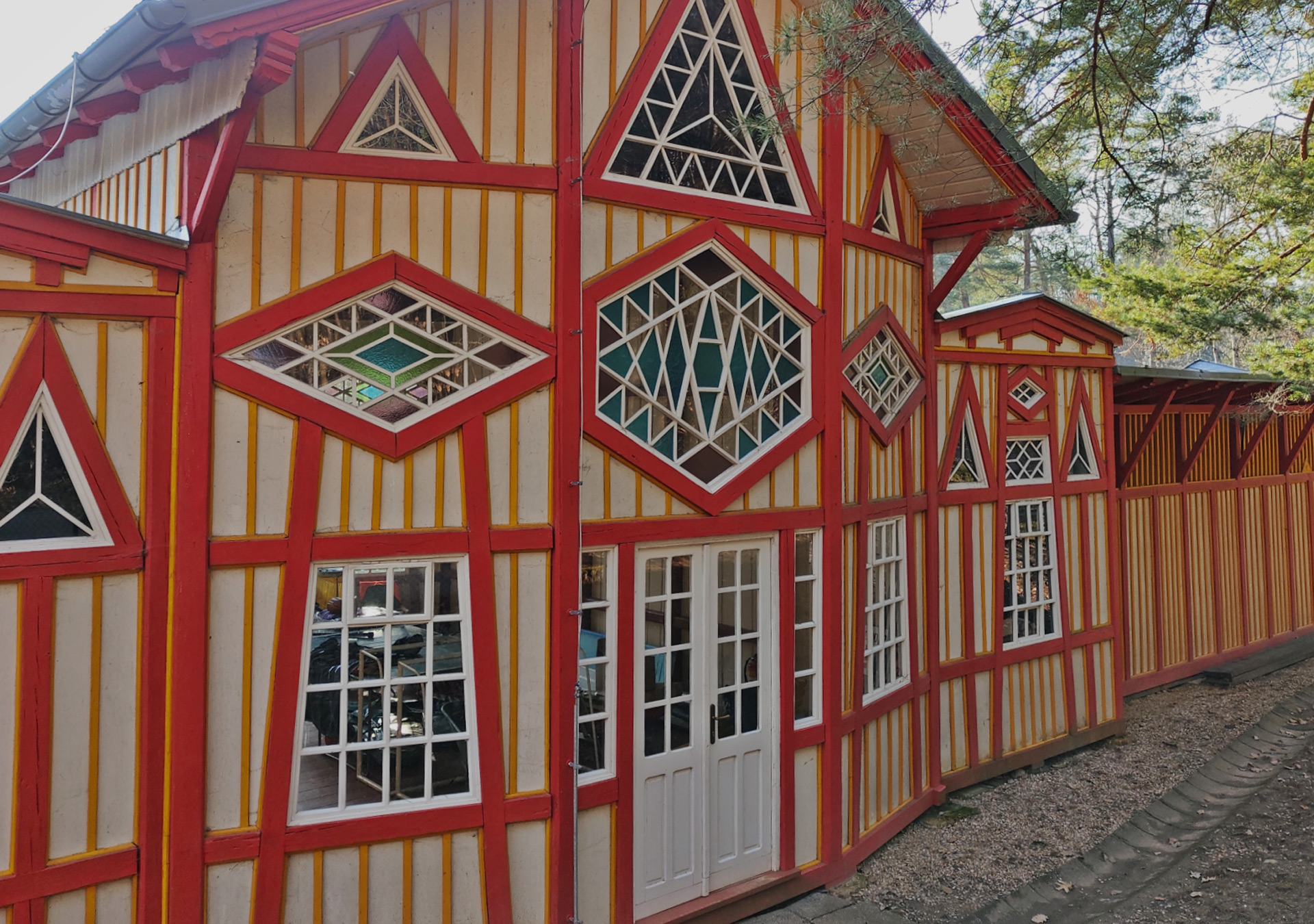
After splashing around, head to the Kalíšek forest spring —a secret meeting place for non-Catholics during the Dark Ages. Or take a stroll along the Malát Trail to Hořice, beloved by composer Jan Malát. It’s said he drew inspiration here—and no wonder, the surroundings are straight out of a fairy tale.
Address: Dachova, Hořice v Podkrkonoší
-
- Masaryk Tower of Independence
-
- Dachova Swimming Pool
Hořické Trubičky (Hořice Rolls)
If you travel to Hořice, you must try their legendary rolls —thin, crispy and perfectly sweet. But how did they become a local sensation?
Legend has it that the recipe was brought to Hořice by French soldiers after their disastrous Russian campaign. One of them, allegedly Napoleon’s personal chef, recovered at the home of a local woman, Mrs. Líčková, and as thanks, he revealed the secret of the emperor’s favourite treat. At first, the family baked the rolls just for fun, but they soon became a local hit.
Mrs. Líčková’s daughter, nicknamed the “Rolls Granny”, travelled around town and beyond with her wafer tongs. What started as a homemade treat soon turned into a profitable craft, passed down through generations. Then came Karel Kofránek—a confectionery genius who made the rolls famous worldwide.
Kofránek won dozens of awards, exported to America and China, and even patented an electric wafer machine. After nationalization, the tradition nearly died out, but the people of Hořice couldn’t imagine life without their beloved rolls. Today, eight companies produce them, and since 2011, they’ve been protected by the EU as a regional specialty.
Kubištovy hořické trubičky: Klicperova 2171, Hořice v Podkrkonoší
Petráškovy hořické trubičky: Libonice 21, Hořice v Podkrkonoší
Hořické trubičky STRIX Hořice s. r. o.: Erbenova 26, Hořice v Podkrkonoší
Beware of fake traditions!
Traditional product = quality? Not so fast! Many companies boast about tradition and premium ingredients, but if you check the label, you might be in for a surprise—palm oil, vanillin instead of vanilla and other "tricks."
Always read the labels. Even among the "best" products, cheap substitutes can lurk. But don’t worry—honest producers do exist; you just have to look for them.
Next time you see a "family tradition", check the ingredients—don’t let them fool you.
Where did we go? We shopped at TRUBKA SHOP, which offers a wide selection from different suppliers, so you can find some high-quality treats here.
Store address: náměstí Jiřího z Poděbrad 240, Hořice v Podkrkonoší