




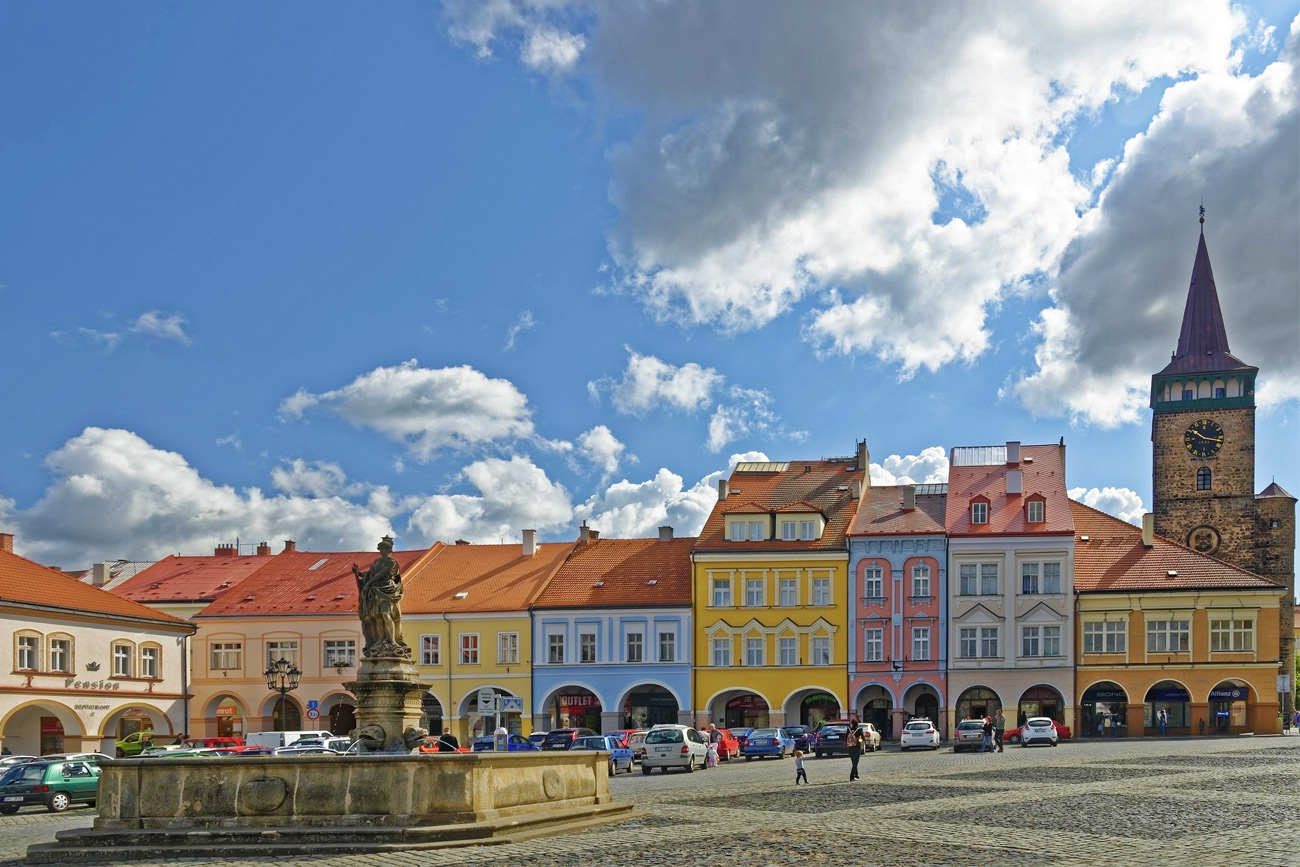
If you’re looking for a picturesque town full of history, culture and nature, then Jičín should definitely be on your travel list. This charming place on the edge of Bohemian Paradise, associated with the legendary robber Rumcajs, offers much more than just fairy-tale magic. Come stroll through the streets of Jičín with us and discover why it is worth a visit.
Wallenstein Square
The square is named after Albrecht von Wallenstein, a powerful military leader who sought to transform this provincial town into a grand residence. While Europe was ravaged by the Thirty Years' War, Jičín flourished as Terra Felix—the Happy Land.
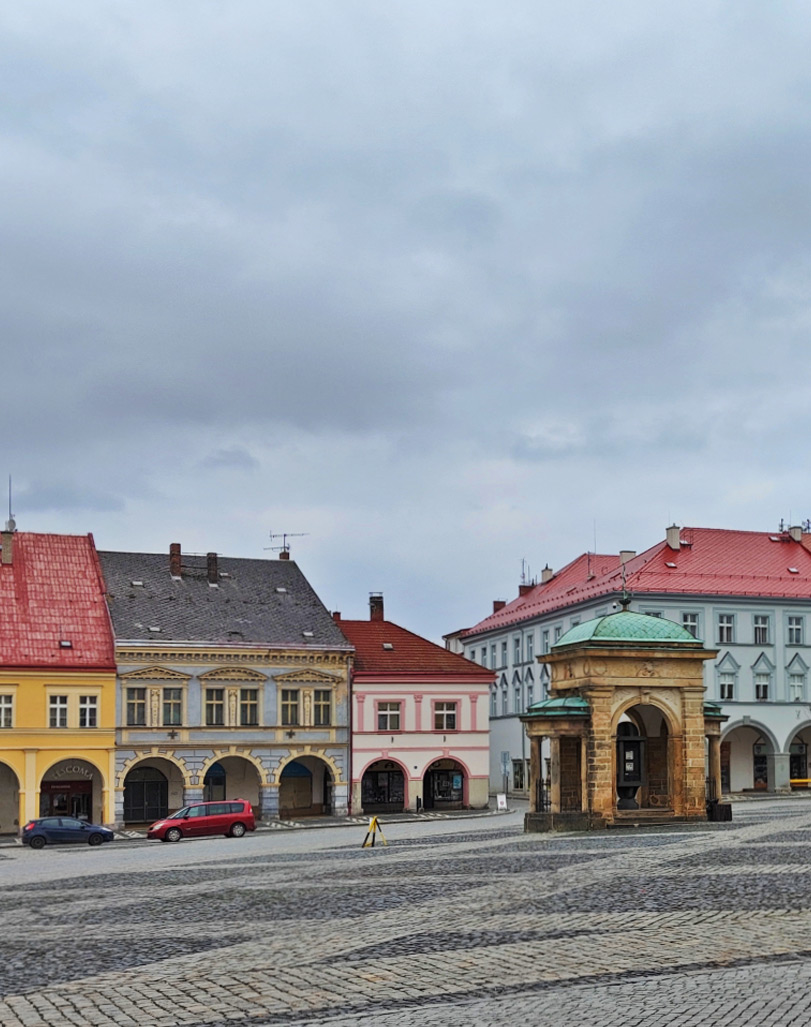
When Wallenstein died, Jičín's glory faded—construction projects halted and the town was plundered by armies. Nevertheless, Waldstein Square, surrounded by Renaissance and Baroque houses with arcades, remains a living chronicle of Jičín's former splendour.
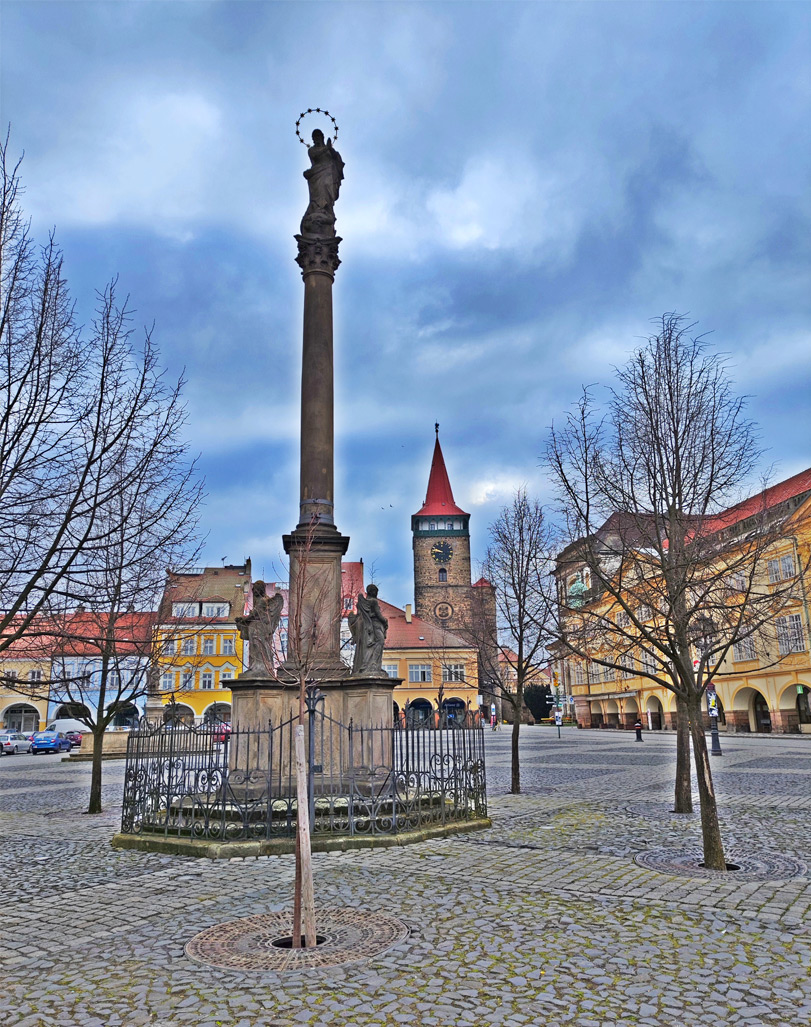
At the centre of the square stands the majestic Marian Column, though its beauty is shrouded in mystery—no one knows the name of its creator. Its pinnacle is adorned with a gilded statue of the Immaculate Virgin Mary, gazing down upon the town from above.
-
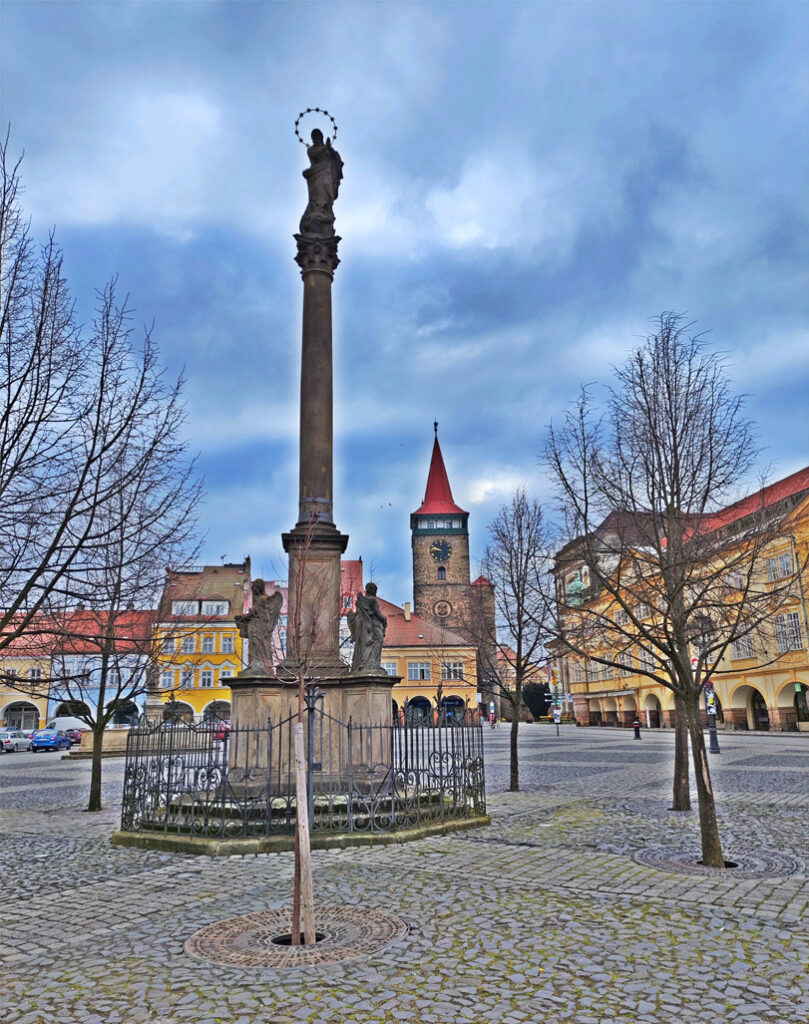
- Marian Column
-
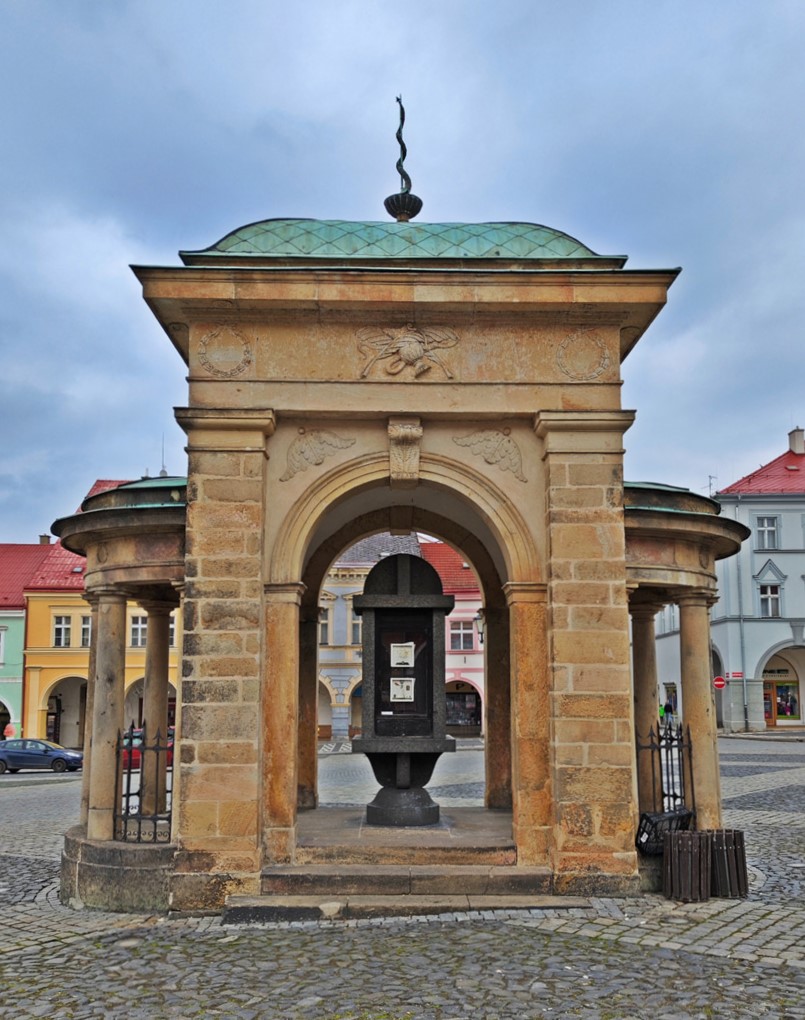
- The Coronation Fountain
The Coronation Fountain, originally a well, was built in 1836 to commemorate the coronation journey of Ferdinand V. A century later, this elegant structure resembling a small antique temple was complemented by a meteorological column.
The square's noble atmosphere is further enhanced by a late Empire-style fountain featuring a statue of the sea goddess Amphitrite. The life-sized, elegant statue, draped in flowing robes, holds an oar and stands atop a school of fish—as if she had just emerged from the sea waves.
-
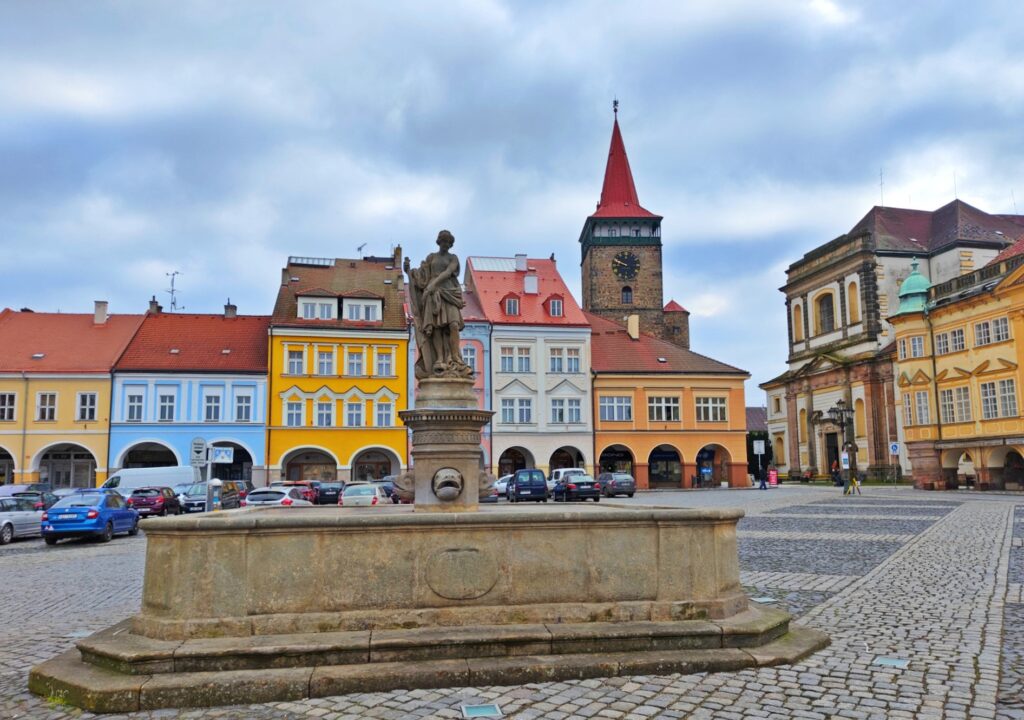
- Fountain of the goddess Amphitrite
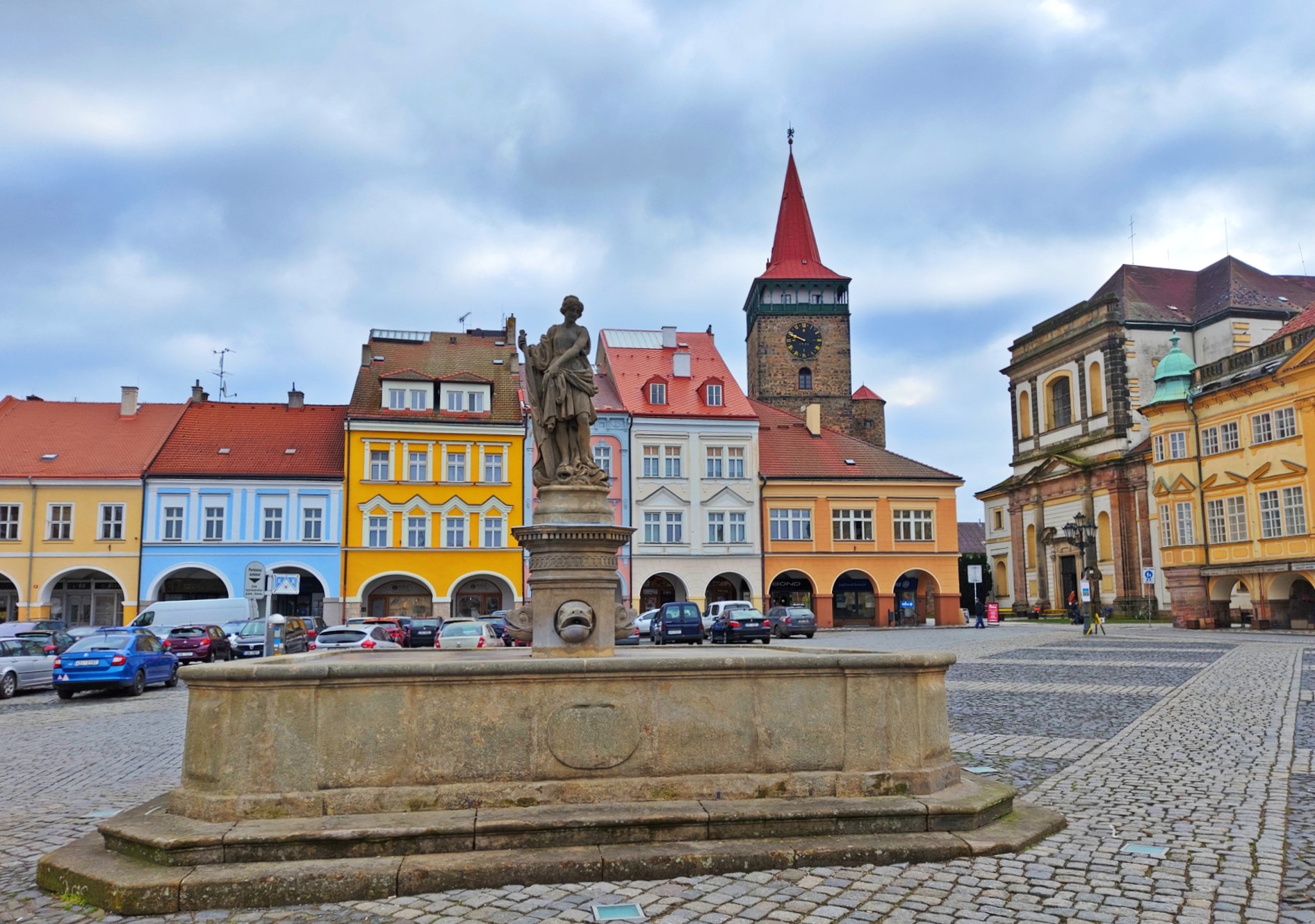
-
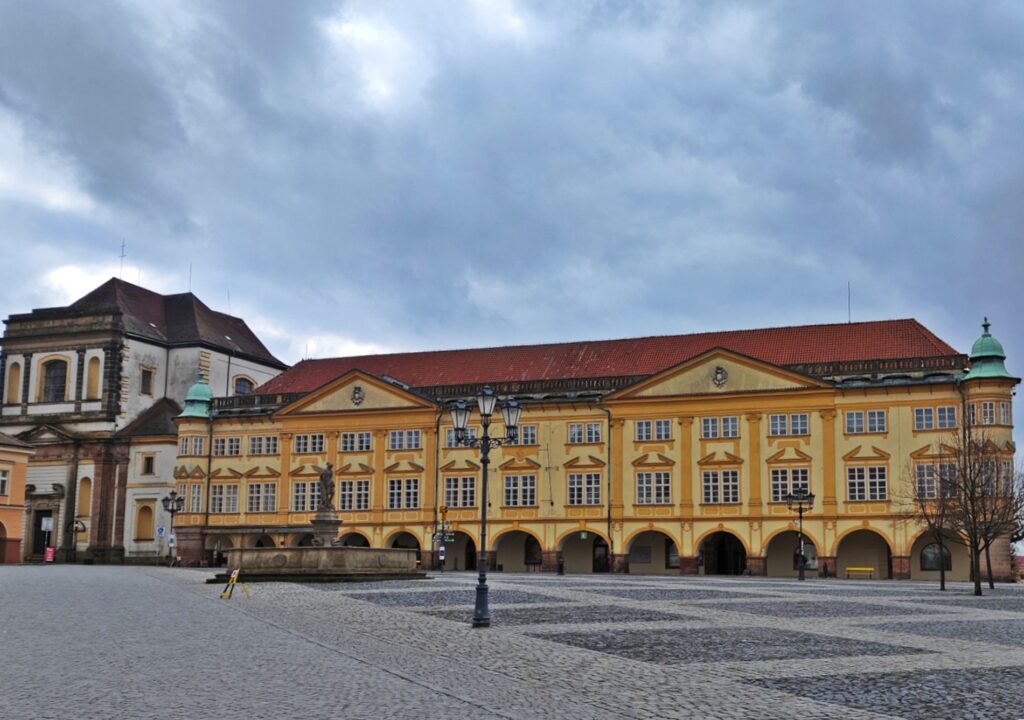
- Wallenstein Chateau
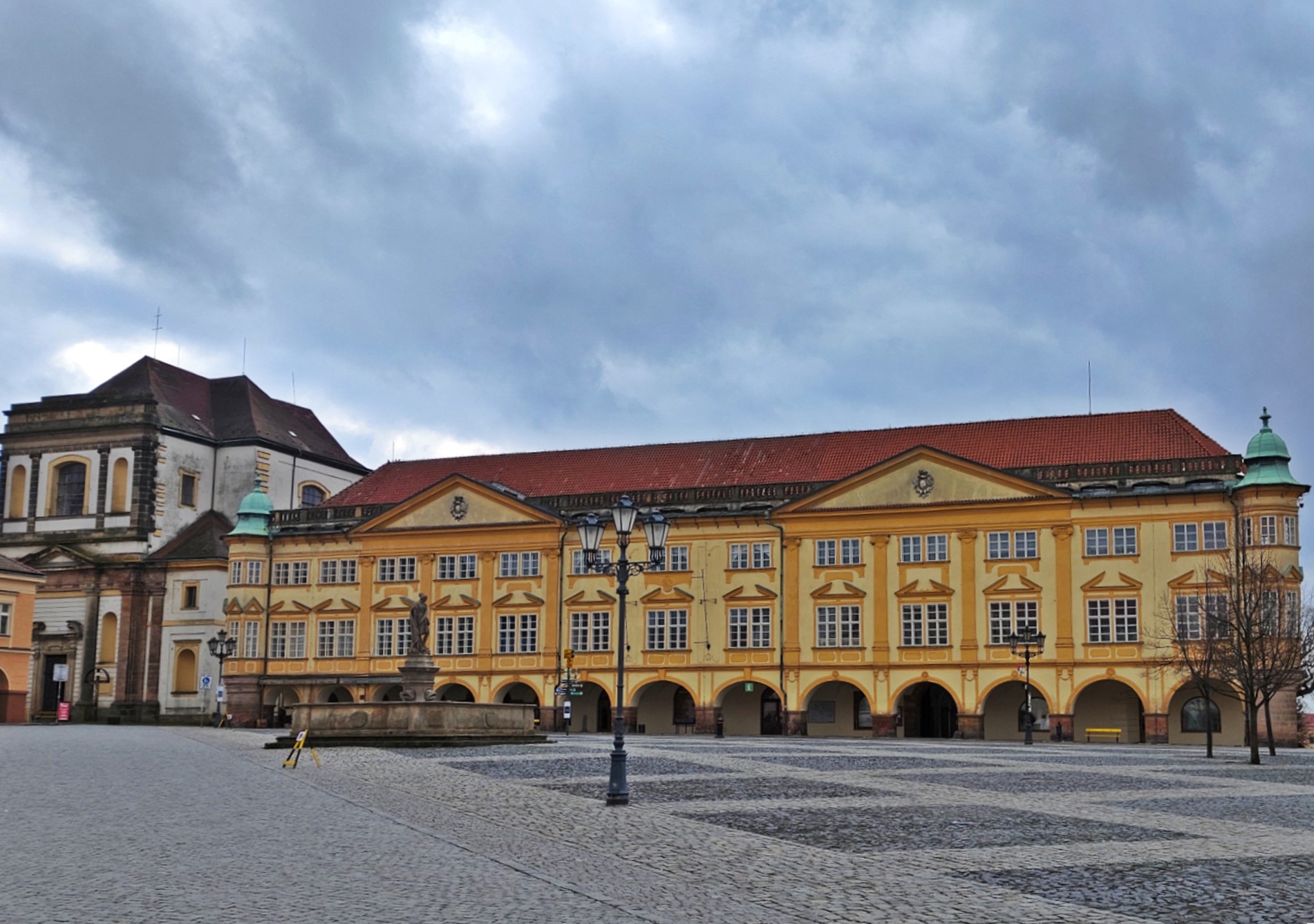
Wallenstein Chateau
You can’t miss the imposing Waldstein Chateau (or Jičín Chateau, if you prefer) on the square. Originally a Renaissance residence of the Smiřický family, it hides a turbulent past—in 1620, a gunpowder explosion tore through it, killing dozens of people and nearly destroying the building.
The restoration was overseen by Albrecht von Wallenstein, who added stables, a riding hall, and created a unique arcaded courtyard. Centuries later (1813), even Emperor Francis I stayed here.
Today, the chateau buzzes with cultural life—it houses the Regional Museum and Gallery and Tourist Information Centre, and hosts concerts and weddings.
Address: Valdštejnovo náměstí 1, Jičín
Behind the chateau is a park, where you can relax by a pond with a fountain, enjoy a coffee, or let the kids play on the playground. In summer, the park comes alive with concerts and open-air cinema. The park has undergone a major transformation and is now the perfect place to unwind in the heart of the town.
-
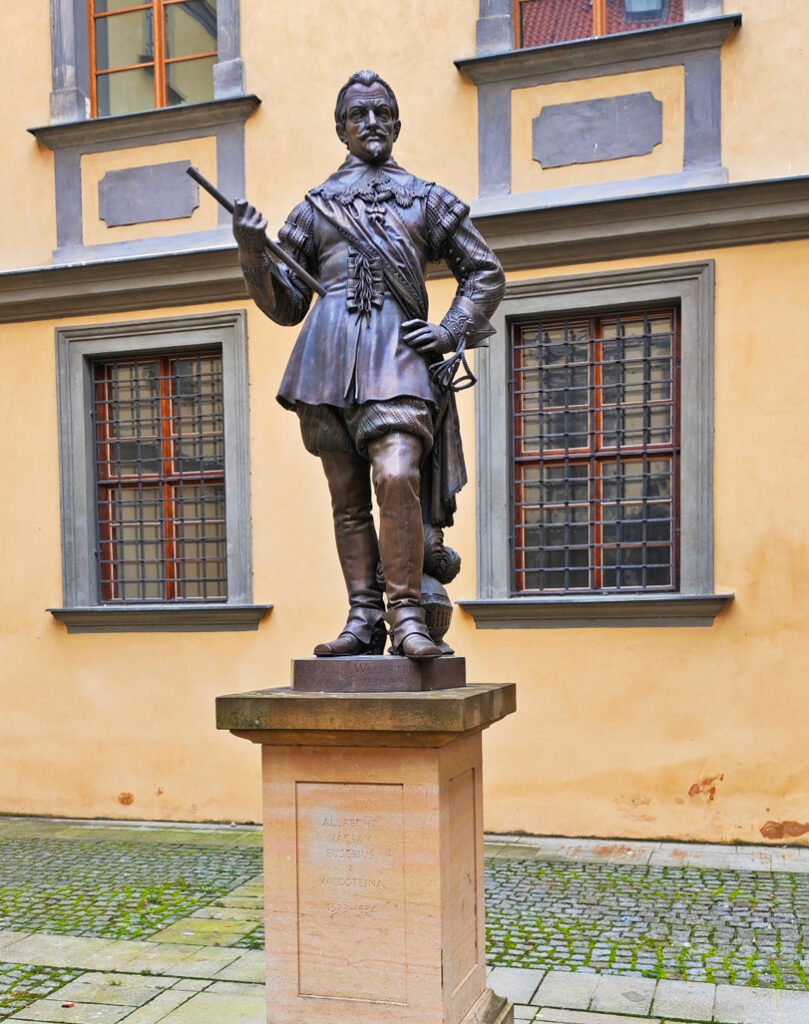
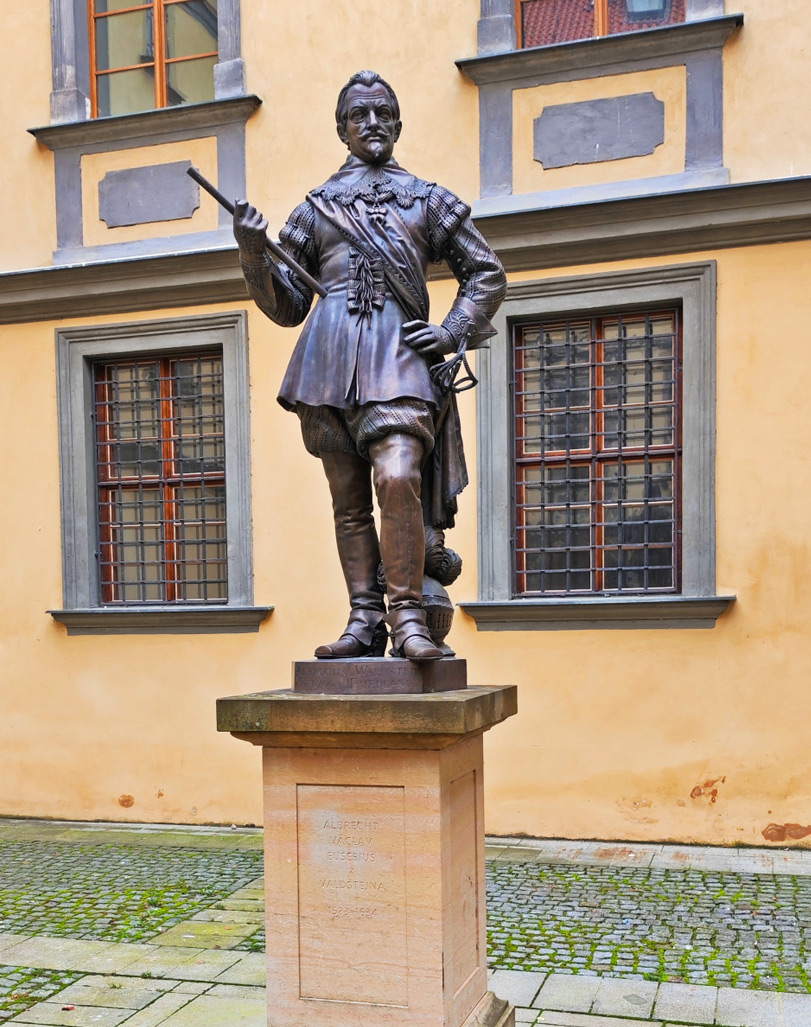
- Albrecht von Wallenstein
-
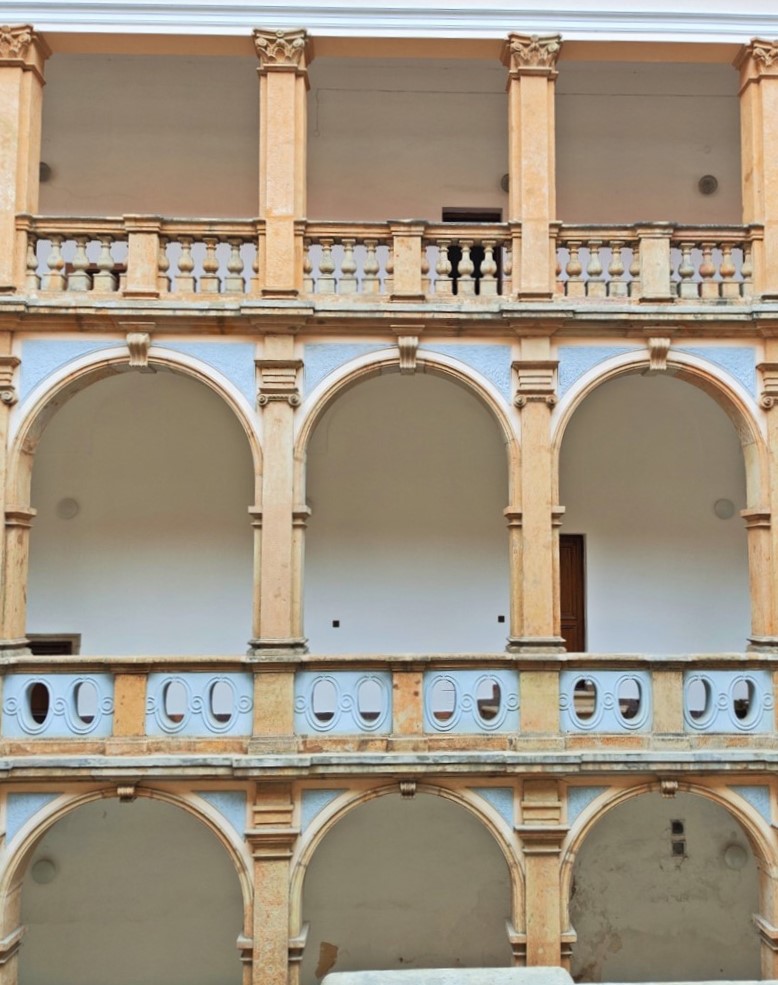
- Museum courtyard
Our tip:
Wallenstein Chateau hides three courtyards: the arcaded courtyard, the large one with the statue of Saint Florian, and the museum courtyard, where a statue of Albrecht von Wallenstein himself awaits you.
And remember—it’s technically a palace, but tradition has triumphed over architectural precision.
Church of Saint James the Greater
Right next to Jičín chateau stands the majestic Church of Saint James the Greater, connected to the chateau by a mysterious passage —the so-called prampouch. In the past, the nobility used this passage to enter directly into the aristocratic oratory (prayer room) without having to step among ordinary worshippers.
-
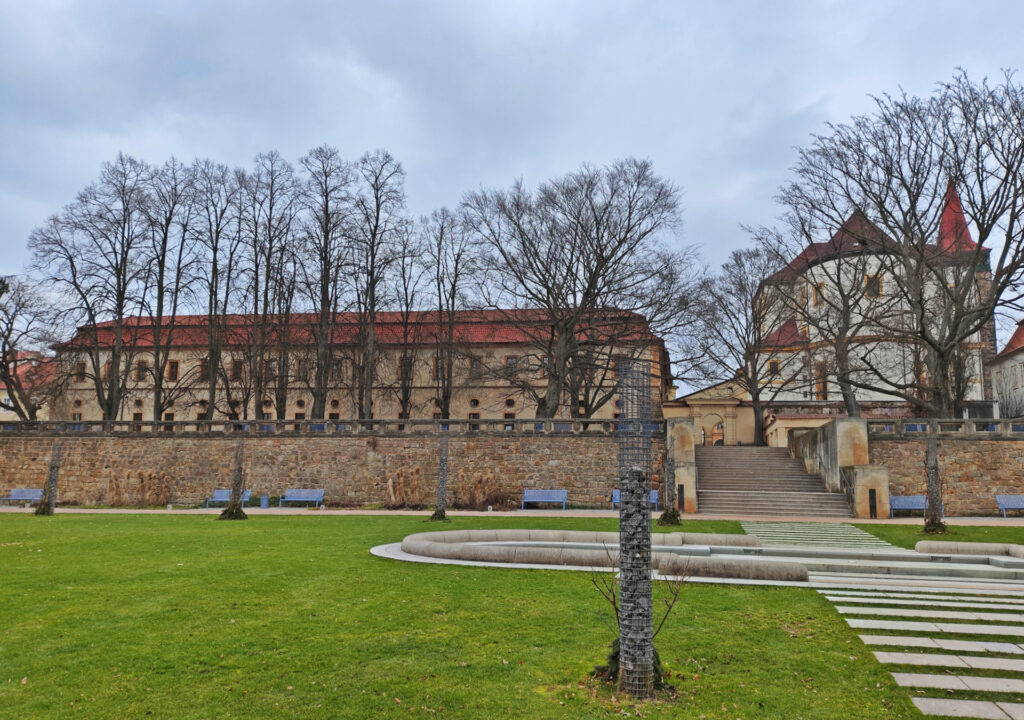
- Chateau Park

-
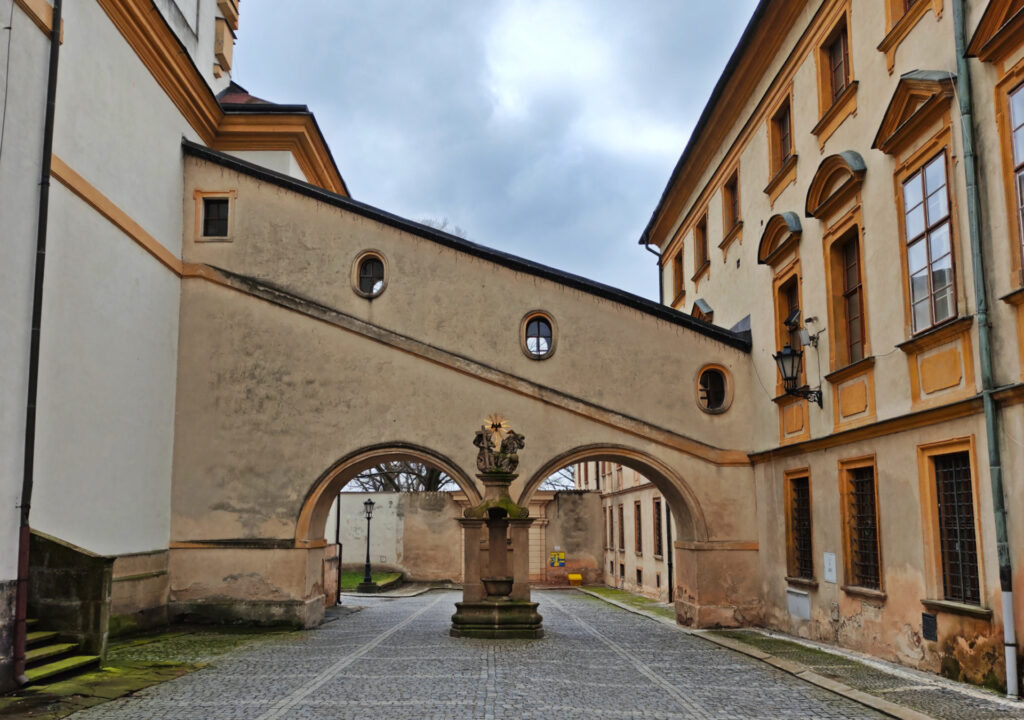
- Prampouch
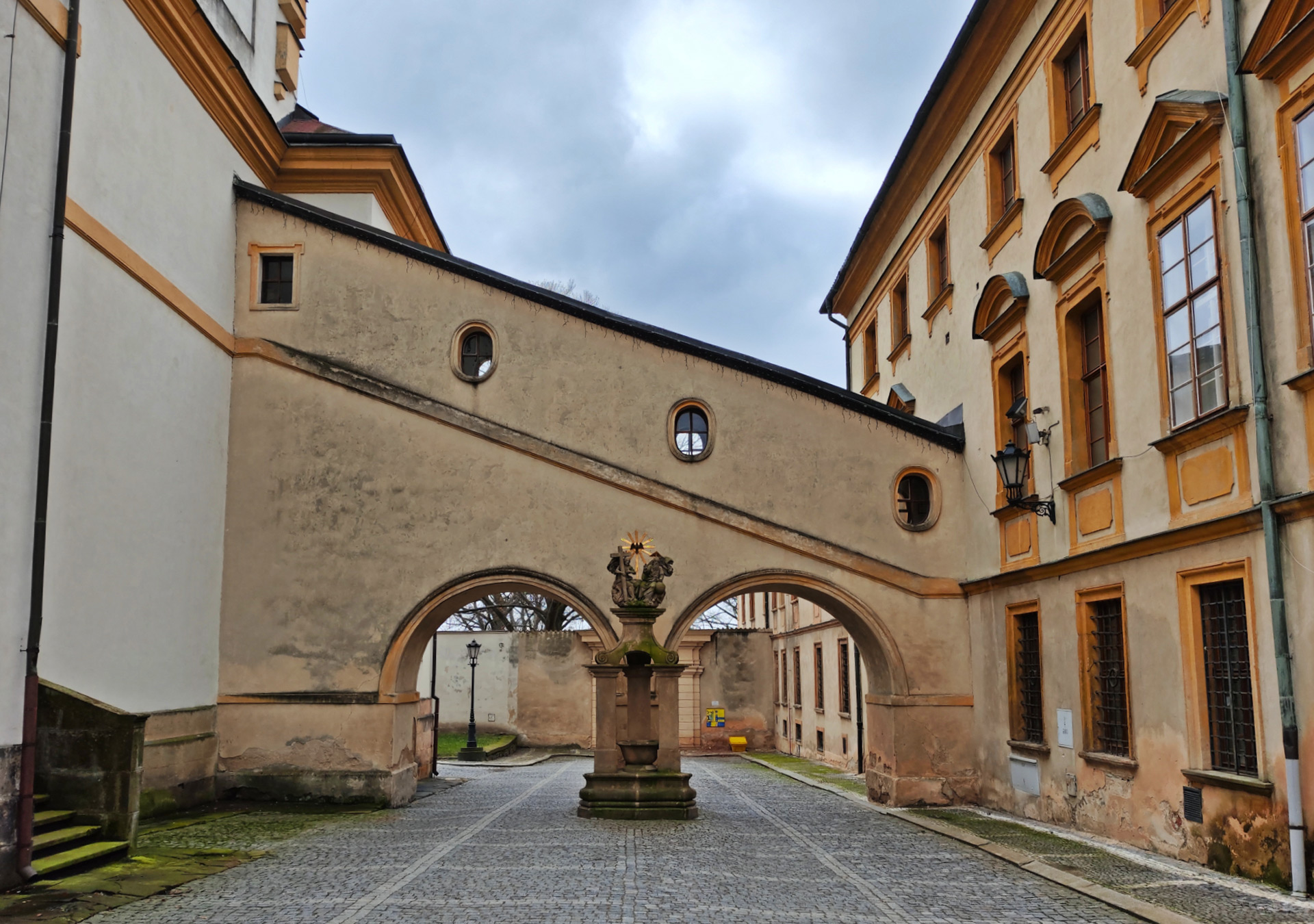
The church was founded by Albrecht von Wallenstein himself, who intended to equip it with four towers and a magnificent dome. However, fate had other plans—after the duke's violent death, the construction remained unfinished. At least partially, the missing dome was replaced by the painter Josef Kramolín, who created a perfect illusion on the ceiling. Just look up, and you will feel as if a real dome is arching above you!
Address: Valdštejnovo náměstí 96, Jičín
-
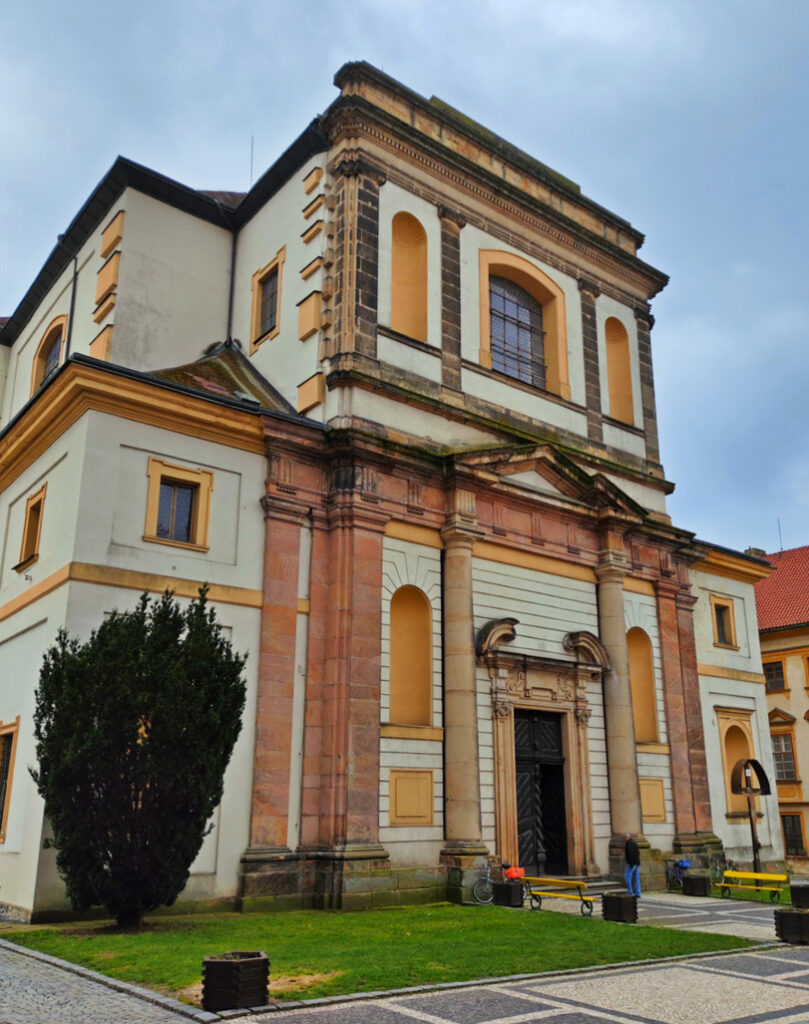
- Church of St. James the Greater
-
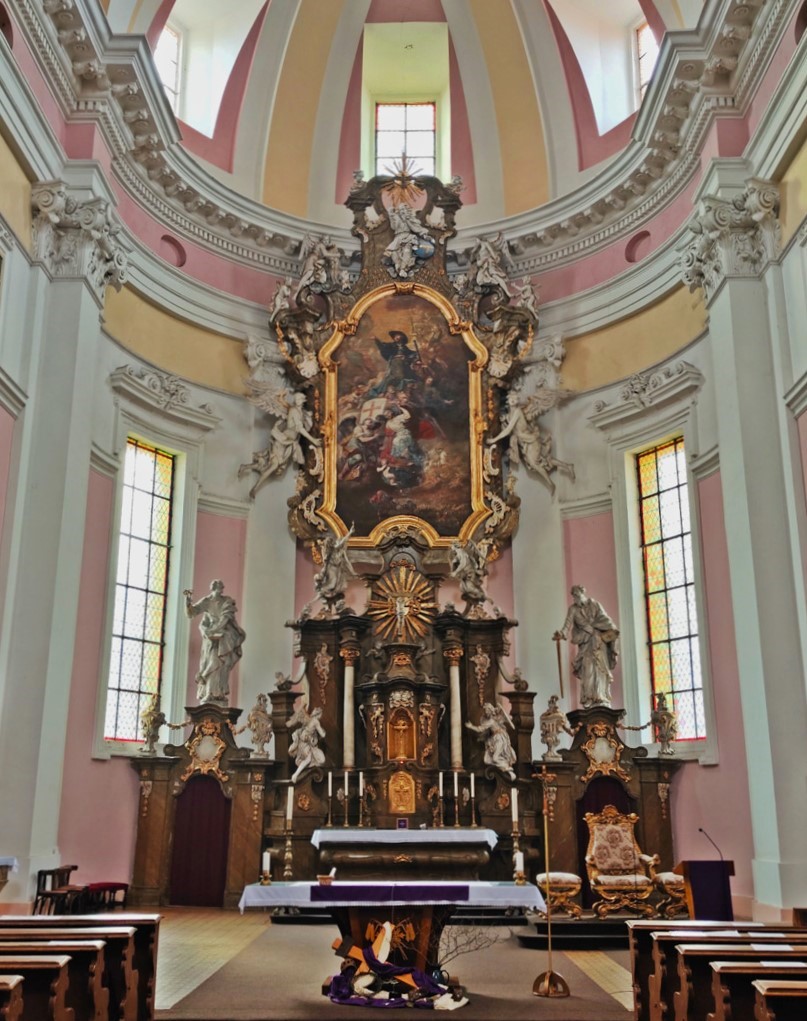
- Church of St. James the Greater
Wallenstein Museum and Mint
Would you like to experience firsthand how coins were minted during the time of the powerful Albrecht von Wallenstein? Hidden in the square is a private museum with a mint, where you can briefly become the duke’s coin maker and take home your own Wallenstein quarter-thaler.
Wallenstein had his own coins minted in Jičín, but after his death, the emperor had them melted down to erase his legacy. Fortunately, some survived!
The museum will engagingly introduce you not only to the duke’s life but also to the fascinating world of coinage.
And if Jičín captivates you, join the museum guides for a town tour full of surprising stops.
Address: Valdštejnovo náměstí 114, Jičín
Valdice Gate
You can’t miss it—this 52-meter-high Renaissance tower proudly rises above the town, inviting you to enjoy an unforgettable view. Climb the 156 steps to the Valdice Gate viewing gallery and let yourself be enchanted by the panorama of Jičín and its surroundings. This landmark has stood here since the 16th century and even survived demolition plans—Albrecht von Wallenstein himself wanted to tear it down, but fate had other plans.
Instead of destruction, the gate underwent transformations: fires, Baroque modifications, and finally, a romantic pyramidal roof that gives it its fairy-tale appearance today.
During the season, theatre performances occasionally take place here, so the gate is alive not only with history but also with culture.
Address: Pod Koštofránkem, Jičín
-
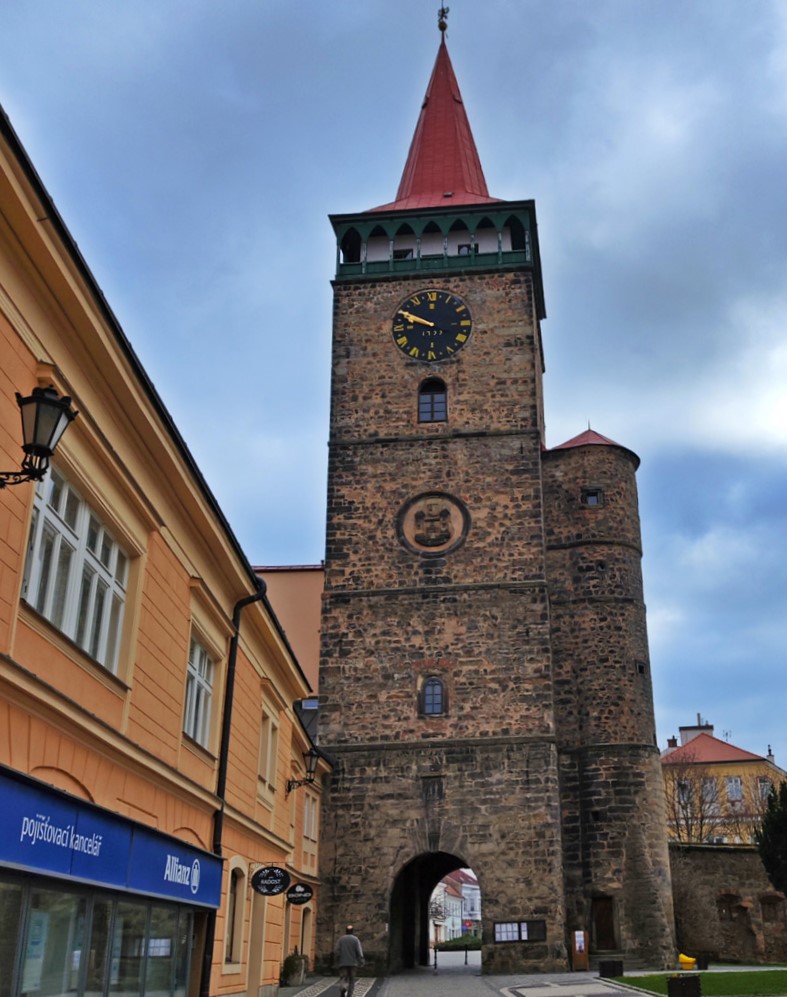
- Valdice Gate
-
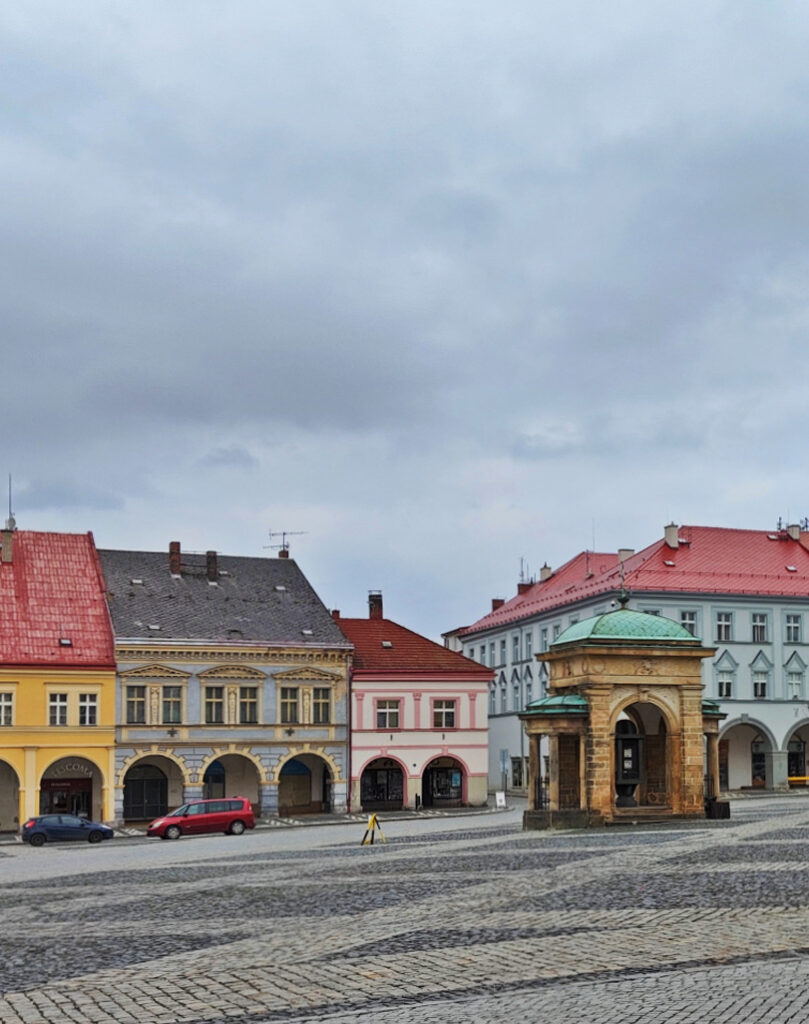
- Wallenstein Square
Synagogue and Jewish School
The quiet alleys of the town tell the story of a Jewish community whose roots stretch back to the 14th century. Walk through Jewish Street, where life once thrived, and discover places that still carry a silent memory.
One of the best-preserved synagogues in the region dates back to the 18th century. Although it served as a warehouse during the war and later as an herb-drying facility, today it shines in renewed splendour. Inside, you will find a moving story about the Jews of Jičín—from their flourishing under Wallenstein to the tragic deportations during the Holocaust.
Address: Židovská 103, Jičín
Just a few steps from the synagogue stands house No. 100, where the German language of Jewish schoolchildren once echoed. Today, you will find an exhibition about Jewish writers and a cozy café.
Address: Židovská 100, Jičín
In January 1943, over 100 Jewish neighbours were taken from Jičín to Terezín—most of them never returned. Their names are now commemorated by Stolpersteine (Stumbling Stones), brass plaques embedded in the sidewalks in front of their homes.
Jesuit College
In the centre of Jičín lies a mysterious Baroque landmark—the vast Jesuit College, a reminder of the town’s golden age under Albrecht von Wallenstein. It was he who, in 1624, invited the Jesuits to build this impressive complex, which included a grammar school, seminary, pharmacy and hospital. Among its famous students was the writer Bohuslav Balbín.
However, the college faced a turbulent fate. After the Jesuit order was abolished in 1773, the army took it over. Insensitive modifications turned the once-grand buildings into a decaying ruin. Today, parts of the complex are gradually being restored—such as the courtyard, where are now held cultural events.
Address: náměstí Svobody 22, Jičín
Church of Saint Ignatius
The oldest building in Jičín hides a fascinating story. The Church of Saint Ignatius dates back to the turn of the 13th and 14th centuries, when the town was just beginning to write its history. Originally dedicated to Saint James, it was later handed over to the Jesuits by Albrecht von Wallenstein, who gave it its current name.
The Jesuits later added ornate Baroque sacristies with lavish stucco decorations and brought a precious painting of the Our Lady of Rus' into the church—a gift from Russia. Despite fires and Renaissance reconstructions, the building has retained its historical character.
Address: náměstí Svobody, Jičín
Fairytale Jičín not just for kids
Step into a fairy tale at the Rumcajs’s World Gallery by Radek Pilař – a unique interactive exhibition where the stories of the legendary bandit come to life. In the arcades of Jičín chateau, you will find models that you can set in motion yourself. It is fun for both children and adults, who can reminisce about their favourite bedtime cartoons.
Did you know that Radek Pilař, the artist behind the visual design of Rumcajs, drew inspiration from his own face? And besides Rumcajs, he also created the iconic evening character, Večerníček (Little Evening).
Address: Valdštejnovo náměstí 1, Jičín
Before Rumcajs became famous as a bandit of the Krkonoše Mountains, he was an honest shoemaker. His workshop can still be found today in a charming little house with a delightful atmosphere, where you can step back in time and discover how he lived with his family before becoming a forest outlaw.
At Rumcajs' cobbler's workshop you can look forward to an authentic shoemaker's workshop, Manka's herb garden, Cipísek's cheerful ZOO, and a children's play area.
Address: Pod Koštofránkem 102, Jičín
-
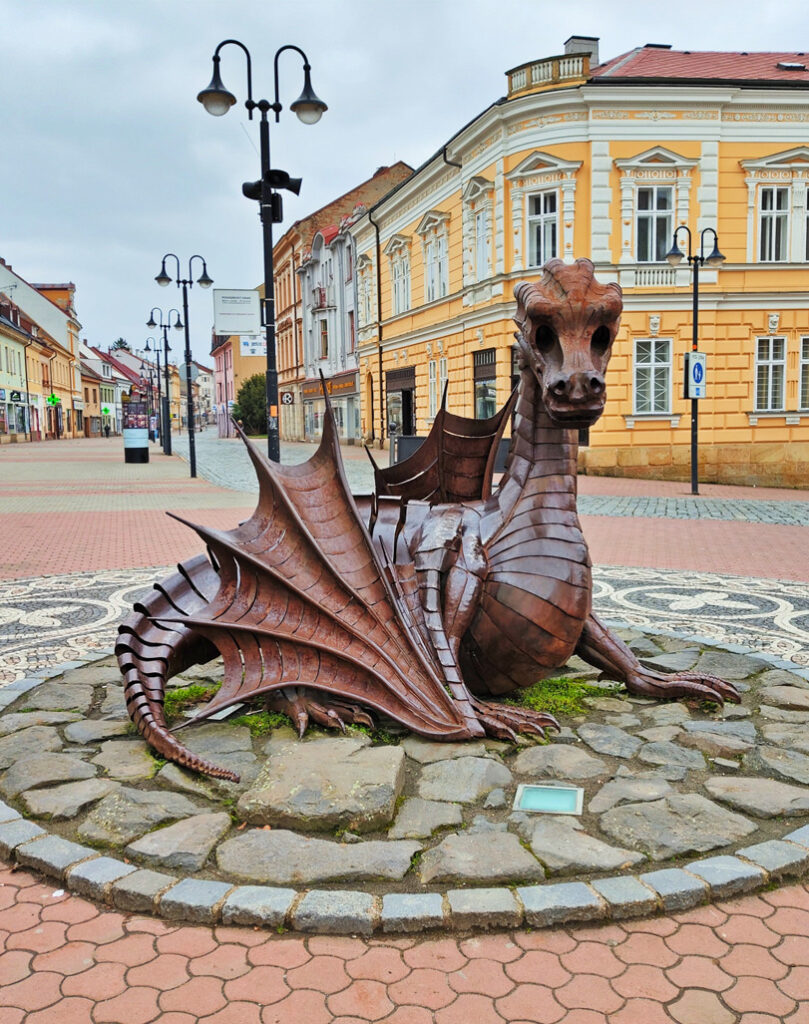
- Fairytale dragon
-
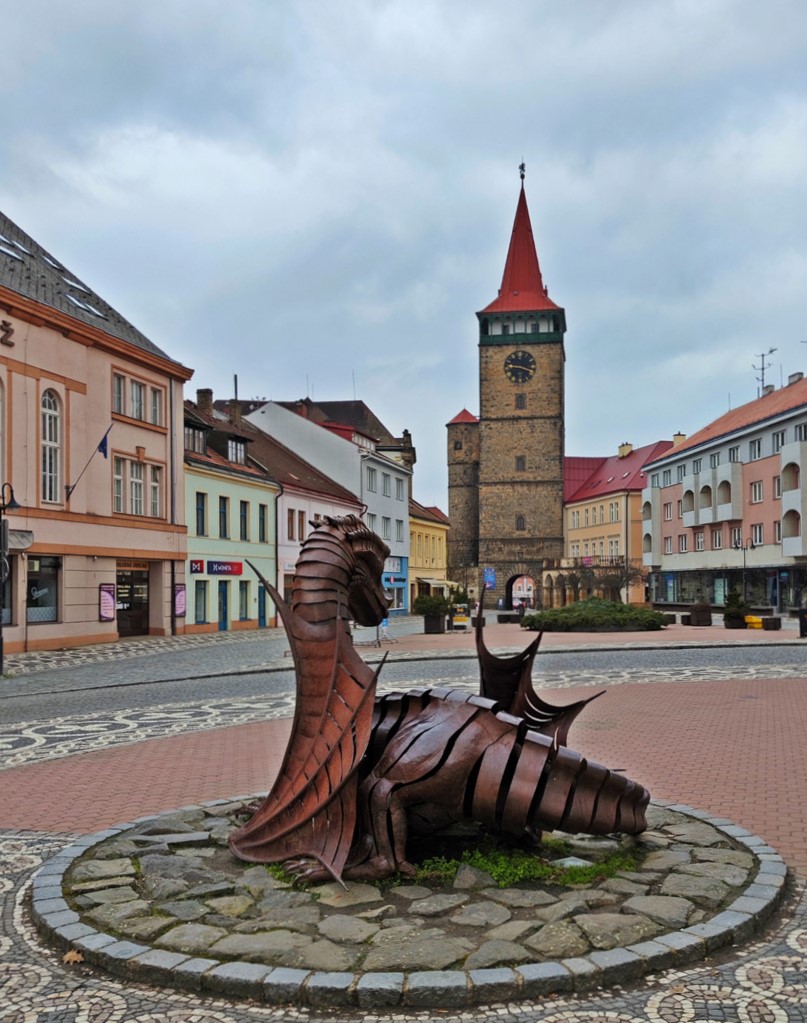
- Dragon and Valdice Gate
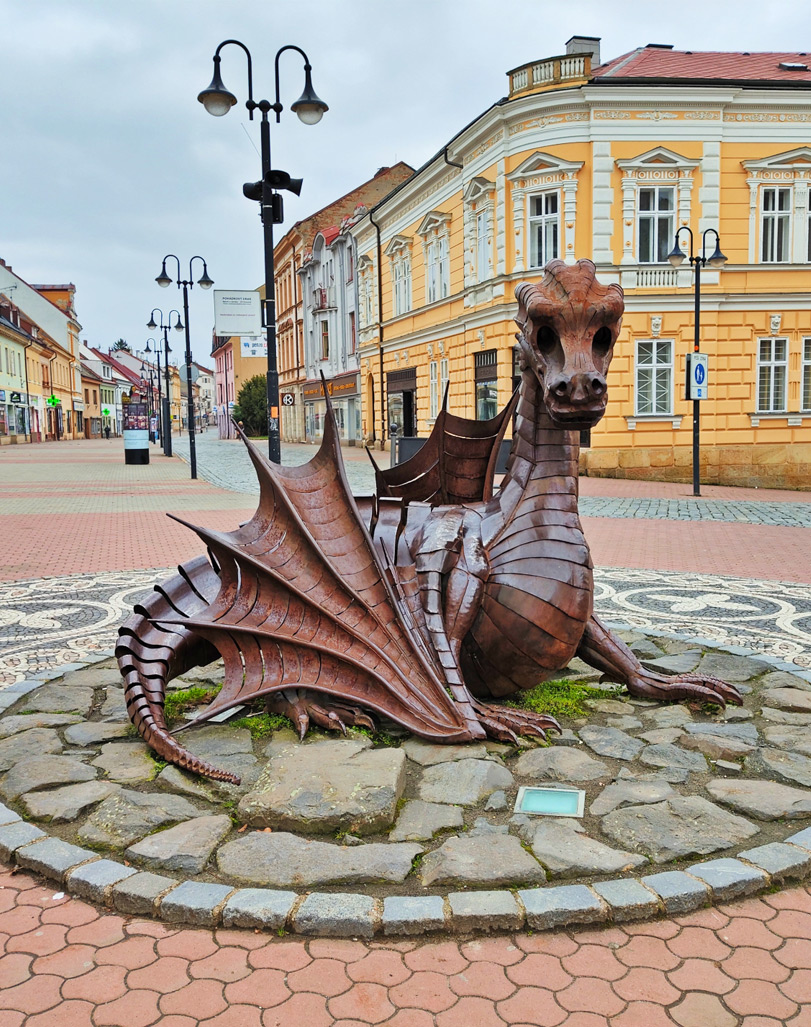
Have you ever met a fairytale dragon among the houses? At the beginning of Husova Street, right in the town centre, an extraordinary guardian has settled—a metal dragon. This impressive piece of art by Jiří Kmošek landed here in 2010 and decided to stay. Today, it is one of Jičín’s most beloved attractions and proudly guards the town’s fairytale atmosphere. And as you admire its graceful curves, look up—from here, you will find a stunning view of the Valdická Gate.
In the heart of the Wallenstein Linden Alley, a magical experience awaits you—the Bench of Rumcajs’ Family. And this is no ordinary seating! Measuring nearly 4 meters in length and weighing 1.5 tons, it boasts the title of the largest fairytale bench in the Czech Republic. Carved from a 300-year-old oak tree, it features not only Rumcajs, Manka and Cipísek but also iconic motifs of the Bohemian Paradise—such as the Prachov Rocks and Jičín’s main square.
Linden Alley
The nearly two-kilometre-long linden alley in Jičín is the oldest alley of its kind in the Czech Republic. It connects the historic centre with the impressive Wallenstein Loggia and offers a romantic walk under the crowns of nearly 900 linden trees. Originally, there were over 1,100 trees, but even today, the alley is breathtaking—and home to rare beetles.
The alley is part of a unique Baroque landscape, designed by Italian architect Giovanni Pieroni for Albrecht von Wallenstein. The trees line the path in four rows and are planted in such a way that, during the summer solstice, the sun rises at one end and sets at the other. Wallenstein envisioned it as a solemn path leading to his tomb, but this plan was never realized.
Legend has it that the alley was planted in the time of three cannon shots —the first for digging the holes, the second for planting the trees, and the third for covering them with soil. In reality, however, the work was carried out by gardeners under Wallenstein's supervision.
Today, the alley invites visitors for strolls and sports. It offers two paths—a loose-surfaced one for pedestrians and cyclists and a smooth asphalt path suitable for inline skaters.
Address: Revoluční 125, Jičín
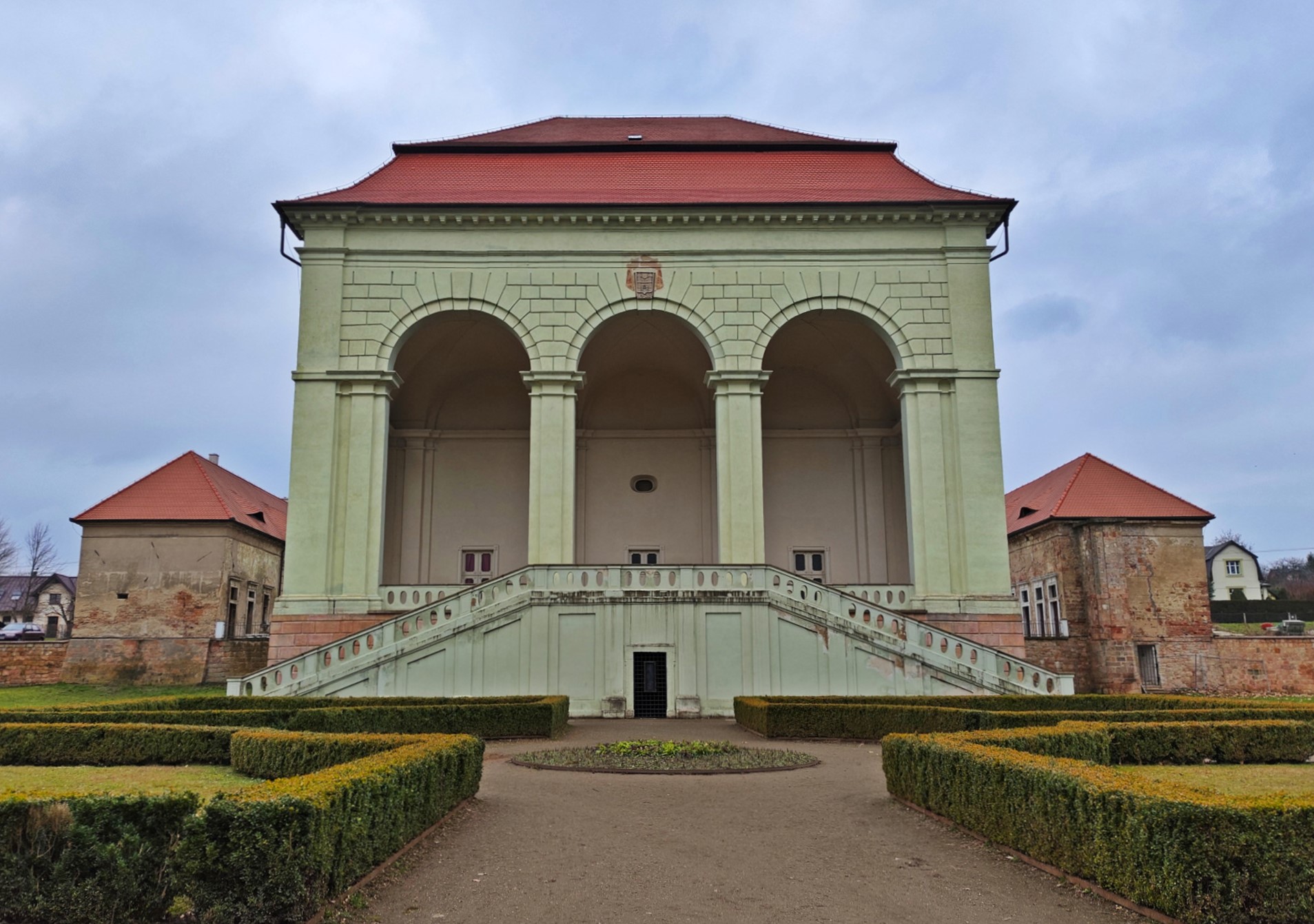
Wallenstein Loggia
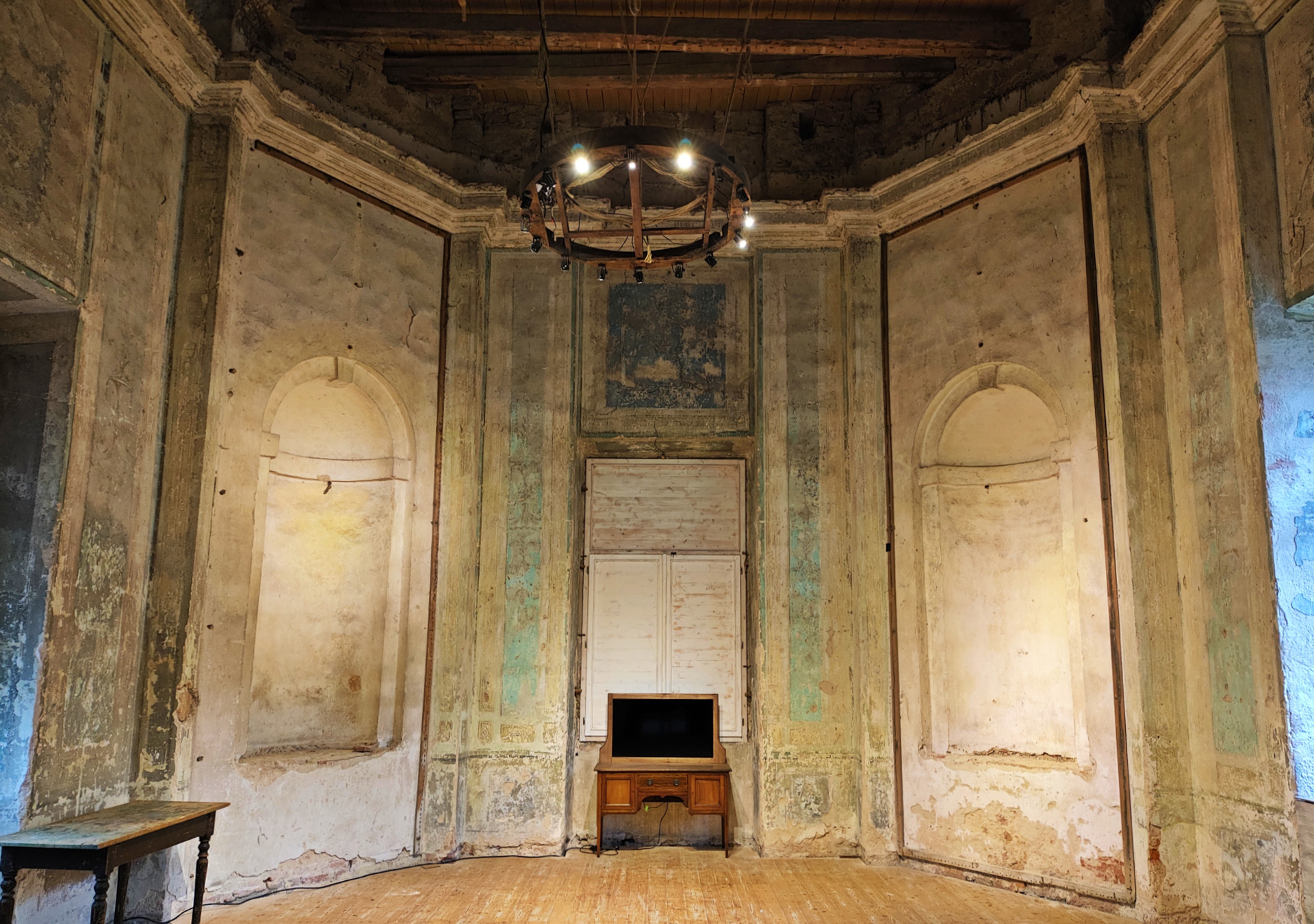
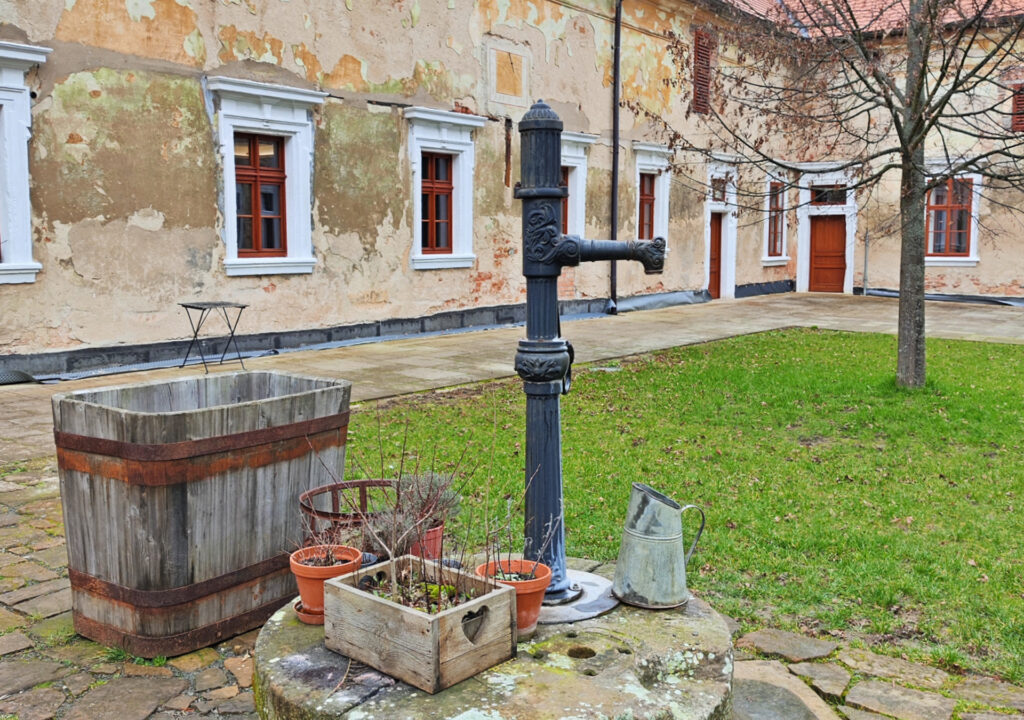
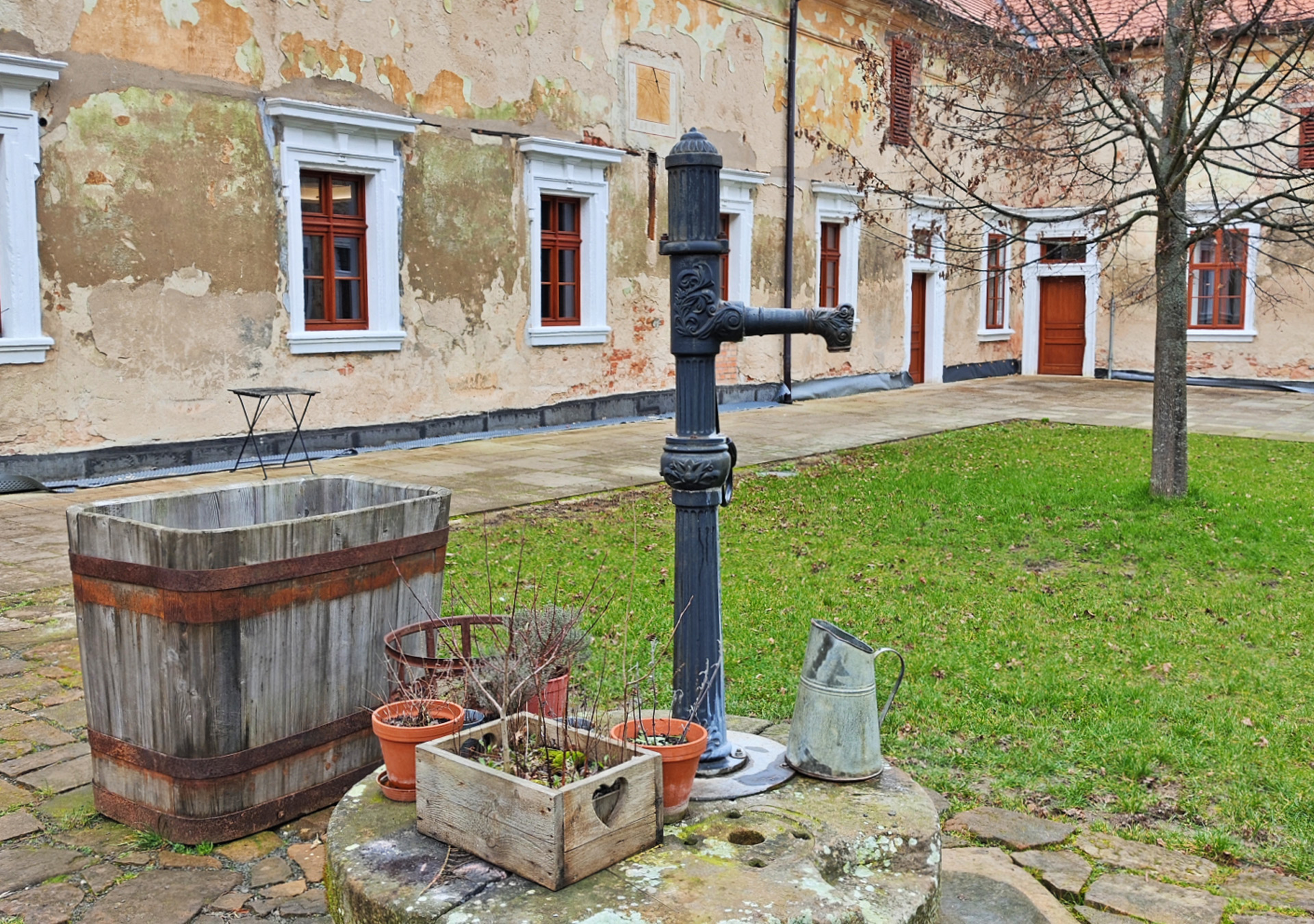
This early Baroque summer residence was also commissioned by Albrecht von Wallenstein. Once just a game preserve, Wallenstein dreamed of a magnificent summer palace surrounded by gardens. Thus, the Libosad was created, featuring an impressive loggia and a ceremonial courtyard. However, after the duke's death, the estate fell into decline, only to be revitalized in recent years through reconstructions and cultural projects.
-
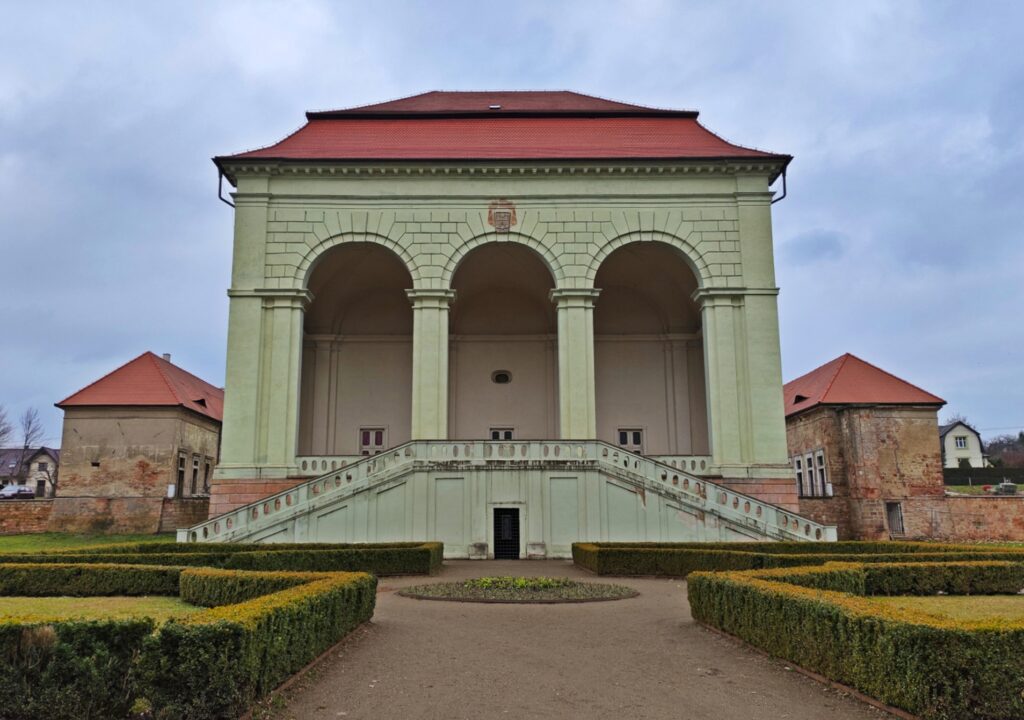
- Wallenstein Loggia
-
- Wallenstein Loggia
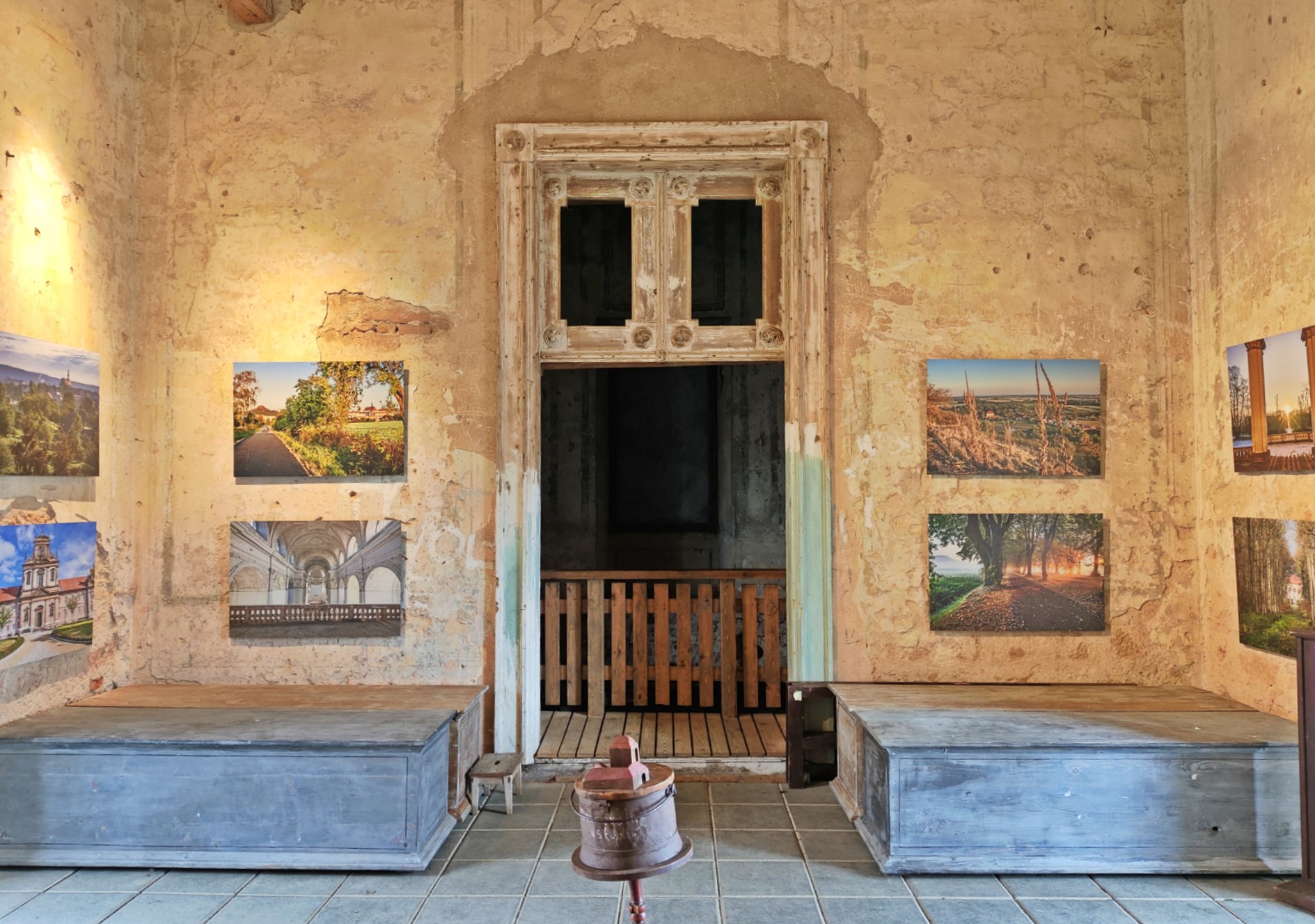
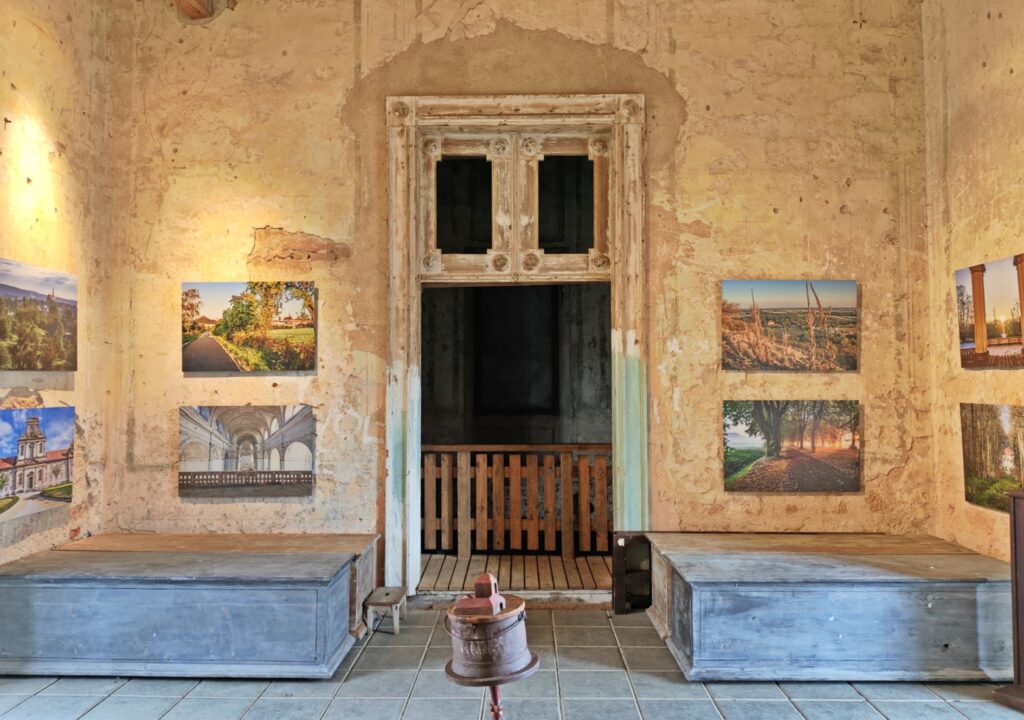
Today, you can not only enjoy Café Loggie with its park views but also experience live concerts, theatre and workshops. You can explore the loggia on your own during the café's opening hours or join a guided tour.
In the unique Theatron hall, puppet theatre, animation, and digital effects come together to tell the story of two brilliant architects. This exhibition is part of a Czech-Polish project connecting heritage sites on both sides of the border.
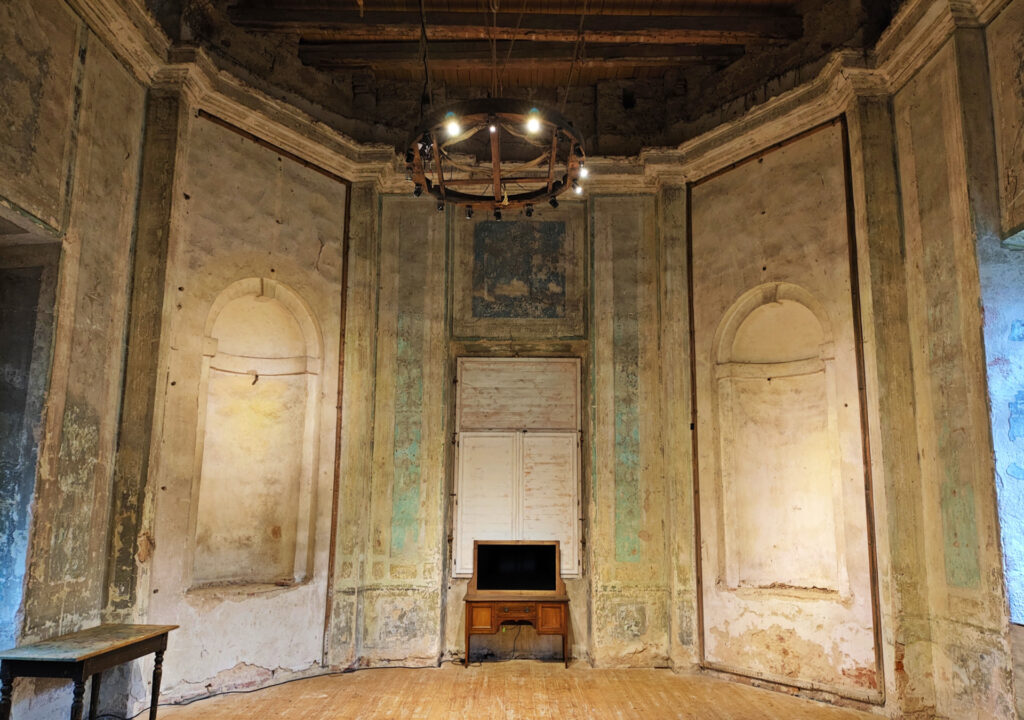
Thanks to the striking video projection—Epitaph—the fate of the famous military leader is brought to life. The projection runs on a loop in the space of the unfinished staircase, immersing you in the dramatic moments of Wallenstein’s life.
-
- Wallenstein Loggia
-
- Wallenstein Loggia
And that’s not all! The unique Wallenstein epidemium will guide you through the Baroque gems of the loggia in a series of video tours. Just pick up a video tablet right on the premises and immerse yourself in history.
How to get here? Take a pleasant stroll down the linden tree avenue (2 km from Jičín) or come by car (a small parking lot is located right next to the loggia). However, in summer, keep in mind that spots fill up quickly—so it’s better to arrive early.
Address: Sedličky 4, Jičín
Our tip for cultural events:
Every even year, Jičín comes alive with the spirit of the Baroque. The Wallenstein Festival will transport you back to the 17th century when the town was ruled by Albrecht von Wallenstein. Three days full of history, entertainment, and lavish performances await visitors in the streets, on the square and in the magical setting of the Wallenstein Loggia. The festival also includes knightly duels, historical craft markets, jugglers and fireworks.
Every second week of September, Jičín is enchanted by the magic of fairy tales. The streets belong to children, playfulness and imagination, as begins the famous festival Jičín – town of fairy tales. Each year features a new fairy-tale theme, and the grand parade is an unforgettable highlight.
Where to park in the town?
We used the Na Hrádku parking lot —it is free and just a 2-minute walk from the historic square. The perfect starting point for exploring the town.
Address: Na Hrádku 26, Jičín
Our invitation:
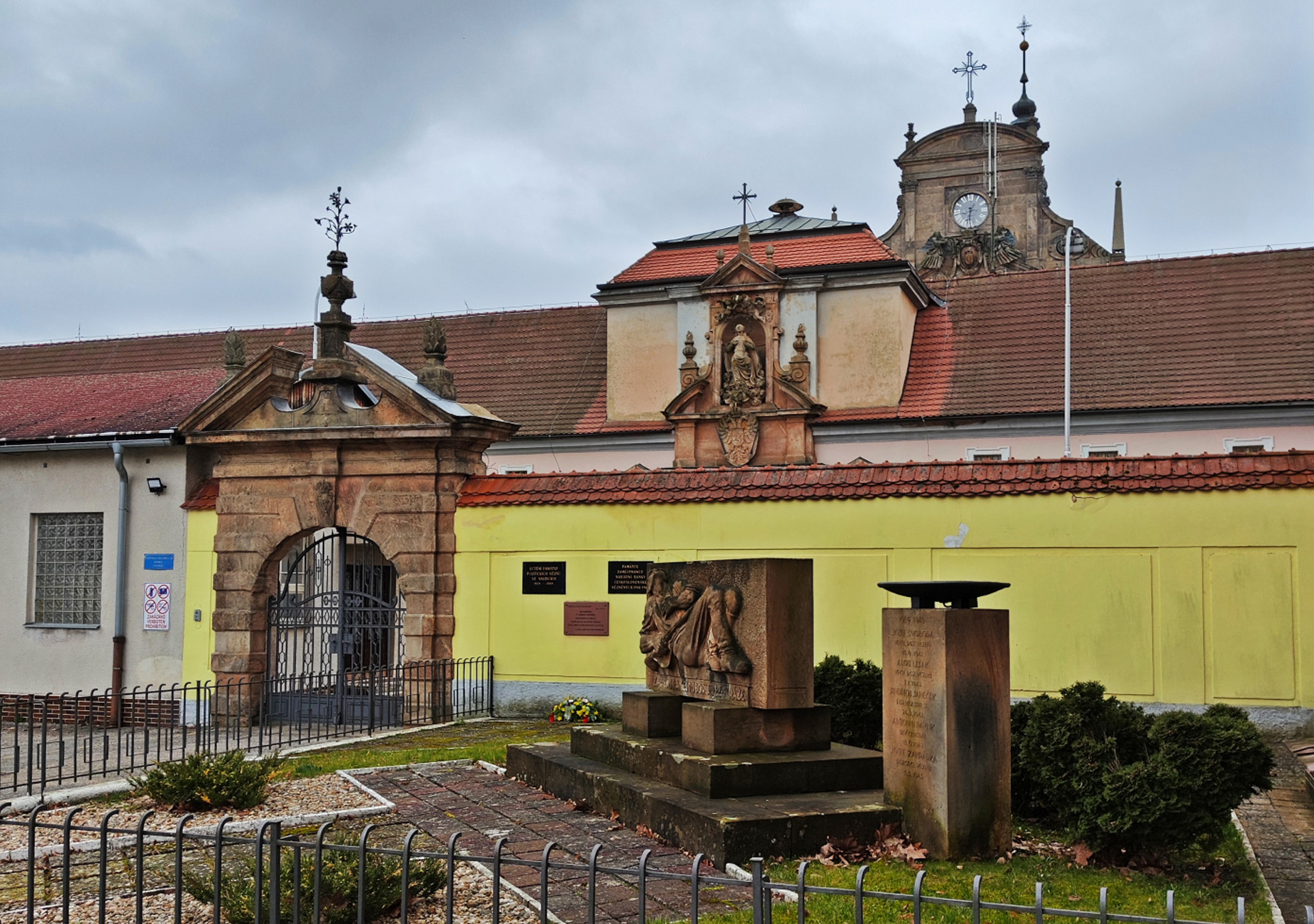
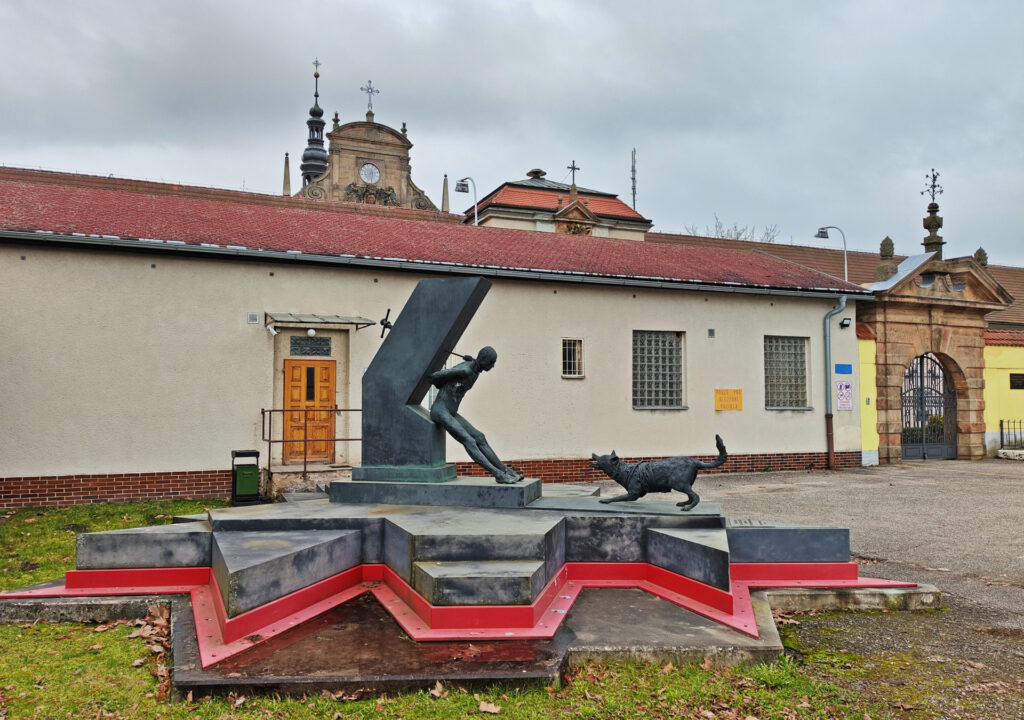
On your way to Jičín, make a stop in Valdice, where behind high walls lies an impressive Baroque complex with a turbulent history. The former Carthusian monastery, founded by Albrecht von Wallenstein in the 17th century, is now one of the most feared prisons in the Czech Republic.
The monastery was originally intended as a place of silence and contemplation. For a brief time, even Wallenstein’s remains were kept here before being moved to Mnichovo Hradiště in 1782. However, after the monastery was dissolved under the rule of Joseph II, the building gradually fell into disrepair until it was transformed into a prison in the 19th century. Even the legendary outlaw Václav Babinský spent time here.
-
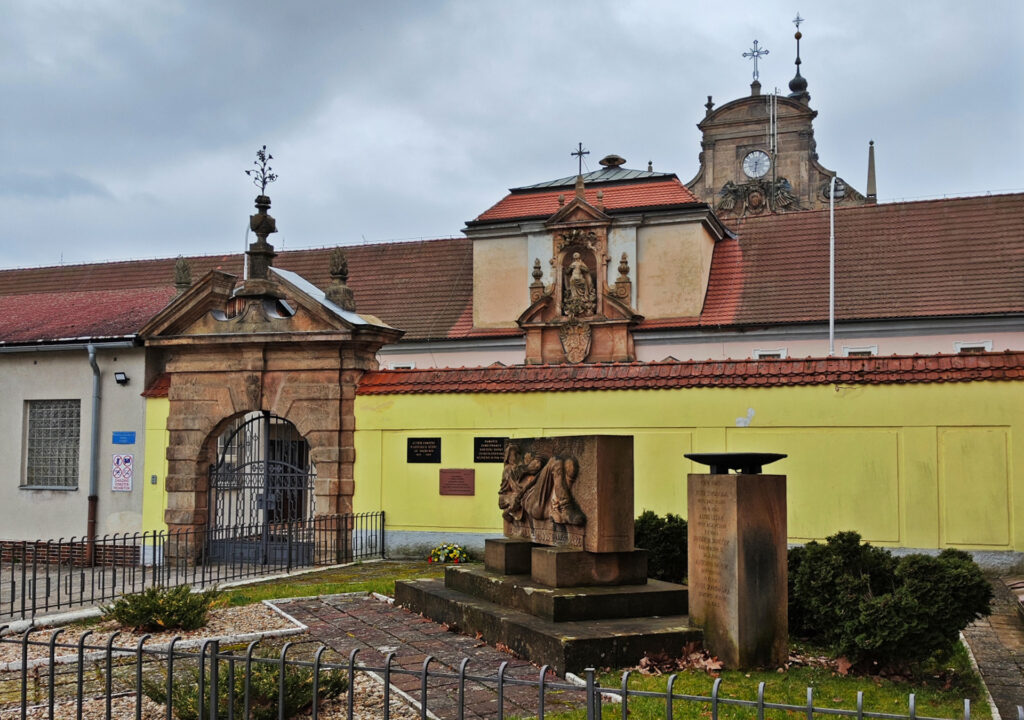
- Valdice prison
-
- Memorial to Political Prisoners
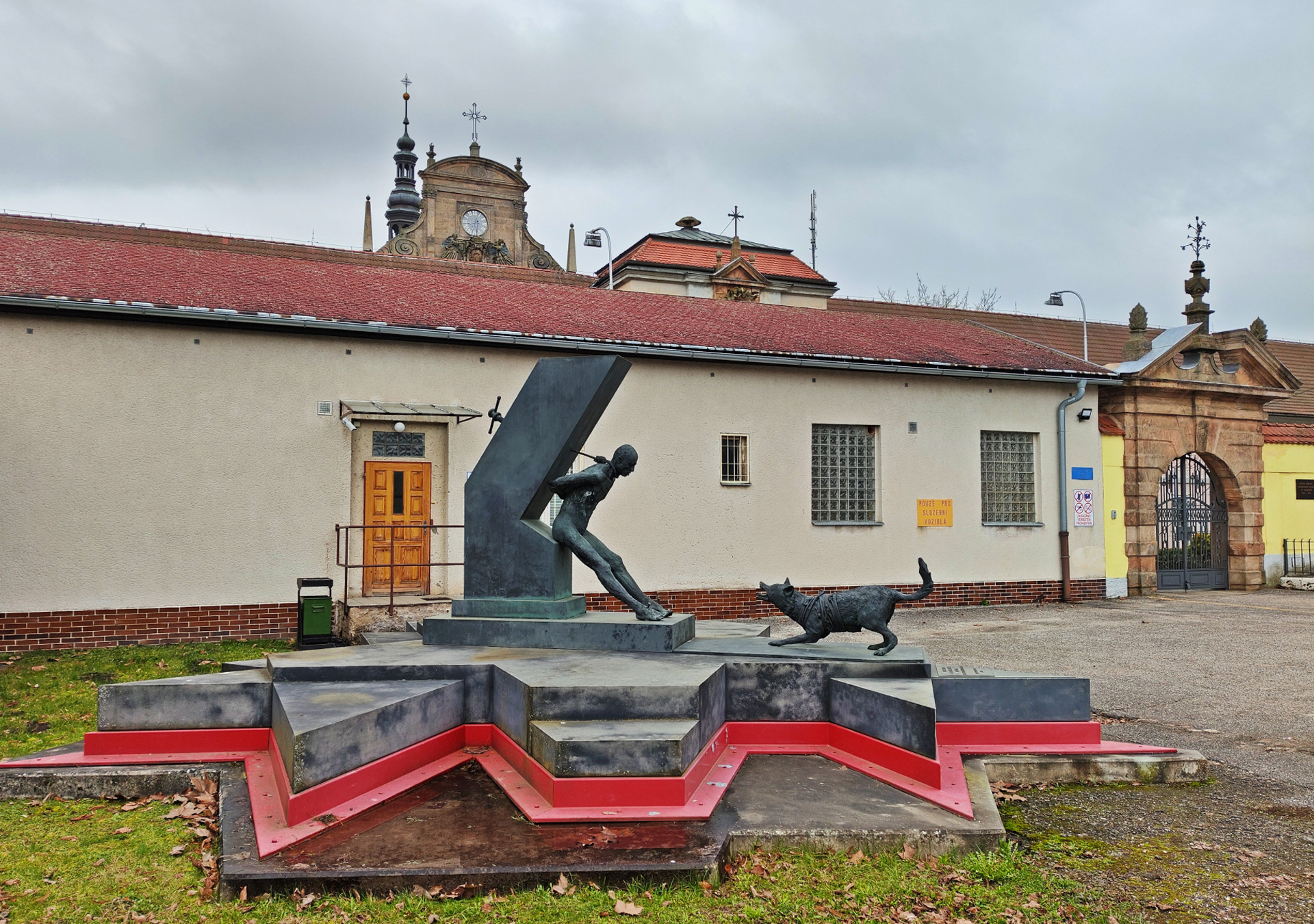
Today, the site consists of two contrasts: the monumental Church of the Assumption of the Virgin Mary and the heavily guarded prison. Even if you can't peek inside, just the sight of the massive walls and Baroque facade tells a story of glory, downfall and new purpose.
Pause for a moment—Valdice is a reminder of the unpredictability of fate.
Address: náměstí Míru 55, Valdice
Uncover the mystery of Albrecht von Wallenstein’s final days
Are you curious about how one of the most powerful military leaders in Czech history met his end? Delve into the dramatic demise of Albrecht von Wallenstein in our article about Cheb, where this legendary warlord was assassinated. Immerse yourself in a tale of intrigue, power and inevitable fate.