




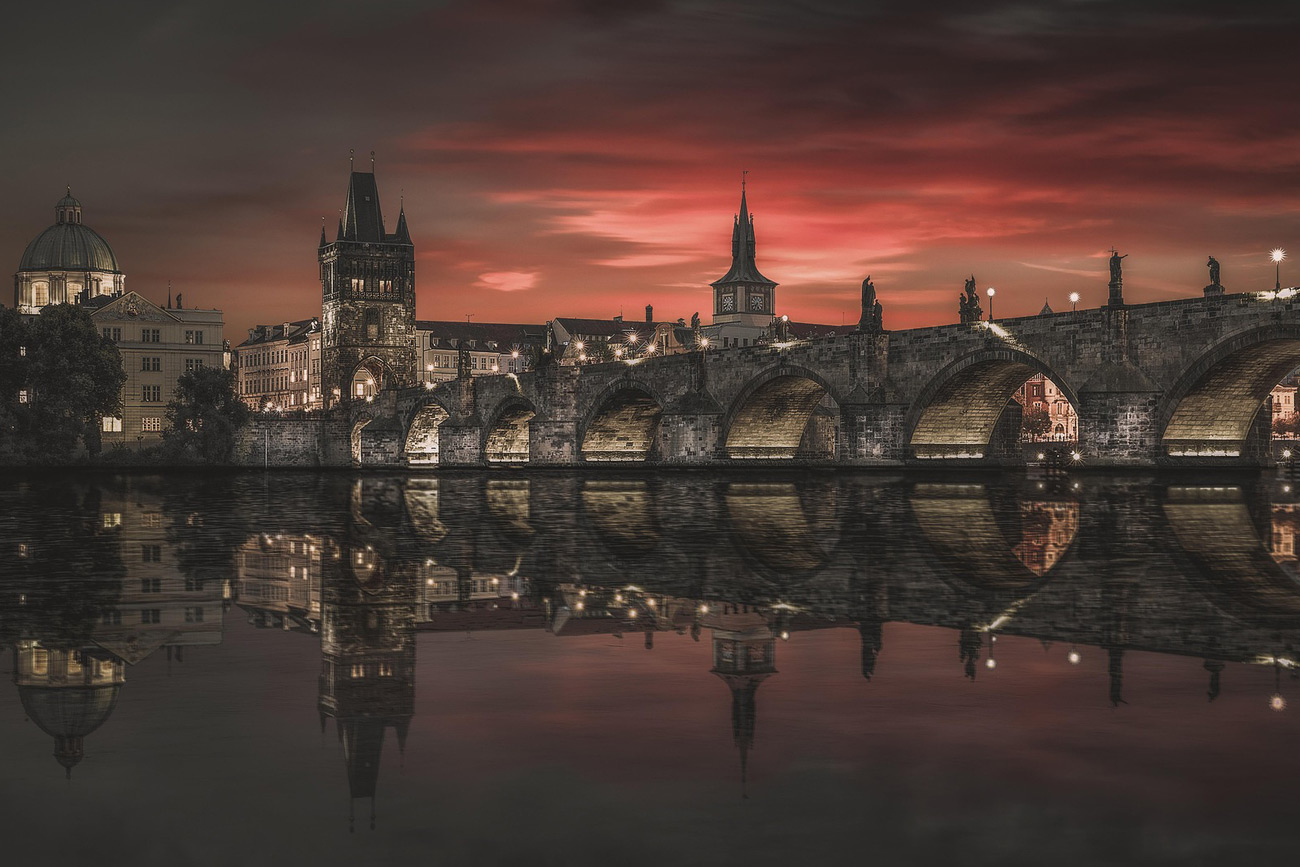
They say Charles Bridge never sleeps. At dawn, it's crossed by pensive photographers; by day, caricaturists paint here; and at dusk, it becomes a romantic stage with one of the most breathtaking views.
This stone legend is more than just a crossing from one bank to the other. It is a living artery of history, art, and stories, guarded by two sentinels—each from a different world and a different time.
Charles Bridge
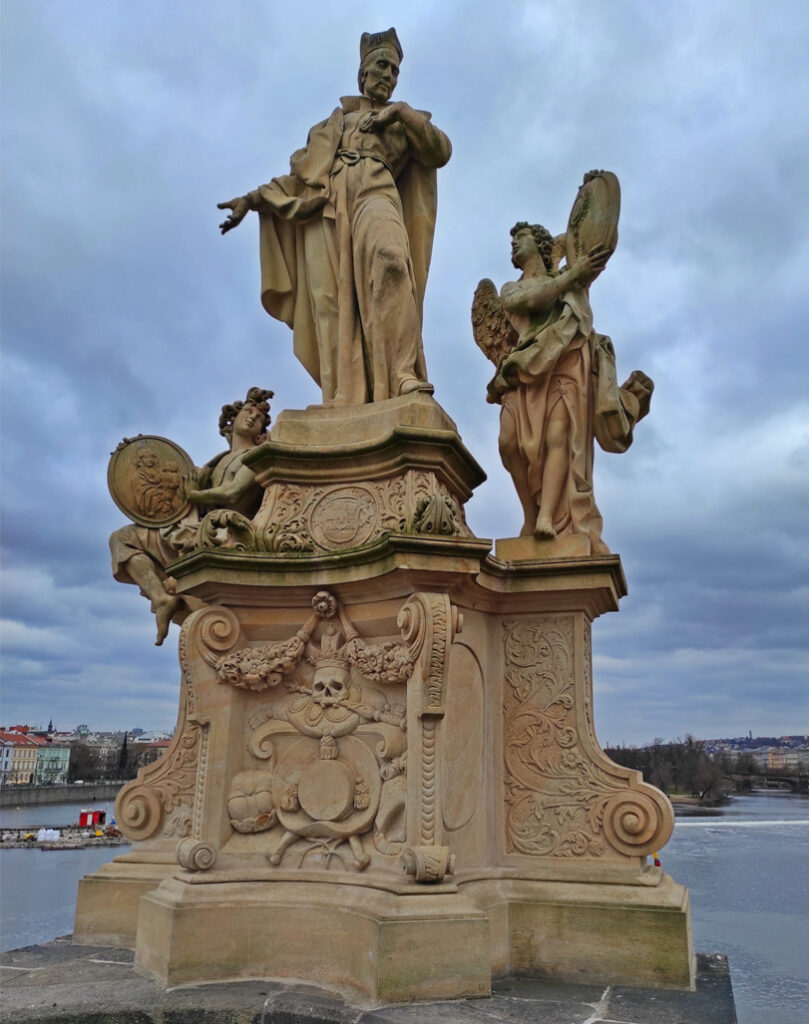
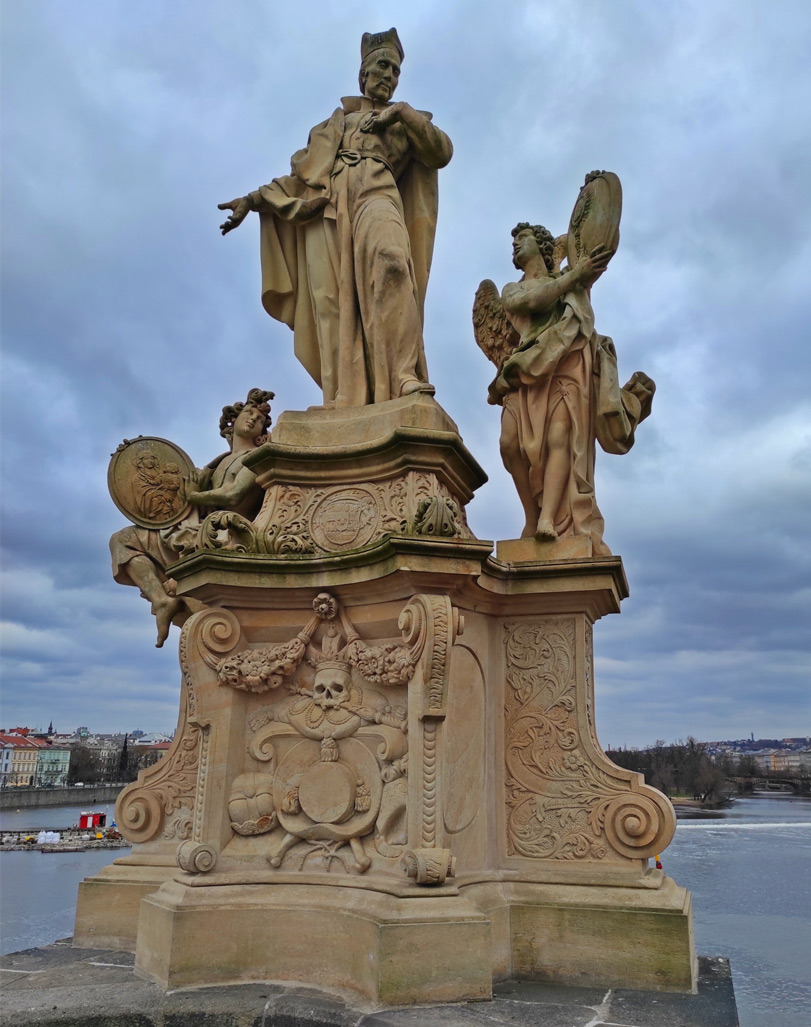
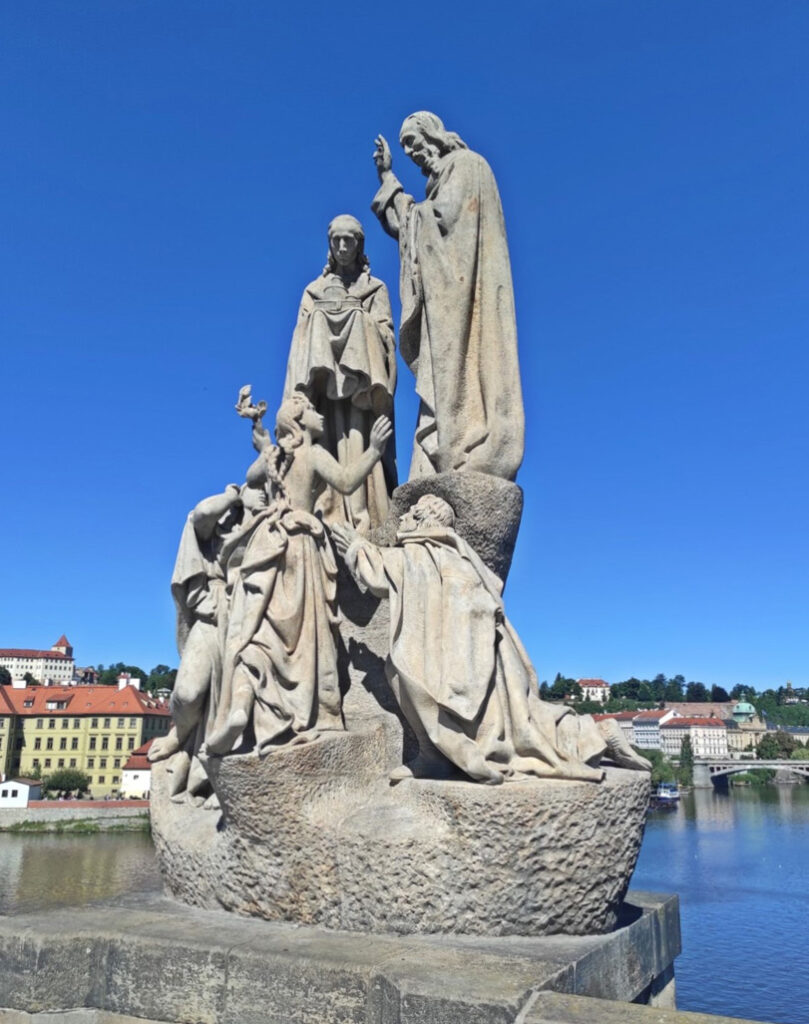
Imagine a mighty stone arch adorned with thirty dramatic statues and sculptural groups. They are not just silent figures of marble and sandstone. They are the guardians of the bridge, giants of European history who moved the world with their lives. With every step, you walk in their company and feel an almost tangible spiritual energy that makes the bridge a mystical temple between the Old Town and Lesser Town.
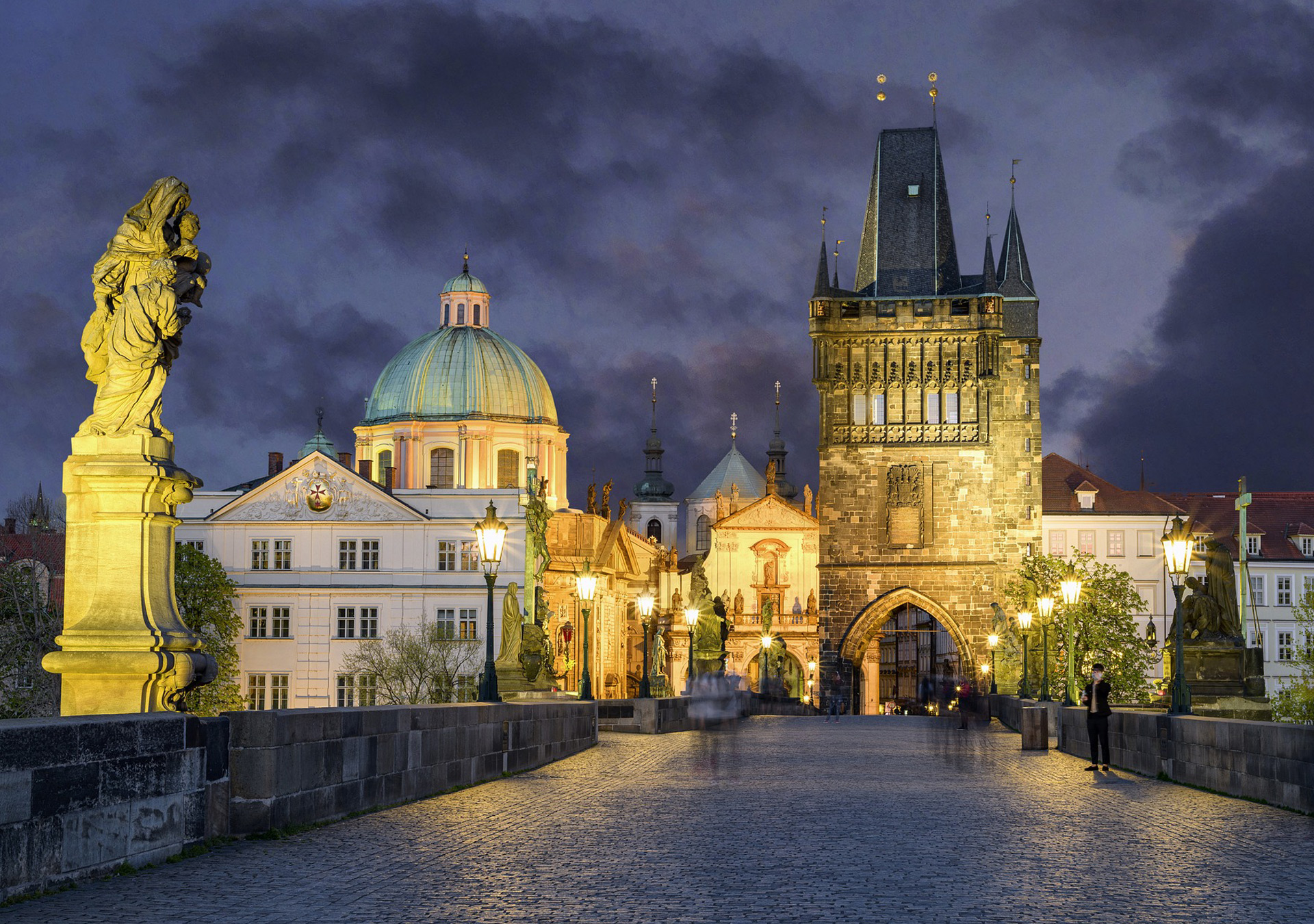
By day, the bridge is a living artery full of artists and enthusiastic visitors. But wait until nightfall. When the faithful replicas of the gas lamps light up, the time for true magic arrives. The soft light animates the faces of the saints and casts mysterious shadows. It is at this moment that the bridge is closest to the old Prague legends of statues that descended from their pedestals to help those in need. Stop at the most famous statue of Saint John of Nepomuk and place your palm on the shiny bronze cross—it is said you can make a wish here.
-
- Charles Bridge
-
- Charles Bridge
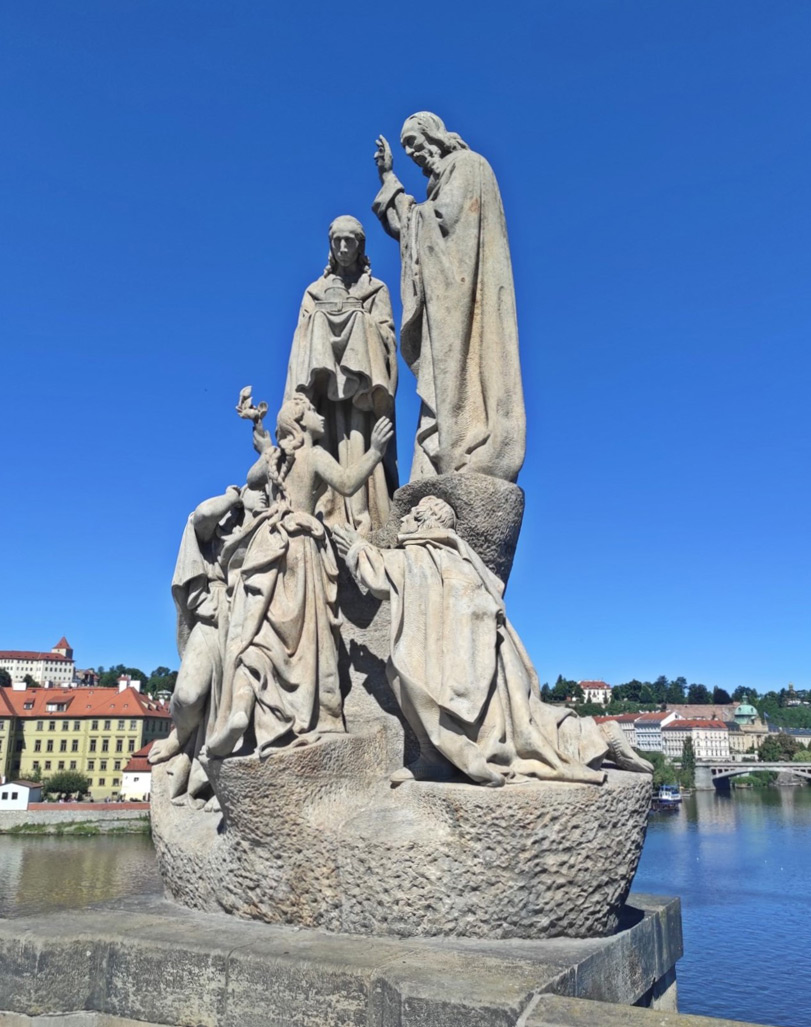
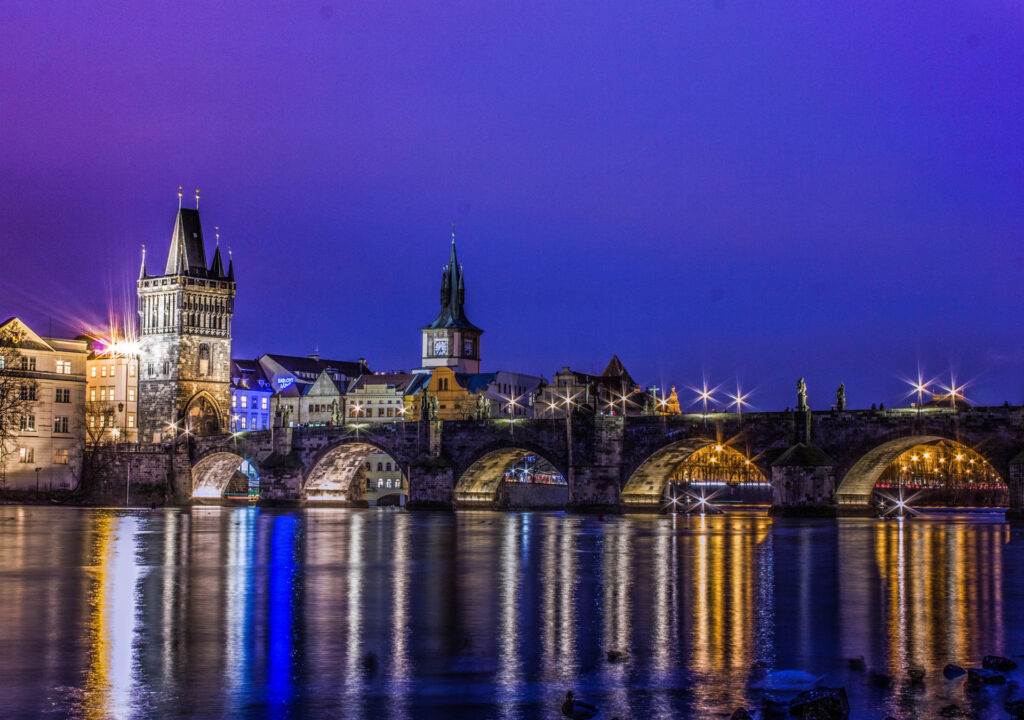
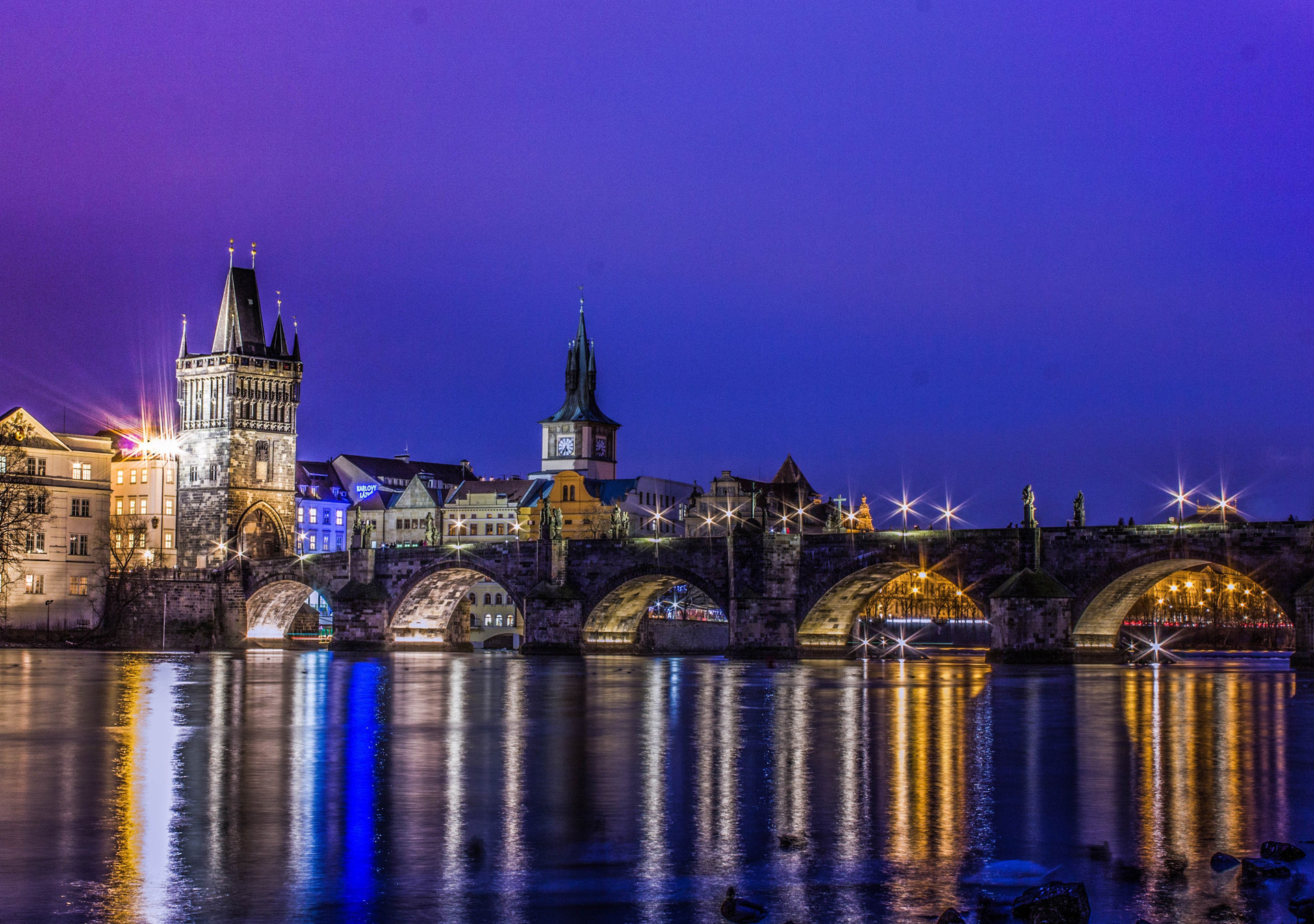
This national cultural monument was founded by Emperor Charles IV himself in 1357, replacing its predecessor, which was destroyed by a flood. For centuries, it has witnessed coronation processions, battles, and the daily life of Praguers.
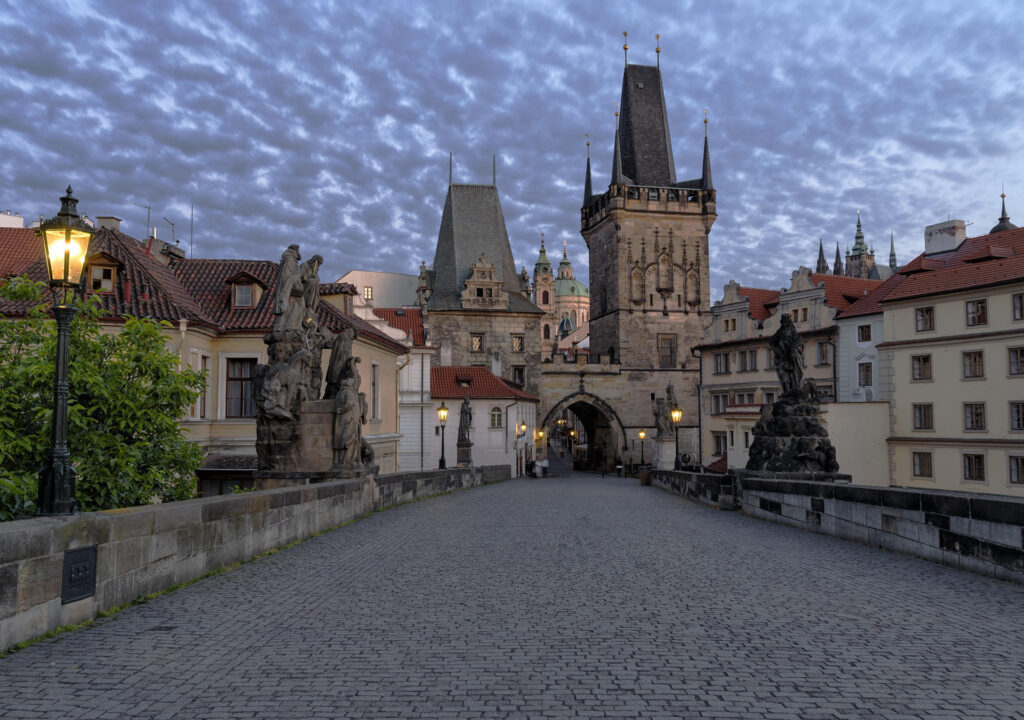
Each end of the bridge is guarded by imposing gates – the Lesser Town Bridge Towers and the Old Town Bridge Tower.
-
- Charles Bridge
-
- Lesser Town Bridge Tower
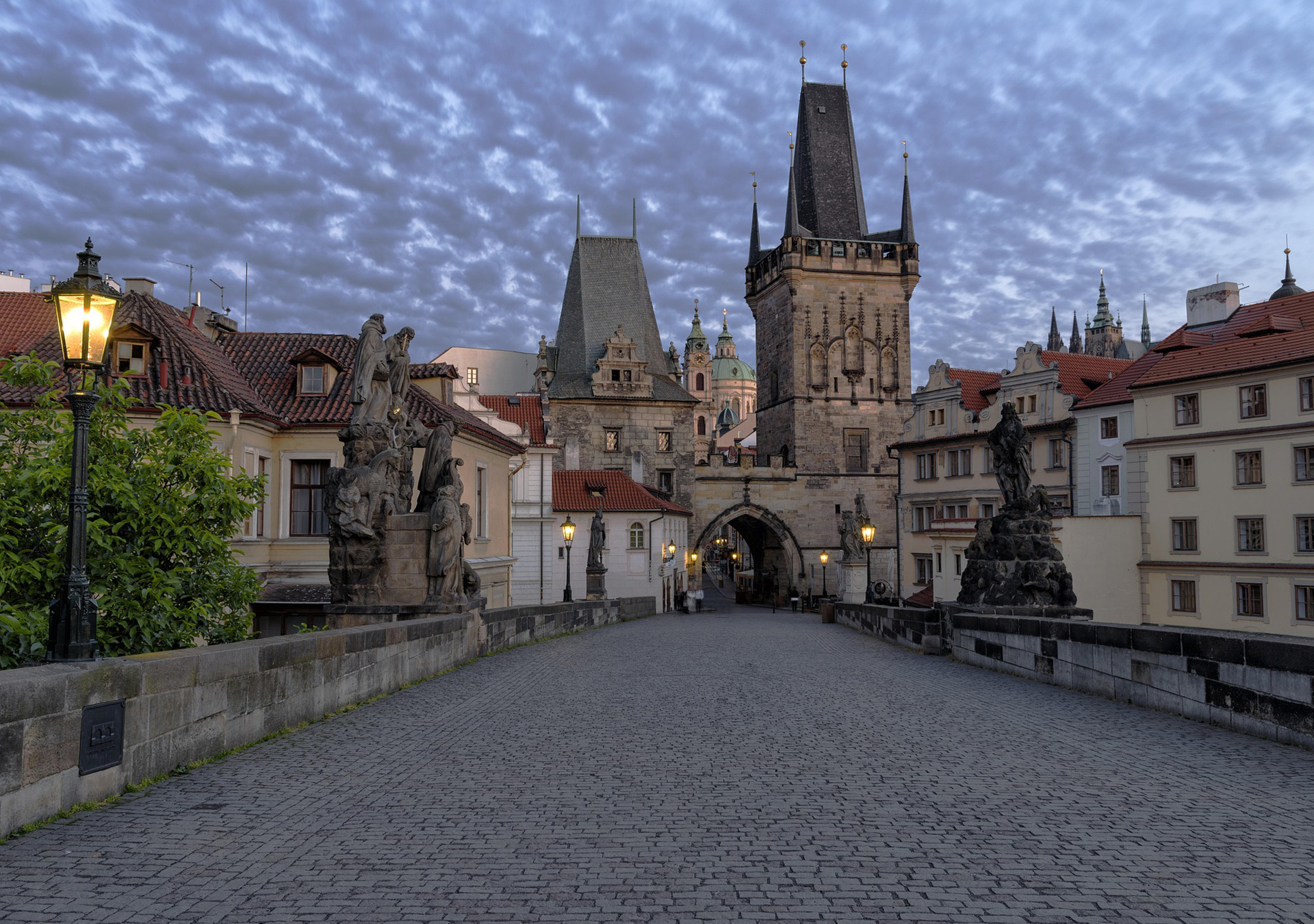
Lesser Town Bridge Tower
Pause for a moment before you step onto Charles Bridge. Look up. Where the stone arch of the bridge meets the Lesser Town, a majestic guardian of history soars towards the sky—the Lesser Town Bridge Tower.
This unique structure consists of a complex of two stylistically different, unequally tall towers connected by a large Gothic gate.
-
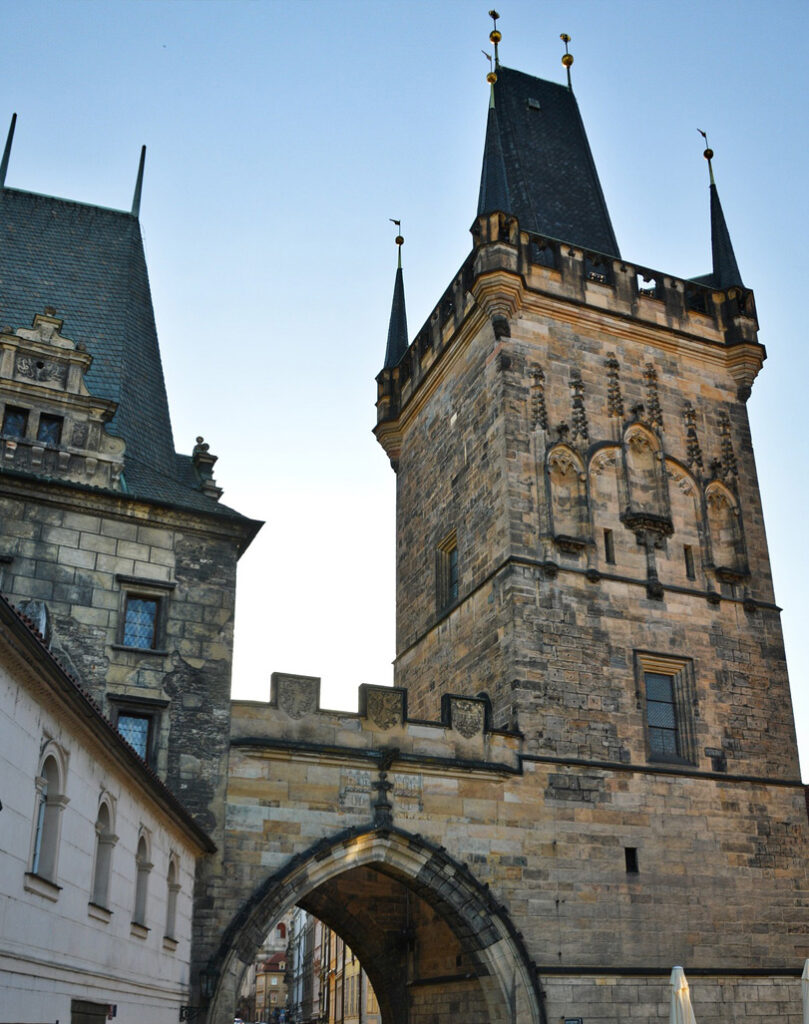
- Lesser Town Bridge Tower
-
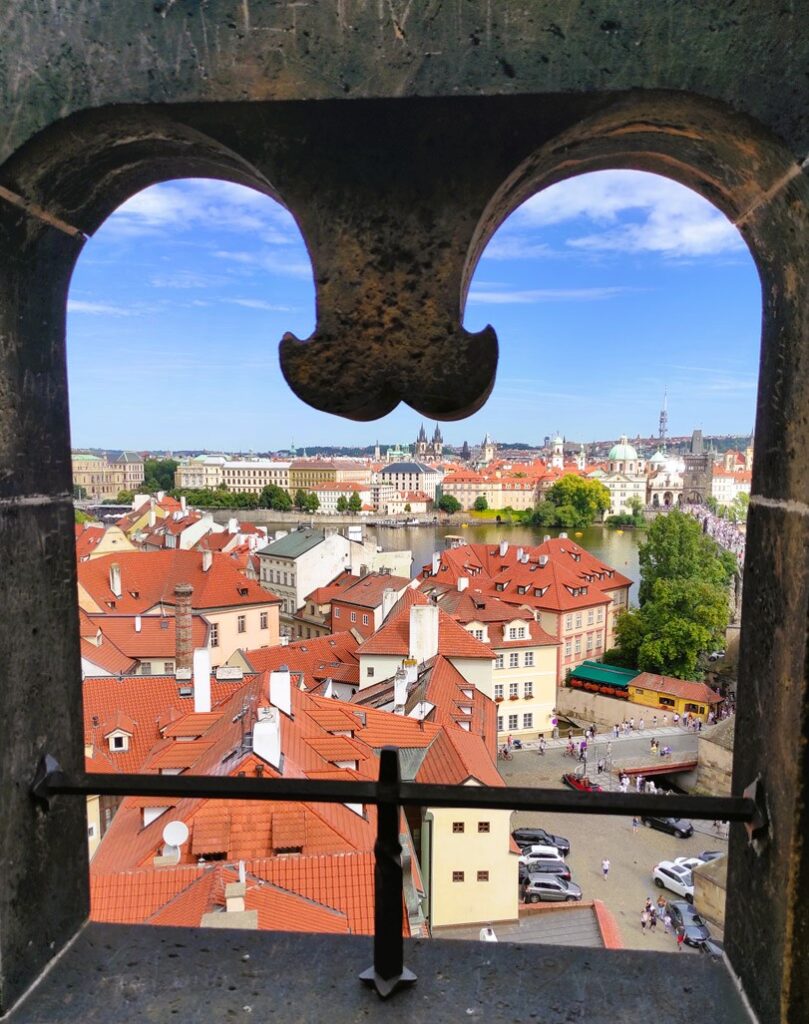
- View from the tower
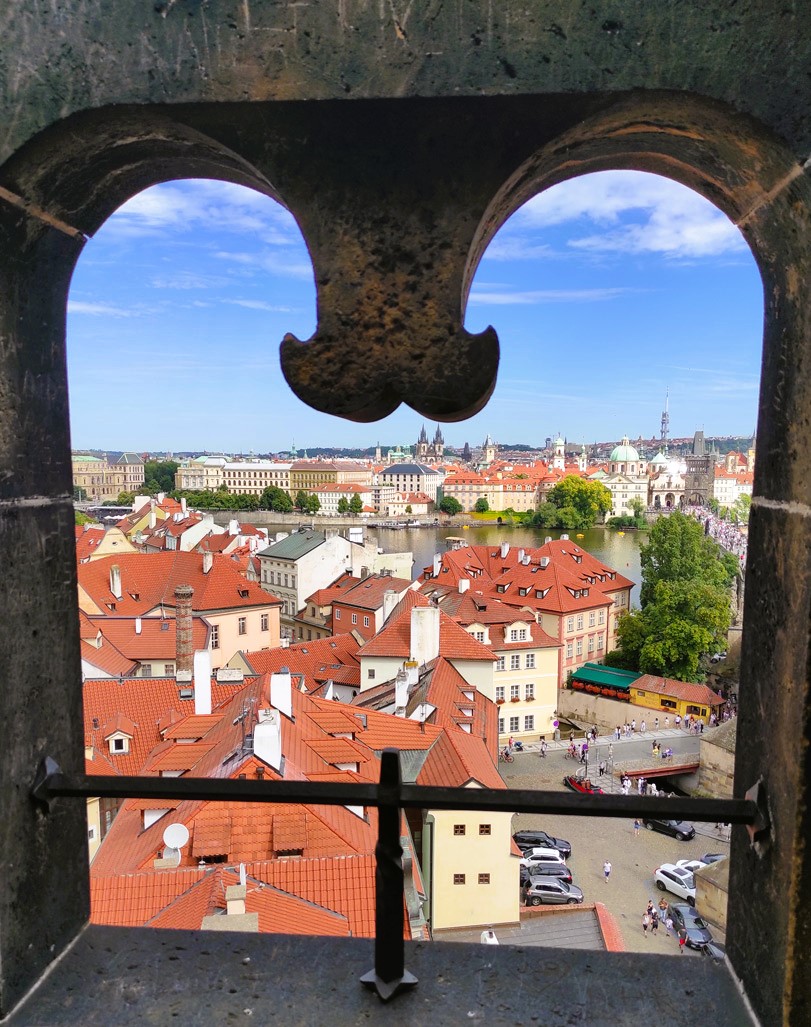
The lower tower, called the Judith Tower, is built in the Romanesque style and dates back to the 12th century. During later construction, it was given its current Renaissance appearance. It is probably even older than the Judith Bridge, which was the predecessor of the current Charles Bridge and was the oldest stone structure of its kind in the Czech lands. This unique tower also has a very rich history, having served not only as a prison for the most serious criminals but later also as a customs office. Unfortunately, the structure is not open to the public.
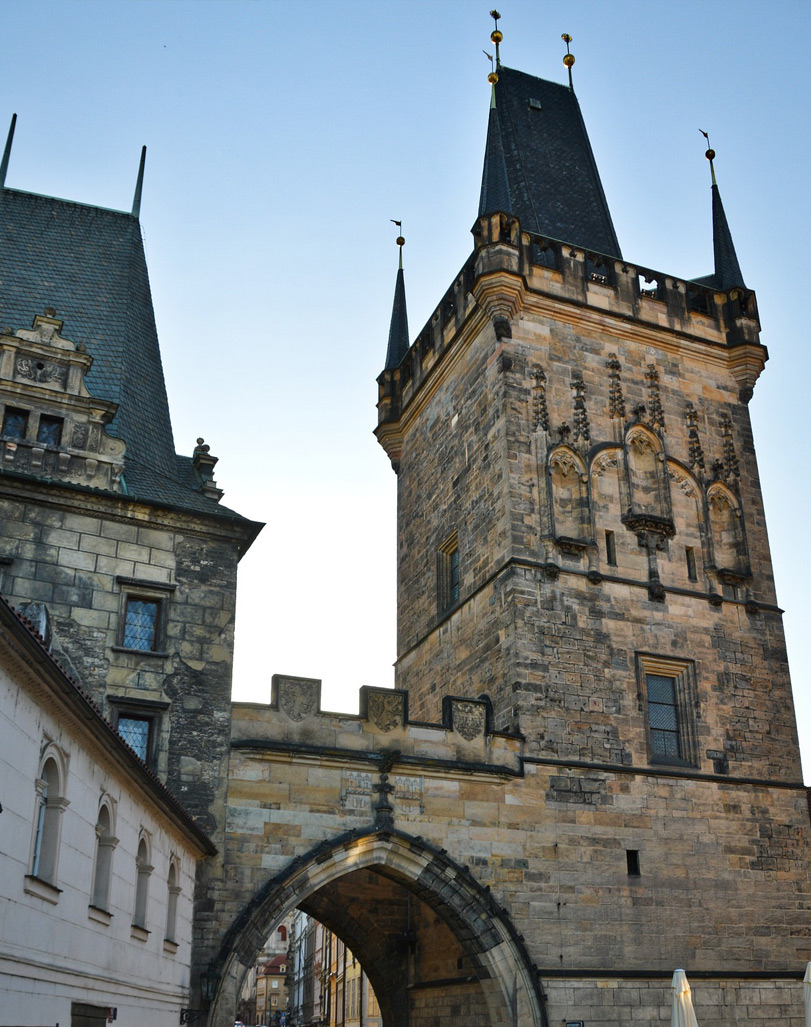
We, however, were able to admire the majesty of the taller Late Gothic beauty, which was built from large sandstone blocks in the 15th century during the reign of George of Poděbrady and is thus the youngest structural part of the Charles Bridge. From its viewing gallery at a height of 26 meters, we enjoyed a breathtaking view of the Vltava River and Lesser Town. In the past, the tower also served as a watchtower or a storage space.
Both towers with the gate formed an important part of the Lesser Town fortifications at a time when today's Lesser Town was an independent territorial unit. Beneath the stone gallery of the gate, one can still see the deep grooves in the masonry of the Judith Tower left by the bridge guards who used to sharpen their swords and halberds on the stone.
Address: Charles Bridge, Lesser Town, Prague
Old Town Bridge Tower
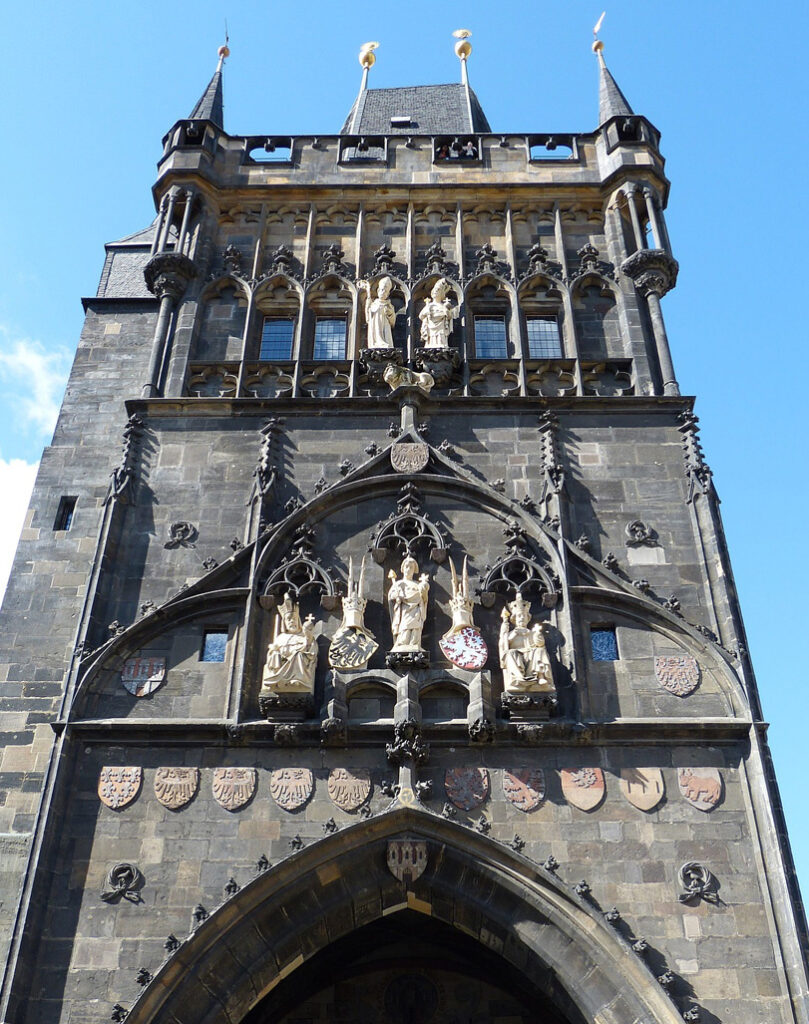
On the other side of the Charles Bridge, soaring to a height of 47 meters, stands the Old Town Bridge Tower, ranked among the most impressive Gothic structures in Europe. Following a design by the architect Peter Parler, it was commissioned together with the Charles Bridge by Emperor Charles IV.
The tower was not only defensive in nature but also served as a representative triumphal arch through which Czech kings passed on their coronation processions. This is reflected in its rich sculptural decoration. Among other figures, you will see the bridge's patron, Saint Vitus, standing on a miniature bridge; the enthroned rulers Charles IV and his son Wenceslas IV; and a kingfisher in a wreath (a towel tied into a knot), which was the personal emblem of King Wenceslas IV.
-
- Old Town Bridge Tower
-
- View from the tower
The first floor of the tower once housed a guardroom, from which an iron grille was once lowered to close the bridge gate. The second floor served as a prison for debtors from well-to-do families. The top of the spiral staircase is crowned by a statue of the so-called Tower Keeper, which researchers believe may represent a reminder of the disease syphilis, as the statue displays typical period attributes of this illness.
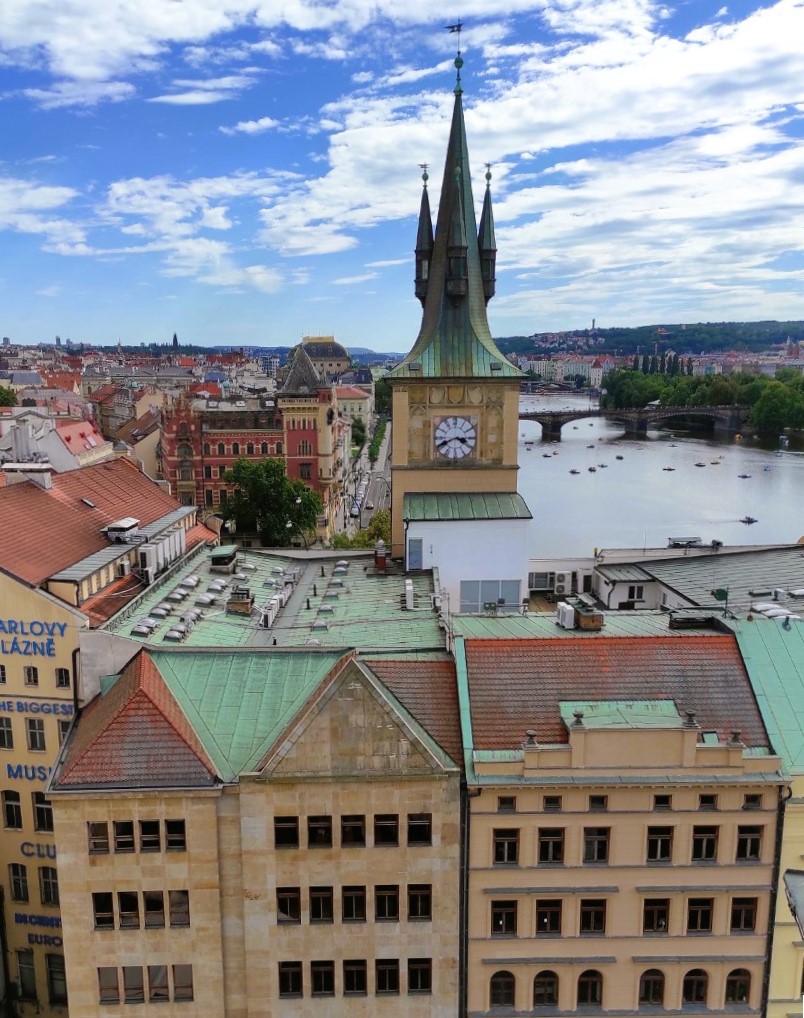
The viewing walkway itself provided us with a beautiful view of the Old Town and Lesser Town. We also visited the basement, which contains a historical cellar and features a captivating short film about the founding of Prague.
-
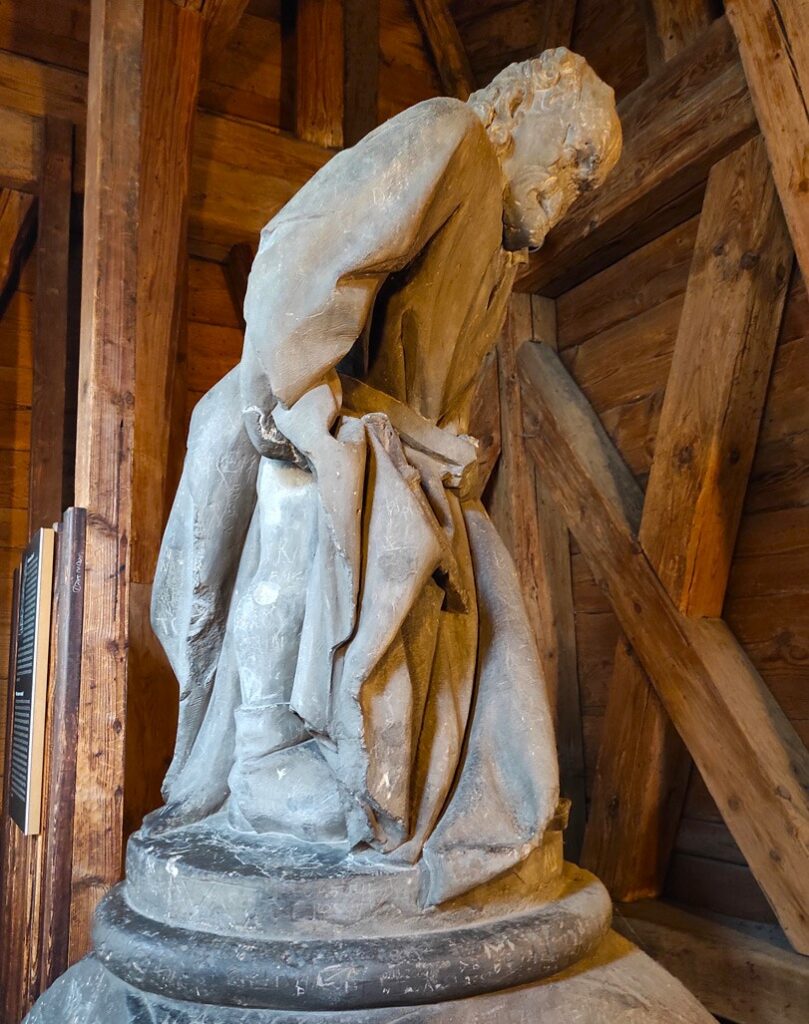
- Tower Keeper
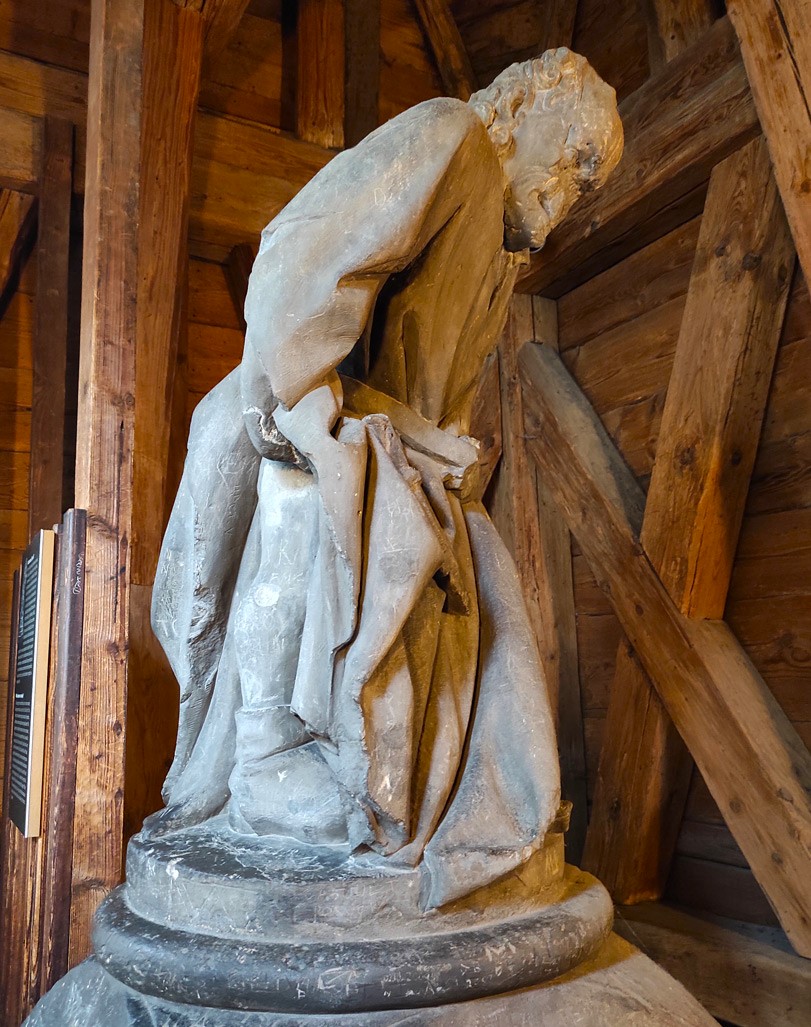
-
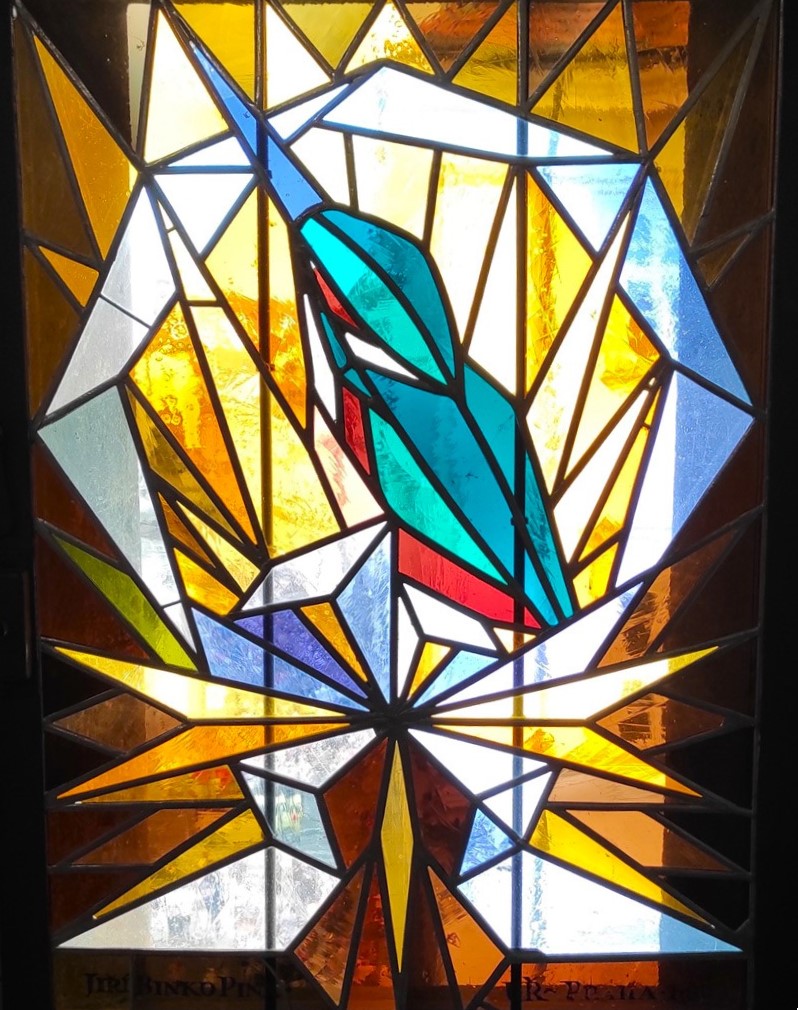
- Stained glass in the tower
Another historically significant event worth mentioning is the execution of the leaders of the Estates Uprising in 1621. It was here, on the upper part of the tower, that their severed heads were displayed. They hung here as a warning for over 10 years as symbols of the unyielding Habsburg power. It was not until the Saxon army entered Prague and some of the post-White Mountain exiles returned that a solemn ceremony was held in 1631. The heads were taken down, placed into a common coffin, and a ceremonial procession carried it to the Týn Church, where a large funeral gathering took place. However, the actual interment of the heads was secret and took place late at night, attended by only a few men, to prevent the Catholic lords from seizing the skulls again. To this day, the whereabouts of the remains of the Czech lords remains a mystery.
Address: Charles Bridge, Old Town, Prague
-
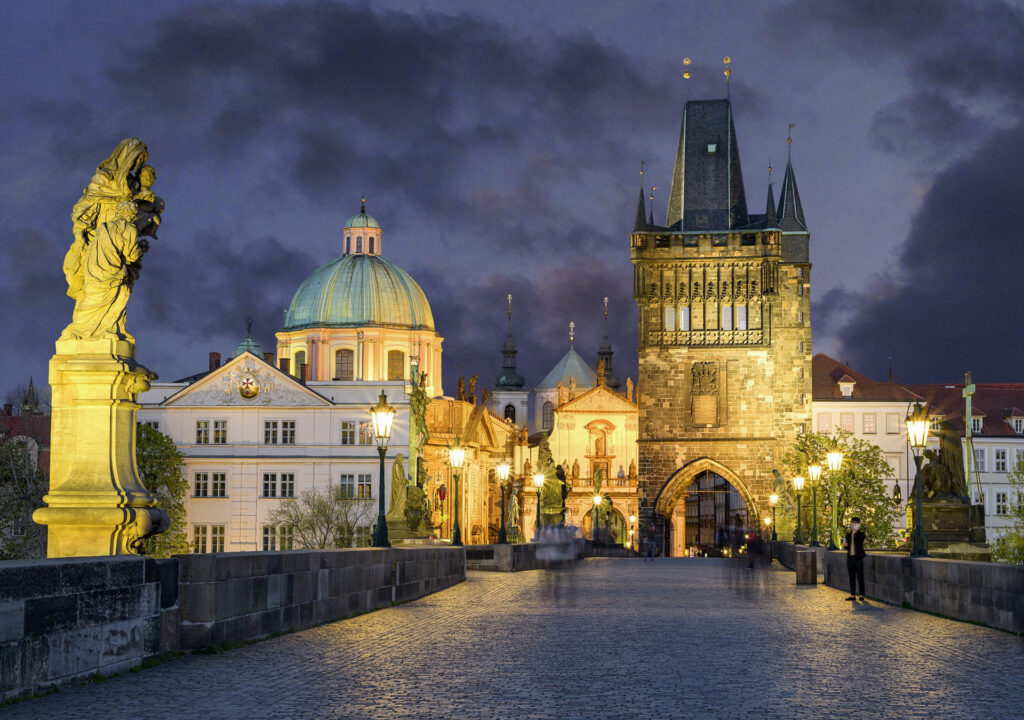
- Old Town Bridge Tower
-
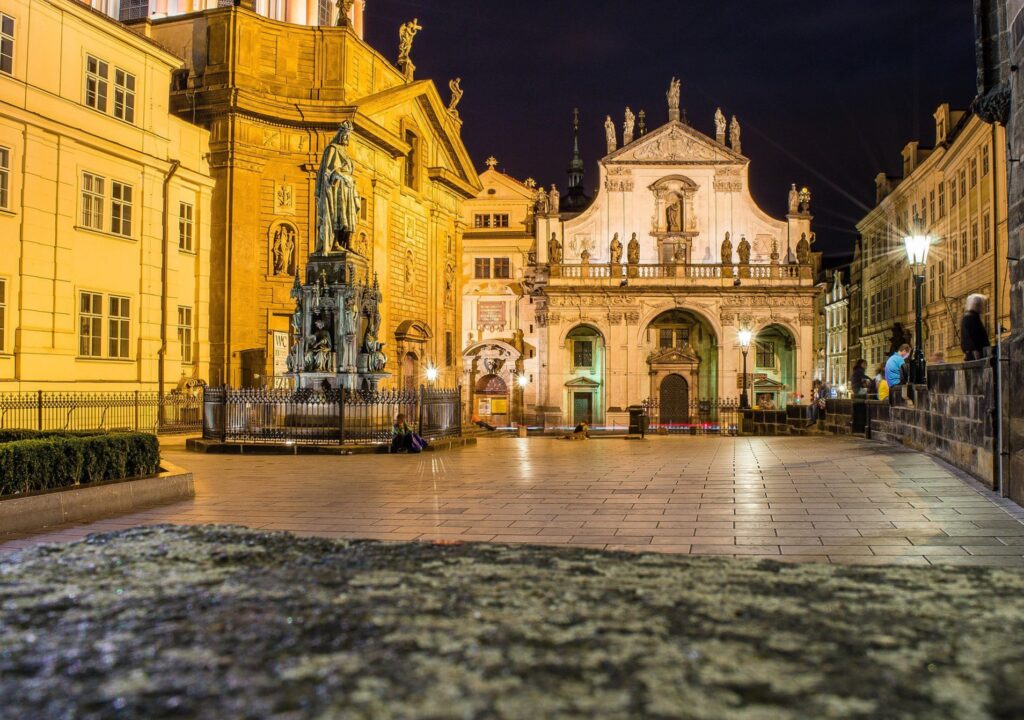
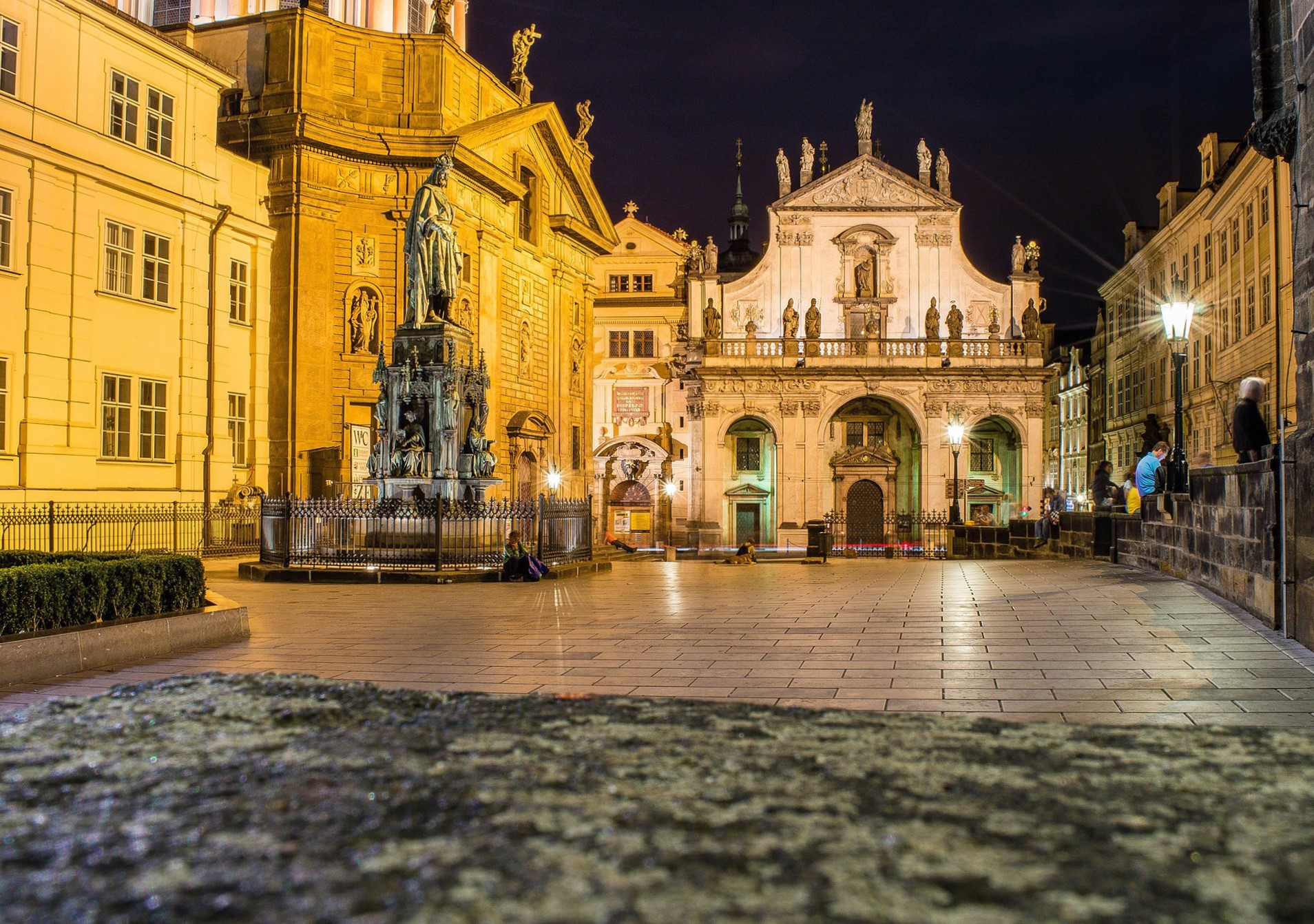
- Křižovnické Square
Our tip:
The Museum of the Charles Bridge is located in the historic premises of the Crusader Hospital and the Church of the Holy Spirit. The exhibition will guide you from the founding of the bridge by Emperor Charles IV to the present day. You will learn not only about the brilliant architect Peter Parler but also about the mystical force that is said to protect the bridge.
Admission to the museum is free as a bonus with a boat cruise on the romantic Čertovka – a picturesque canal that separates Kampa Island from Lesser Town and gives this part of the city its Venetian atmosphere.
However, it must be said that this is a very popular and touristy attraction – and the price logically reflects that.
Nevertheless, the museum also offers a unique and authentic experience: the chance to see with your own eyes the remains of its mysterious predecessor, the Judith Bridge. These stone witnesses of ancient history are located in the museum's underground halls.
Address: Křižovnické náměstí 3, Prague
Our recommendation:
Avoid the crowds. Come to Charles Bridge early in the morning at sunrise or after dark when the towers are illuminated and the bridge has a much calmer, almost mystical atmosphere. The lit towers create a dramatic backdrop, and the view of the Castle is unforgettable.
Our final secret tip:
Do you know what lies beneath the seemingly ordinary arches of Charles Bridge? You can find out in our article Unusual Prague: cultural experiences from Strahov Monastery to the Army Museum.