




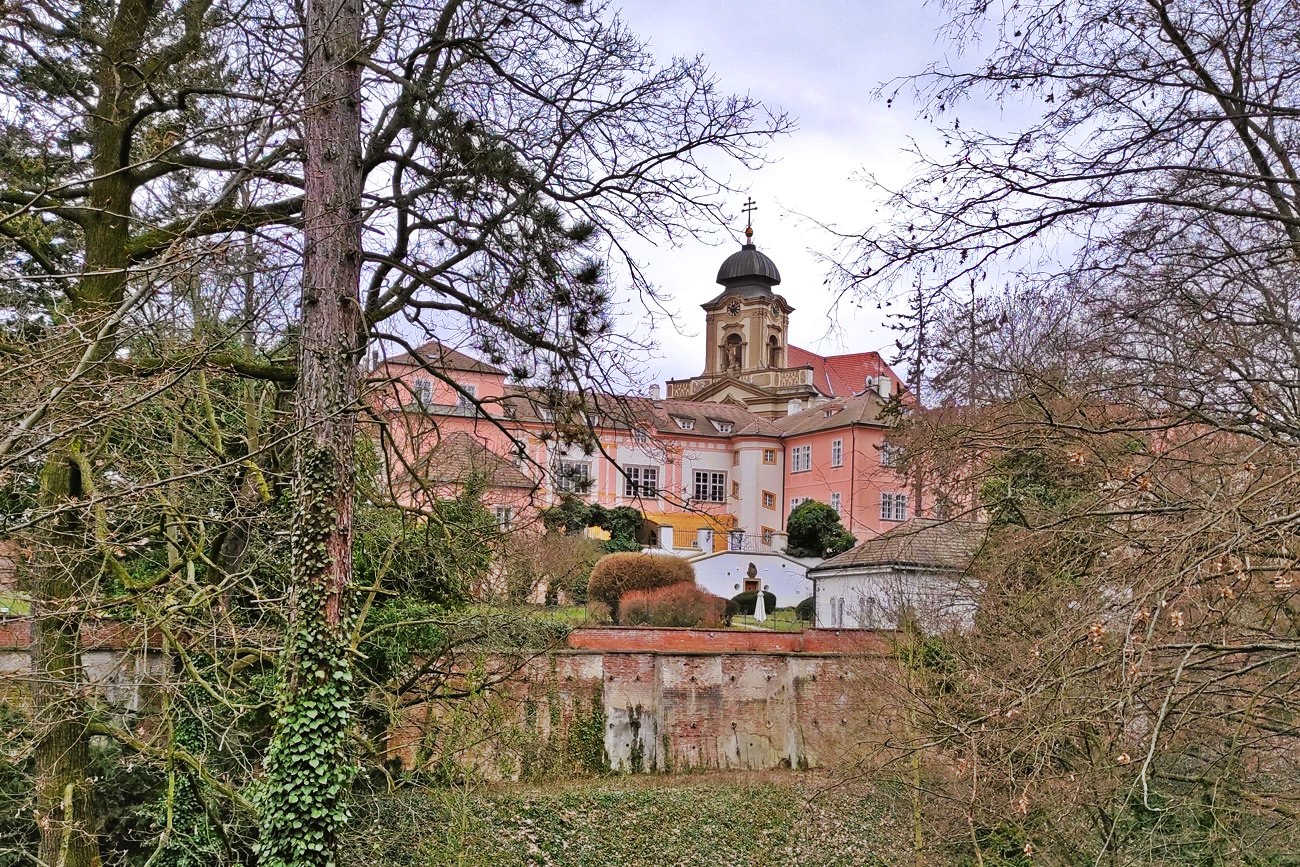
Looking for ideas for walks around Prague? You're in the right place. Discover Hradčany with us, away from the main tourist trails.
Pohořelec
Pohořelec, one of the oldest settled areas in Prague, is mentioned by the chronicler Cosmas as early as the 12th century. Its name can be interpreted as "a place destroyed by fire," referencing its troubled history. Indeed, this location burned down three times in total, most recently in the 18th century.
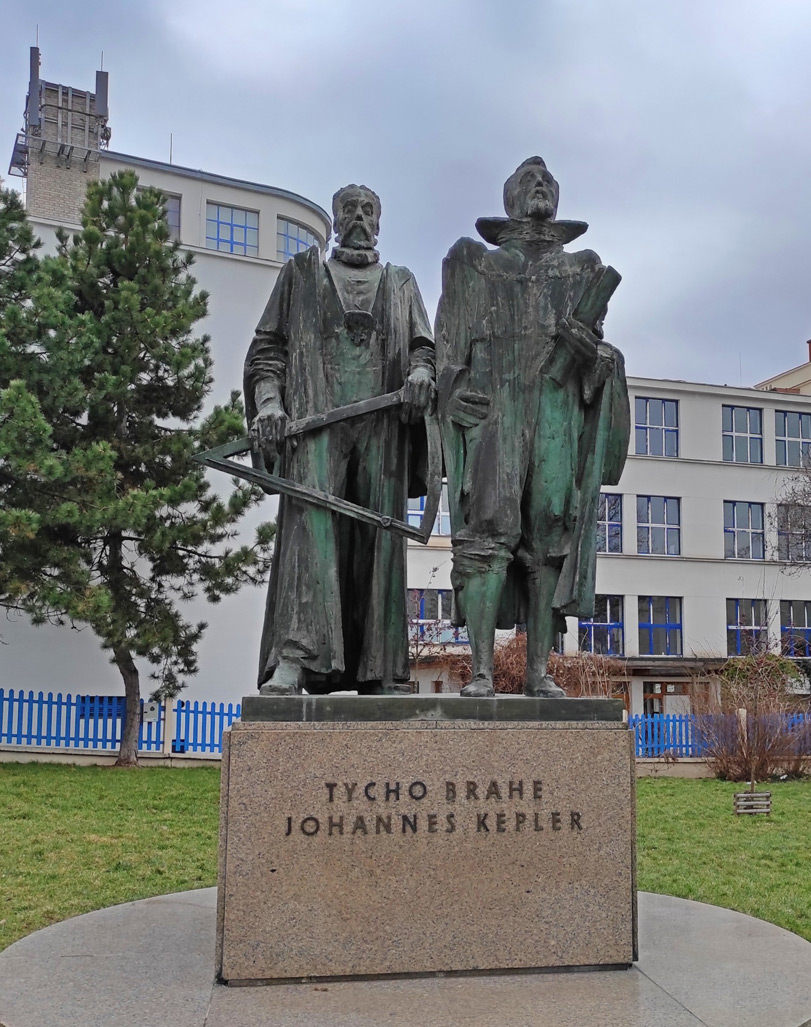
Above Pohořelec Square stands a sculpture of the astronomers Johannes Kepler and Tycho Brahe. The latter died in what is now the building of the Johannes Kepler Grammar School. But more on Tycho Brahe later.
When viewed from the sculpture, the open square exudes a Baroque and Rococo atmosphere, enhanced by the surrounding historic buildings. Among the most significant is the Kučera Palace (No. 114/22), named after one of its owners, Carl Kutschera, an Austrian nobleman and politician. It was he who commissioned the current Rococo facade of the building.
-
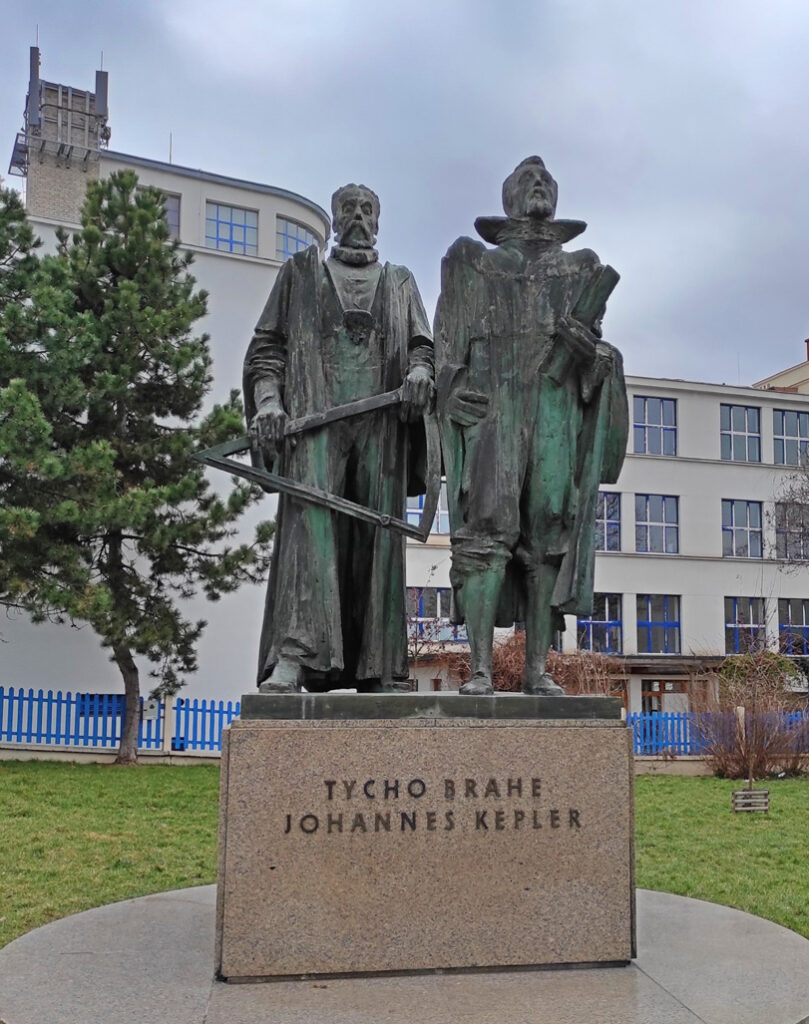
- Sculpture of Tycho Brahe and Johannes Kepler
-
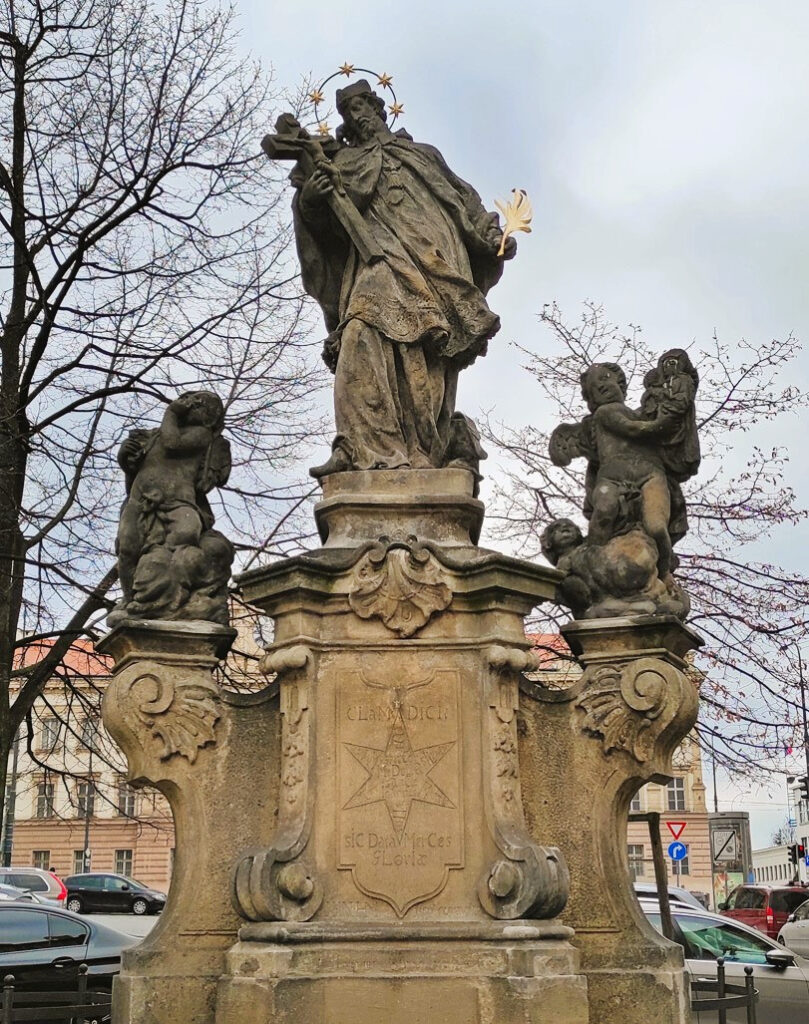
- Statue of St. John of Nepomuk
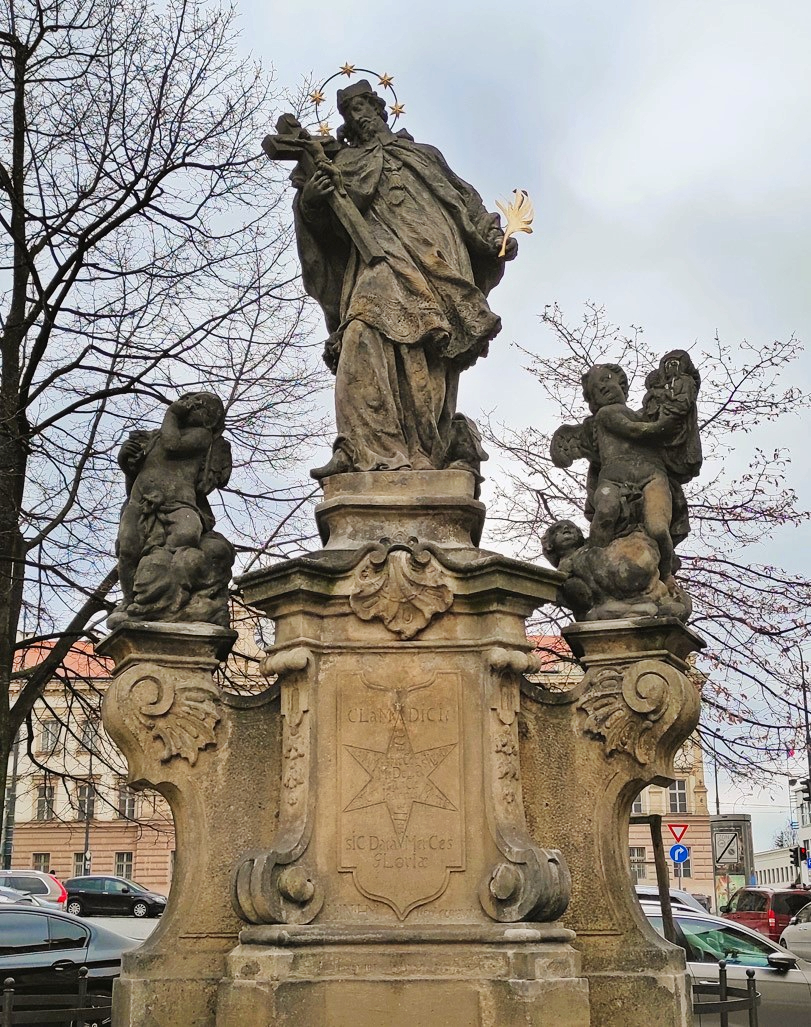
In the middle of the square, where trams once ran, now stands the statue of Saint John of Nepomuk, one of the Czech patron saints. According to legend, King Wenceslas IV had him tortured and then thrown from Charles Bridge into the Vltava River. John of Nepomuk refused to reveal the queen's confessional secret. Perhaps that's why this martyr later became the patron saint of bridges and all crafts related to water.
Another legend, associated with Pohořelec itself, is saying that during stormy nights, Princess Drahomíra rides through here in a fiery chariot pulled by black horses, shouting at anyone who does not cross themselves. Drahomíra was the wife of Prince Vratislav I and the mother of yet another patron of the Czech nation, Saint Wenceslas. After her husband's death, her conflicts with her mother-in-law, Princess Ludmila, deepened, leading her to have Ludmila strangled. This terrifying ride through Pohořelec is said to be her punishment for this deed.
New World
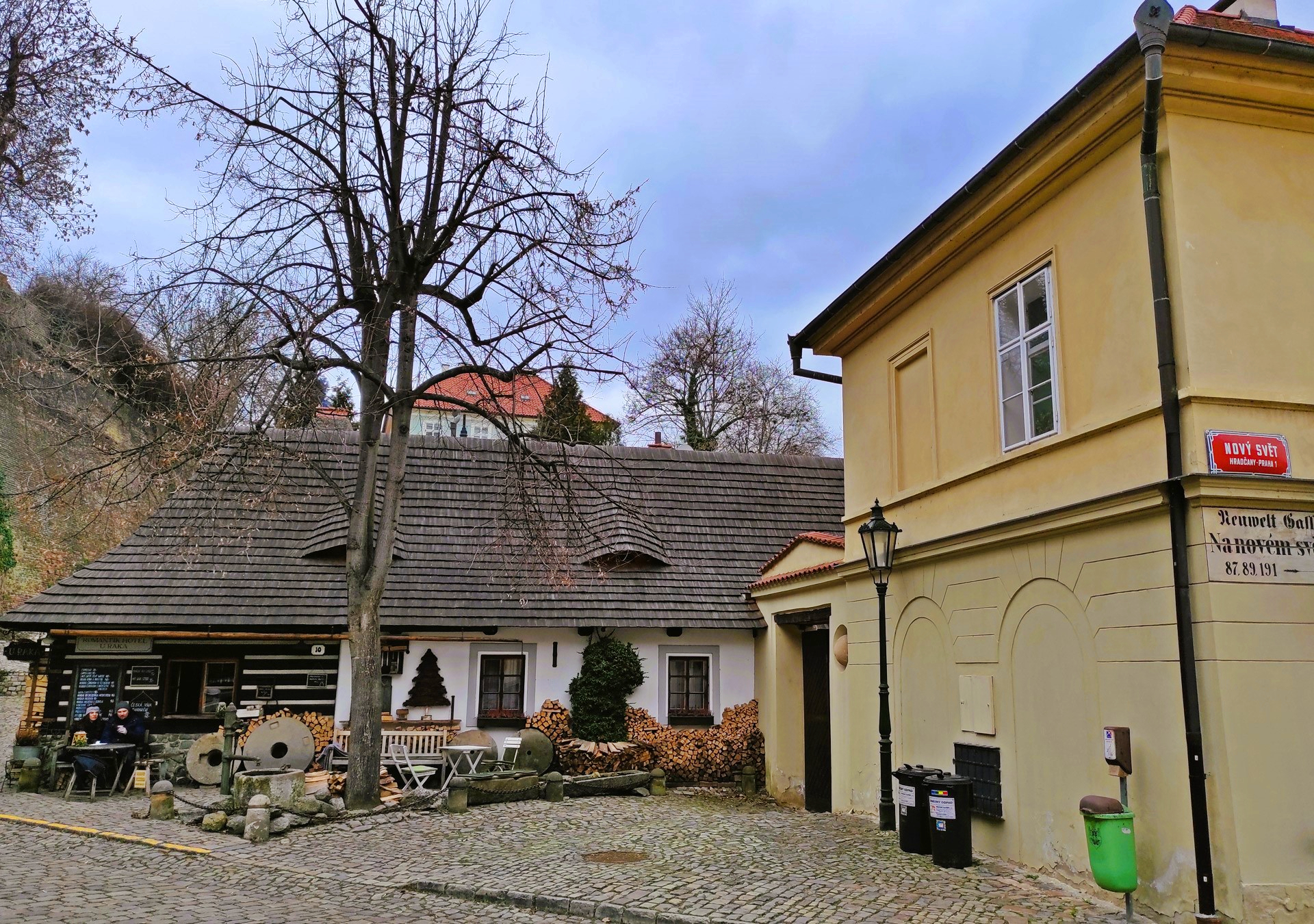
Just a short distance from Pohořelec, away from the main tourist bustle, lies a picturesque nook called New World (Nový Svět). Simply turn left in front of the Černín Palace (the building of the Ministry of Foreign Affairs) and walk through Černínská Street until you reach a winding lane with small houses originally built for castle servants.
-
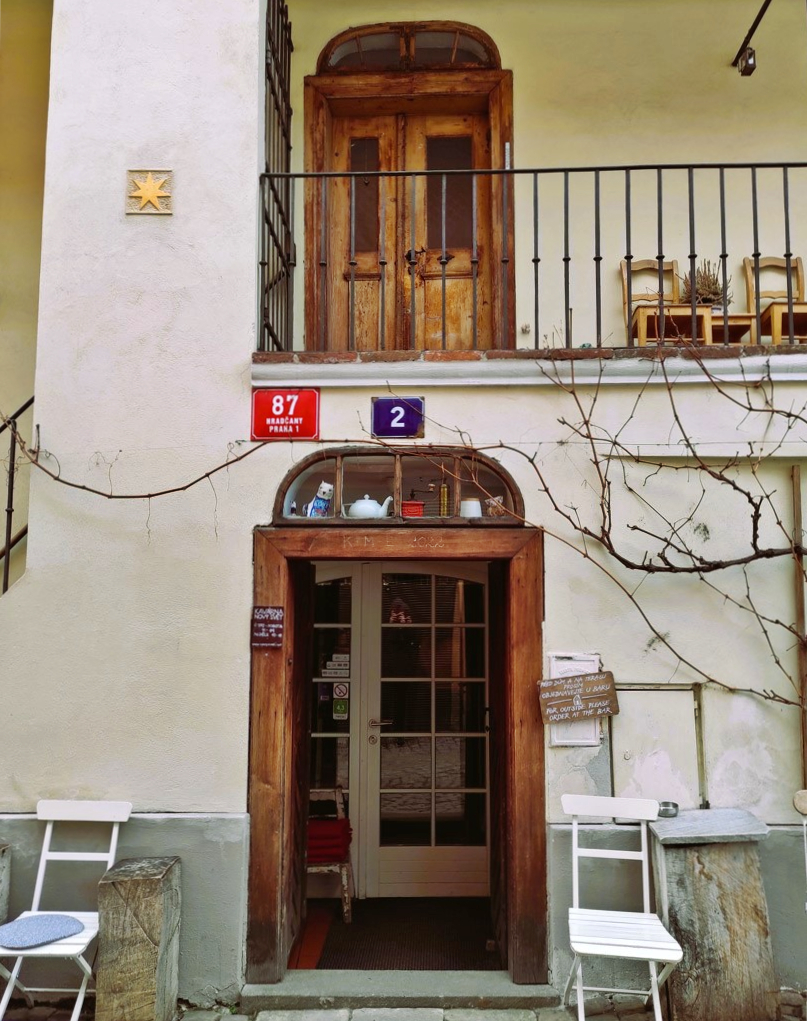
- House at the Golden Star
-
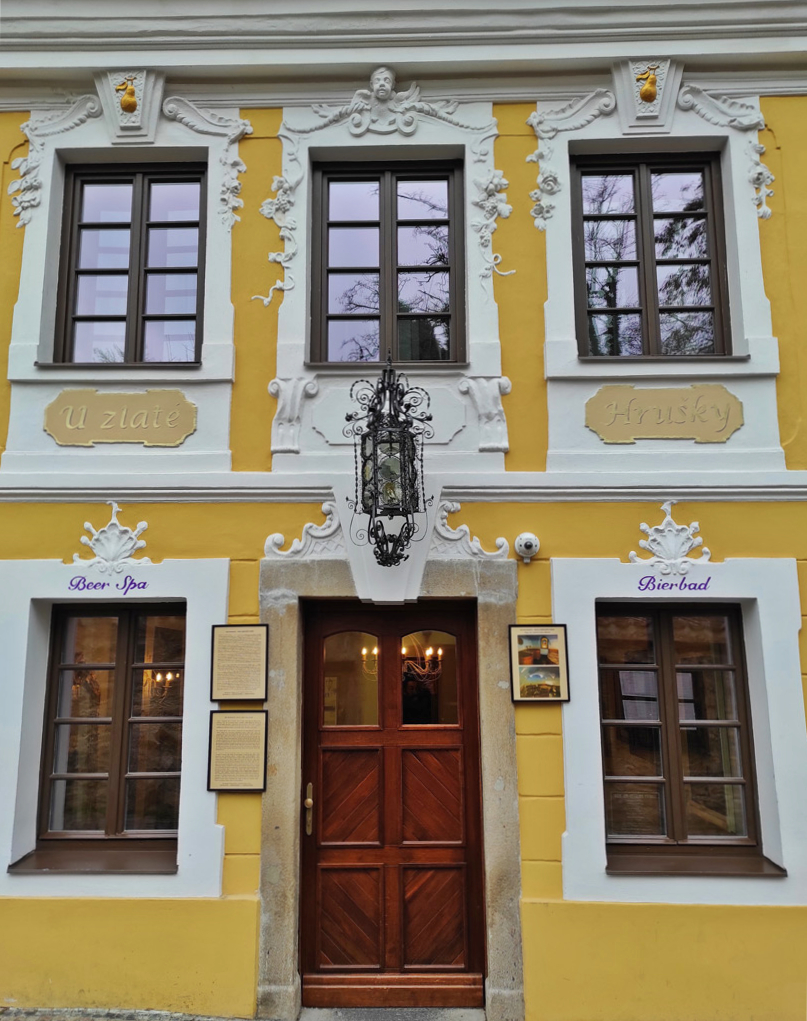
- House at the Golden Pear
The charming houses in their original style are adorned with golden signs —such as the Golden Pear or the Golden Grape. Even the court astronomer of Emperor Rudolf II of Habsburg, Tycho Brahe, lived in the house At the Golden Leg (No. 76/1). This Danish astronomer and astrologer developed an original theory for his time, stating that while the Earth is the centre of the universe, only the Sun and the Moon orbit around it. The other planets orbit around the Sun.
We also savoured the period atmosphere of this tranquil part of Hradčany by stopping at one of the cozy cafés.
-
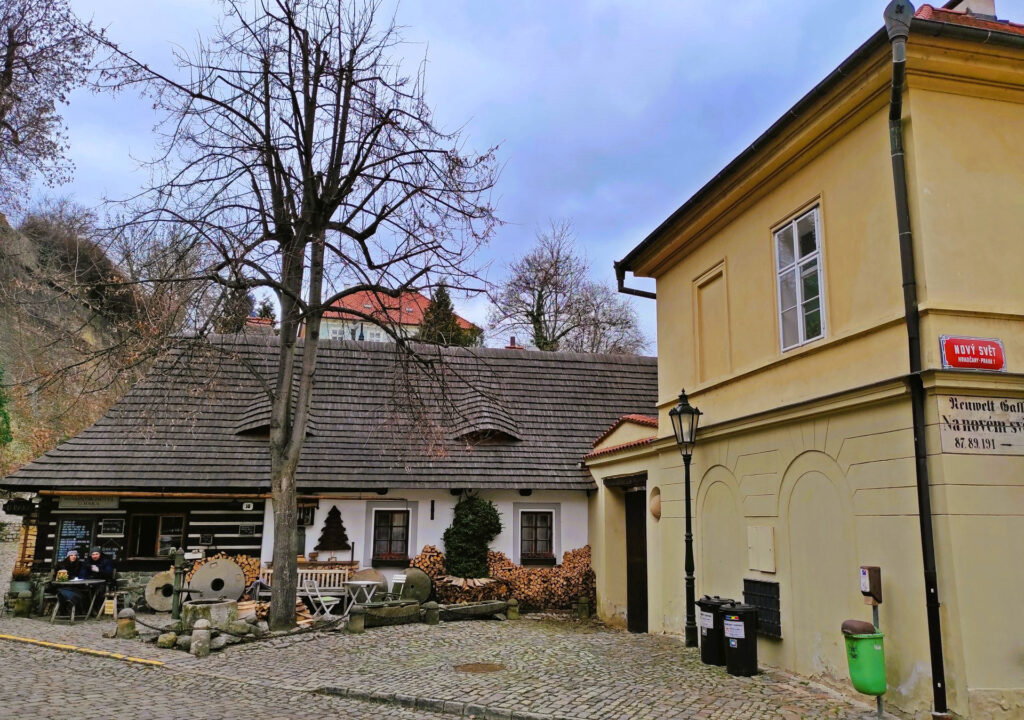
- Beginning of the New World
-
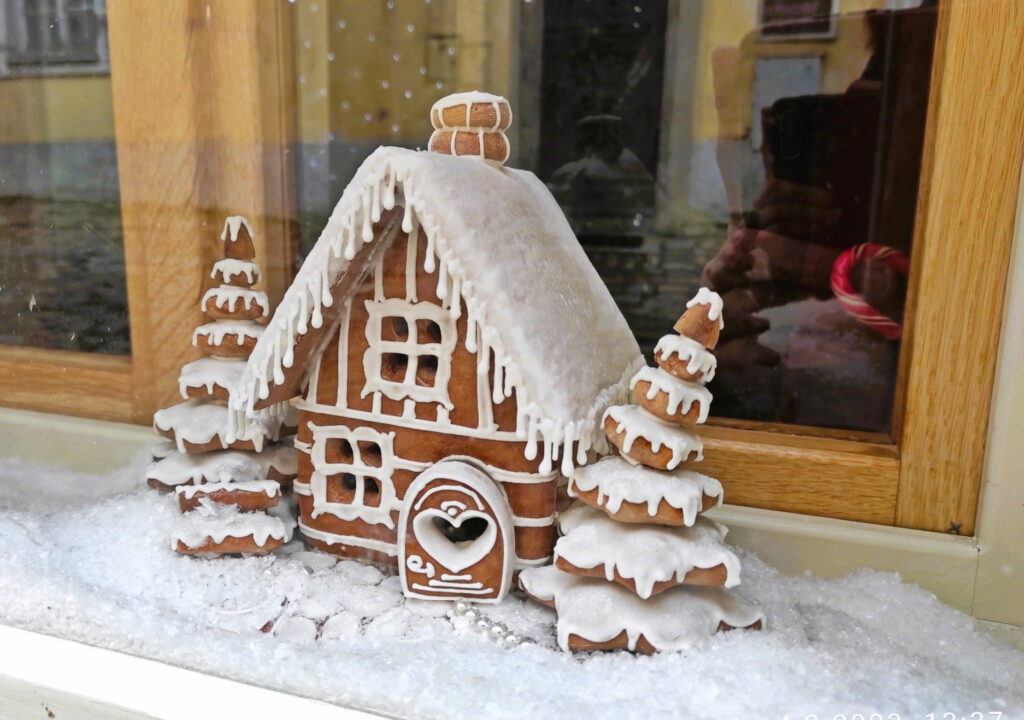
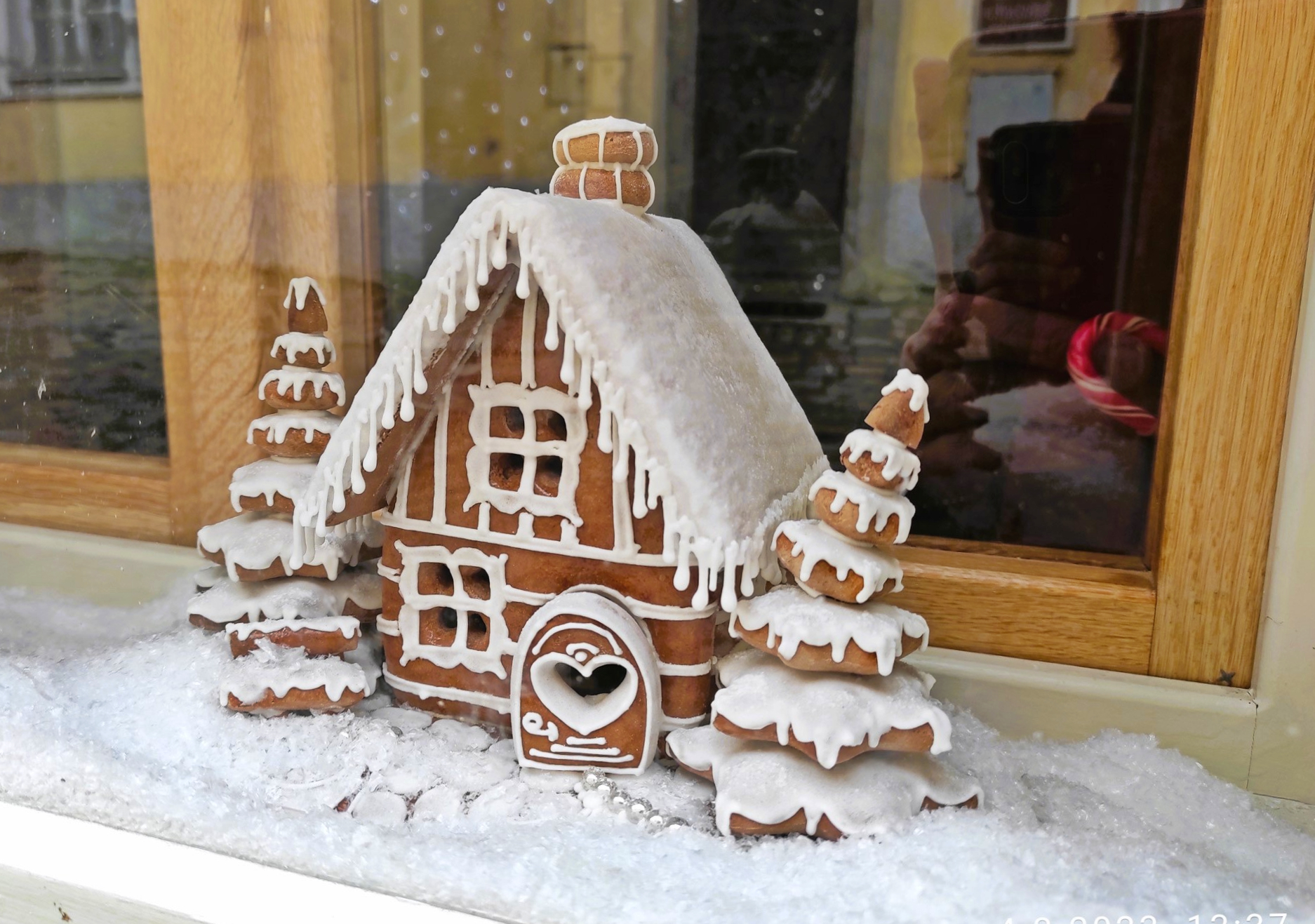
- Decoration in a café window
Deer Moat
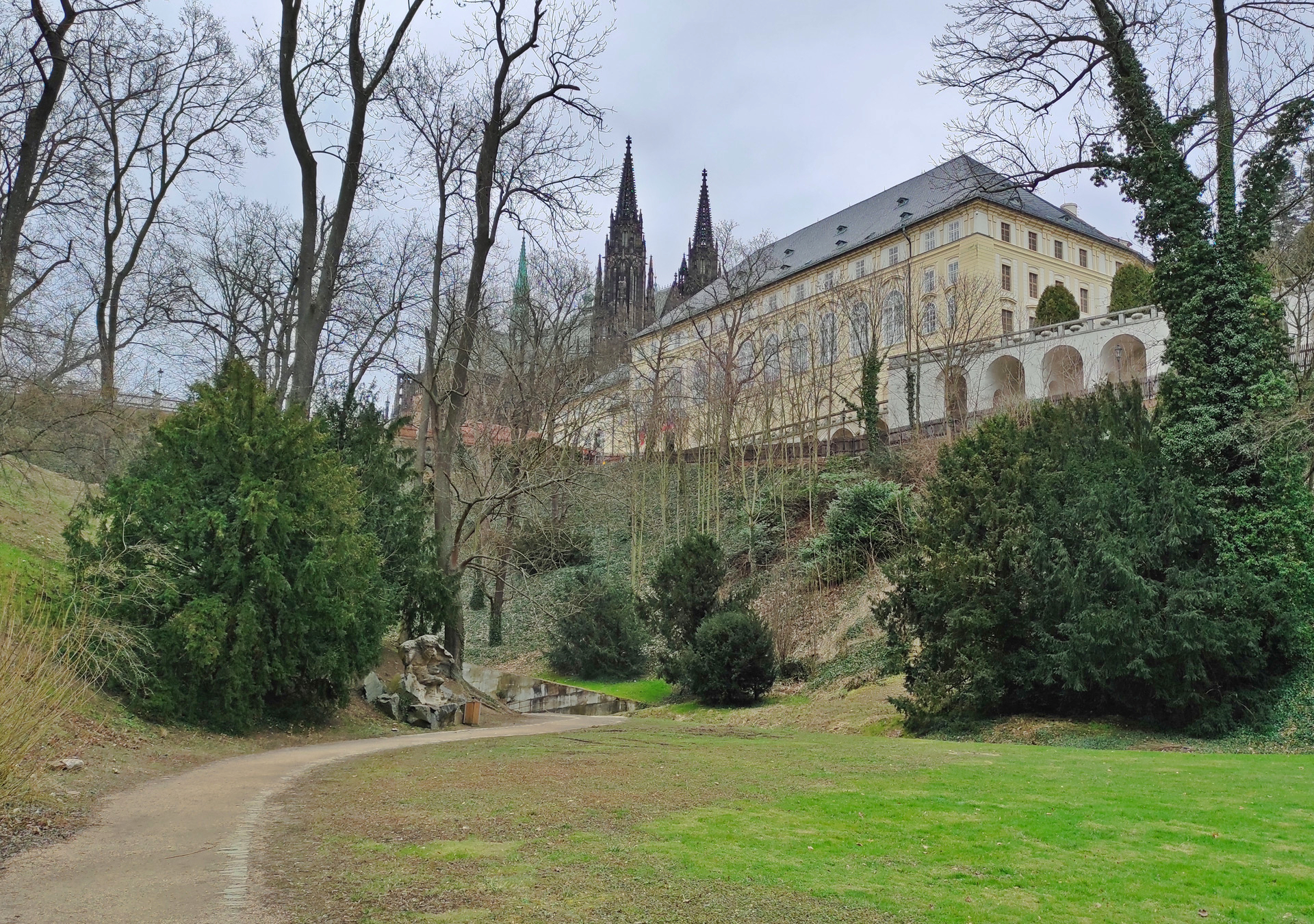
The street Nový Svět leads directly to the entrance of the Upper Deer Moat (Horní Jelení příkop). This natural ravine, through which the Brusnice stream flows, owes its name to the fact that game animals were bred here during the reign of Emperor Rudolf II.
A place that stands apart from the usual tourist routes offers a fresh perspective on Prague Castle and Hradčany. Part of the walk also crosses wooden footbridges, adding a unique charm to the area. The paths themselves lead to interesting nooks.
Our tip:
For a more comfortable walk through this peaceful natural oasis in the middle of the bustling city, we opted to wear sneakers.
-
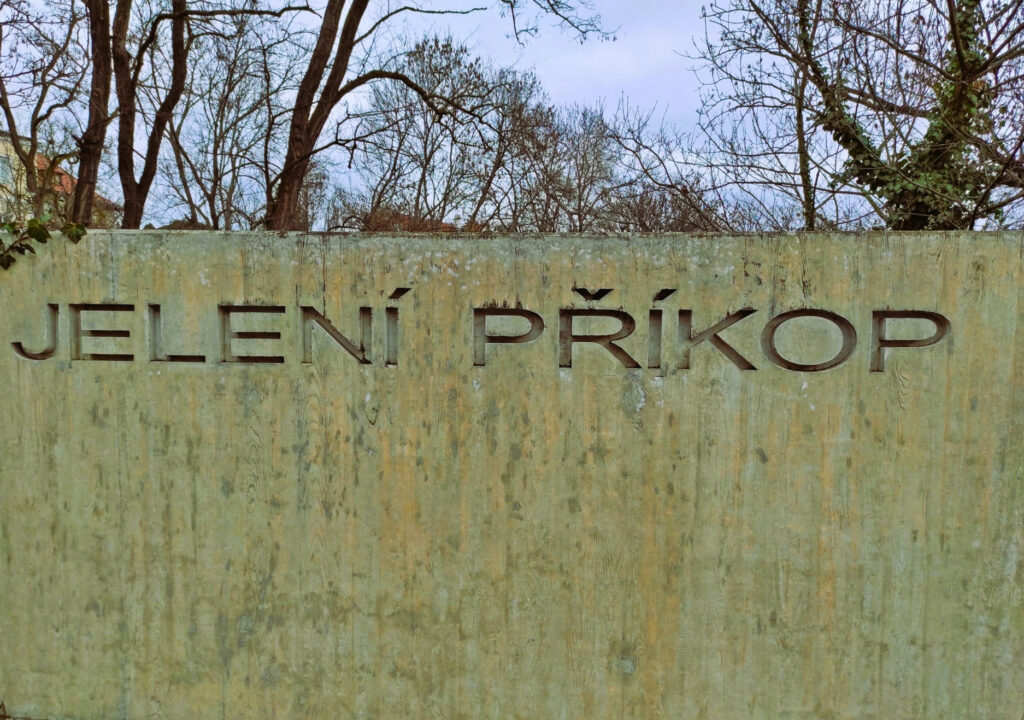
- Sign on the discreet entrance
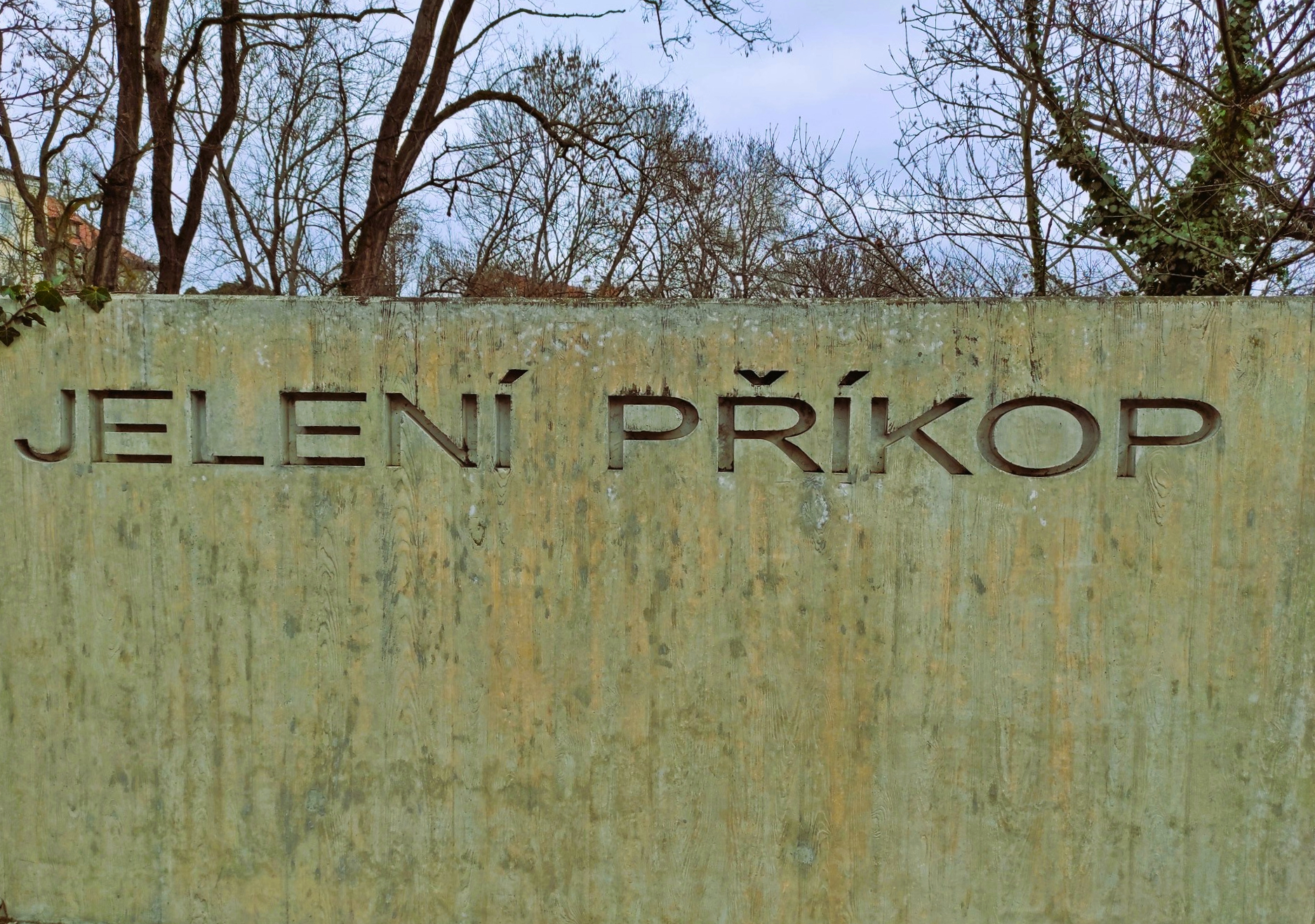
-
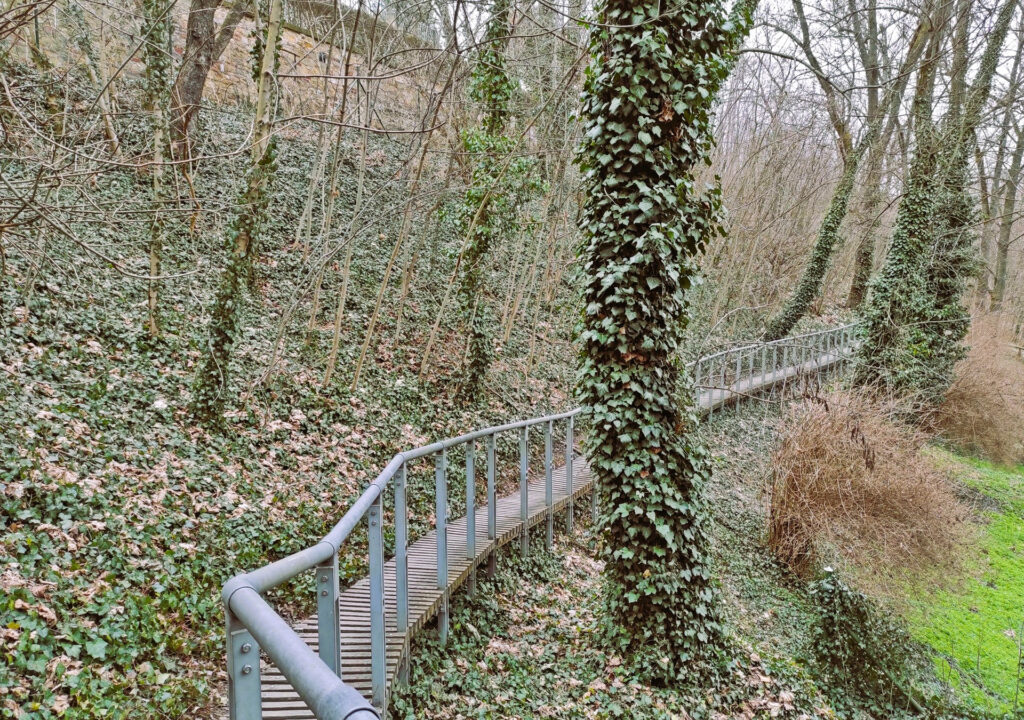
- Wooden footbridge for pedestrians
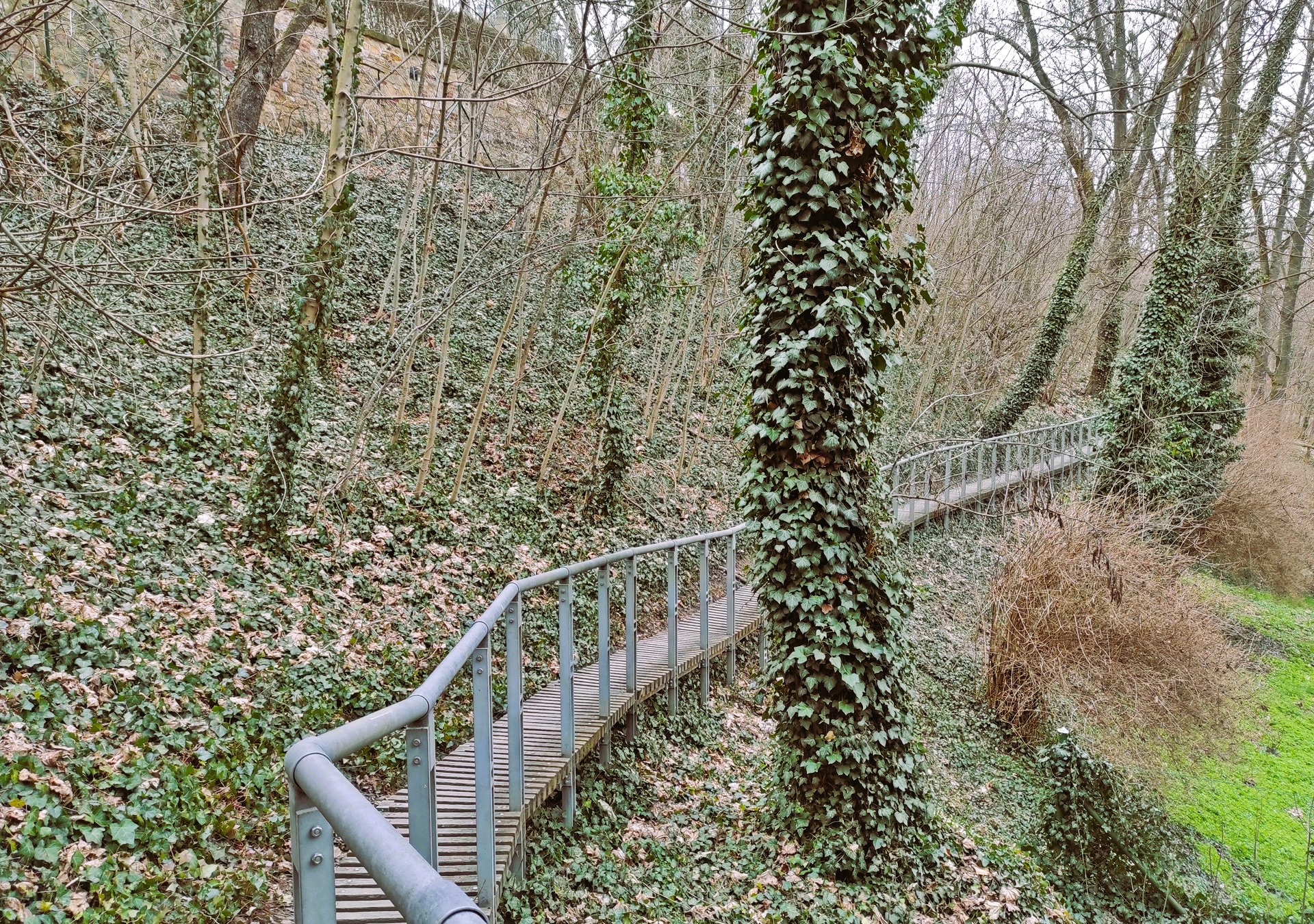
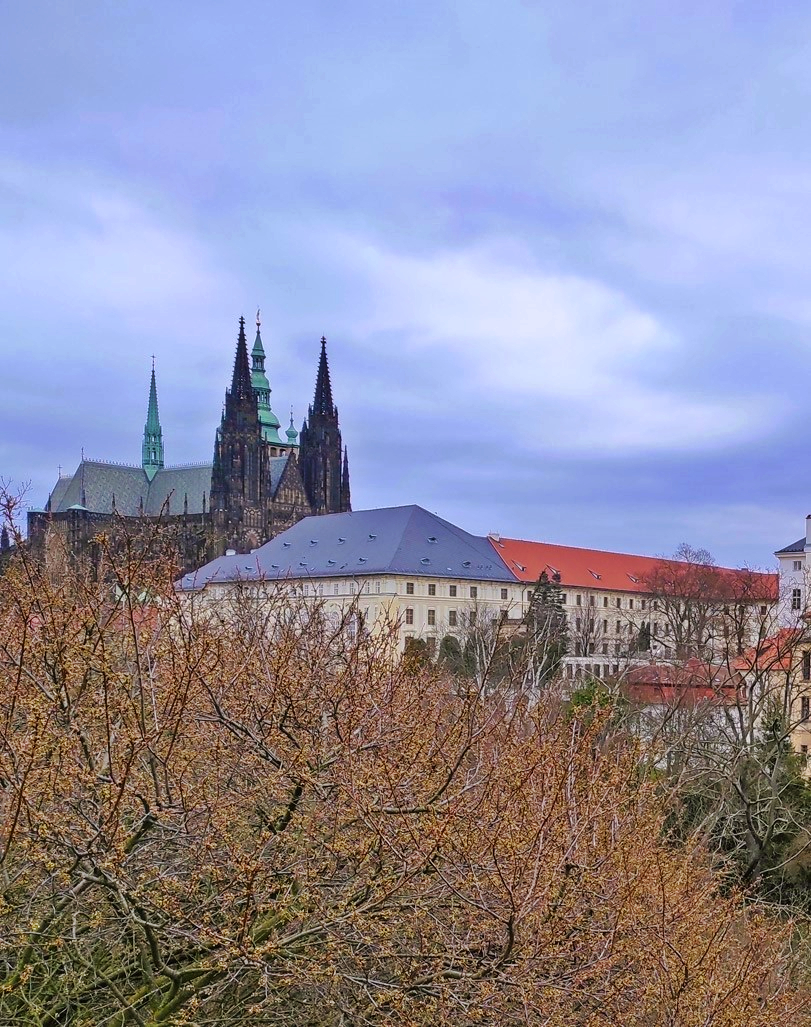
In the Upper Deer Moat, a winding path on the left side leads to the Masaryk Lookout with terraces, designed by Slovenian architect Josip Plečnik at the request of the president. At the centre of the lookout stands the Masaryk linden tree, under which the president used to rest. From here, we privately enjoyed a breathtaking view of the Prague Castle complex and Hradčany.
Beneath the Masaryk Lookout, at the bottom of the moat, stands, among other things, a sandstone statue of the Night Watchman, which was a gift from the students of the Hořice stonemasonry school for President Masaryk's 75th birthday.
-
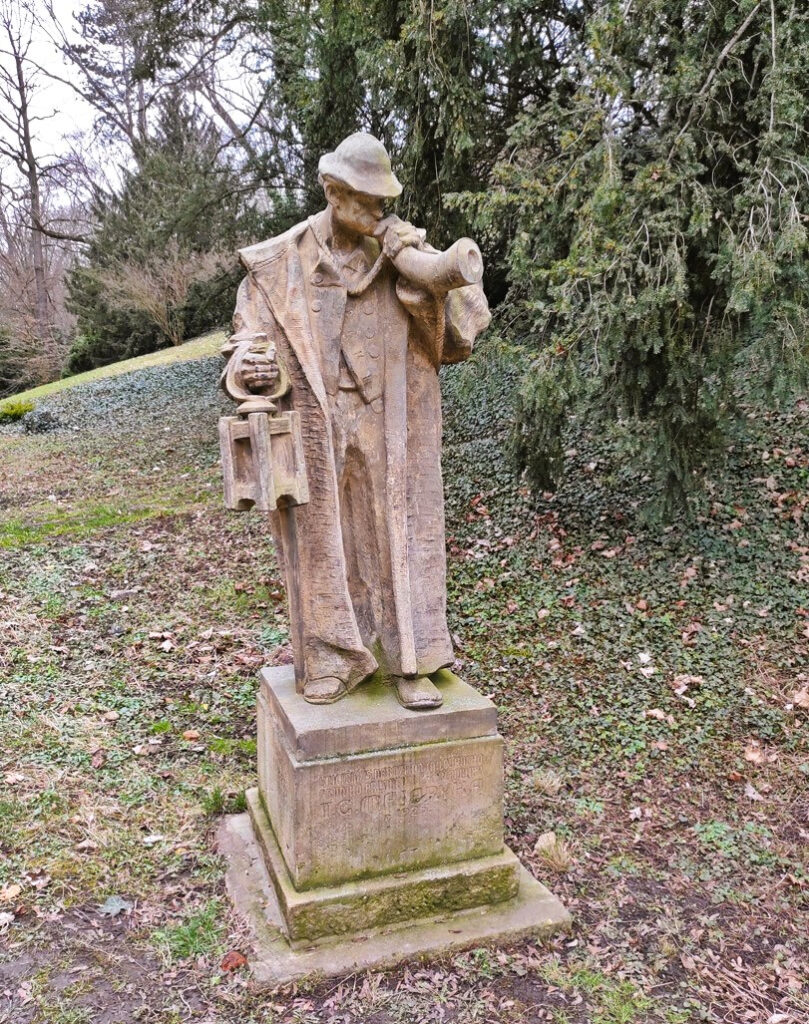
- Night Watchman
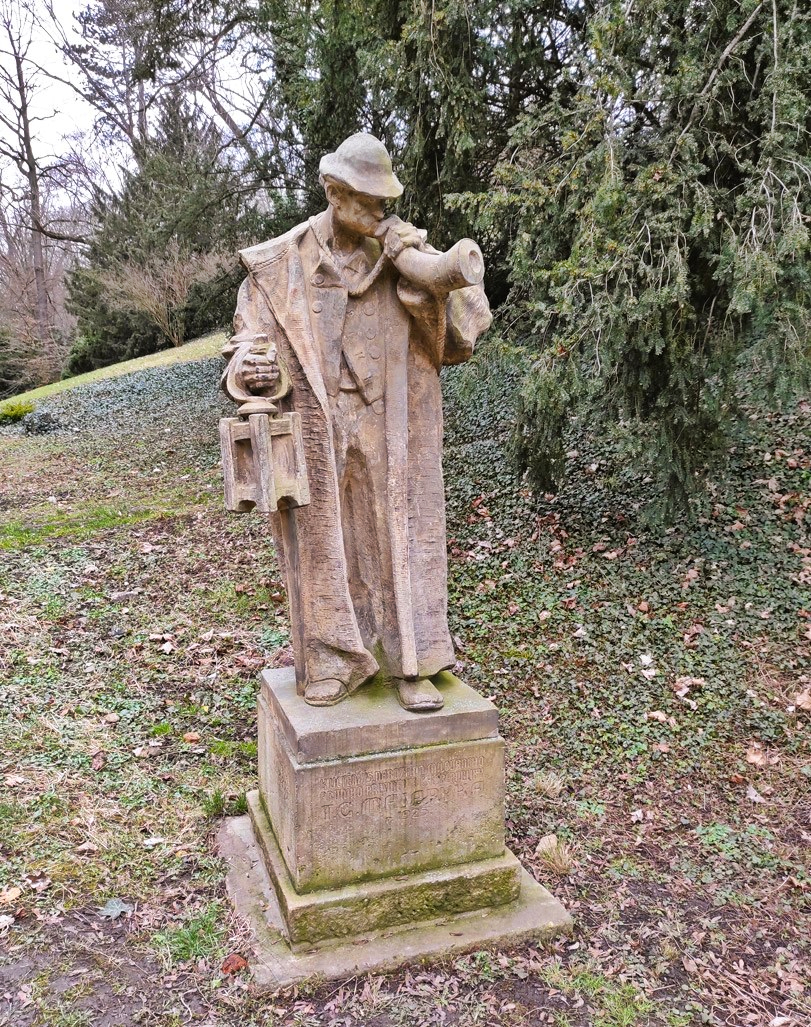
-
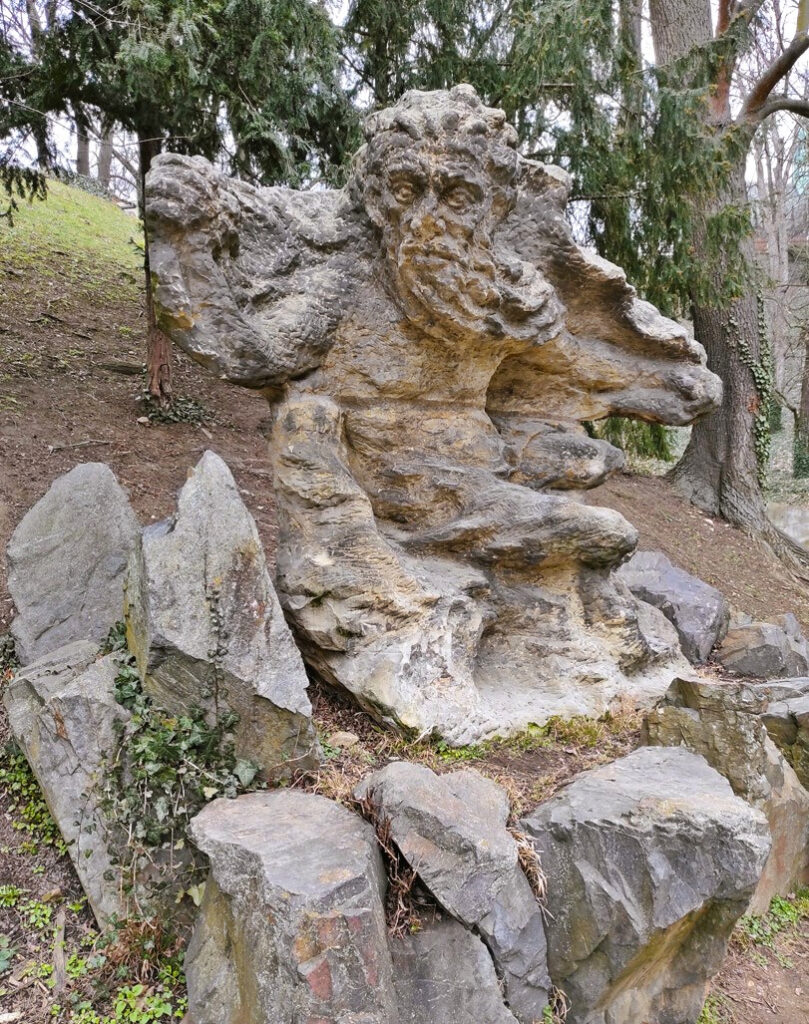
- Krakonoš (Rübezahl)
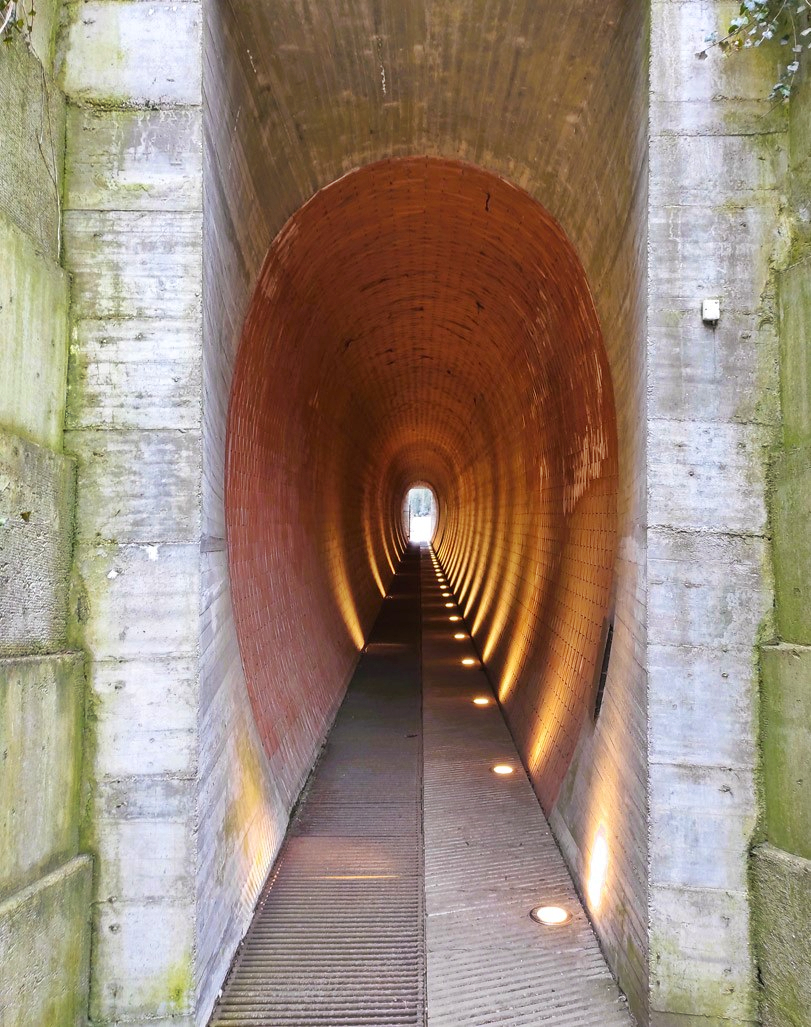
An unconventional experience is also offered by walking through the embankment of Prašný most (Powder Bridge), whose left side is traversed by the Brusnice stream. This illuminated tunnel made of fired bricks was built at the beginning of the 20th century and connects the upper and lower parts of the ravine. At the end of the 18th century, the moat was divided by a stone dam. Now, after more than 200 years, both parts are connected again.
-
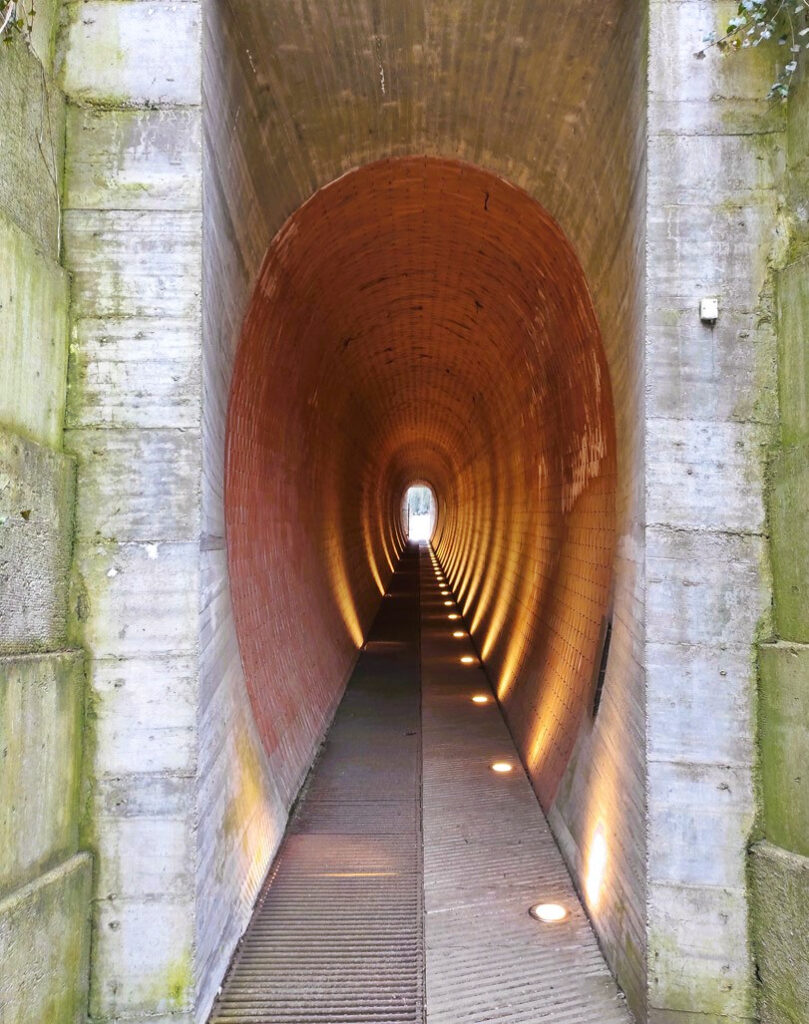
- Connecting tunnel
-
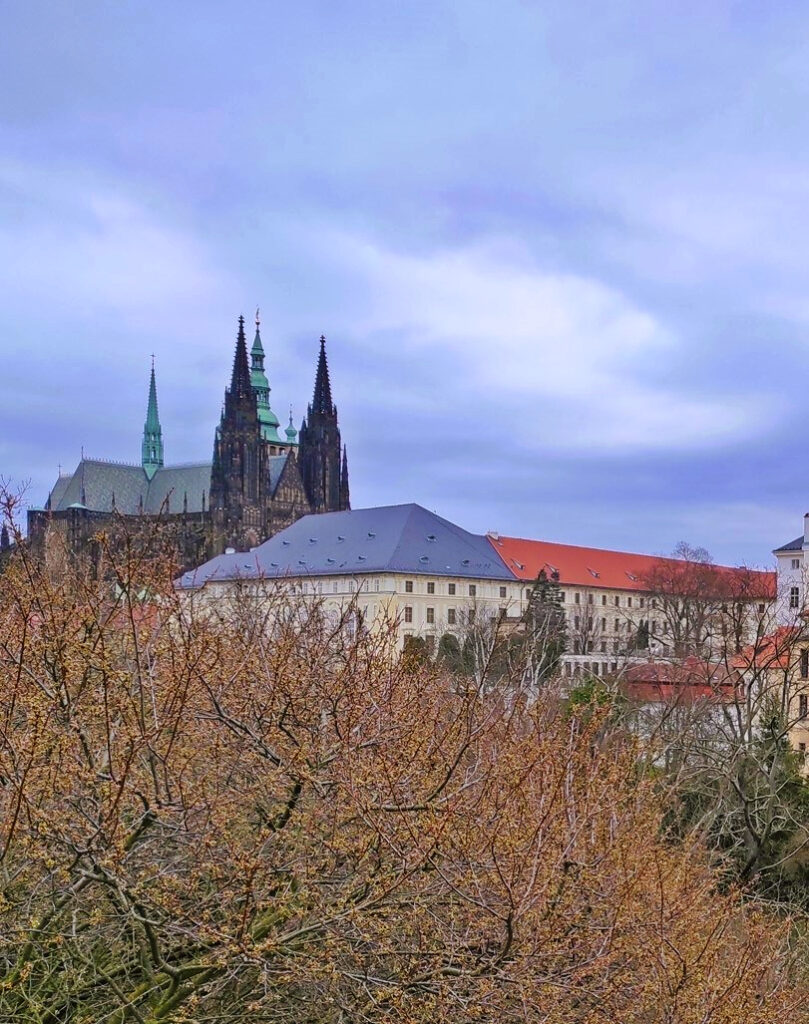
- View from the Masaryk Lookout
After the tunnel in the Lower Deer Moat (Dolní Jelení příkop), there are two modern sculptures made of Hořice sandstone called Pyramidal Dwarf and Mask.
-

- Deer Moat
-
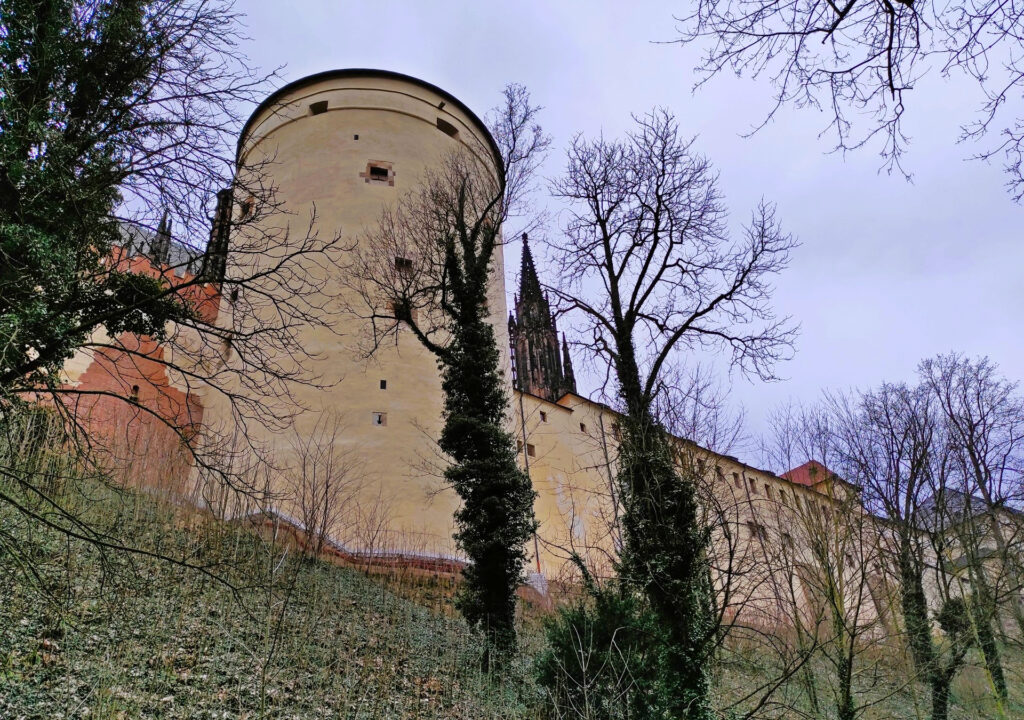
- Powder Tower (Mihulka)
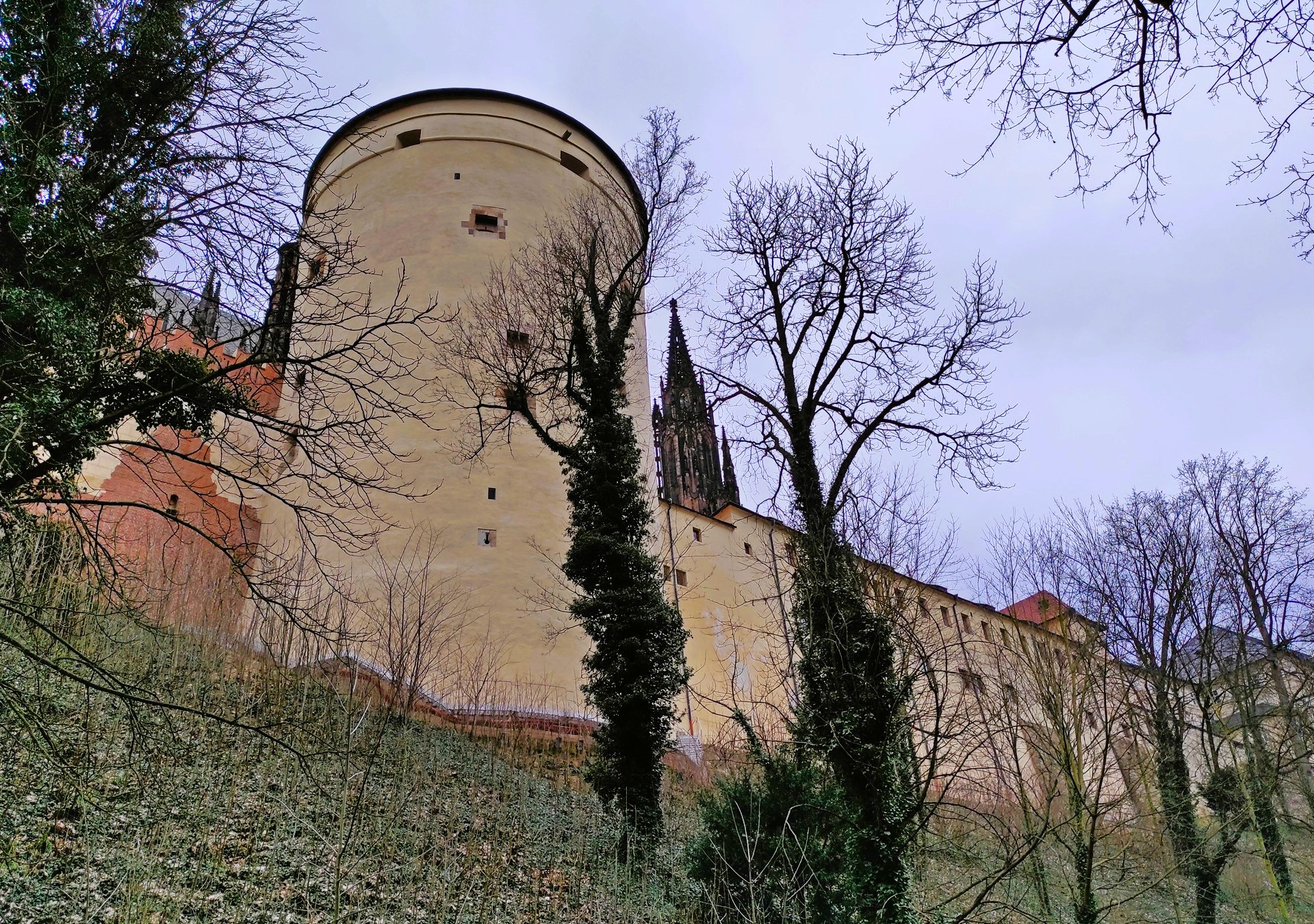
At the end of the lower ravine, another wooden footbridge then winds along the right side, ending at Na Opyši Street, which leads down to Klárov or up to Prague Castle.
When is it possible to visit the Deer Moat?
The natural ravine is accessible every day from 10 a.m. until dusk.