




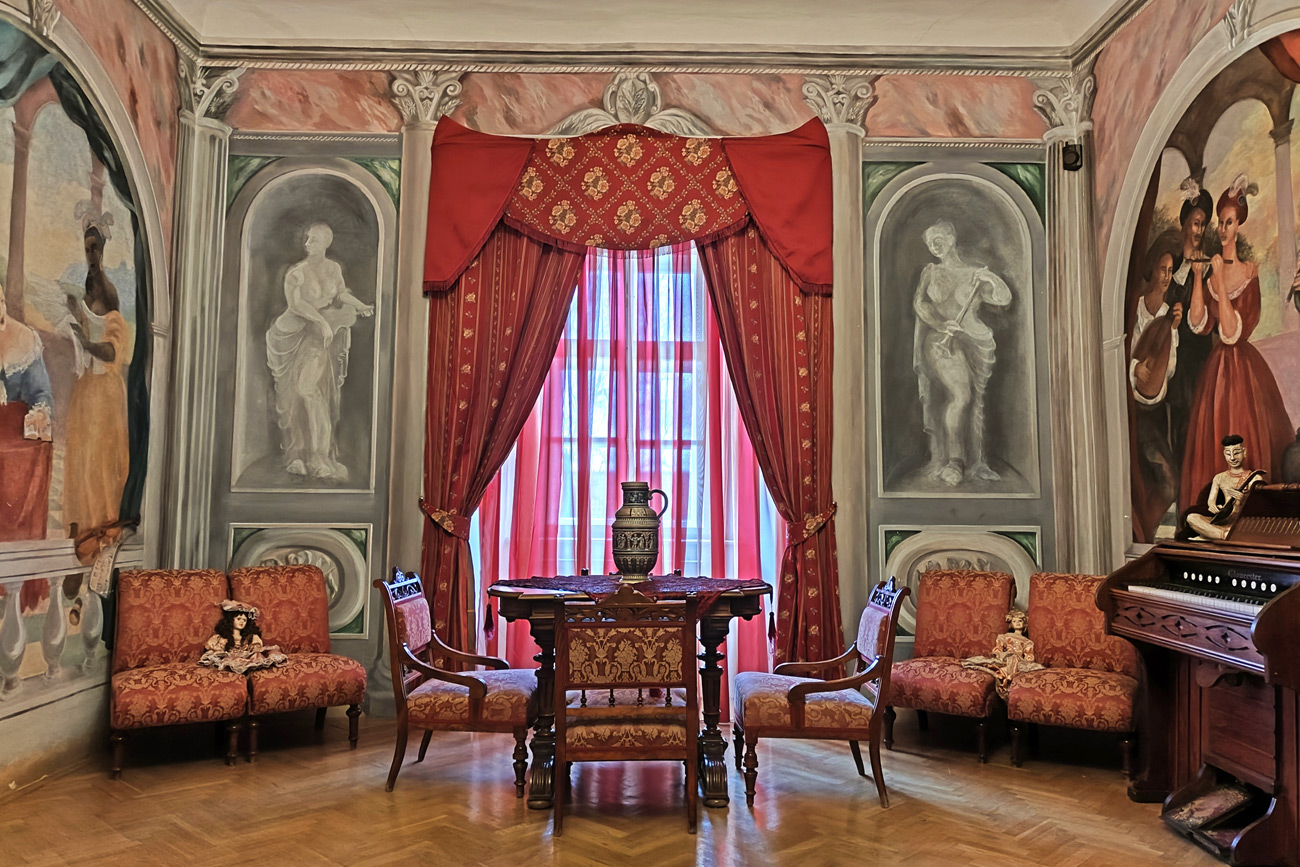
Bohemian Paradise isn’t just about natural beauty—it’s also home to majestic chateaus steeped in history and romance. Join us on a journey to three of the most enchanting ones.
Hrubá Skála will amaze you with its fairytale appearance perched atop sandstone cliffs. Dětenice attracts visitors not only with its Renaissance chateau but also with a medieval tavern offering a wild atmosphere and period feasts. And finally, Jičín, the town of the legendary robber Rumcajs—hides a stunning chateau overlooking a picturesque square.
Hrubá Skála Chateau
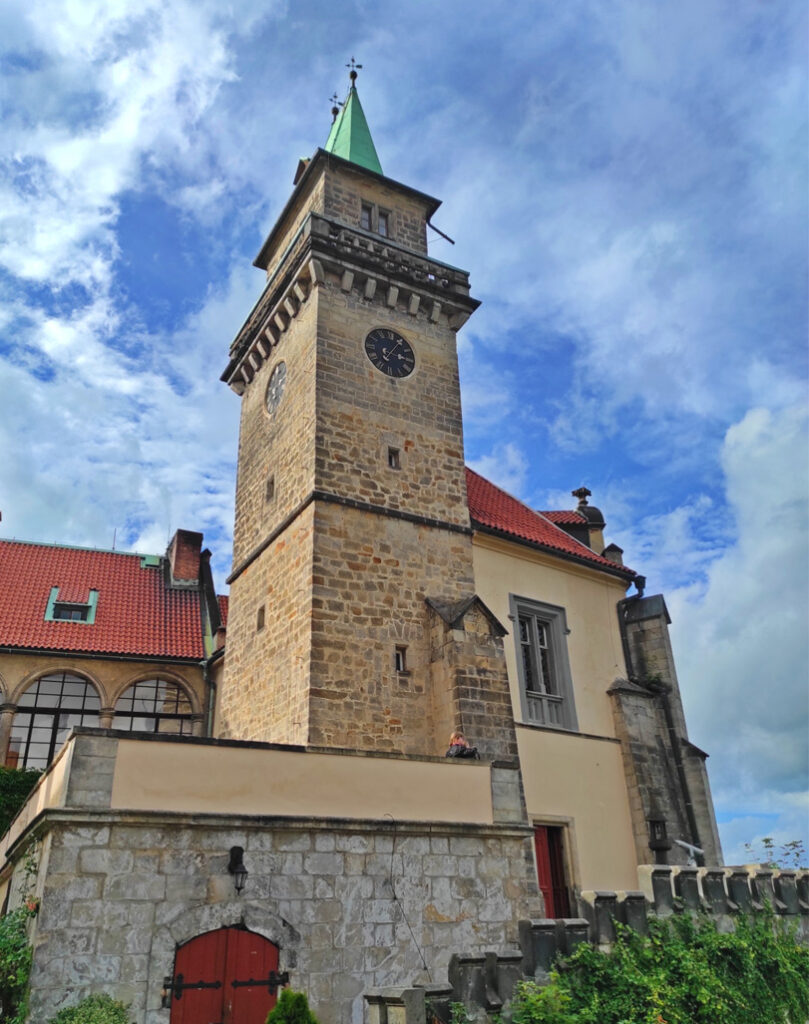
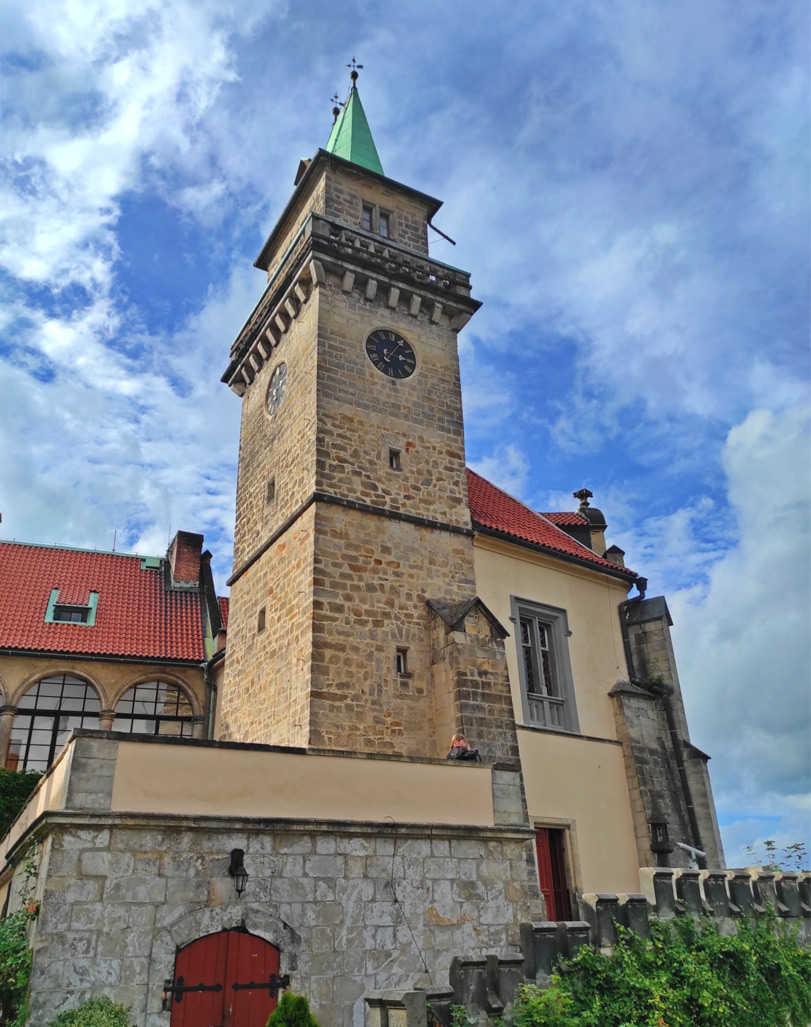
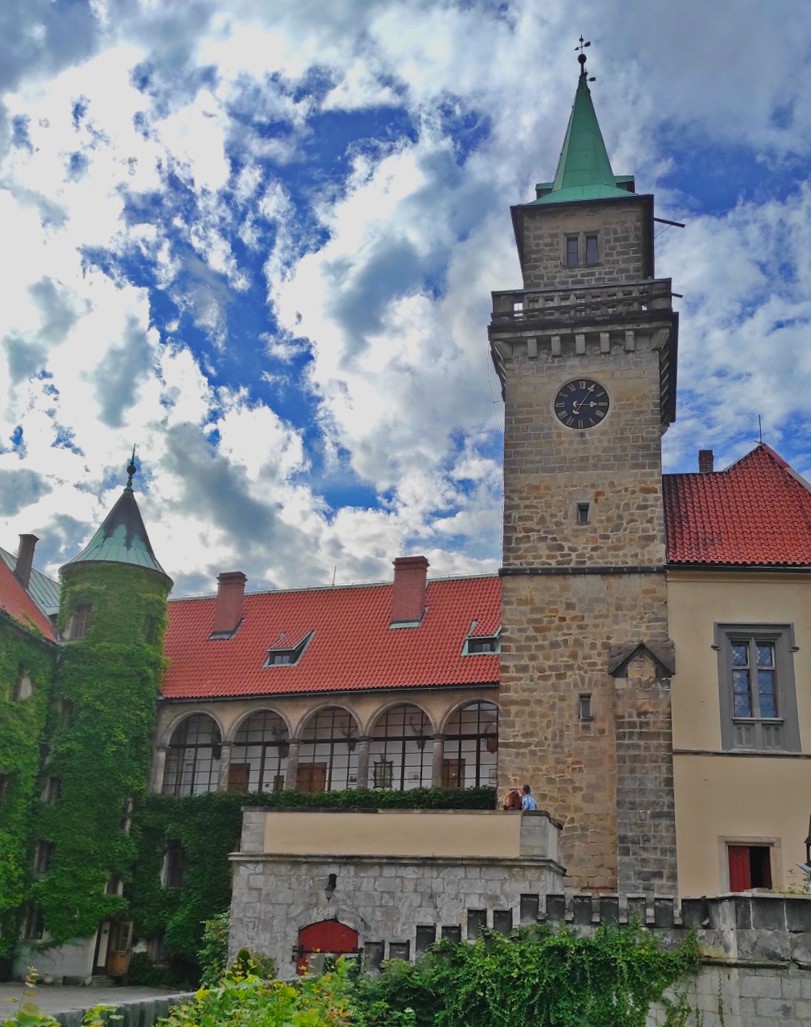
It rises like a guardian of time atop majestic sandstone towers, surrounded by deep forests and romantic valleys. Hrubá Skála Chateau (Rough Rock Chateau) is one of the most enchanting places in Bohemian Paradise—and when you stand in its courtyard, you will understand why.
This rocky treasure towers over the Libuňka River valley and offers breathtaking views. As early as the 14th century, Hynek of Valdštejn recognized the strategic potential of the location—he had Skály Castle built here, which later acquired the epithet "Hrubá" to distinguish it from its "little sister" Malá Skála (Little Rock).
-
- Hrubá Skála Chateau
-
- Hrubá Skála Chateau
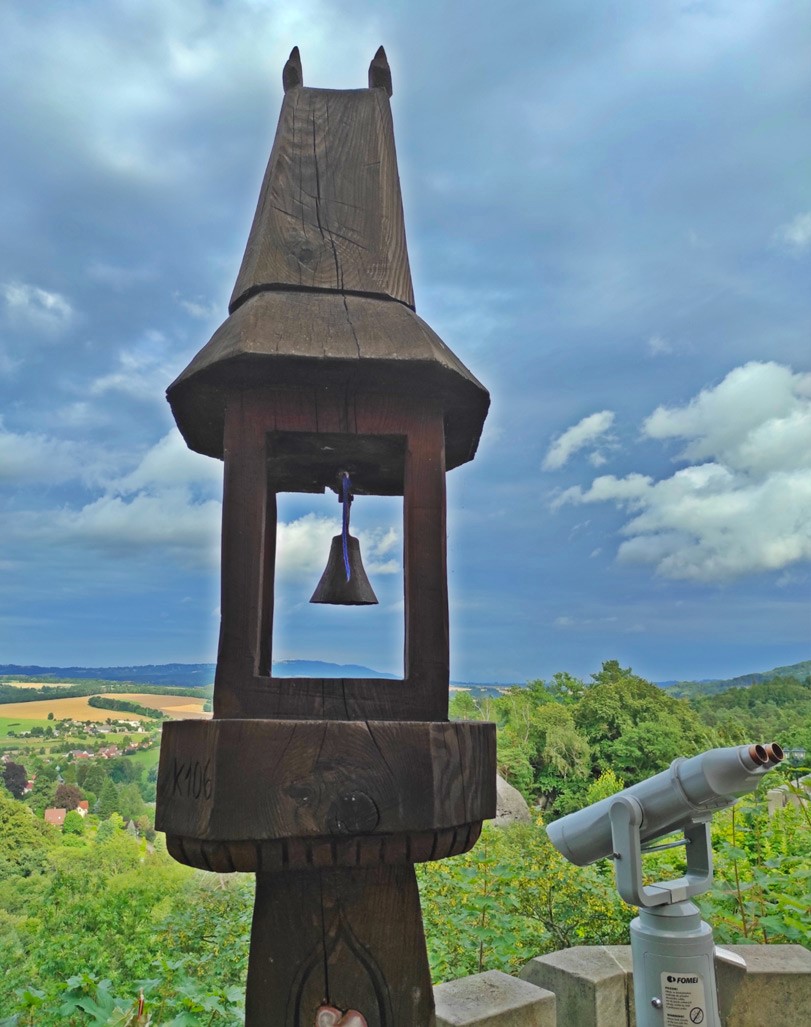
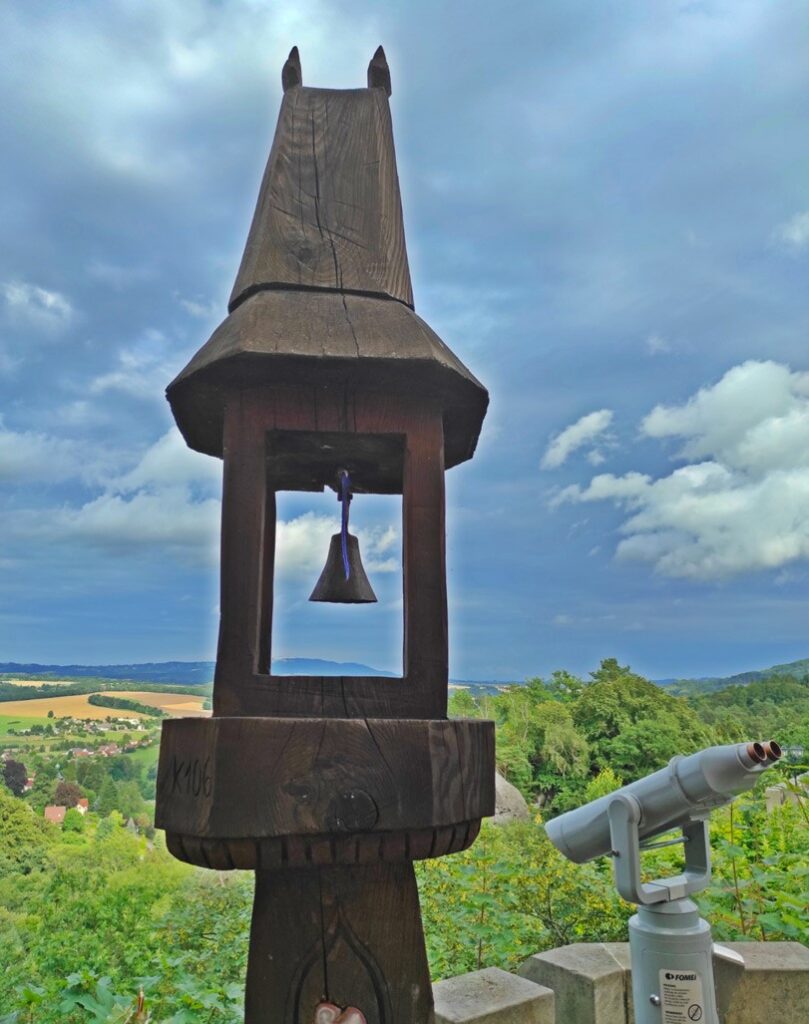
Nature was the finest architect here: 60-meter-high rock towers provided perfect defence while offering panoramic views stretching from Ještěd to Kozákov. The castle’s original appearance is shrouded in mystery, but traces of medieval construction can still be found— carved underground chambers or beam holes.
In the 16th century, the estate was acquired by the Smiřický family of Smiřice, who transformed the castle into a Renaissance chateau. Stone buildings, arcades, sgraffito with hunting scenes and even a drawbridge were added.
Yet the chateau’s fate was far from peaceful—during the Thirty Years' War, it was plundered by the Swedes and nearly ordered demolished by the emperor. Fortunately, it survived, and in the 19th century, it underwent a Neo-Gothic transformation: a majestic stone bridge, a romantic gate and an expansive park were added, still inviting visitors for strolls today. The Aehrenthals, the last noble family to own it, turned it into a romantic residence, which they managed until 1945, when the chateau was nationalized.
-
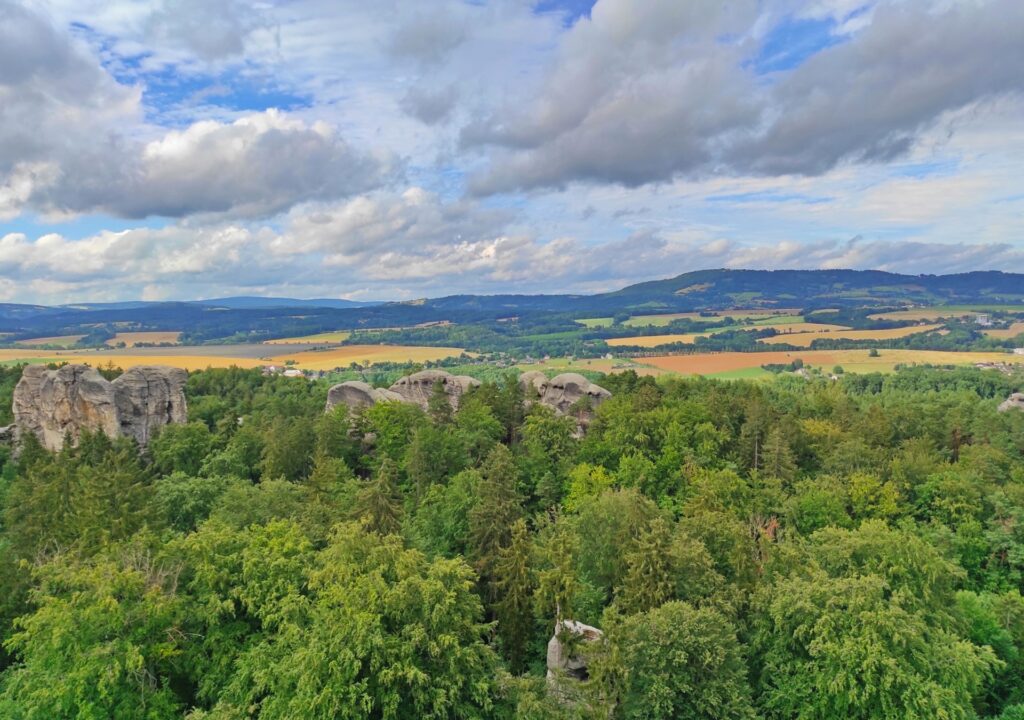
- View of the Bohemian Paradise
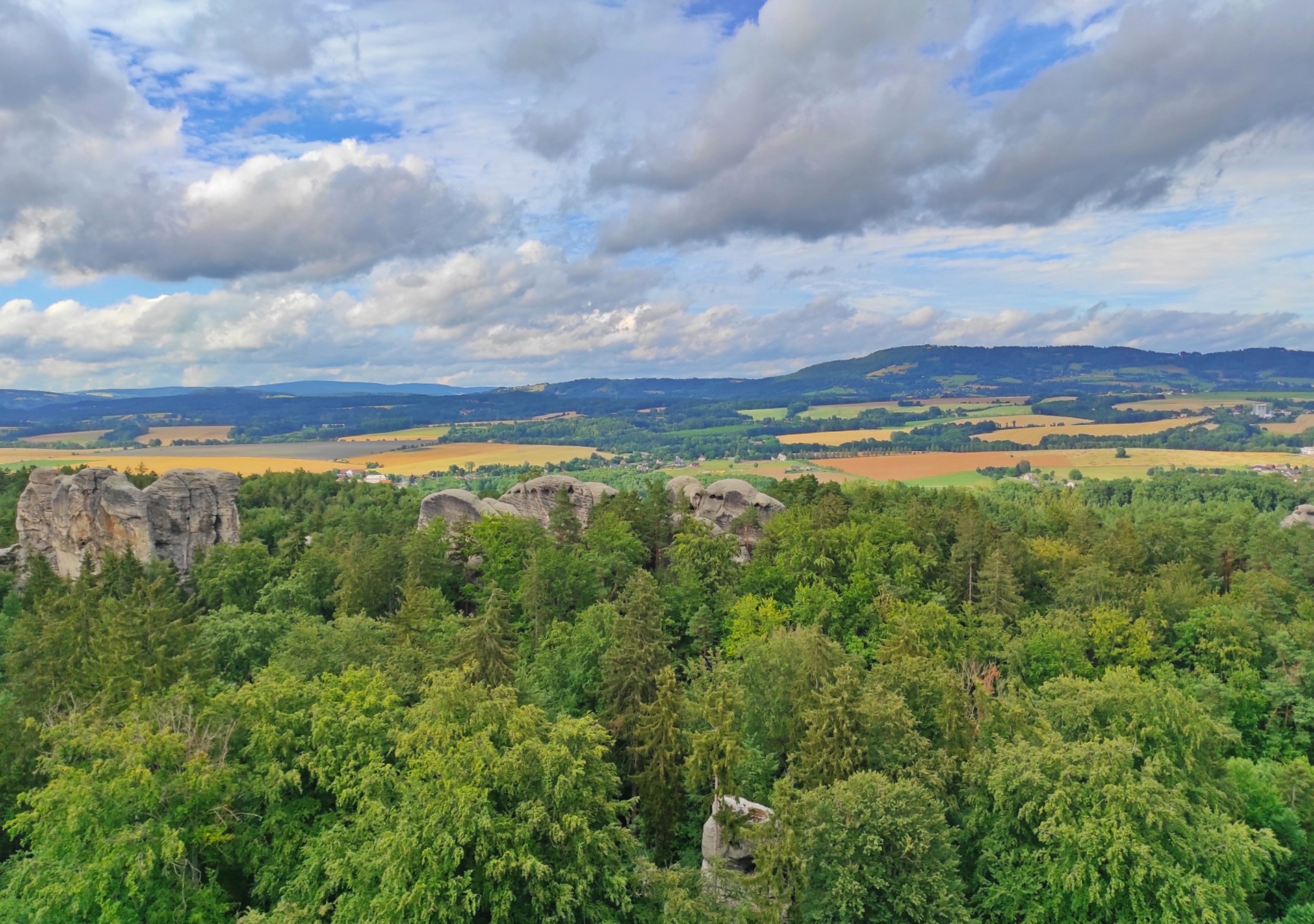
-
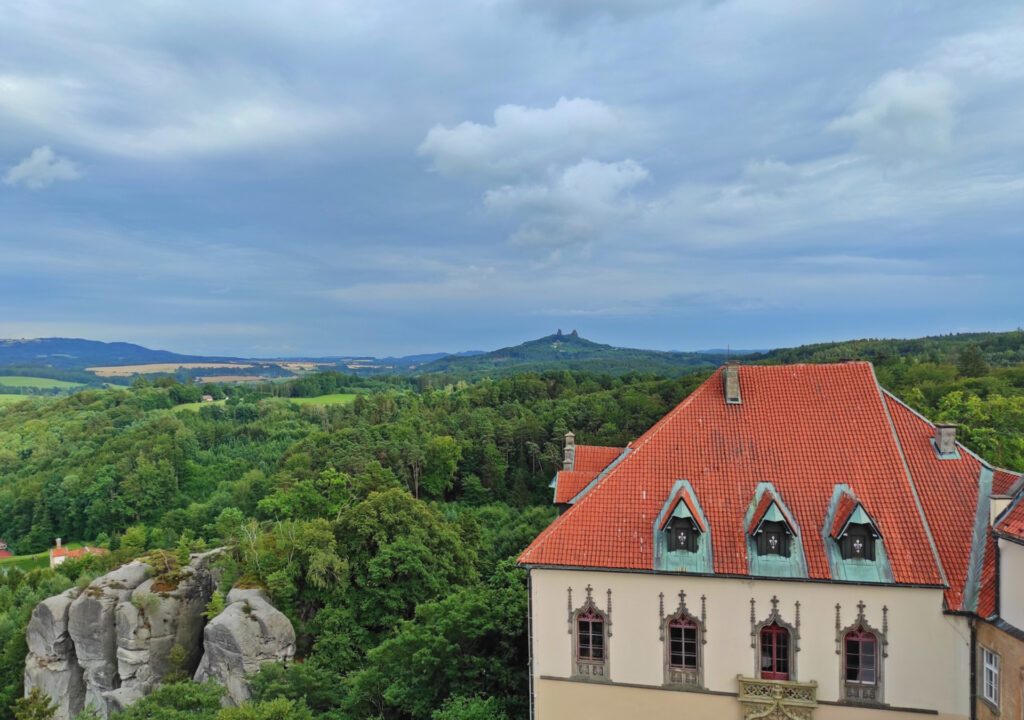
- View of the Bohemian Paradise
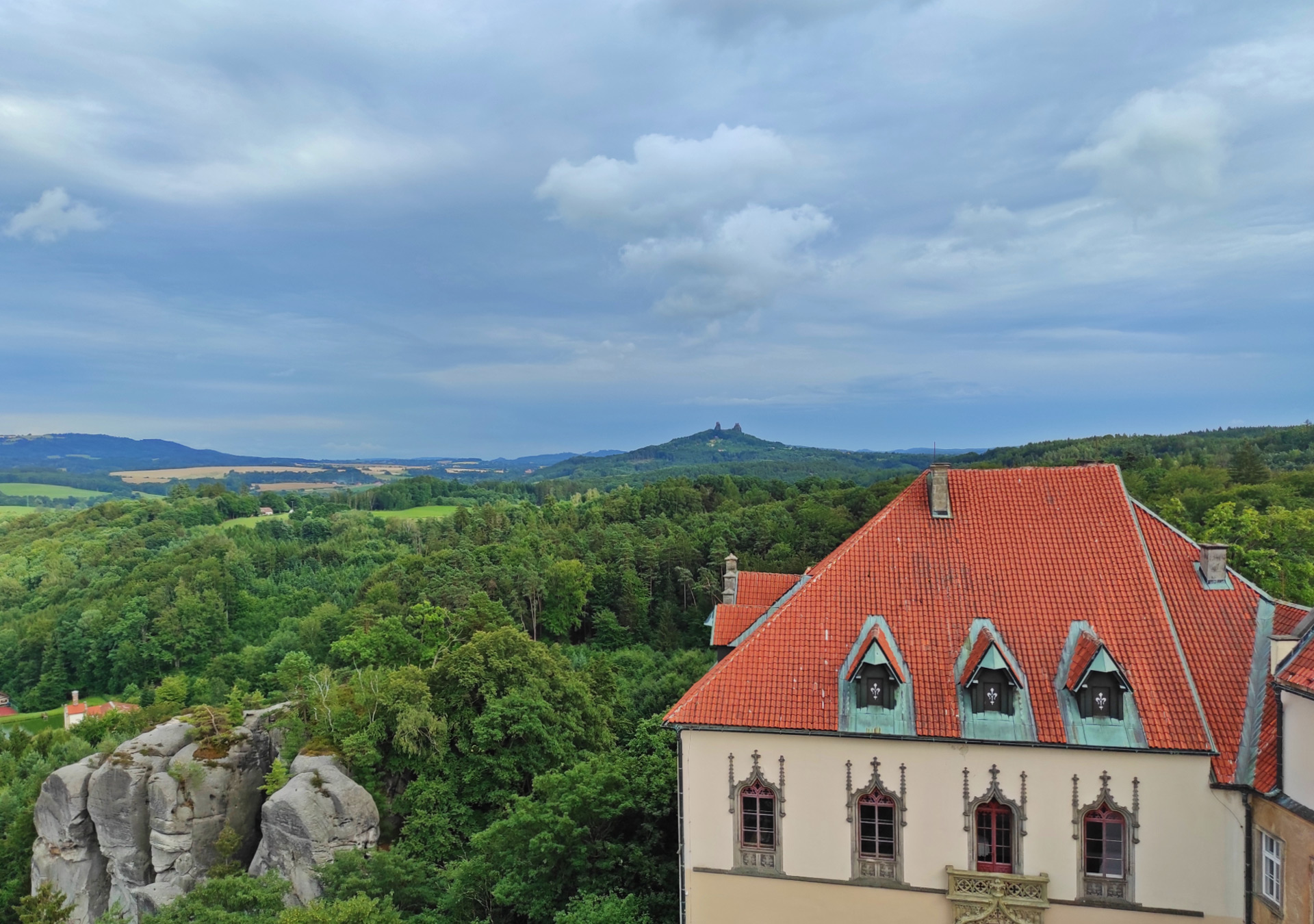
Today, Hrubá Skála is not just a chateau—it's a luxury hotel, a restaurant and a gateway to a fairy tale. In the summer, you can explore the courtyard or climb the tower, where you will be treated to a beautiful view of the surroundings. And if you dare to descend into the mysterious cellars, you will discover sandstone caves inhabited by the chateau’s oldest residents— bats.
Nature lovers can set out on the Golden Trail of Bohemian Paradise, which winds through the Chateau Gorge with panoramas of stunning sandstone rock formations. In the gorge, you will also find a hidden treasure—Adam’s Bed. This cave, adorned with carvings of three Adams, has been attracting adventurers and romantics for centuries.
Address: Hrubá Skála 1, Turnov
-
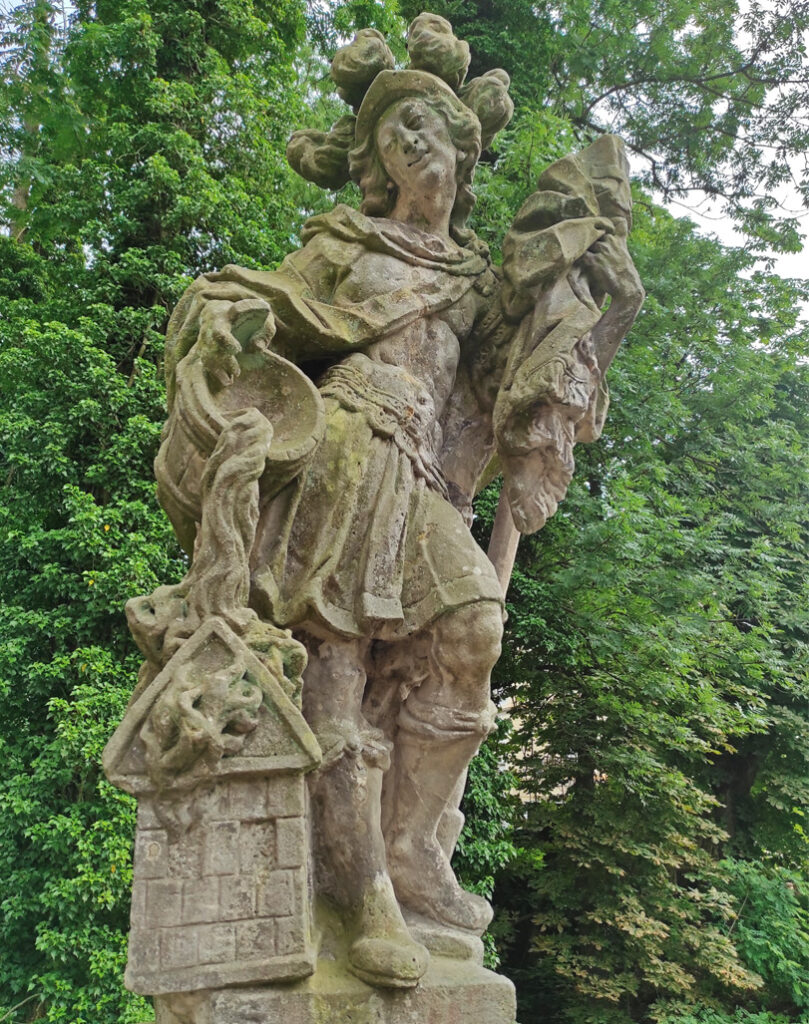
- Hrubá Skála Chateau—St. Florian
-
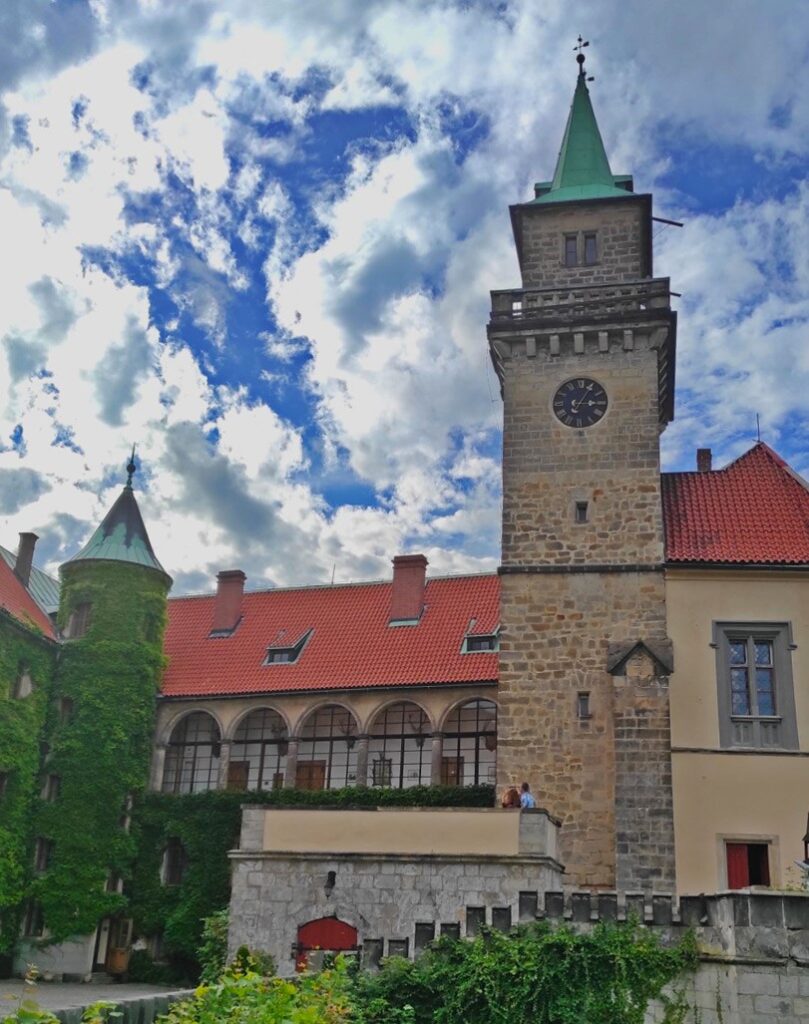
- Hrubá Skála Chateau
Parking:
You can park for a fee right by the chateau, but keep in mind that the parking lot is rather symbolic—spots are scarce. We recommend setting out early so you don’t have to circle around like a hamster in a wheel.
Dětenice Chateau
Imagine the Czech countryside in the 11th century, where Prince Oldřich is riding through dense forests and comes across two abandoned boys whom he decides to save. He leaves his people behind to care for them, and it is on this very spot that a village later grows—Dětenice, named after those found children. (The name Dětenice is derived from the word děti, which means children in English.)
This is how the history of this place began, where lost treasures, Hussite secrets and the stories of brave nobles remain hidden to this day.
-
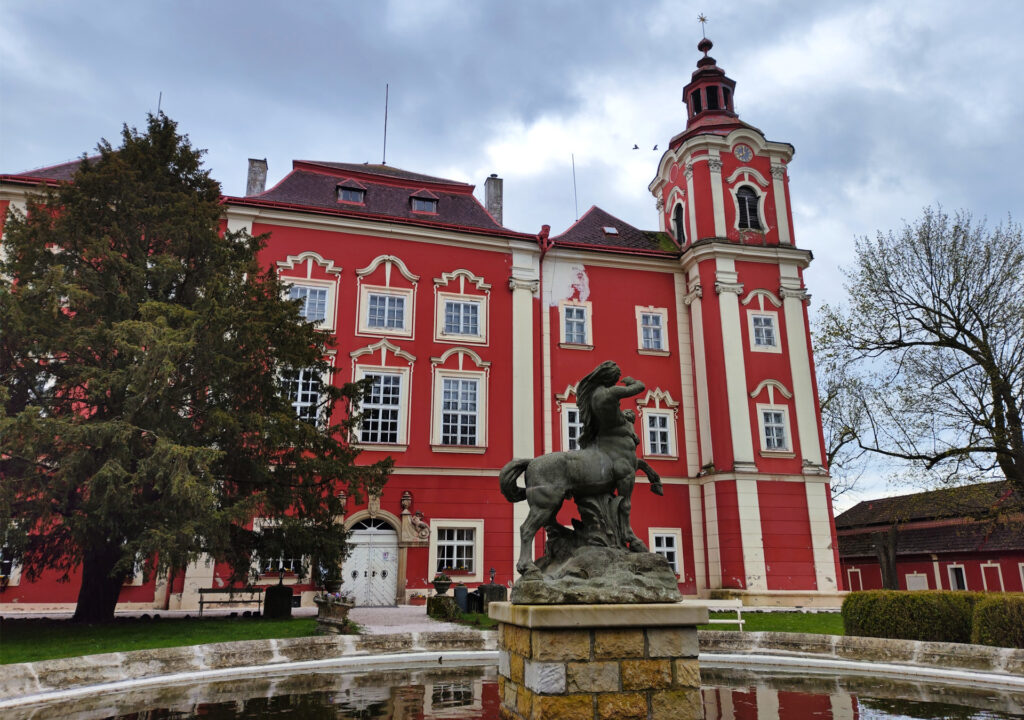
- Dětenice Chateau
-
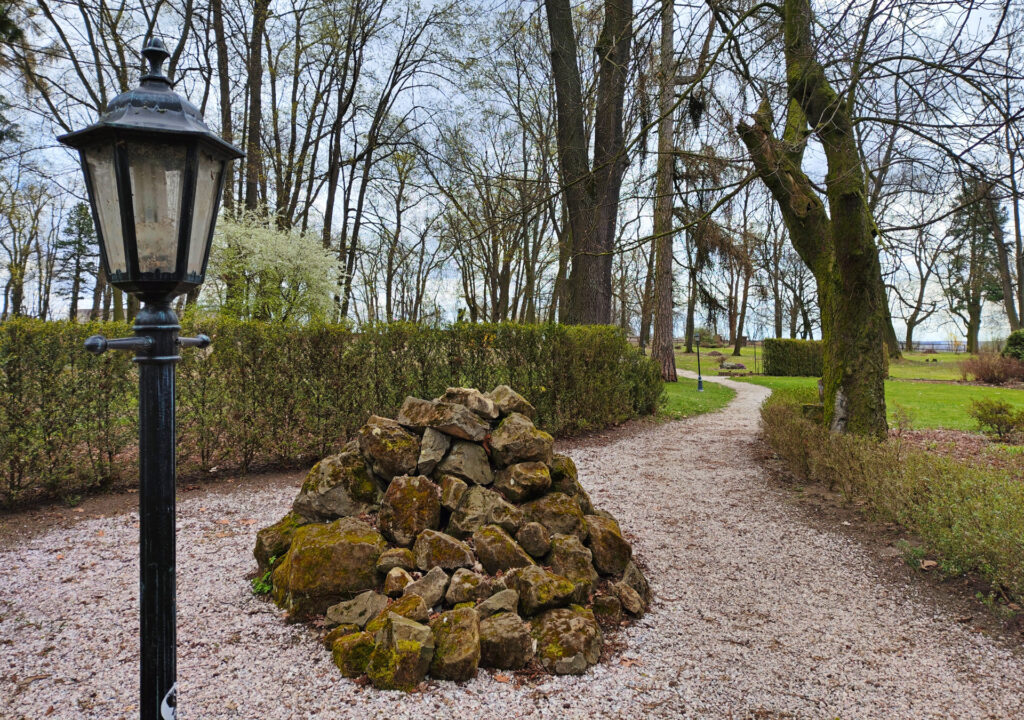
- Chateau Park
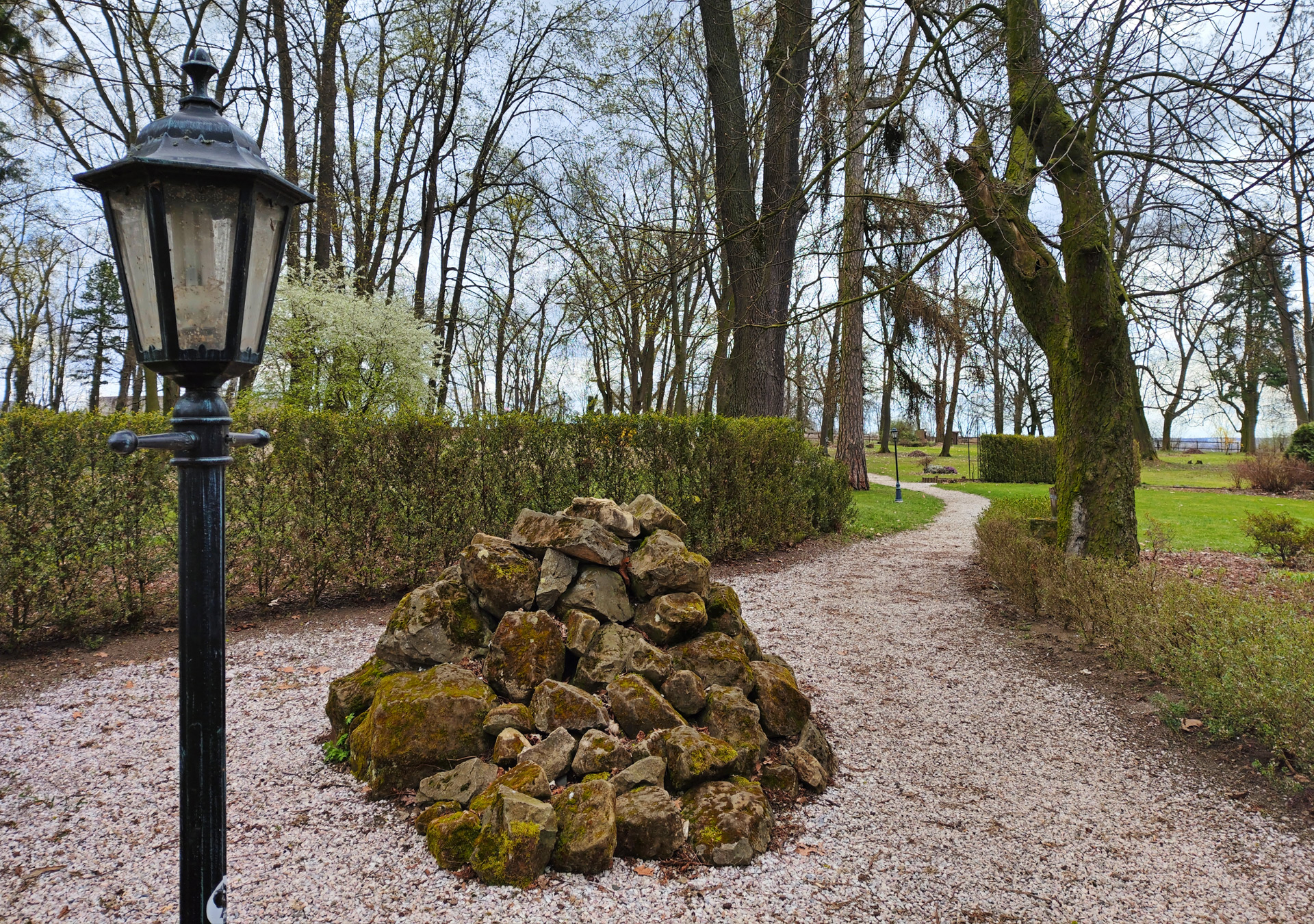
The first stone castle here was built by Beneš of Valdštejn, whose wife had no idea that her husband secretly read Hussite books beneath the rock at Vinčky. Stones from this rock can now be found in the chateau park—perhaps the spirit of rebellion still lingers within them.
A Renaissance reconstruction, a clock tower, and then… treason! Jiří Křinecký opposed the emperor, fled before his execution and hid his wealth in the chateau’s secret passages. To this day, no one has found it.
-
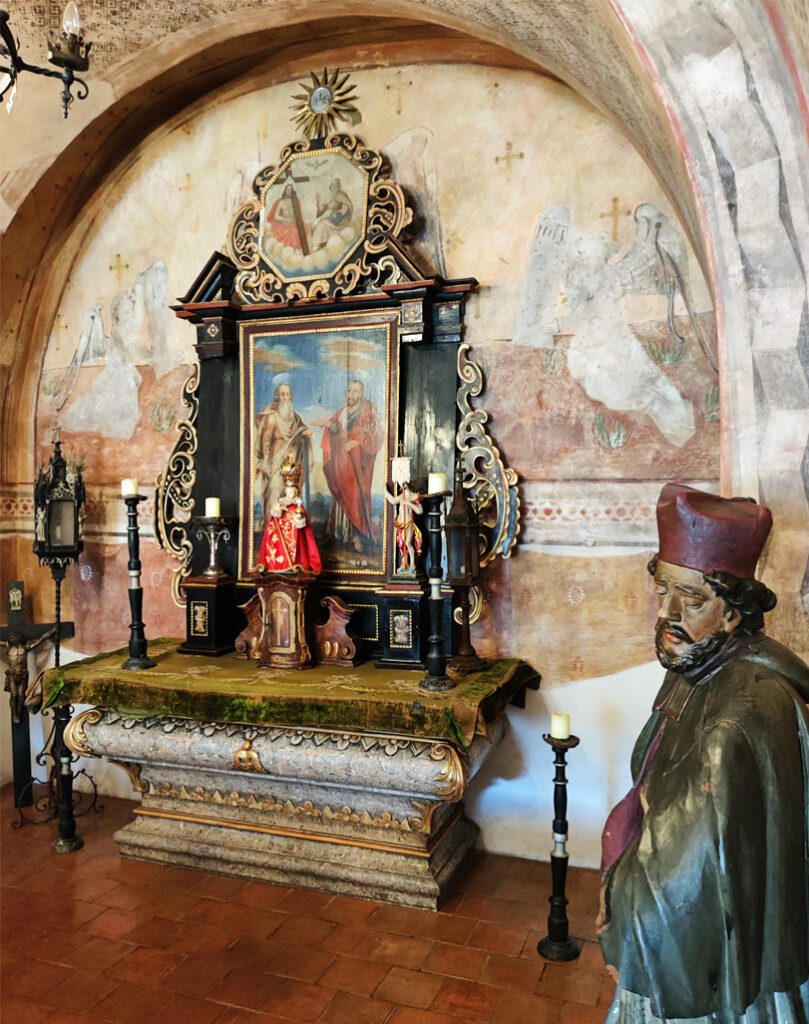
- Dětenice Chateau
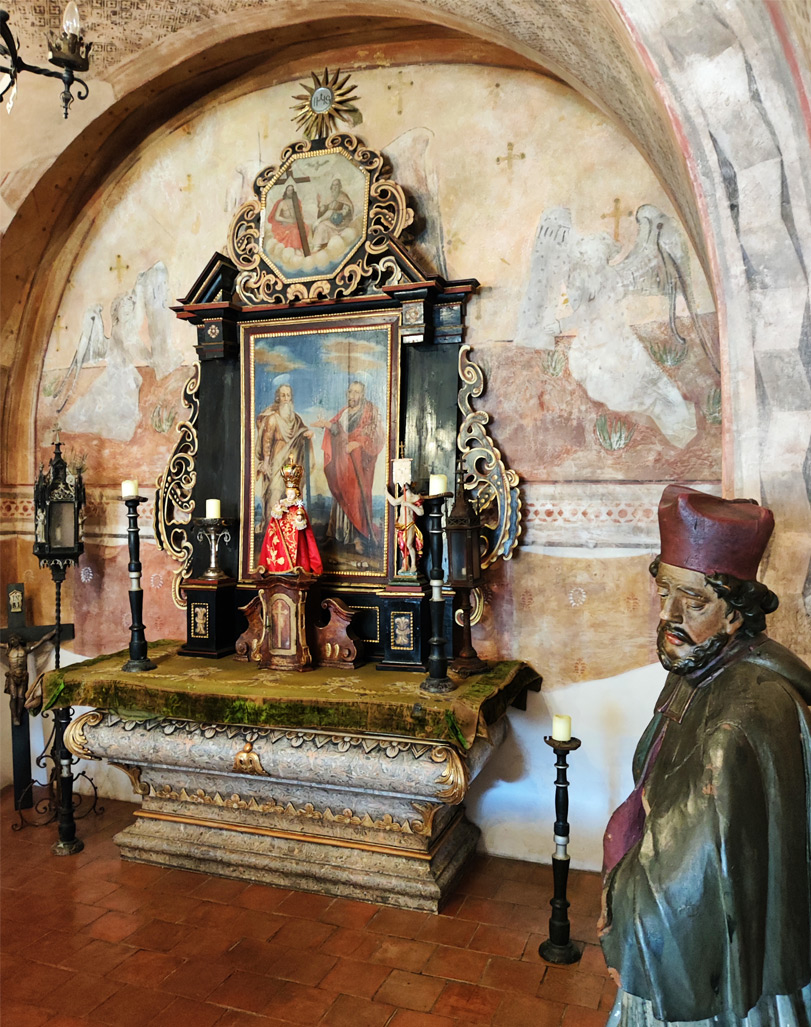
-

- Dětenice Chateau

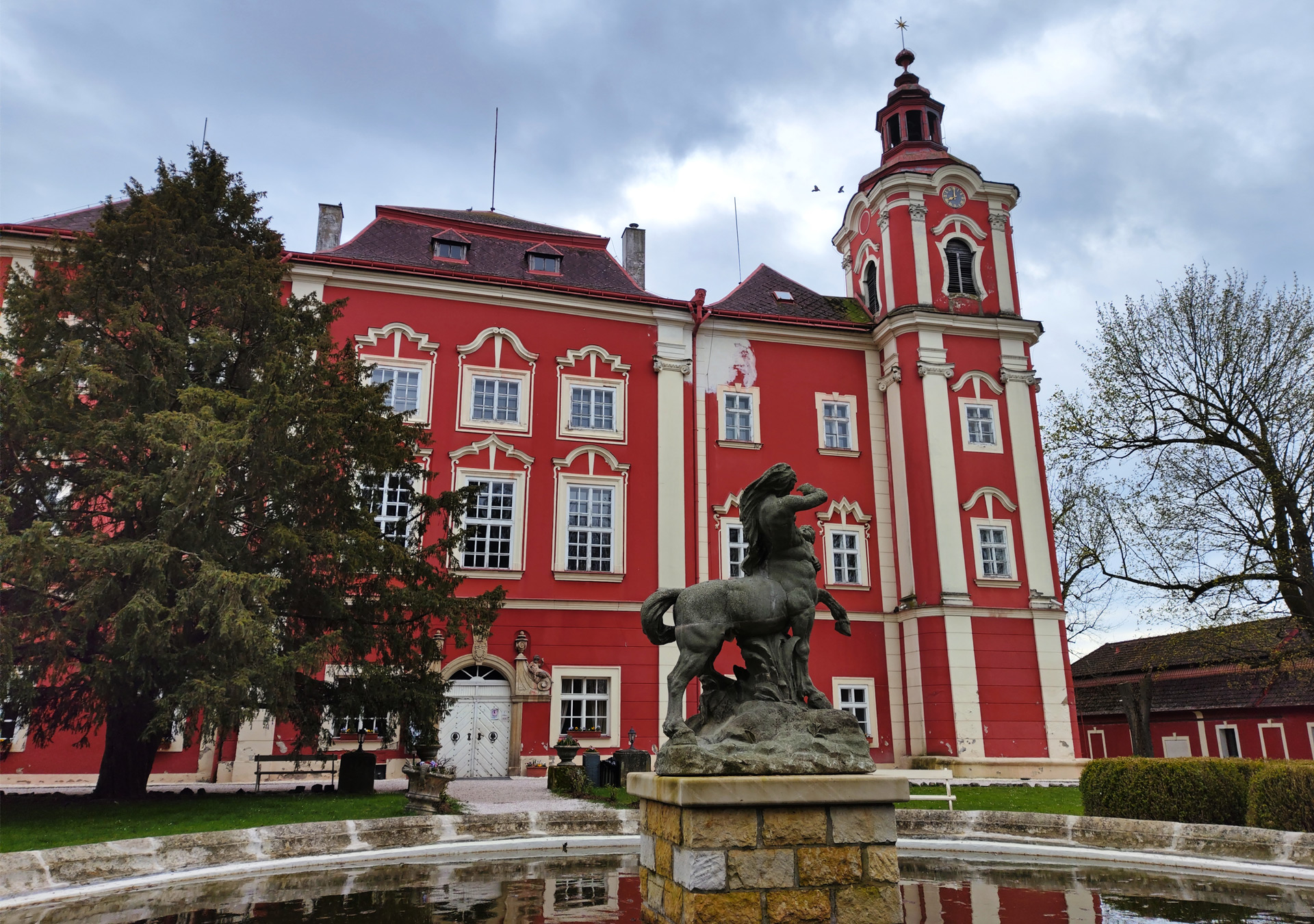
Count Clamm-Gallas gave the chateau its current Baroque appearance. His son, Karel, had a spa built here for his ailing wife, but fate was cruel. The desperate count committed suicide, leaving behind only a mysterious story and an abandoned estate.
Filip Wessenberk, a passionate traveller, brought back a monkey and a young Black servant named Táha from exotic lands—Táha later became the director of a school in Cairo. Subsequently, the estate was taken over by the Knights of Malta, who introduced a railway, new chapels and statues.
After years of neglect, Pavel Ondráček purchased the chateau and restored its former glory. Today, you can admire the 4-hectare park, Rococo statues, a fountain and Gothic cellars.
-
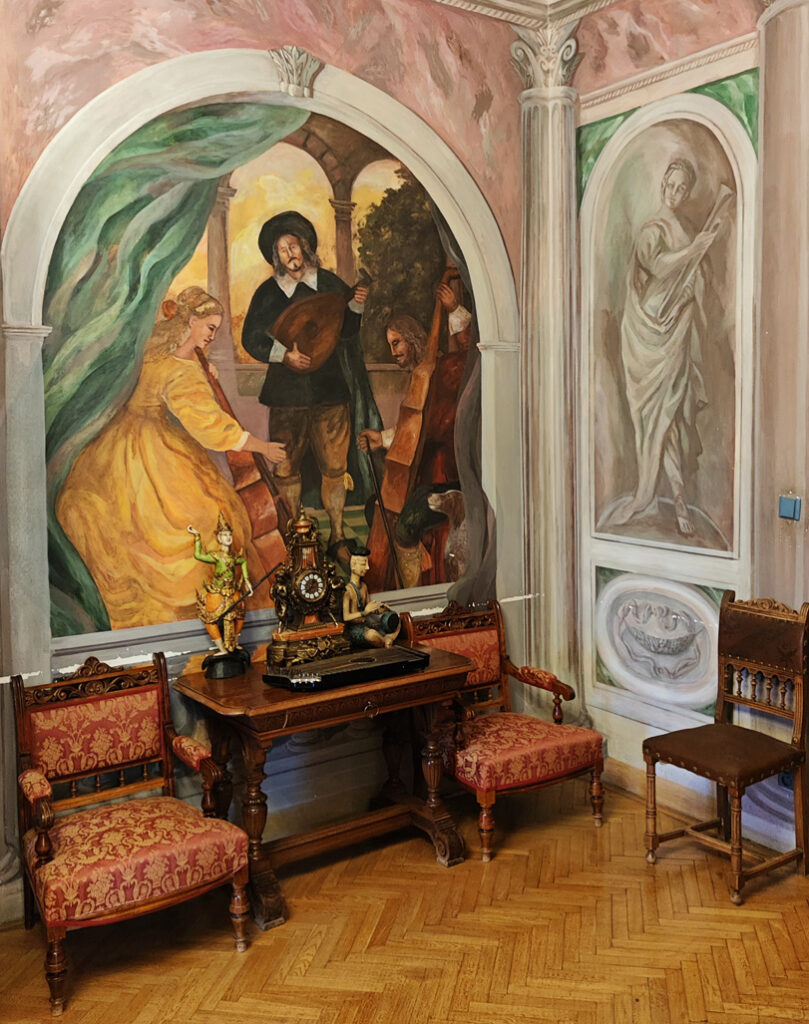
- Dětenice Chateau
-
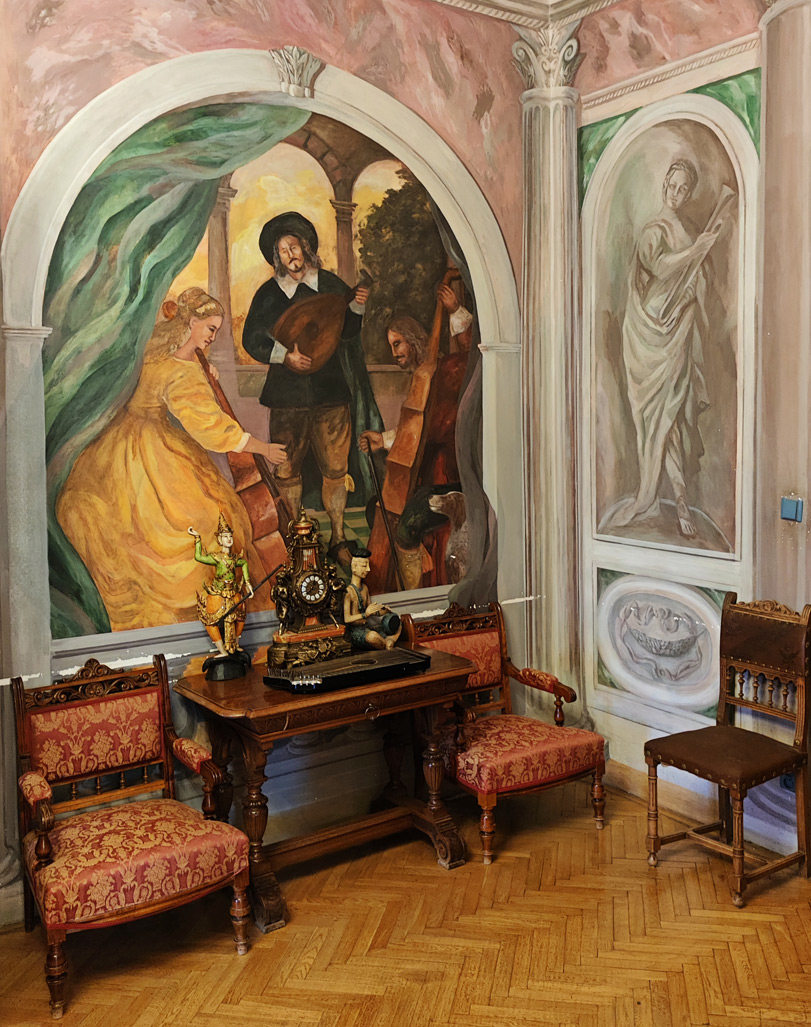
- Dětenice Chateau

And that's not all. A medieval tavern welcomes you with wooden benches, roasted meat from an open fire and glasses of Love Beer brewed according to an ancient recipe. And if you are also intrigued by the secrets of the golden brew, a brewery tour will reveal how beer was made as far back as the 18th century. You will walk through the malt house, the lager cellars, and taste an unfiltered specialty—light and dark Love Beer.
Address: Dětenice 1
-
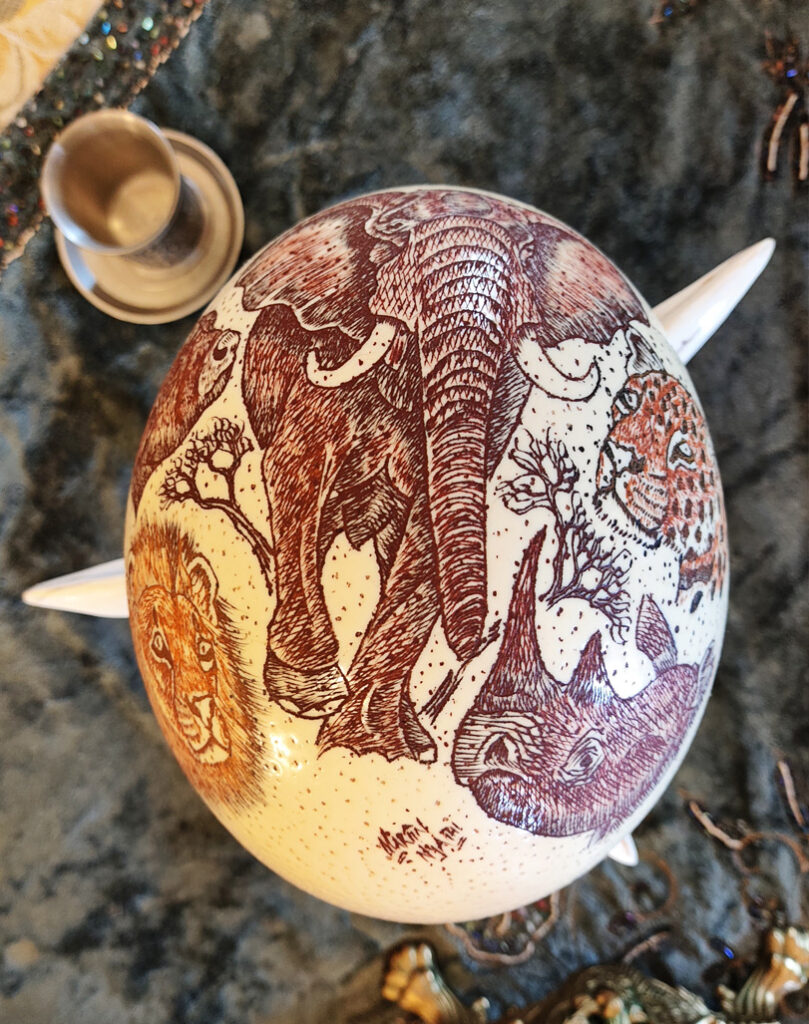
- Dětenice Chateau

-
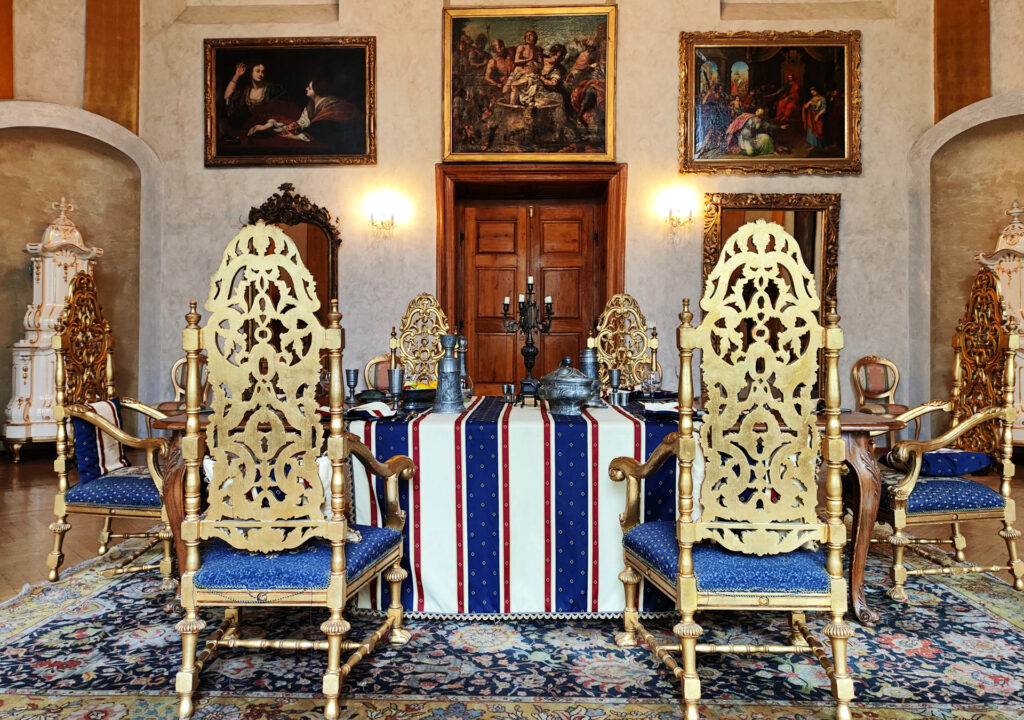
- Dětenice Chateau

Where did we park?
We left the car in the paid parking lot in front of the chateau – Dětenice Parking. However, if you have accommodation at the chateau, you can park for free directly in the chateau grounds.
-
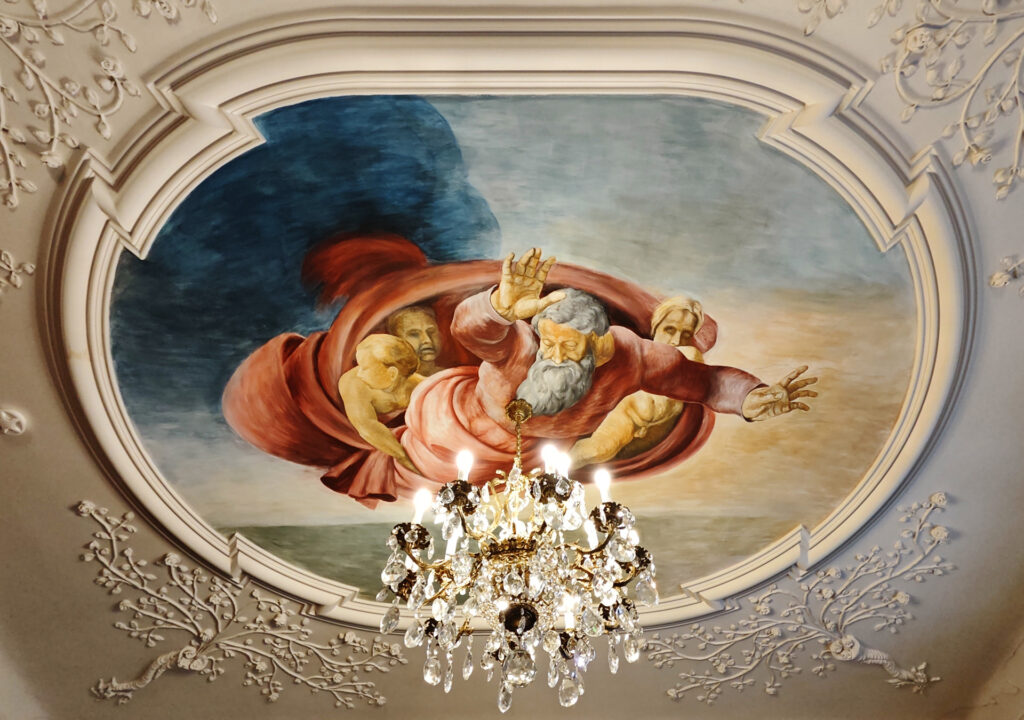
- Dětenice Chateau
-

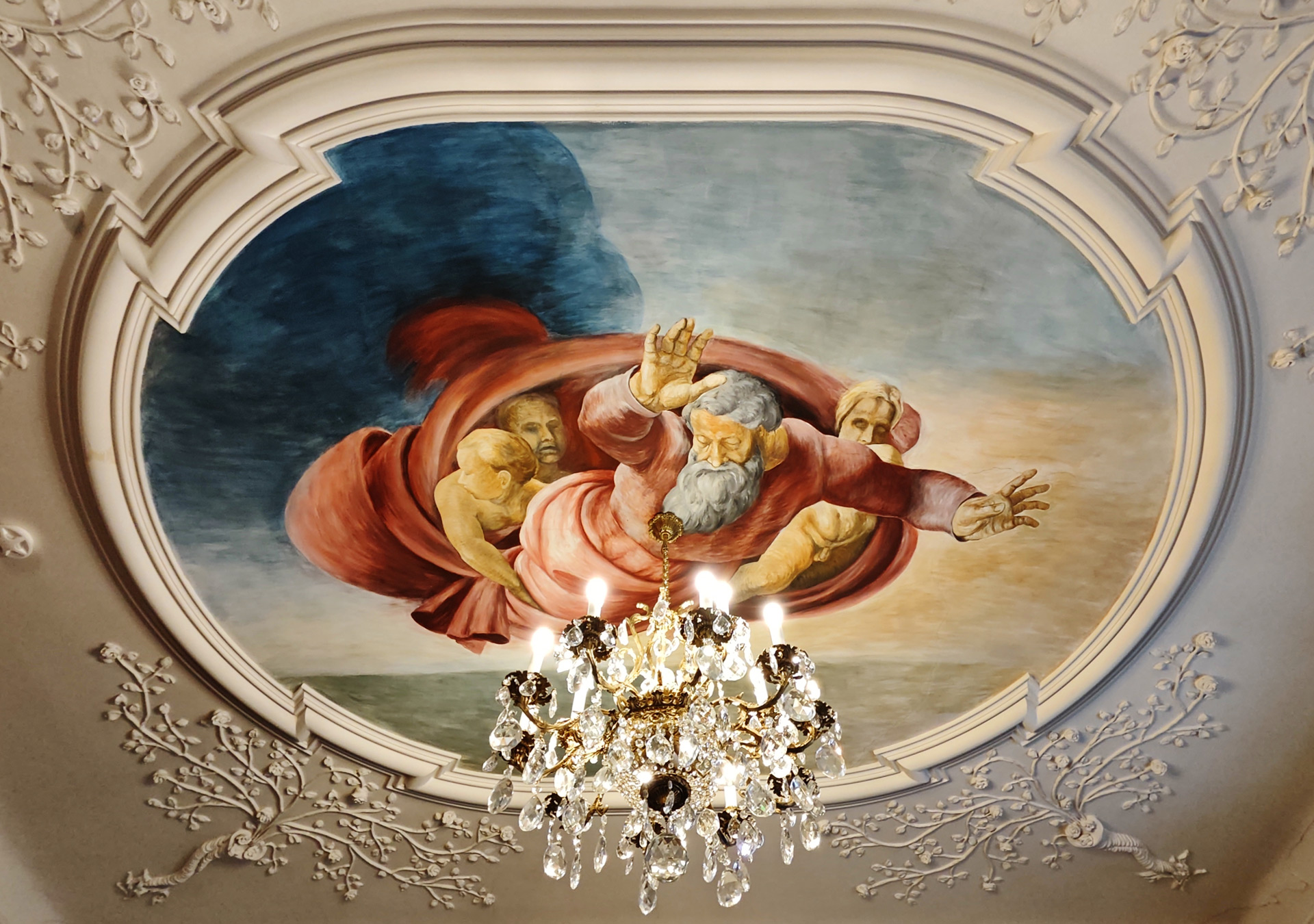
- Dětenice Chateau
Our observation:
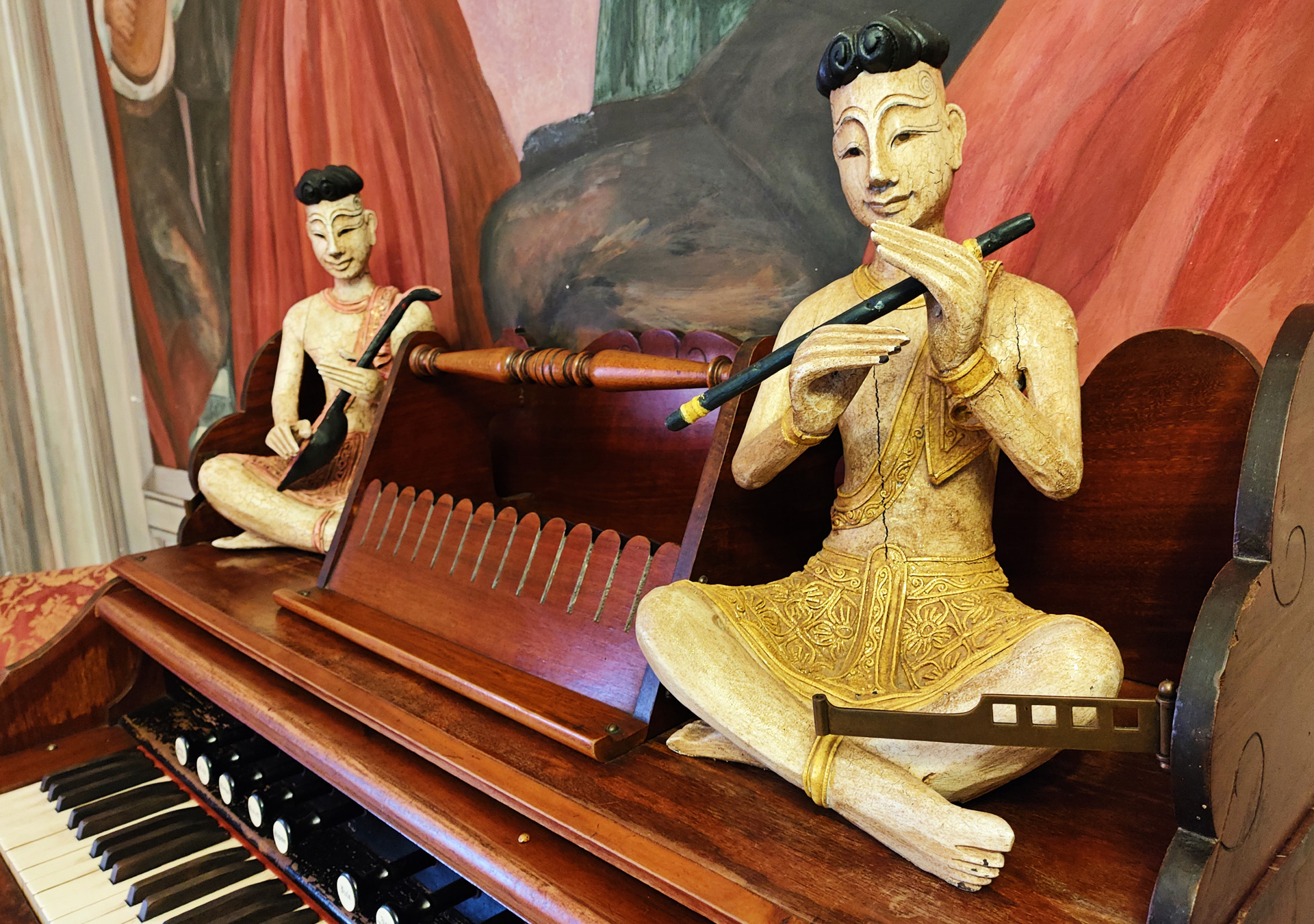
The chateau tour delighted us. The interiors have been sensitively restored, with respect for history. You can feel the noble atmosphere of past centuries here. The only thing that fell a little flat was the guide's rigid, rehearsed commentary—she unfortunately didn't know the answers to more inquisitive questions. Even so, the chateau is well worth a visit.
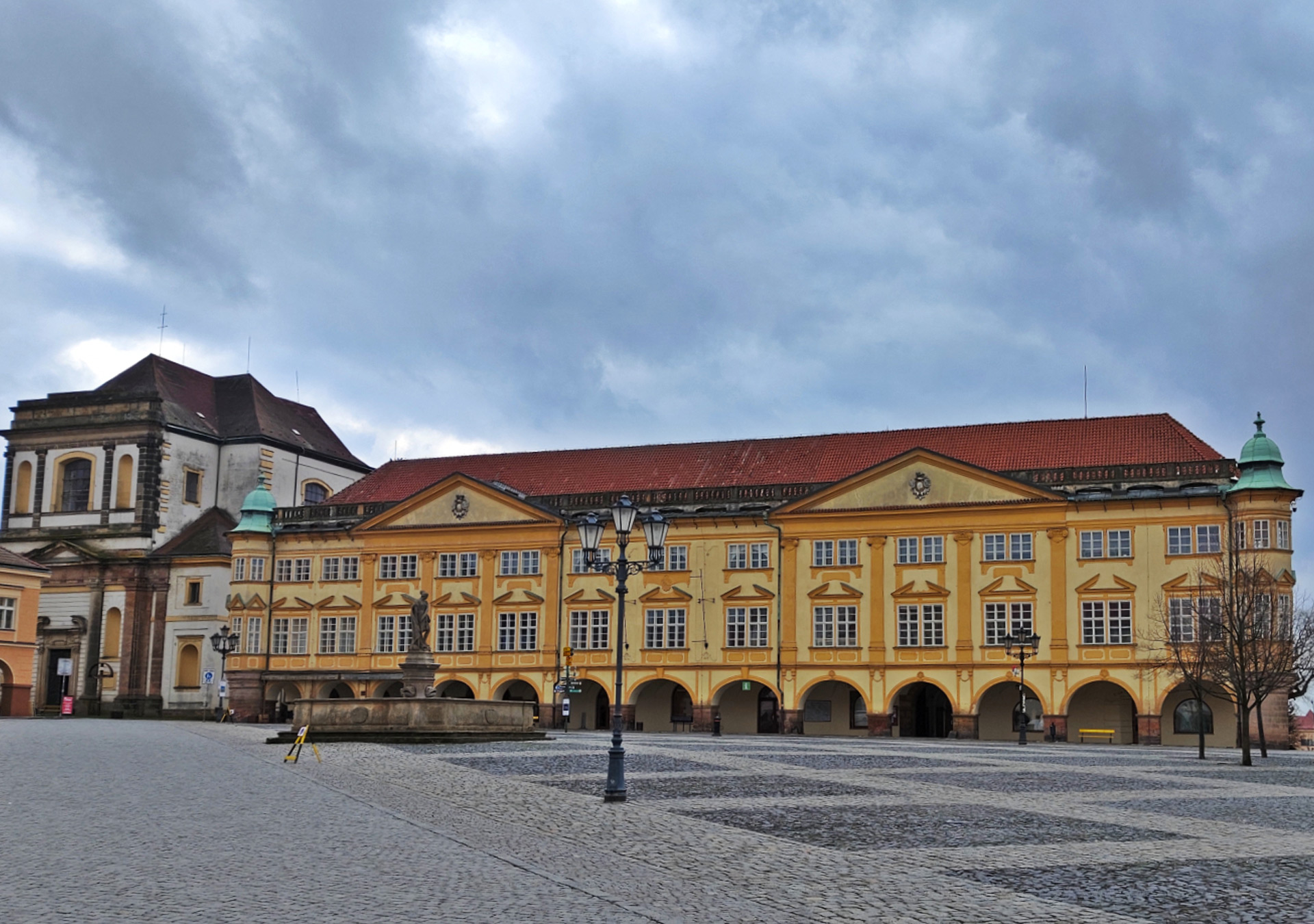
Jičín Chateau
This impressive landmark of the town of Jičín breathes history and invites exploration. Discover more secrets and tips in our article Jičín: Wallenstein’s dream and the town of fairy tales.
-
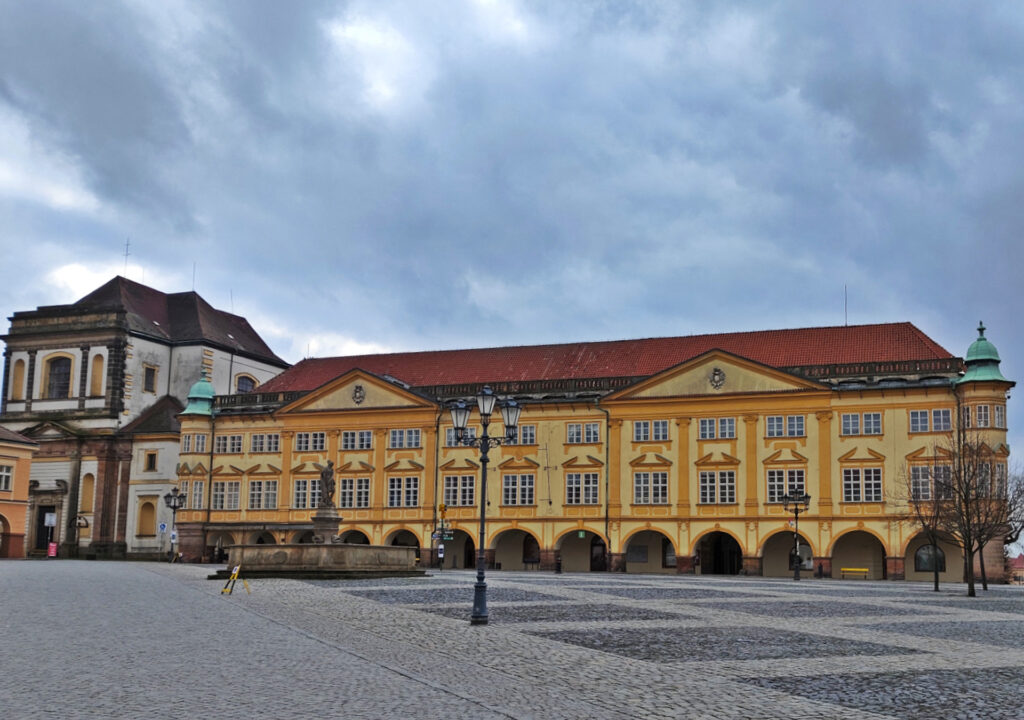
- Jičín Chateau
-
- Vokšice Chateau
Our final tip:
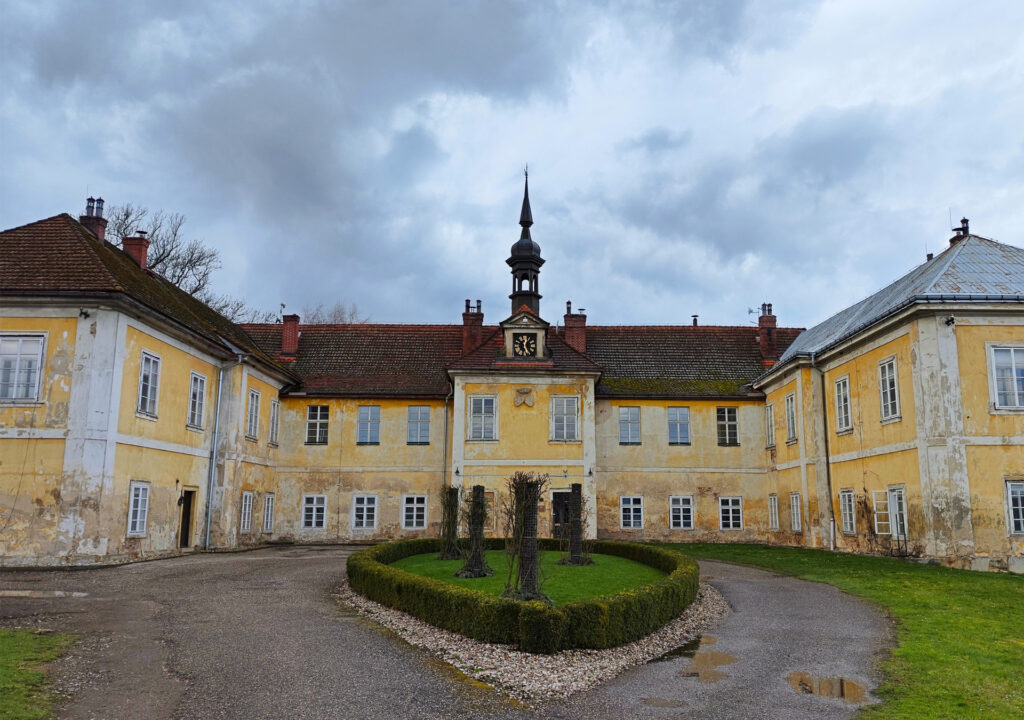
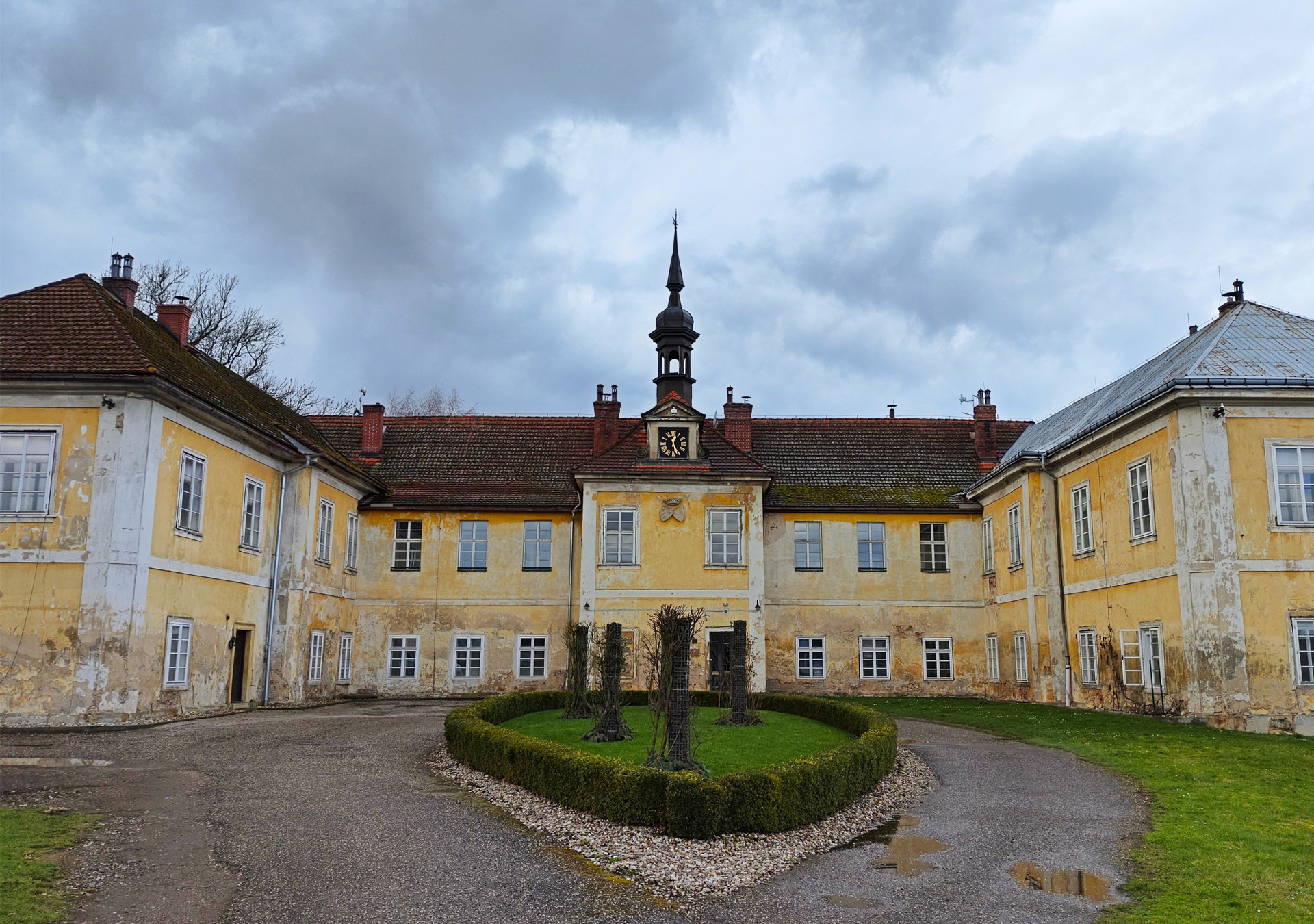
Just 5 km from Jičín stands an unassuming yet fascinating Vokšice Chateau. Though not open to the public, its history will amaze you. In the 16th century, the village of Vokšice was transformed into an estate of the Schlick family—a powerful noble family that shaped Czech history.
The Schlicks were chancellors, governors and even rebels. Joachim Andreas Schlick even ended up on the executioner’s block as a leader of the anti-Habsburg uprising. Later, Franz Josef Schlick ruled the area, commissioning Baroque gems in the landscape, now known as Mariánská zahrada (Marian Garden).
The Vokšice Chateau is surrounded by an impressive 19th-century farming complex—barns, a brewery, a sheepfold and two monumental granaries. After the Velvet Revolution, the chateau was returned to the Schlicks, who are gradually restoring it. It’s worth discovering—even if just from the outside.
Address: Vokšice, Podhradí-Jičín
Do you want to uncover more secrets of this noble family, whose coins gave the name to the famous American dollar? Dive into the fascinating stories in our article Ostrov: a hidden gem of the Karlovy Vary region.