



The South Coast of Iceland is like a page from a fairy tale—wild, dramatic and incredibly photogenic. This part of the island offers a concentrated dose of Iceland’s wonders: powerful waterfalls, black sand beaches and towering cliffs.
So, if you're looking for a route where every kilometre brings a new experience, the southern coast is the perfect choice. Join us on this unforgettable journey.
Selfoss
From Reykjavík, we first headed to the town of Selfoss, which serves as the gateway to Iceland’s most breathtaking natural wonders while also being a place where everyday life thrives. Selfoss is the largest town in South Iceland and an ideal base for exploring both the southern coast and the inland regions with their geothermal areas and waterfalls.
Here, you’ll find everything from modern hotels and restaurants offering local produce to traditional Icelandic farms.
Lava Centre
We continued our journey toward Seljalandsfoss waterfall. Along the way, we crossed Iceland’s longest river, Þjórsá, where during the spawning season, you can spot schools of leaping salmon and sea trout.
In the town of Hvolsvöllur, we visited the Lava Centre, an interactive exhibition dedicated not only to Iceland’s volcanoes and lava flows but also to earthquakes and glacial floods. At the entrance, we could also see a map displaying seismic activity across the entire island over the last 48 hours.
Address: Austurvegur 14, Hvolsvöllur
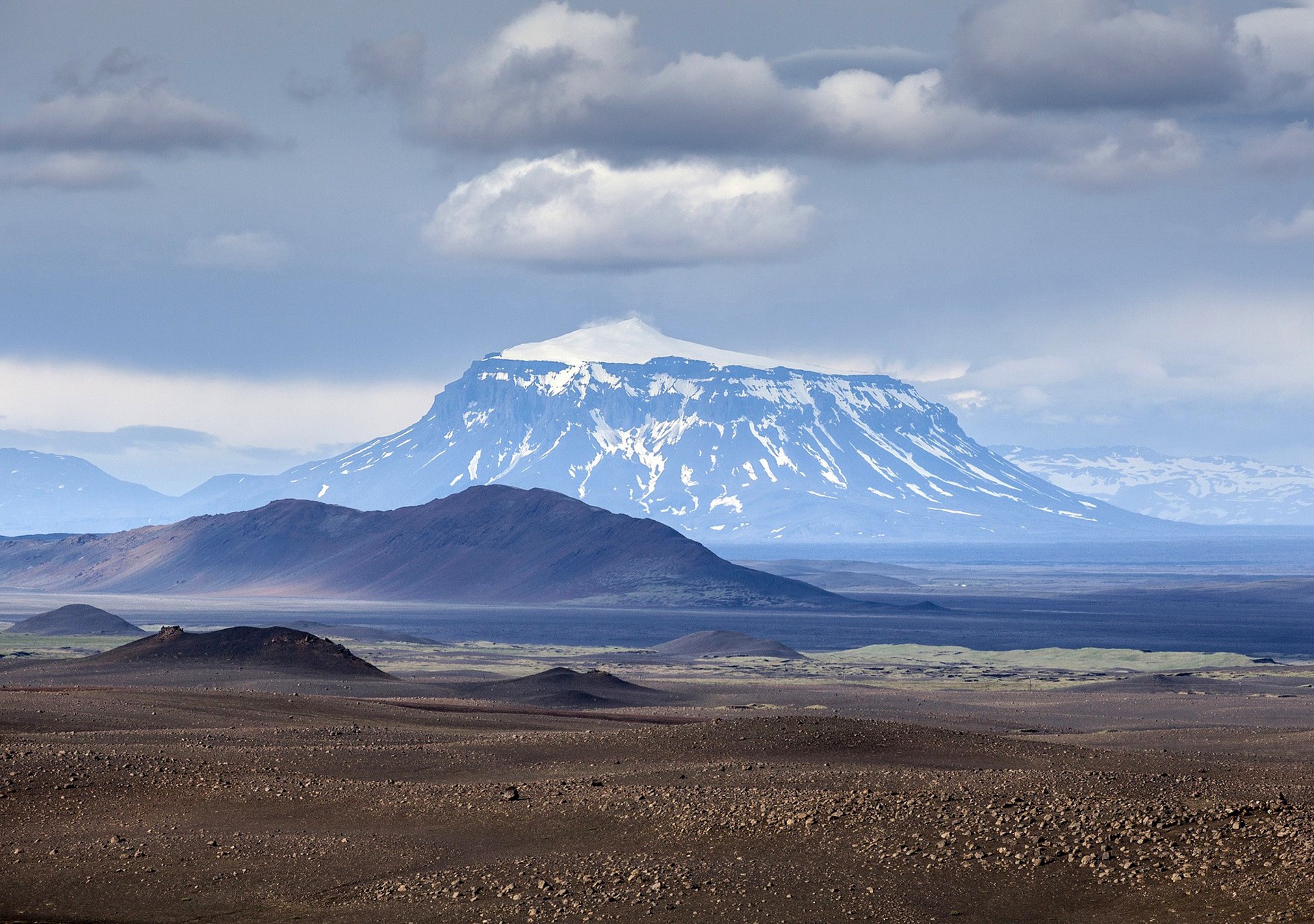
Before arriving at the silvery cascade of Seljalandsfoss, we enjoyed a distant view of the snow-capped Hekla Volcano, which in medieval times was believed to be the gateway to hell. No wonder—the volcano has remained highly active to this day.
Seljalandsfoss Waterfall
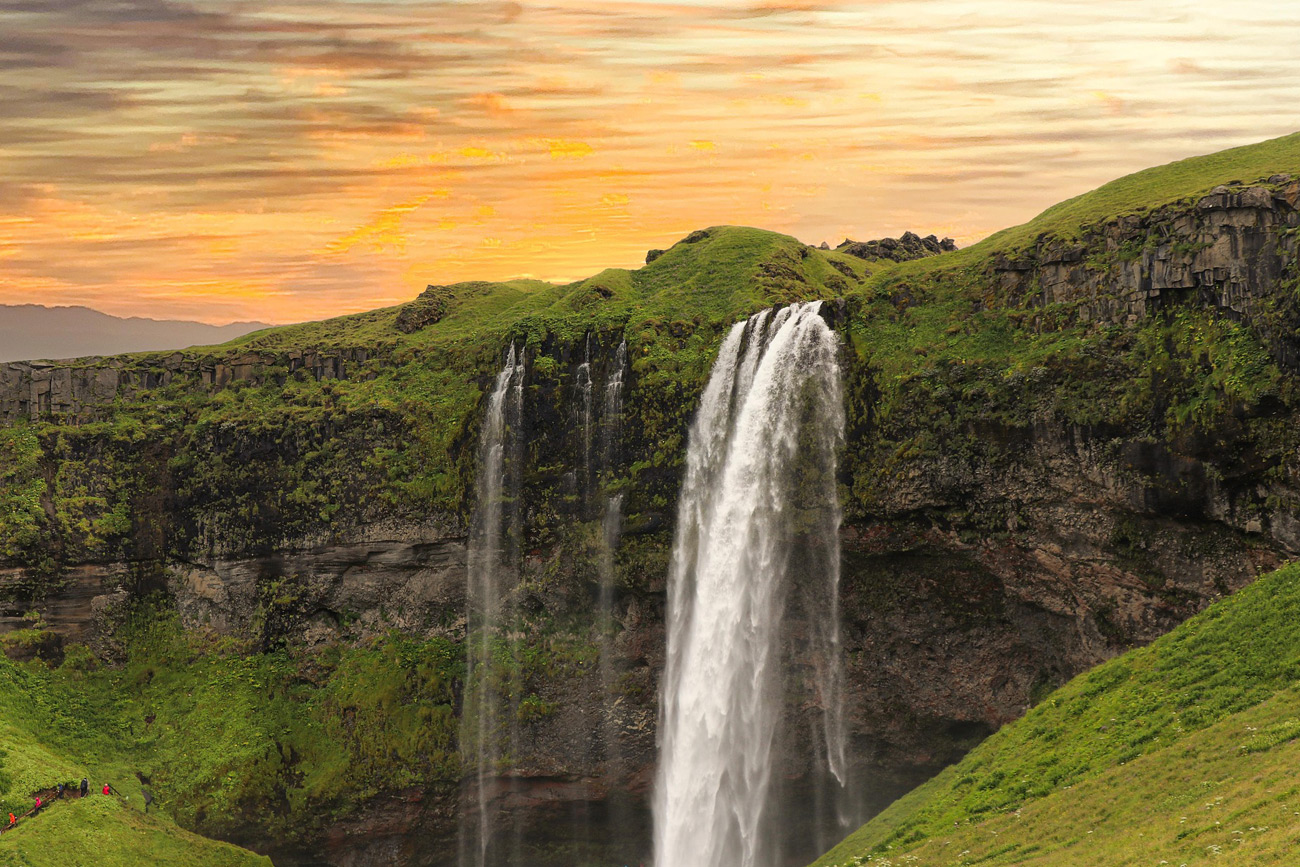
This 60-meter-high waterfall offers a unique experience. Thanks to its shape, you can walk behind the cascading water and find yourself in a small cave, where a fine mist will gently spray over you. This unforgettable view of the waterfall from behind is something you simply can’t miss.
The best time to visit is early morning or late afternoon, when you can avoid the biggest crowds. Don’t forget to bring a waterproof jacket and shoes—even if it’s not raining, you’ll definitely get wet when walking behind the waterfall.
-
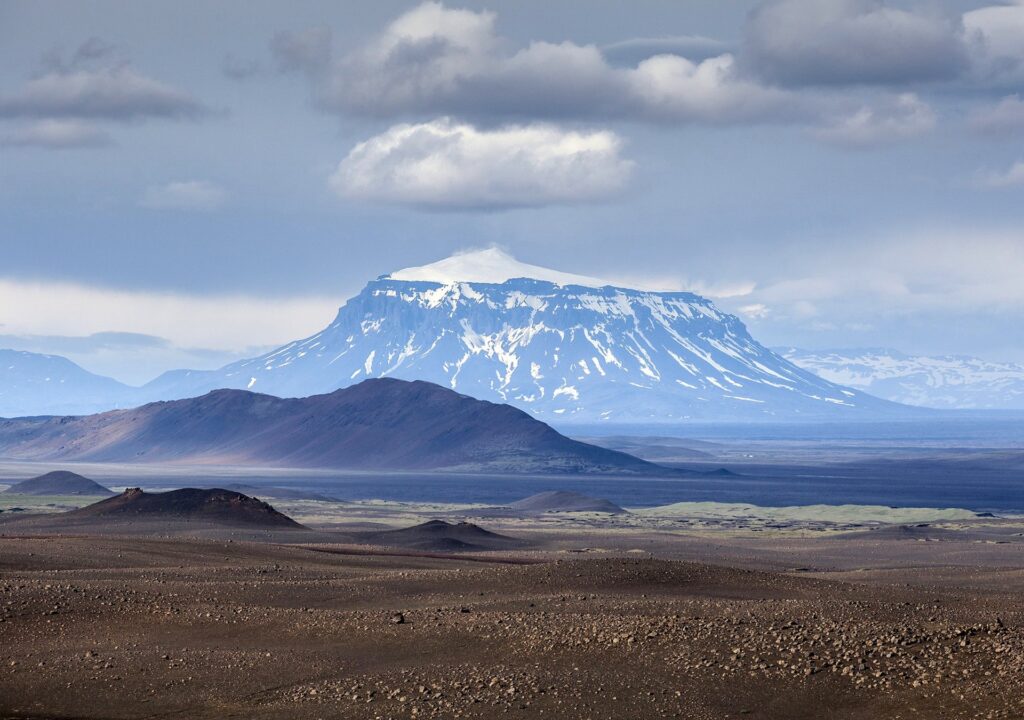
- Hekla Volcano
-
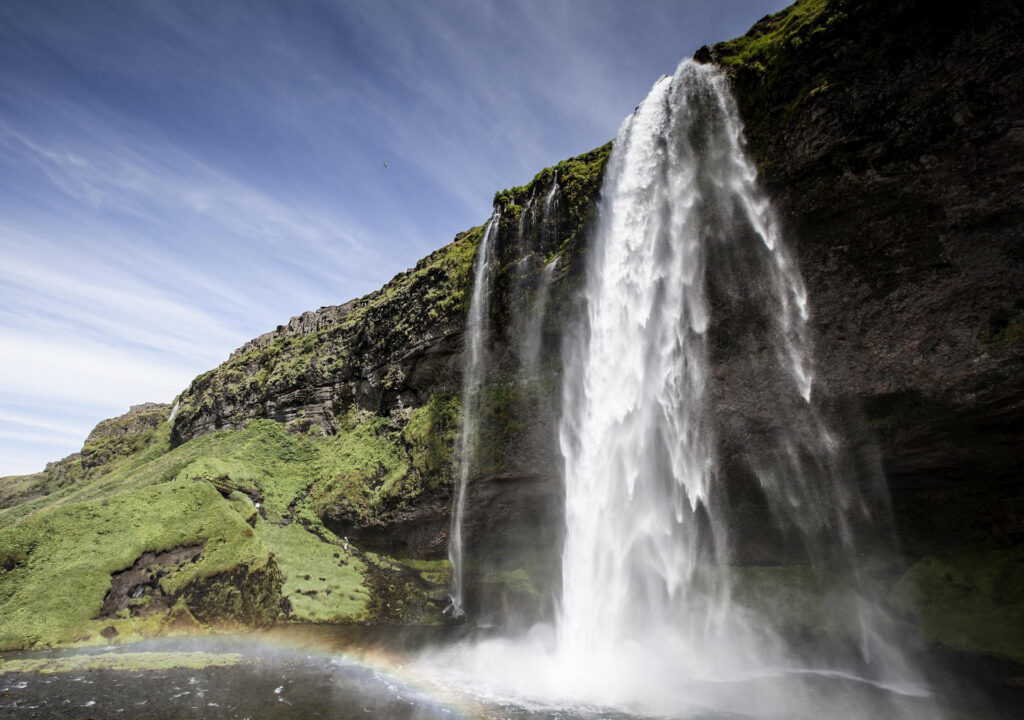
- Seljalandsfoss Waterfall
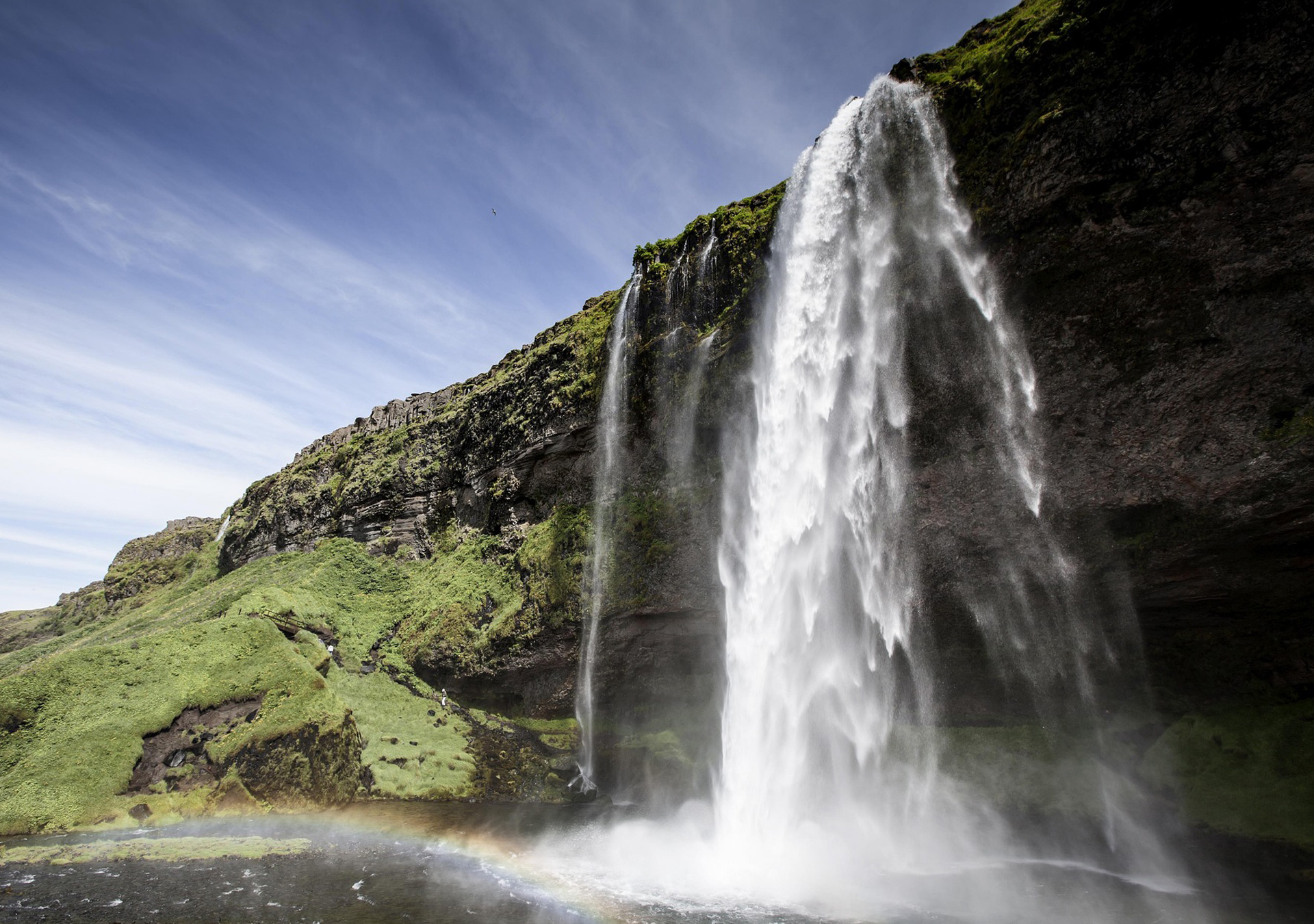
Skógafoss Waterfall
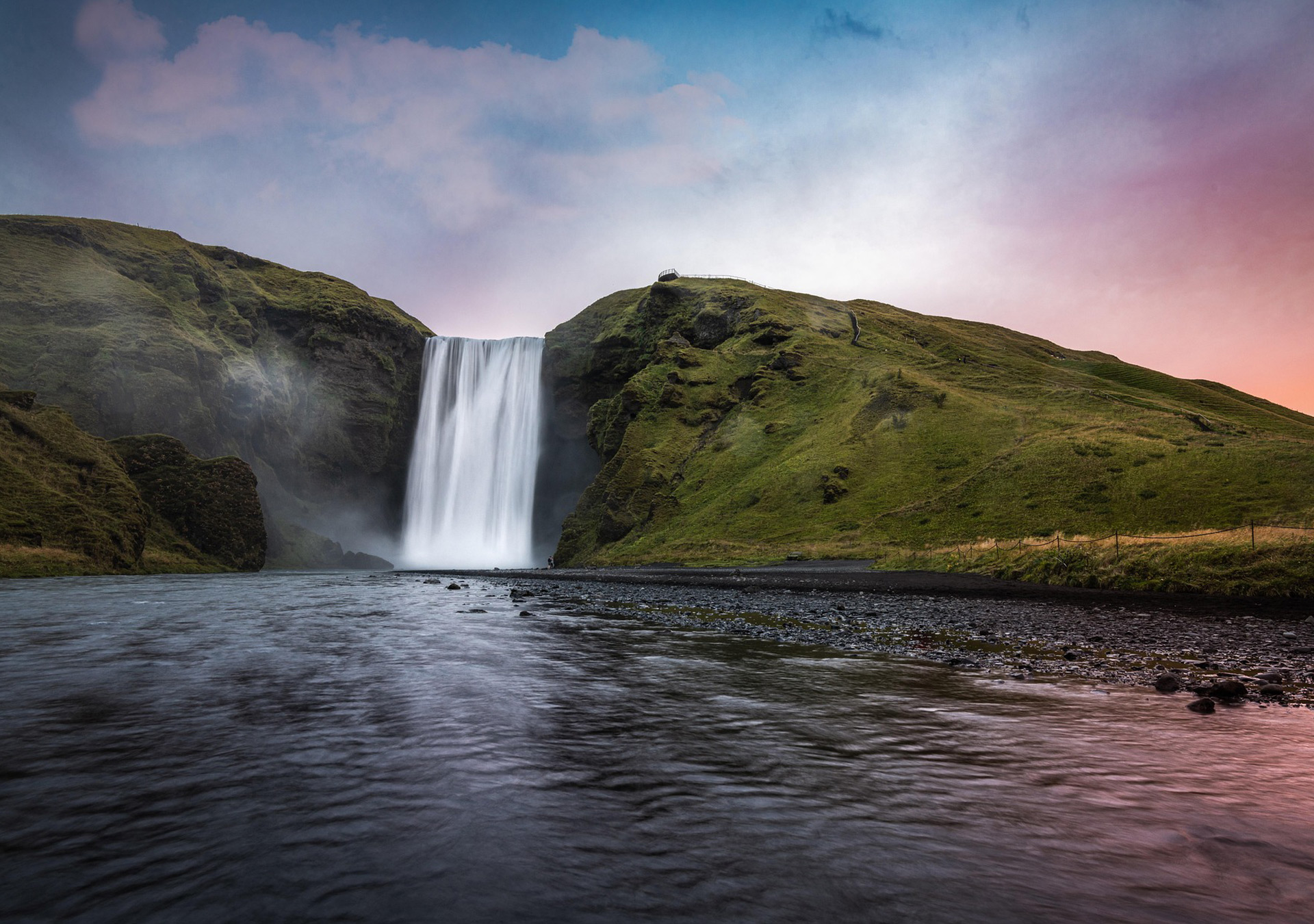
Another beautiful waterfall located nearby was Skógafoss, which plunges from a height of 62 meters. Both waterfalls are situated in the area of the Eyjafjallajökull glacier, beneath which lies a volcano that erupted in 2010, covering everything in thick gray ash. You surely remember the largest disruption in air traffic that affected all of Europe at the time.
When you look at Skógafoss, you can feel the incredible power of nature. Clouds of water droplets spray in all directions, creating a rainbow that further enhances the magic of this place.
According to local legend, Vikings hid a treasure behind the waterfall. Although the treasure has never been found, this legend adds a mysterious atmosphere to the site.
Skógafoss is located near the main Ring Road, making it easily accessible by car. If you want to enjoy a panoramic view of the waterfall and its surroundings, you can climb the stairs to the viewing platform.
-
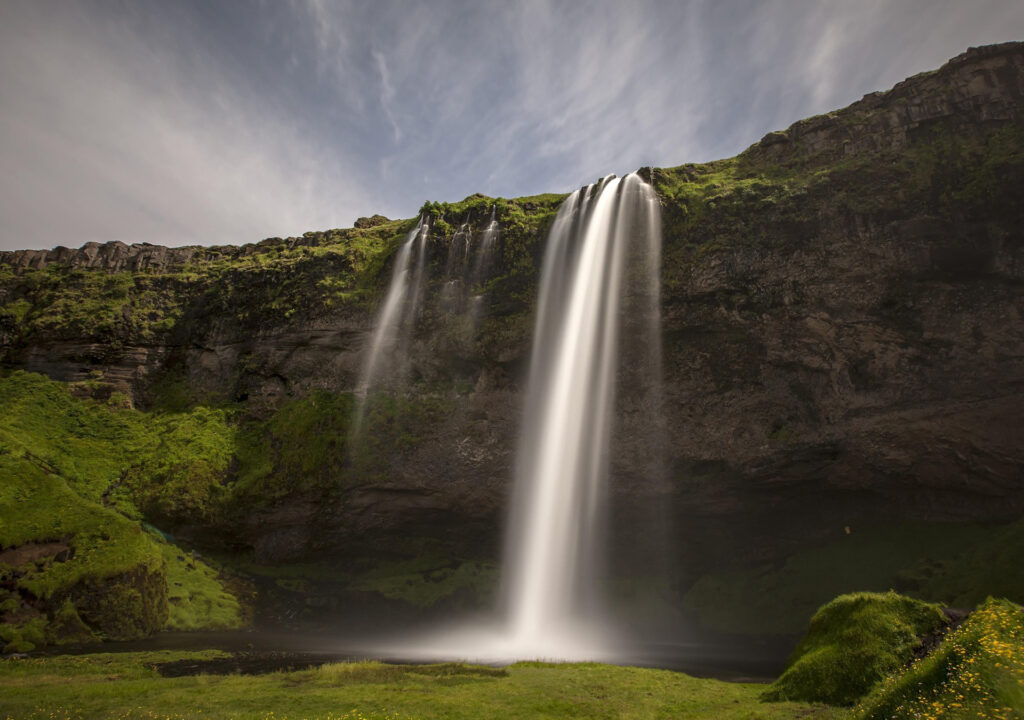
- Seljalandsfoss Waterfall
-
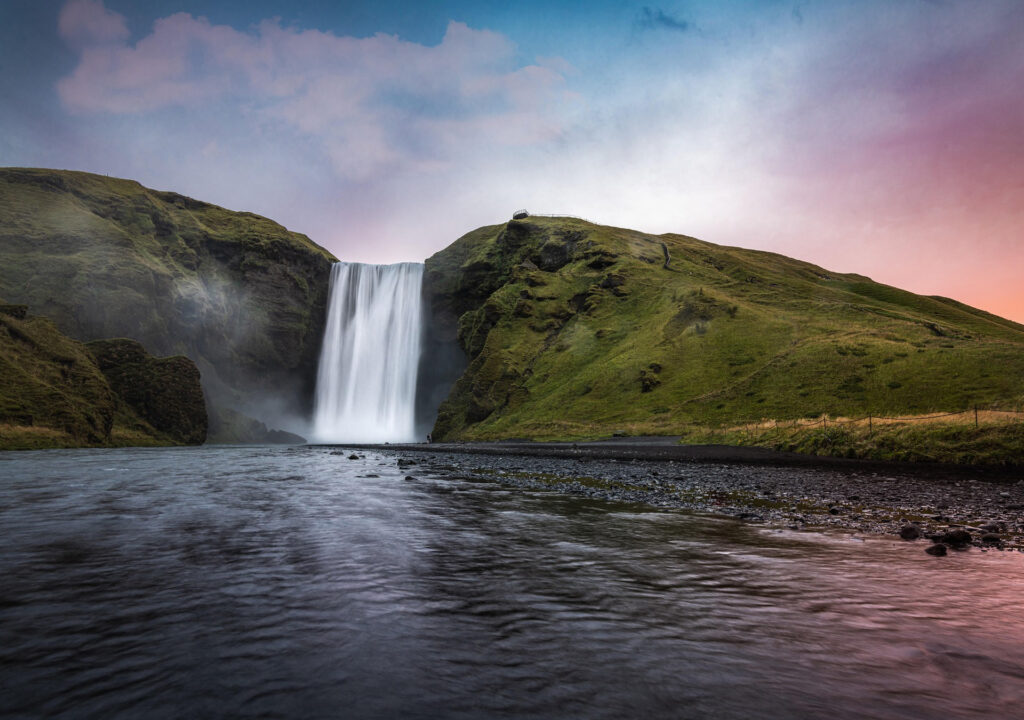
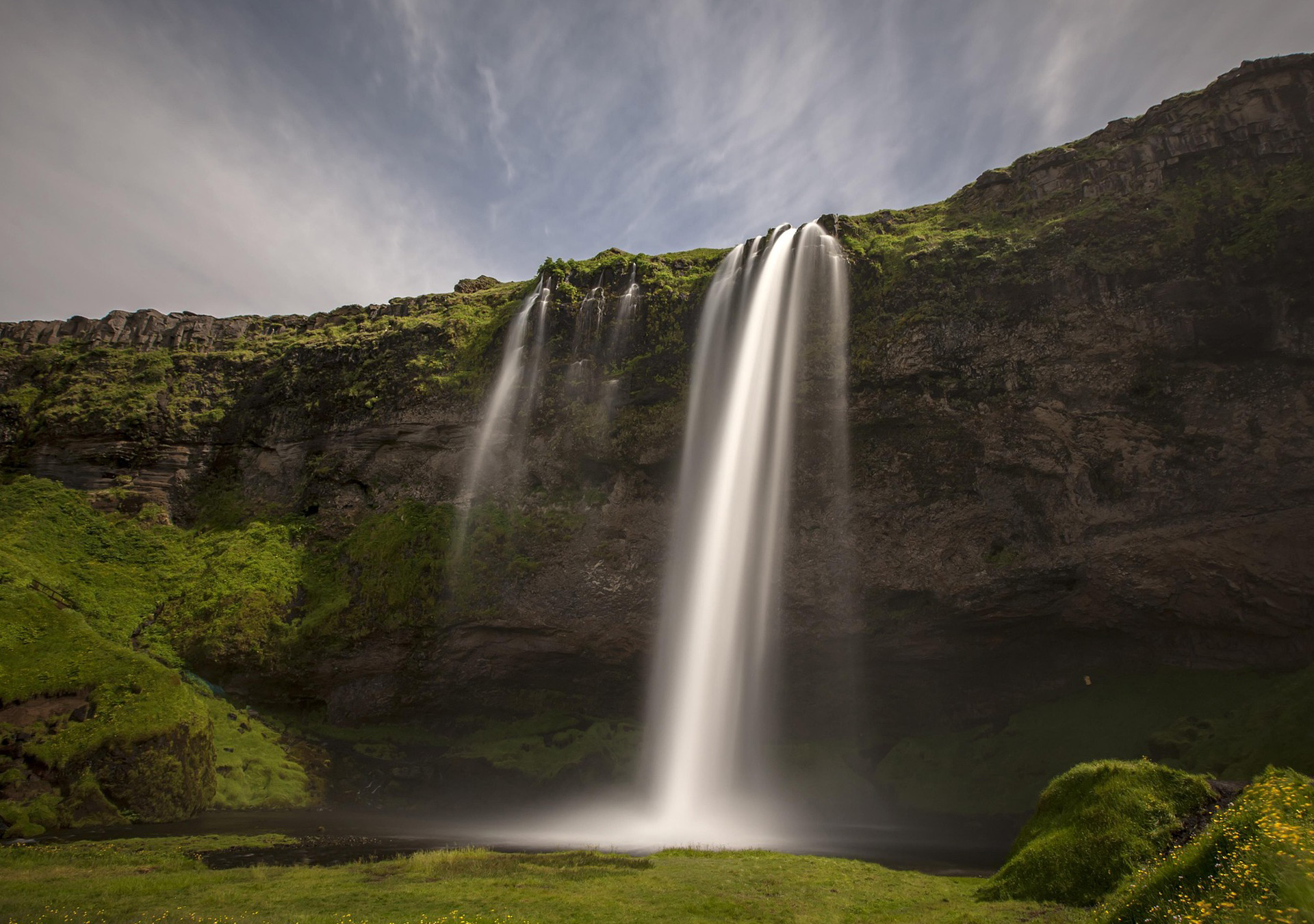
- Skógafoss Waterfall
Reynisfjara Beach
Our last stop on this journey was the Dyrhólaey rock arch, which is not only home to a nature reserve with seabirds but also the famous Reynisfjara Beach with its distinctive black sand and dramatic cliffs that will literally take your breath away.
What makes Reynisfjara Beach so unique? Primarily, it's the black sand, formed from crushed lava particles. This contrast with the white foam of the ocean waves creates a stunning visual effect. Add to that the massive basalt columns of Reynisdrangar, rising from the sea like the fingers of giants, and you have a scene that could easily appear in a fantasy film.
You’ll also be pleased to know that the beach is easily accessible by car.
-
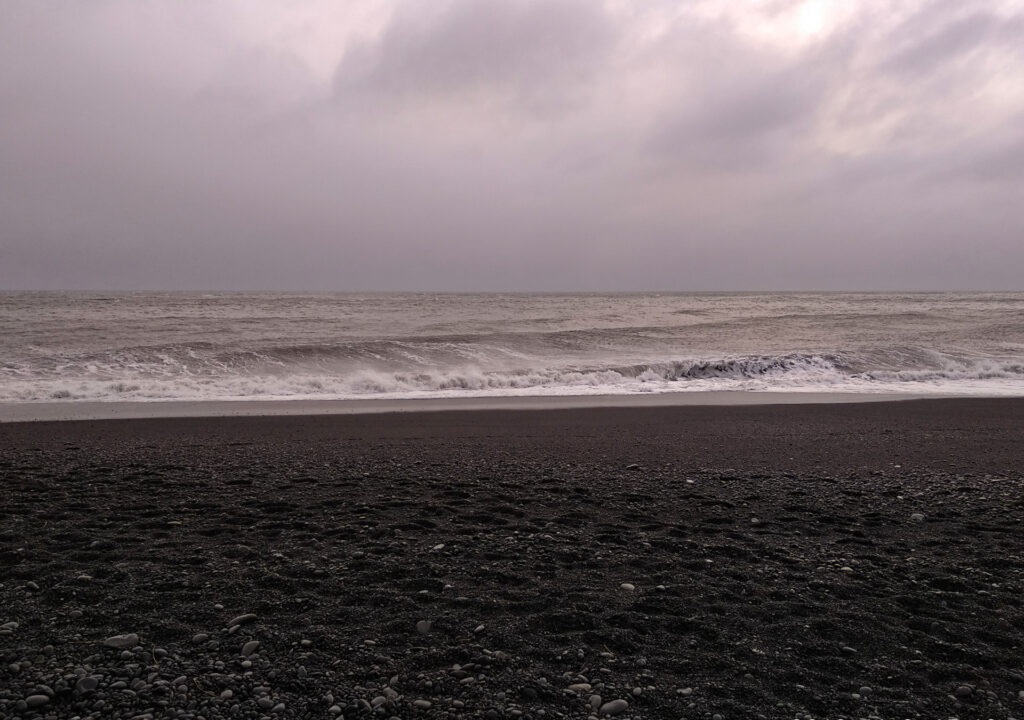
- Reynisfjara Beach

-
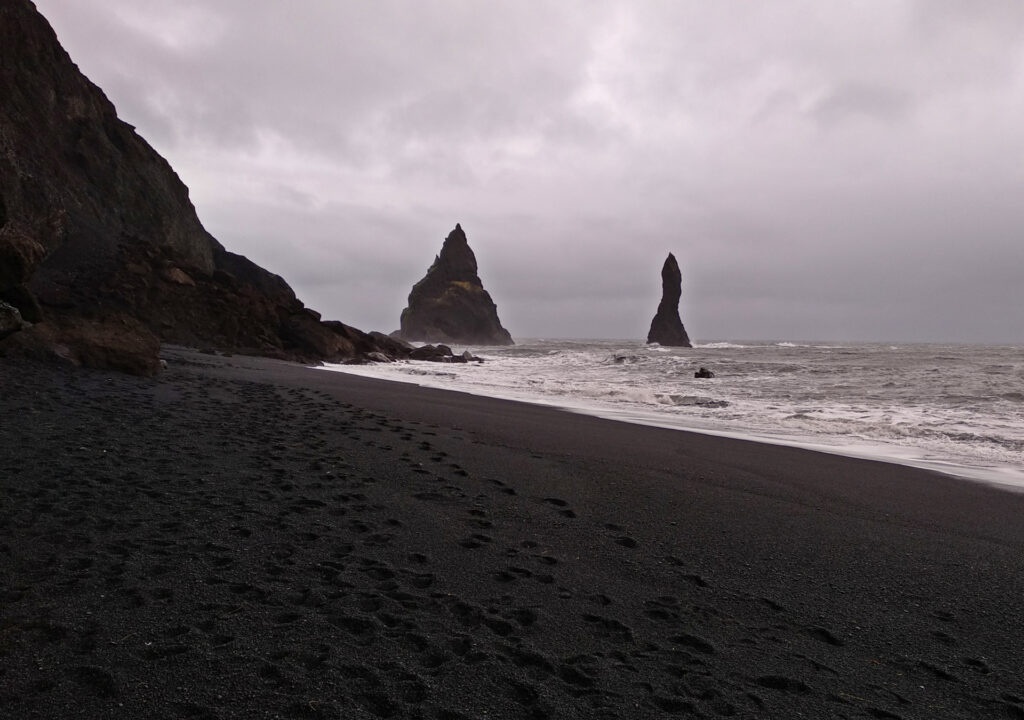
- Reynisfjara Beach

Our tip:
Visit at sunrise or sunset. The beach is at its most beautiful during these times and you’ll have a chance to capture amazing photos.
Our warning:
Although the atmosphere of this place is mesmerizing, keep your distance from the water. Strong waves and dangerous currents make this beach a very risky spot. Every year, tragic accidents occur when tourists underestimate the power of nature.
-
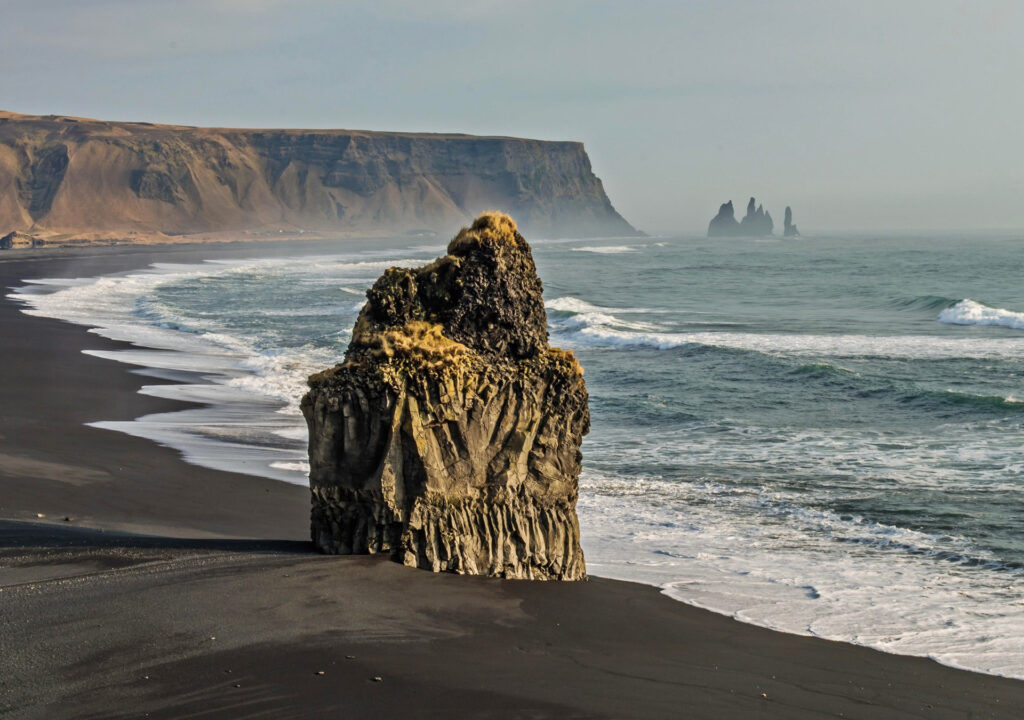
- Reynisfjara Beach

-
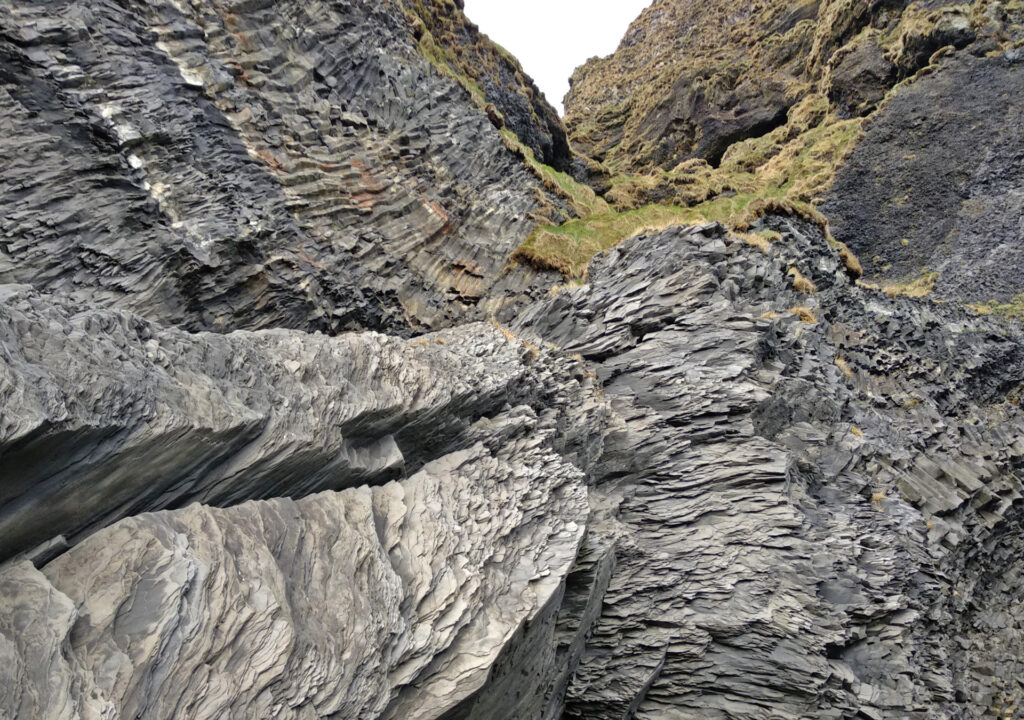
- Reynisfjara Beach

Useful tips:
Northern Lights (Aurora Borealis): If you want to witness this mesmerizing light show, we recommend visiting Iceland from late September to October until March or April. The best chances to see it are around midnight on cold, clear and moonless nights. Since it’s a natural phenomenon, nothing is guaranteed. If you’re lucky, you’ll see a stunning green firework display streaked with shades of purple, pink or red.
Local Wildlife: Perhaps the most photogenic typical Icelandic resident is the Atlantic puffin. Its stocky body and short wings may struggle against gravity in flight, but it is an excellent swimmer, capable of diving up to 20 meters deep.
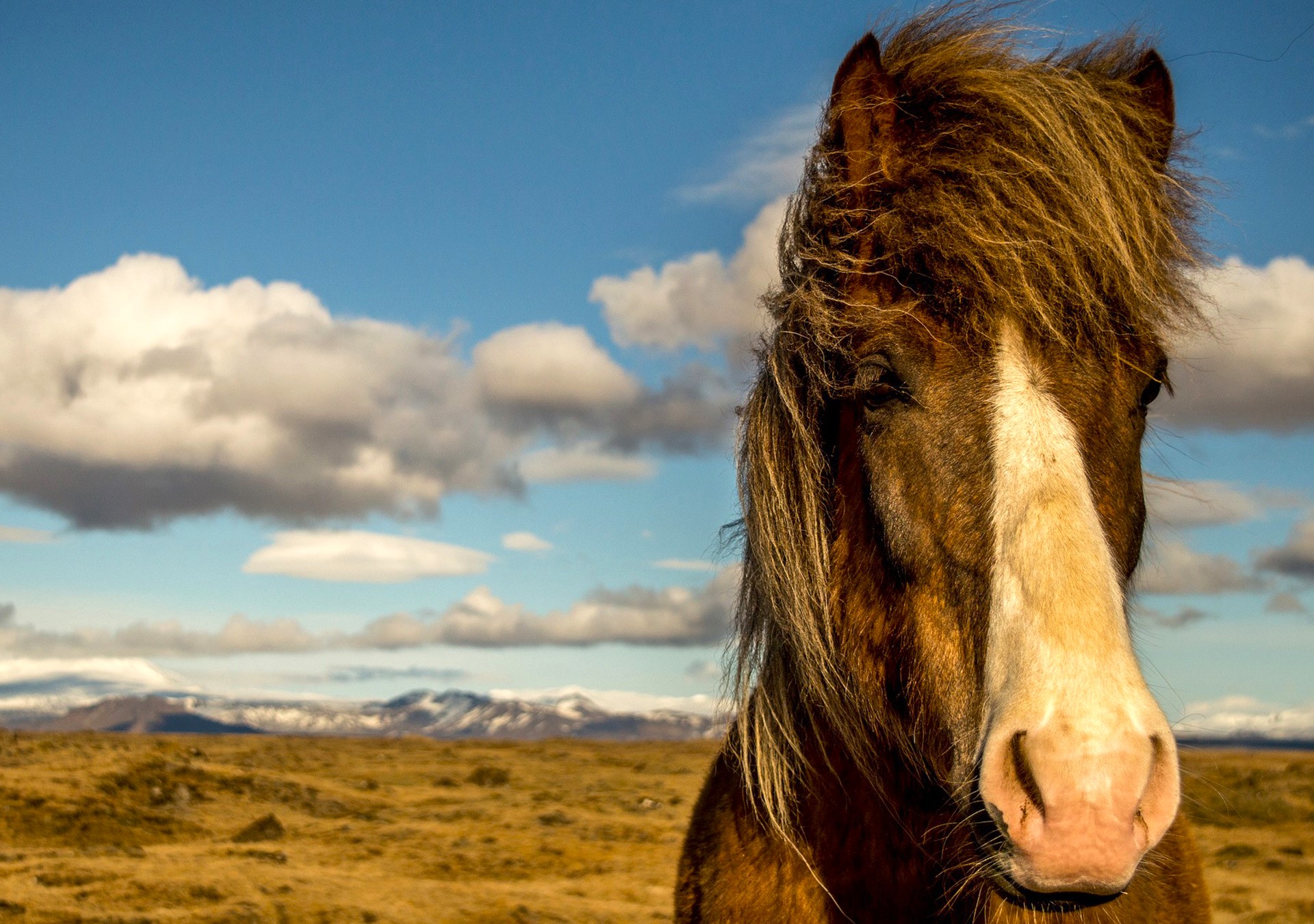
A special breed is the Icelandic horse; the only horse breed allowed in the country to preserve its genetic purity. Despite its small stature, it is classified as a horse, not a pony, and can easily carry an adult. These horses have a very gentle nature and are fond of people.
We experienced this firsthand when we stopped by a paddock during one of our trips. The horses happily posed for our cameras and let us pet them.
Seasons: Spring is a beautiful time when the land begins to bloom. Whales also return to Icelandic waters, marking the start of whale-watching season.
Summer is the peak tourist season, but it’s also the time for many Icelandic festivals, the midnight sun phenomenon and adorable puffins, which find refuge here between May and September.
The changing colours of nature in autumn make it ideal for photographers and there are fewer tourists.
Winter brings polar nights, but it’s also the best time to see the Northern Lights.
-
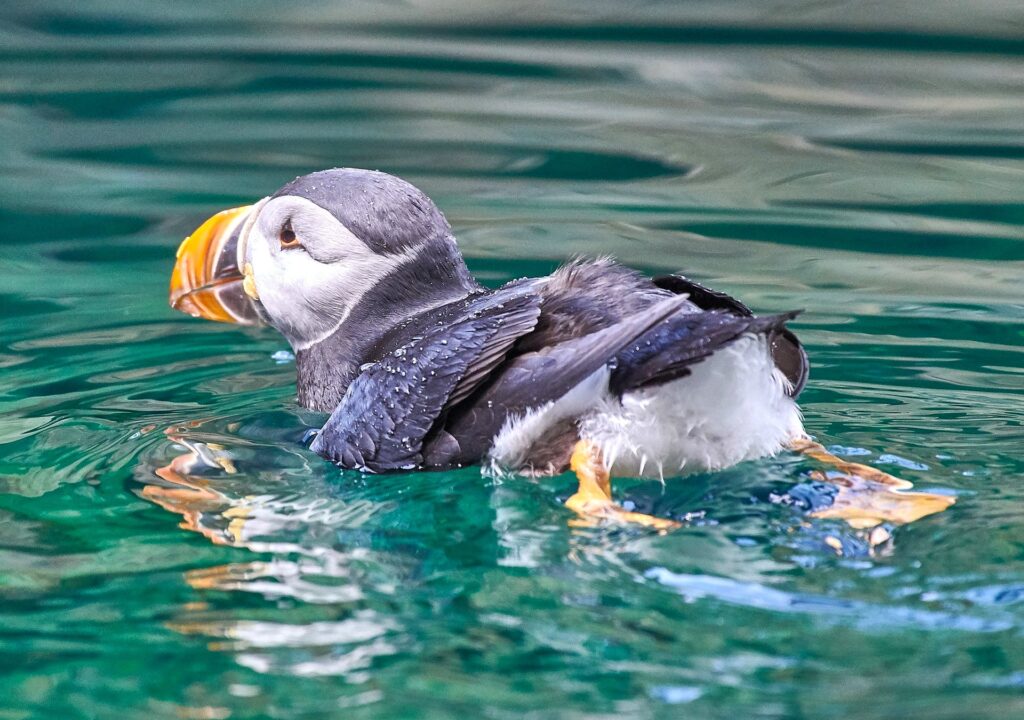
- Atlantic puffin
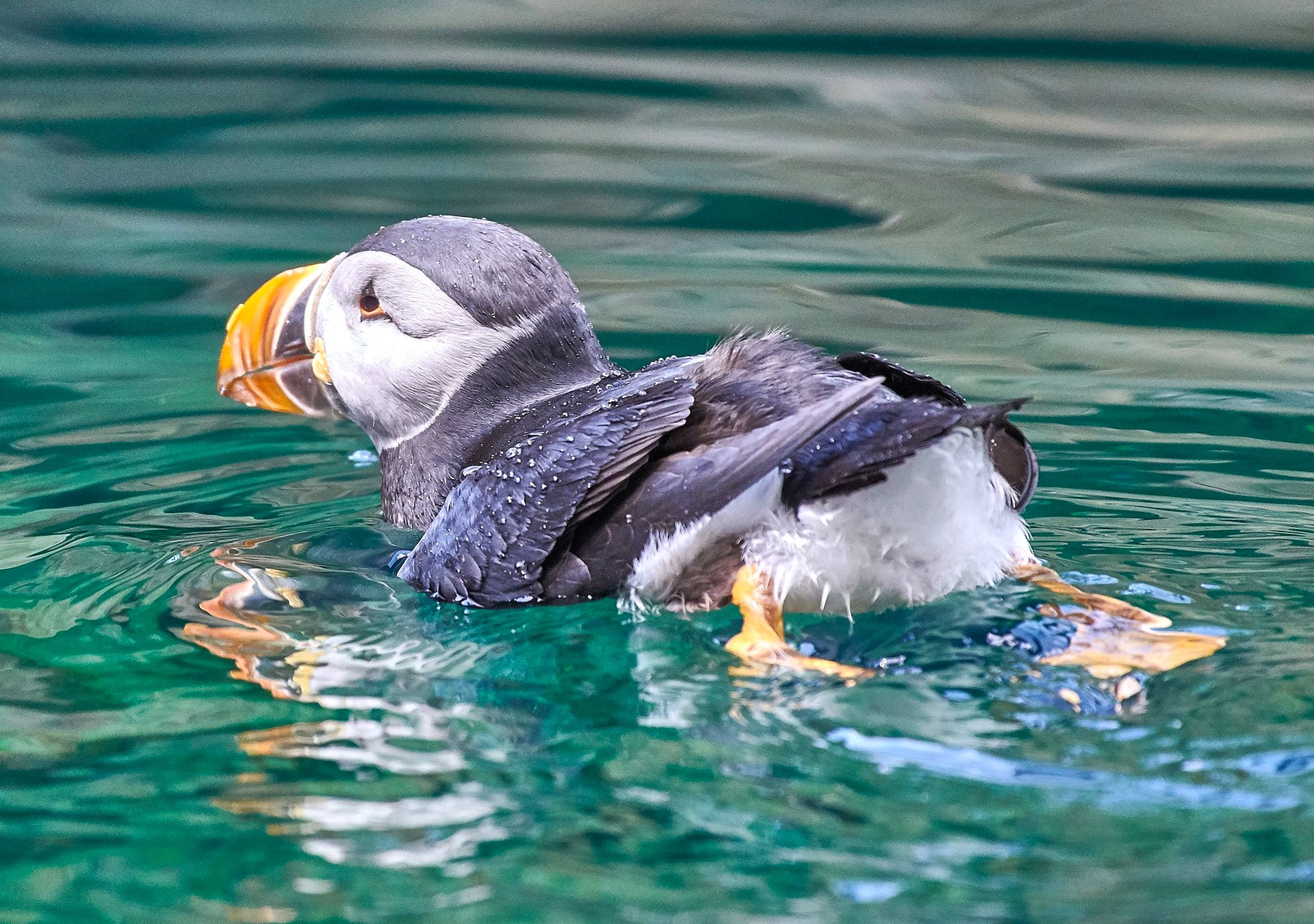
-
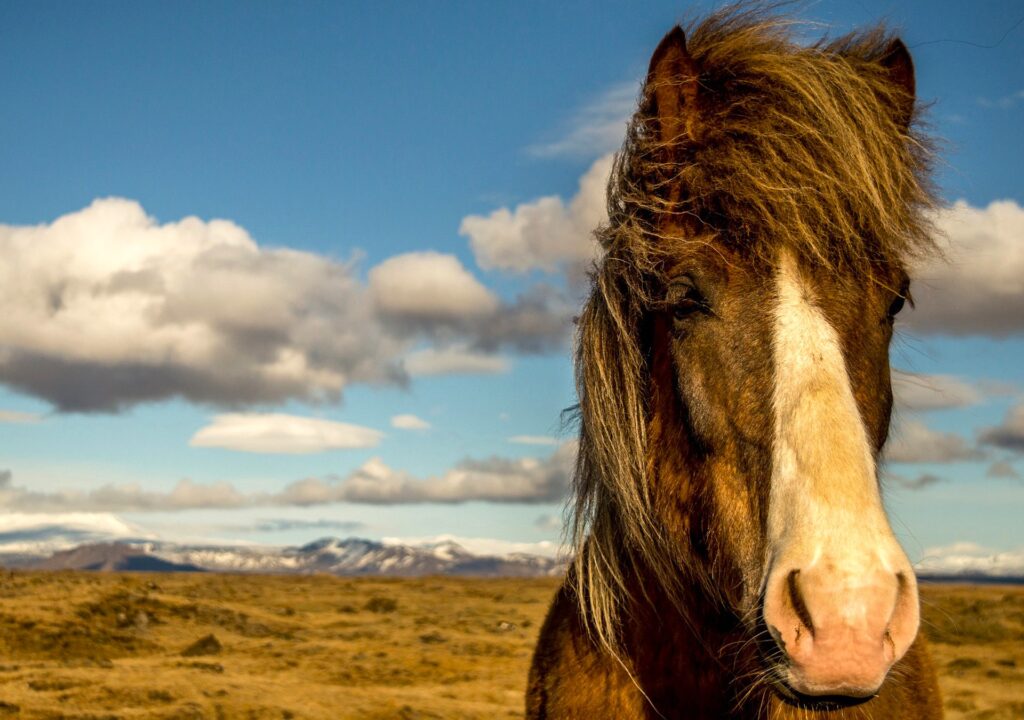
- Icelandic horse
Our final invitation:
If you want to discover more of Iceland’s beauty and get additional tips, check out our articles on the Golden Circle or the capital city, Reykjavík.