



Iceland’s Golden Circle (Gullni hringurinn) is like pages from a fantasy novel come to life before your eyes. This 300-kilometer route takes you through the island’s most breathtaking natural wonders, where history blends with geological marvels. Join us on a journey along this legendary trail, one of the most visited destinations in Iceland.
Þingvellir National Park
From the capital city, we first headed to Þingvellir National Park. However, even on the way, we could admire the majestic Esja mountain range towering in the distance.
-
- Þingvellir National Park

-
- Þingvellir National Park

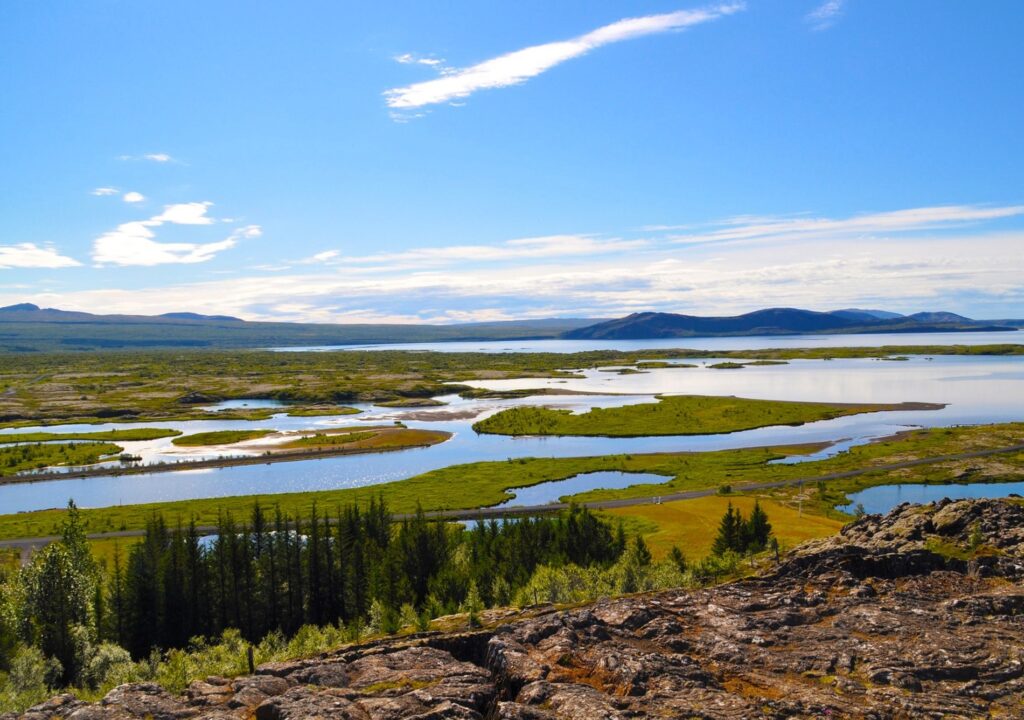
The park itself is a UNESCO World Heritage Site, recognized not only for its stunning nature but also for its medieval Nordic culture. The Þingvellir rift valley, also known as the Assembly Plains, was the site of Iceland’s original parliament—the oldest in the world that was established in 930. The parliamentary gatherings were also major social events, where goods were traded and important deals were made. Historians estimate that up to a tenth of the entire population attended these meetings.
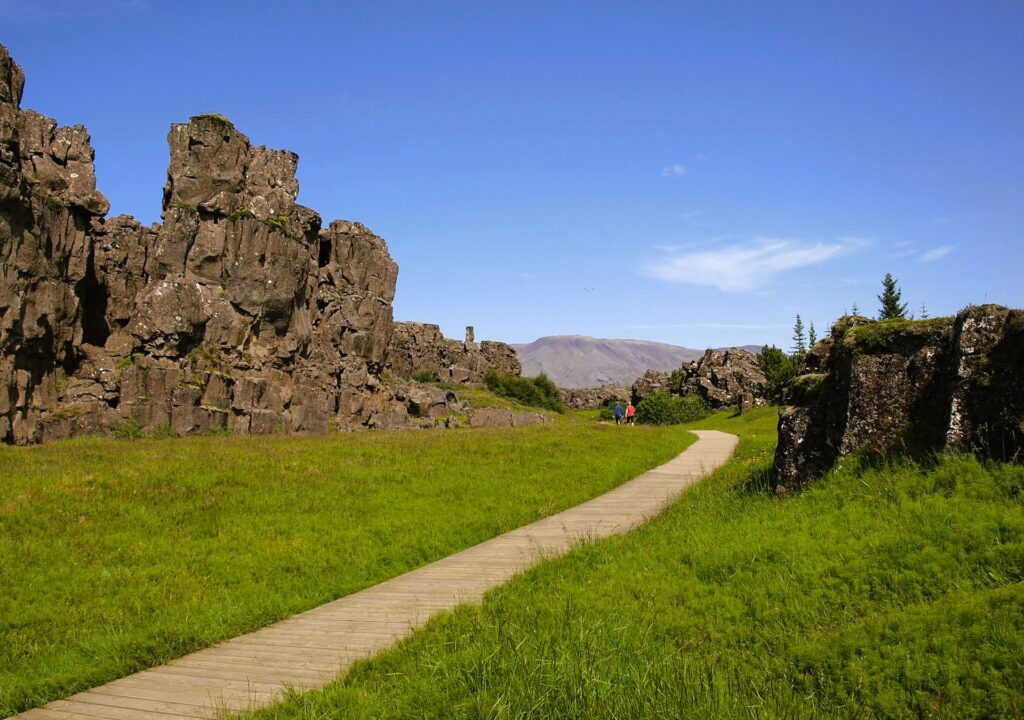
So, what makes Þingvellir so unique? The park lies in a rift valley formed by the separation of the North American and Eurasian tectonic plates. This depression, bordered by basalt cliffs, expands by about 5–20 mm each year as the plates drift apart. Because of this, you can literally walk on the expanding Earth’s crust and admire at the impressive fissures and cliffs.
-
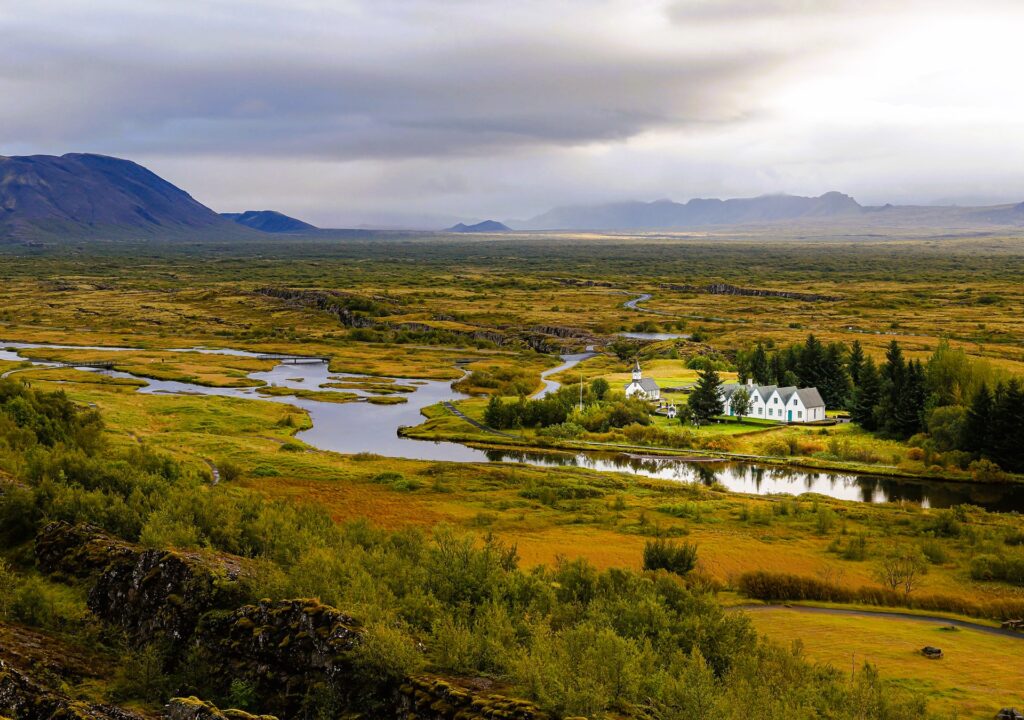
- Þingvellir National Park

-
- Þingvellir National Park
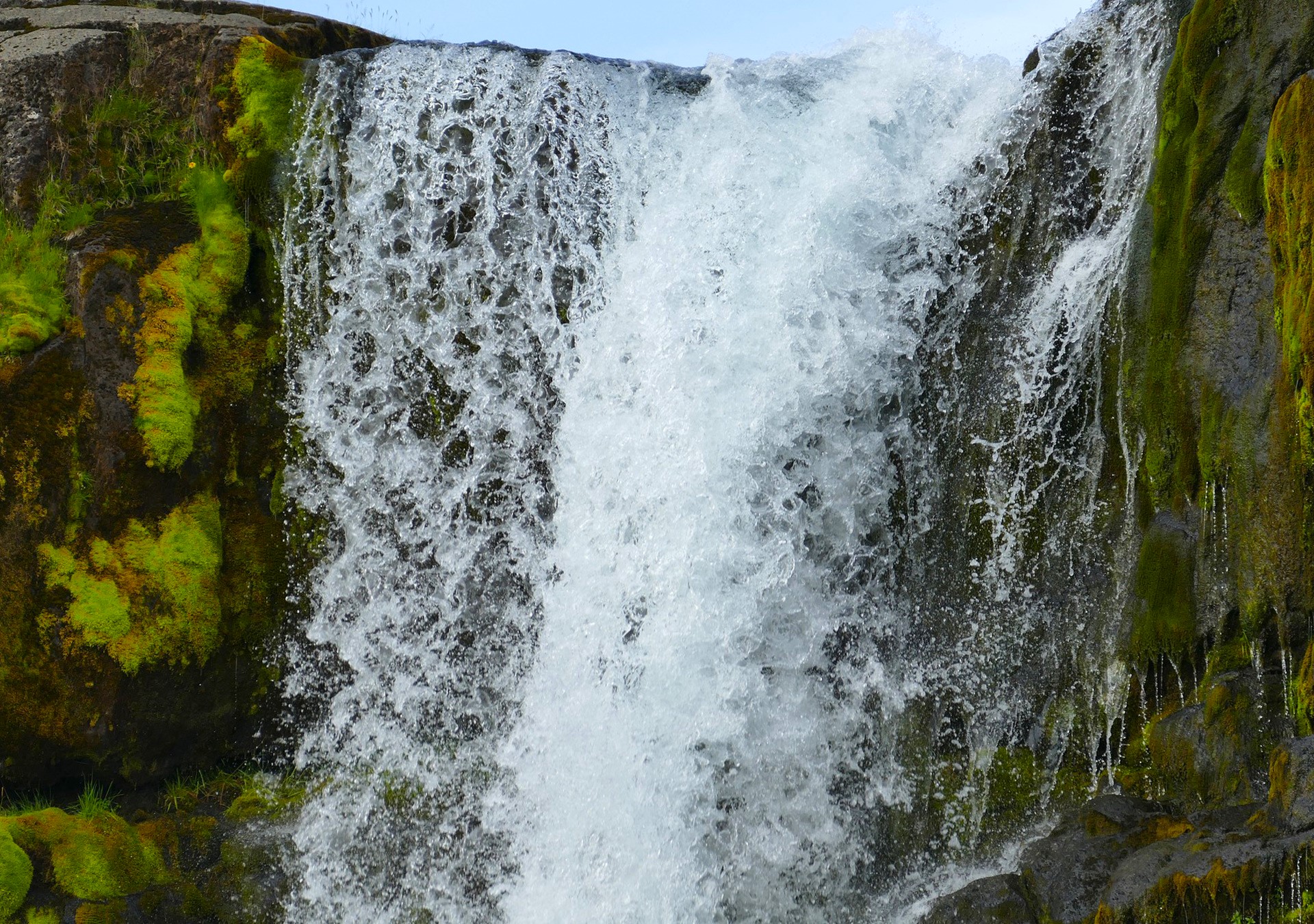
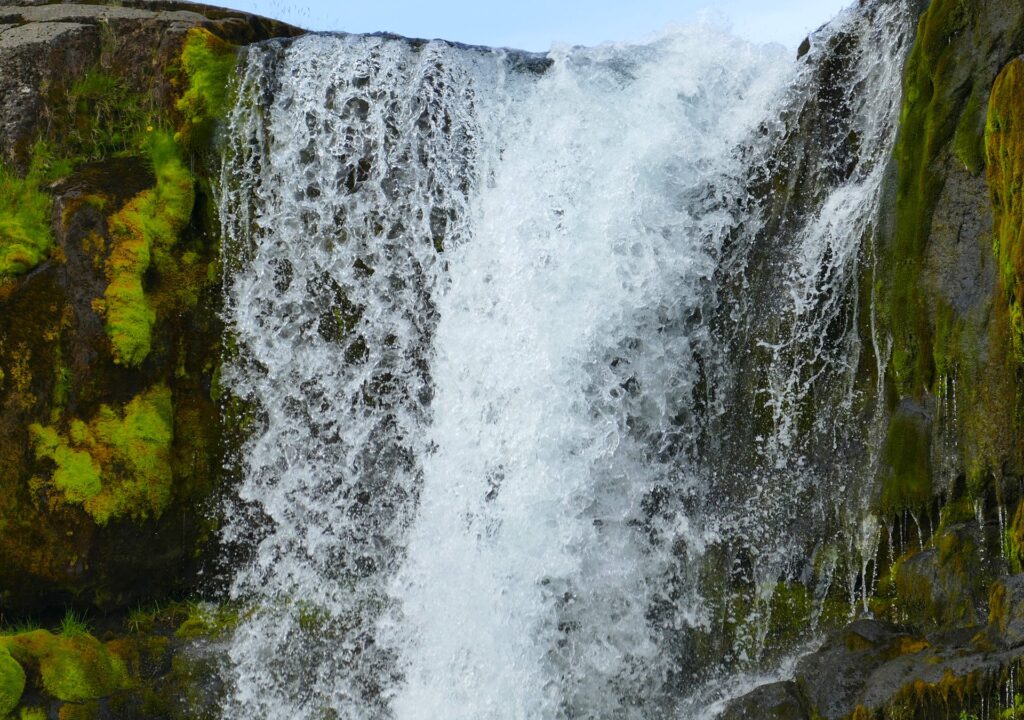
From the viewpoint near the visitor centre, we walked to the Icelandic flagpole, where Lӧgberg (the Law Rock) stands—the spot from which the parliamentary speaker delivered speeches. We also discovered Drekkingarhylur (the Drowning Pool), where adulterous women were once executed. A little further on, we admired the powerful Ӧxaráfoss Waterfall.
This area is also popular among tourists due to its appearance in the TV series Game of Thrones, which was filmed here. Visitors will also be pleased to know that entry to Iceland’s national parks are free of charge.
Hot Spring Geysir
Our next stop on the Golden Circle was Geysir, one of Iceland’s most iconic landmarks. It is sometimes called the Great Geysir, as it is considered the tallest geyser in the world.
A geyser is a hot spring that erupts, shooting a column of boiling water and steam into the air. Its name comes from the Icelandic word "geysa," meaning "to gush”.
Geysir was first documented in the 13th century, making it the oldest known geyser in the world. It gave its name to all similar phenomena on our planet. For a long time, Geysir was highly active, but in recent years, its eruptions have significantly decreased. The last time it briefly awakened was due to an earthquake in 2000.
-
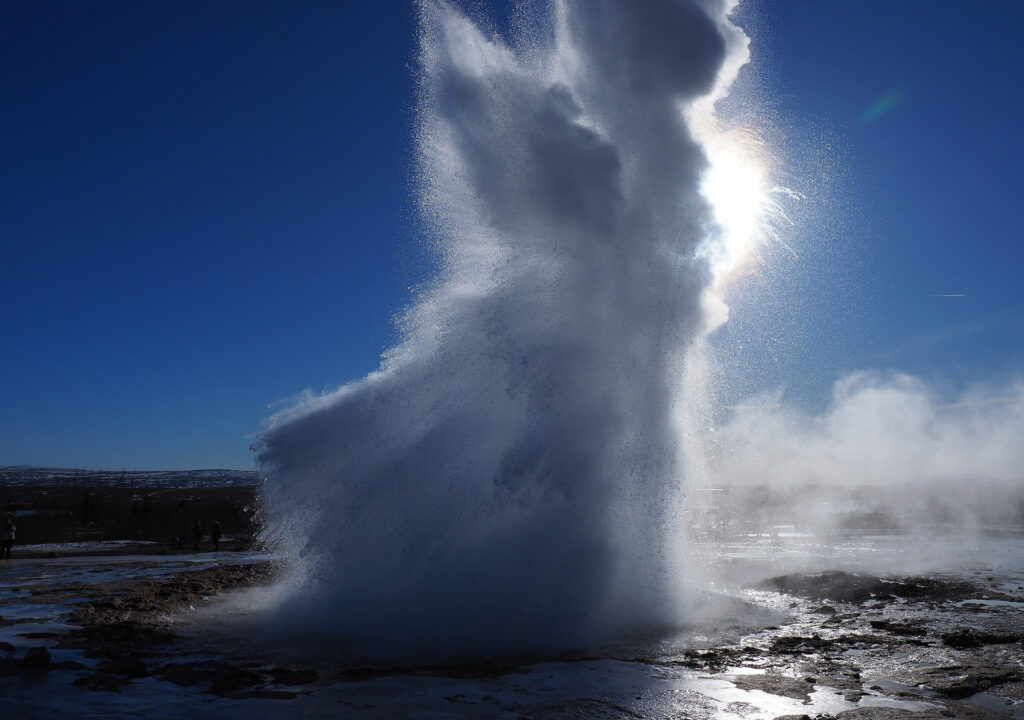
- Strokkur Geyser

-
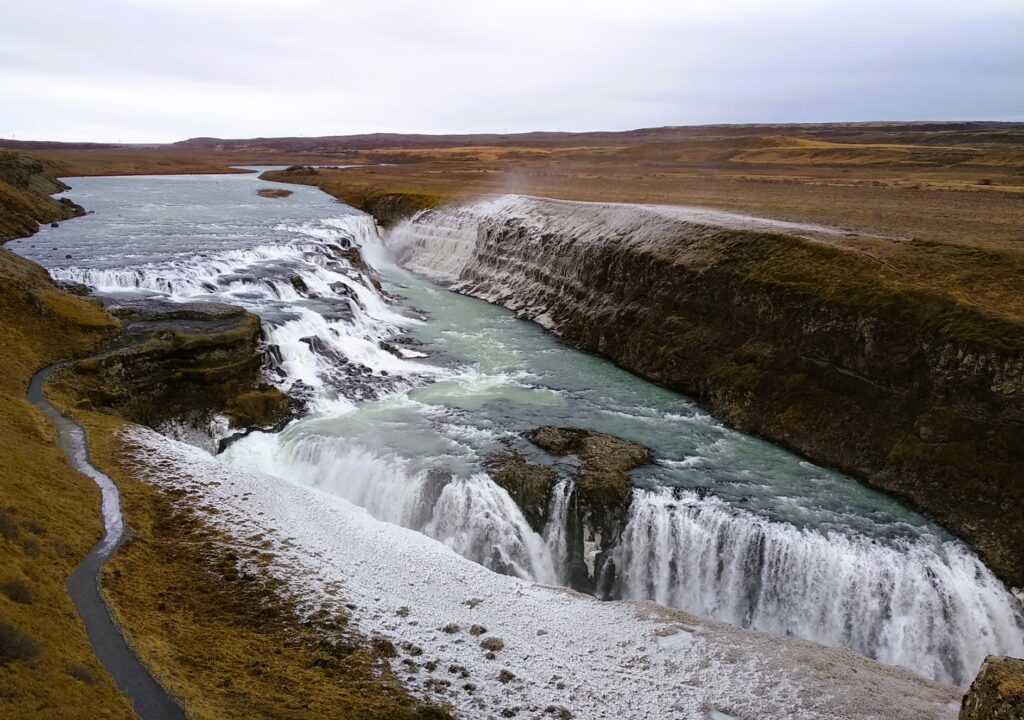
- Golden Waterfall
However, we enjoyed watching the neighbouring geyser Strokkur —also called "The Churn"—which erupts every 6–10 minutes, shooting water 15–25 meters high, providing a spectacular show. From its wide vent, the water first surges powerfully, followed by a fountain of hot water and steam.
Our warning:
Just remember to stand according to the wind direction to avoid an unexpected shower of boiling water.
In the geyser area, besides a large parking lot, you can also find accommodation, restaurants and souvenir shops.
Gullfoss Waterfall
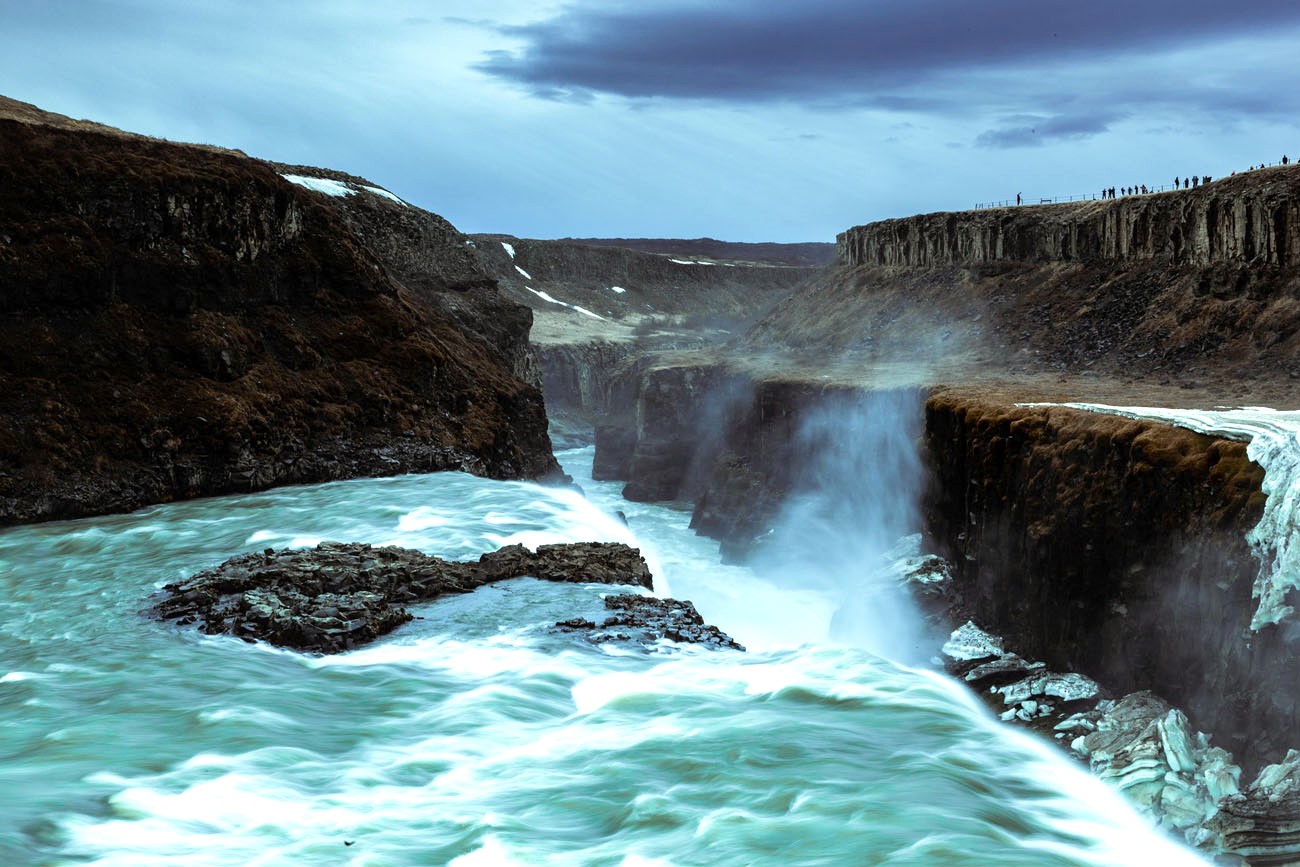
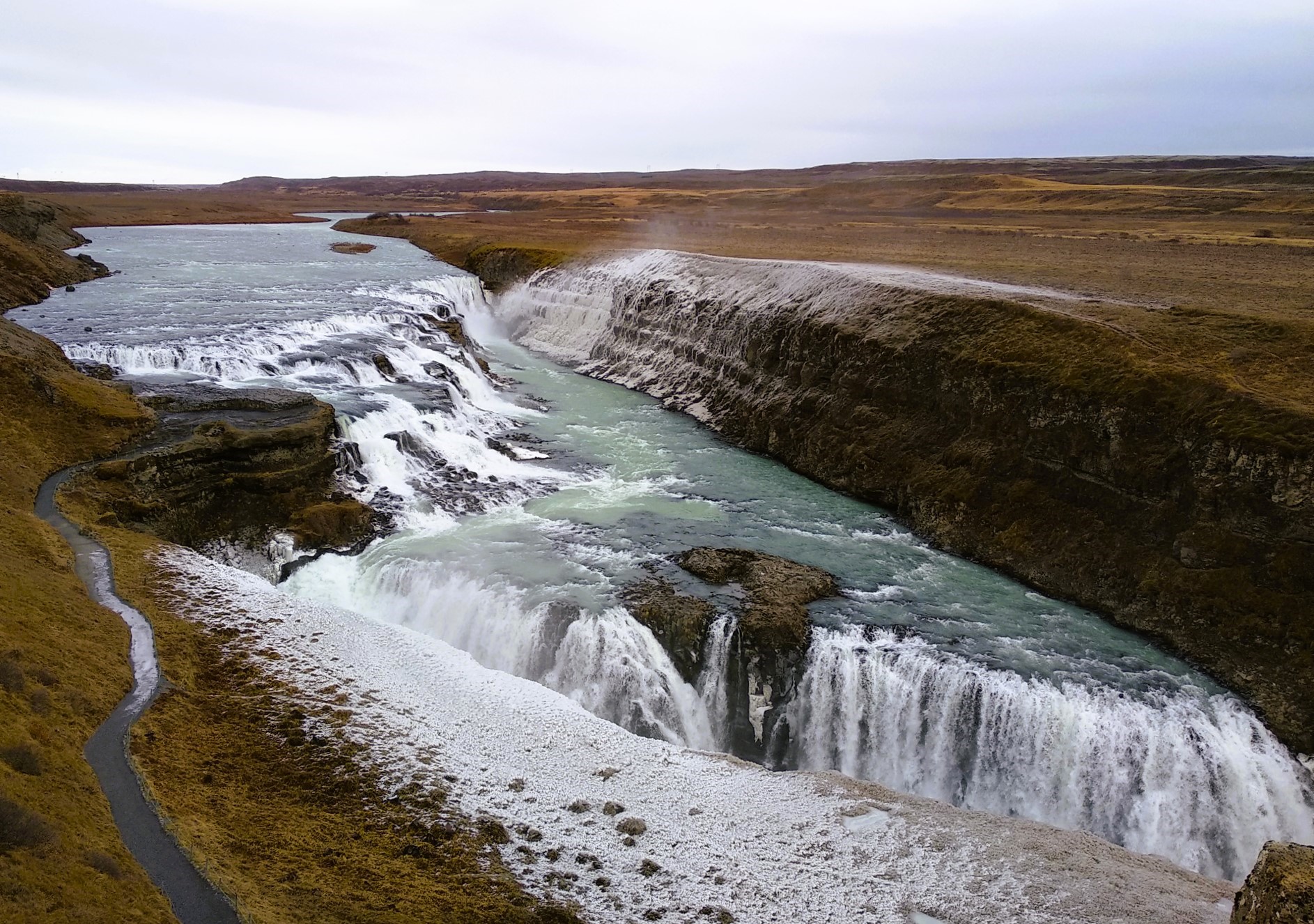
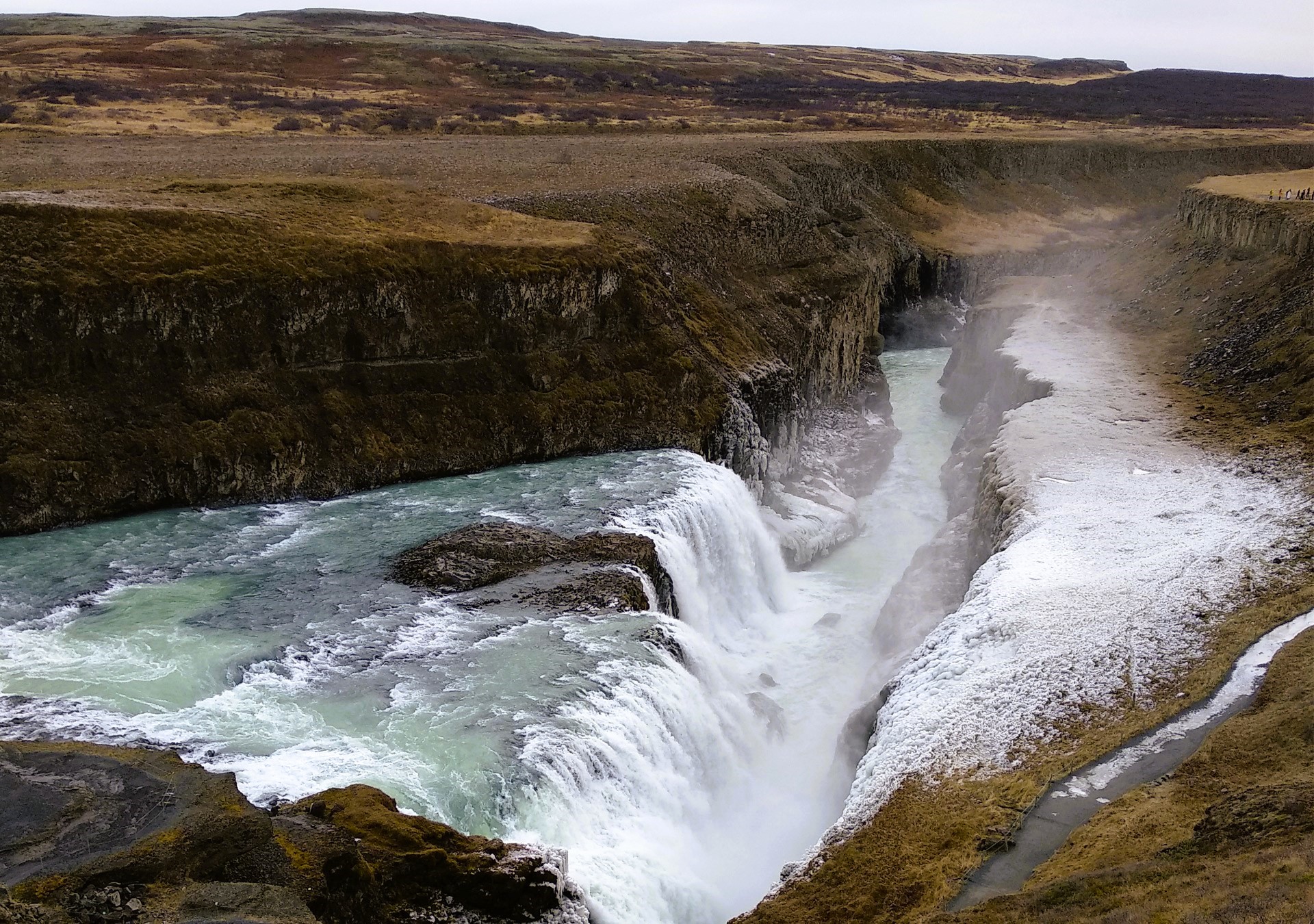
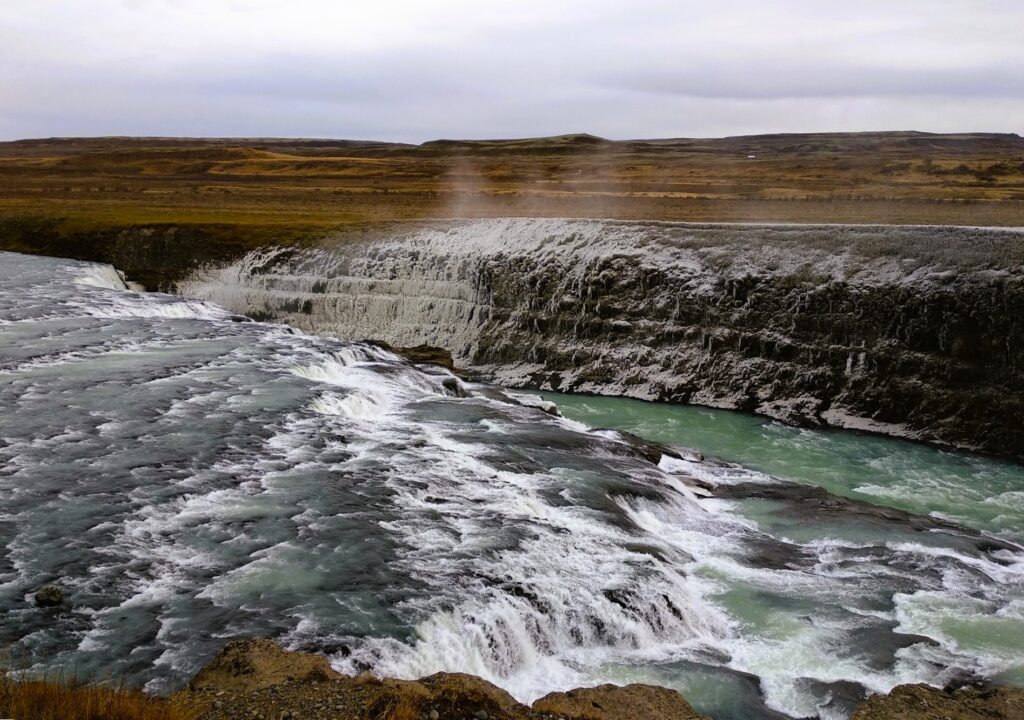
Not far from the geyser lies Gullfoss, or the Golden Waterfall, considered the most beautiful in Iceland. But what makes Gullfoss so special? This two-tiered waterfall is located where the icy river Hvíta plunges into a narrow canyon. The water rushes into the canyon with tremendous force, especially in spring when glacial melt increases the river’s flow.
Thanks to the glacial sediment, the water has a stunning golden hue that glistens under the sunlight. On a sunny day, we were able to admire a magnificent rainbow, created by the sunlight and the massive spray.
-
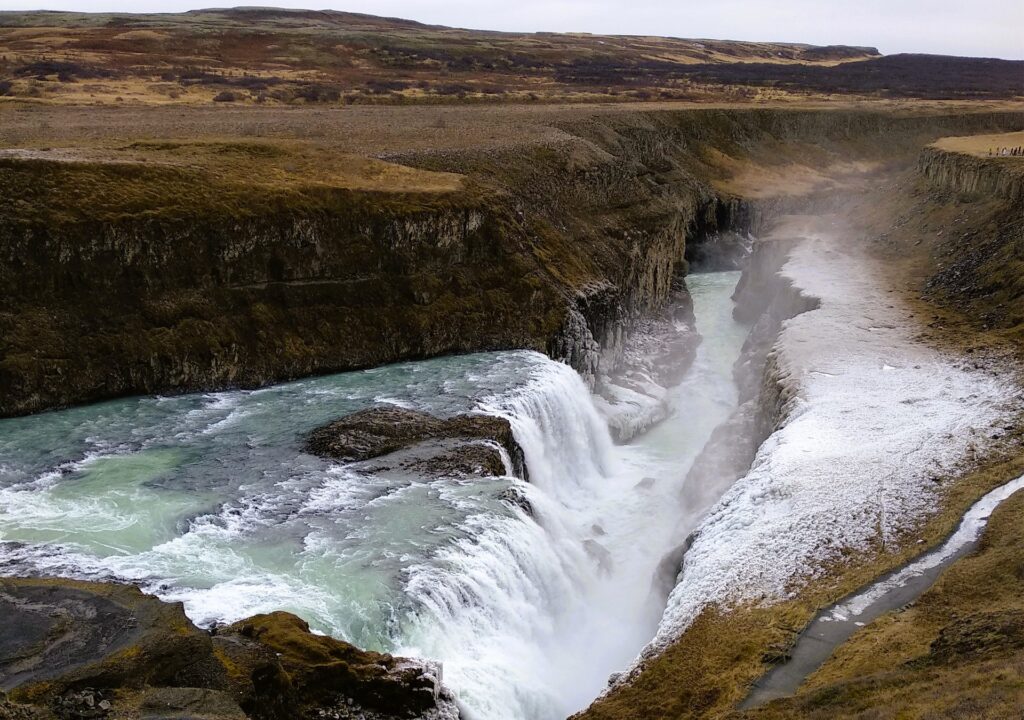
- Golden Waterfall
-
- Golden Waterfall
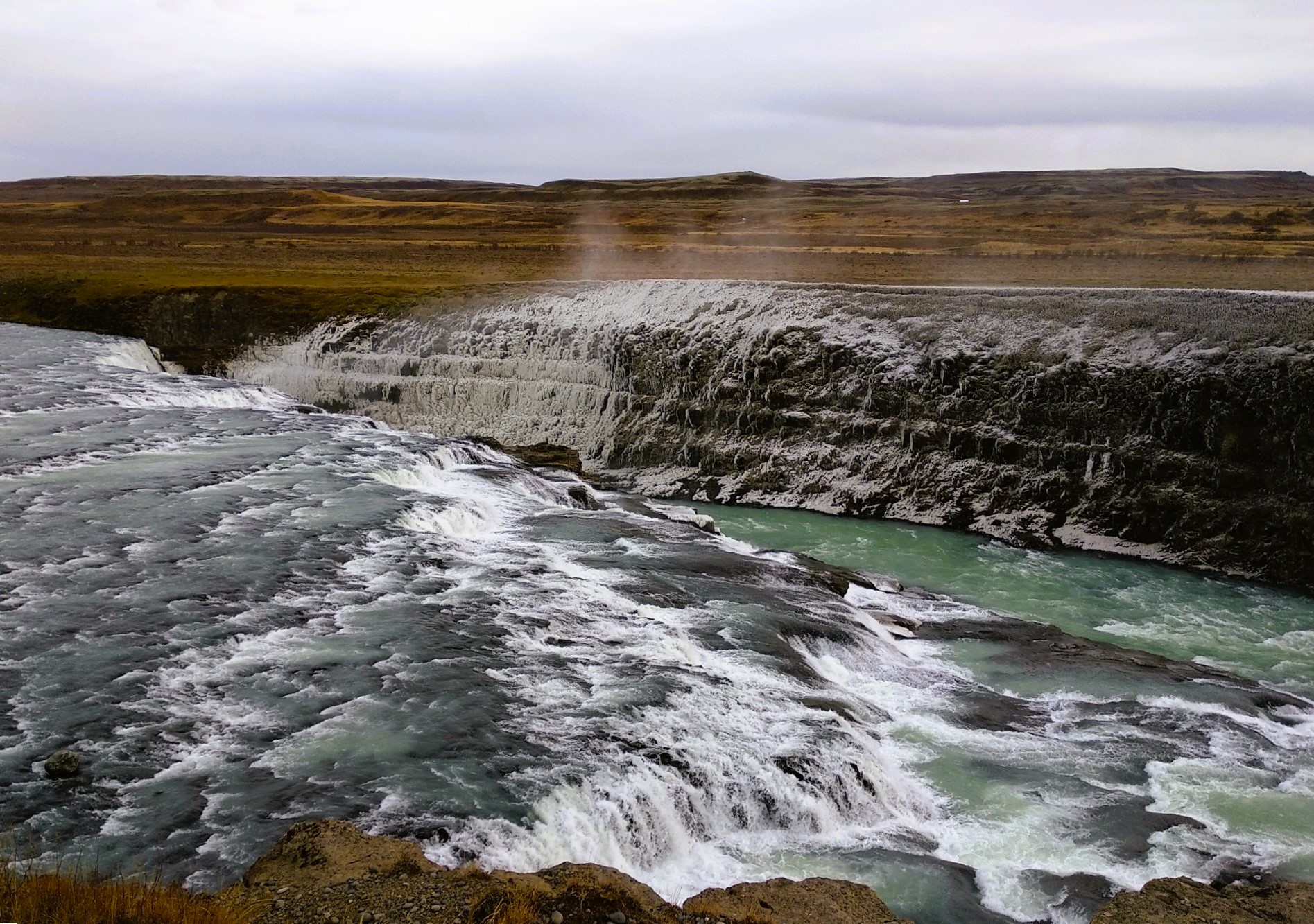
Gullfoss also has an interesting historical story. In the early 20th century, an English investor sought to harness this immense energy by proposing a dam and attempting to expropriate the land from a local sheep farmer. However, the farmer’s daughter, Sigríður Tómasdóttir, travelled to the capital for a hearing and declared that if construction began, she would throw herself into the waterfall. Eventually, the investors withdrew from the project.
Thanks to her efforts, Gullfoss was ultimately declared a protected area and became one of Iceland’s first national parks. In her memory, a stone relief of Sigríður Tómasdóttir stands near the waterfall viewpoint.
Our tips:
There are two main viewpoints leading to the waterfall. From the upper viewpoint, you’ll have a beautiful view of the entire waterfall, while the lower one allows you to get closer to its edge. However, be cautious and don’t venture too close—the water is incredibly powerful and can be dangerous. Don’t forget to bring waterproof clothing.
Near Gullfoss, you’ll find several parking areas. Due to its popularity, we recommend visiting early in the morning to avoid the biggest crowds.
Kerið Crater
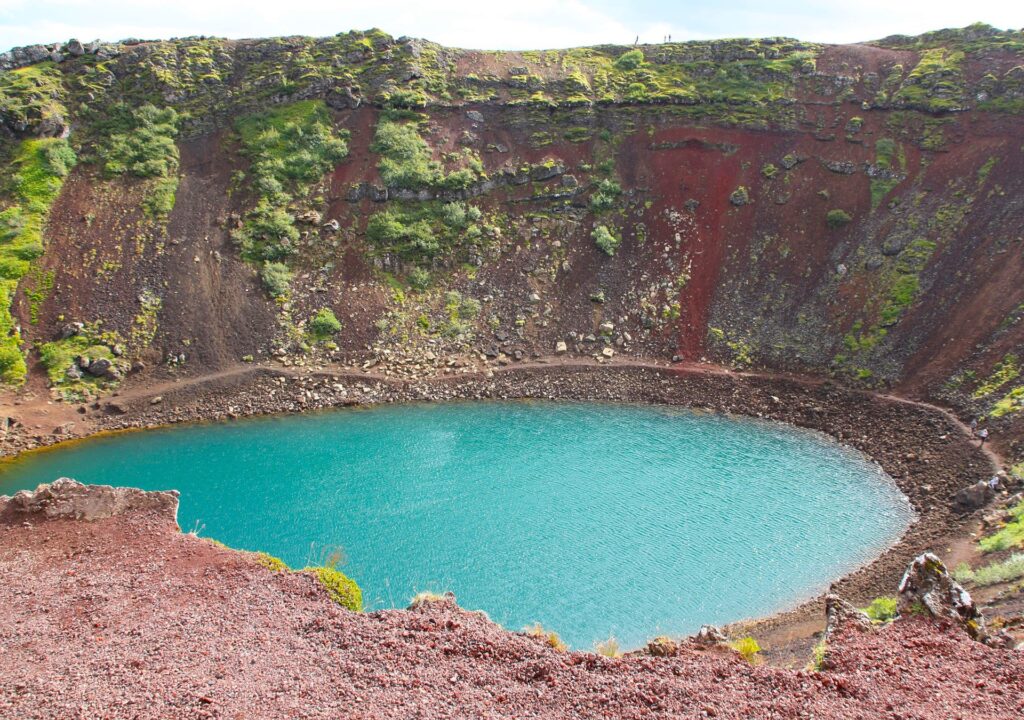
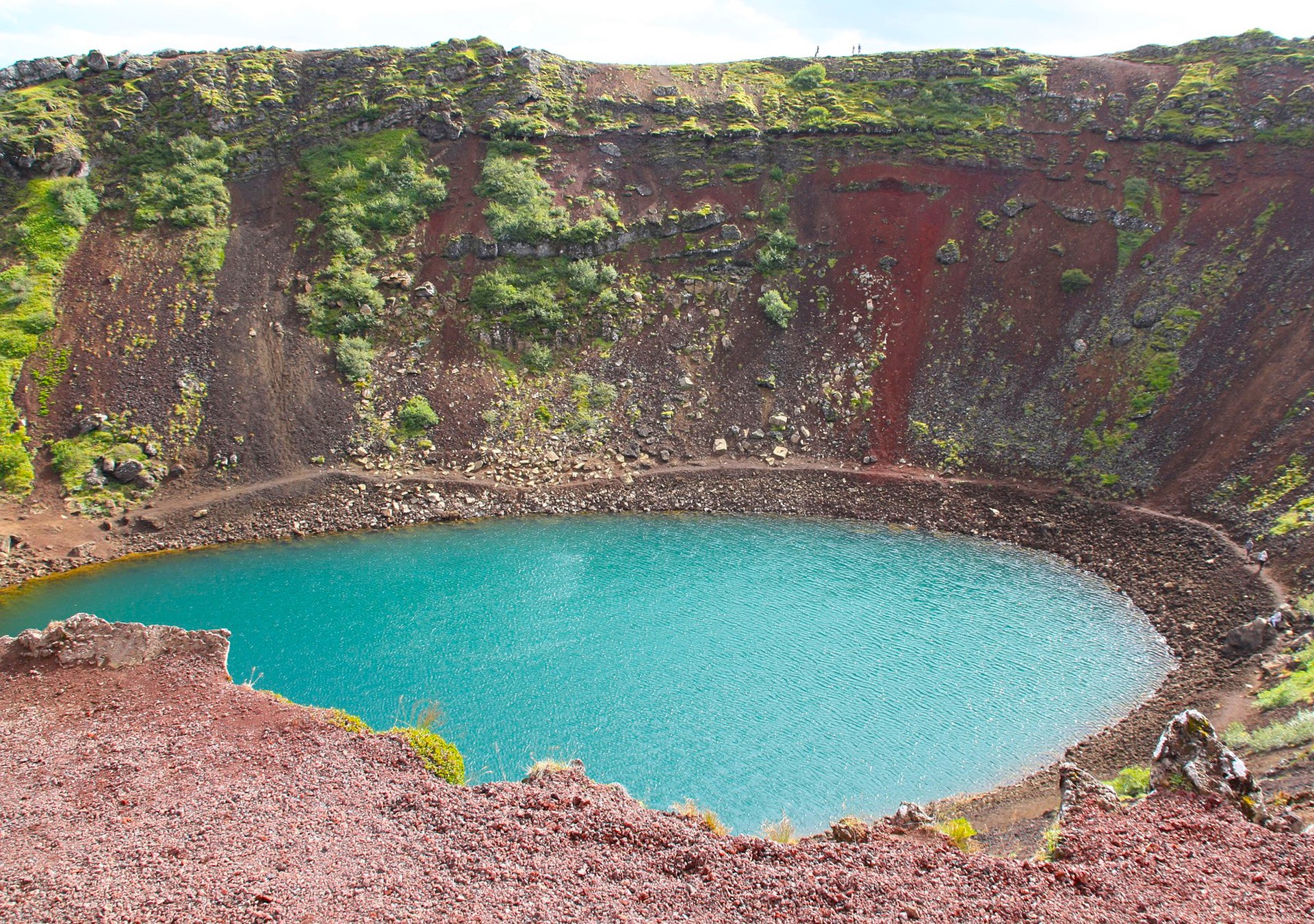
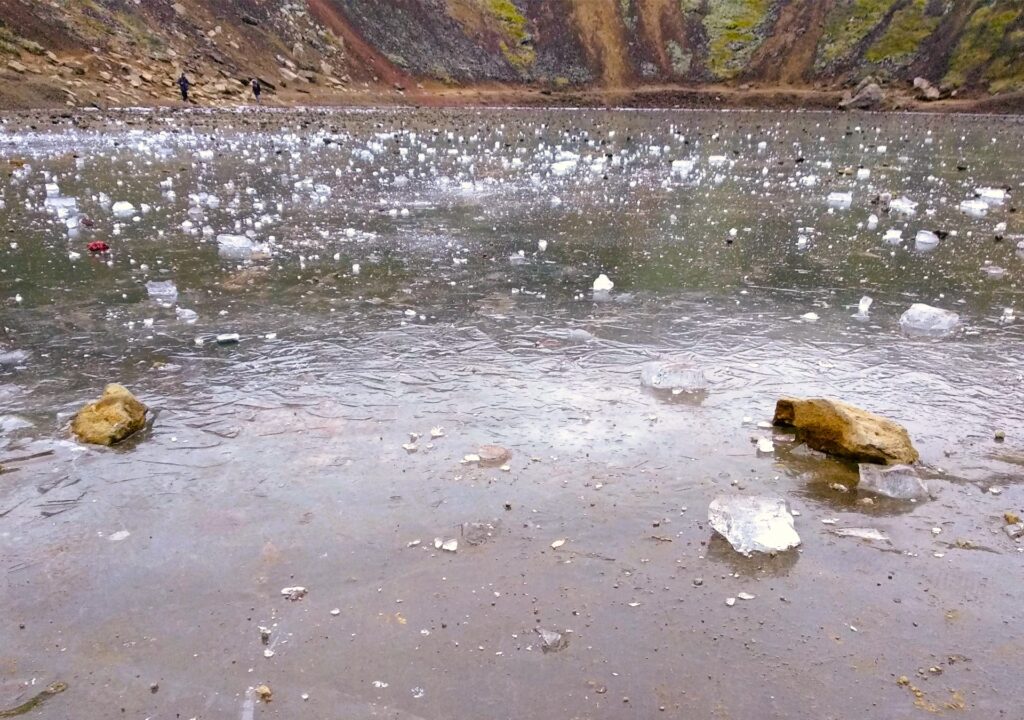
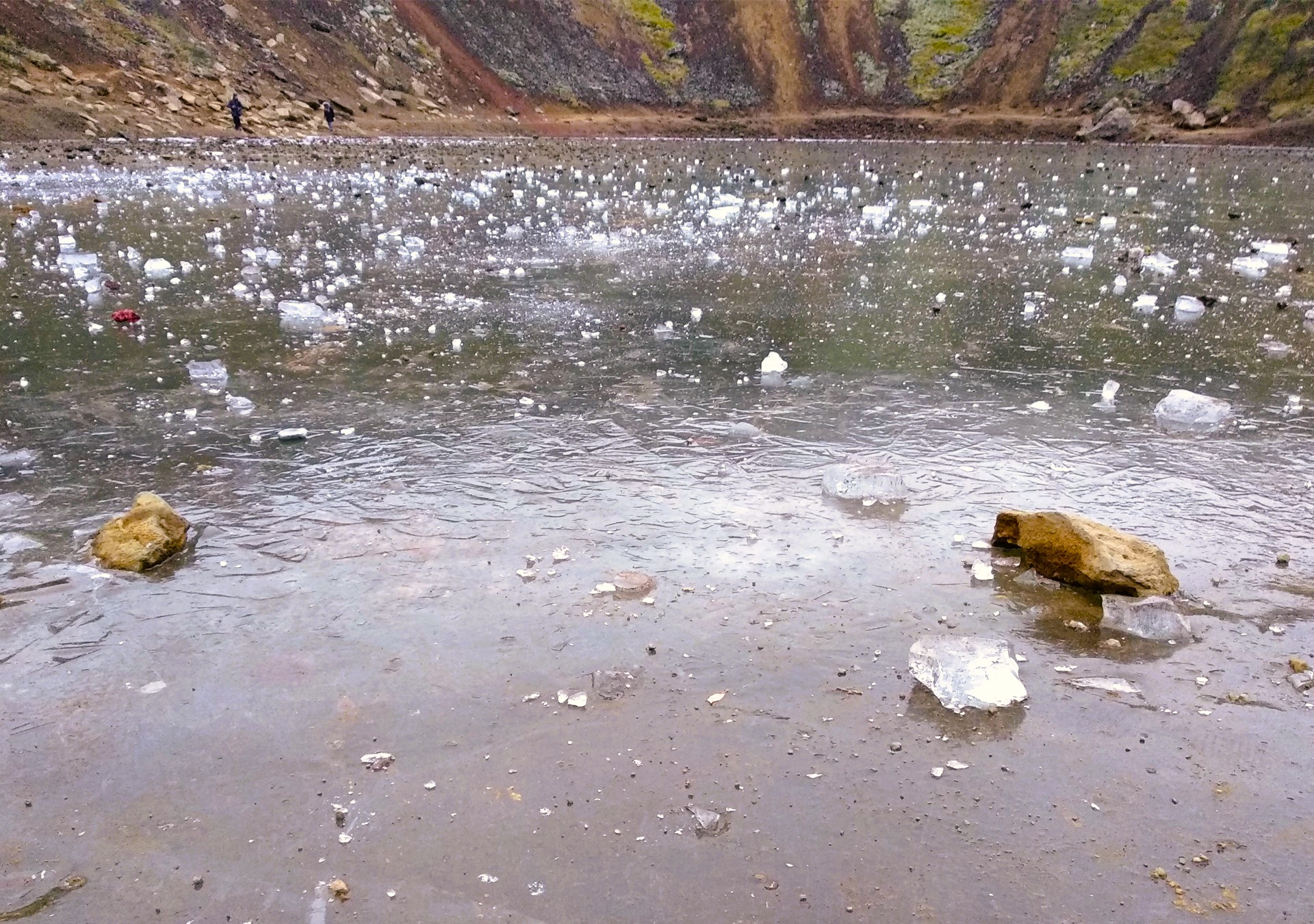
The last stop on our tour was the 55-meter-deep volcanic crater Kerið, which was formed by a volcanic eruption approximately 3,000 years ago. Over time, the crater filled with rainwater, creating a small lake with unusually coloured water.
Kerið is a work of art crafted by nature itself. The combination of the dark red crater walls, made of volcanic rock, and the almost kitschy bright turquoise lake water creates a stunning colour contrast.
The crater is easily accessible, located right next to the main road. A pleasant circular trail runs around the rim, allowing you to admire it from different angles.
-
- Kerið Crater
-
- Kerið Crater
Useful tips and advice:
Transportation: The most convenient way to explore this stunning country is by car, which you can rent either at Keflavík Airport or in the capital city, Reykjavík. The route circling the entire island is mostly paved. However, depending on your travel destinations, we recommend considering a 4x4 rental.
Ferries can also be used to reach various smaller islands or navigate the fjords. Another option is bus travel, with Strætó being the main operator, known for its bright yellow buses.
Clothing: The weather in Iceland changes quickly. Even in summer, bring multiple layers of clothing, including a waterproof and windproof jacket.
Our final invitation:
If you want to discover more breathtaking places in Iceland and learn additional tips, check out our articles on the South Coast or the capital city, Reykjavík.