



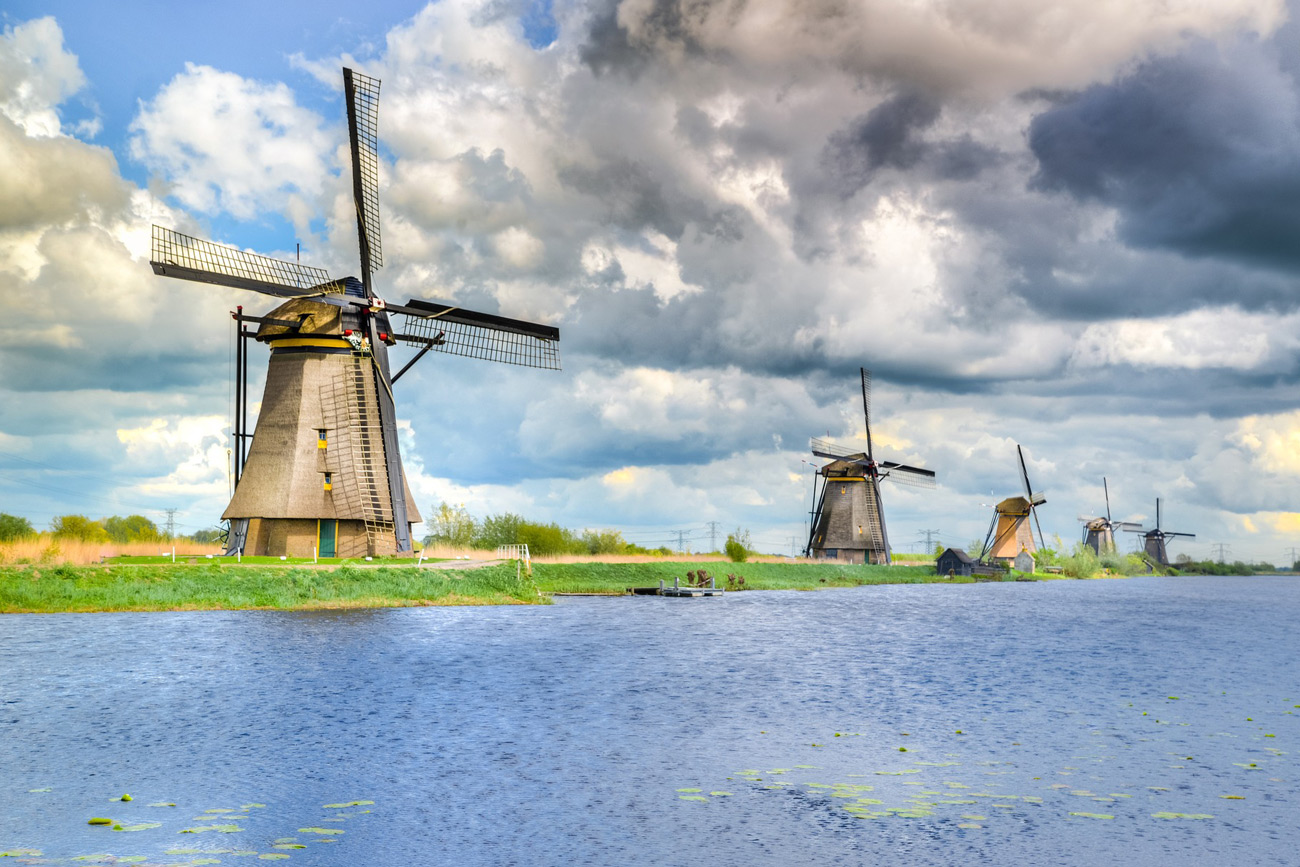
Imagine a place where time has stood still and windmills rise like guardians of a bygone era. Such a place truly exists, just 15 kilometres from bustling Rotterdam. Kinderdijk, or the Children's Dike, will enchant you with its uniqueness and mystery.
Why is this place called the Children's Dike? There are several legends, but none have been confirmed. One tells of a child rescued during a flood, while another claims the dike was partly built by children's hands. Whatever the truth may be, one thing is certain—this place is full of history and fascinating stories.
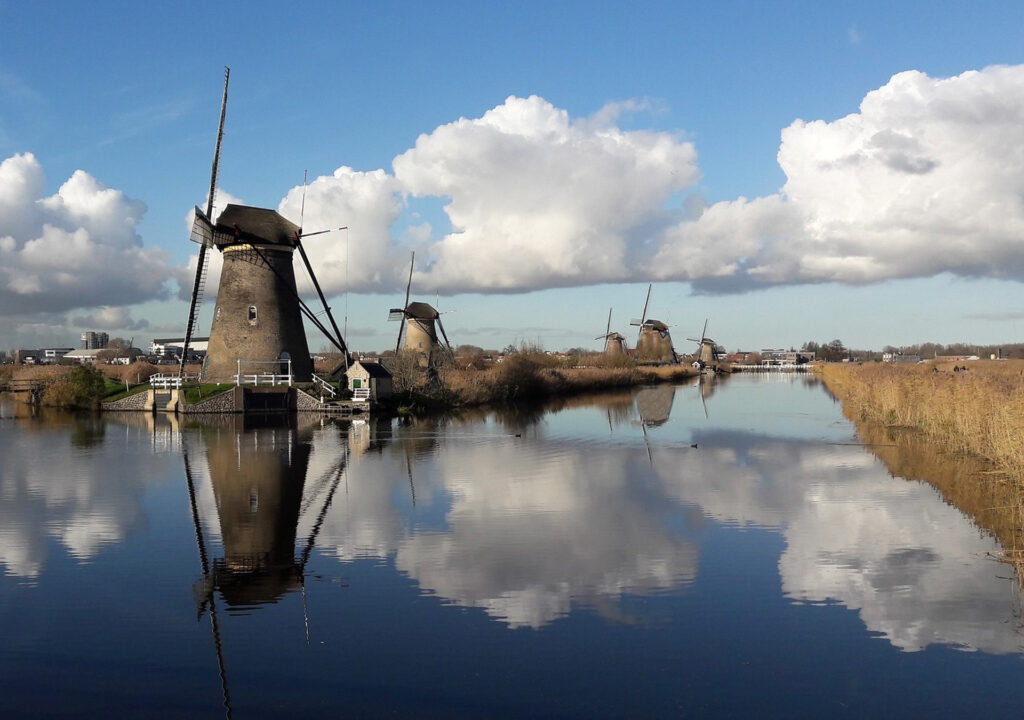
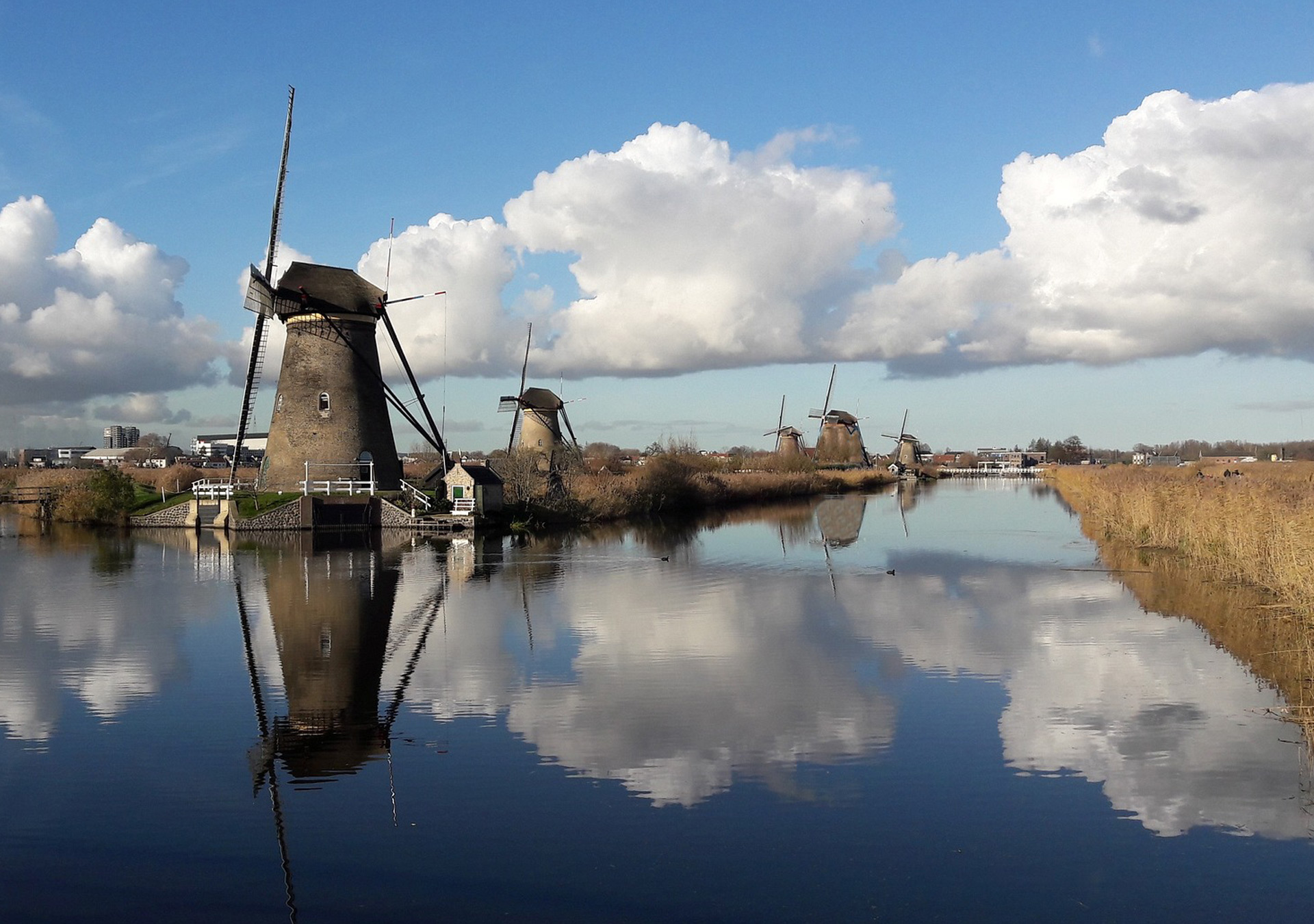
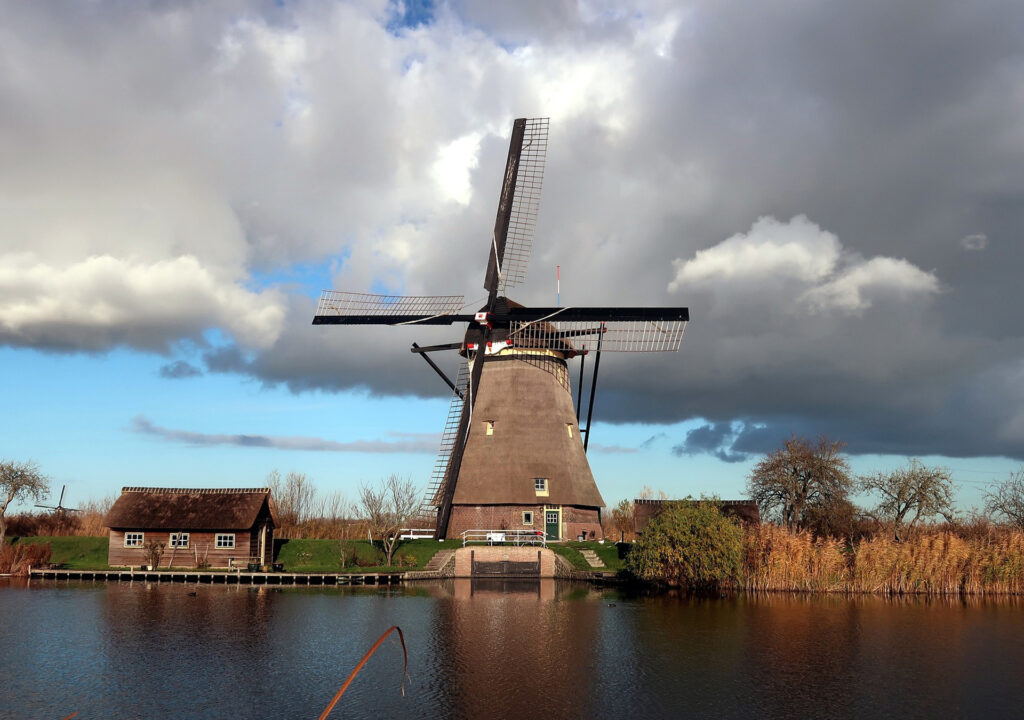
19 windmills—that’s the number that makes Kinderdijk an absolute world-class rarity. These impressive structures have been used for centuries to drain water from the surrounding landscape, enabling the creation of polders—artificially made tracts of land below sea level. Thanks to them, the Dutch could cultivate the soil and build homes in an area that would otherwise be flooded.
-
- Kinderdijk
-
- Kinderdijk

This unique area, listed as a UNESCO World Heritage Site, is a true paradise for history and engineering enthusiasts. For over 700 years, an ingenious system of windmills operated here, draining excess water from the lowlands. Though the system is now outdated, its ingenuity and beauty continue to fascinate visitors from around the world.
The windmills had a much broader purpose than just water drainage. They were also used for grinding grain, pressing oil, producing pottery clay and crushing pigments for paint. Today, you can walk among these impressive structures and imagine the bustling life that once thrived here.
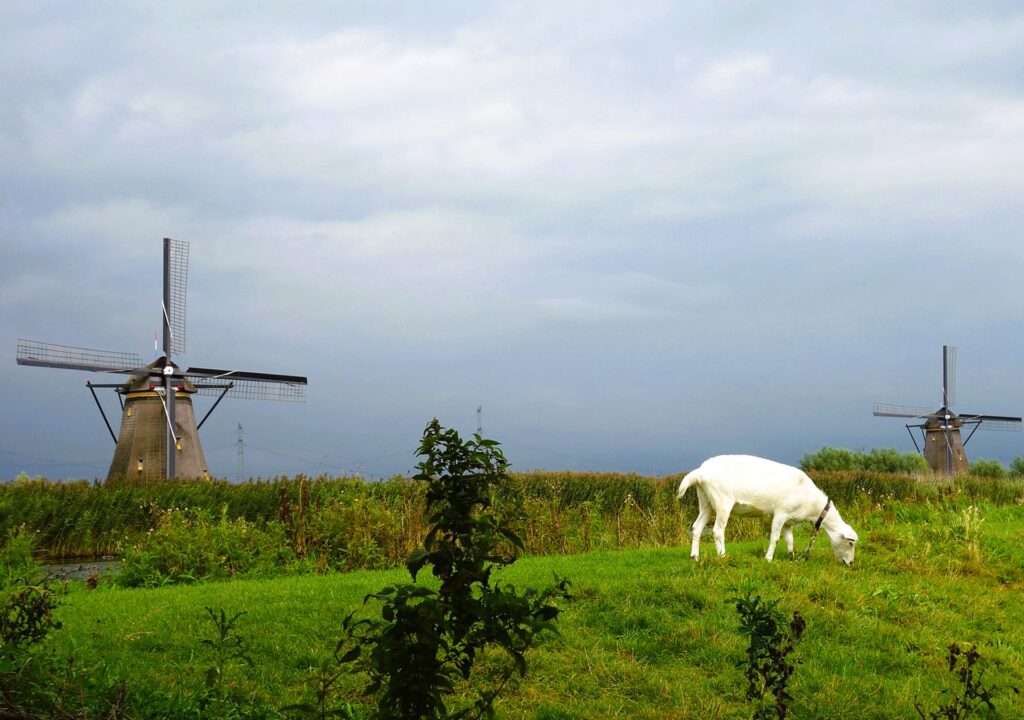
Unlike many other historical monuments, the windmills of Kinderdijk are not just static exhibits. Some are still inhabited and their residents preserve this unique atmosphere. You can meet people who live in harmony with the past and who are happy to share stories about life in a windmill.
-
- Kinderdijk

-
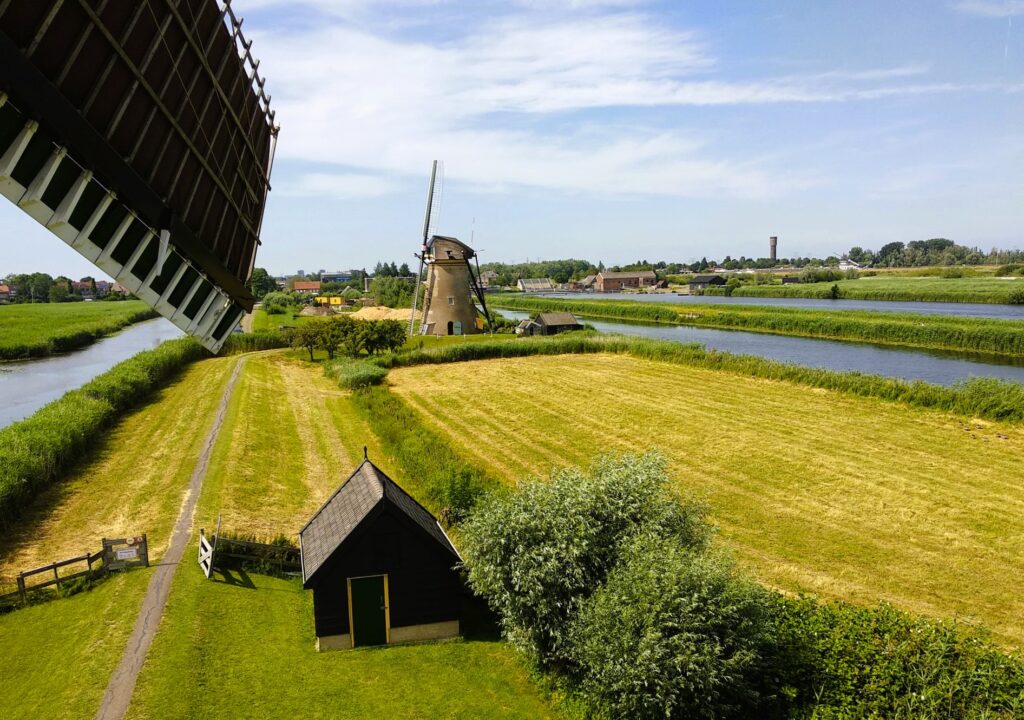
- View from the mill
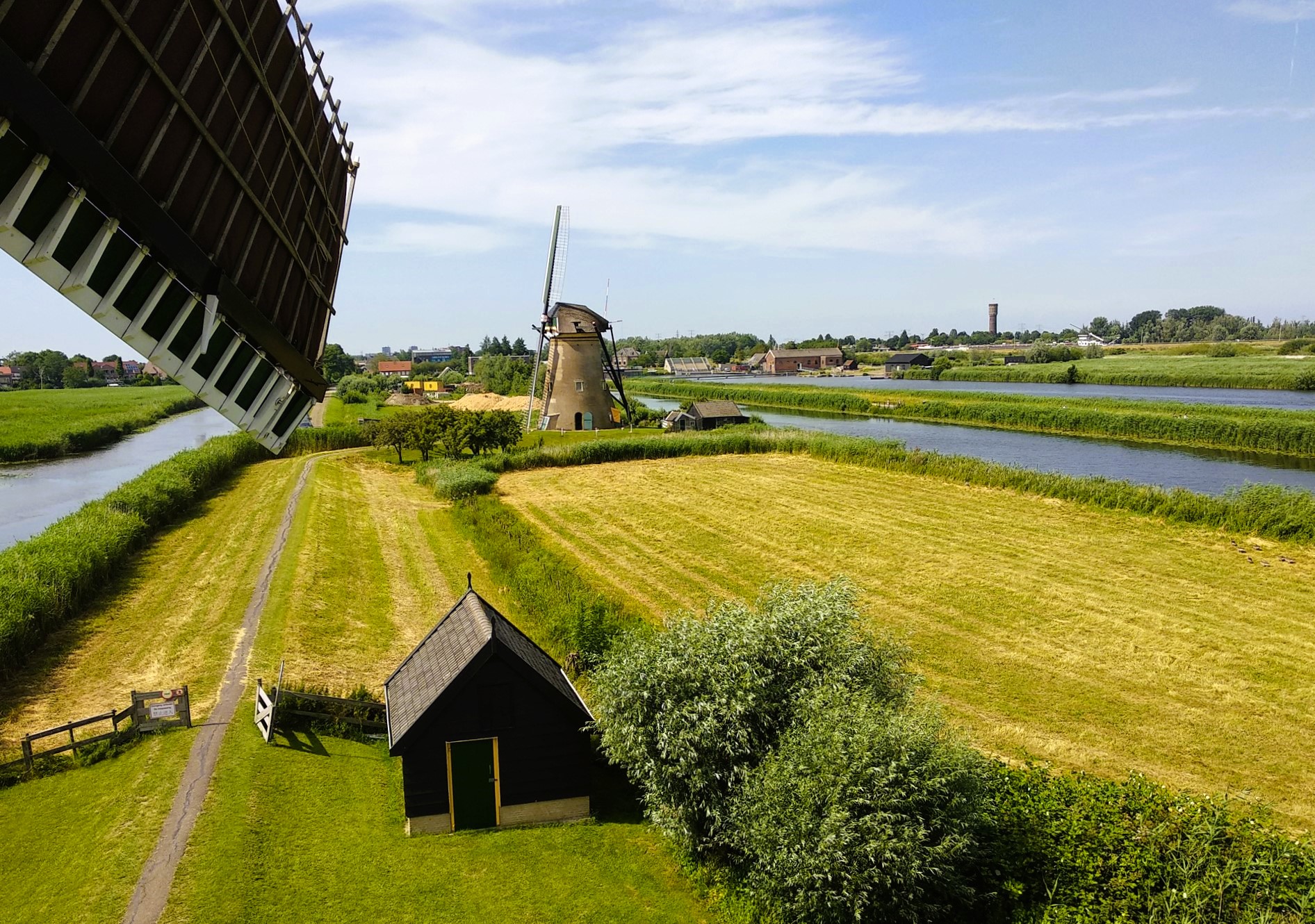
However, we wanted more than just a view of picturesque scenes. So, we bought tickets that opened the door to a world of history and technical marvels.
First, we headed to the Nederwaard mill, built in 1738. Its wooden heart still beats, though not as vigorously as it once did. The tour transported us to the past—vintage photographs and objects told us the story of the miller’s family life. It felt as if we had stepped right into their living room.
Our next stop was the Blokweer mill from 1630. Here, we travelled back to the 1950s instead.
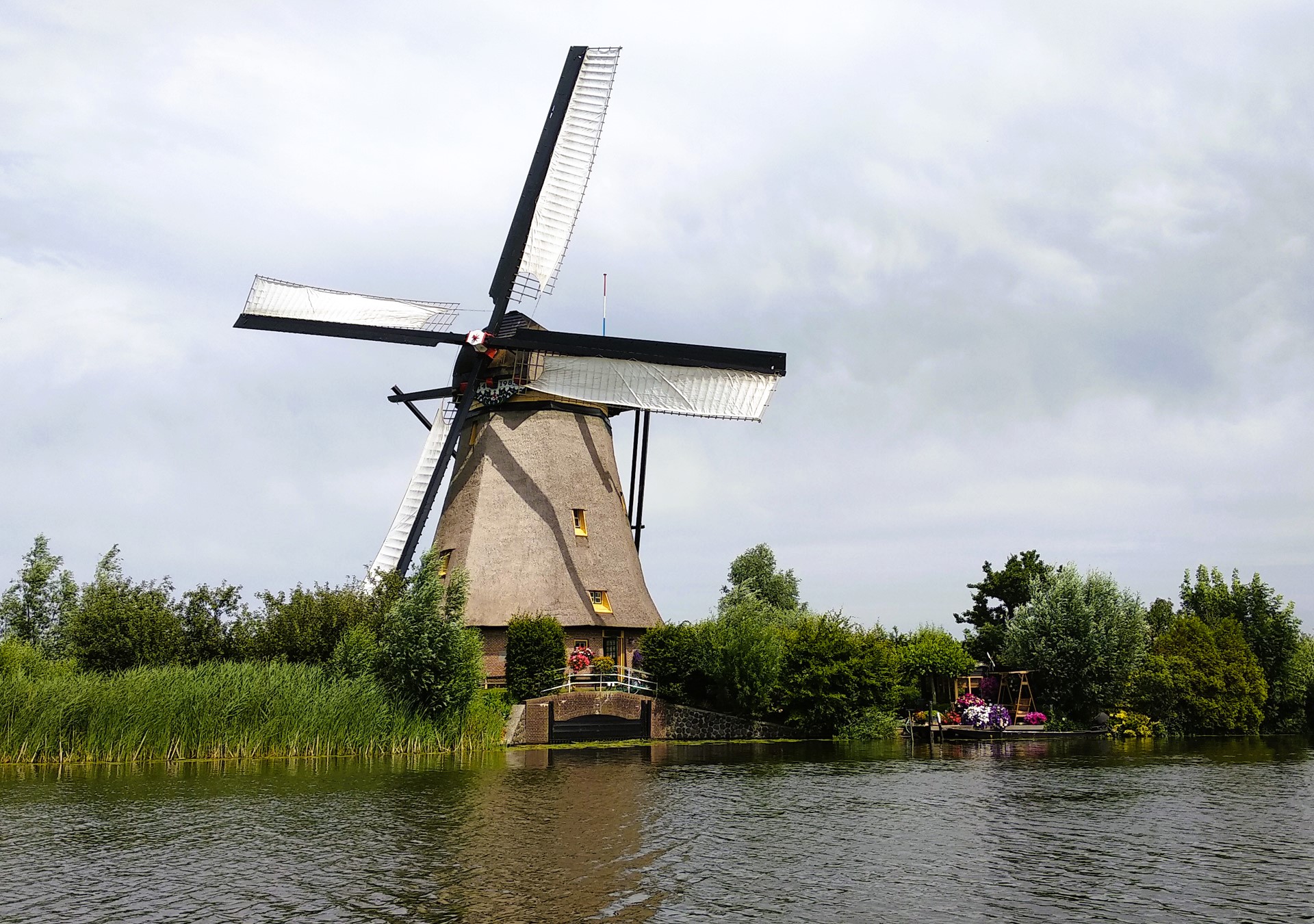
To enjoy the mills from a different perspective, we took a half-hour boat ride. From the water, the windmills looked even more impressive. It was like sailing through time—peaceful, serene, yet full of breathtaking views.
As part of our ticket, we also visited two pumping stations. Wisboom, built in 1868, revealed not only how this unique structure worked but also the rich history of the town of Kinderdijk. At De Fabriek station, we learned through a film how the entire mill complex was created and how water was pumped out to dry the land. This entire process represents an art in which the Dutch have become unrivalled masters.
To finish, we had coffee on the terrace of the visitor centre with a view of the windmills. It was the perfect way to end the trip. Downstairs, we bought souvenirs to remind us of this unforgettable day.
Address: Nederwaard 1, Kinderdijk
-
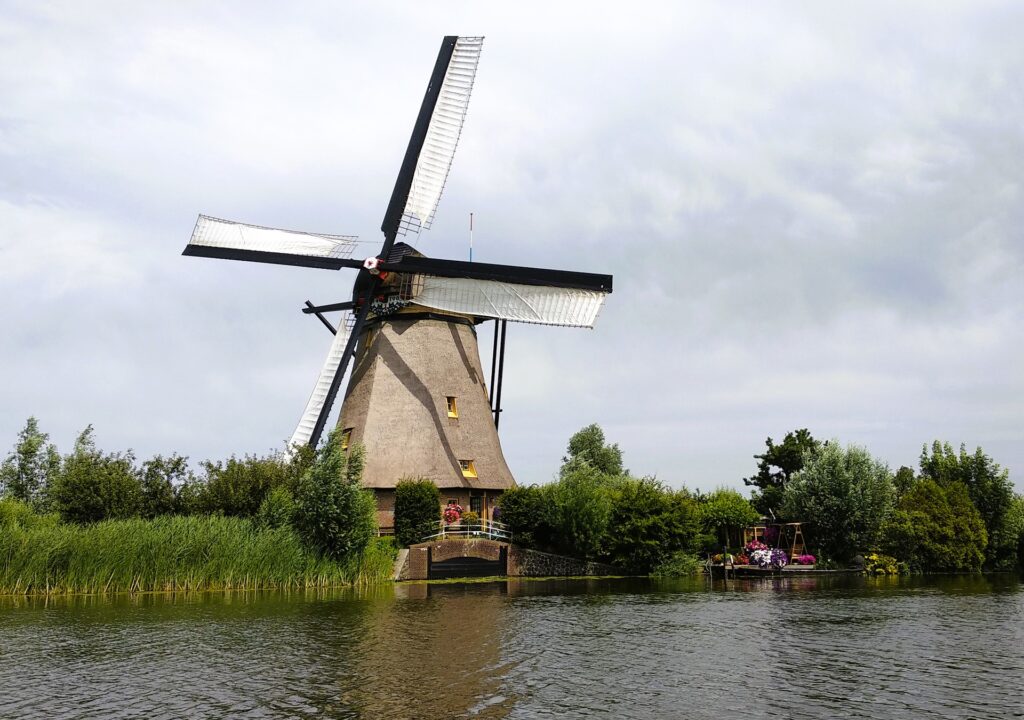
- View from the boat
-
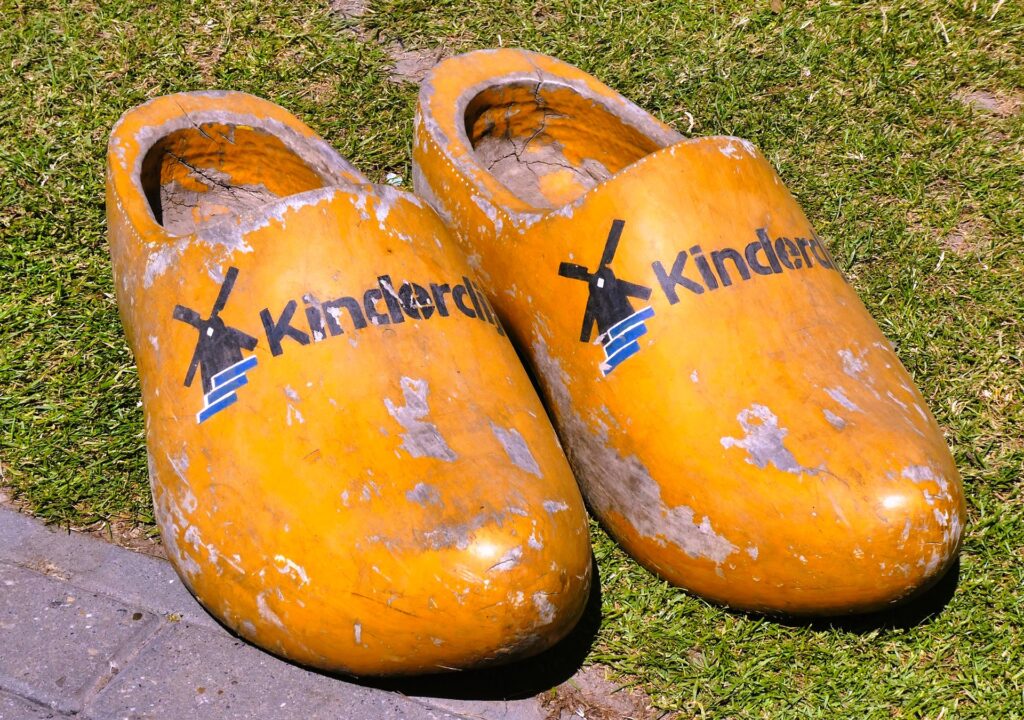
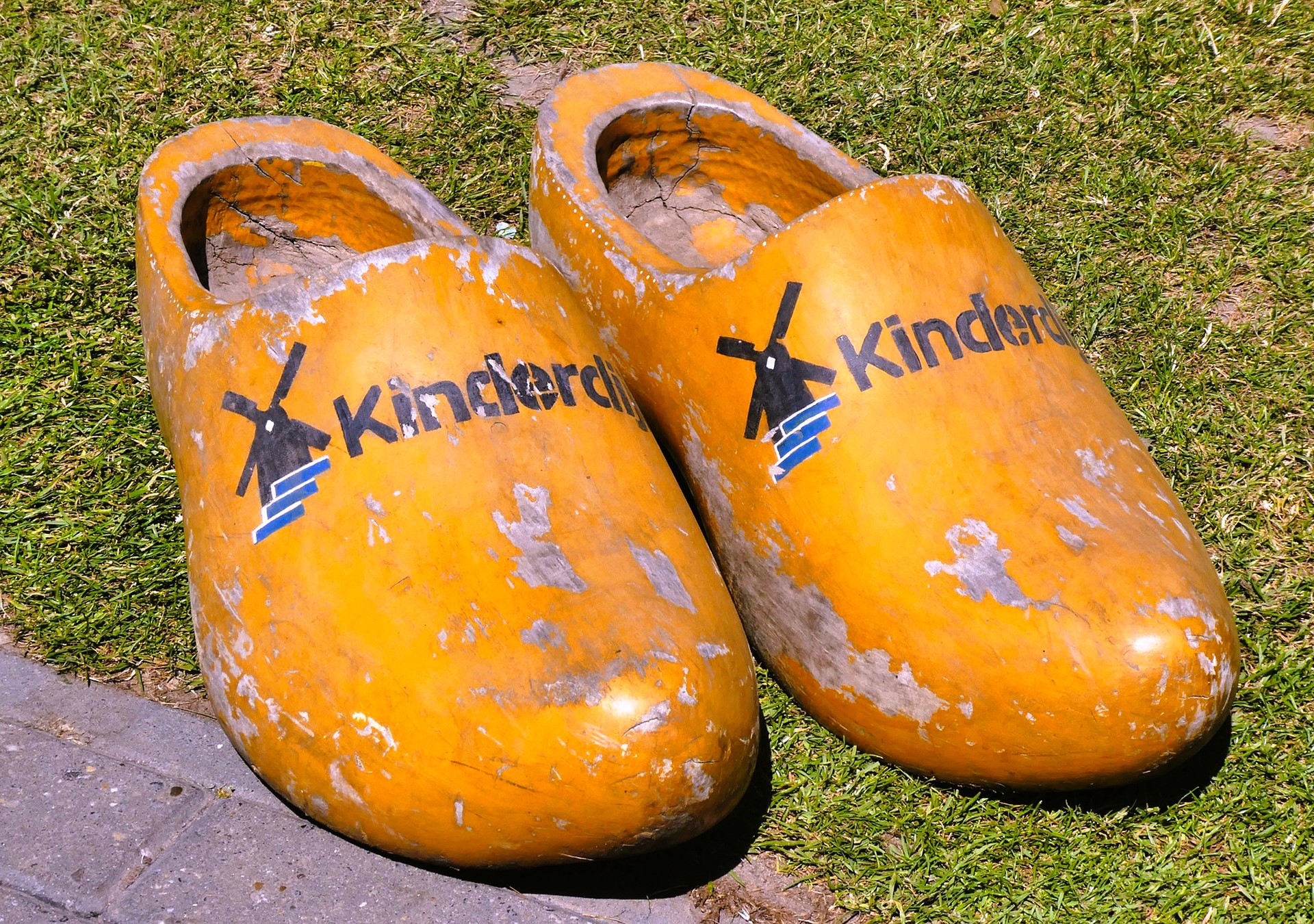
- Traditional Dutch clogs
How to get to Kinderdijk?
If you're traveling by car, you must park at Marineweg 3 in Alblasserdam. The parking fee includes a shuttle service that runs daily (between 9 AM and 6 PM) to the entrance of the windmill area and back. The ride takes about 10 minutes. Parking can only be purchased in combination with an entrance ticket.
You can also cycle from the parking lot to the windmills.
From Rotterdam, you can take Waterbus line 21, which departs from the Erasmus Bridge and goes directly to Kinderdijk. The journey takes about 30 minutes.
Our final tips:
Best time to visit: Spring and summer are the ideal seasons to explore Kinderdijk.
Admission: Entry to the windmill area is free.