




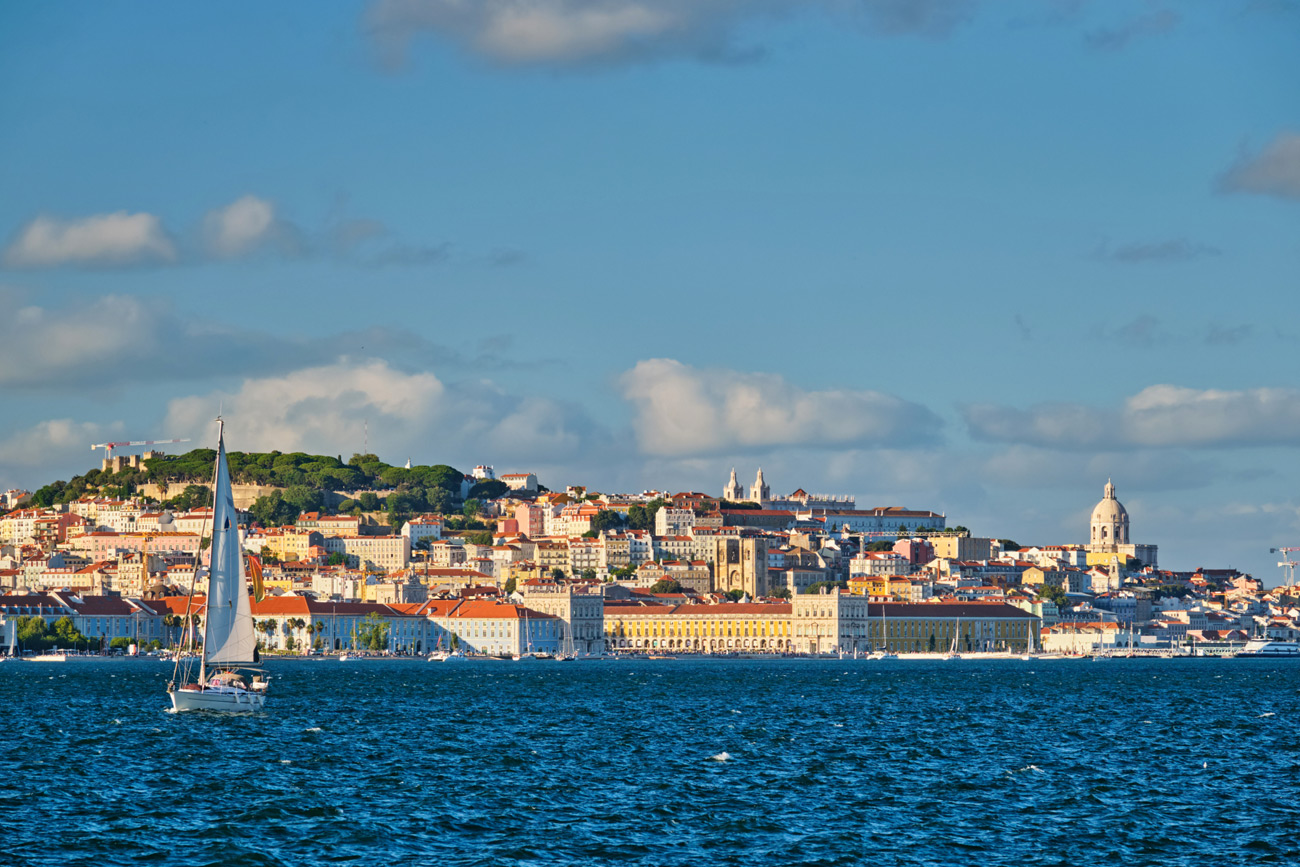
Pause for a moment. Close your eyes and imagine a city where the sun paints the houses in shades of ochre and terracotta, where the melancholic sound of fado drifts from narrow alleyways and intricate mosaic pavements flow beneath your feet. Welcome to Lisbon – the capital of Portugal, a city that will enchant you with its weathered elegance and incredible energy.
But Lisbon is not a city you’ll simply want to see. It’s a city you need to feel. Feel it in the aroma of freshly baked pastéis de nata, in the gentle breeze from the Tagus River and in the whisper of history on every corner.
Alfama
Forget maps and lists of sights. You'll discover Lisbon's greatest magic when you let yourself drift.
Getting lost in the Alfama district isn't a failure; it's the goal. Immerse yourself in a maze of winding alleys that meander like an ancient river. Laundry dances on clotheslines overhead, a familiar portrait of daily life. The smell of grilled sardines suddenly washes over you from open windows. And then you'll hear it – the melancholic notes of fado, a sound as sweet and bitter as life itself.
This labyrinth, where time seems to have stood still, is an open-air gallery. The walls all around tell stories. They whisper tales through the blue, green and yellow azulejos, the picturesque tiles that are the city's chronicle. A performance even unfolds under your feet – pavements decorated with mosaic patterns made of small stones, the work of patient artists.
Lisbon is a city of hills – and precisely because of this, it offers something you'll never tire of: breathtaking viewpoints, the miradouros. There's nothing better than sitting for a while on a bench in the shade of a tree, with a view of the rooftops, the river and the endless Portuguese sky. One of the most enchanting spots, where the city spreads out like the palm of your hand, is the Miradouro de Santa Luzia. This picture-perfect terrace combines the views, the scent of flowers and the blue-and-white tiles into one harmonious experience.
Address: Largo de Santa Luzia, Lisboa
Castelo de São Jorge
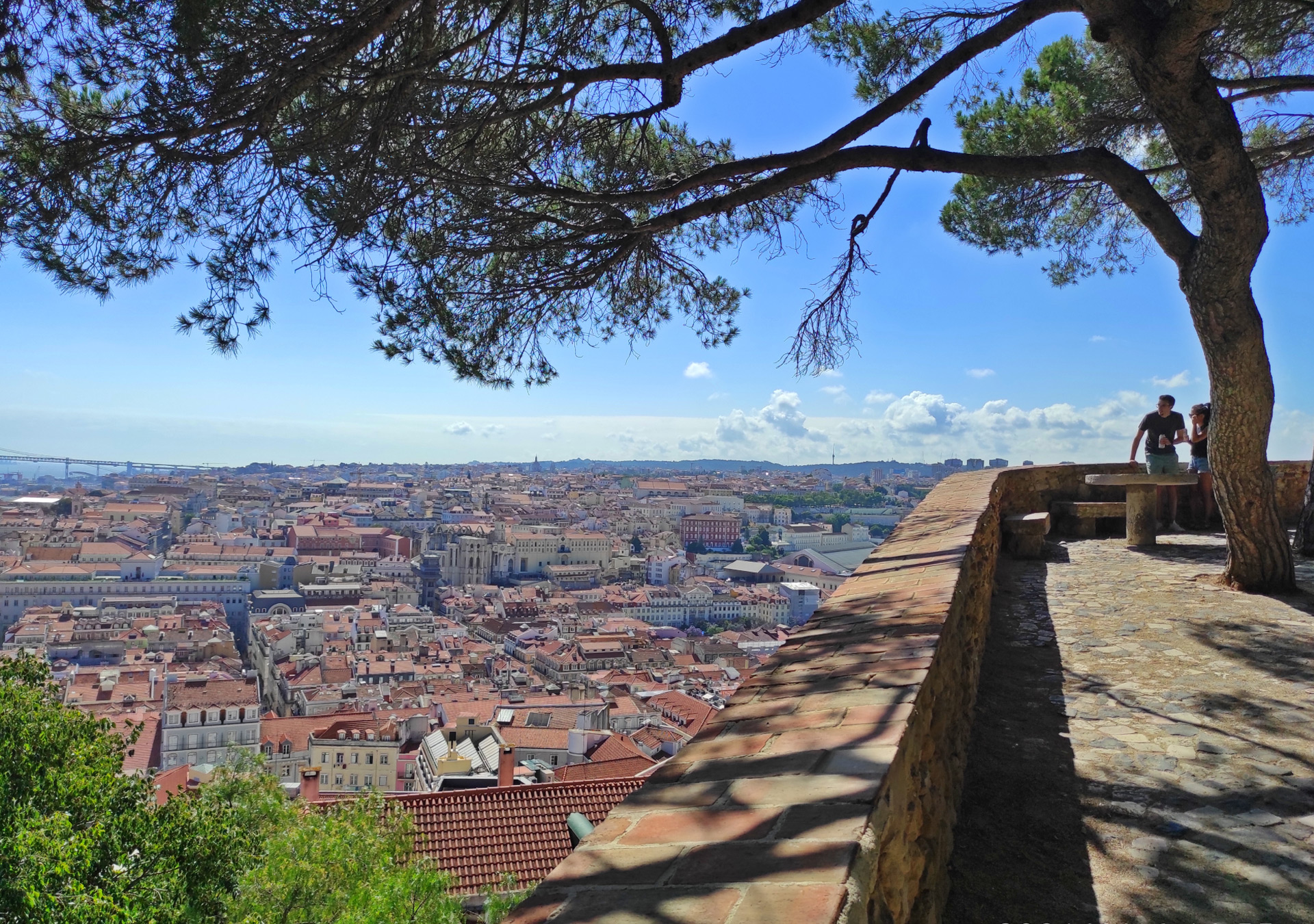
To experience Lisbon from the regalest perspective, you must climb up to Castelo de São Jorge (Saint George's Castle). And believe me, the climb is worth it. Your reward will be one of the most iconic views. The castle rises 110 meters above the city, and the panorama that opens up from here is breathtaking. The Tagus River glistens in the sun and the red rooftops of the houses cascade downwards.
-
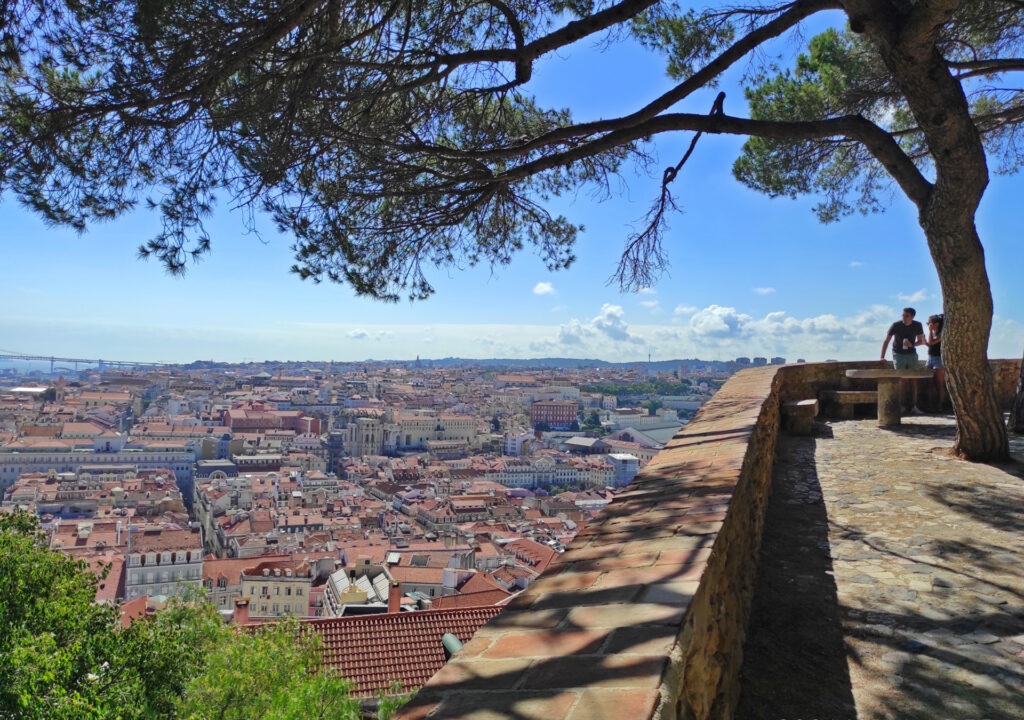
- View from Castelo de São Jorge
-
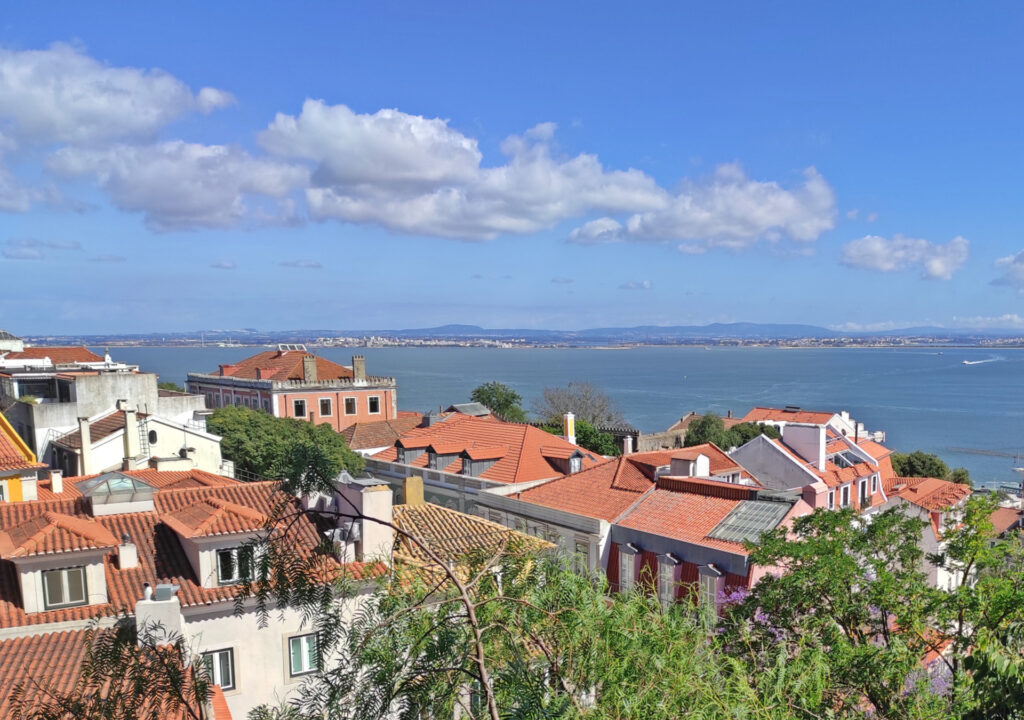
- View from Castelo de São Jorge
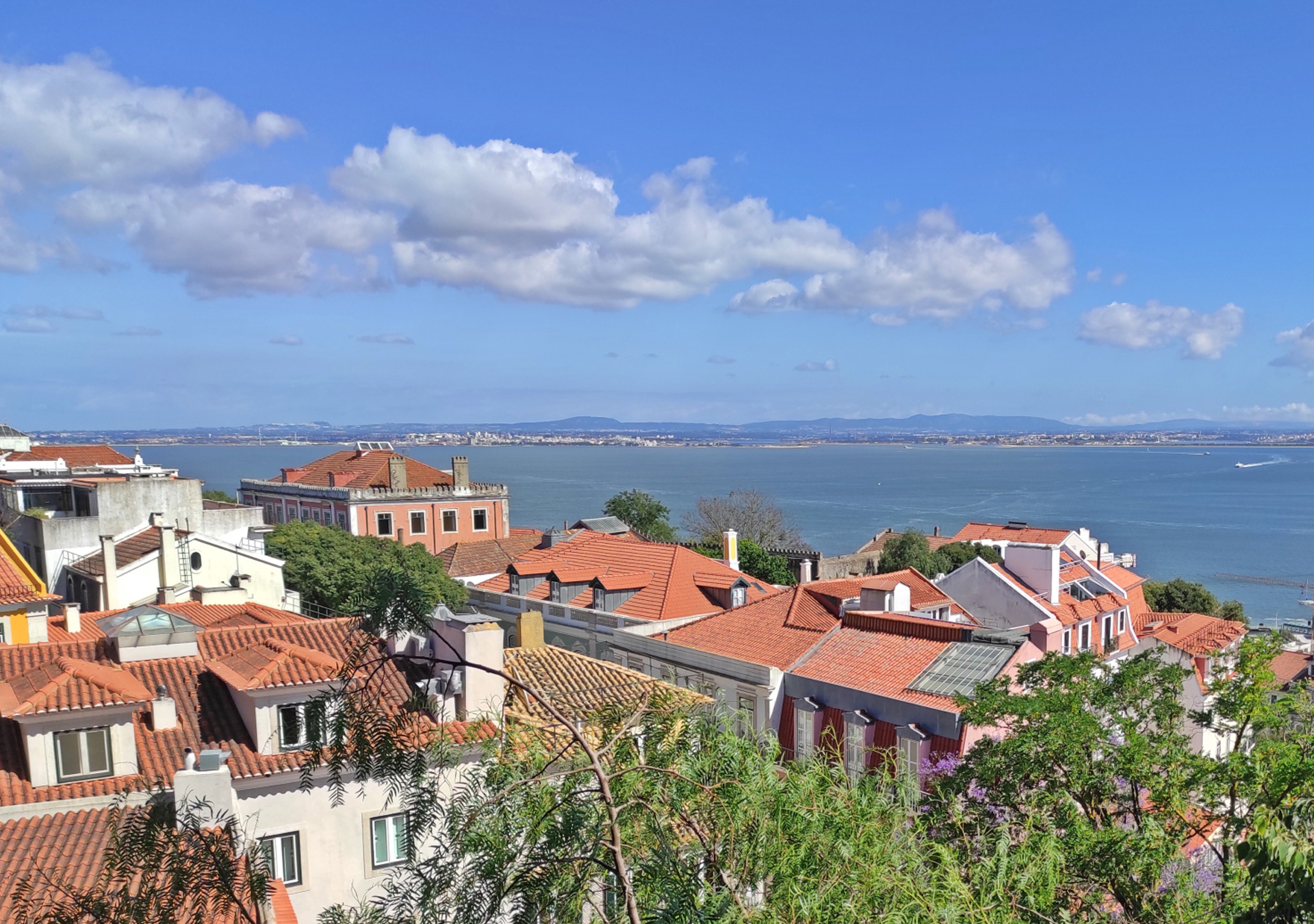
But Castelo de São Jorge isn't just about the stunning scenery. Imagine standing on a place where the fate of civilizations was written. As early as the 7th century BC, the Phoenicians lived here. They were followed by the Romans, the Visigoths and finally the Moors, who ruled here for four centuries and built the first mighty fortress. Its era was only ended in 1147 by the first Portuguese king, Afonso I, and the castle became the heart of the kingdom.
-
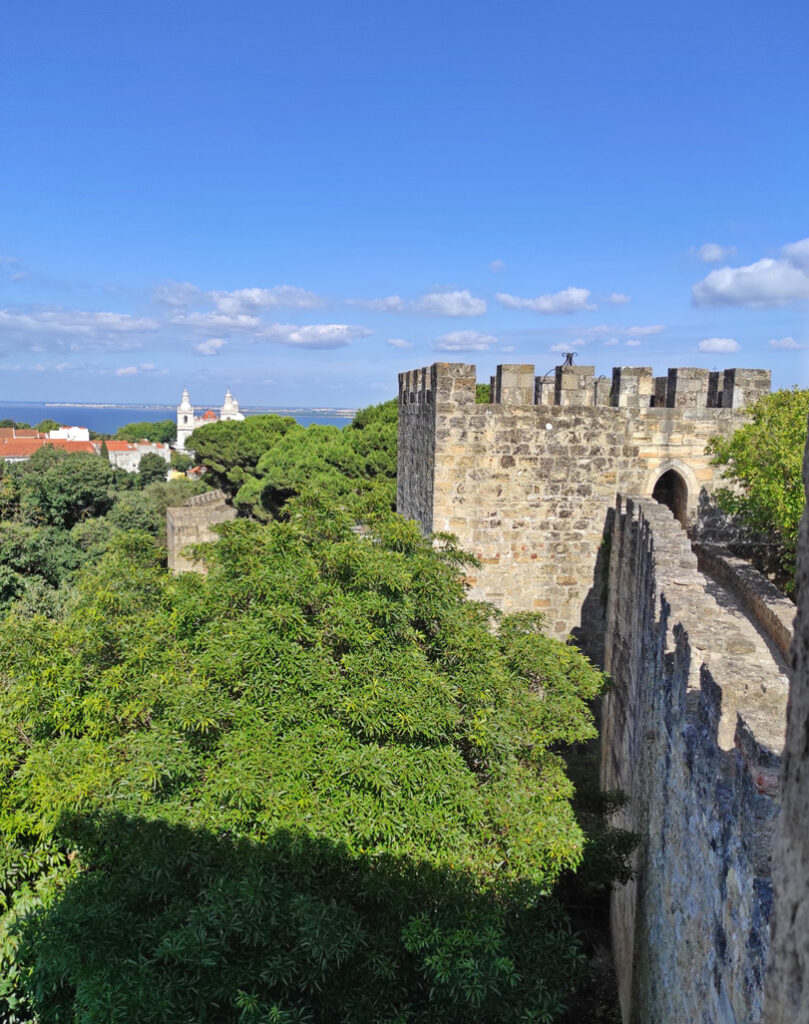
- Castelo de São Jorge
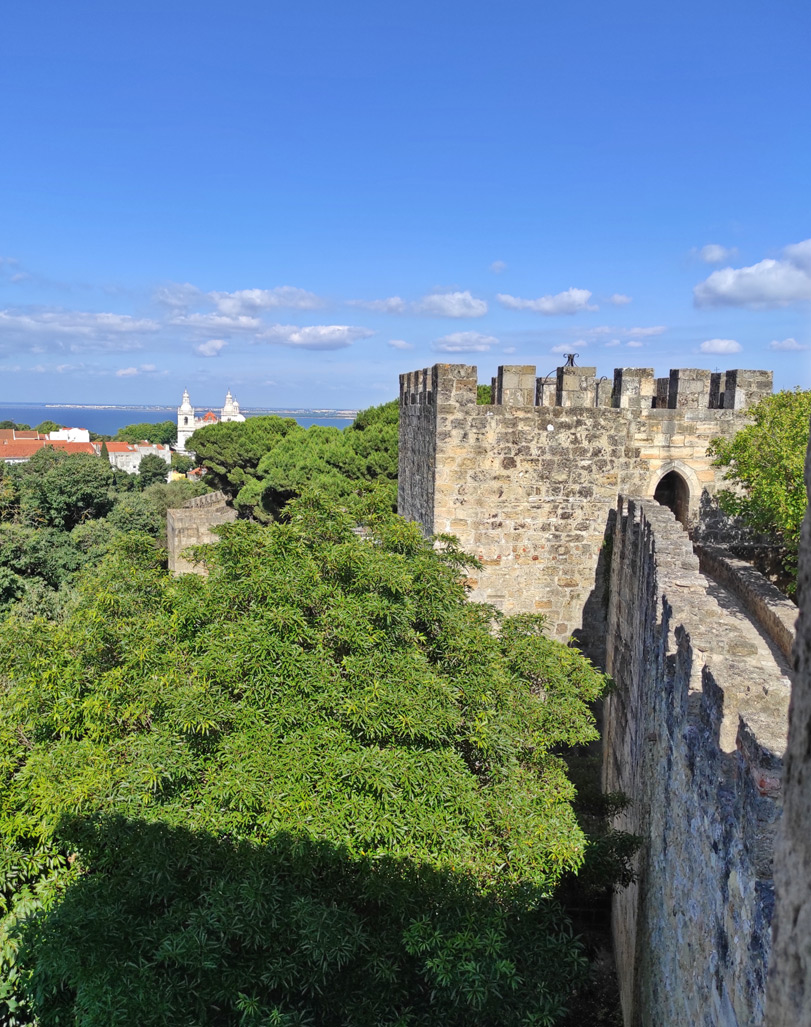
-
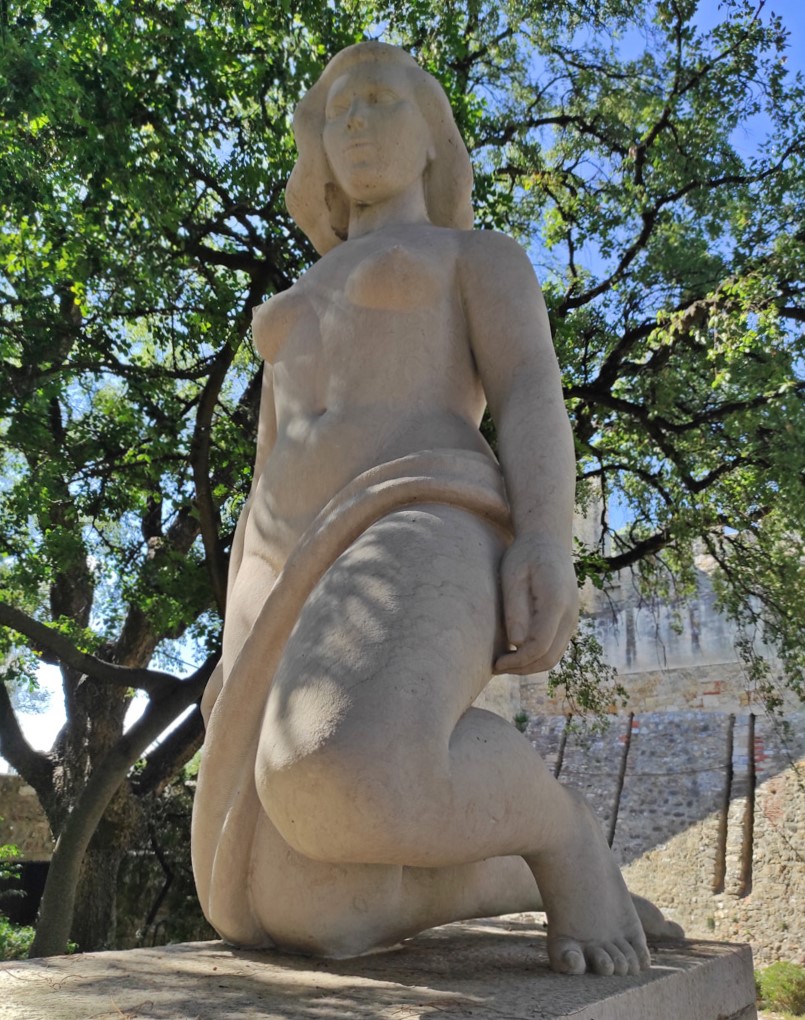
- Castelo de São Jorge
For hundreds of years, this castle was then home to Portuguese kings and a witness to epoch-making events – such as the ceremonial welcome of Vasco da Gama after his exploratory voyage to India, which made Portugal a maritime superpower.
Address: Rua de Santa Cruz do Castelo, Lisboa
Belém
West of Lisbon's centre, where the Tagus River slowly flows into the Atlantic, lies a district that is like a living textbook of Portuguese glory – Belém.
It was from here that ships once set sail into the unknown, carrying on their decks explorers who changed history. The most famous of them, Vasco da Gama, set off from here in 1497 on his voyage to India.
Belém now preserves the memories of this era in the form of several exceptional monuments. The most famous is undoubtedly the Torre de Belém (Belém Tower) – a picturesque fortress tower rising from the riverbank. It was built in the early 16th century to guard the entrance to the harbour and is today one of the most photographed sites in all of Lisbon. With its multitude of turrets, battlements and detailed stonework decorations, it looks like something from a fairy tale. And yet, its history was not at all fairy-tale-like – besides defence, it also served as a customs house and even as a prison, whose underground dungeons were flooded by water at high tide.
Address: Avenida Brasília, Lisboa
-
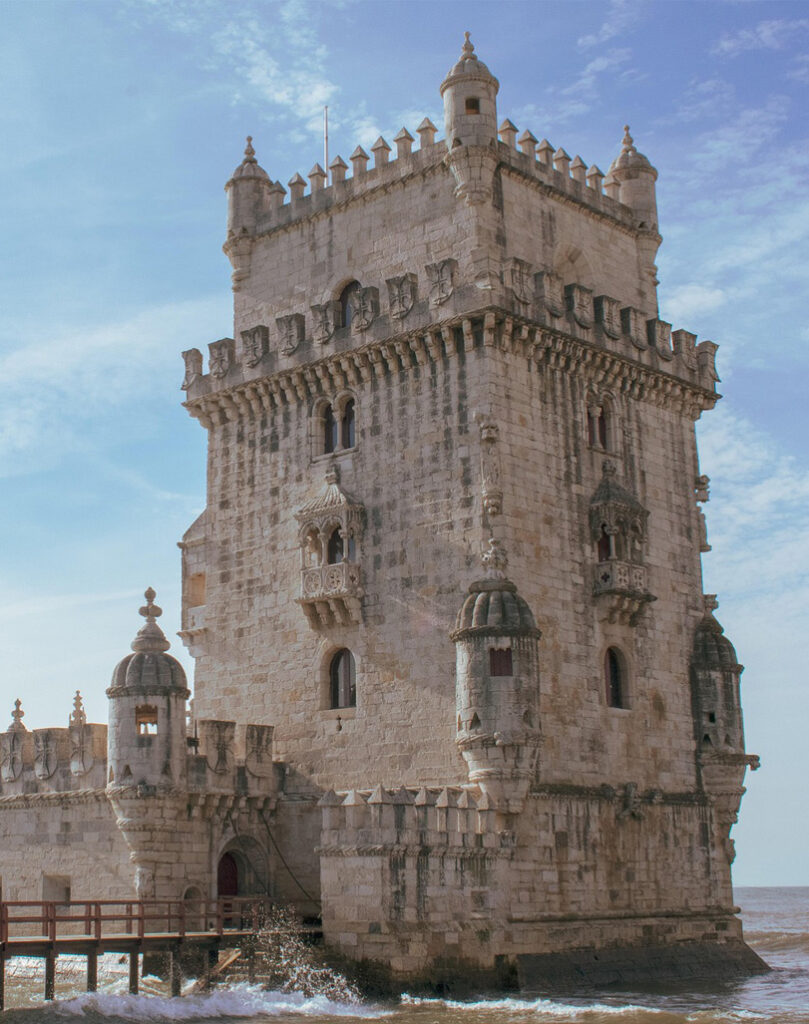
- Torre de Belém
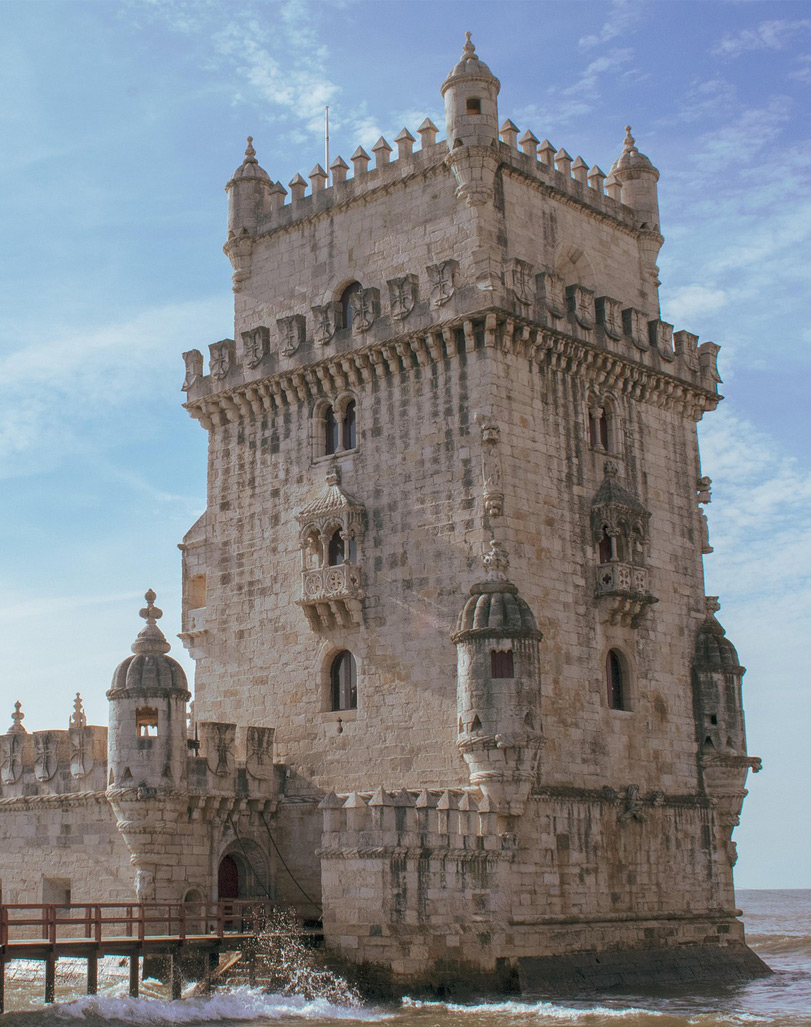
-
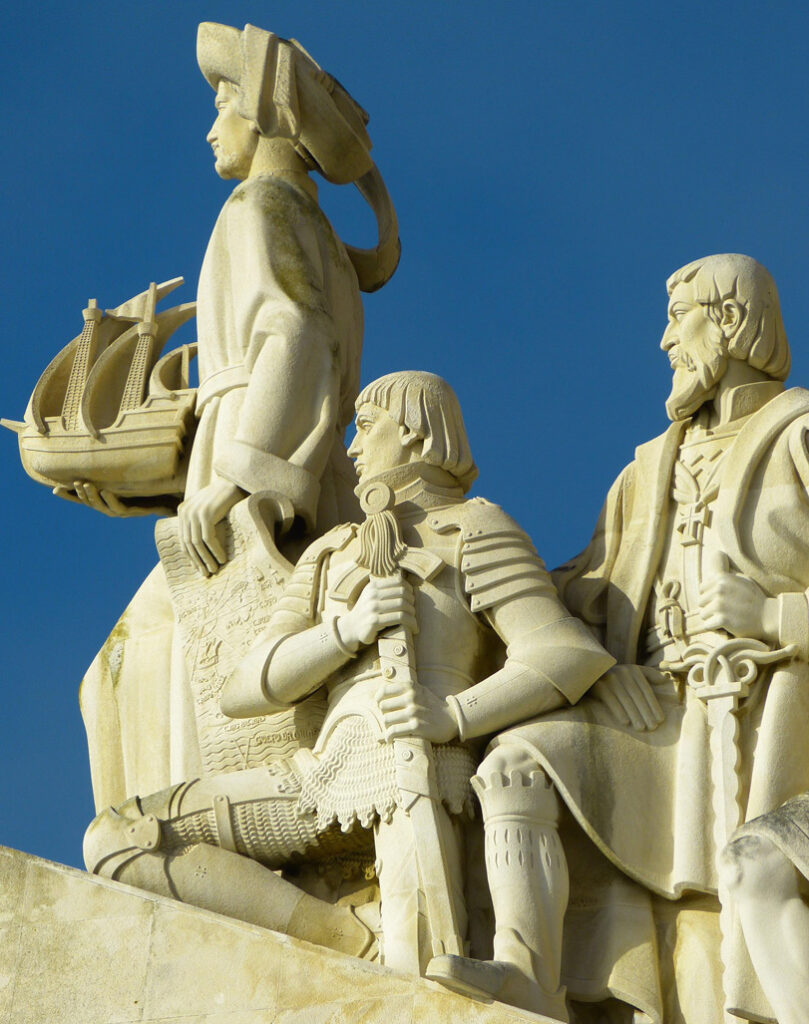
- Padrão dos Descobrimentos
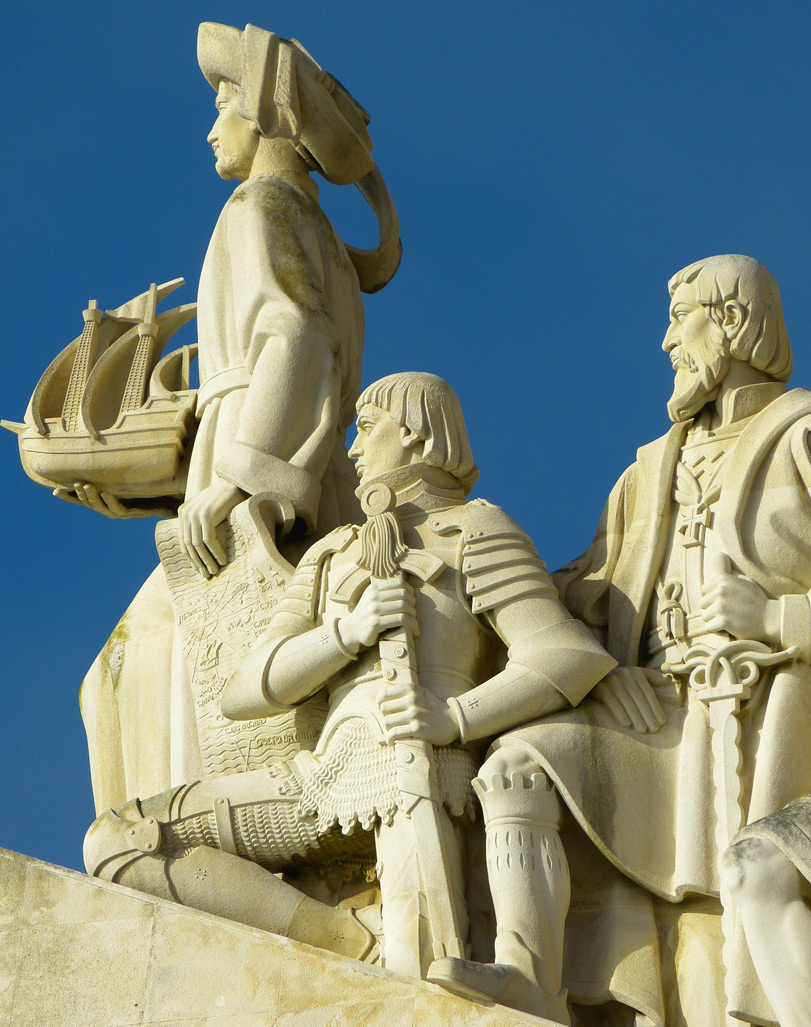
Further along the shore, you'll come across the Padrão dos Descobrimentos (Monument to the Discoveries) – a massive sculptural composition in the shape of a ship's prow, steadfastly bearing a whole gallery of famous figures from Portuguese history, led by the legendary Prince Henry the Navigator.
Interestingly, this iconic symbol of Lisbon was originally just a temporary attraction. In 1940, it was built from lightweight materials for the World Fair. It wasn't until twenty years later, on the anniversary of Henry's death, that it was resurrected in its full glory, made of concrete and pink limestone, to forever commemorate the famous Age of Discoveries.
The centrepiece is a stylized mast adorned with Portuguese coats of arms and "sails" billowing in the wind. Once you're stunned by its external grandeur, don't miss the view from the top. Inside, you'll find an exhibition hall and, most importantly, a viewing platform with a breathtaking panorama of the entire surrounding area.
Address: Avenida Brasília, Lisboa
Mosteiro dos Jerónimos
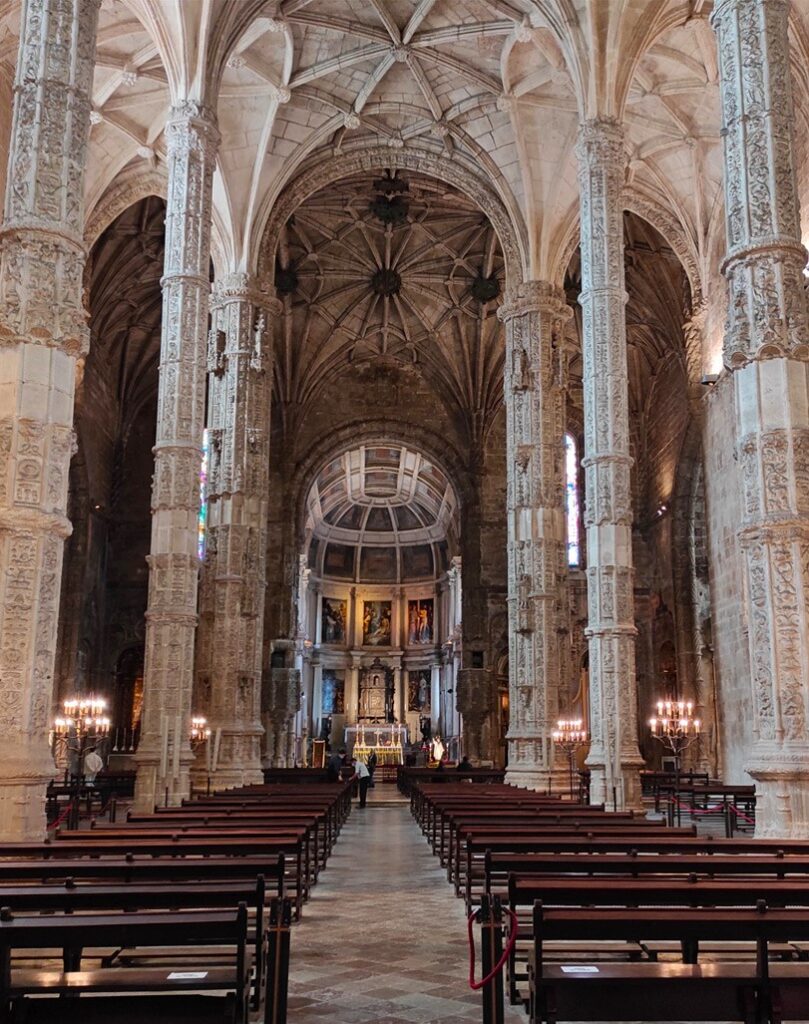
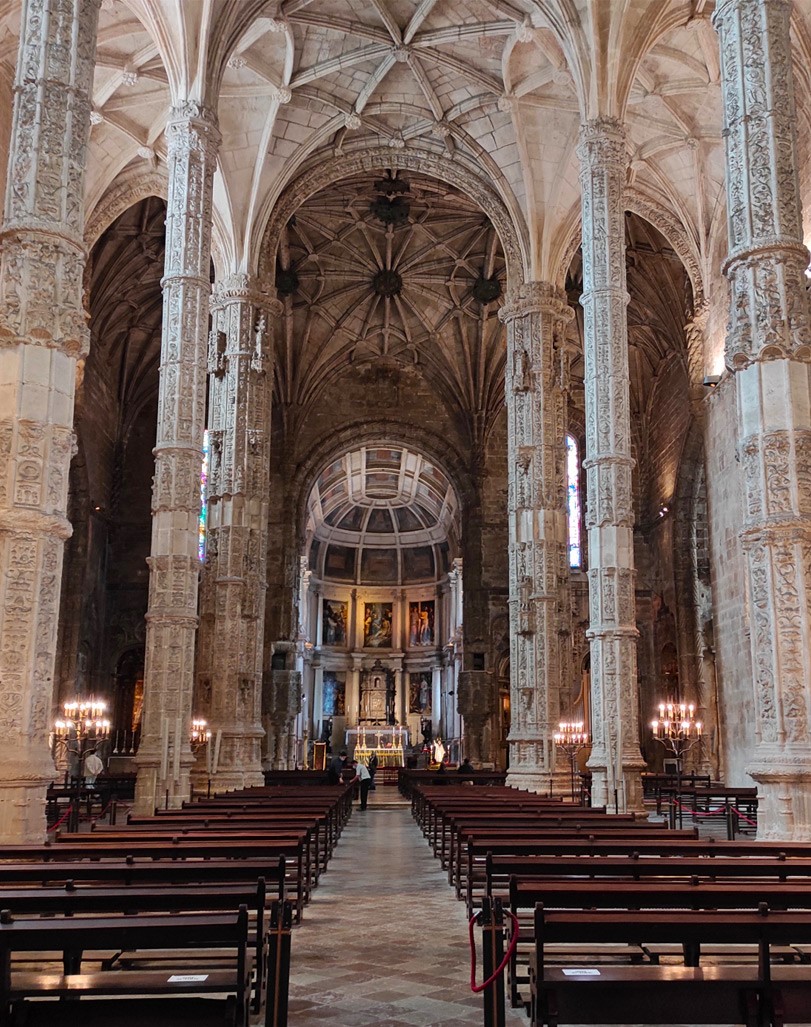
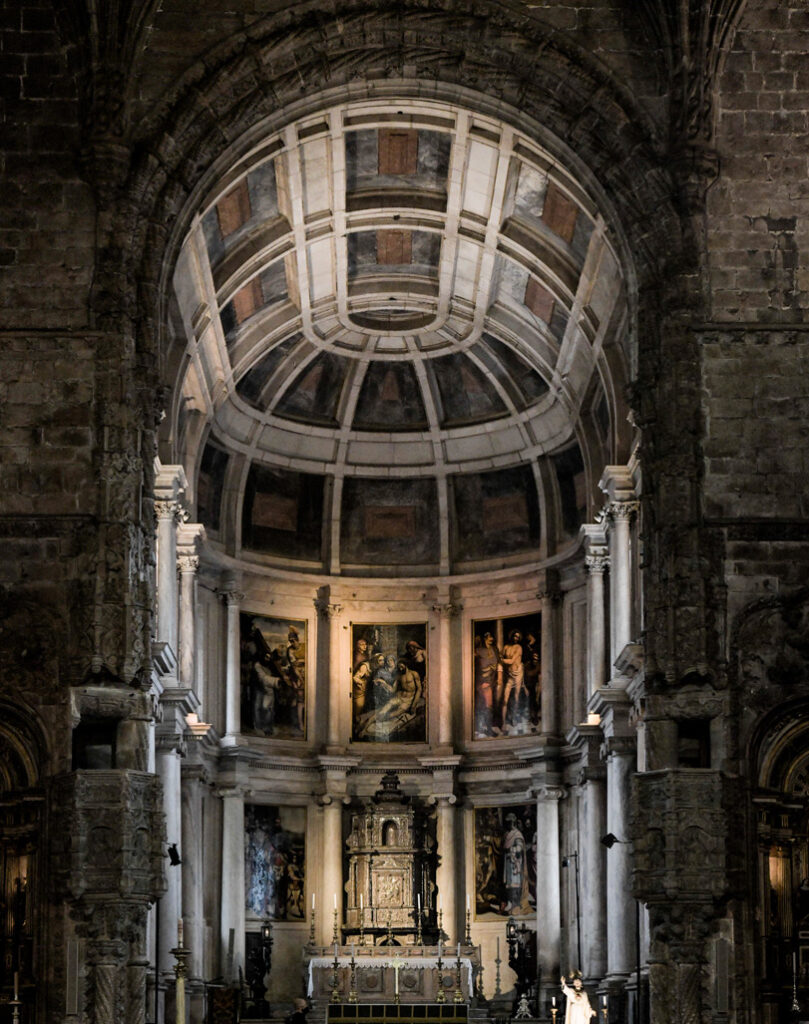
In Belém stands a monument that is not just a masterpiece of architecture—it is a symbol of Portuguese pride, faith, and the Golden Age of Discoveries. Mosteiro dos Jerónimos (Jerónimos Monastery) will amaze you at first glance. And the more you immerse yourself in its details and history, the more you understand why it is one of Portugal’s most treasured gems and rightfully holds the title of a UNESCO World Heritage site.
-
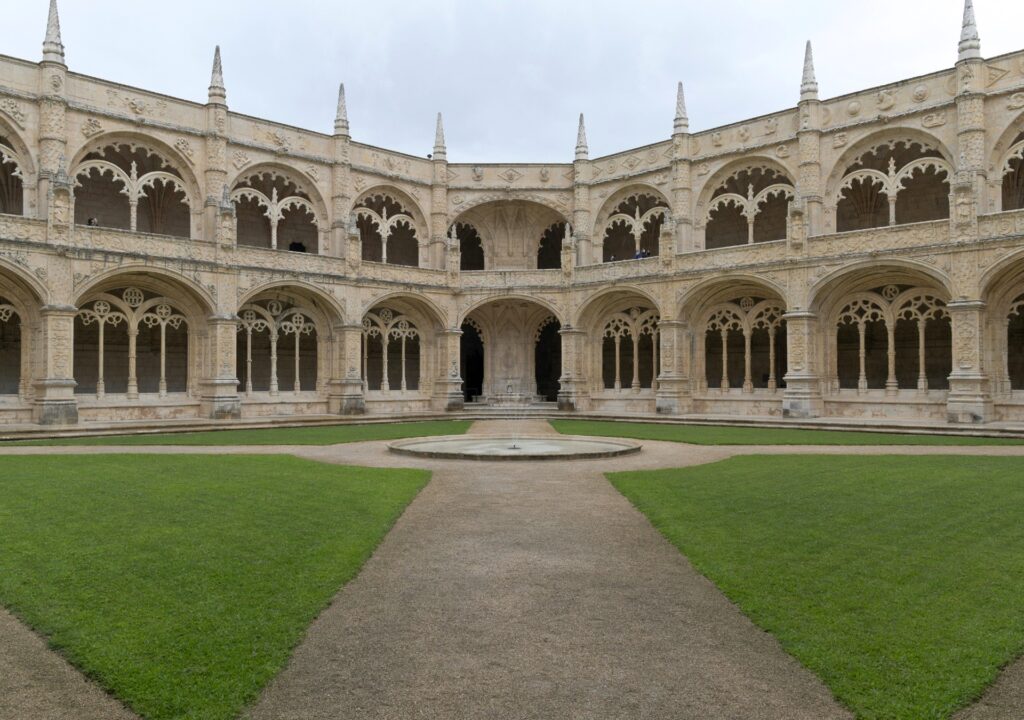
- Mosteiro dos Jerónimos
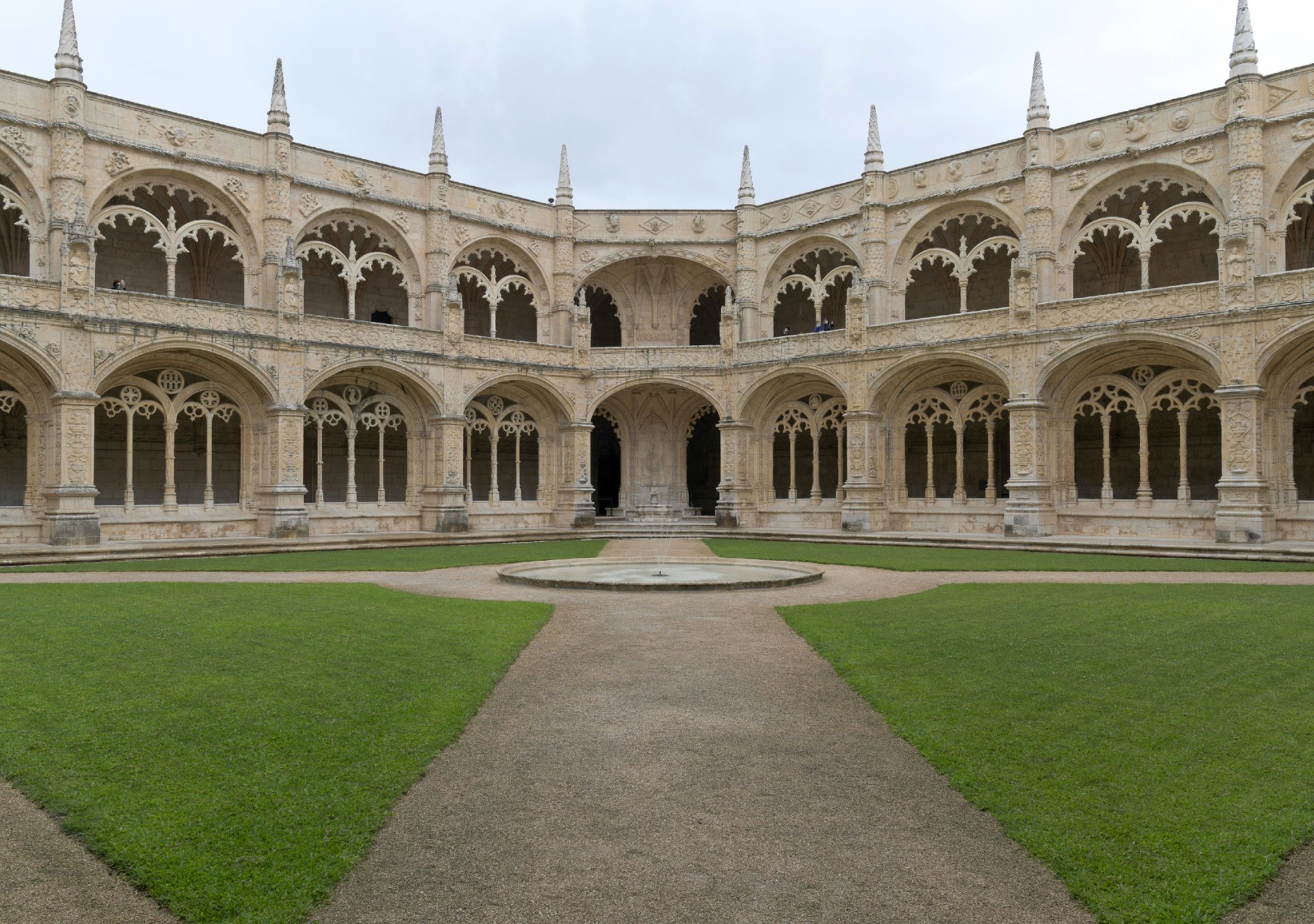
-
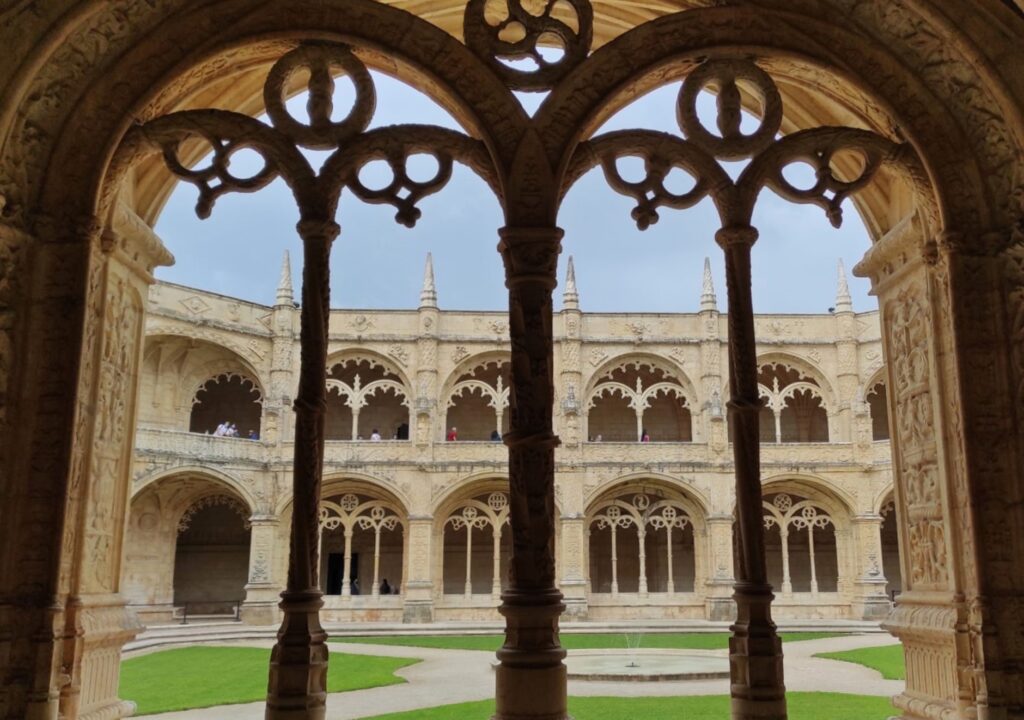
- Mosteiro dos Jerónimos
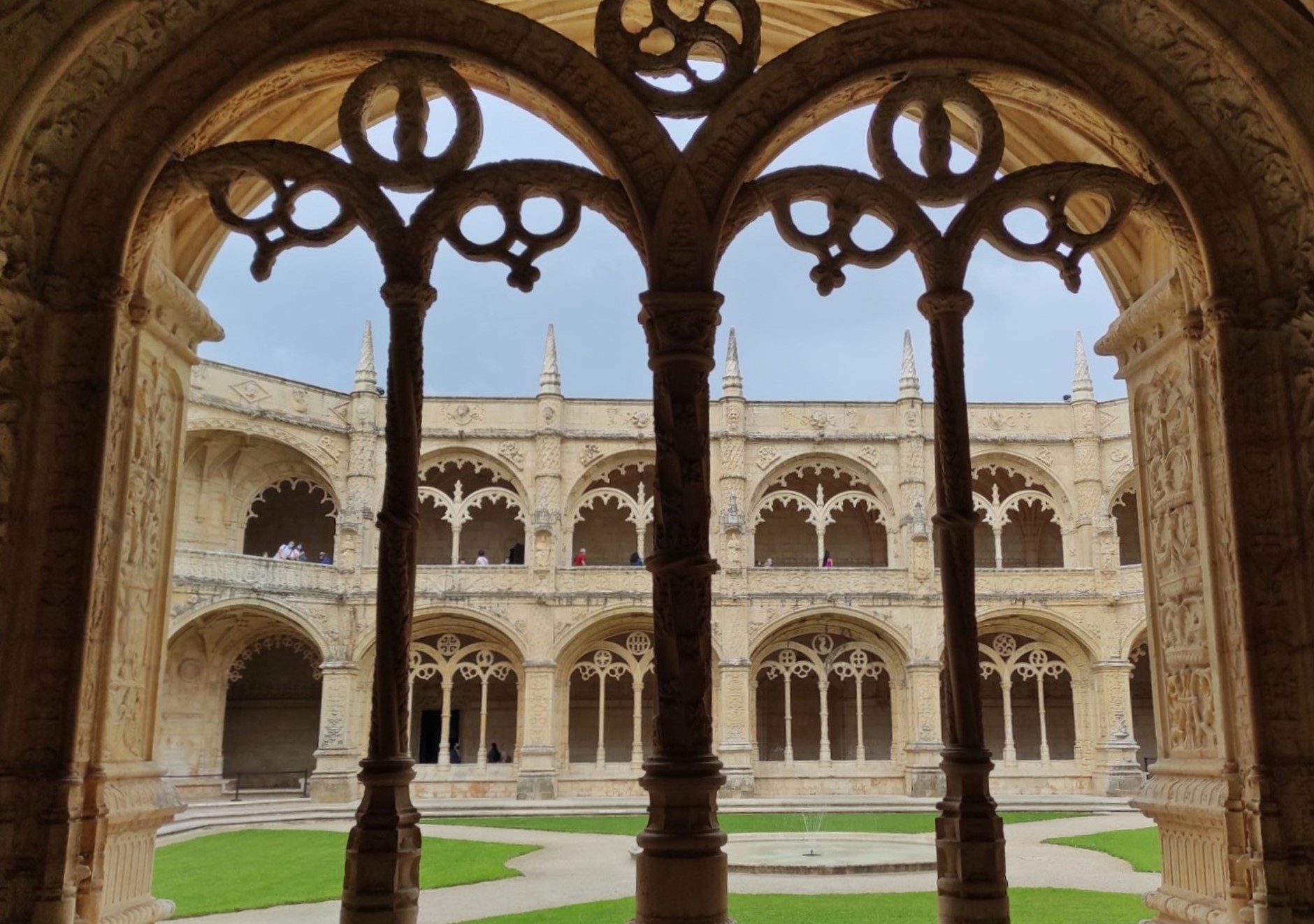
When Vasco da Gama set sail on his voyage to India, he came here to seek blessings—on the very site where the monastery would later be built. Inspired by the successes of exploration and his own piety, King Manuel I commissioned this spiritual sanctuary as a tribute to Portugal’s discoveries and a symbol of the empire’s power.
And he was no minimalist. He summoned Europe’s finest architects and sculptors for the construction, funding it with the wealth flowing in from the new colonies. The result? An architectural marvel in the Manueline style—richly decorated, nautically themed, and both monumental and poetic.
-
- Mosteiro dos Jerónimos
-
- Mosteiro dos Jerónimos
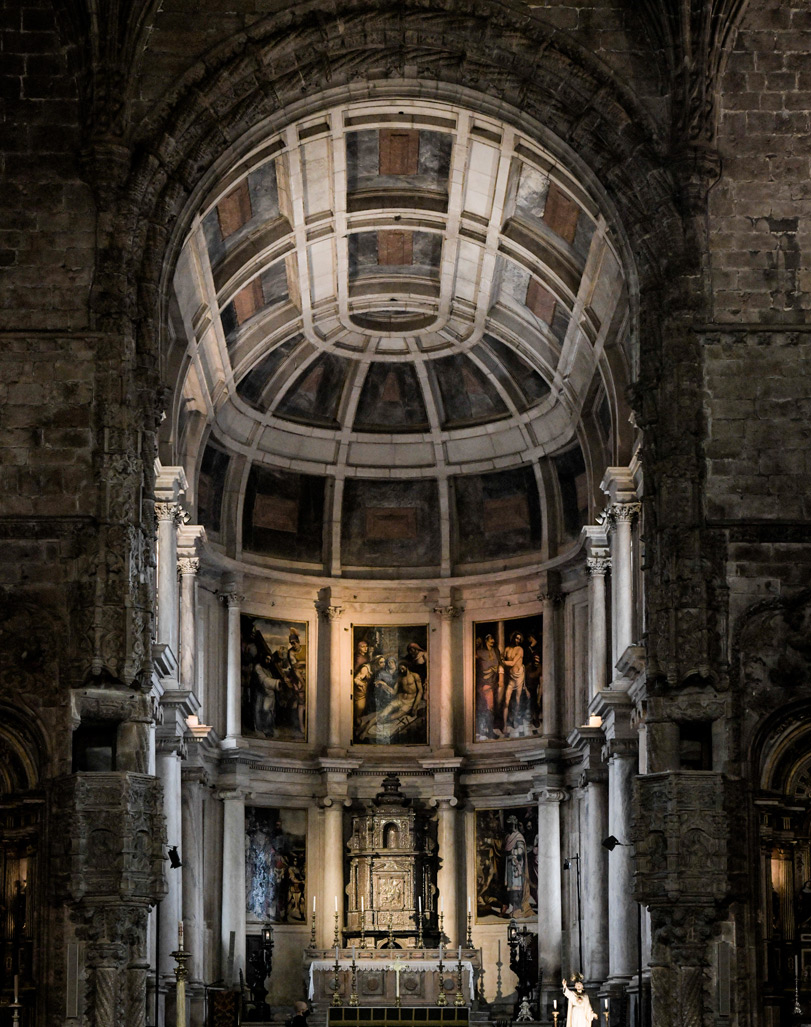
Just entering the monastery is an experience in itself. The southern portal of the church is a showcase of stonemasonry mastery – among the maritime motifs and symbols of faith, you will also find statues of saints, the Archangel Michael, and the Madonna of Belém. On the western side, there are portraits of the royal couple themselves: Manuel I and his wife, Maria of Aragon.
Inside, you will be captivated by the serene beauty of the nave and the unique monastery gardens. And don’t miss the old monastery refectory and the former library.
Address: Praça do Império, Lisboa
Museu de Marinha
If you are fascinated by ships, the sea, and the stories of brave explorers, a visit to the Museu de Marinha (Maritime Museum) in the Jerónimos Monastery is almost a must.
The museum was created on the initiative of King Luís I, a former naval officer and lover of culture. His vision gave rise to a unique collection of ship models, navigational instruments, maps, weapons, and photographs that tell the fascinating story of maritime Portugal – from its military and merchant fleets to recreational sailing and fishing.
A turning point was the donation from collector Henrique Maufroy de Seixas, who gifted his private collection to the museum, comprising over 20,000 photographs and dozens of precise ship models.
Today, the Maritime Museum is a place where visitors can see replicas of royal boats, original naval uniforms, or let themselves be swept away by the adventure of discoveries.
Address: Praça do Império, Santa Maria de Belém, Lisboa
Bairro Alto
If you want to experience a city that pulses into the night while retaining the charm of old times, head to Bairro Alto – a district that appears almost unassuming by daylight but transforms into one big stage after dark.
Bairro Alto lies high above the city centre and miraculously survived the 1755 earthquake almost unscathed. As a result, you can still wander here among houses that date back to the 16th century.
Its grid-like streets were once home to merchants and artisans. Today, however, you'll find a diverse mix – from peeling tenement buildings to elegant residences, from hidden galleries to boutiques of world-renowned designers. Bairro Alto is, after all, a living organism – a bit bohemian, a bit decadent, but above all, authentic.
If you're a lover of beautiful views, then you definitely shouldn't miss one of Lisbon's most stunning viewpoints – Miradouro de São Pedro de Alcântara. Not only will you find a romantic garden here, but also a panoramic view of Lisbon, featuring the Saint George's Castle as its centrepiece.
Our tip:
Lisbon is beautiful, but also quite hilly. Fortunately, there's an elegant solution: the historic funicular Elevador da Glória, which will take you from Praça dos Restauradores straight up to Miradouro de São Pedro de Alcântara.
Baixa
Imagine a place destroyed by a devastating earthquake, only to rise from its ruins a few years later as one of the most charming neighbourhoods. Welcome to Baixa – the most central and famous part of Lisbon.
Here, you won't get lost in a maze of narrow alleyways. Baixa is different. It's a showcase of elegance and order, a monumental business card of the city, brought to life by the Marquis of Pombal after nature wiped out a large part of the city in 1755. Wide boulevards lined with elegant buildings with tiled facades, a dense bustle of shops and cafés – simply a place that is alive and buzzing every day.
Your walk through Baixa can begin on a breathtaking avenue. Avenida da Liberdade is a boulevard over a kilometre long – it's a fashion hub, a monument, and a promenade all in one. Let yourself be enchanted by the opulent 19th-century buildings and look down to admire the ingenious black and white mosaic sidewalks.
Square Praça dos Restauradores is an eternal tribute to the heroes who fought for Portugal's independence from Spain in 1640. It is dominated by a majestic obelisk and also by the iconic Éden hotel building, which breathes the Art Deco era.
-
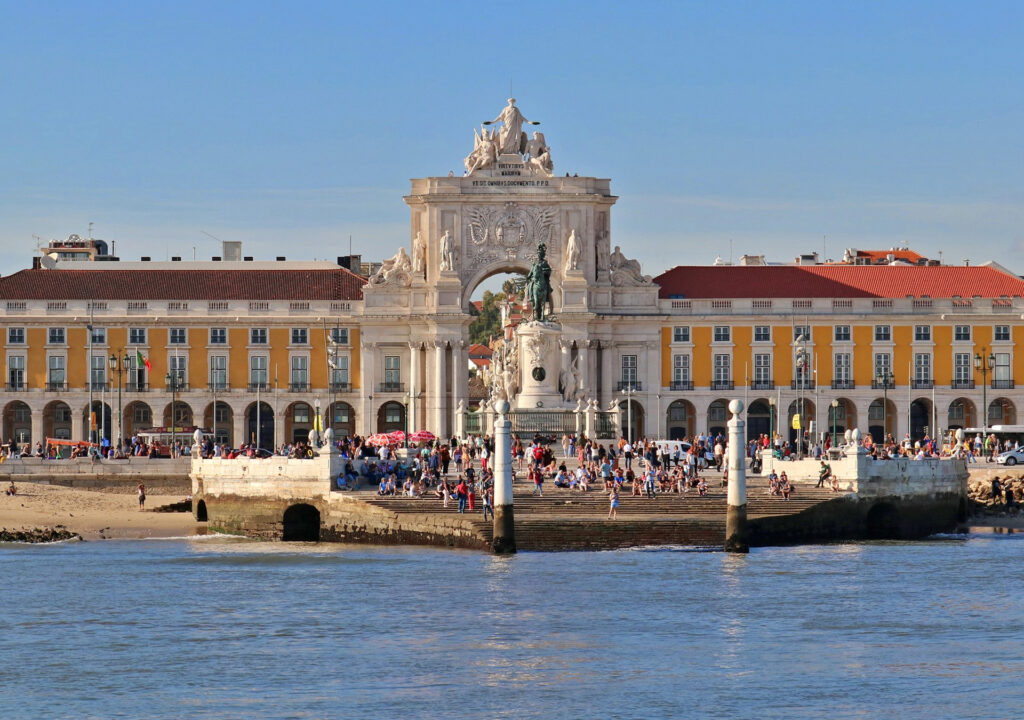
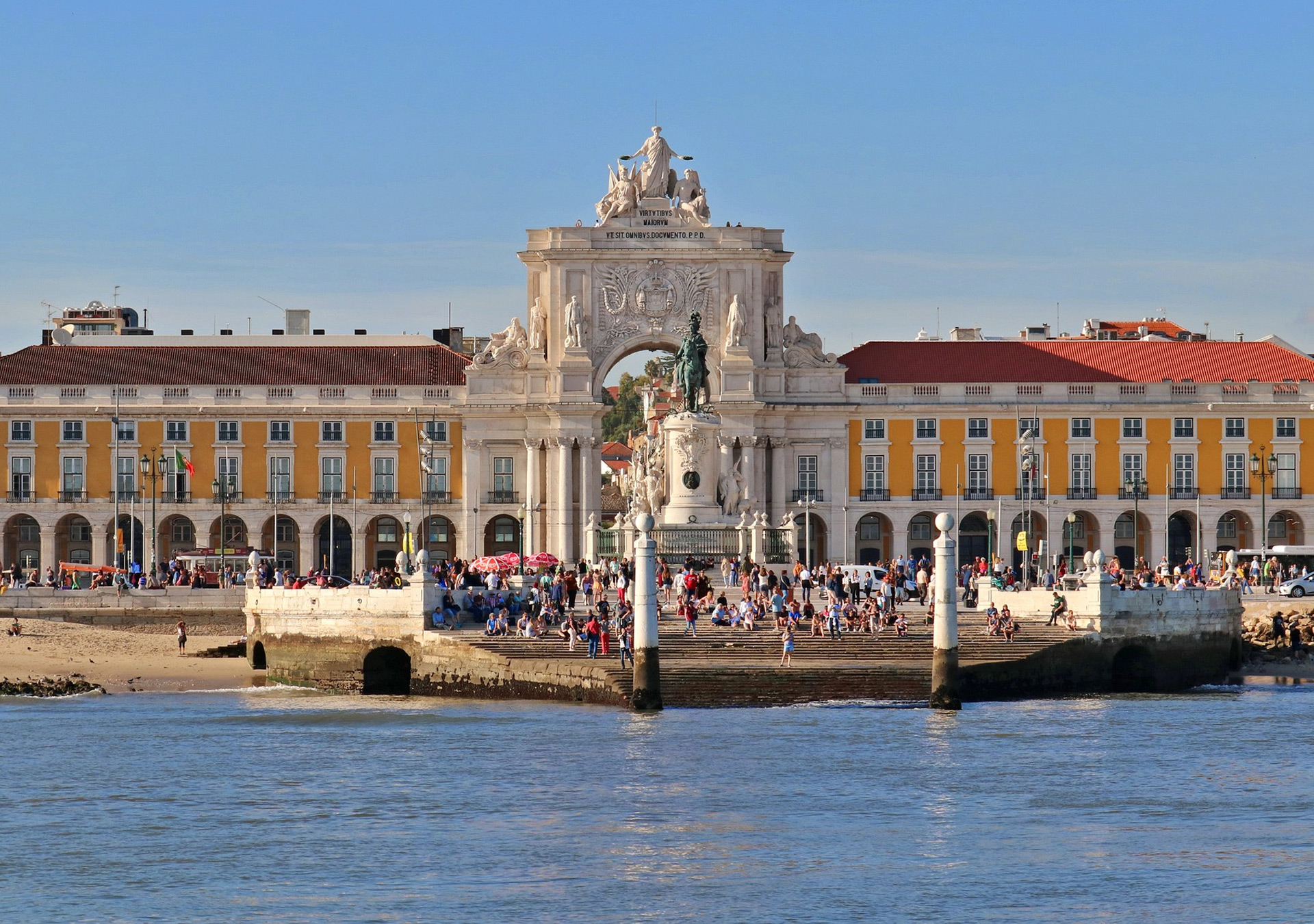
- Praça do Comércio
-
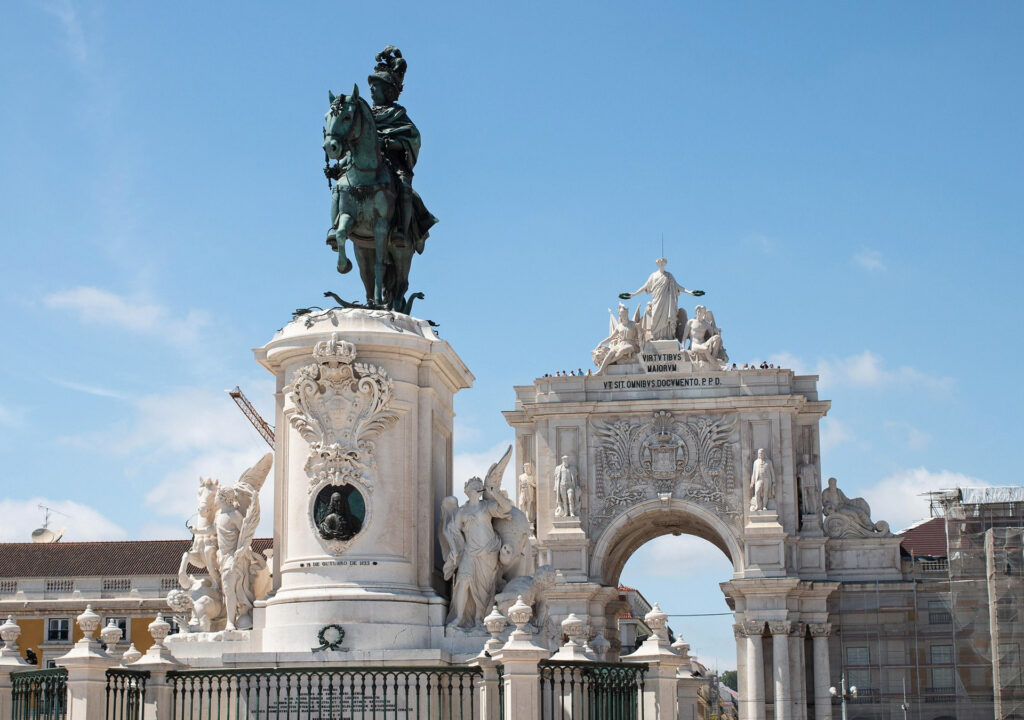
- Praça do Comércio
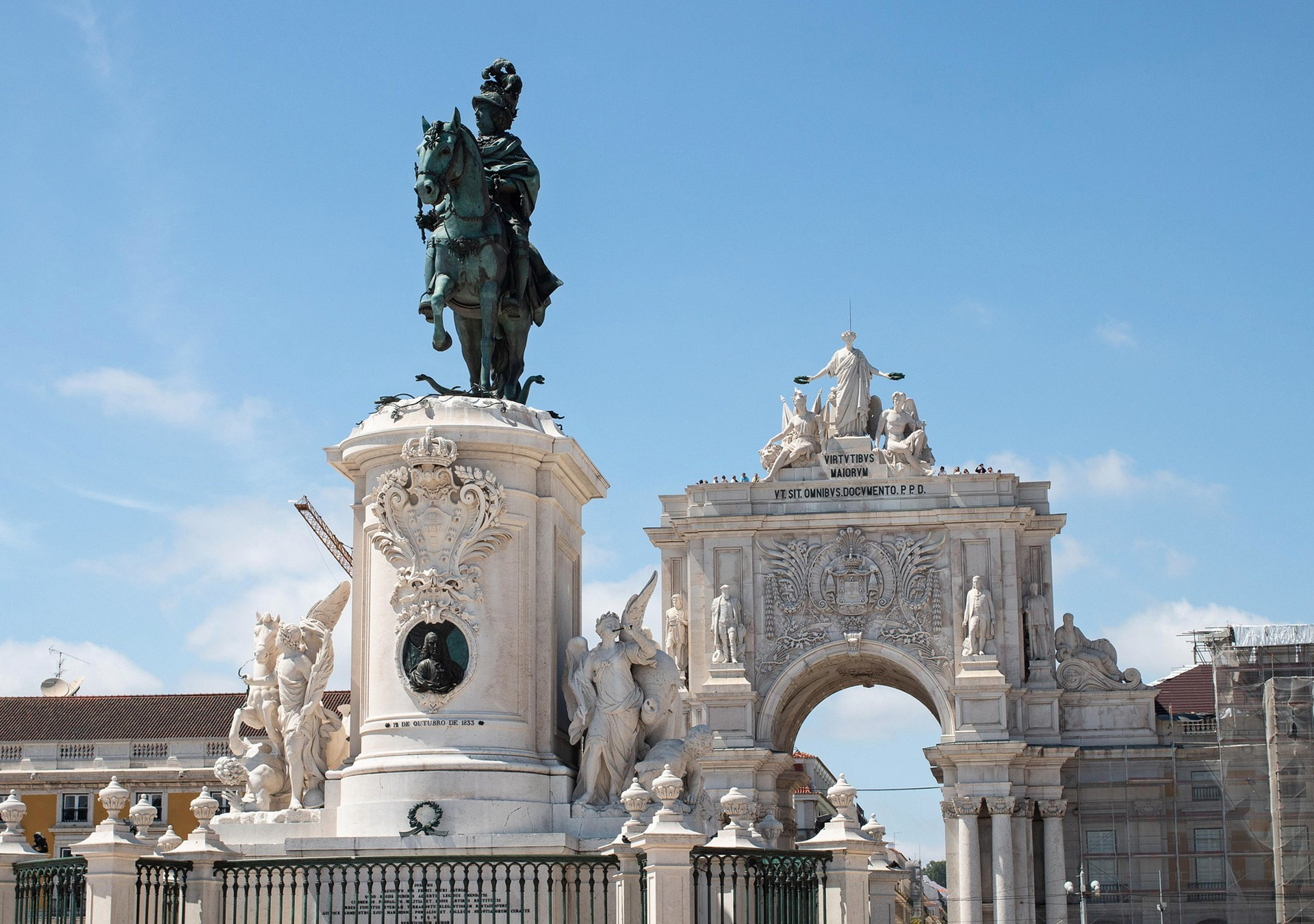
The elegant pedestrian zone of Rua Augusta, lined with boutiques and cafés, leads you like a royal procession to Praça do Comércio – without exaggeration, the most splendid and majestic square in Lisbon. Surrounded by yellow arcaded buildings and opening onto the wide riverfront, it breathes history upon you. It was here that the royal palace stood before the earthquake erased it from the map forever.
And then there is it – the Santa Justa Lift. This neo-Gothic iron beauty from 1902 is both a means of transport and a magical tourist attraction. Originally built to connect Baixa with the higher district of Chiado, it now serves primarily as an observation deck. It lifts you to the heights, offering a panoramic view of the entire district.
Address: Rua de Santa Justa, Lisboa
What to wear?
Comfortable shoes: Lisbon is a city of hills and cobblestone streets, so sneakers or sandals with sturdy soles are essential.
Layering: It's hot in the summer, but it can get windy in the evenings. Pack a light sweater, windbreaker, or scarf.
Our warning:
Tram 28? Be careful! Yes, the famous yellow tram is an icon of Lisbon – it winds through ancient neighbourhoods and offers stunning views. But don't be fooled... The reality is often different.
The tram is usually packed to the brim and is a favourite haunt for pickpockets who prey on distracted tourists. If you want to truly enjoy the route, we recommend walking it instead – you'll see more, you can stop wherever you like, and you won't be packed in like sardines.
And if you still don't want to miss the ride? Go as early in the morning as possible.
Our bonus tip:
Buy the Lisboa Card. It includes unlimited public transport and entry to many museums and landmarks. With good planning, it will more than pay for itself.
What to taste?
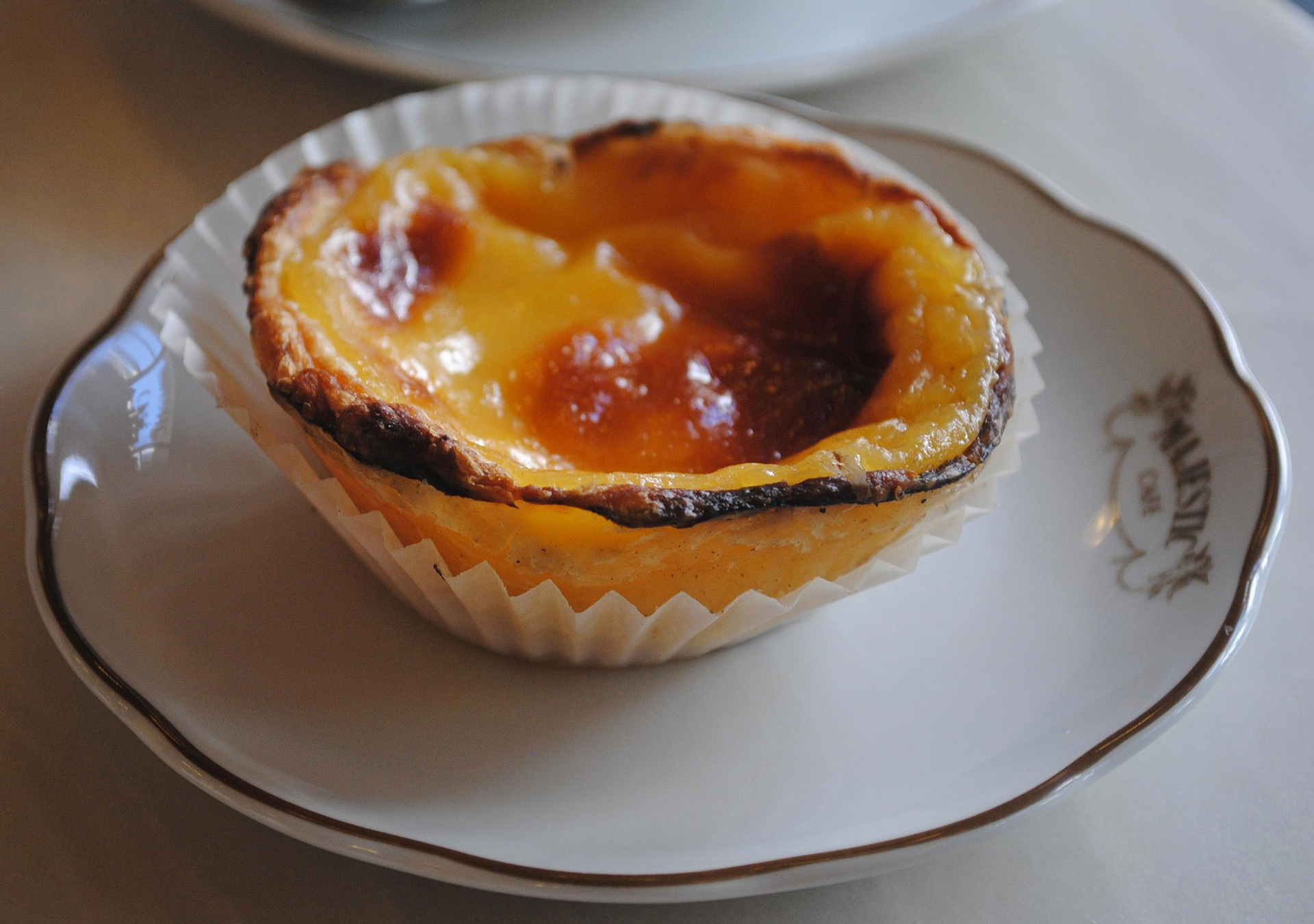
Pastel de nata – a traditional Portuguese custard tart made from puff pastry with a vanilla cream. Best enjoyed at the famous Pastéis de Belém.
Address: Rua de Belém 84 & 92, Lisboa
Sardinhas assadas – grilled sardines, typical especially in the summer. They taste best at one of the summer festivals or in a traditional tascas (authentic family-run taverns).
Ginjinha – a cherry liqueur, ideally with a piece of fruit in the glass. We recommend the bar A Ginjinha Espinheira.
Address: Largo de Sao Domingos 8, Lisboa
-
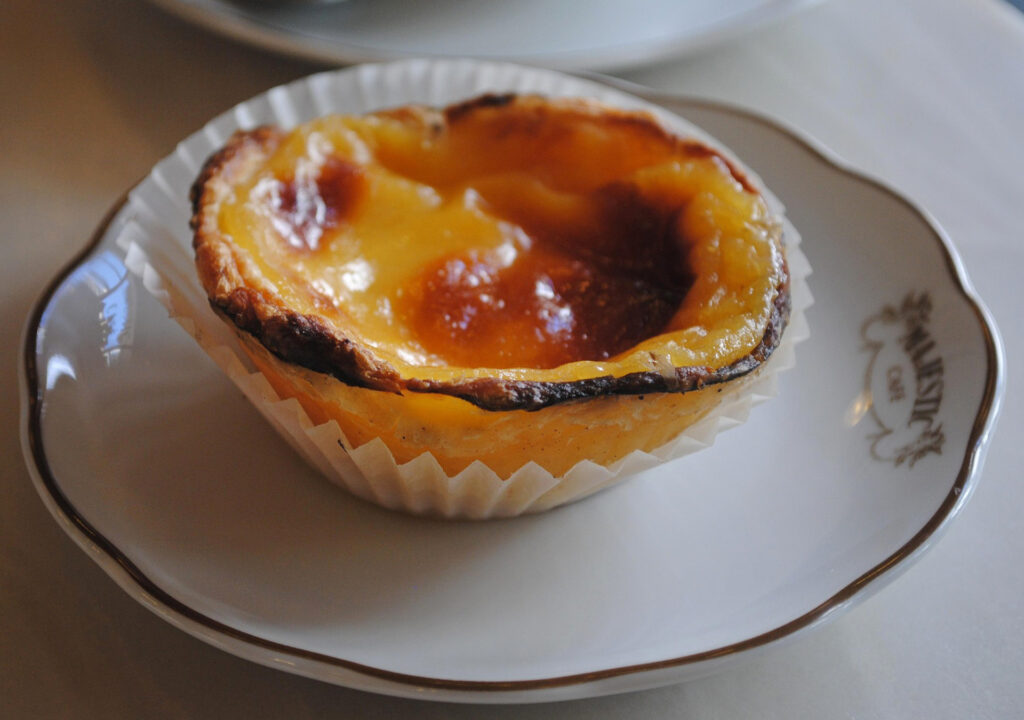
- Pastel de nata
-
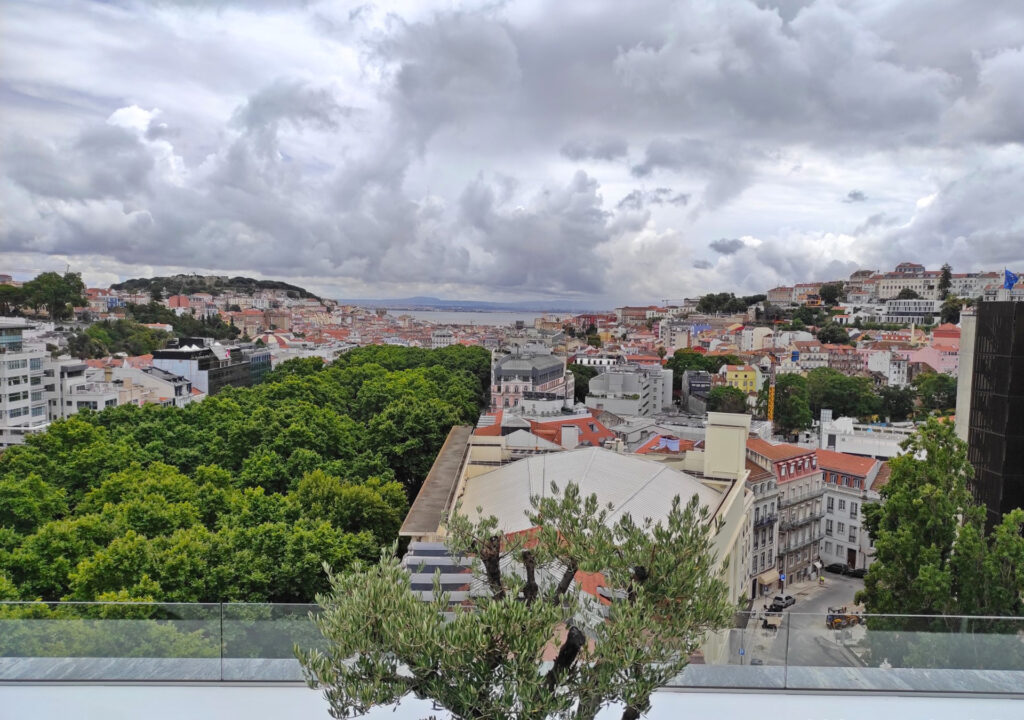
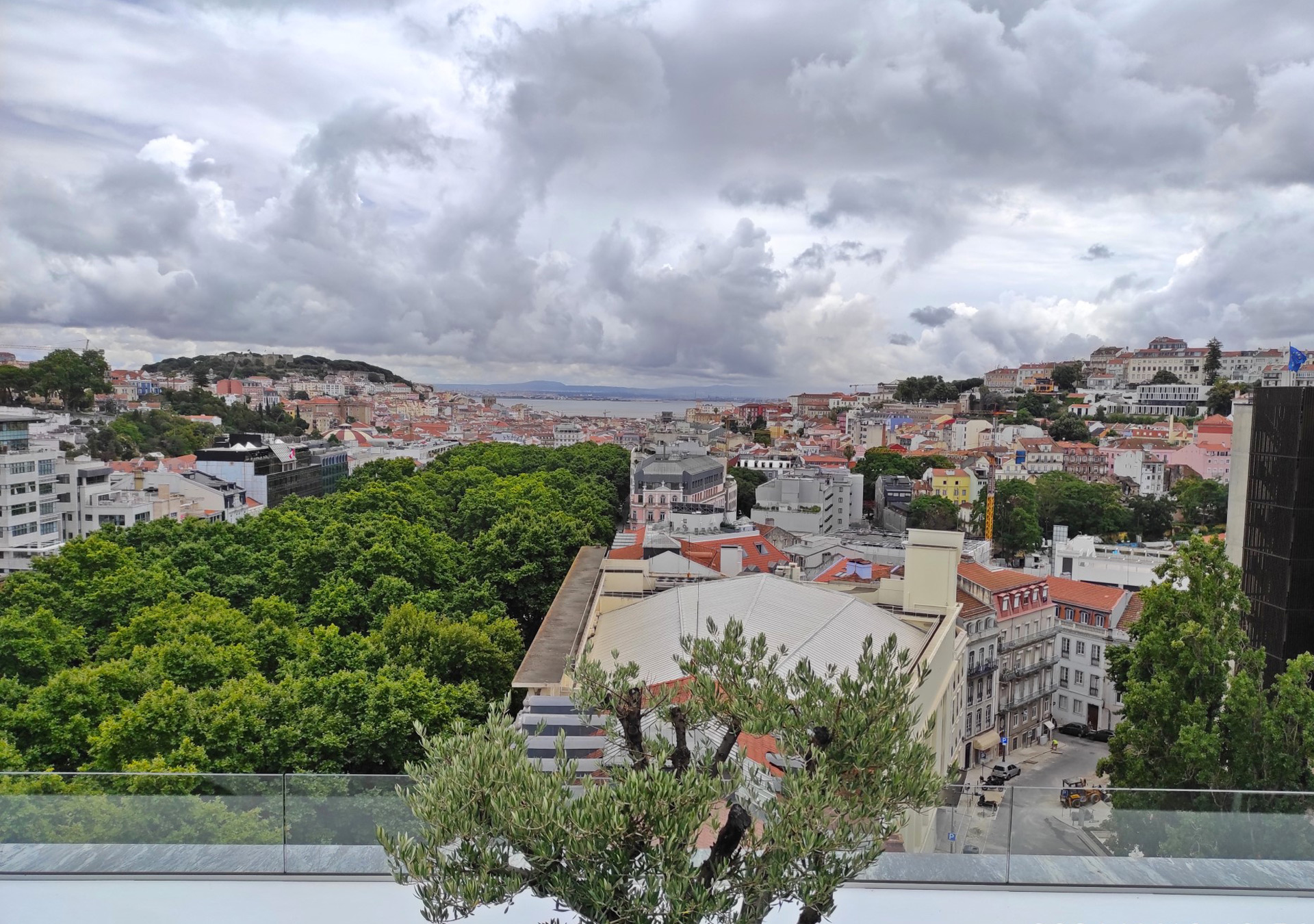
- View from the hotel
Where did we stay?
For our stay in Lisbon, we chose a hotel that perfectly combined the comfort of modern design with the city's atmosphere – AVANI Avenida Liberdade. It's located right on the iconic Avenida da Liberdade in the Baixa district.
Mornings here begin with the aroma of fresh coffee and a rich breakfast that will energize you for a day full of exploration.
You can end your evenings in style – on the rooftop terrace with a view of the city. A glass of wine in your hand, a warm breeze in your hair, and the lights of nocturnal Lisbon below you. A magical moment you won't soon forget.
Address: Rua Júlio César Machado 7/9, Lisboa
Where to go for a swim in the sea?
Praia de Carcavelos – golden sand, clean sea, and within easy reach by train from Lisbon. This wide beach is the perfect escape from the city bustle. You'll find everything you need for a relaxing day by the sea: sunbeds, bars, showers, toilets, and sports equipment.
The beach is popular, but due to its size, it doesn't tend to be extremely crowded (especially on weekdays).
How to get there? Take the Linha de Cascais commuter train from the Cais do Sodré station in central Lisbon. Get off at the Carcavelos stop (about a 30-minute ride). It's about a 10-minute walk from the station to the beach.