



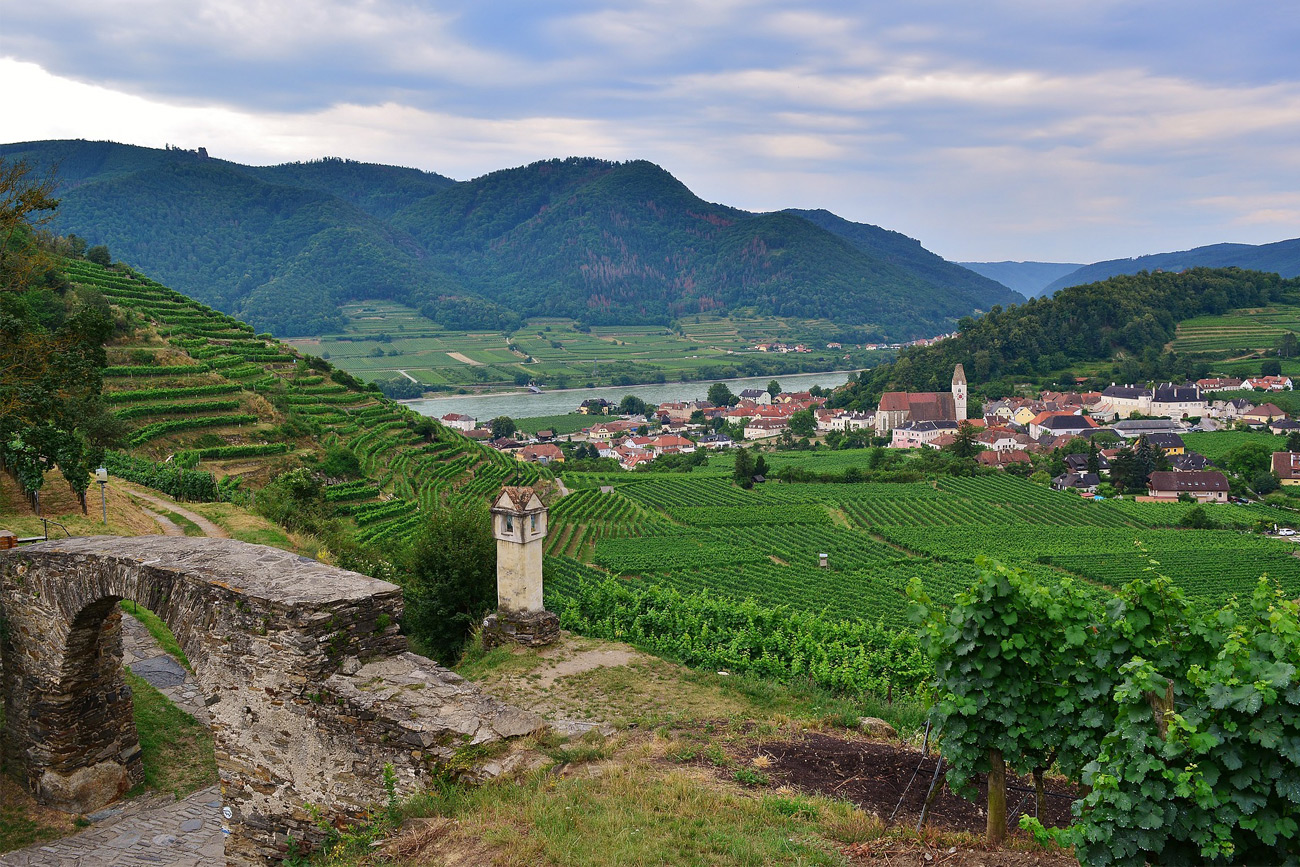
The Wachau, one of the most beautiful valleys in Lower Austria, is shaped by the elegant bends of the crystal-blue Danube River and the green surrounding hills dotted with terraced vineyards and apricot orchards.
This unique river landscape between the towns of Melk and Krems an der Donau makes the Wachau Valley, a UNESCO World Heritage Site, arguably Austria’s most significant wine jewel. However, the entire region offers much more, as world-renowned wines are complemented here by delicate apricot products, the atmosphere of picturesque towns, and cultural heritage of immeasurable value.
In the following lines, we offer you a taste of the best that you can discover in this famous Austrian valley.
Melk Abbey
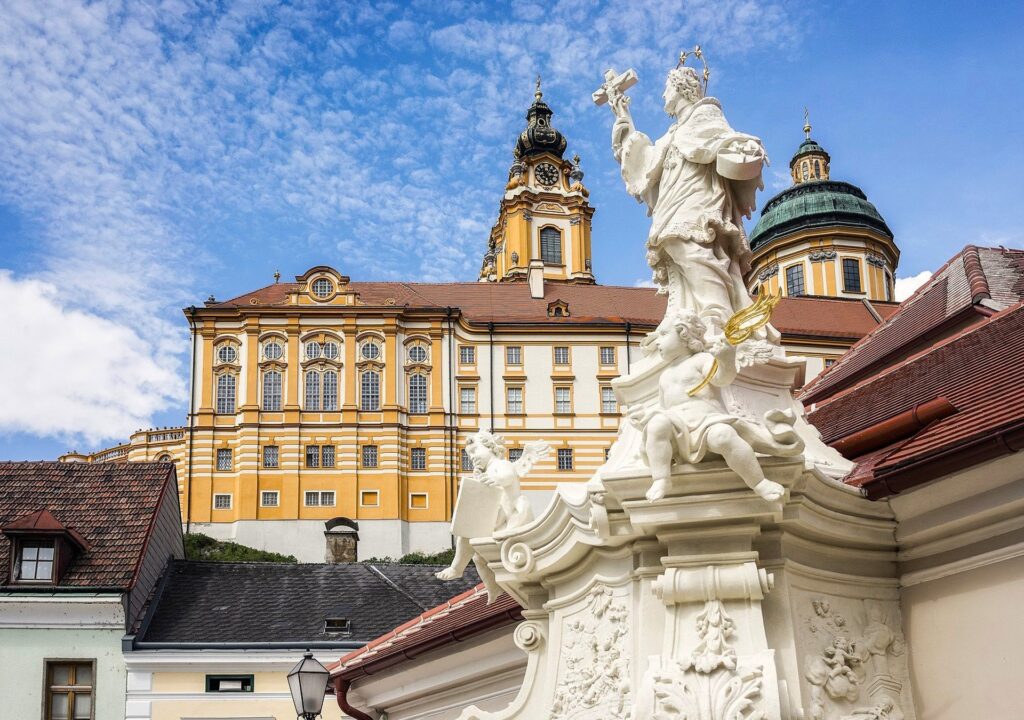
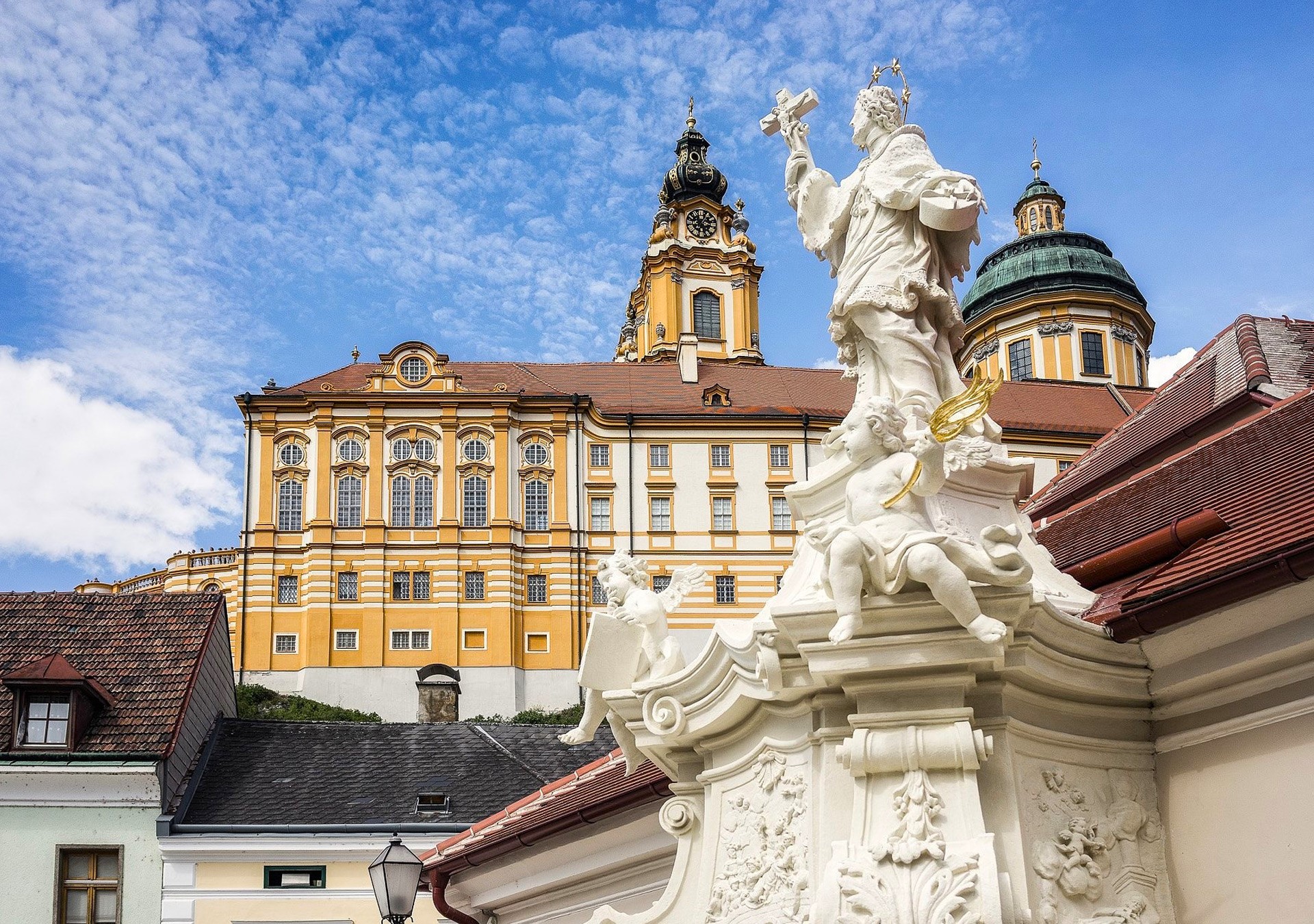
We decided to begin our journey through the Wachau Valley at Melk Abbey (Stift Melk). This sacred structure from the 11th century, perched atop a rocky outcrop, is a masterpiece of Baroque art so perfectly integrated into the surrounding landscape that the artistic and natural elements create an impression of perfect harmony and unity. For more than 900 years, this impressive Benedictine abbey has been the spiritual and cultural centre of the region and is rightfully called the "Gateway to the Wachau."
-
- Melk Abbey
-
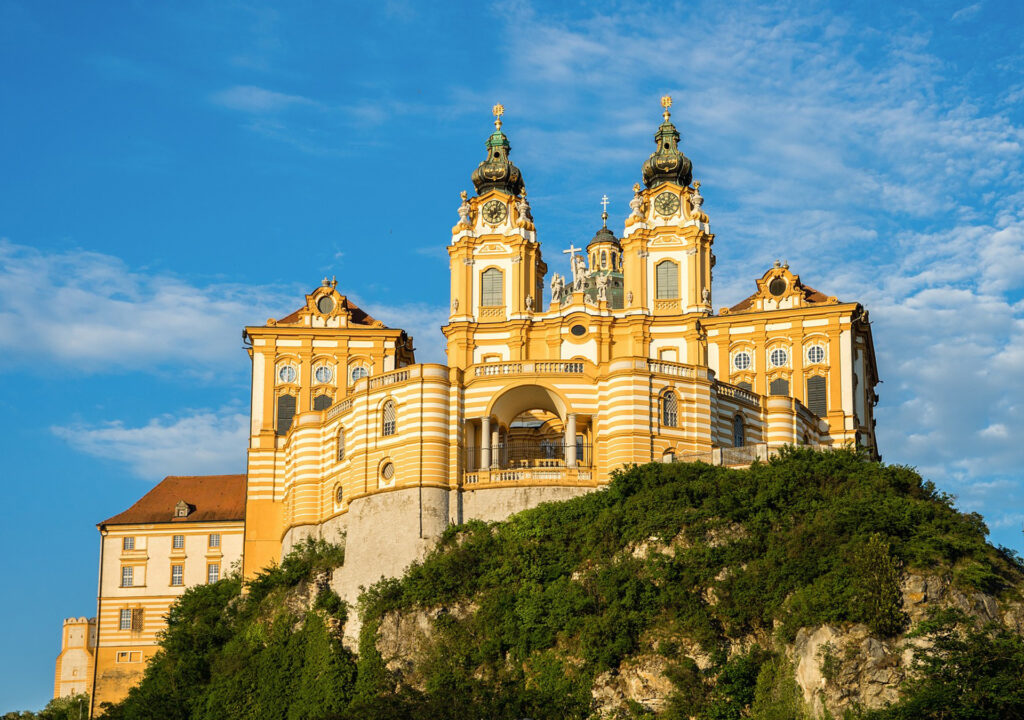
- Melk Abbey
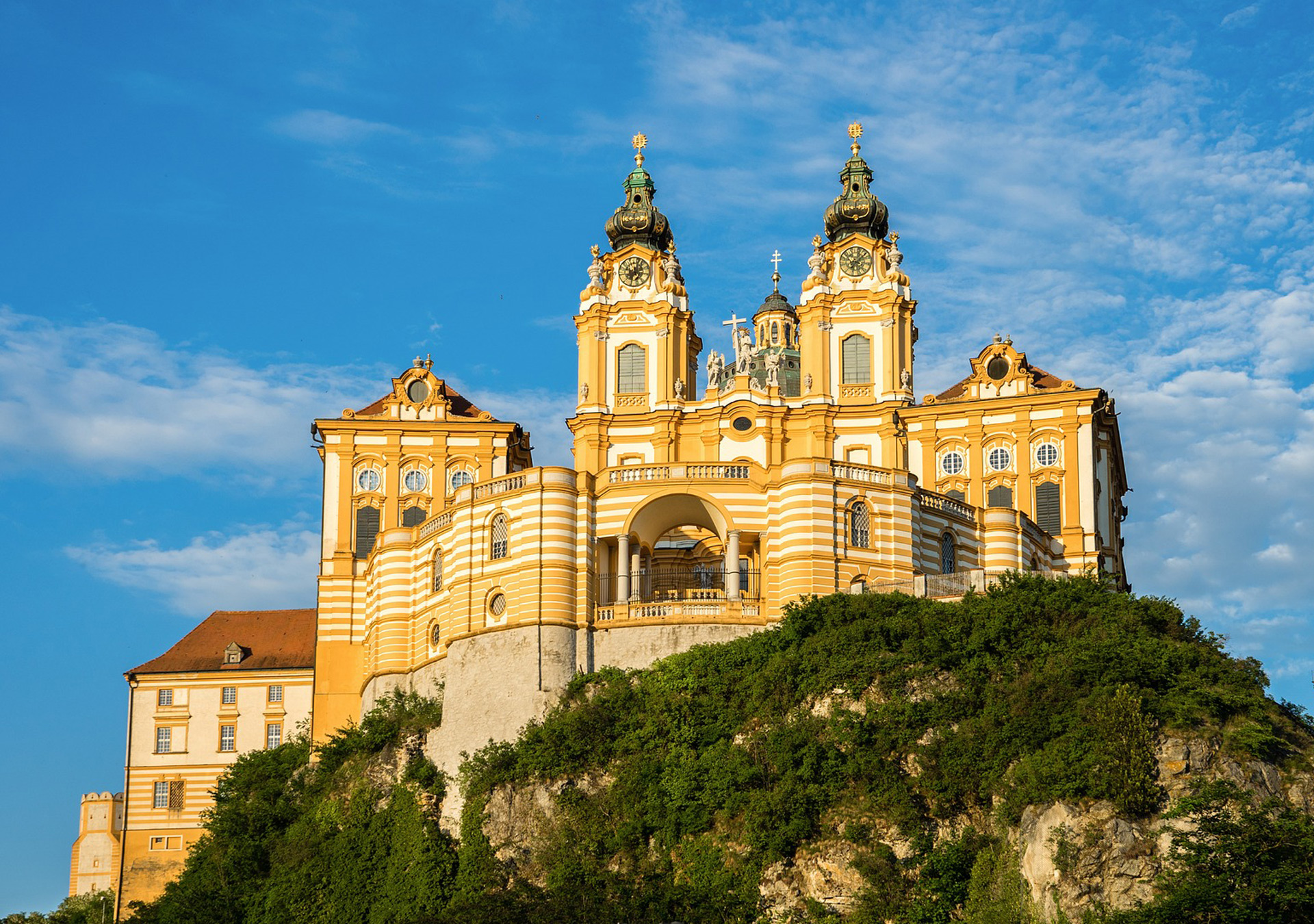
The tour route first took us to the Imperial Rooms, which today serve as a museum, impressively documenting the historical, artistic and even the contemporary significance of the monastery.
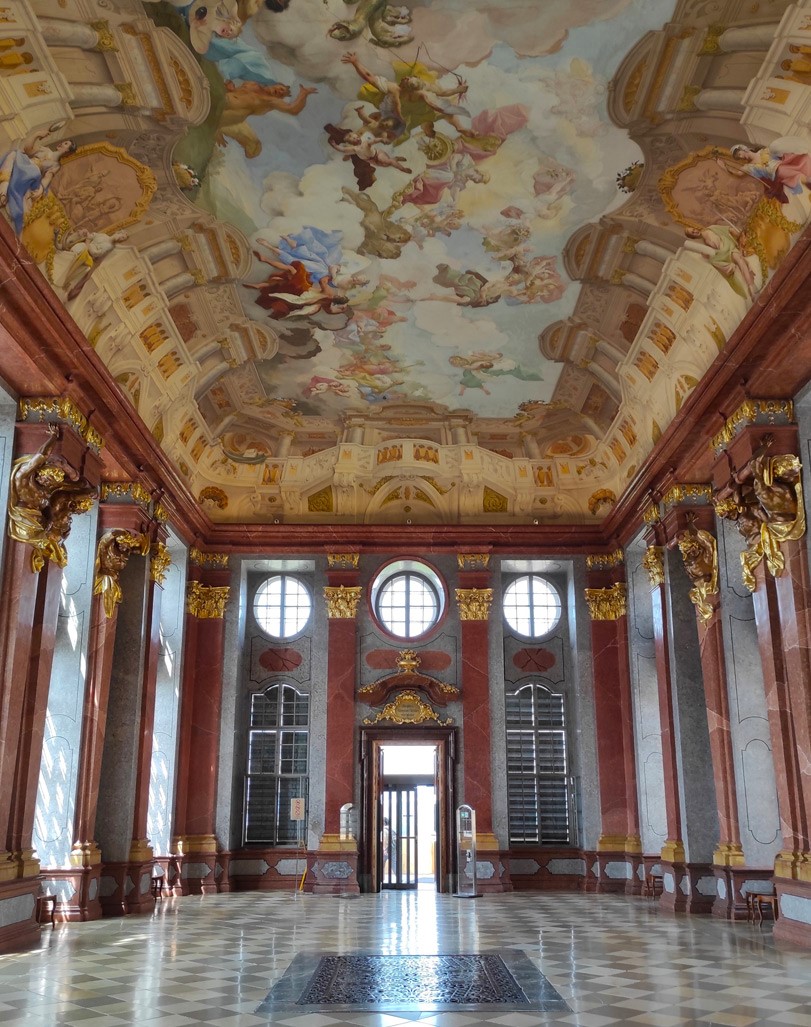
This was followed by the large, ceremonial Marble Hall, whose walls, adorned with stucco marble, harmonize with the ceiling fresco depicting the victory of Hercules over vices, created by the Tyrolean painter Paul Troger.
-
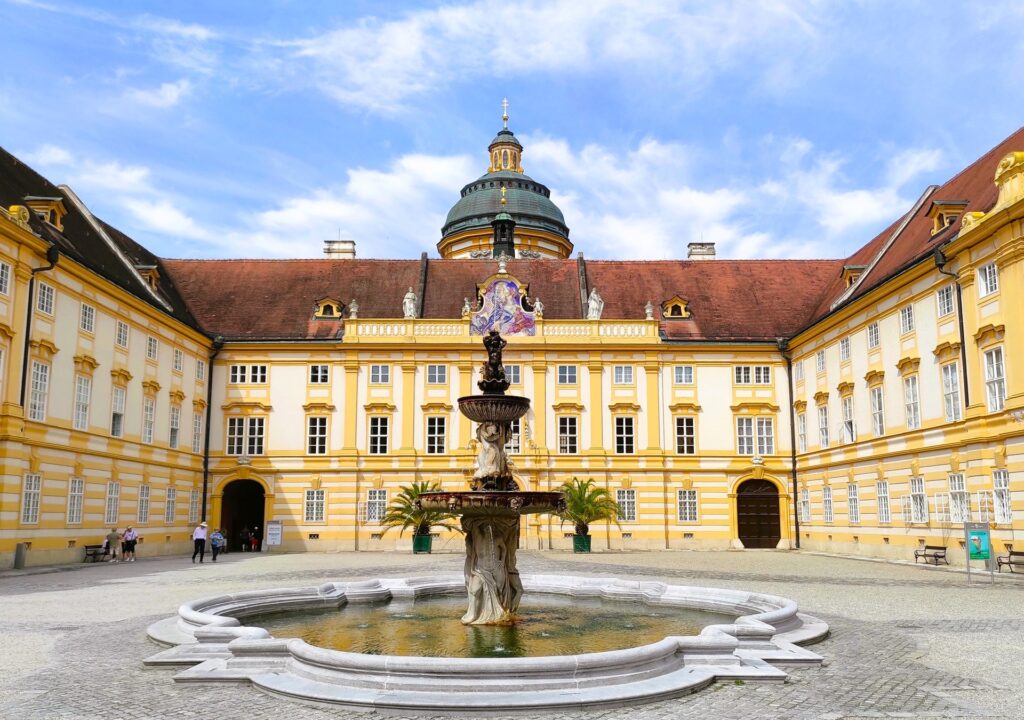
- Courtyard with fountain
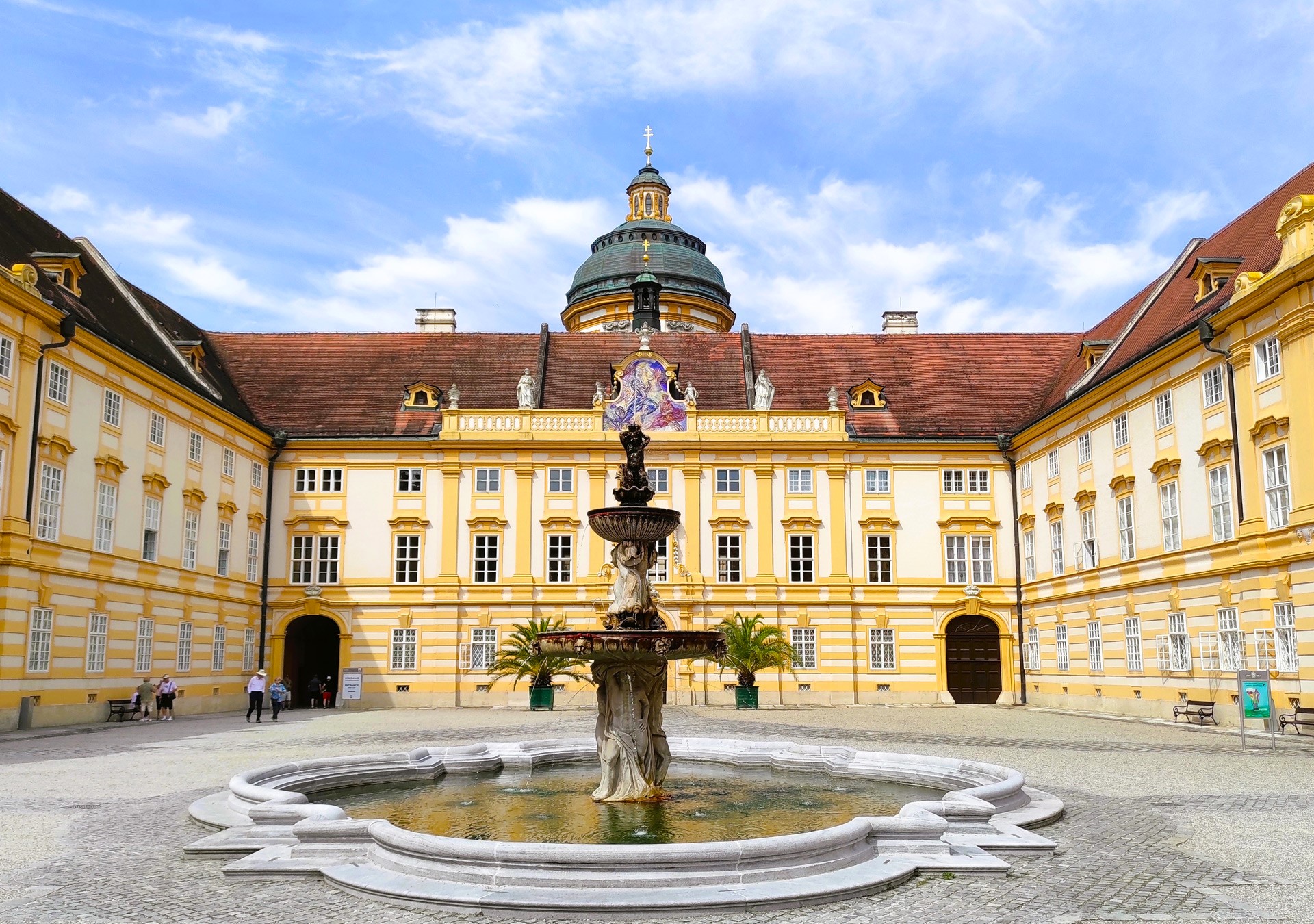
-
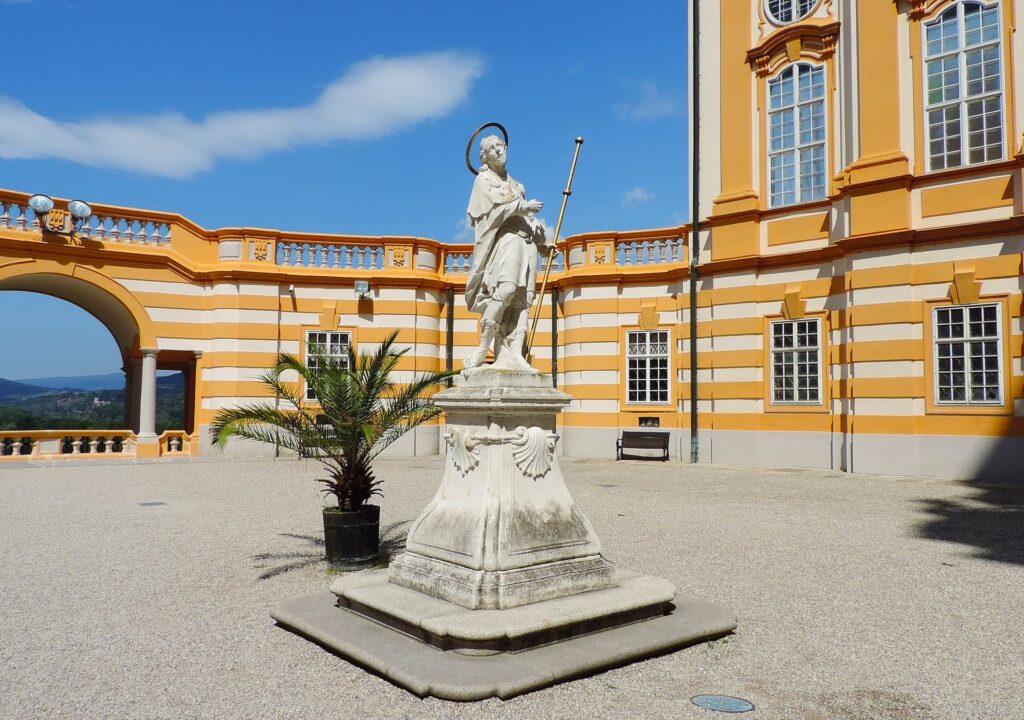
- Courtyard with terrace
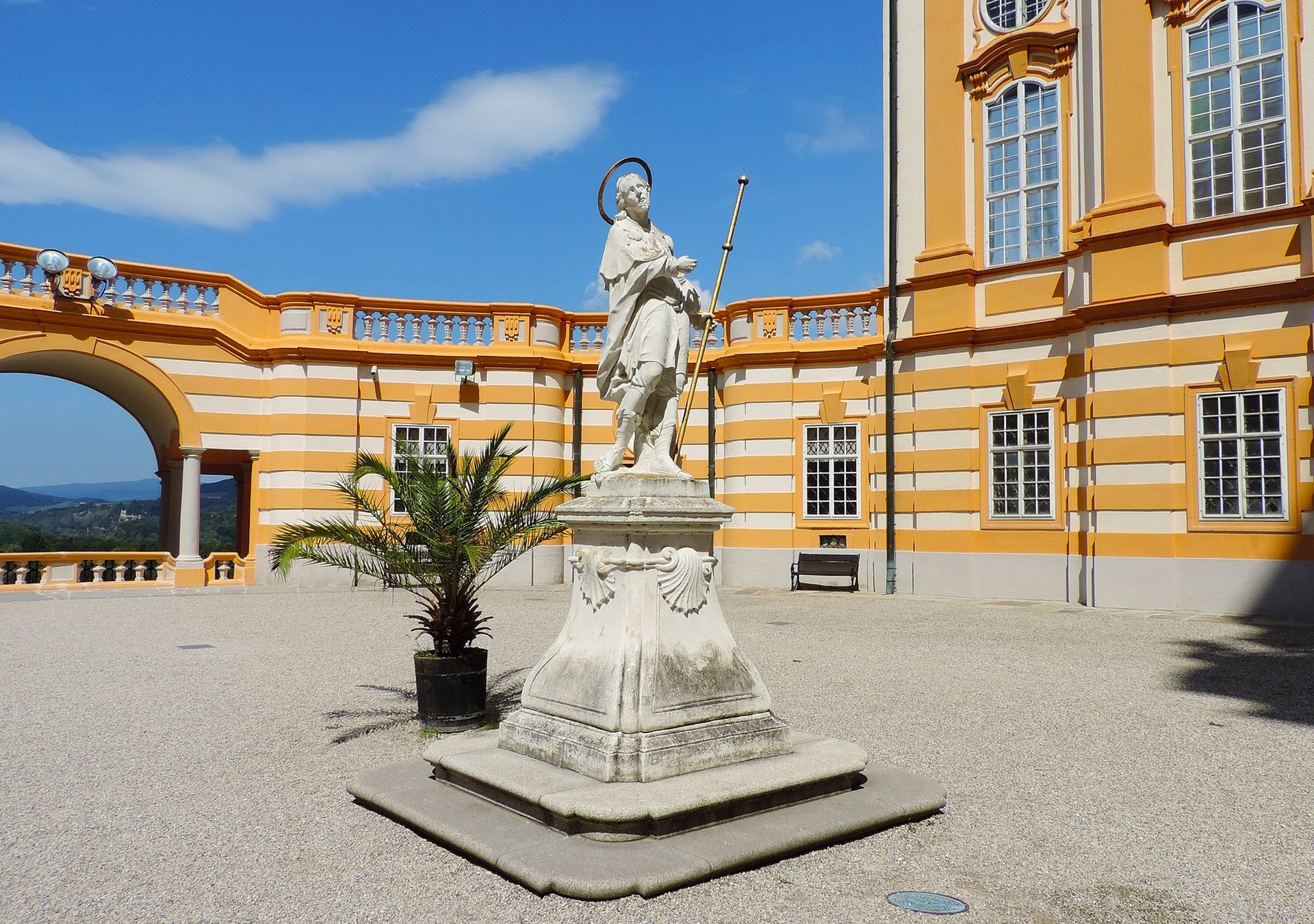
From the hall, we then proceeded to the magnificent terrace, which offers a view not only of the church facade but also of the surrounding landscape and the crystal-clear Danube River.
-
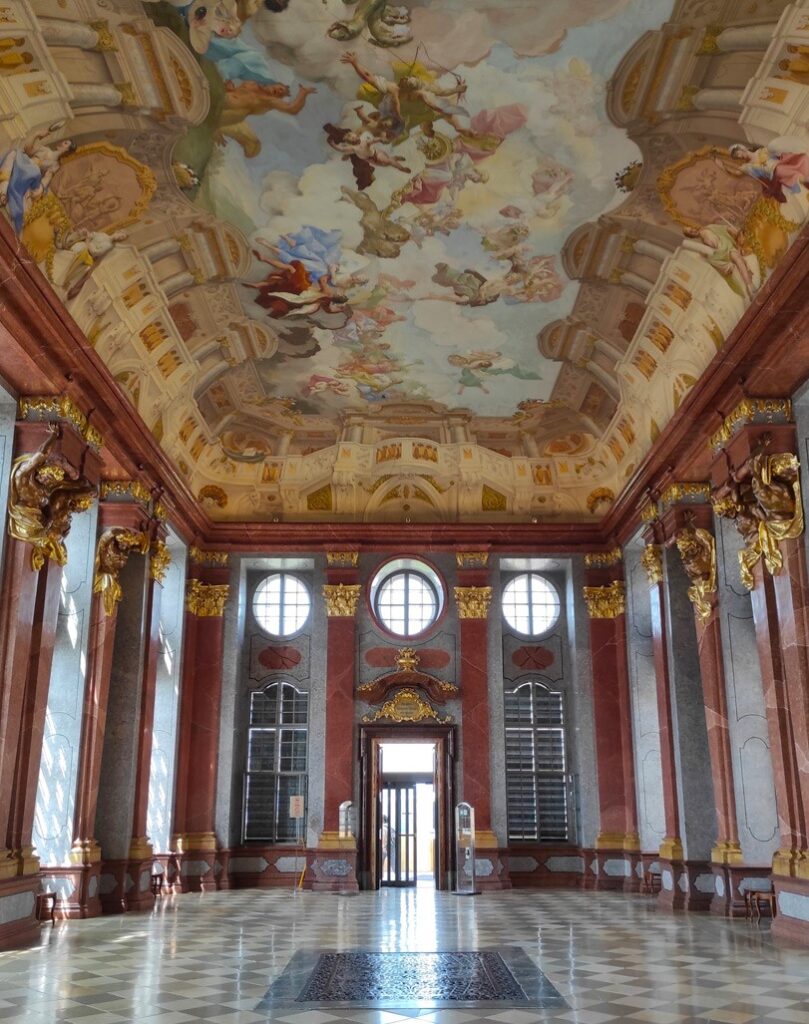
- Marble Hall
-
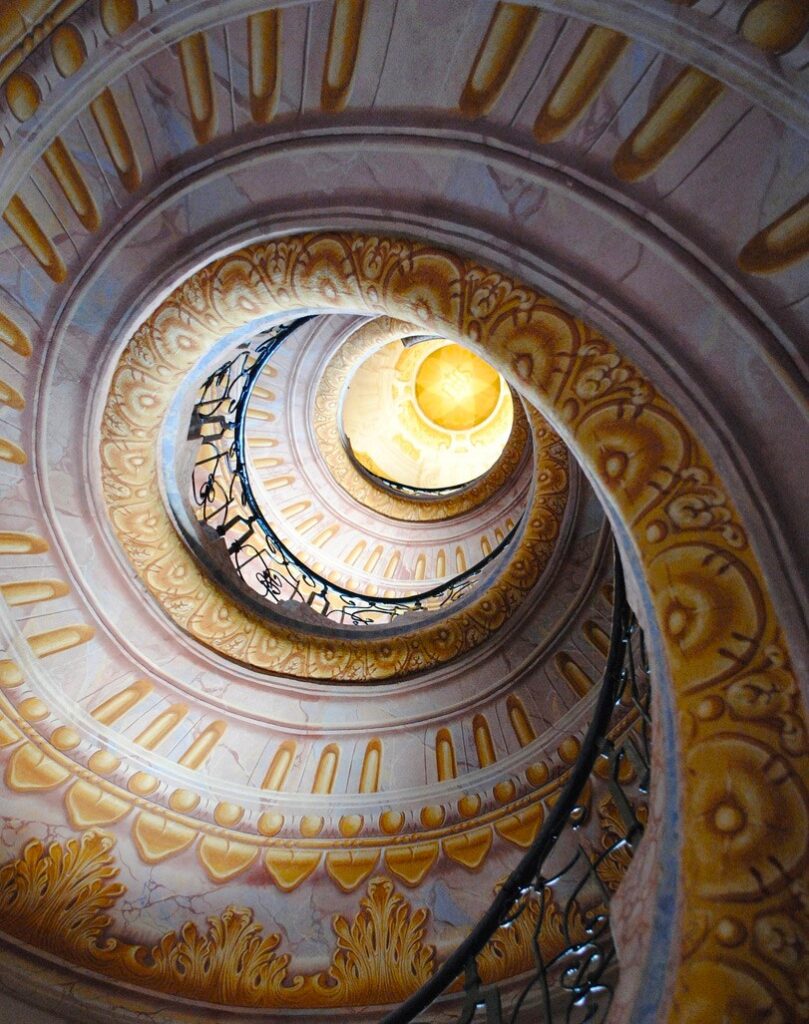
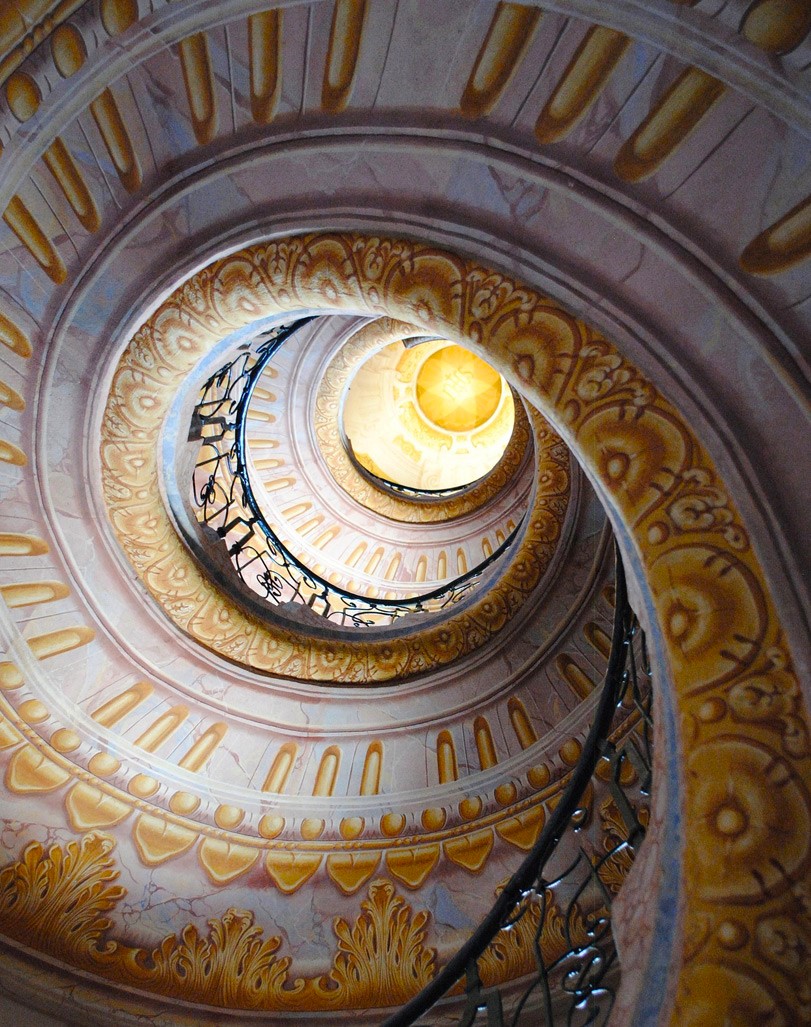
- Staircase
From the terrace, we then entered the impressive library that is decorated with paintings embodying the four cardinal virtues: cleverness, justice, courage, and temperance. The monastery library itself contains around 100,000 volumes and manuscripts spanning from the 9th to the 18th century.
-
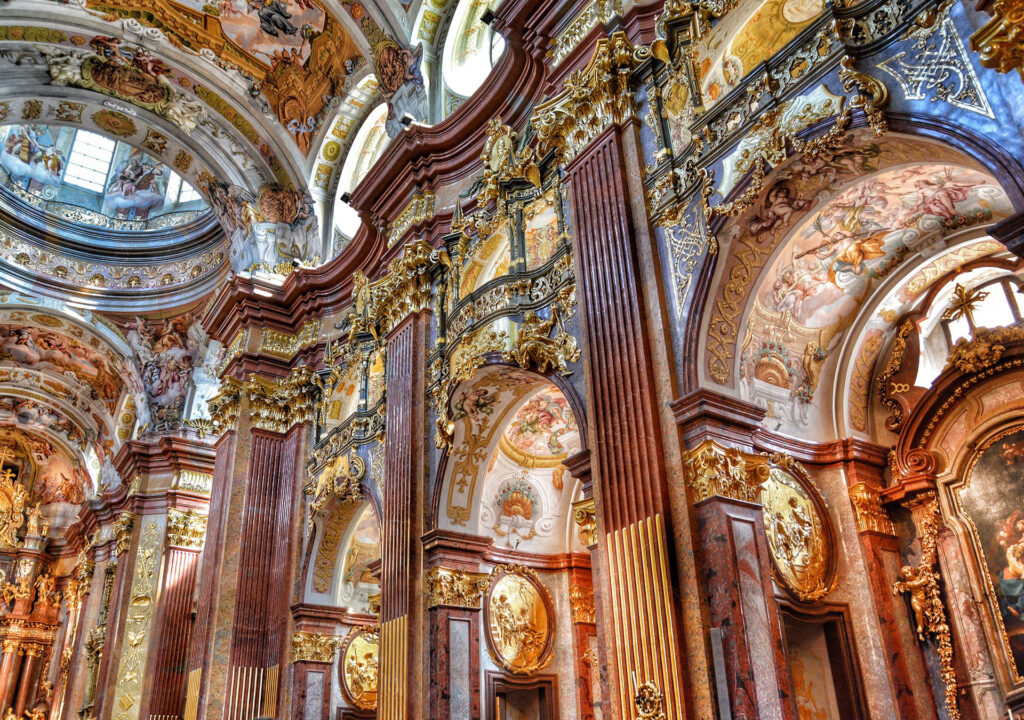
- Church of St. Peter and Paul
-
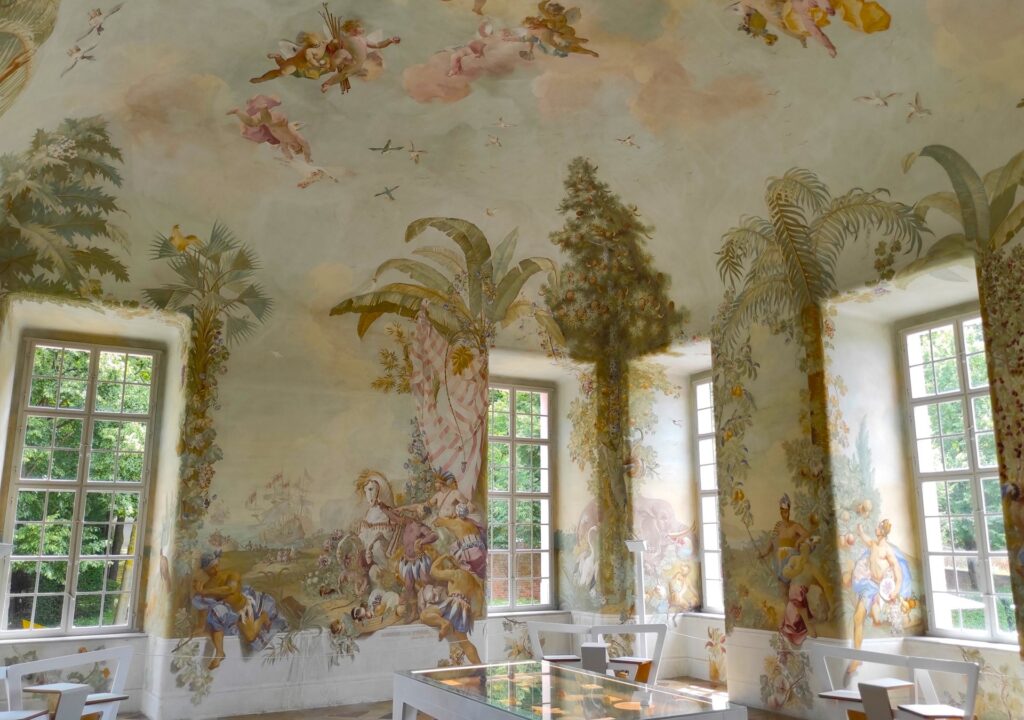
- Baroque Garden Pavilion

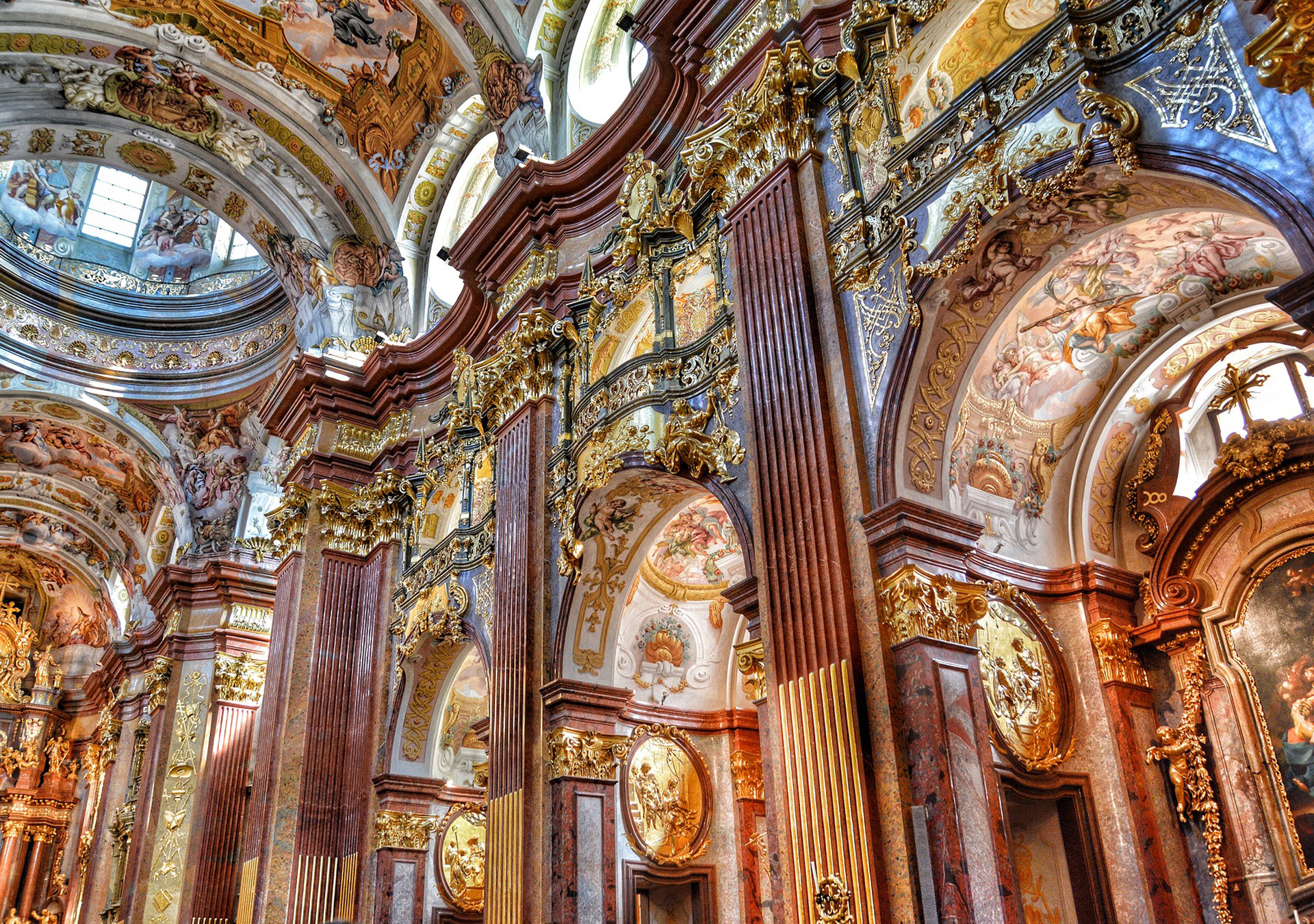
The tour of the interiors was crowned by a visit to the impressive Baroque church of Saint Peter and Paul, which captivated us with its perfect symphony of colours and tones.
The admission ticket also includes access to other special temporary exhibitions in the so-called "Wachau Lab," as well as the "Northern Bastion," which offers a superb view of the entire abbey complex and the monastery park with its garden.
You will certainly also be pleased to know that free parking is provided for visitors to the abbey. However, the parking ticket must be validated at the ticket office in the first courtyard when purchasing your entrance ticket.
Address: Abt-Berthold-Dietmayr-Straße 1, Melk
-
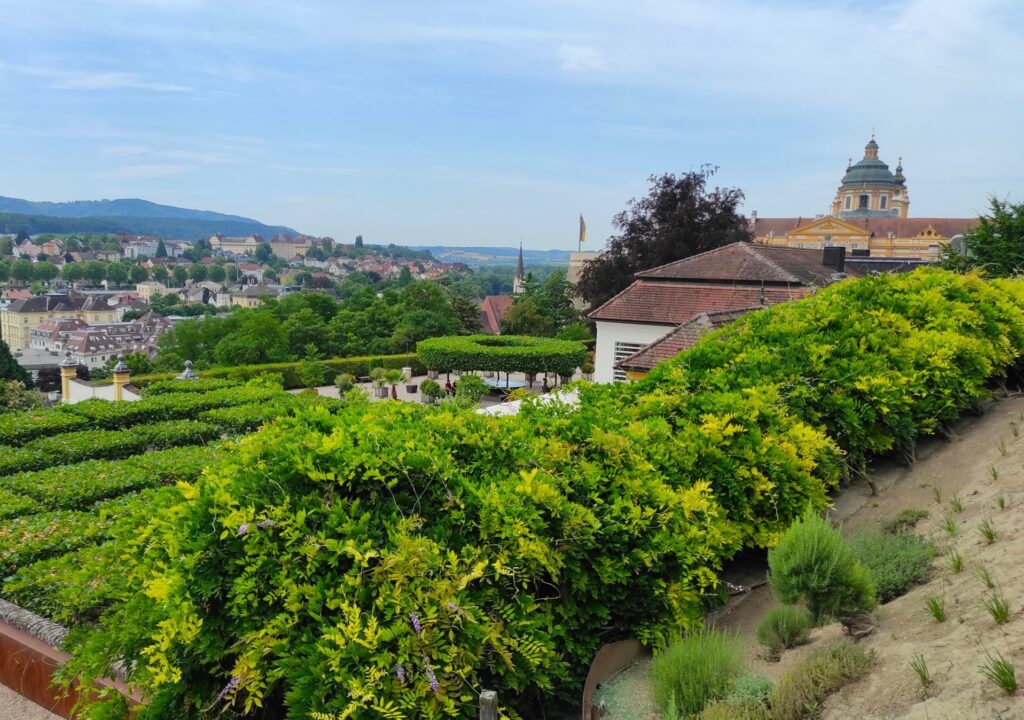
- Monastery garden

-
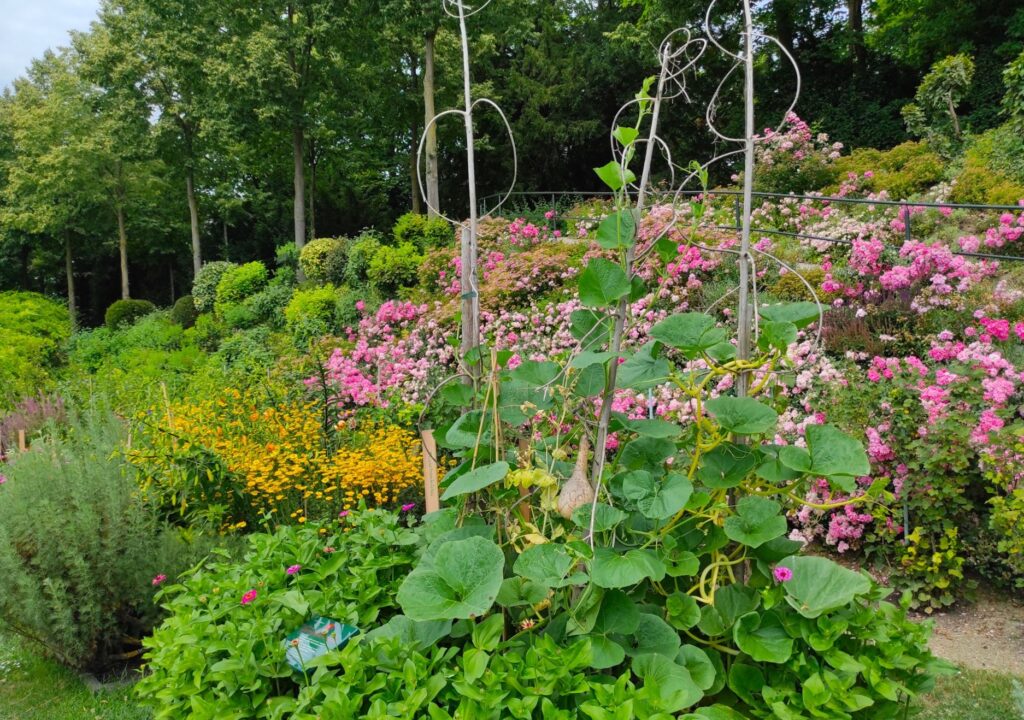
- Monastery garden
Spitz an der Donau
Our next stop was the town of Spitz an der Donau, which is located in the heart of the Wachau region and is part of a renowned wine trail offering not only wine taverns and noble white wines but also views of the captivating landscape.
We visited the landmark of this historic town, the Parish church of Saint Maurice (Pfarrkirche Hl. Mauritius). This beautiful late-Gothic structure is distinguished by its high gable roof and prism-shaped tower.
-
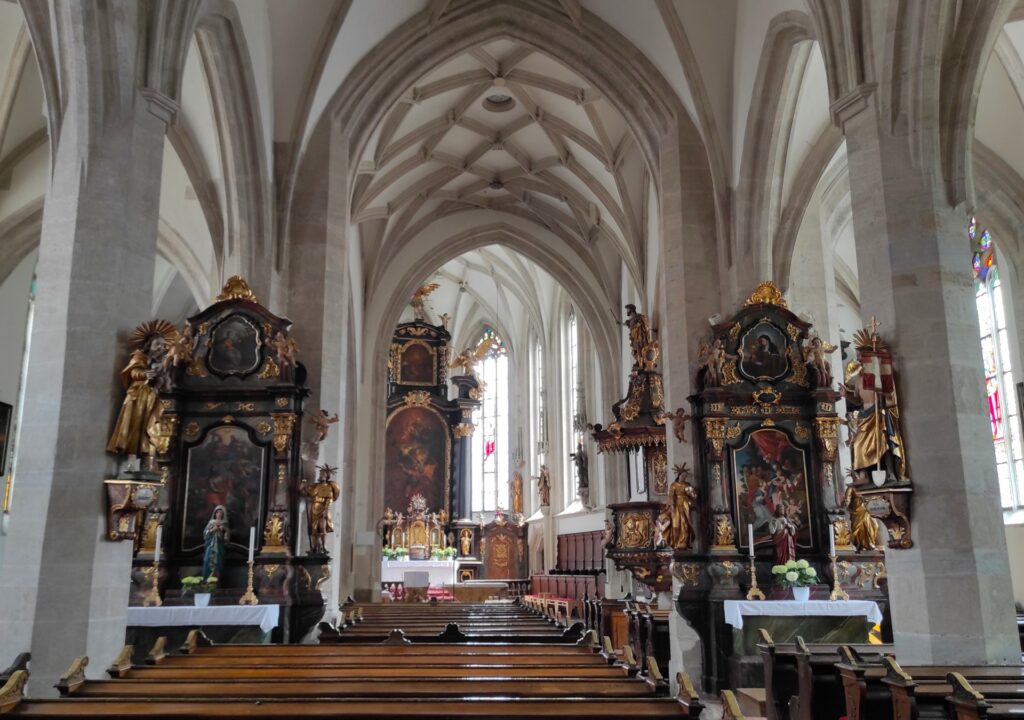
- Church of St. Maurice
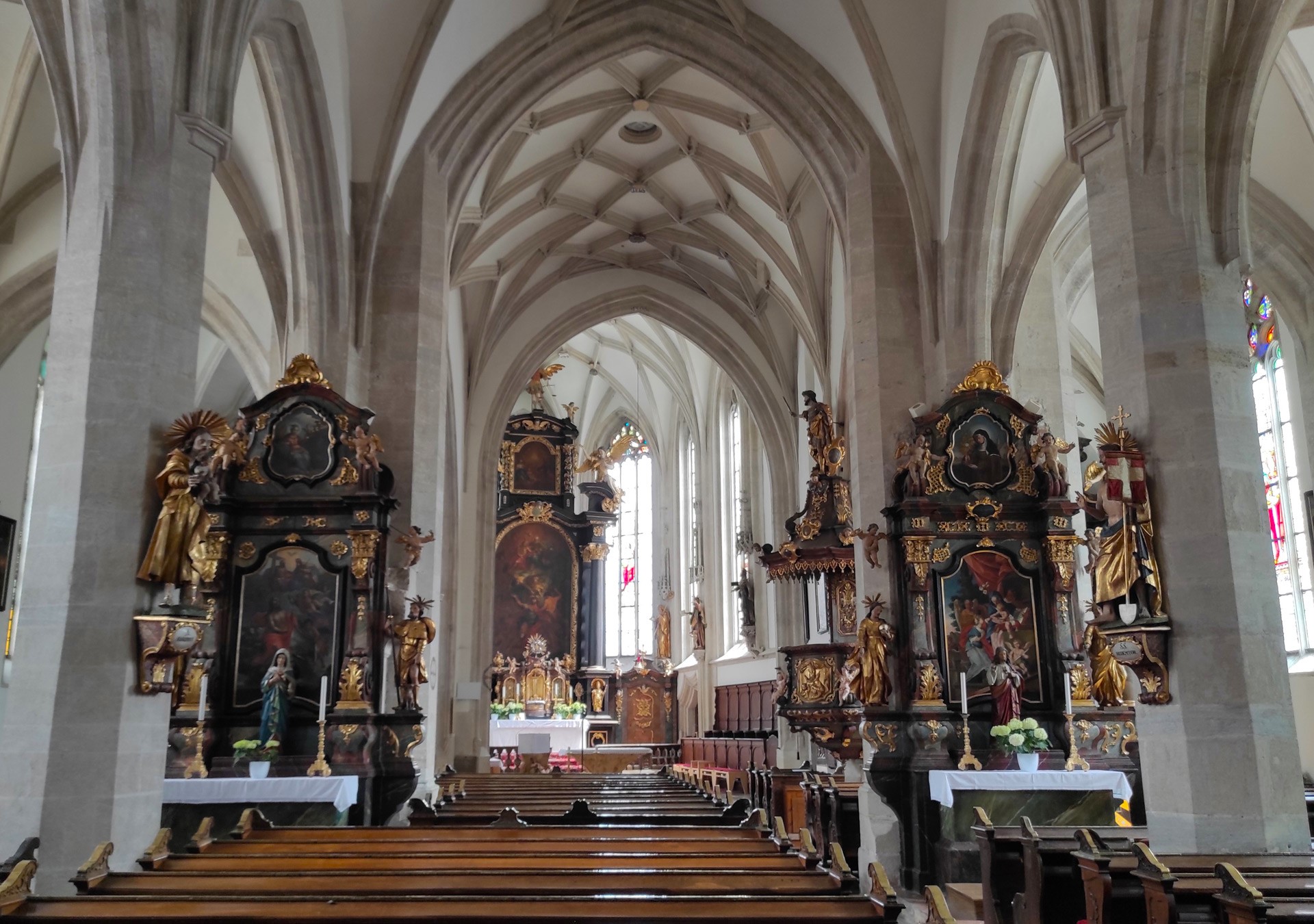
-
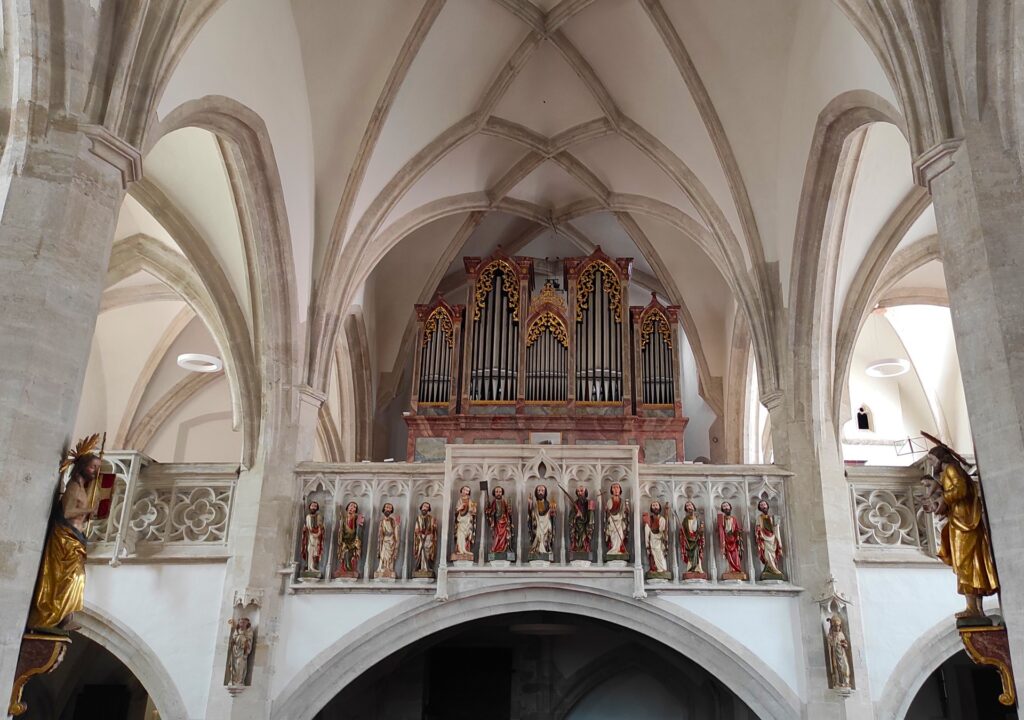
- Church of St. Maurice
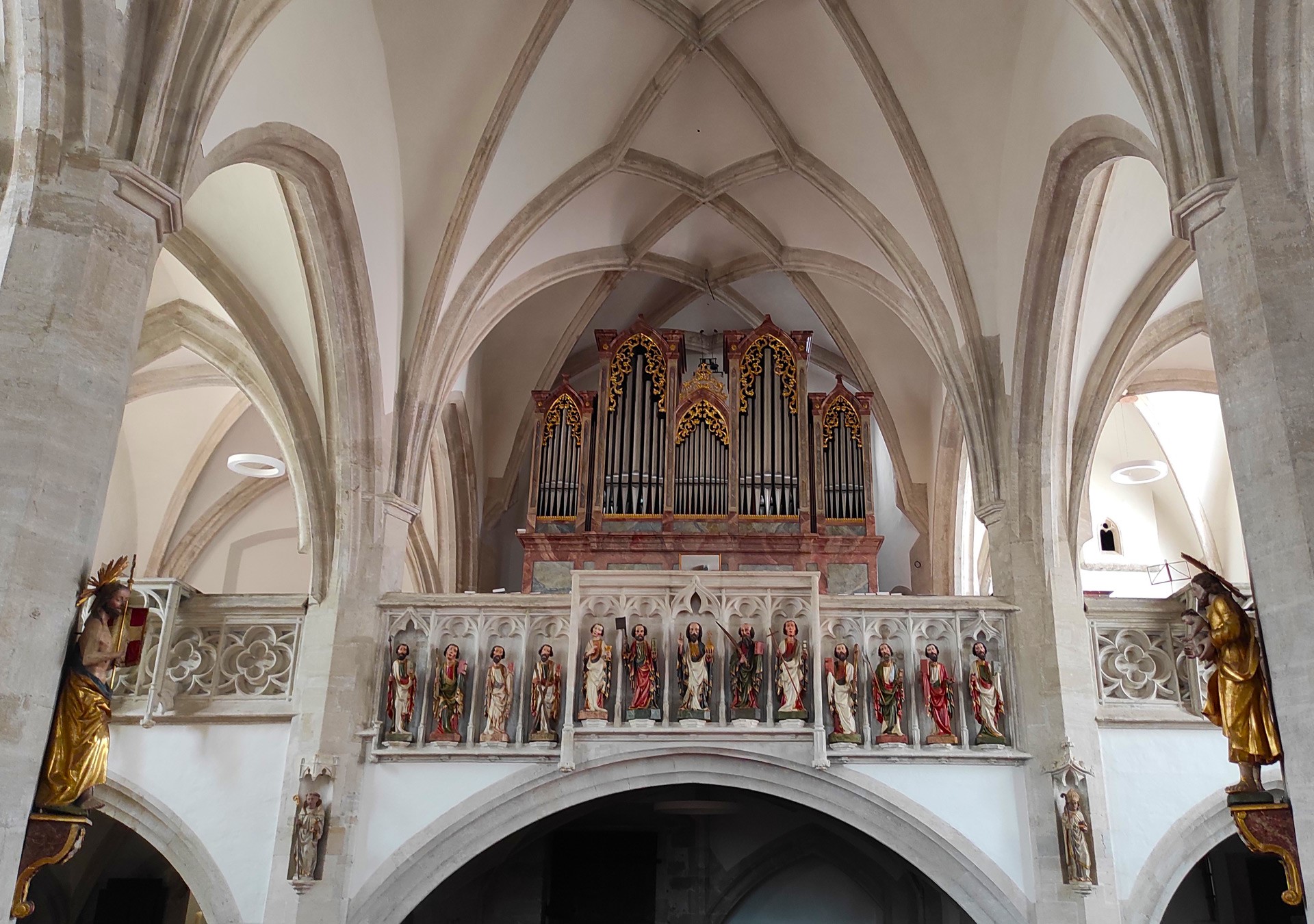
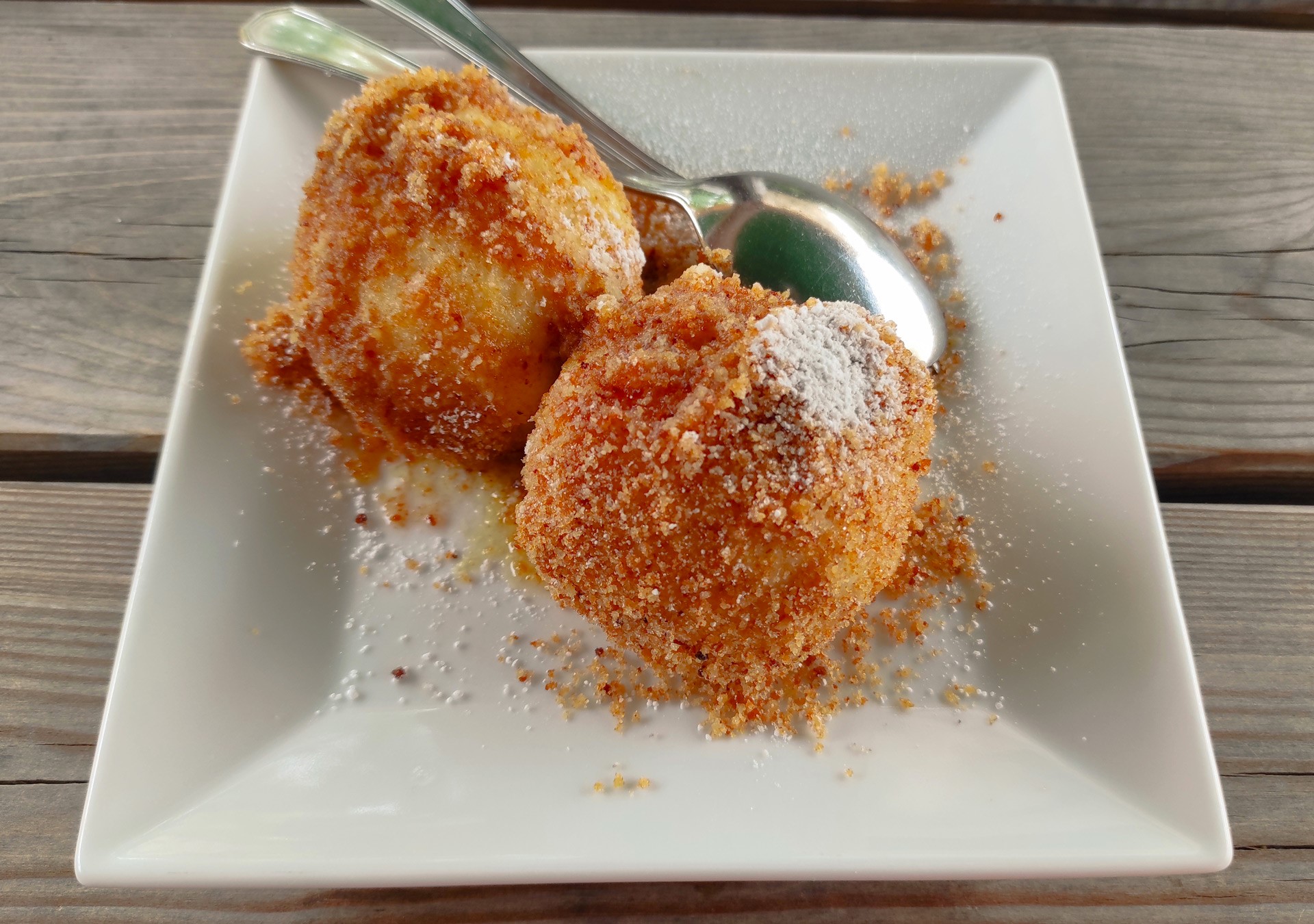
We also recommend trying the regional specialty: apricot dumplings. We ordered them on the summer terrace of the Spitzerl restaurant (Gasthaus Spitzerl). And not just those; we also chose a light apricot sparkling wine as an aperitif, which perfectly complemented the cozy atmosphere in the garden surrounded by apricot and apple trees. However, lovers of other Austrian specialties like schnitzel or roast pork will also find something to their liking.
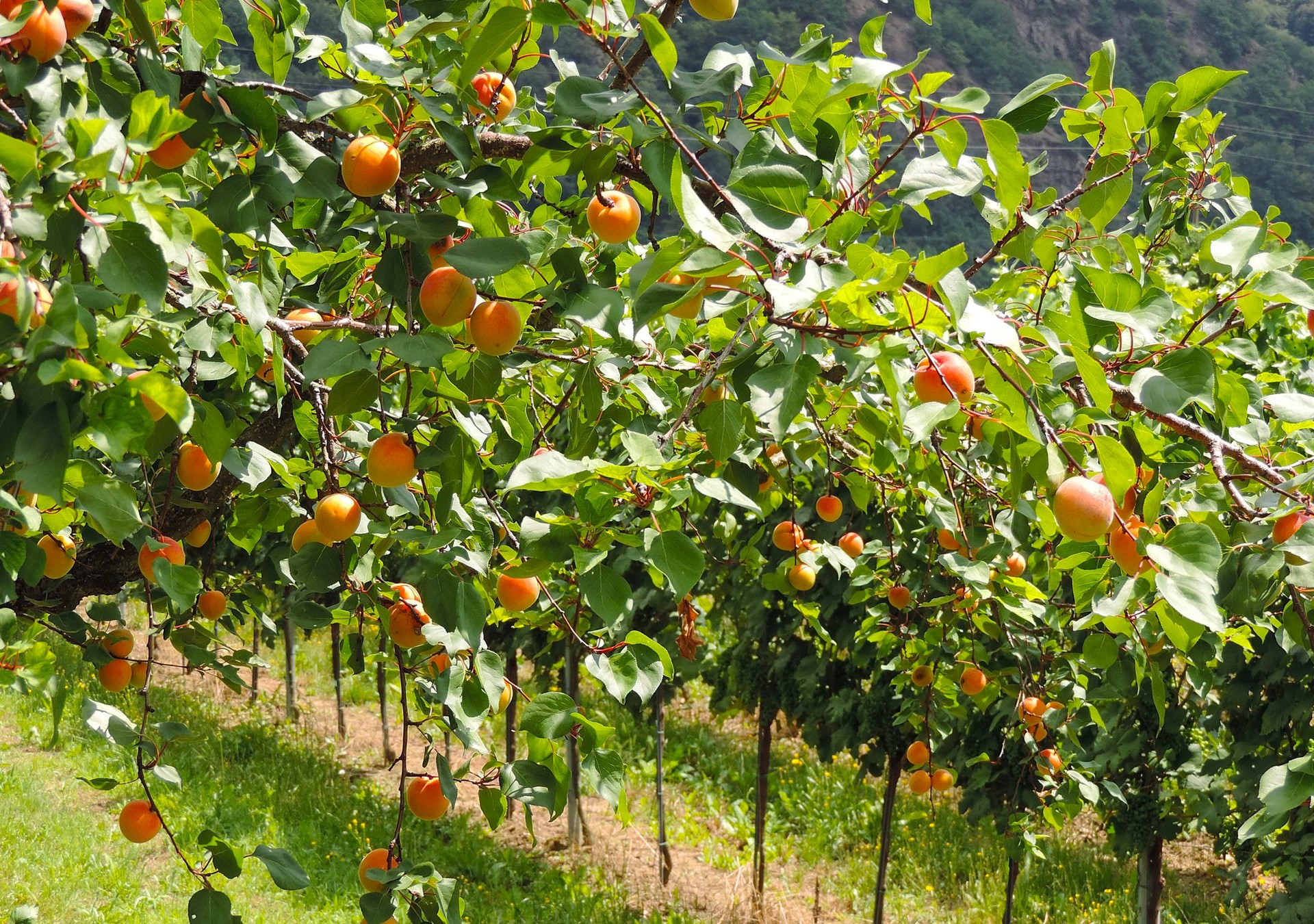
It is also undoubtedly worth mentioning that the apricots and apricot products from the Wachau Valley have been granted the Protected Designation of Origin by the EU.
Address: Mittergasse 1b, Spitz
-
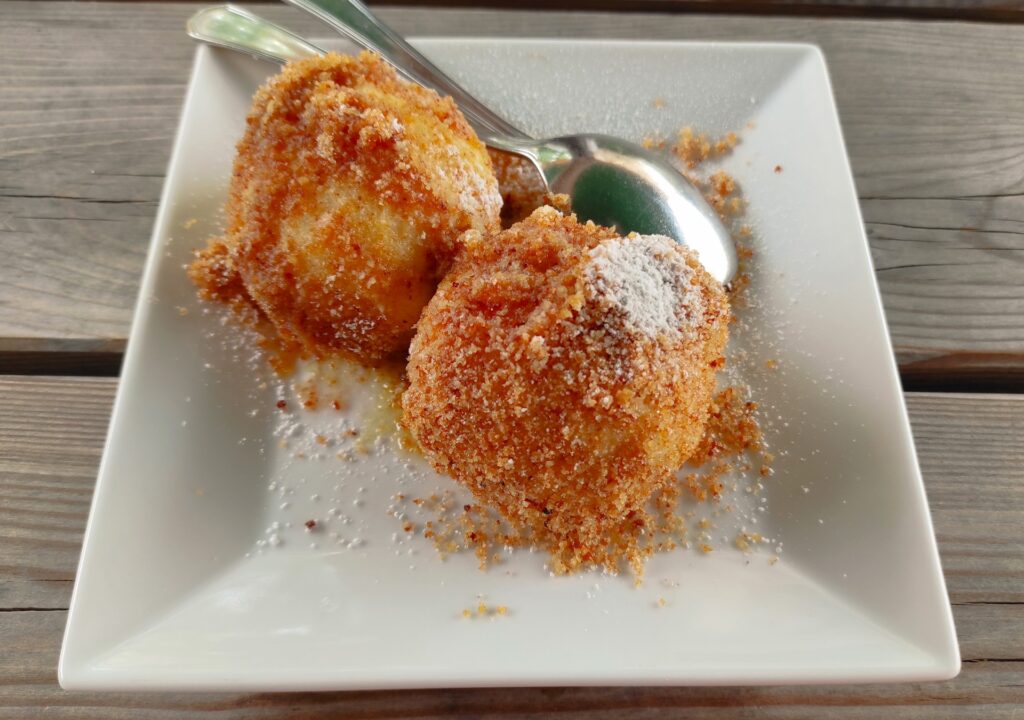
- Apricot dumplings
-
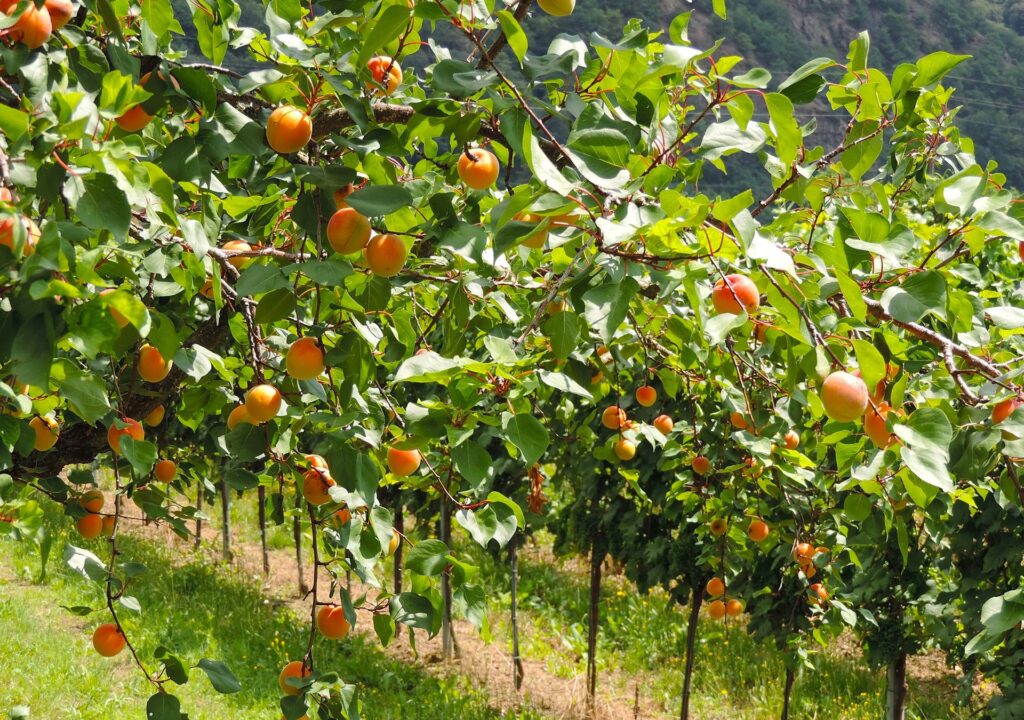
- Apricot orchard in the Wachau Valley
Our tip:
Opposite the Spitzerl restaurant, you will find the tourist information centre, where you can park for free.
Dürnstein
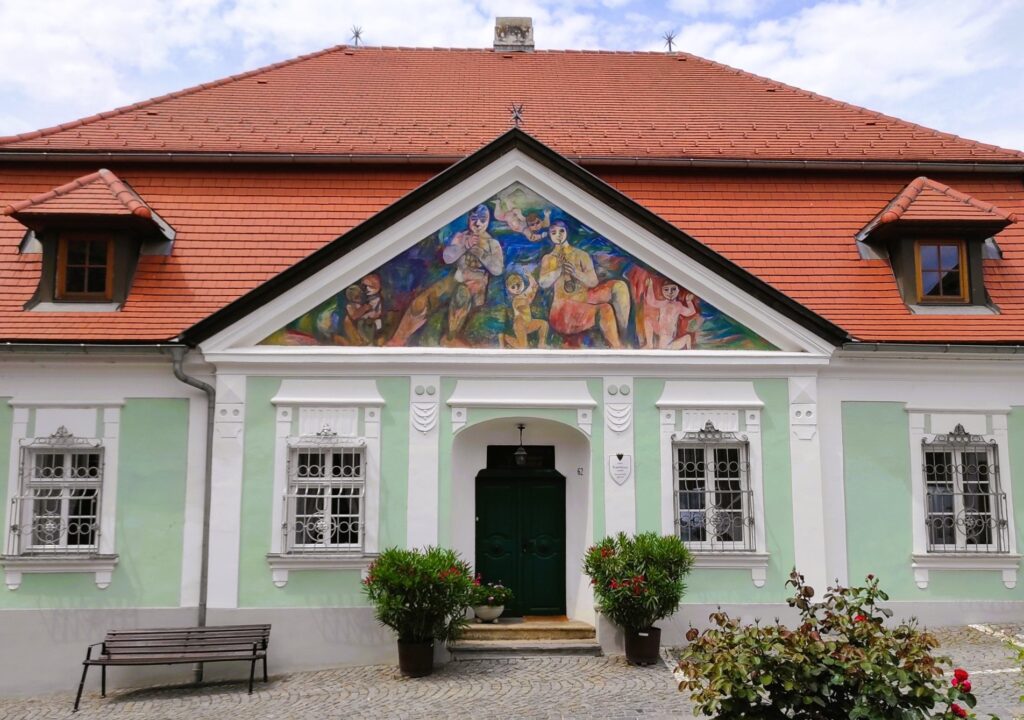
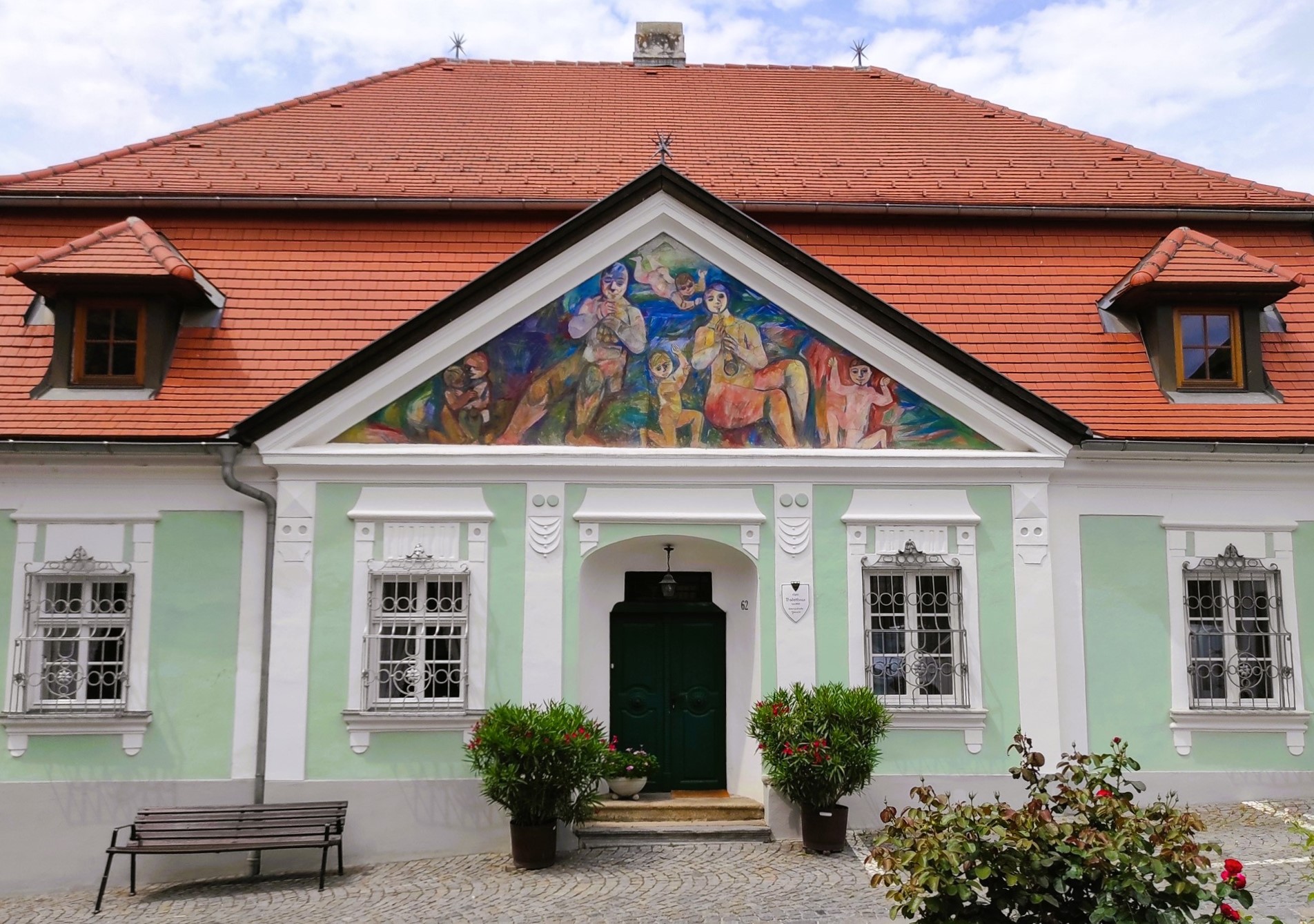
On our trip, we couldn't miss the picturesque town of Dürnstein either. While walking through it, we discovered a number of small shops with local products, especially those made from wine and apricots. An undeniable advantage is the opportunity to taste the offered products directly at most of the vendors.
-
- Dürnstein
-
- Dürnstein
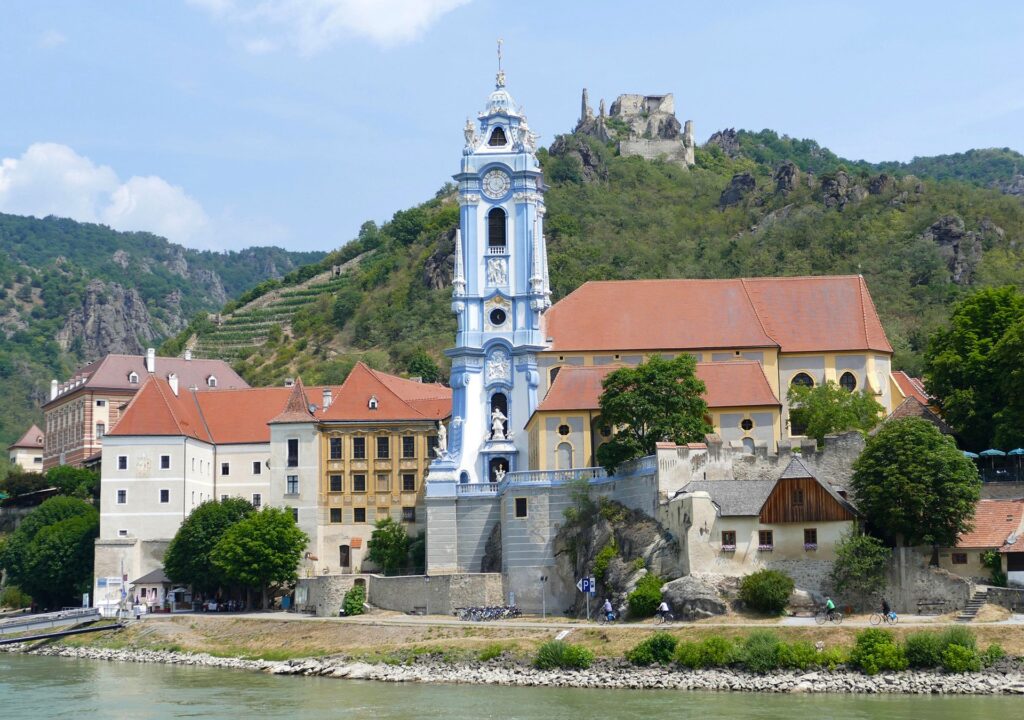
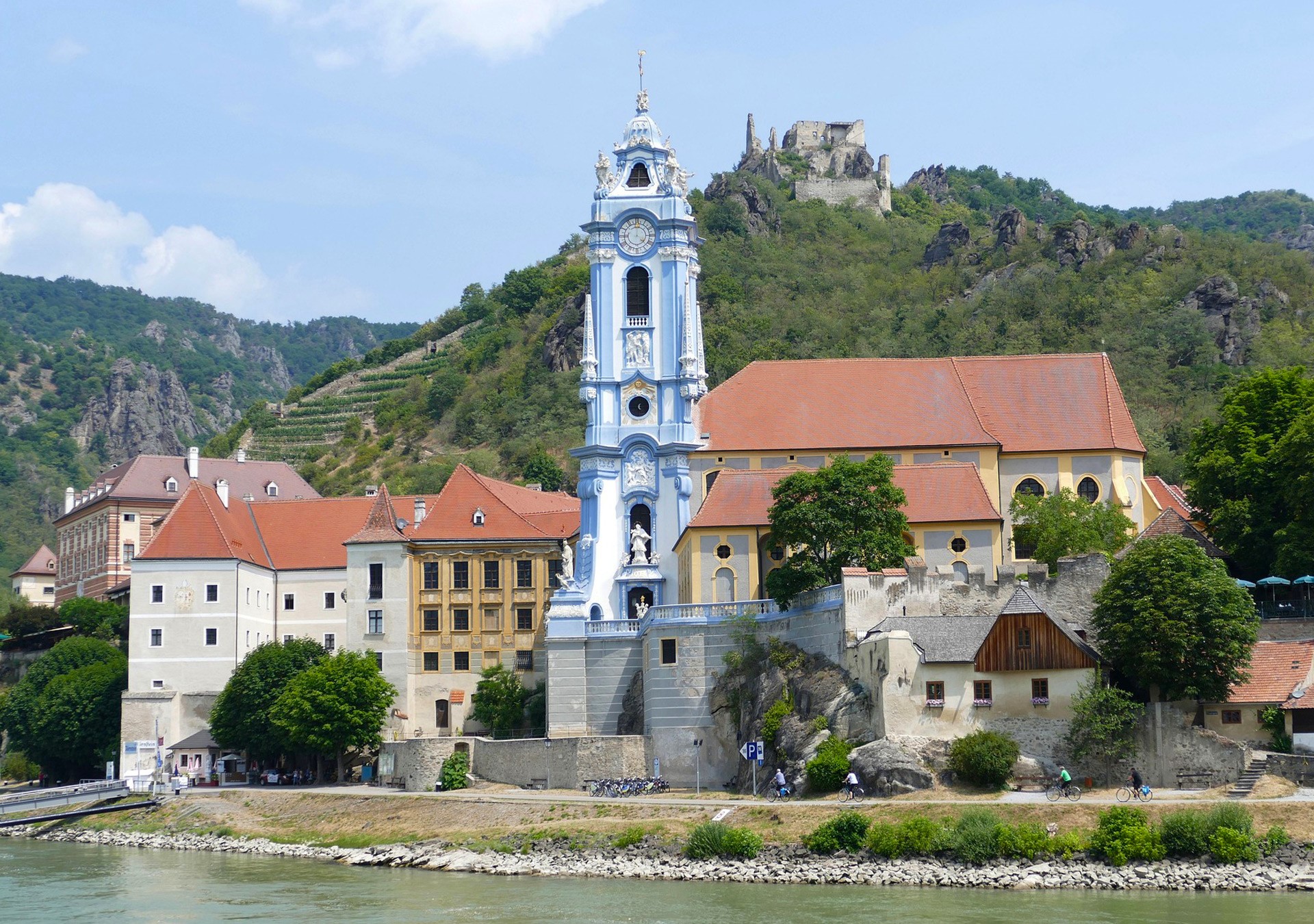
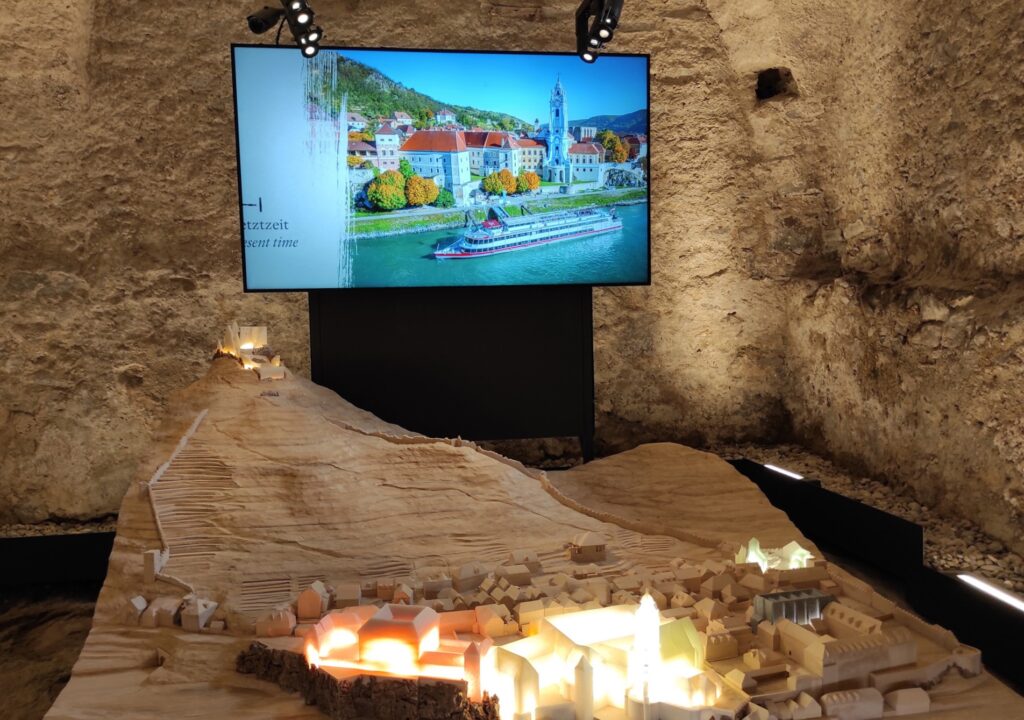
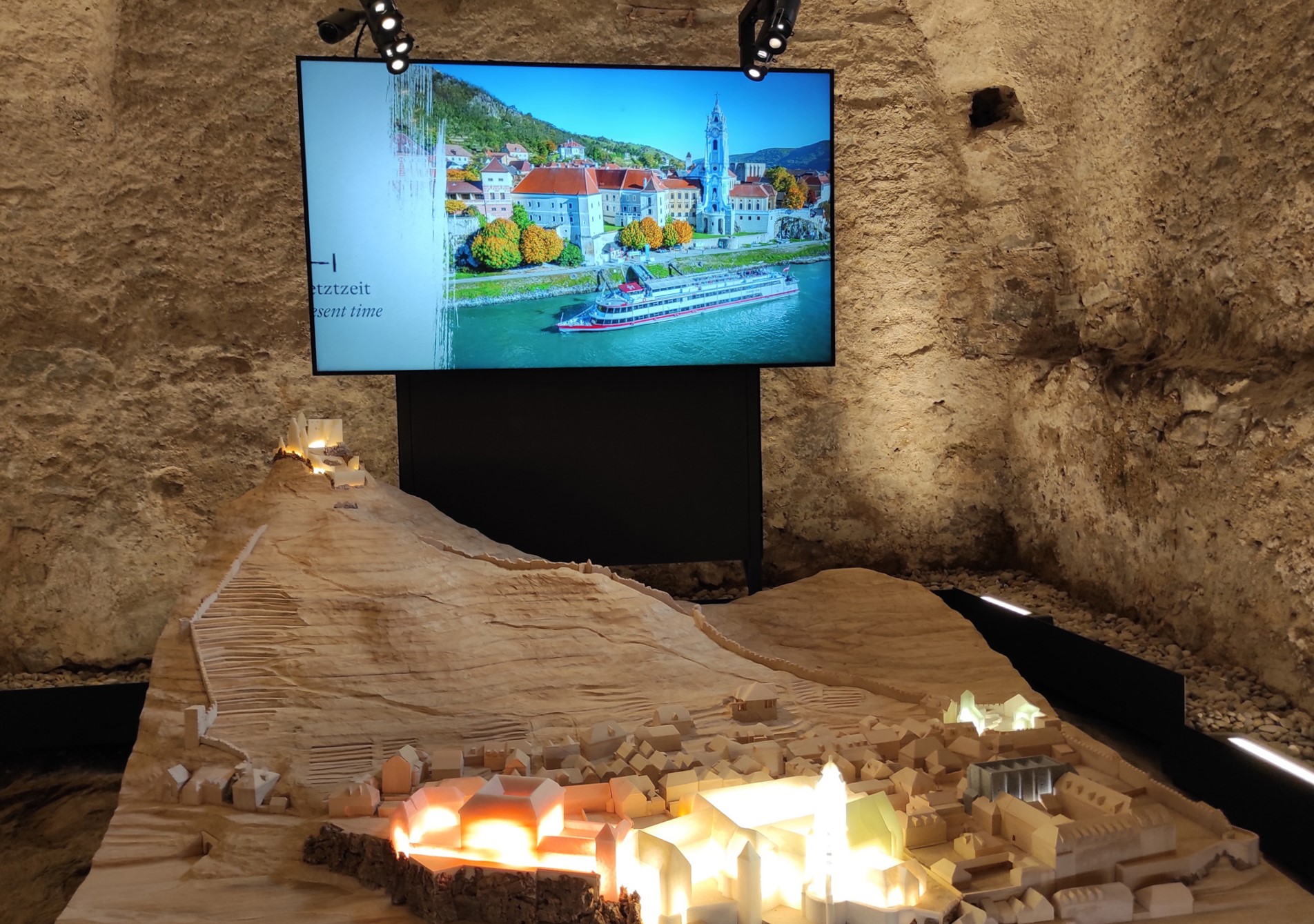
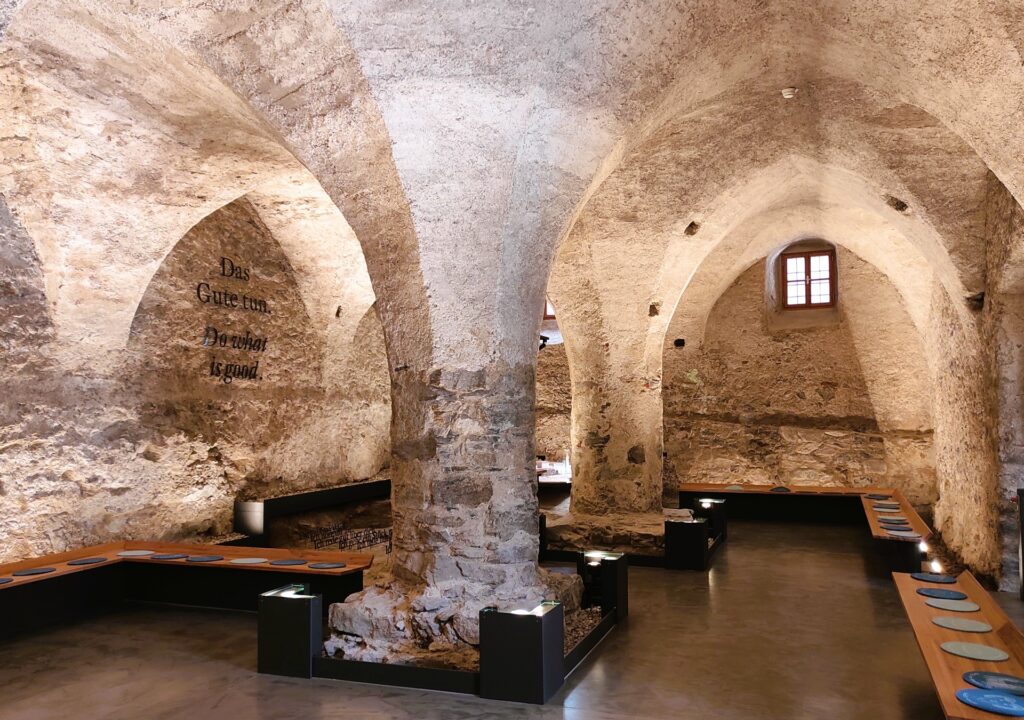
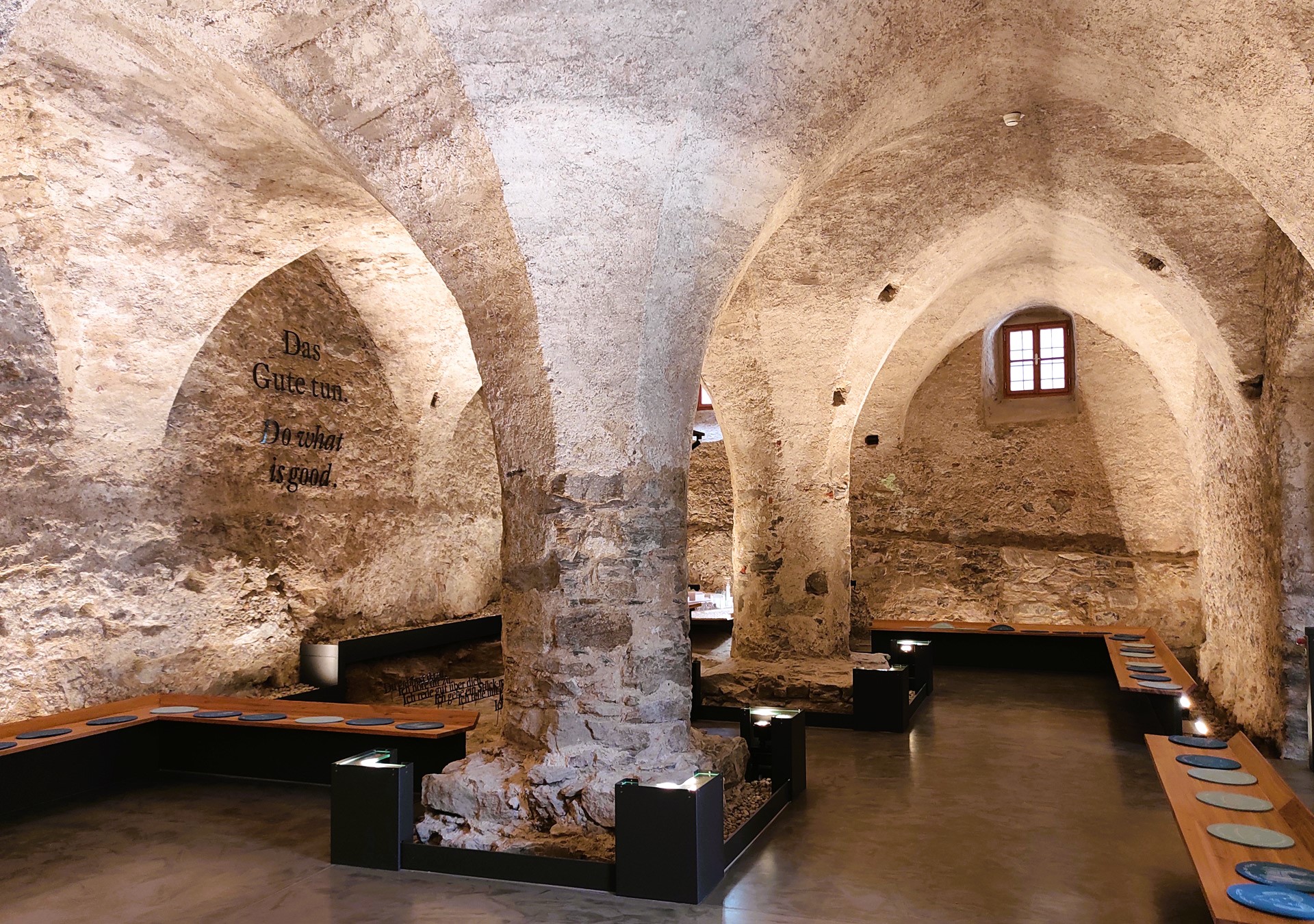
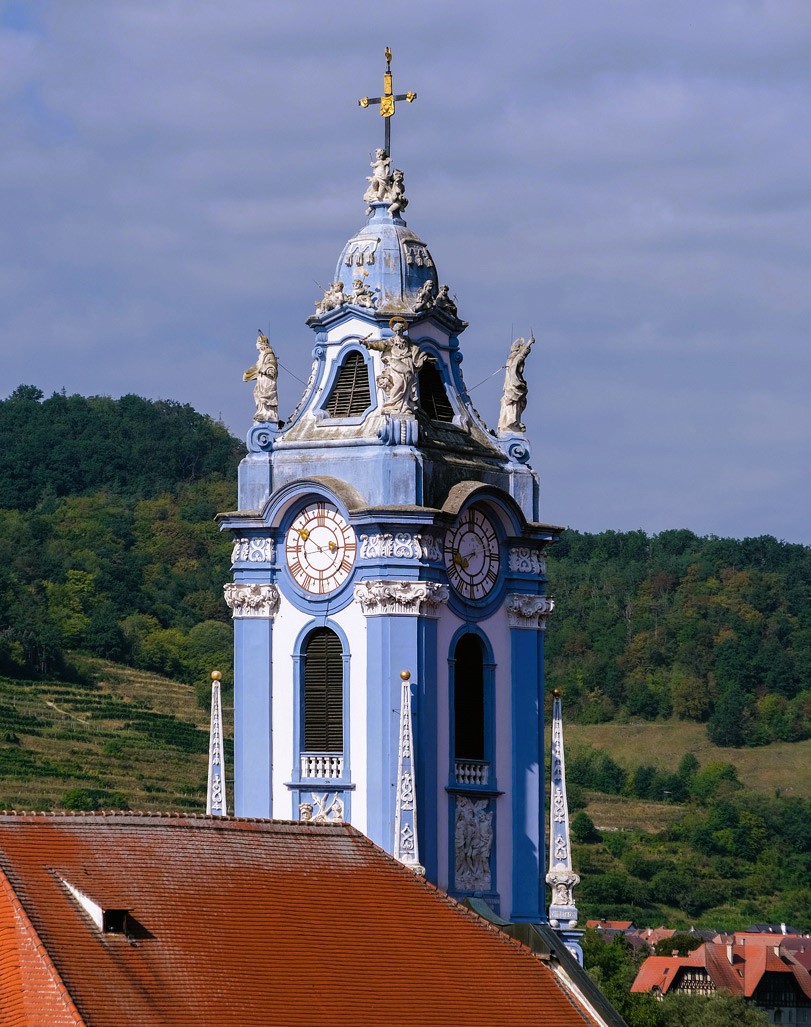
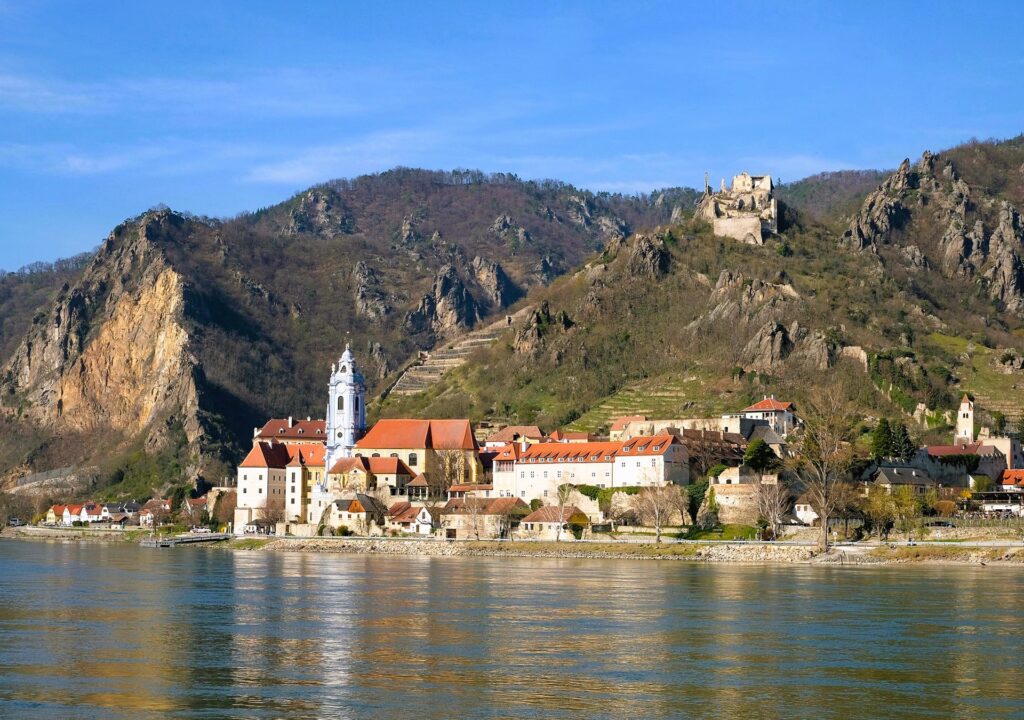
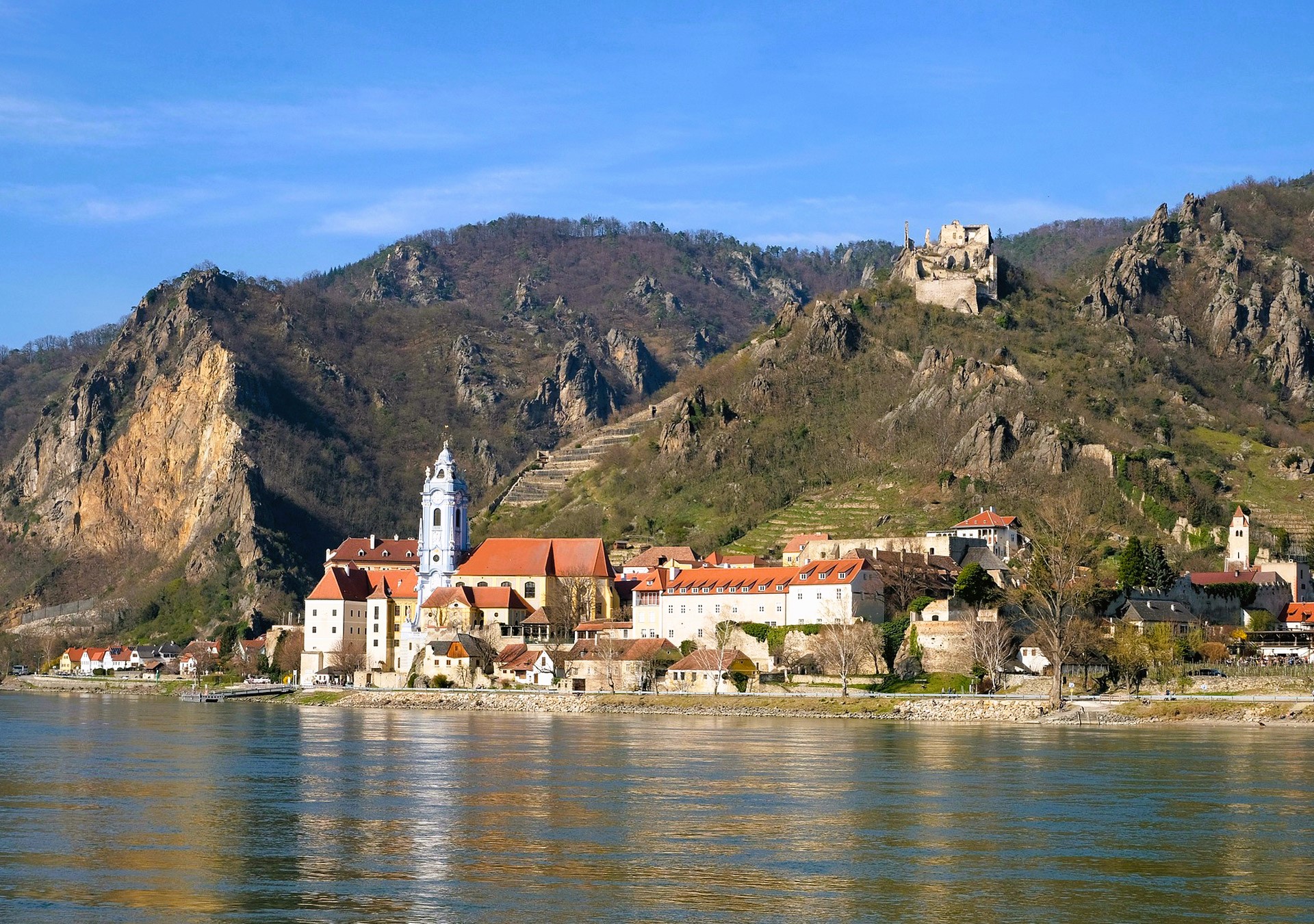
The dominant feature of this magical place is the blue-coloured tower of the church belonging to a former monastery, which was founded here in the 15th century. The monastery complex today (Stift Dürnstein) serves as a museum and we admired not only the beautiful Baroque architecture but also the stunning view of the flowing Danube River and the nearby surroundings.
Address: Dürnstein 1
-
- Monastery museum
-
- Monastery museum
-
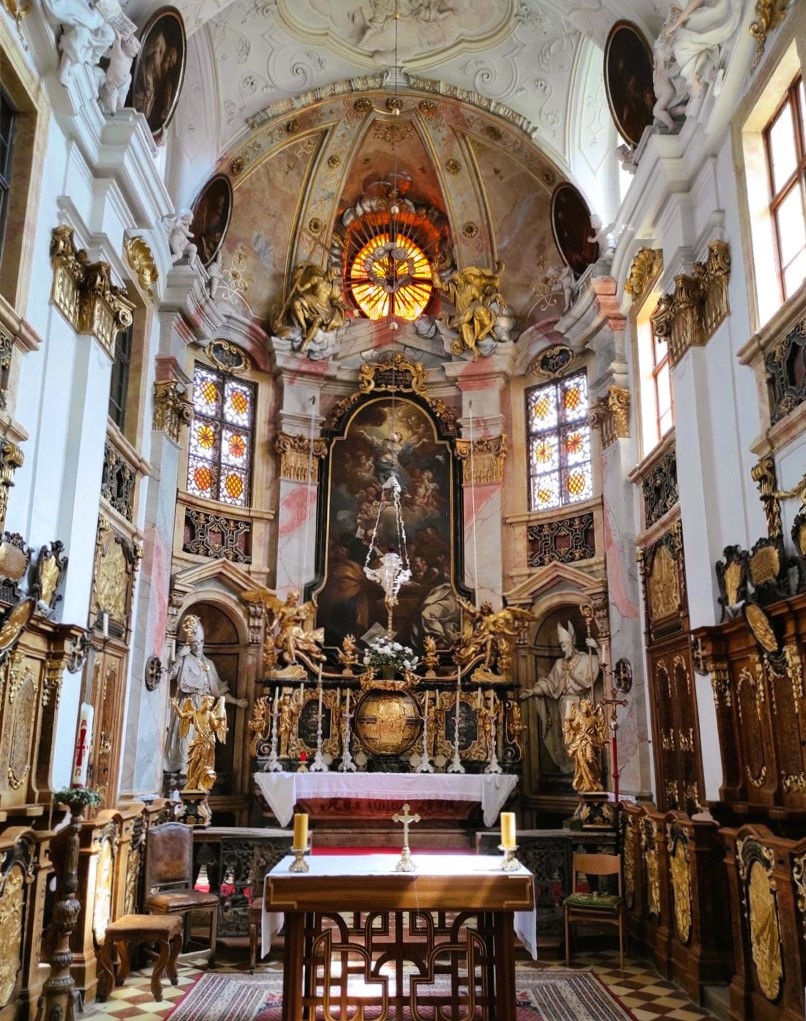
- Monastery church
-
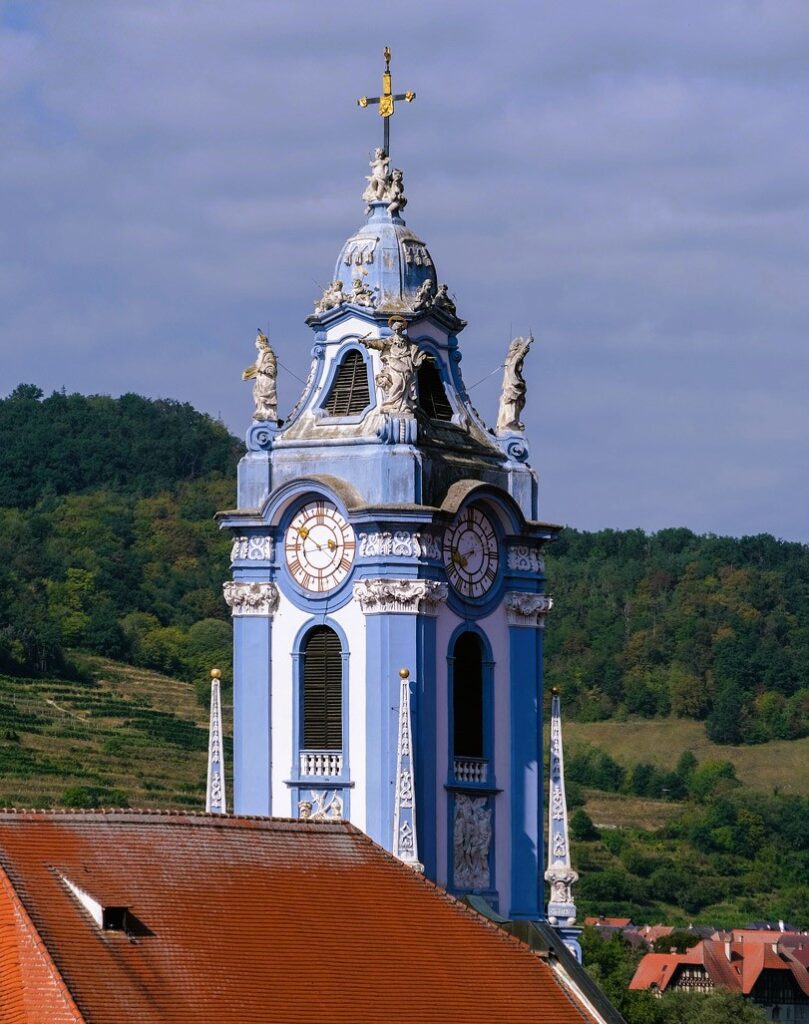
- Tower of the monastery church
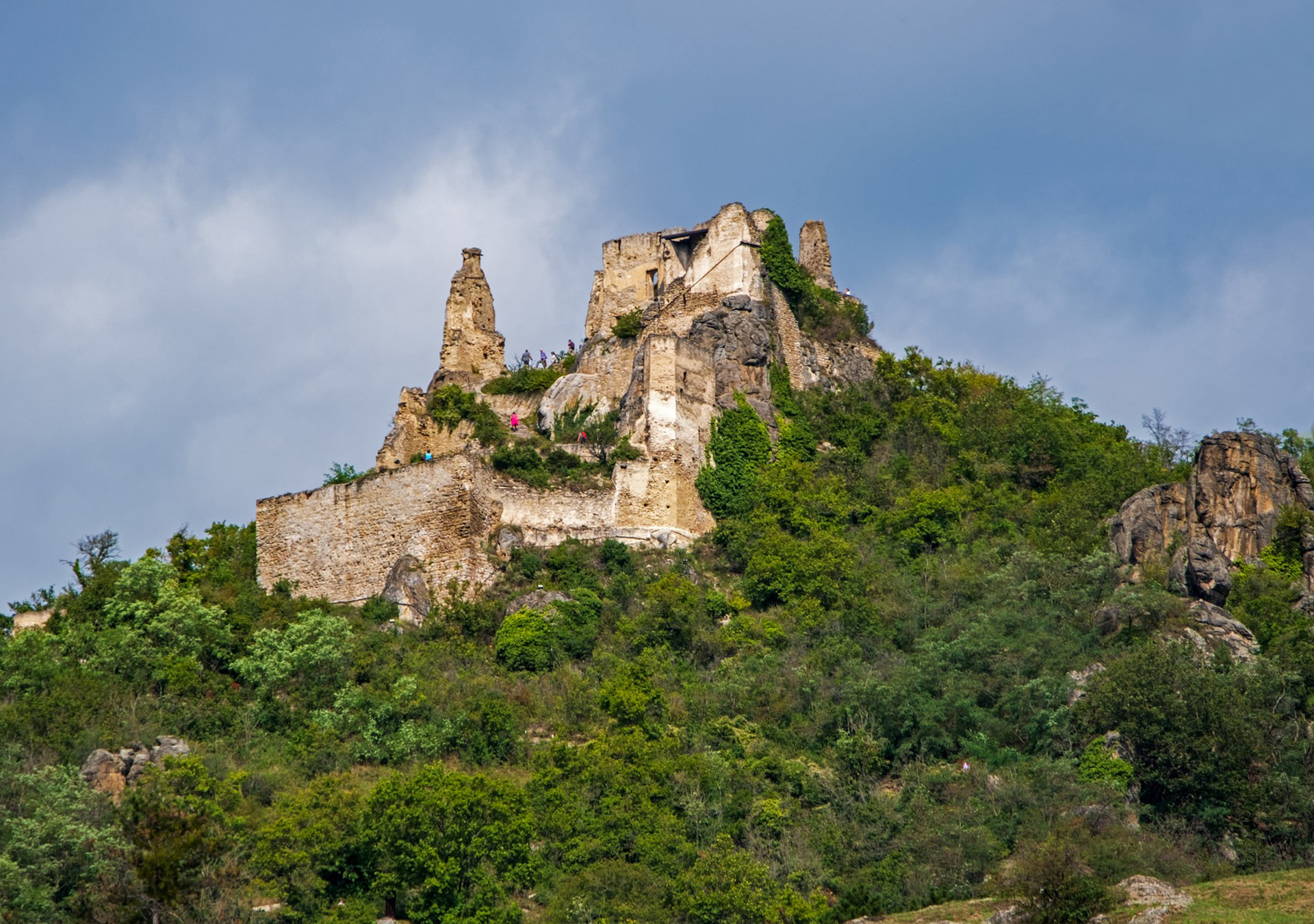
Another unmissable gem is the romantic ruins of Dürnstein Castle from the 12th century, which towers on an elevated rock directly above the town. The castle is freely accessible all year round and the climb from the town takes about 20 minutes; however, you will be rewarded with a stunning view of the town and the beautiful landscape.
It was in this very castle that the English king, Richard the Lionheart, was once imprisoned while returning from the Third Crusade. He was eventually ransomed from captivity for 100,000 marks of silver. The money was subsequently used for further construction in Vienna and its fortification.
-
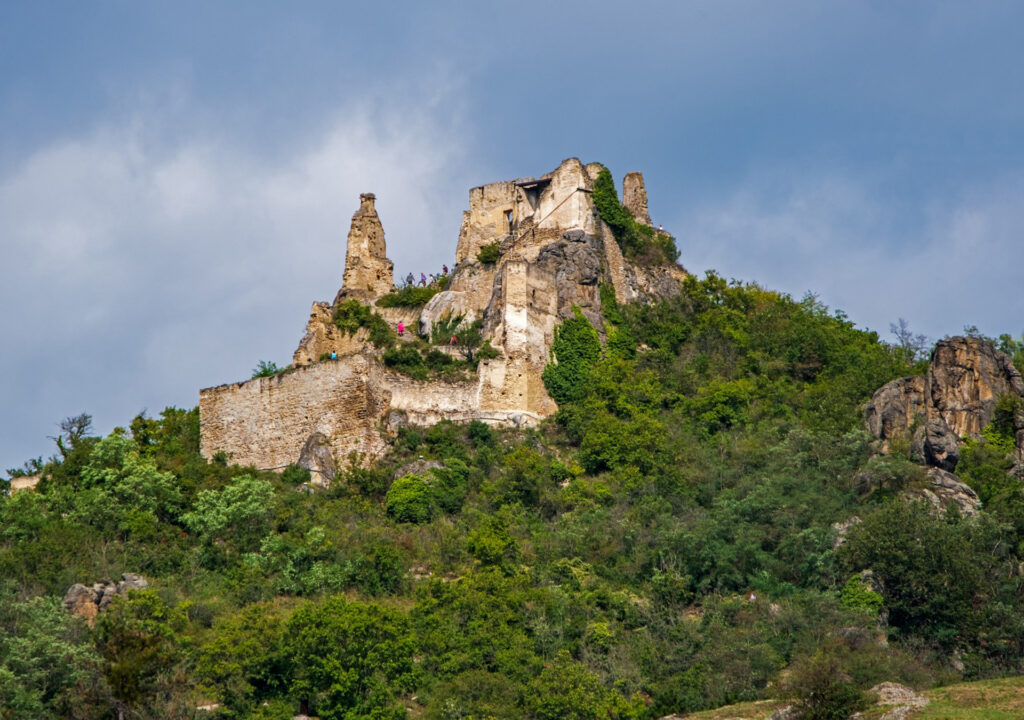
- Ruins of Dürnstein Castle
-
- Dürnstein
Vehicle access to the centre is prohibited, but we used the paid parking area right before the town entrance (Dürnstein Parking Lot).
Where to shop?
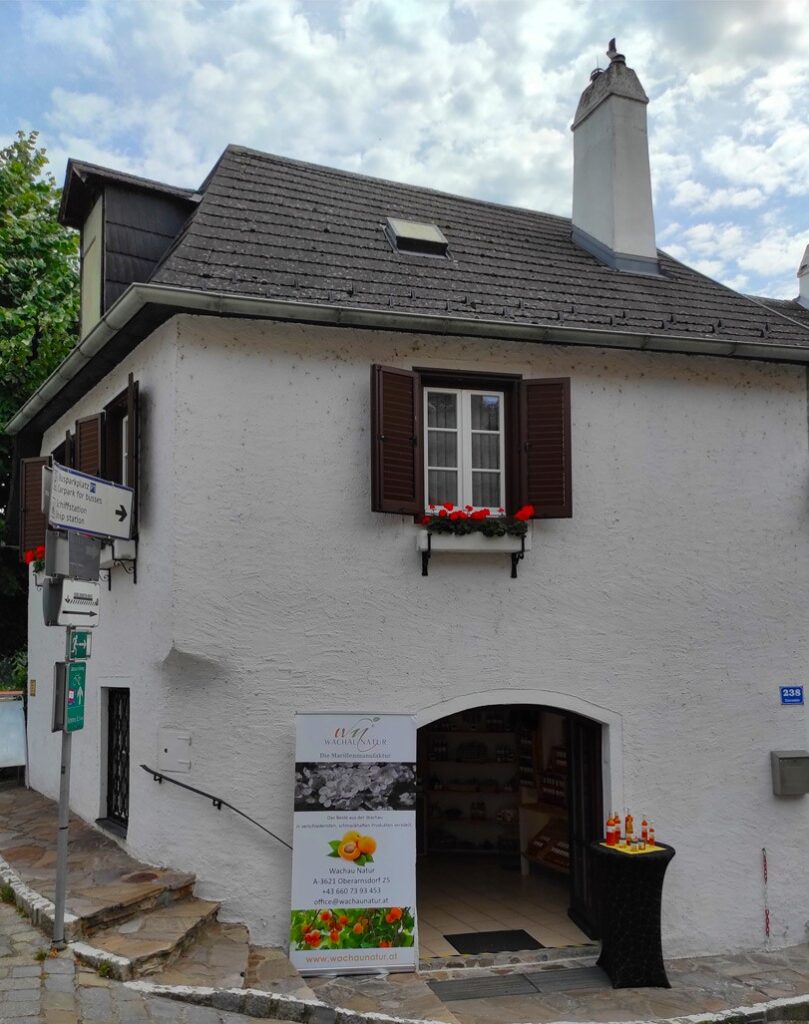
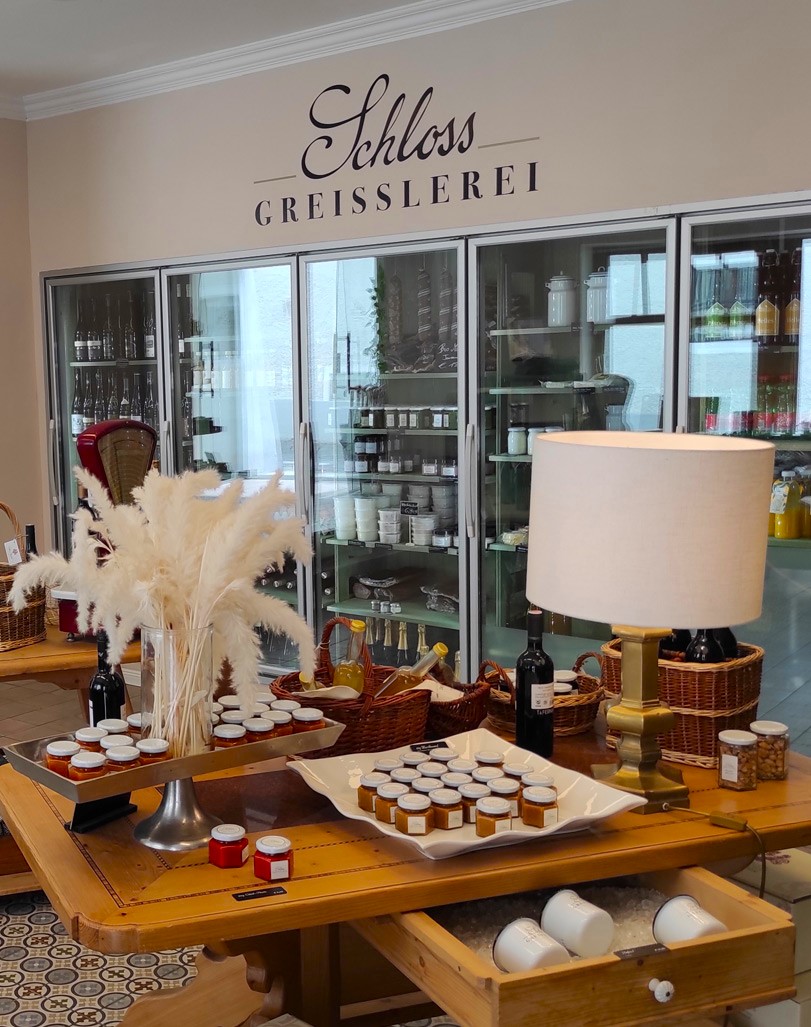
We bought excellent apricot jam and apricot liqueur at a small shop called Vinothek Dürnstein, located right at the beginning of the town. Not only did we like the taste of the products offered here the most, but they were also available at very friendly prices.
Address: Dürnstein 63
-
- Vinothek Dürnstein
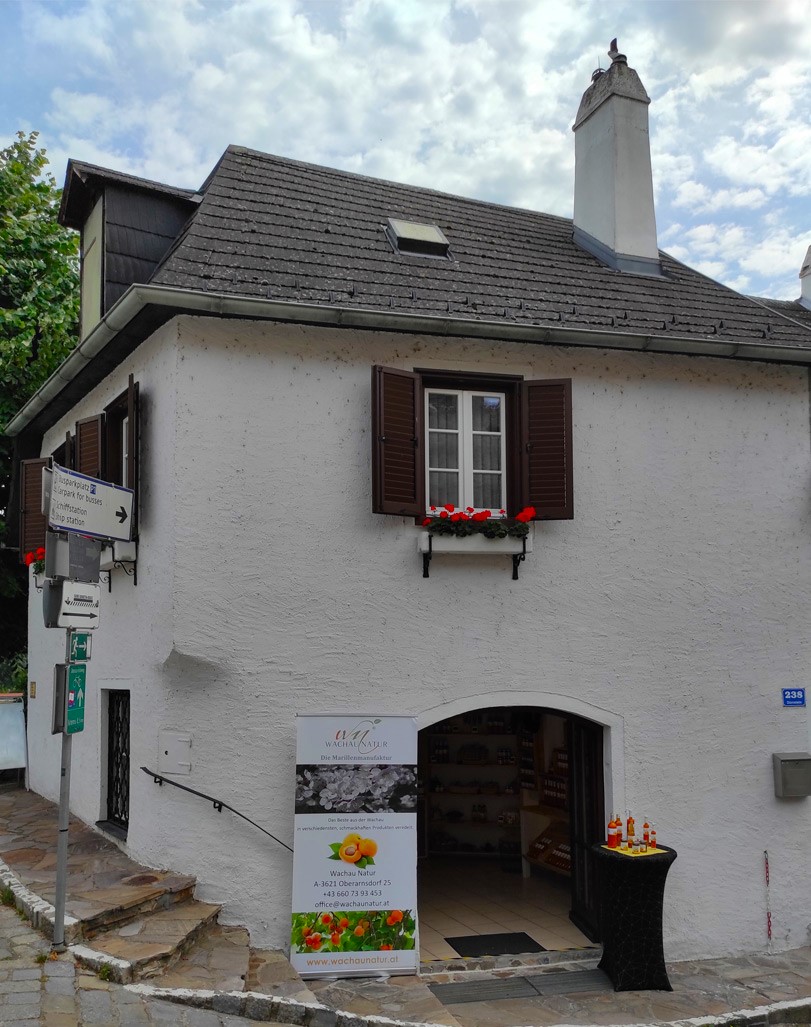
-
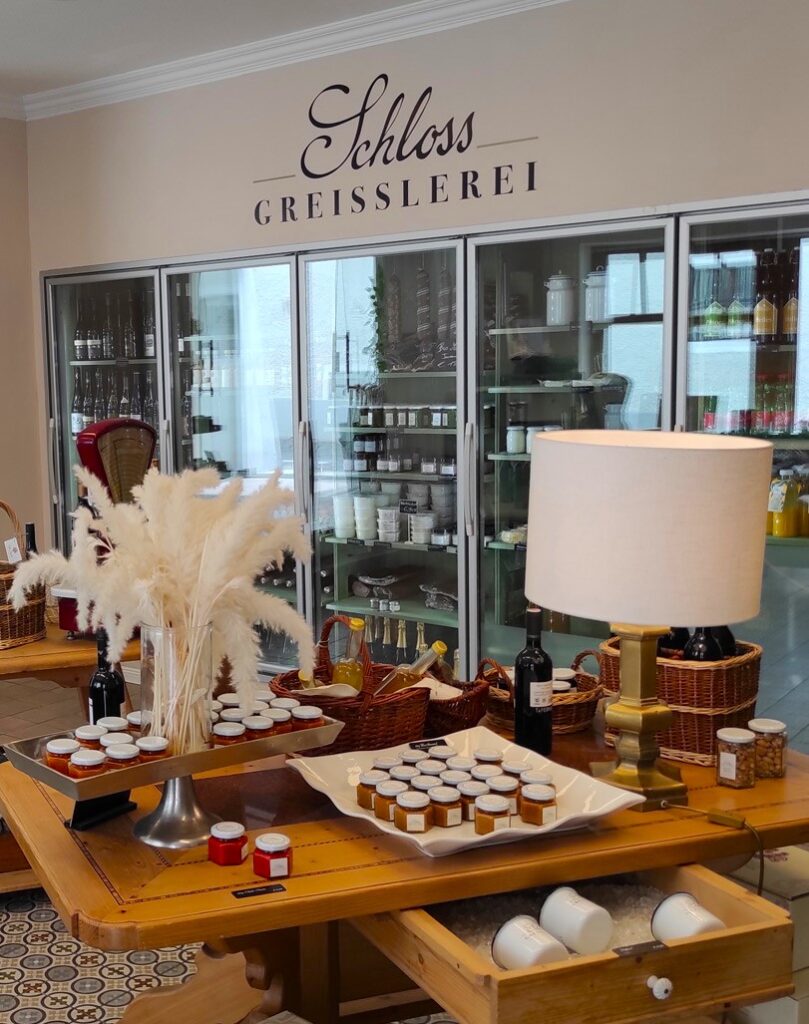
- Shop with local products
Göttweig Abbey
Our last stop was the beautiful Göttweig Abbey (Stift Göttweig), known for its mountain location as the Austrian Montecassino. This Benedictine abbey, with its Baroque architecture, dates back to the 11th century and still functions as a spiritual centre in the heart of Lower Austria today, its activities supported by a community of 41 monks.
We visited the freely accessible areas of the monastery, which include the courtyards with greenery, the church and a permanent exhibition titled "Life in the Monastery." This exhibition, which informs visitors about the life and work of the local monks, accompanied us from the reception all the way to the entrance of the courtyard.
-
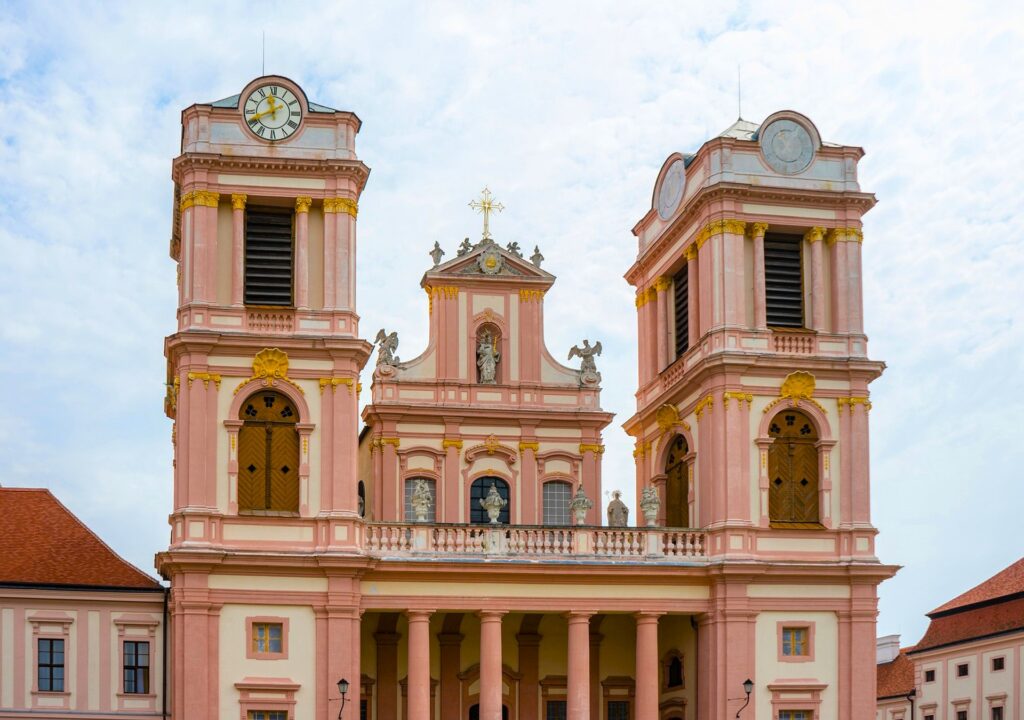
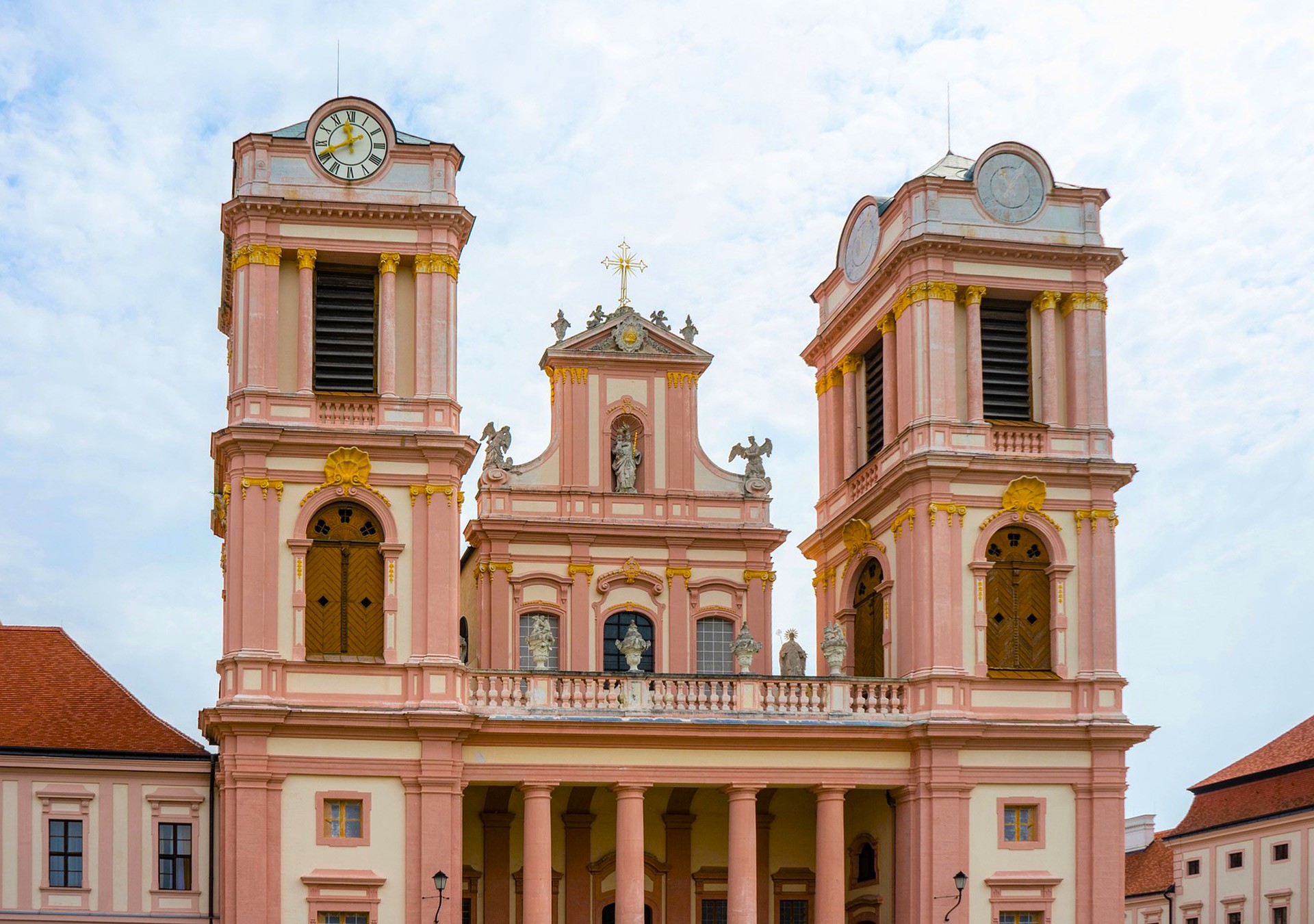
- The Church of the Assumption of the Virgin Mary
-
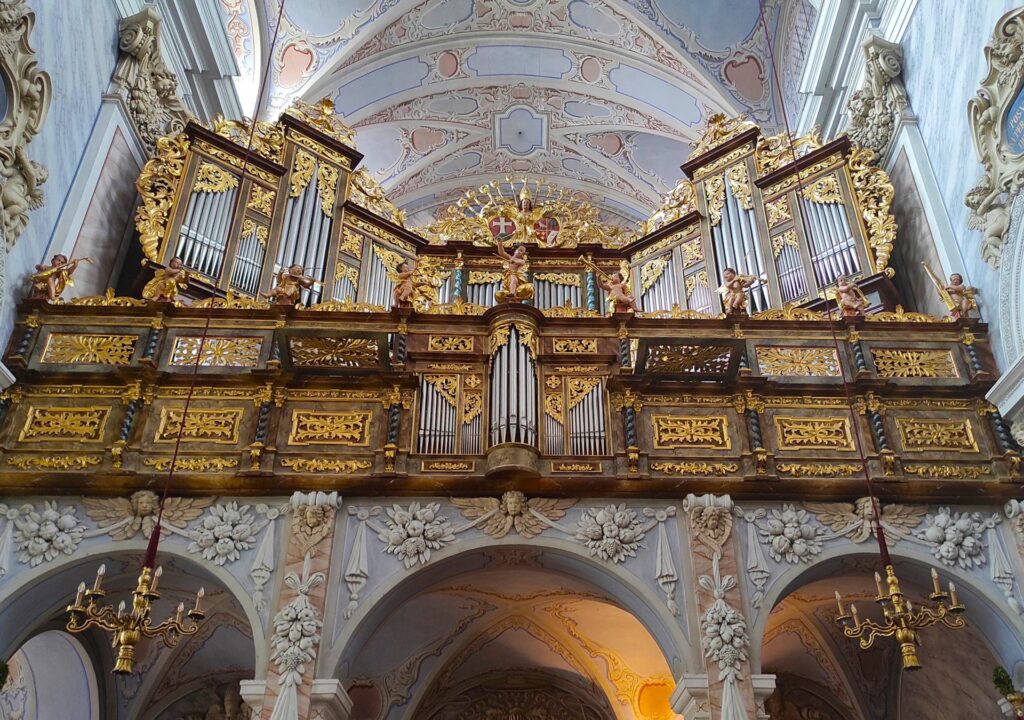
- The Church of the Assumption of the Virgin Mary
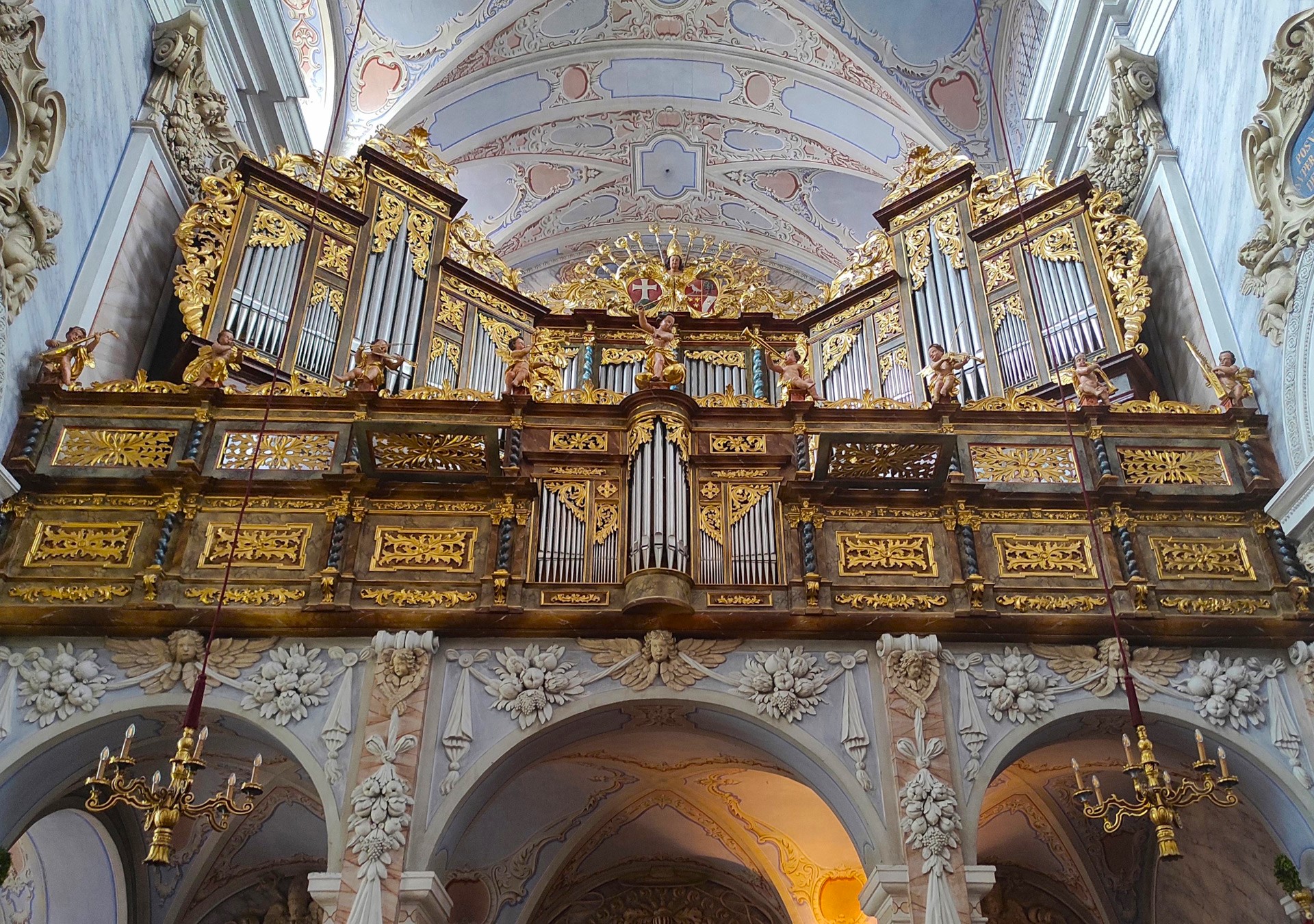
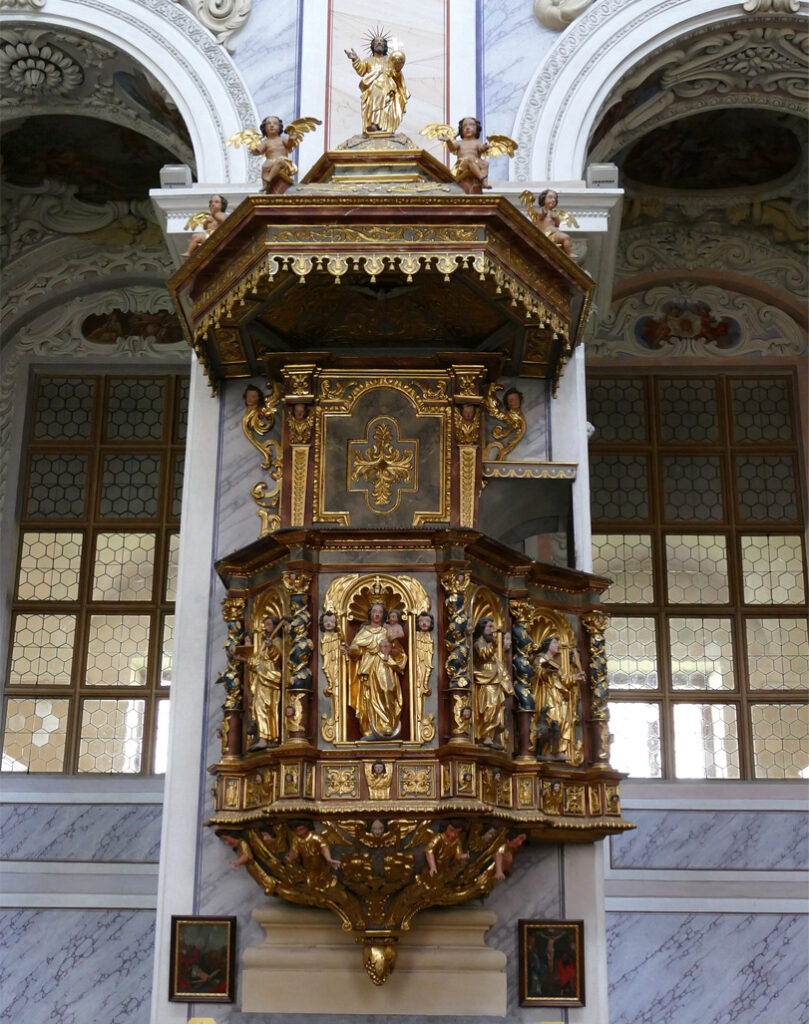
A substantial part of the collegiate church of the Assumption of the Virgin Mary dates back to the 18th century, when the church was renovated after a major fire. The dominant feature of the building is its two-tower facade, which was never fully completed. The main crypt beneath the presbytery contains a wooden pilgrimage statuette of the Göttweig Pietà, and the silver reliquary of this saint is kept in the Altmann Crypt.
-
- The Church of the Assumption of the Virgin Mary
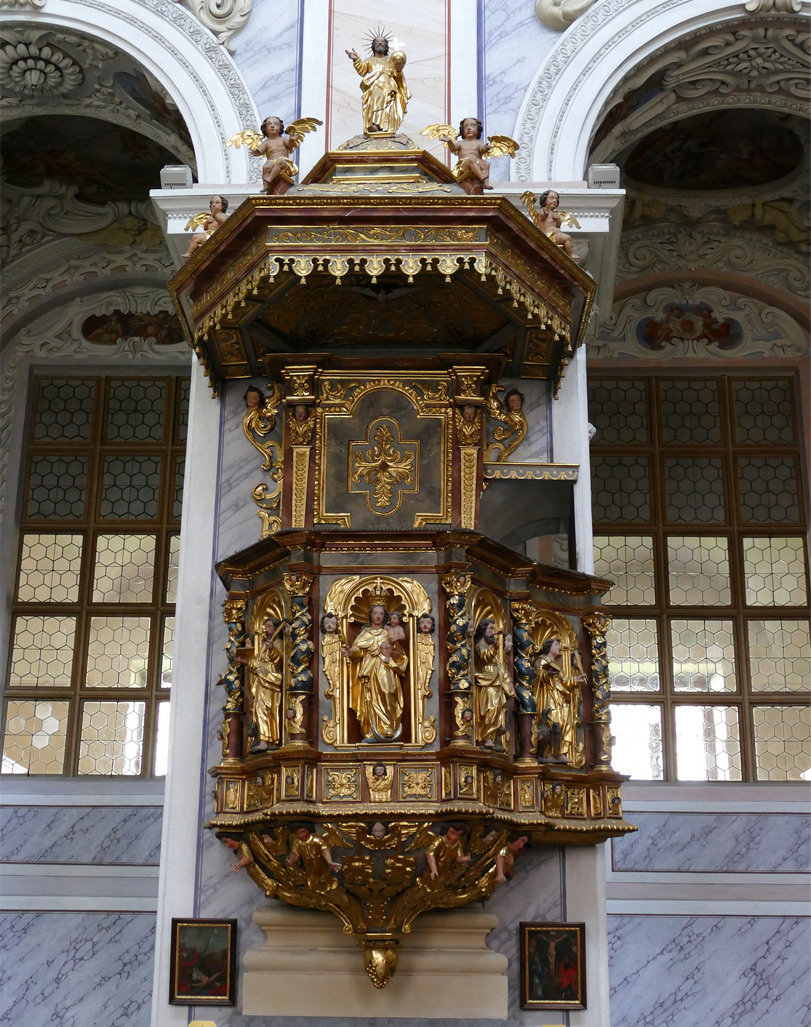
-
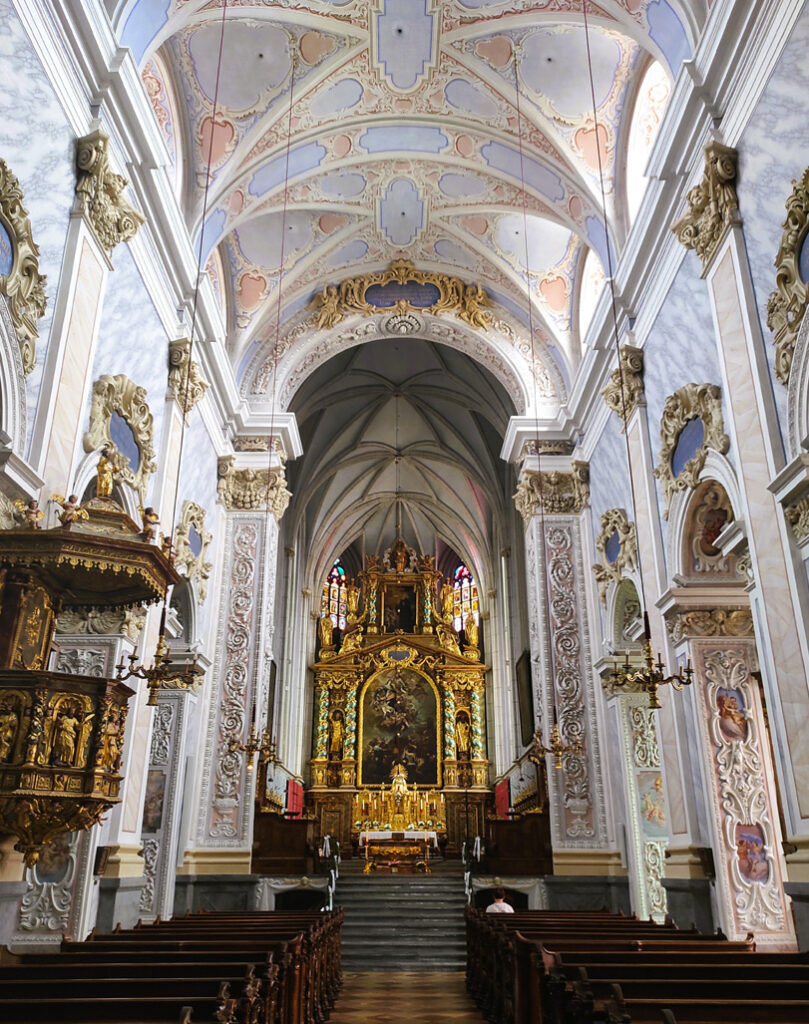
- The Church of the Assumption of the Virgin Mary
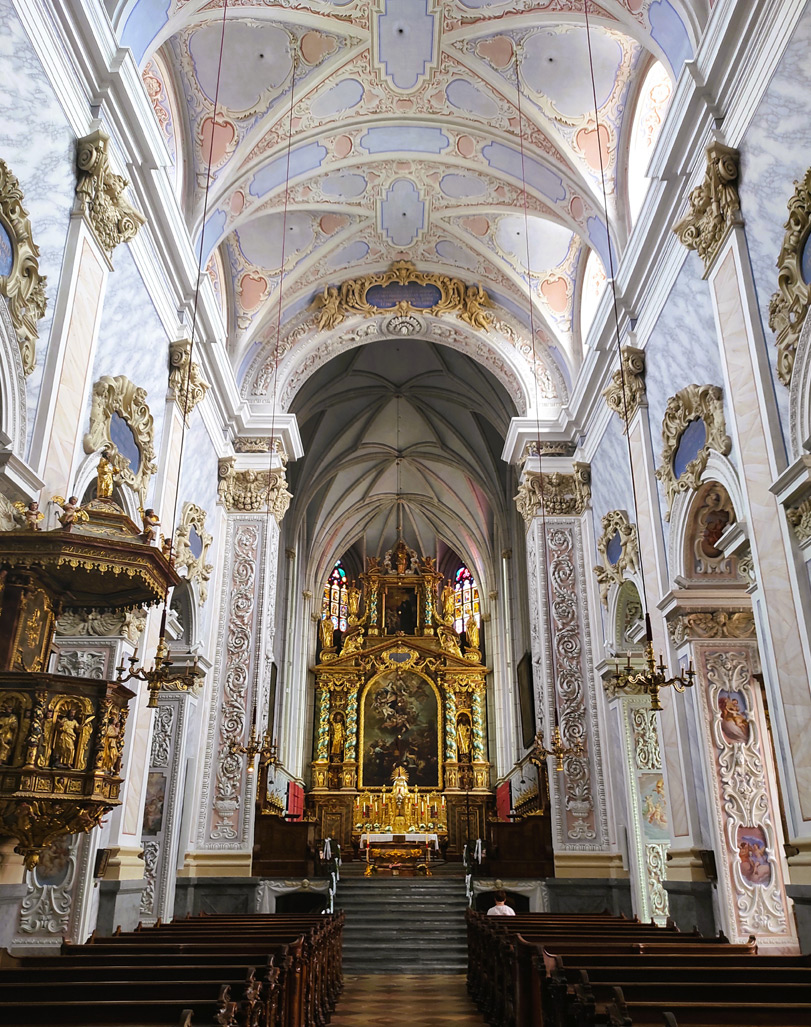
Within the grounds, you can also visit the monastery museum, which features, among other things, the monumental Imperial Staircase with a ceiling fresco by Paul Troger. It is one of the most beautiful and largest Baroque staircases in Europe. Special exhibitions of the abbey's art collections are held annually in the adjacent princely and imperial rooms.
At the restaurant with a panoramic view, you can enjoy regional specialties and wines from the abbey's own vineyards. The monastery also offers accommodation at the Göttweig Abbey Pension.
Free parking is available directly in front of the monastery entrance.
Address: Stift Göttweig 1, Furth bei Göttweig
Our final tip for cycling enthusiasts:
The entire Wachau Valley is part of the Danube Cycle Path that follows the EuroVelo 6 route through the legendary Nibelungengau and the unique Wachau region. It passes by Melk Abbey, the cultural city of Krems, and the flower city of Tulln, then continues through Klosterneuburg, Vienna, Petronell and Hainburg to Bratislava.