



The federal state of Carinthia (Kärnten), a jewel of southern Austria, represents a tranquil corner full of natural and historical treasures. It is a land of lakes with crystal blue water, mountain panoramas and monuments worth discovering.
Join us on a journey to three icons you must experience firsthand: the guardian of the region, Hochosterwitz Castle; the spiritual centre of Maria Saal; and the treasury of art, Gurk Cathedral.
Maria Saal
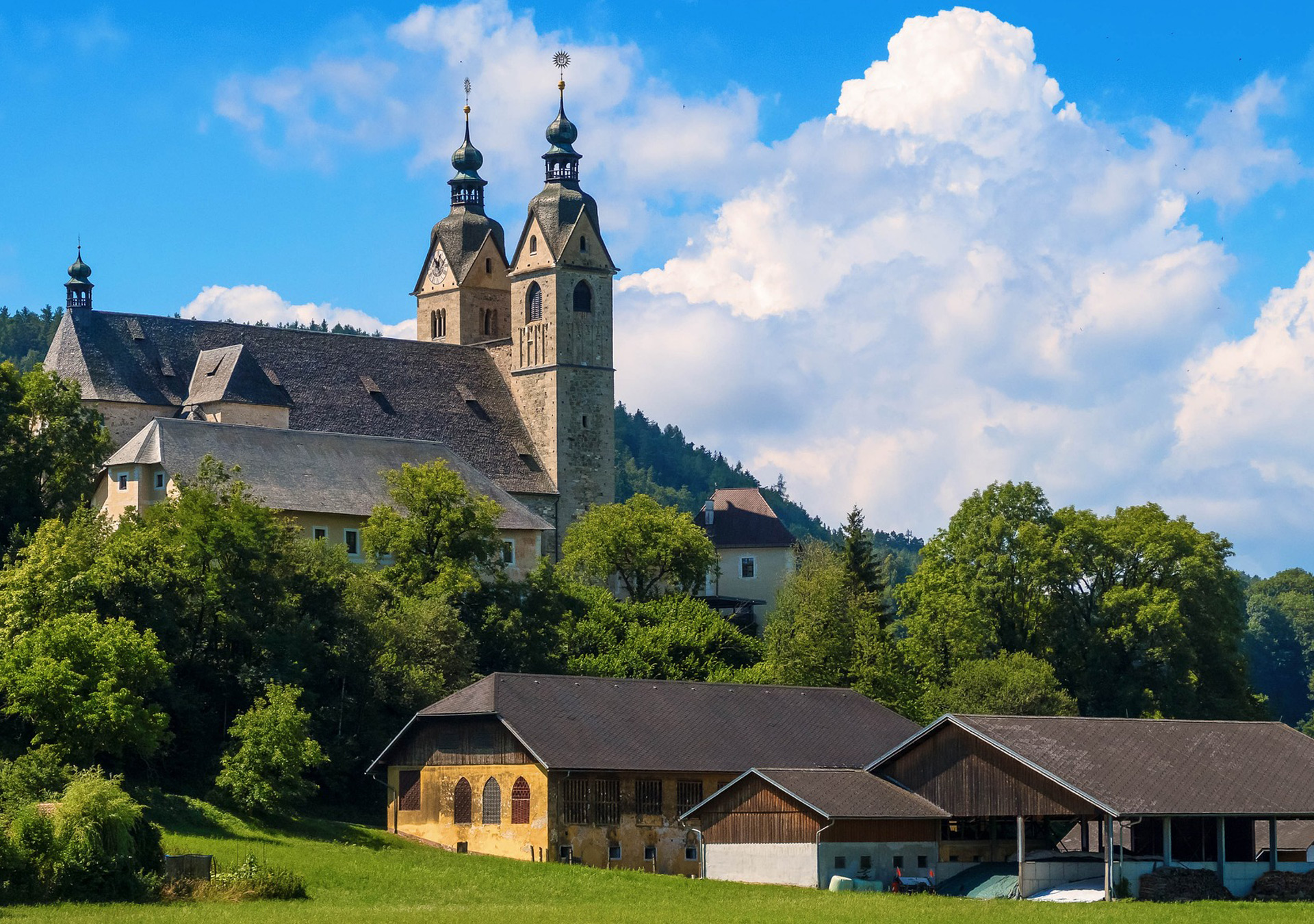
Wandering through the market town of Maria Saal is like traveling from one historical epoch to another. The town is particularly famous for its Cathedral of the Assumption of Mary (Dom Maria Himmelfahrt), which represents the most significant Gothic sacral building in Carinthia.
The first pilgrimage church on the site of today's cathedral was built by Carinthia's apostle, Modestus, as early as the 8th century. From here, the second wave of Christianization spread throughout all of Carinthia. Modestus's tomb can still be found in the cathedral today.
-
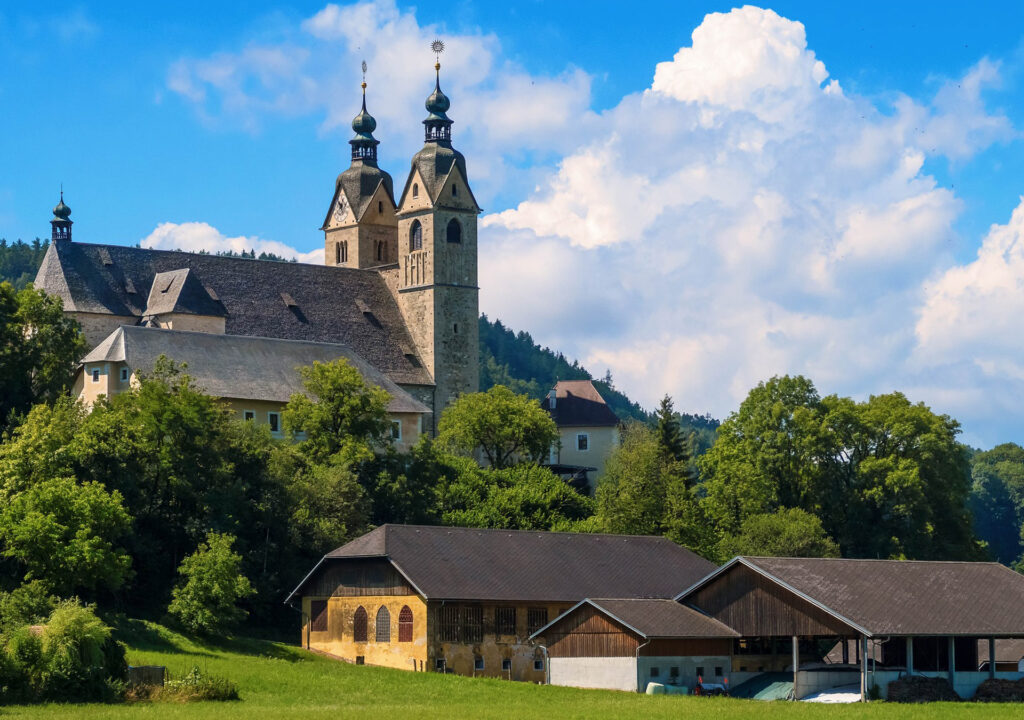
- Cathedral of the Assumption of Mary
-
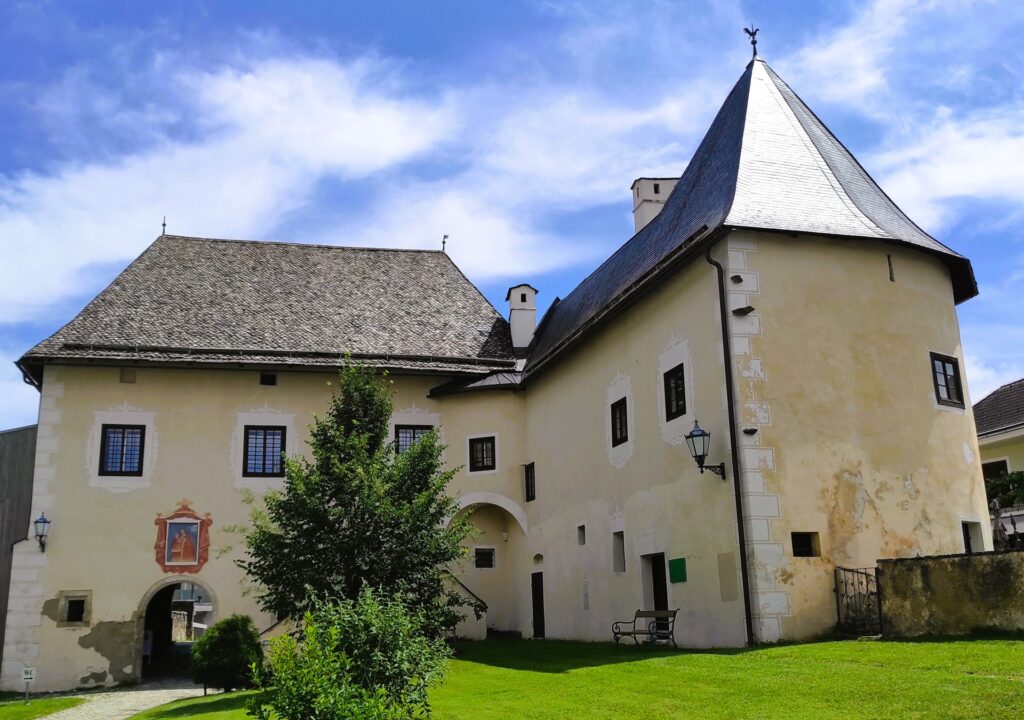
- Entrance to the cathedral complex
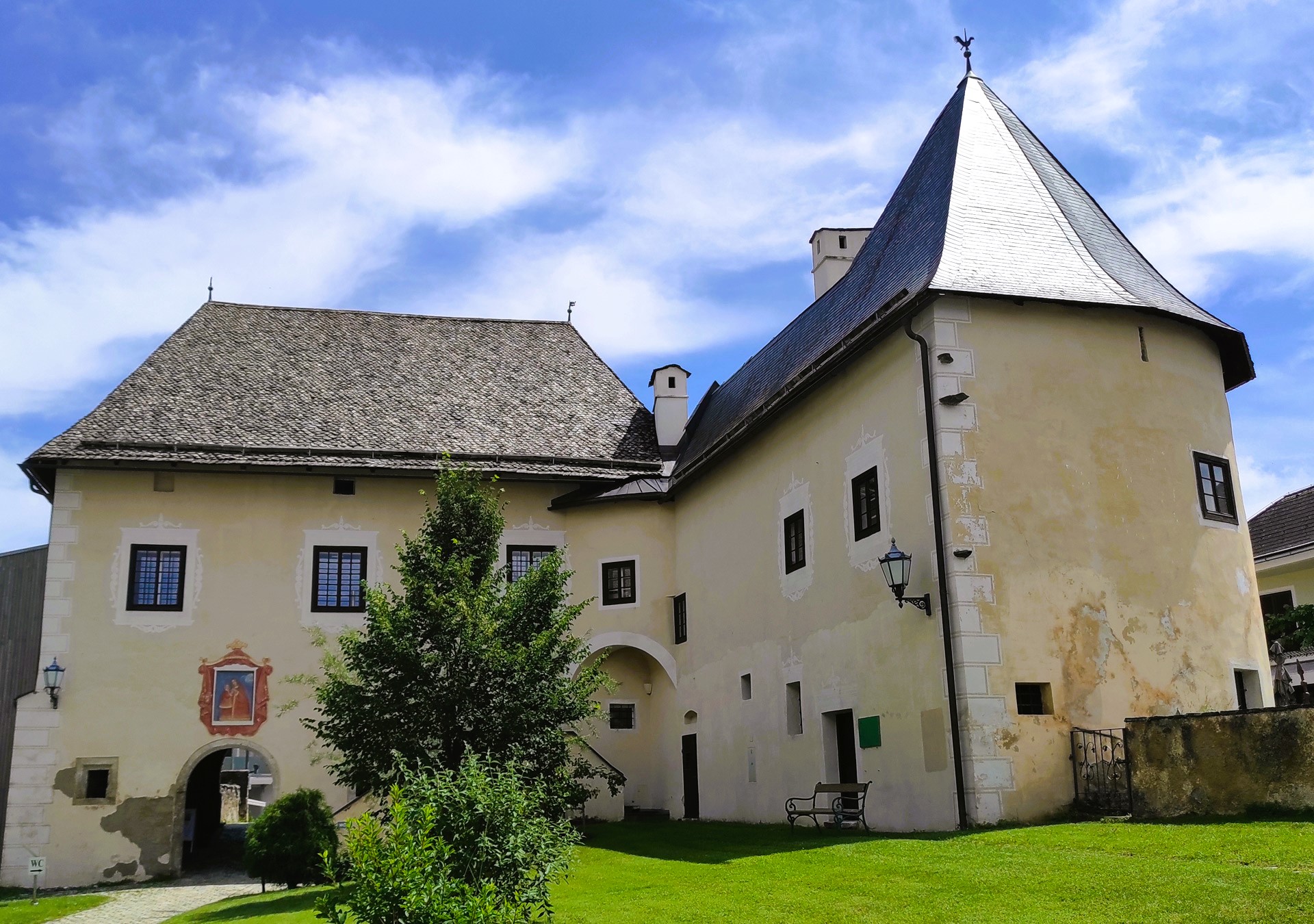
The church was later fortified along with the surrounding monastery buildings and thus withstood even the Turkish invasions of the 15th century. After a devastating fire in the 17th century, this sacred structure was restored and thus acquired its present form. On this occasion, the largest bell in Carinthia, the "Maria Saalerin," was cast for the north tower and consecrated in 1688.
-
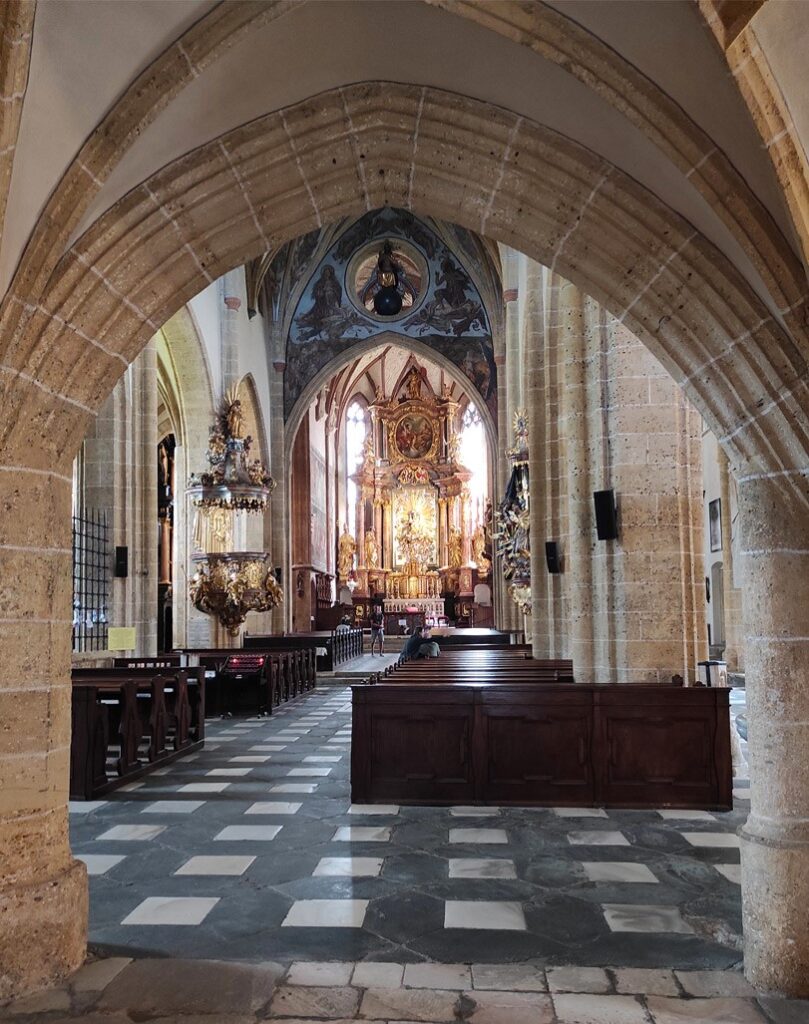
- Cathedral of the Assumption of Mary
-
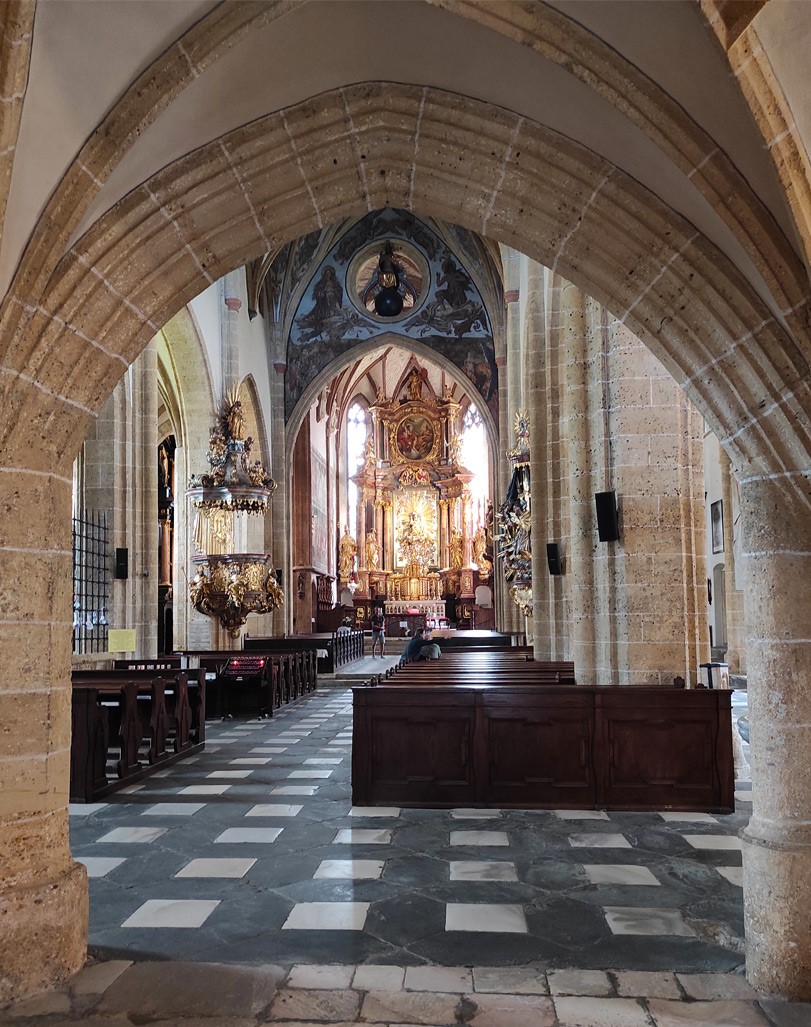
- Cathedral of the Assumption of Mary
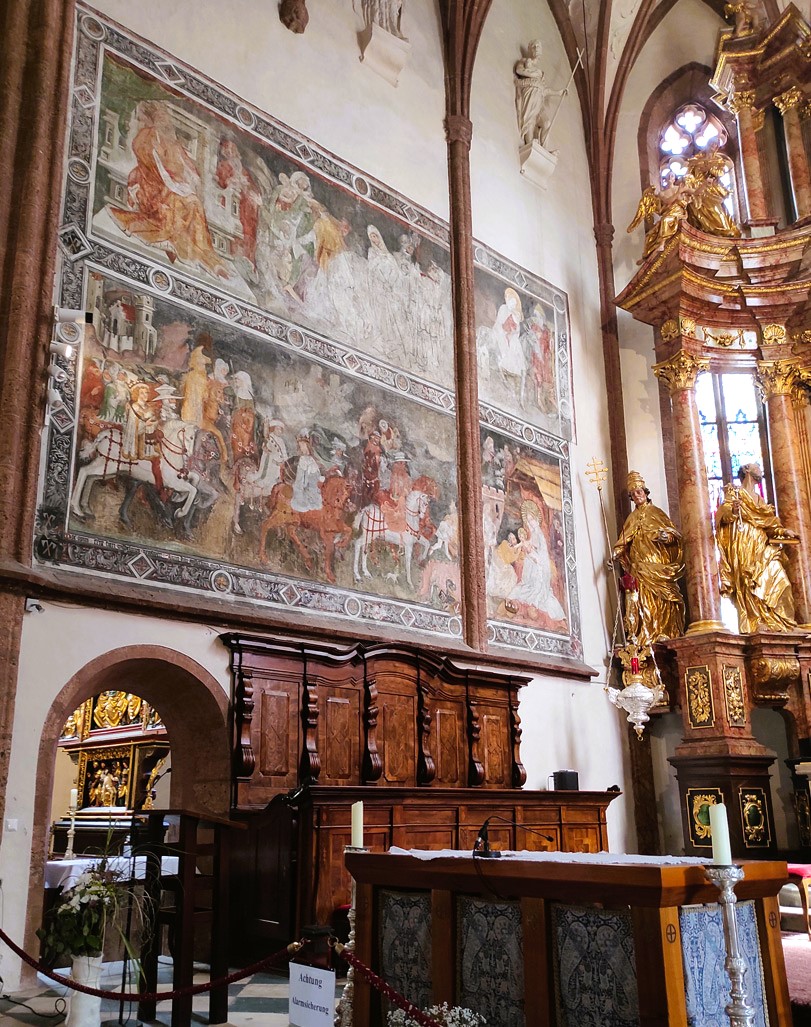
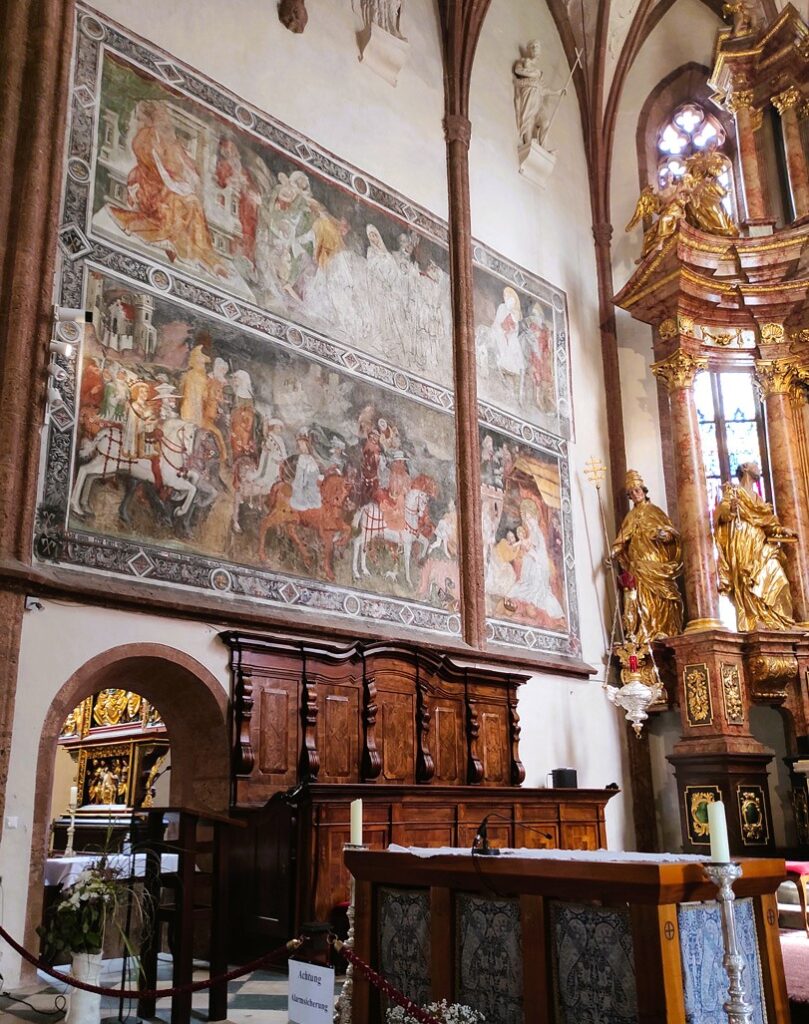
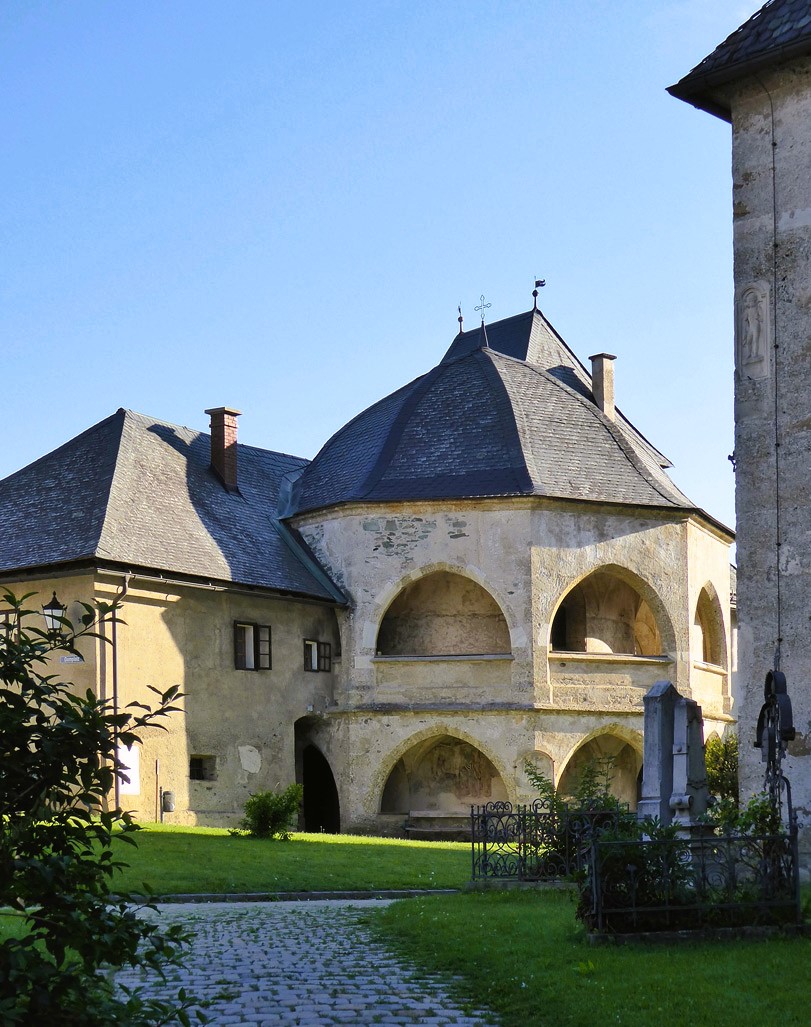
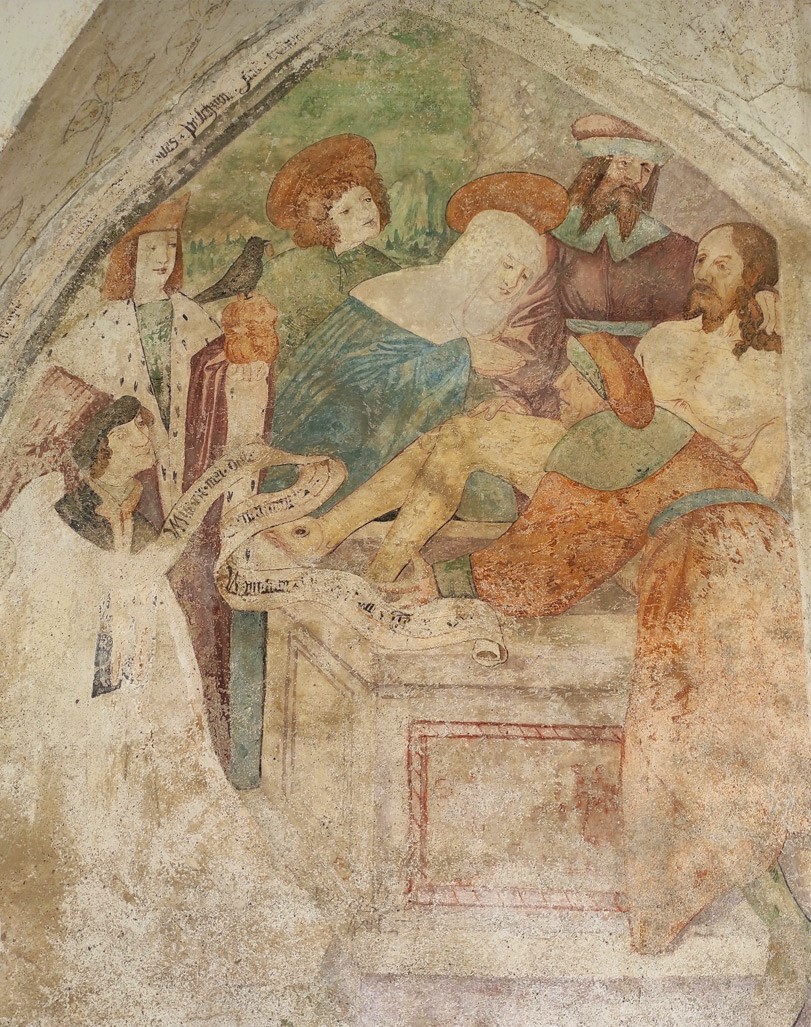
Opposite the cathedral stands a late Gothic cemetery chapel with a mortuary, boasting magnificent ceiling frescoes. In its early days, the building likely also served as a baptistery. It is also known as the "Octagon," despite actually having nine sides.
The entire complex still serves today as a spiritual centre and a place of pilgrimage for believers from across the region.
Address: Domplatz 94, Maria Saal
You can park for free in the car park just below the cathedral at the intersection of the L86 and Arndorfer Straβe roads.
-
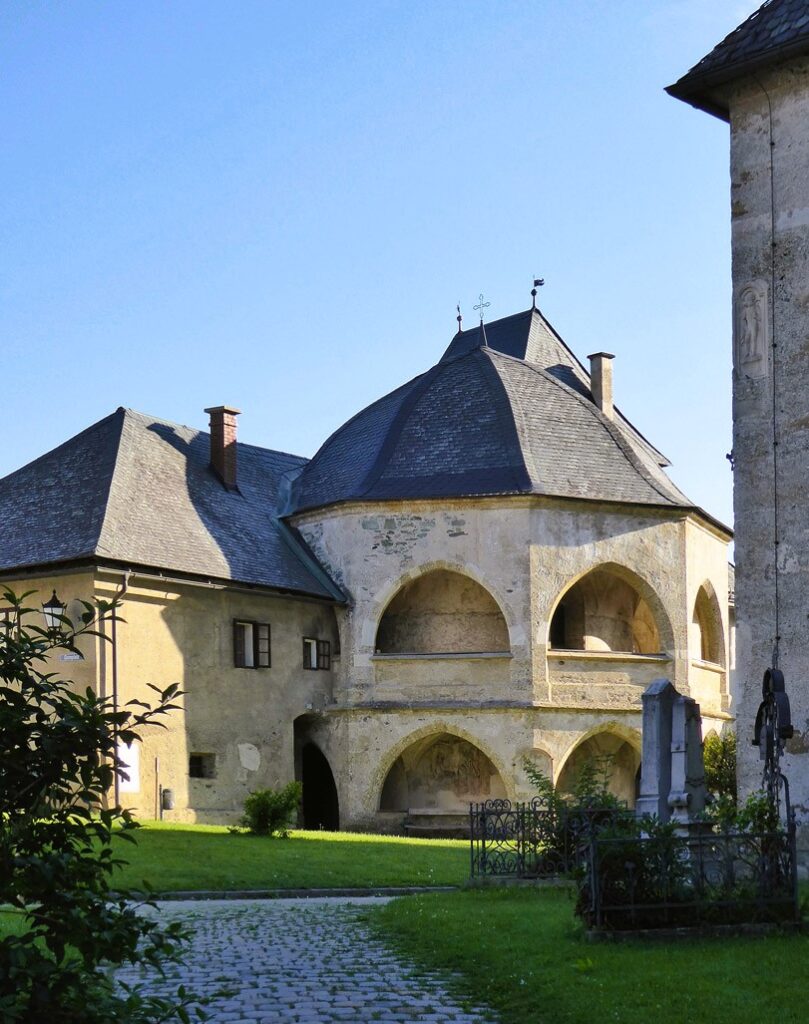
- Cemetery chapel
-
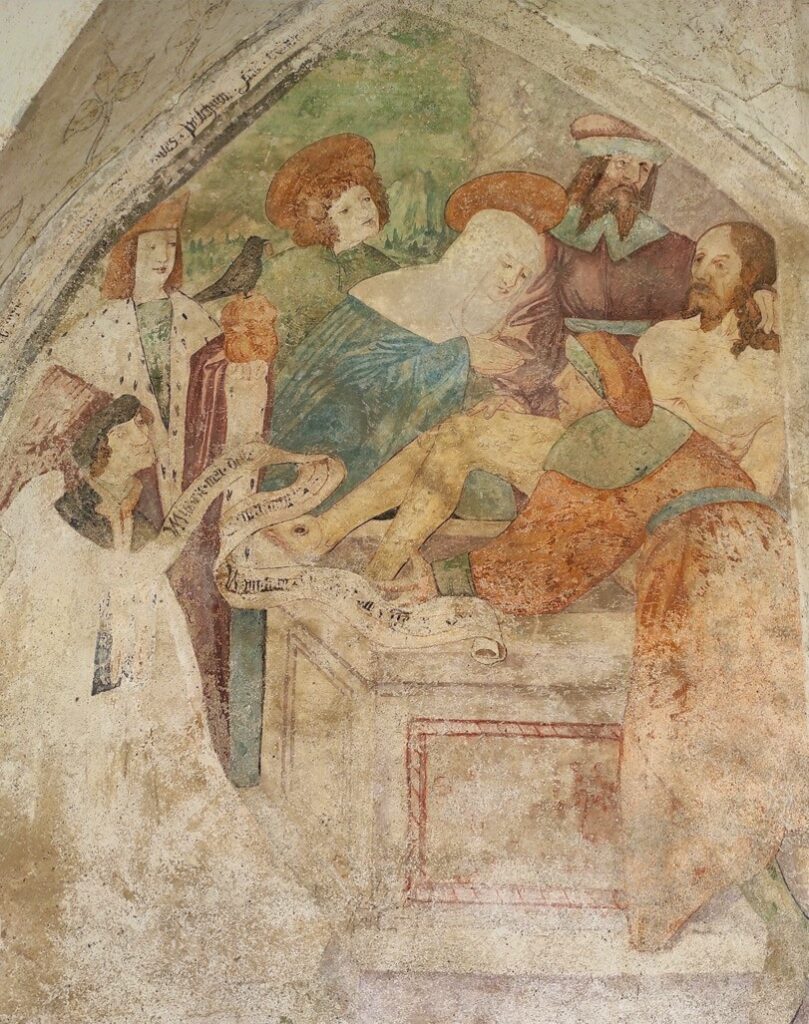
- Cemetery chapel
Another place definitely worth visiting is the Carinthian Open-Air Museum (Kärntner Freilichtmuseum), which is the oldest museum of its kind in Austria. Rural rustic houses, farmsteads and mills collected from various parts of the federal state will transport you back centuries. This idyllic village, created with herb gardens and enclosures, uniquely reveals the way of life in the countryside at that time.
Address: Museumweg 10, Maria Saal
Free parking is available in the large car park before the footpath to the museum.
-
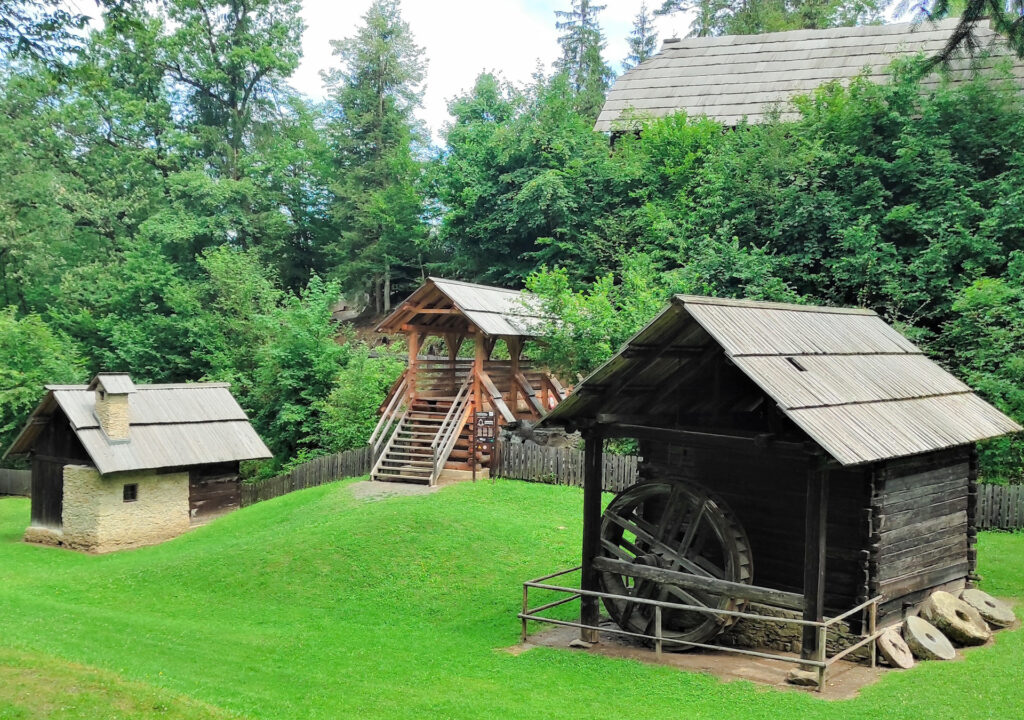
- Carinthian Open-Air Museum
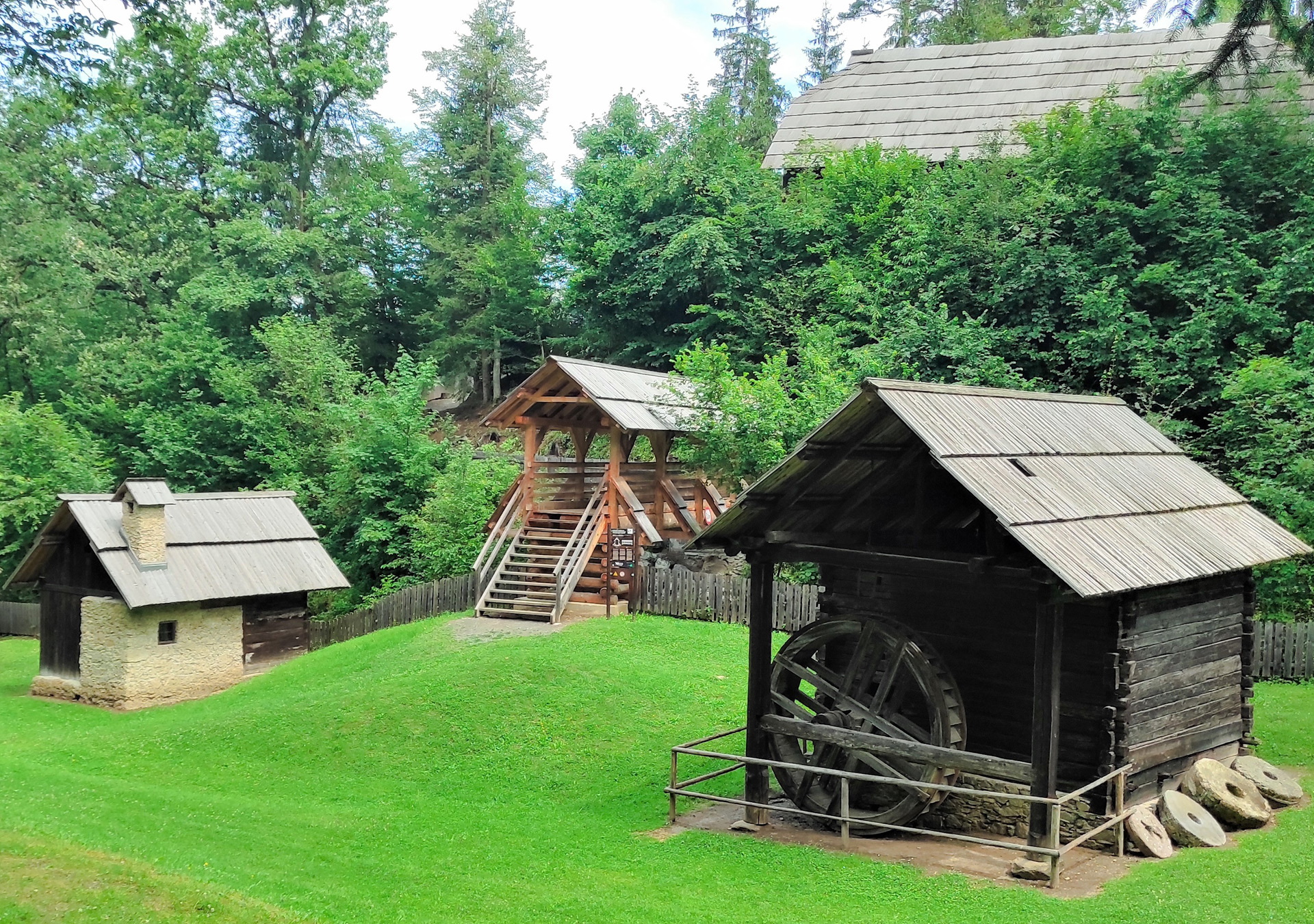
-
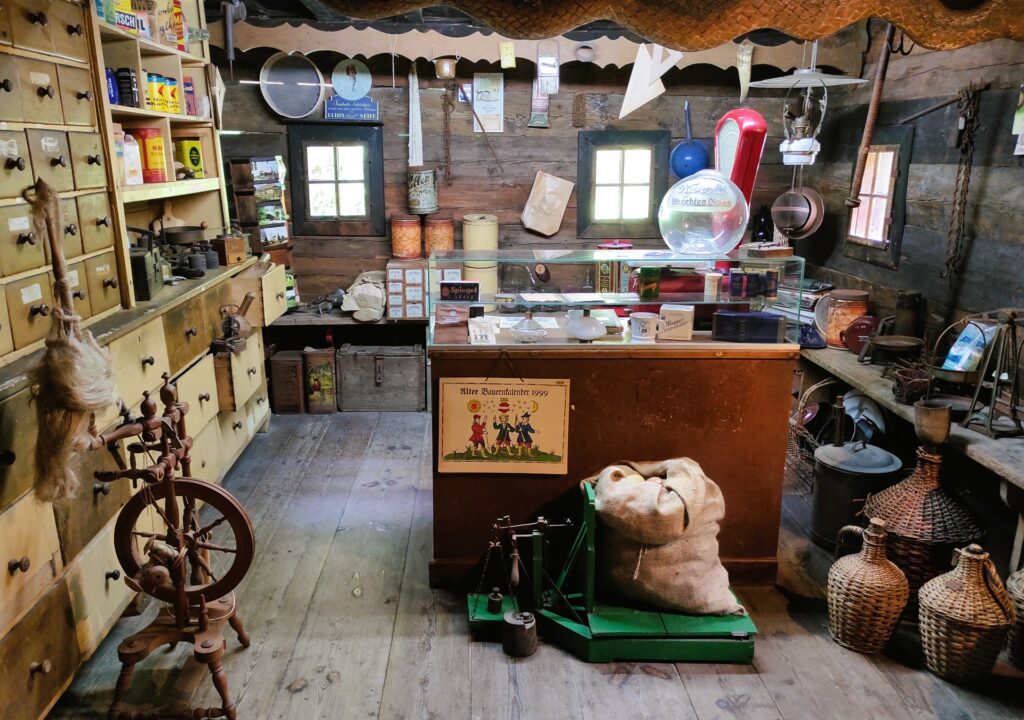
- Carinthian Open-Air Museum
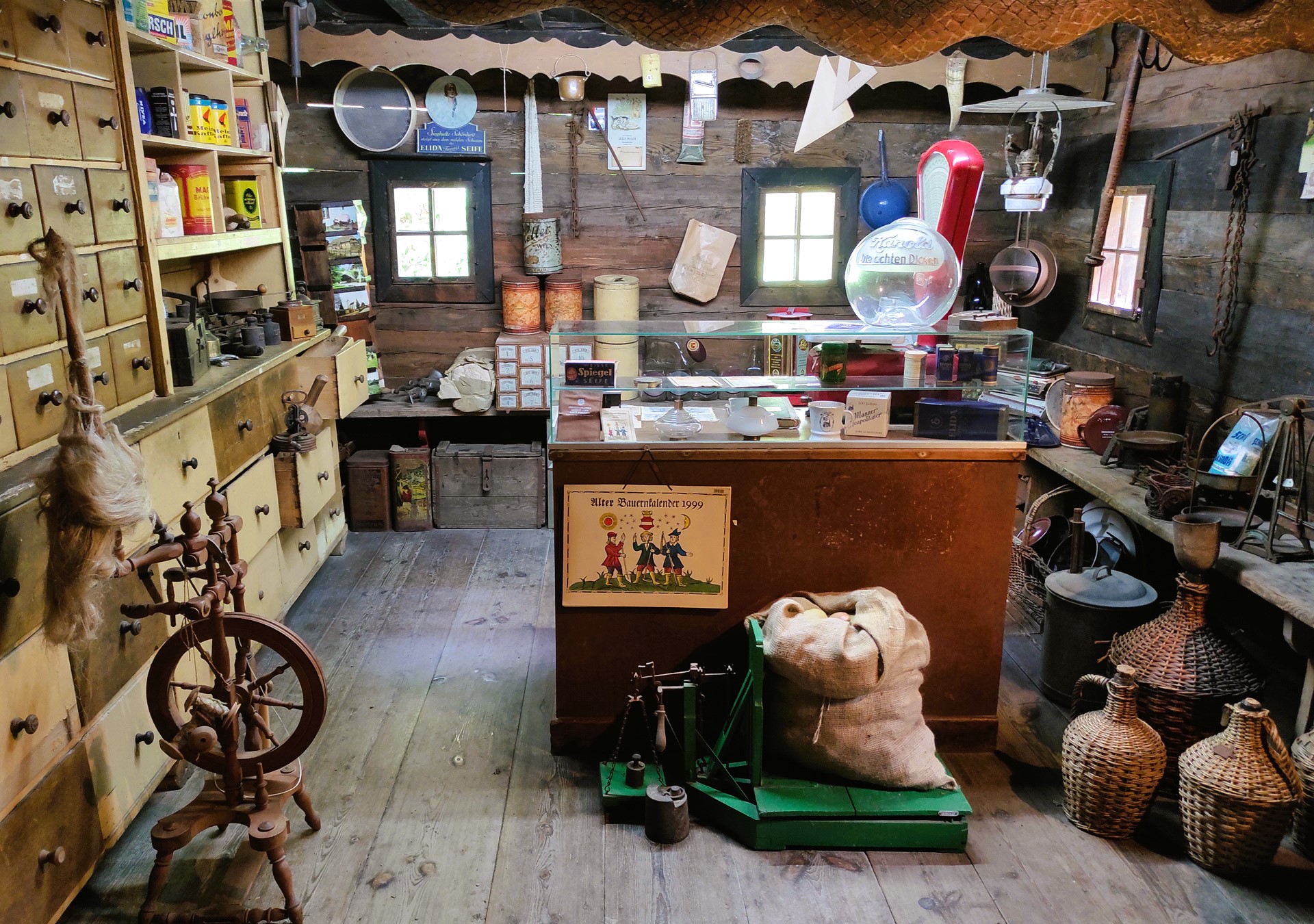
Our tip:
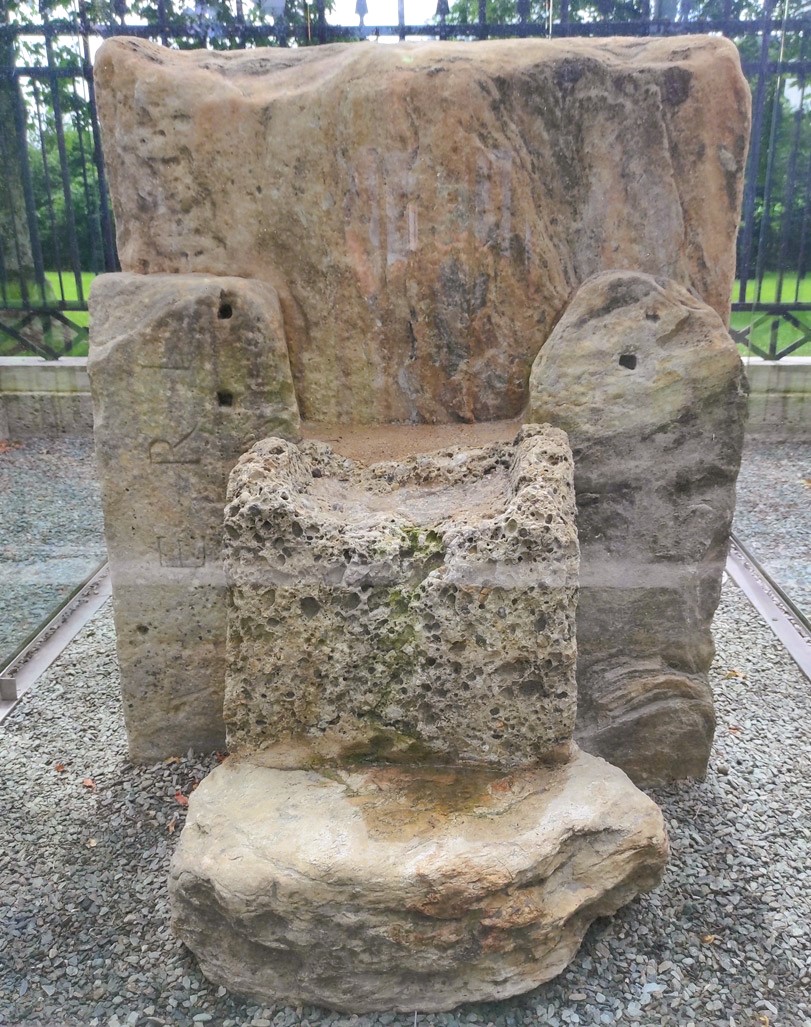
During the time of the Roman province of Noricum, the site of today's Maria Saal was home to its capital town, called Virunum. Subsequent archaeological excavations have brought to light splendid artifacts, including a stone throne from the Bronze Age.
It was here that the dukes would sit to take their oath of allegiance after their coronation. This tradition turned the Ducal Throne of Carinthia (Kärntner Herzogstuhl) in the open air into a symbol of the legislative power and independence of the Carinthian prince.
The first person verifiably known to have sat on it was Duke Meinhard von Goerz-Tirol in 1286, to whom the German King Rudolf I had granted Carinthia in recognition of his services.
Address: L71, Maria Saal
Free parking is available a few steps from the monument.
-
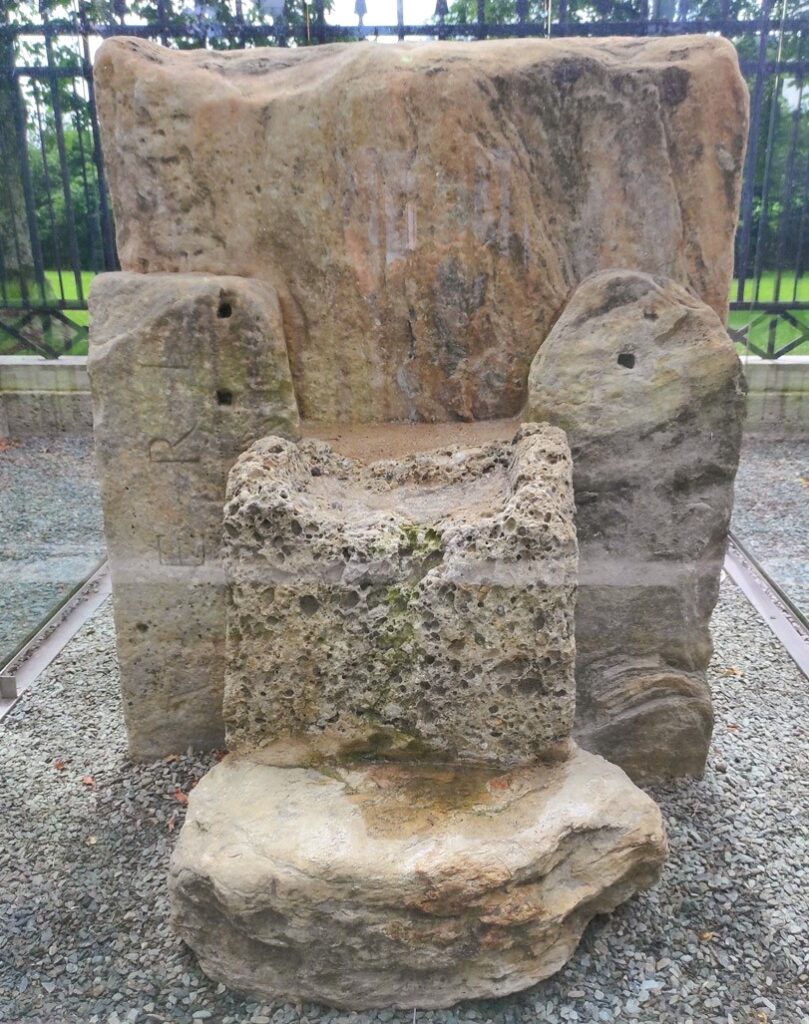
- Ducal Throne
-
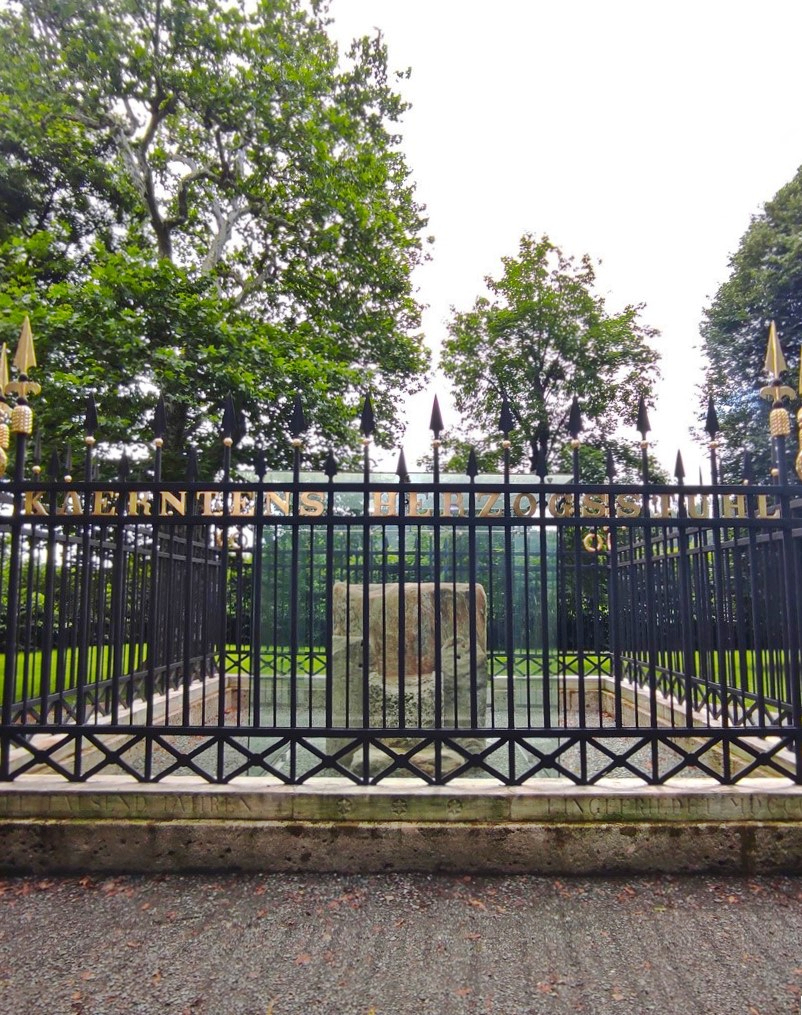
- Ducal Throne
Hochosterwitz Castle
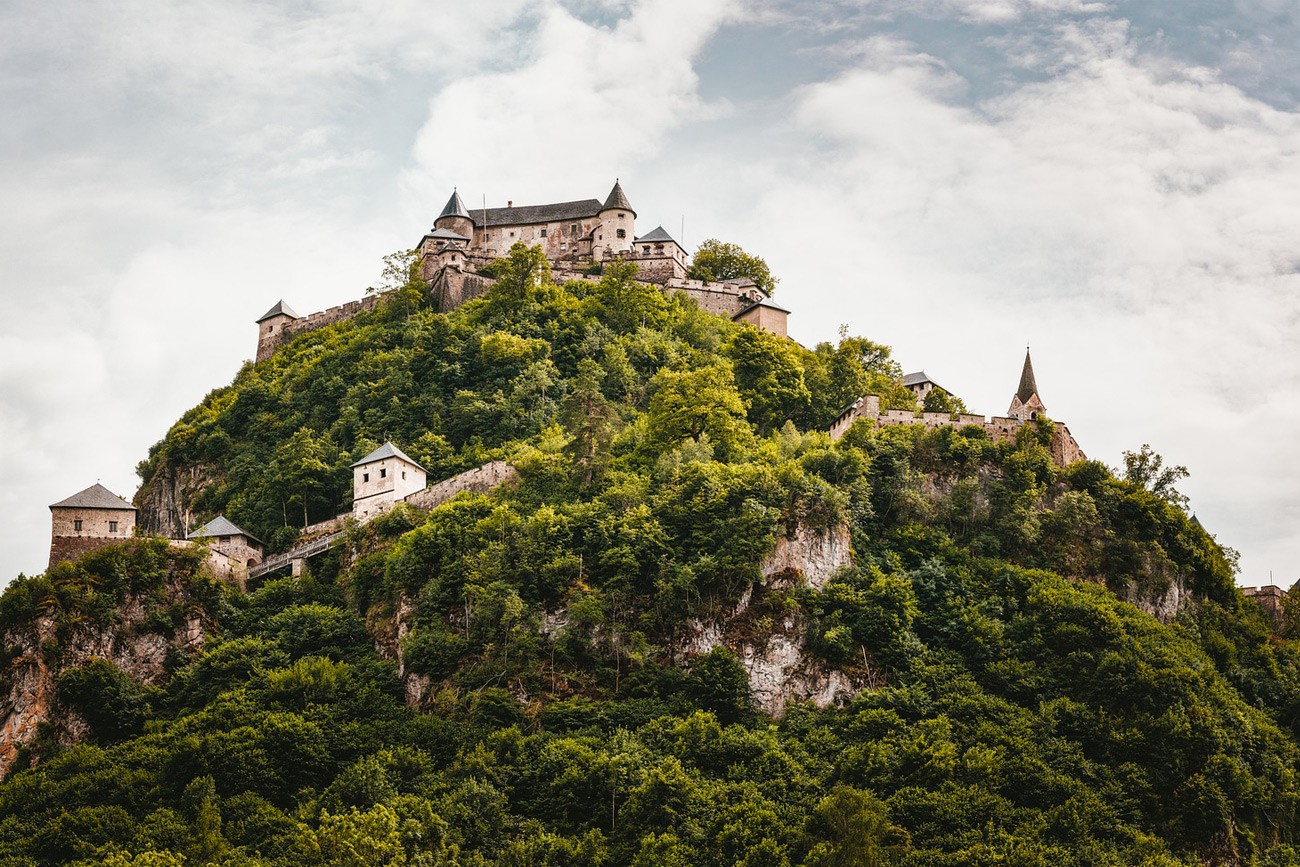
On our journey, we could not miss one of Austria's most impressive castles, called Hochosterwitz, which proudly towers on a steep dolomite rock.
-
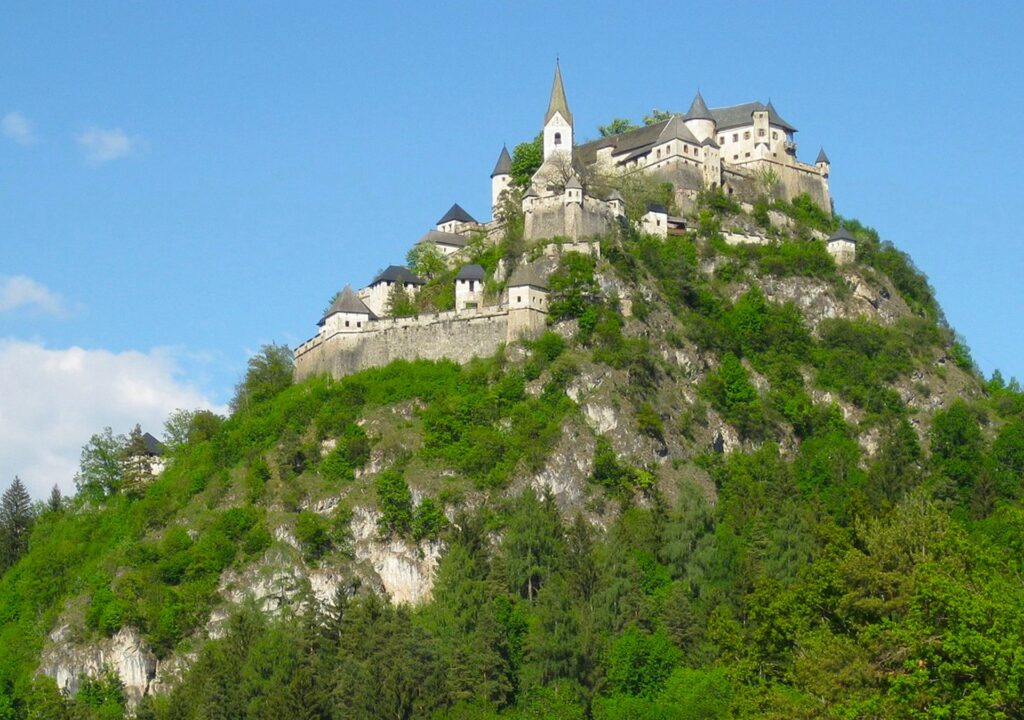
- Hochosterwitz Castle
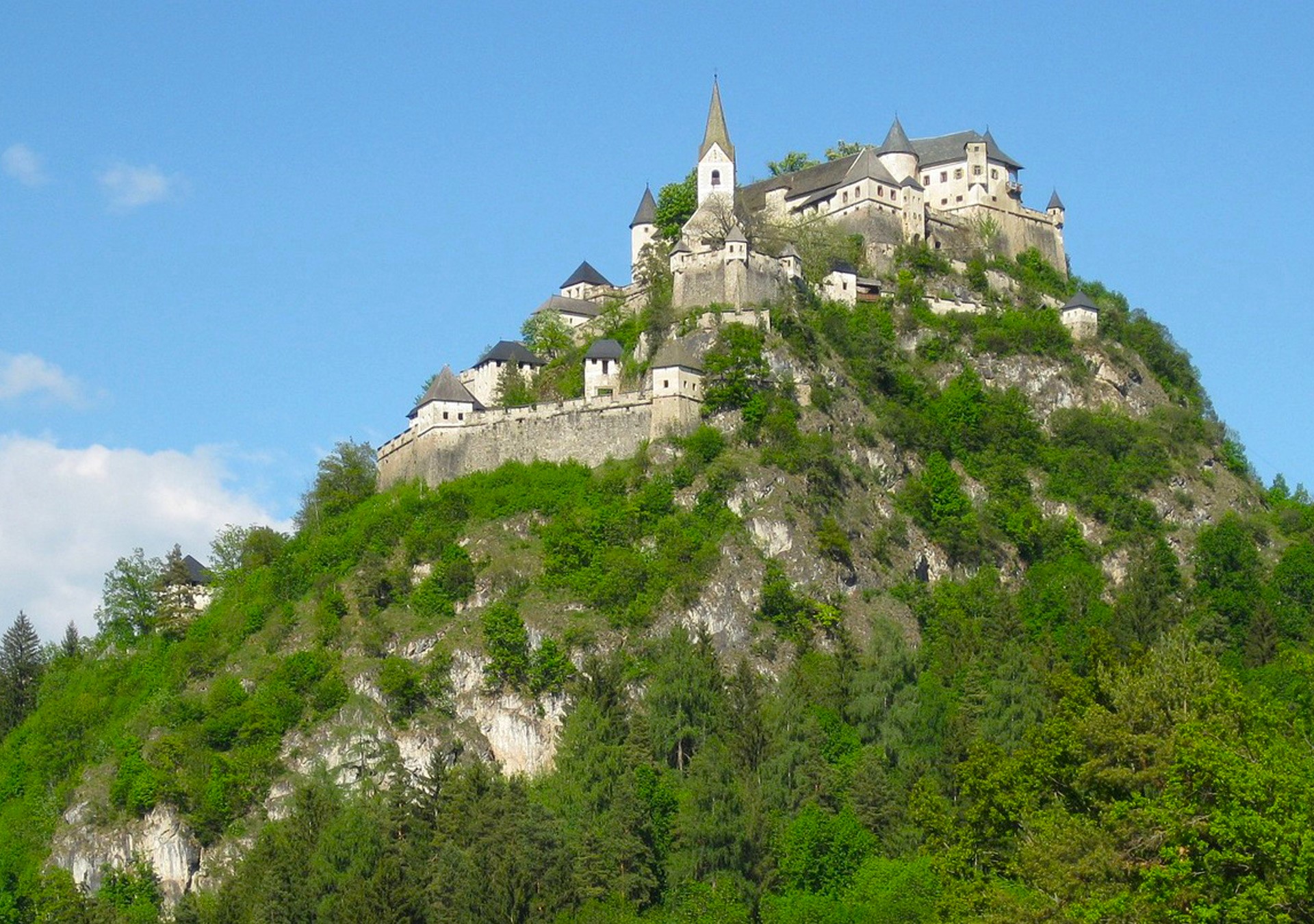
-
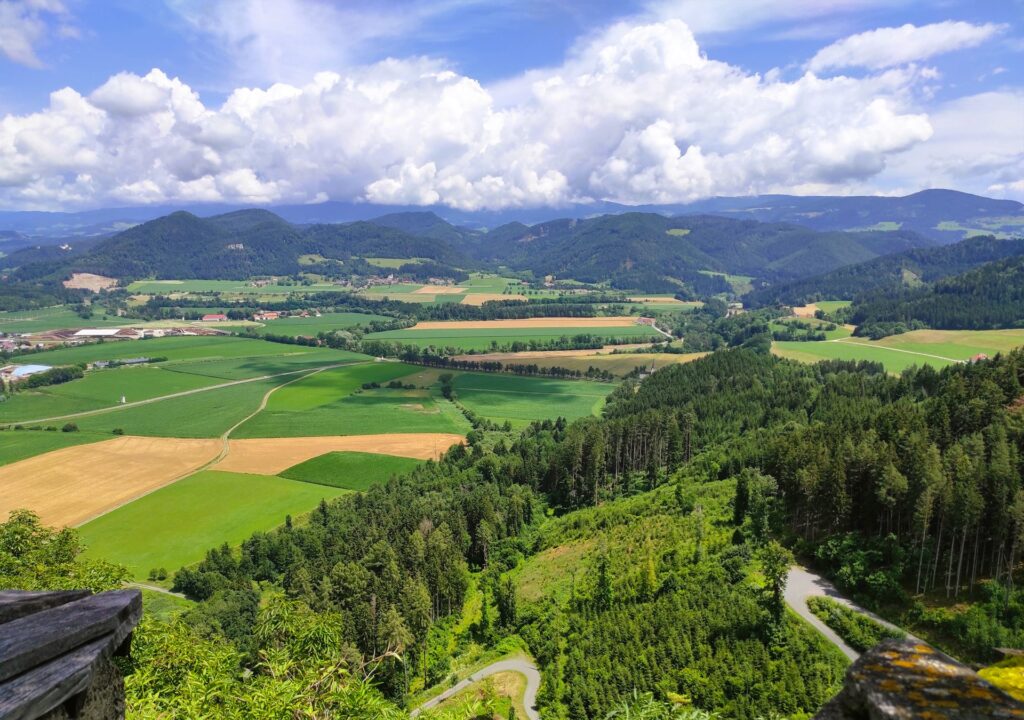
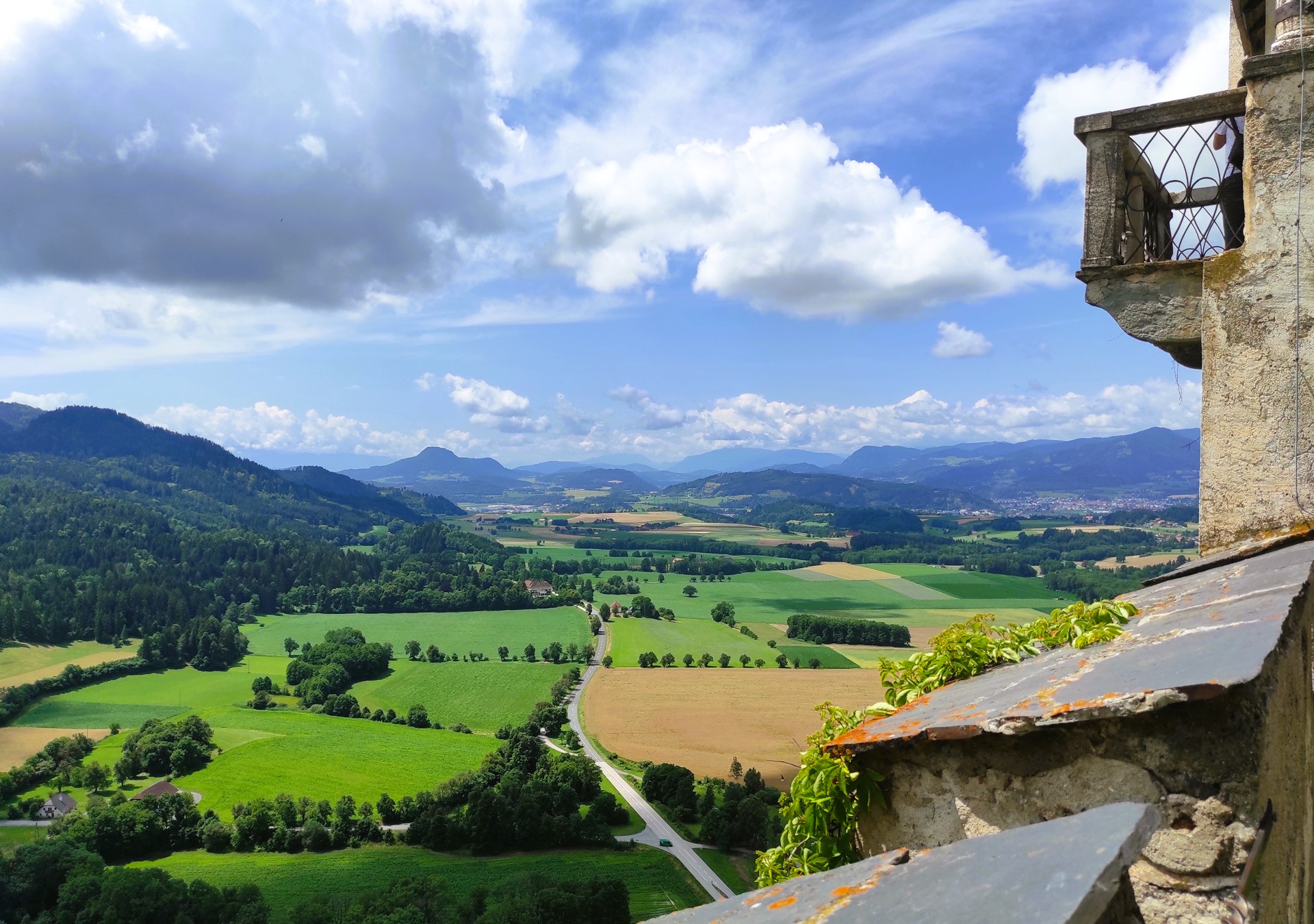
- View from the castle
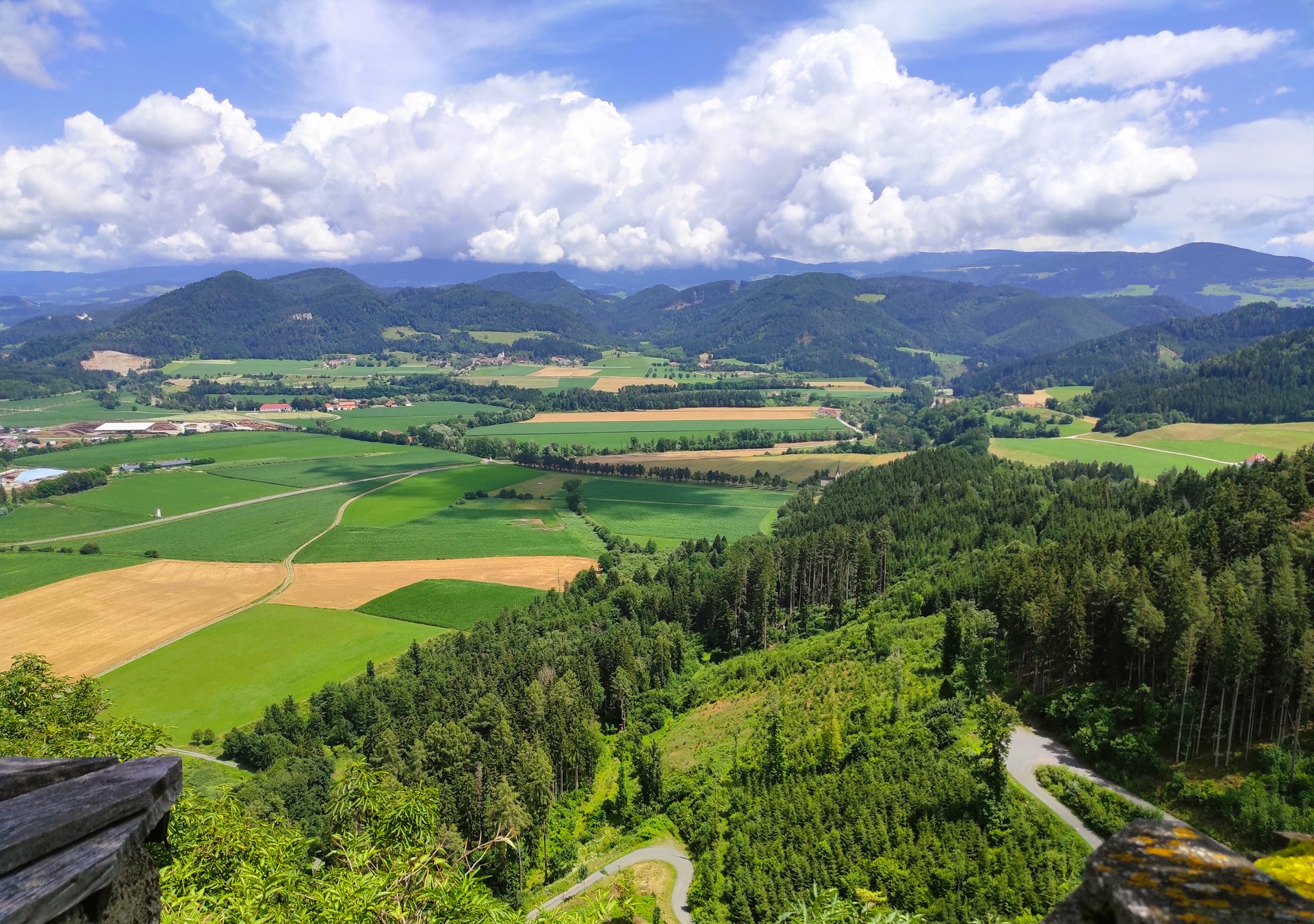
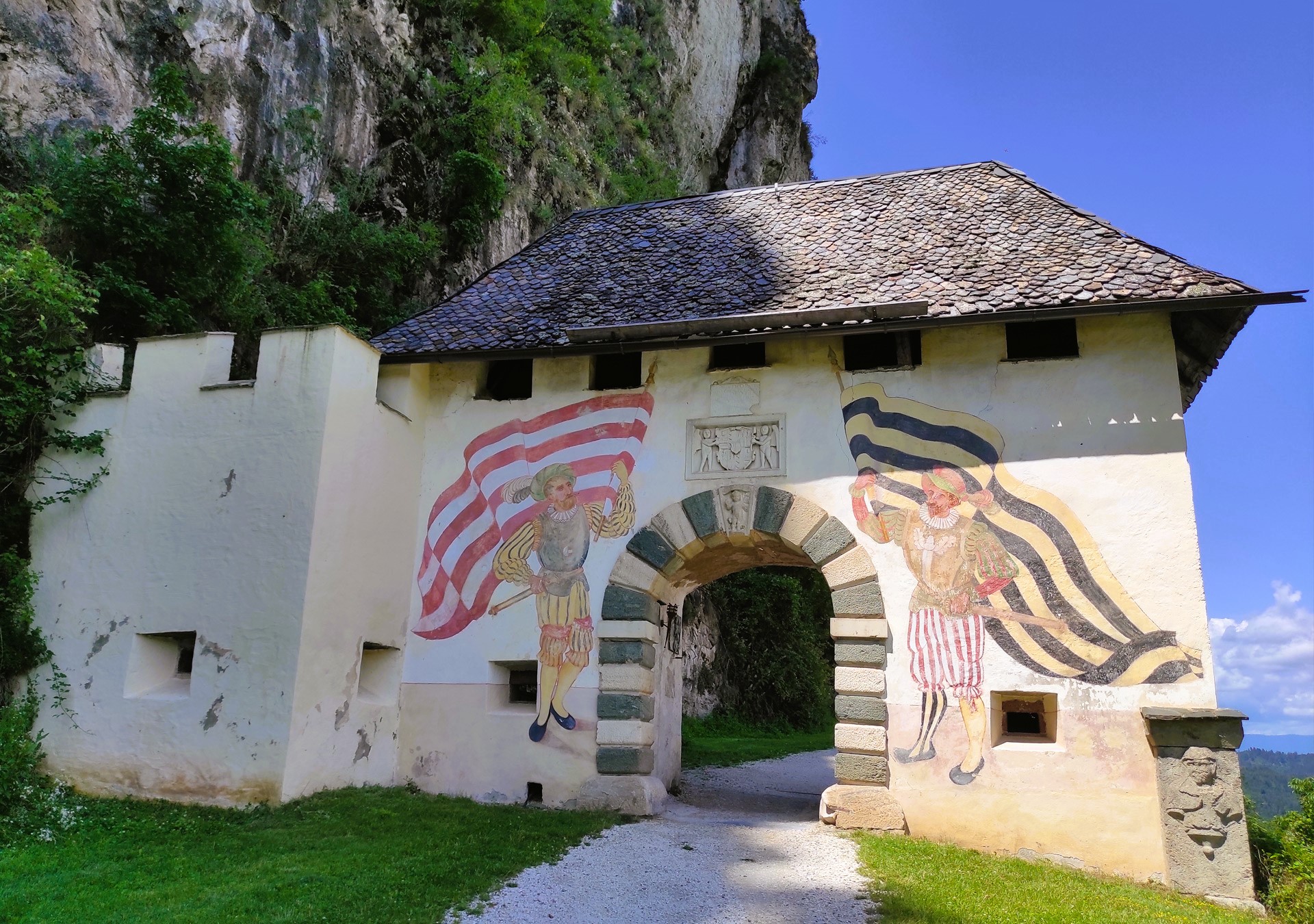
This imposing castle served as a fortified site during the period of the greatest expansion of the Ottoman Empire. Its advantageous position on a high rock was further secured by fourteen large gates built on the steep access path.
Nowadays, of course, less athletic tourists can also visit the structure. They just need to hop on the panoramic elevator standing right below the rock next to the spacious free parking lot.
-
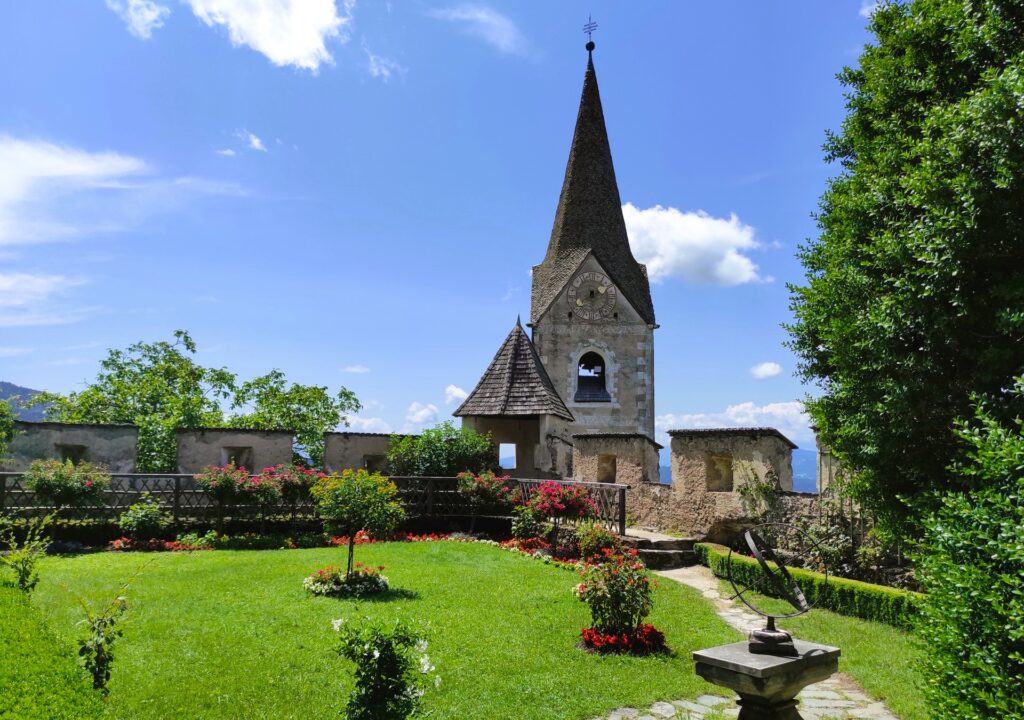
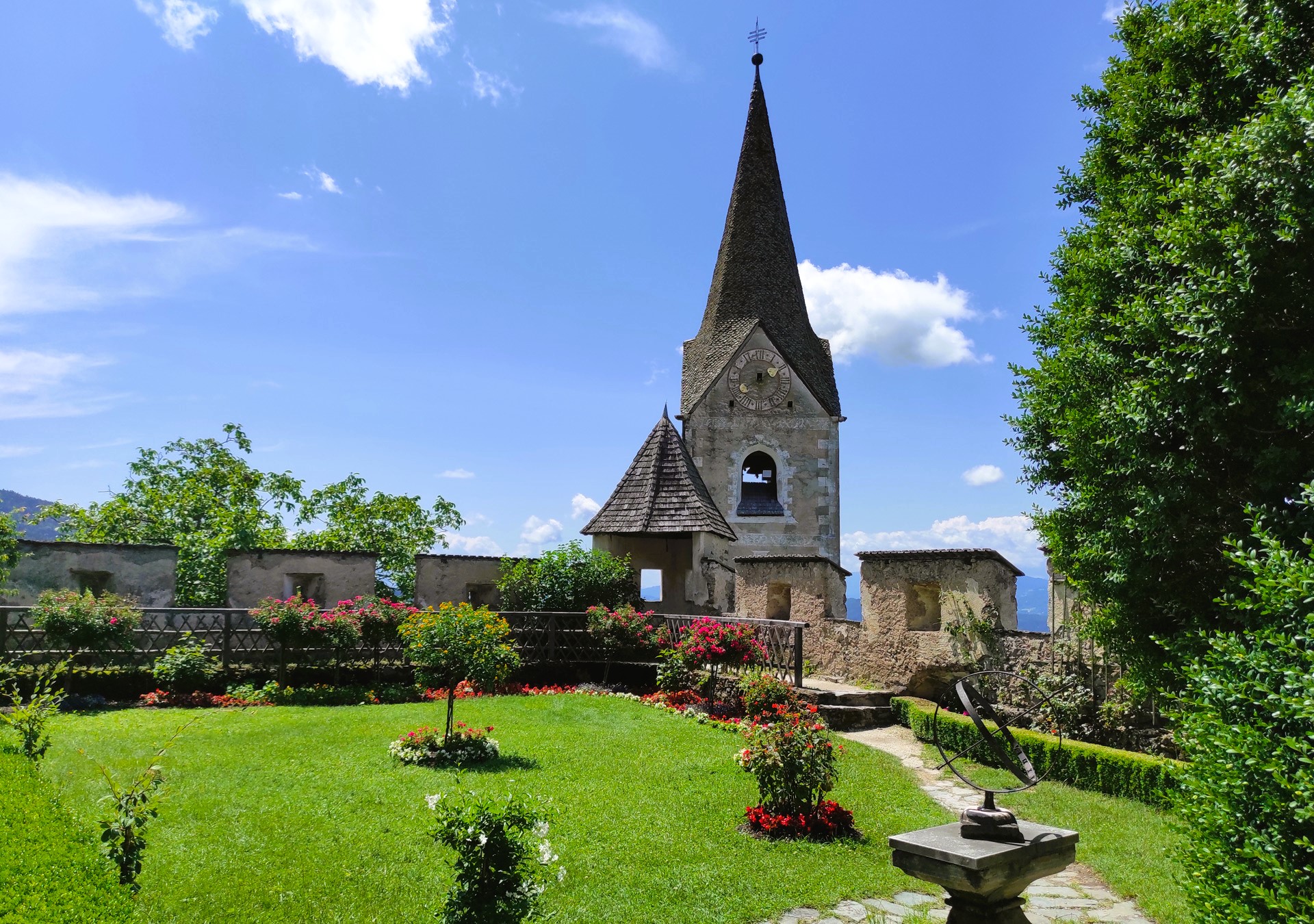
- Church with rose garden
-
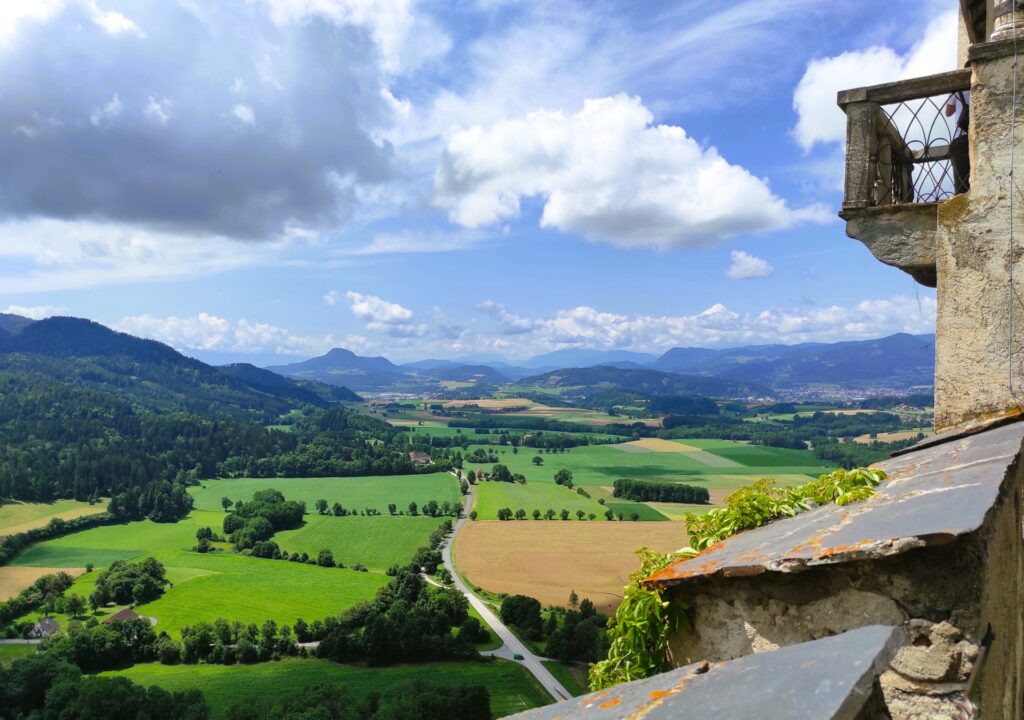
- View from the castle
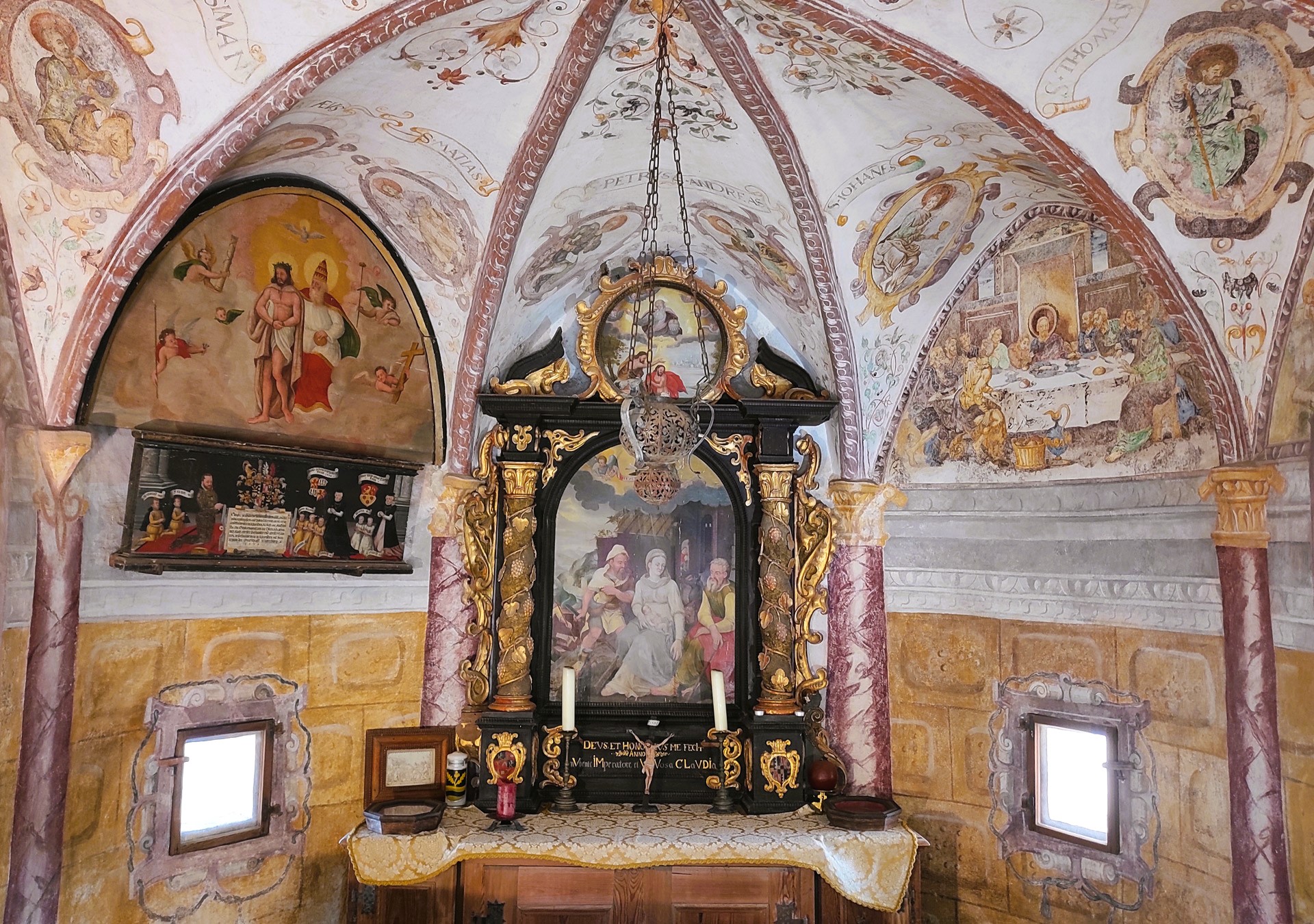
This unique complex includes an armoury, a weapons collection and an interesting gallery of Renaissance paintings. During our walk inside the fortifications, we also visited the castle chapel and the Protestant church, whose entrance gate is made of Italian marble and adorned with figures of penitents.
-
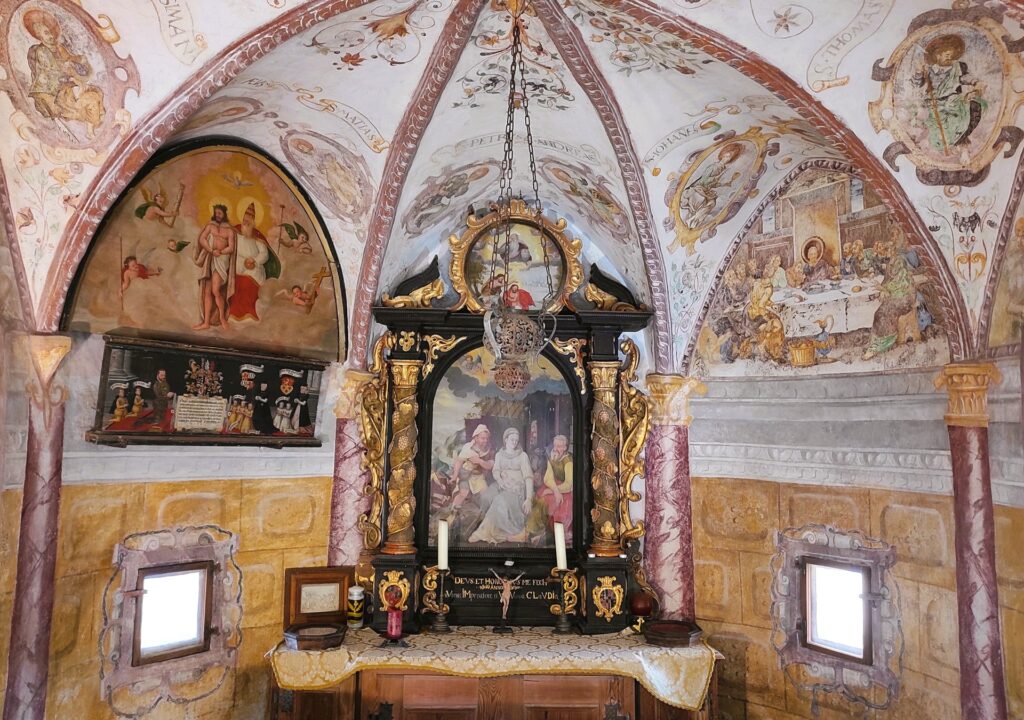
- Castle chapel
-
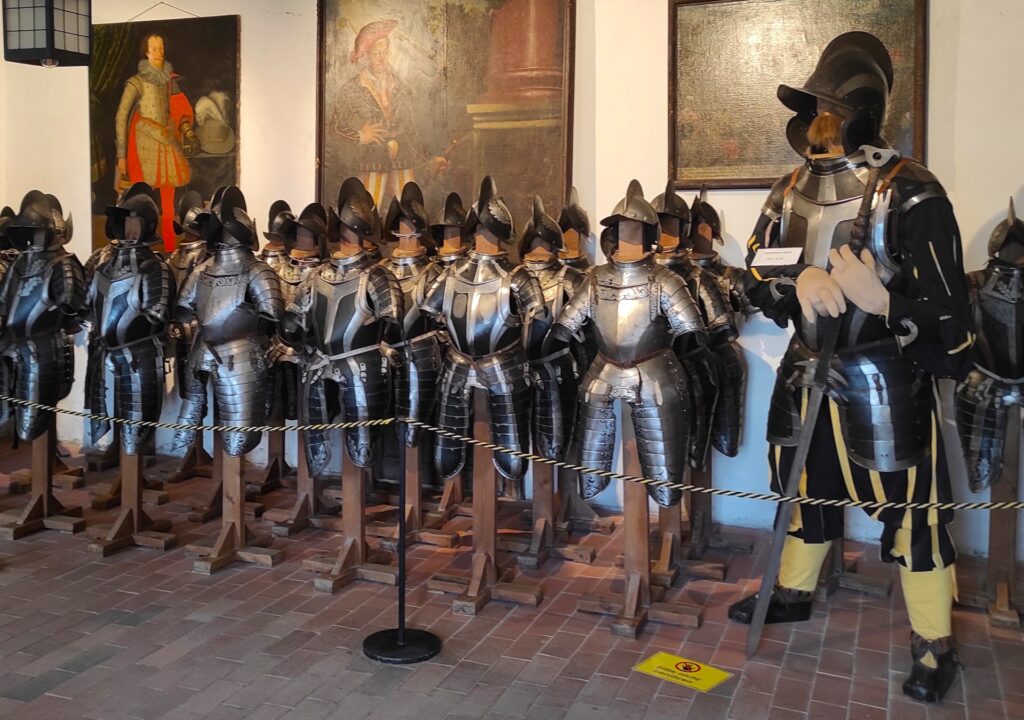
- Castle museum
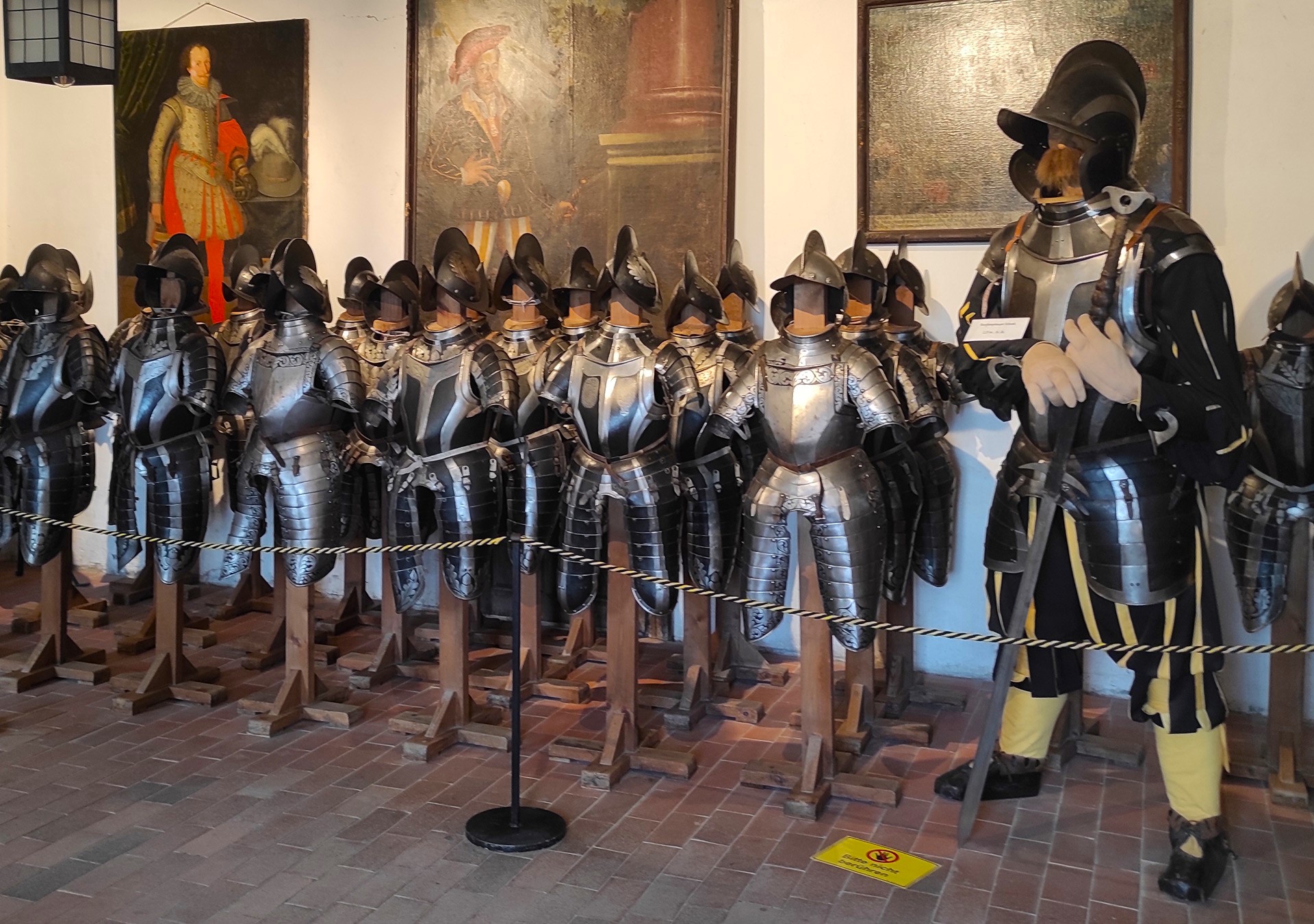
The castle also offers an extensive cultural program with concerts, art exhibitions and festivals. Therefore, we recommend checking out their website as well.
It is also worth mentioning that the current owners of the castle are the Khevenhüller family, who purchased this unique structure back in the 16th century.
Address: Hochosterwitz 1, Launsdorf
Our tip:
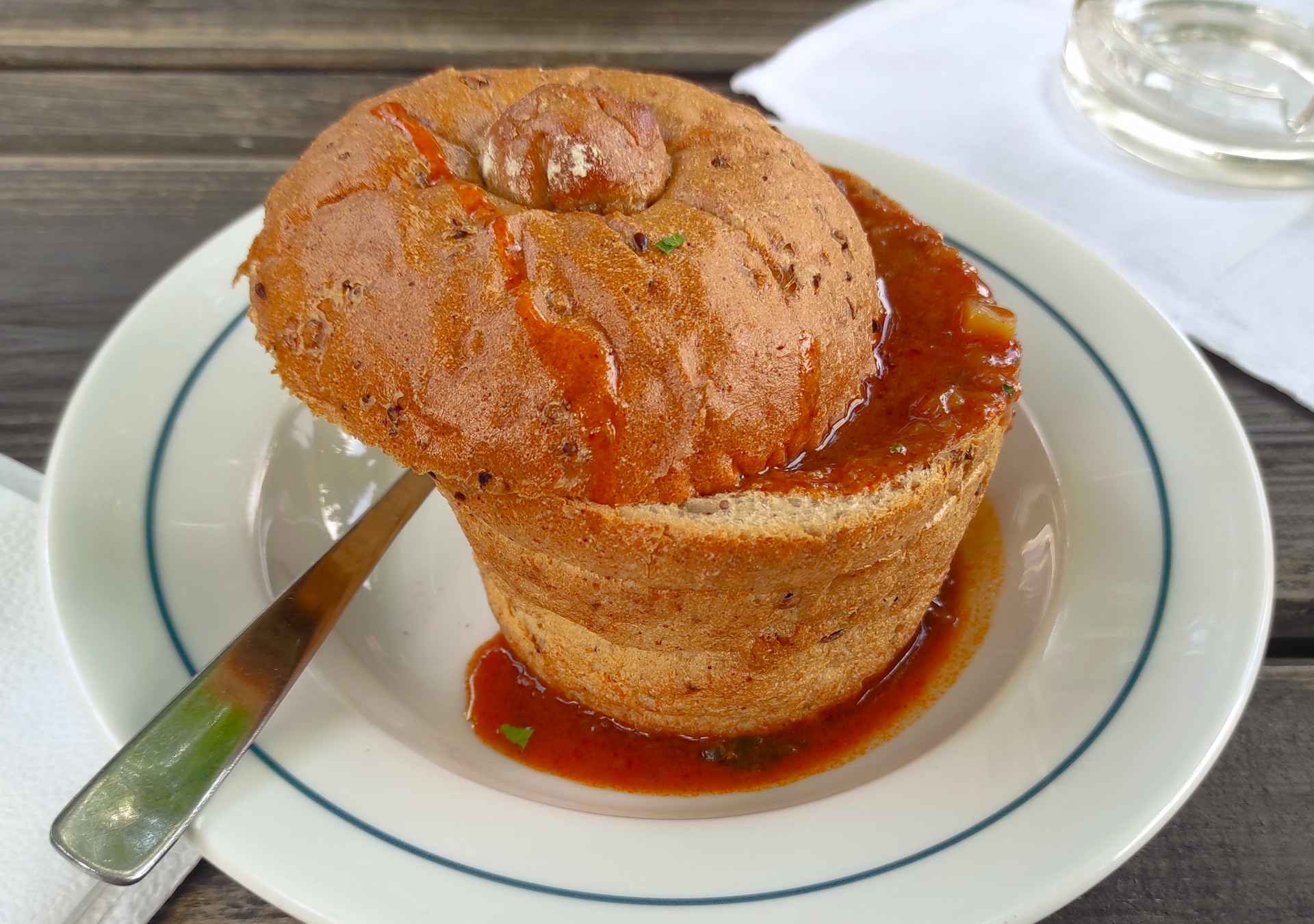
We also visited the castle restaurant that offers a wide culinary selection, and took the opportunity to sample traditional Carinthian cuisine.
-
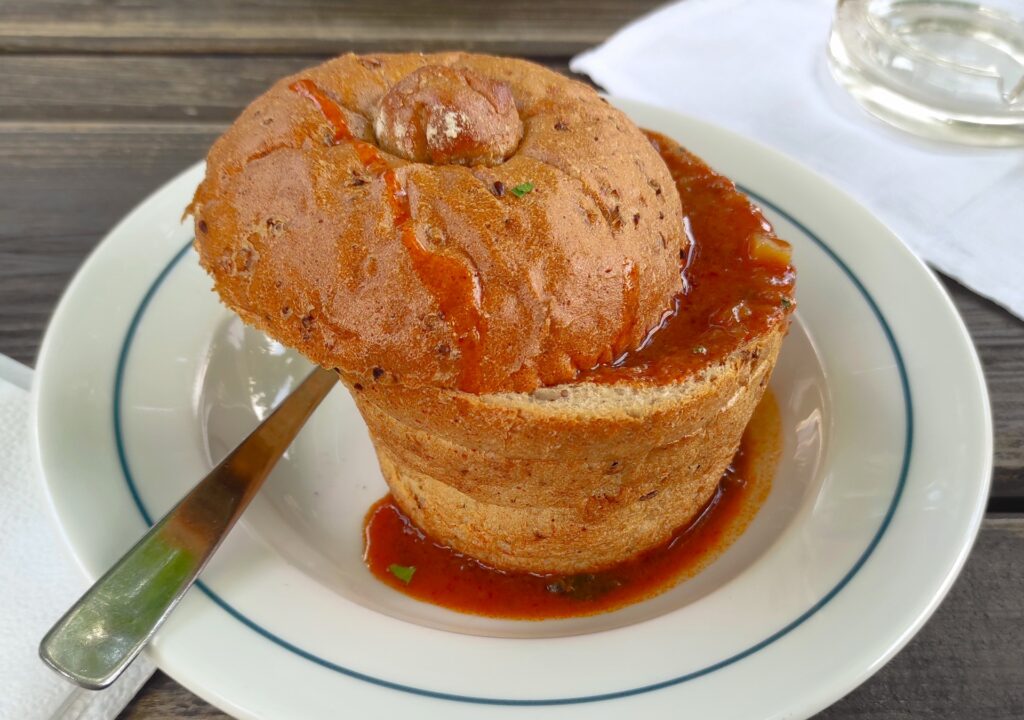
- Goulash soup in bread
-
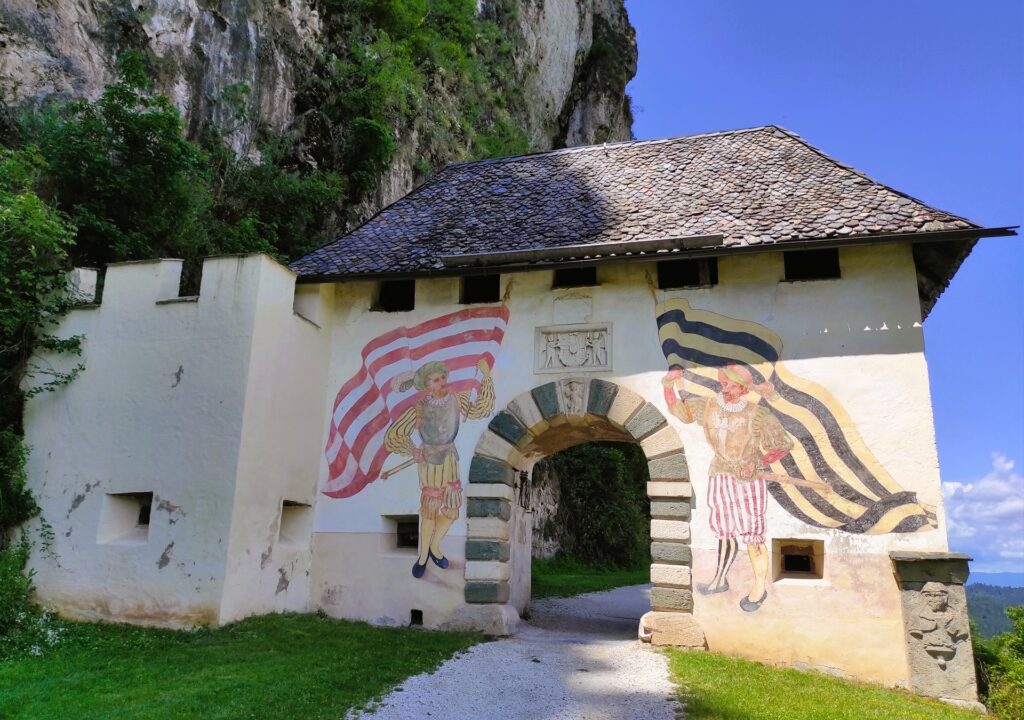
- Fähnrichtor Gate from 1580
Gurk Cathedral
Our last stop was the beautiful Gurk Cathedral (Dom zu Gurk) with its two 60-meter-high towers. It is one of the most significant preserved Romanesque buildings in Europe.
-
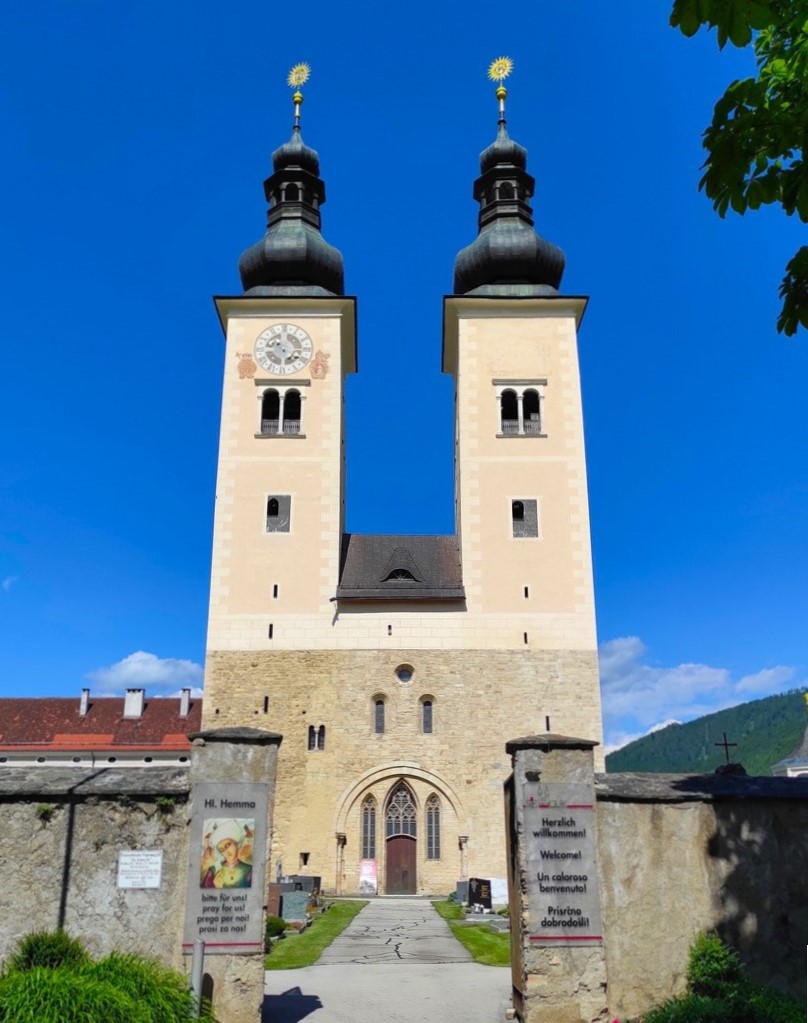
- Gurk Cathedral
-
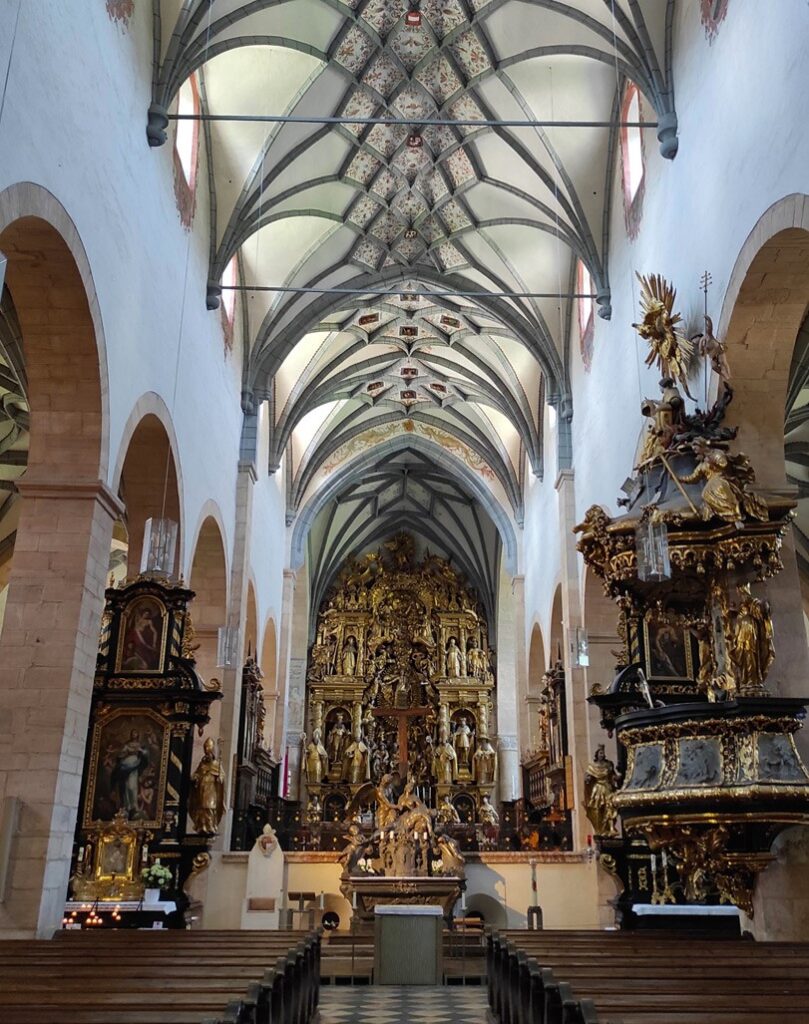
- Gurk Cathedral
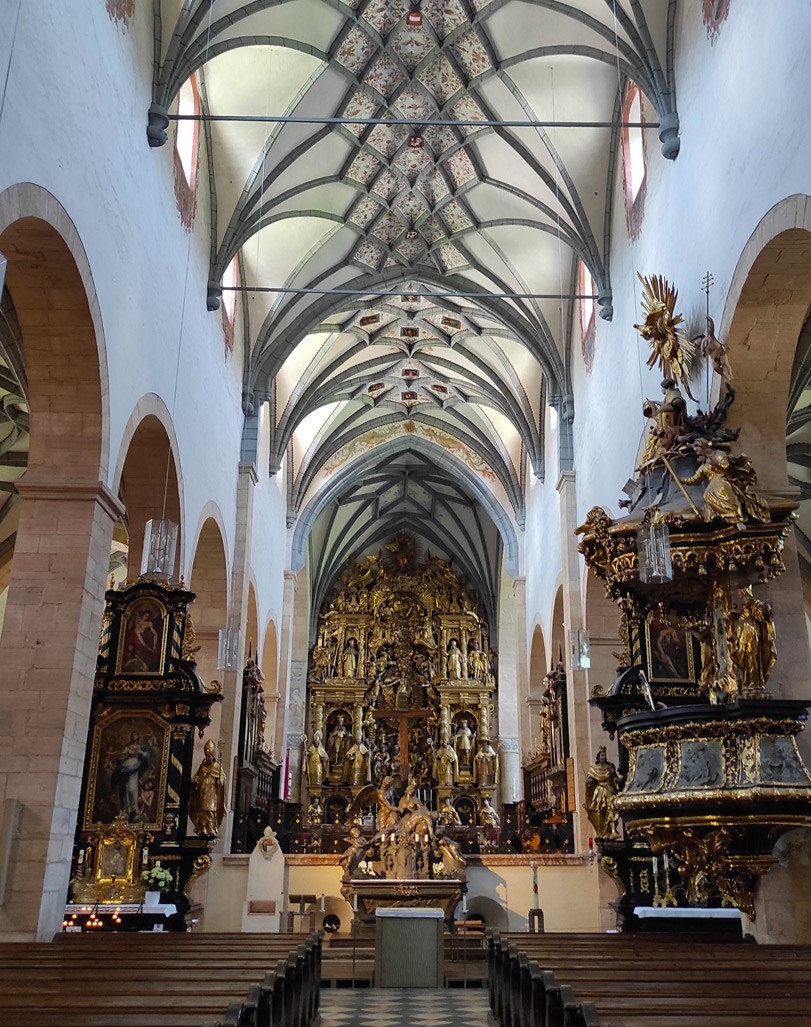
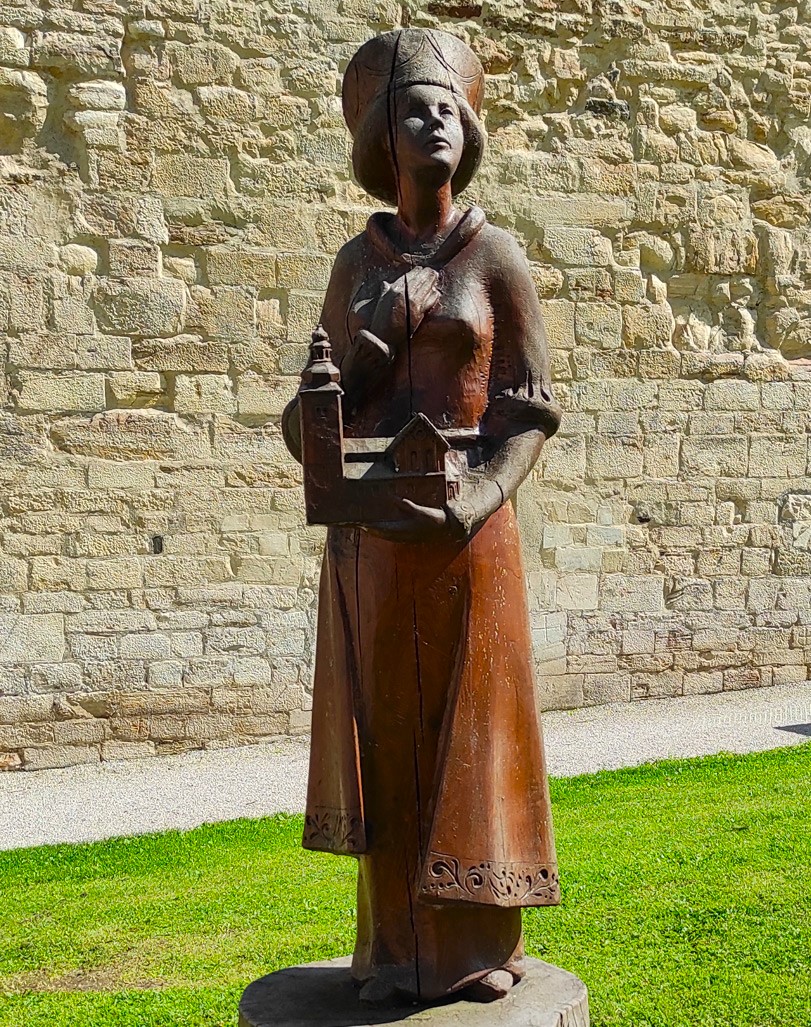
Its most important treasures include the crypt with 100 columns and the tomb of the patron saint of Carinthia, Saint Hemma of Gurk (Hemma von Gurk), the high Baroque altar and the Lenten veil. The complex also houses a treasury featuring over 300 items that showcase the history of Carinthian sacred art.
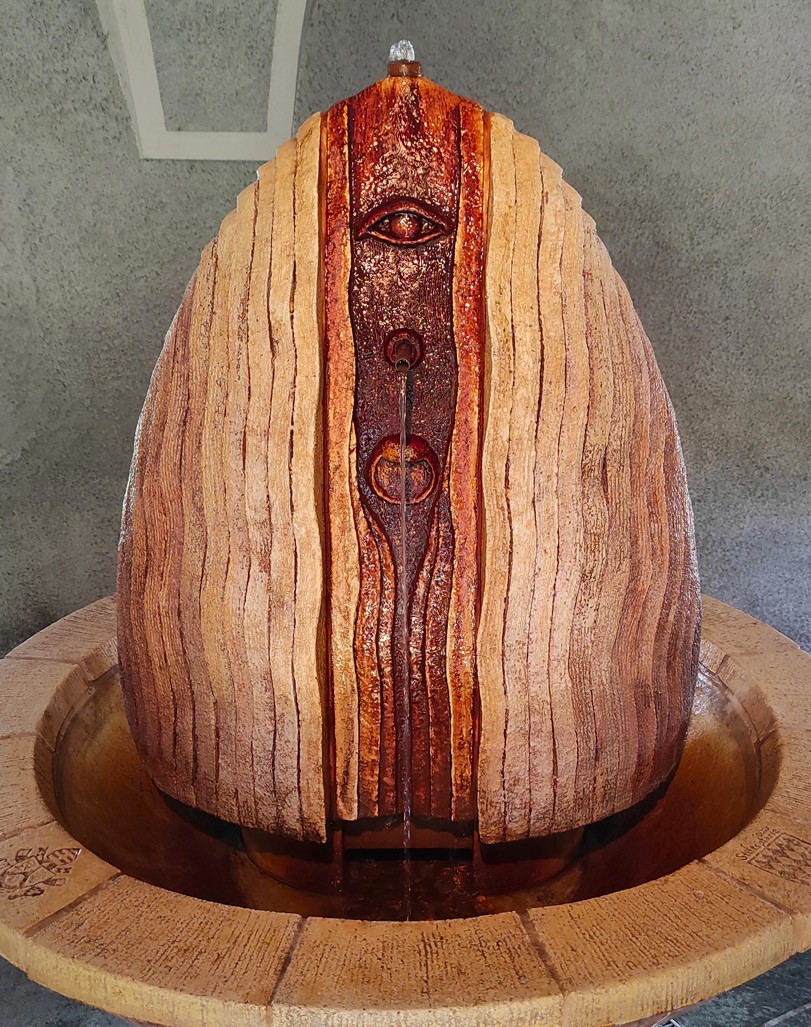
The entire site is surrounded by a partially preserved defensive wall with two round towers. Inside the southeastern tower (on the right side of the cathedral) is the modernized Hemma Spring (Hemmaquelle), whose water is said to be invigorating and strengthening.
Address: Domplatz 11, Gurk
Parking: We parked the car at the Domplatz right next to the "Cafe Dom".
-
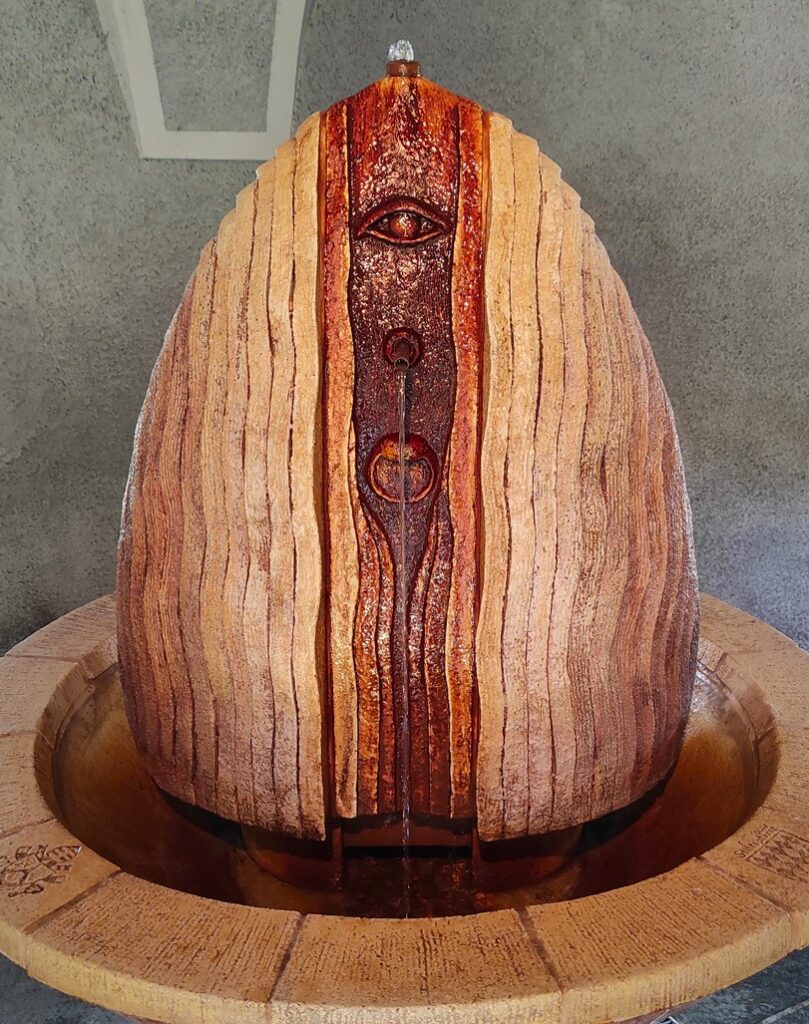
- Hemma Spring
-
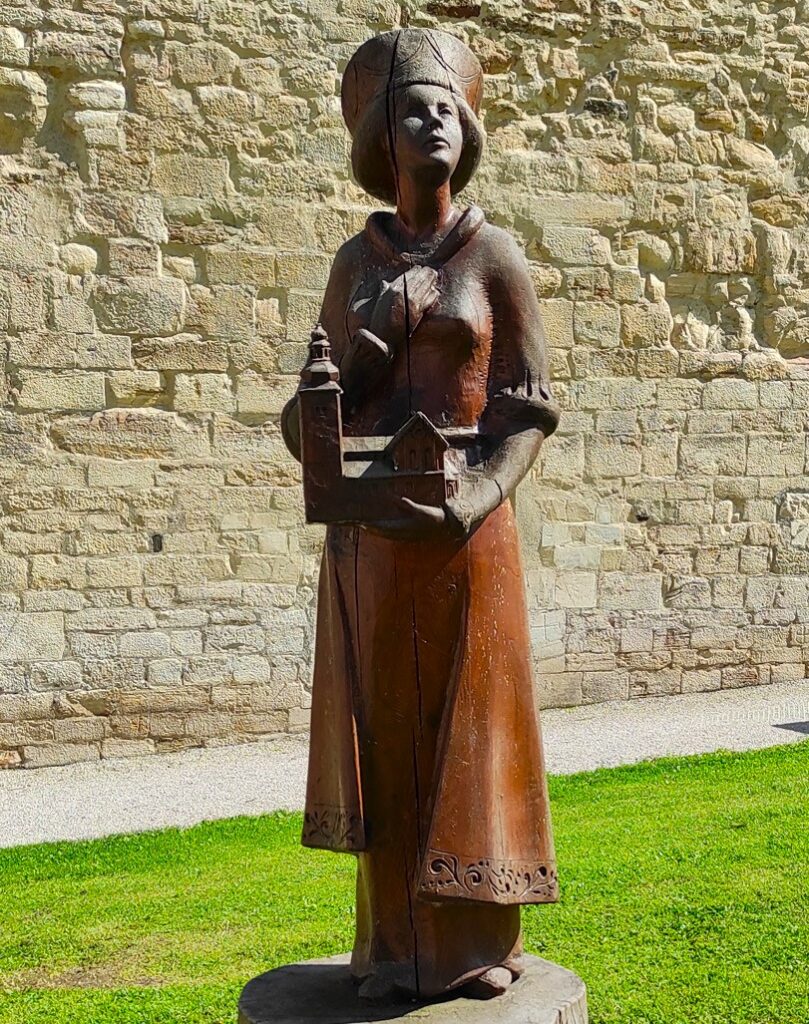
- St. Hemma
A tip for something sweet:
After a busy trip, we replenished our energy at the Erian pastry shop, which stands opposite the cathedral and has a great selection of desserts and drinks. We had hot raspberries, which the locals call "Heiße Liebe" or "Hot Love".
Address: Domplatz 6, Gurk
-
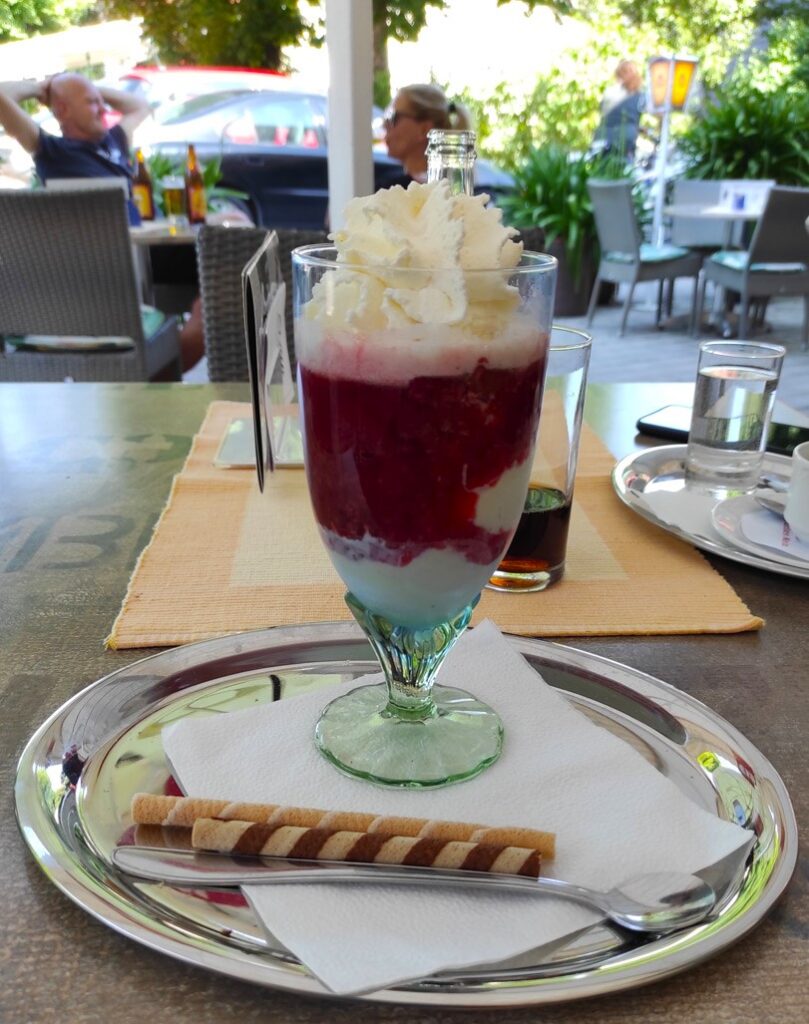
- Hot raspberries
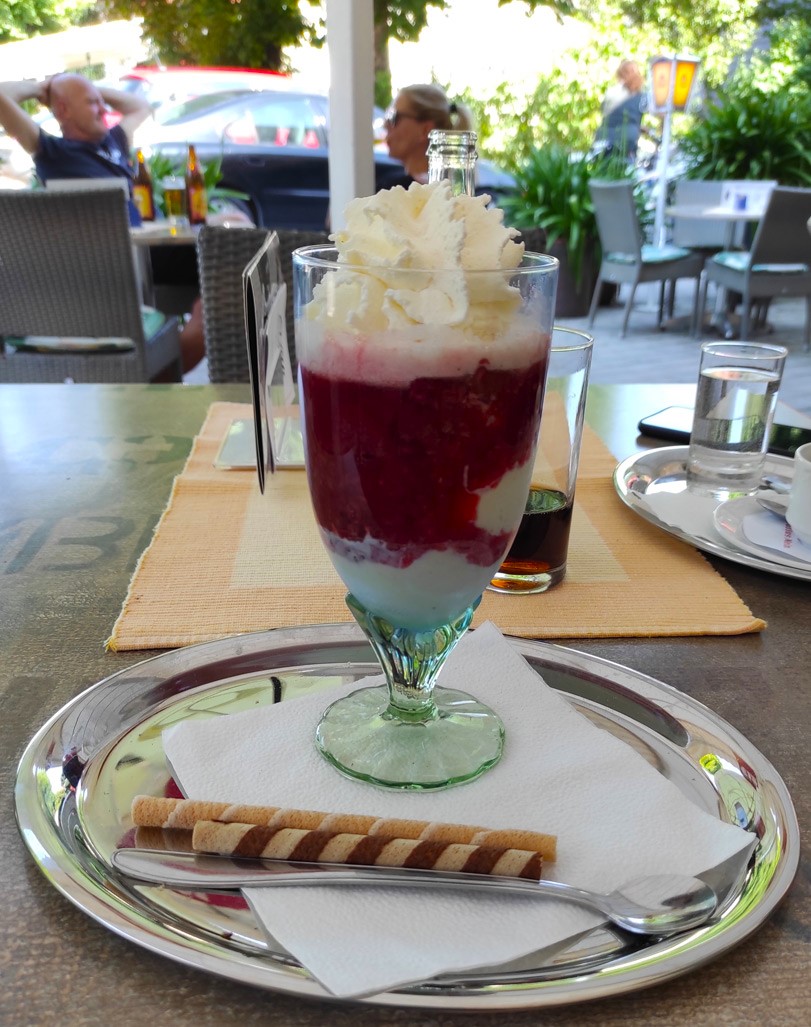
-
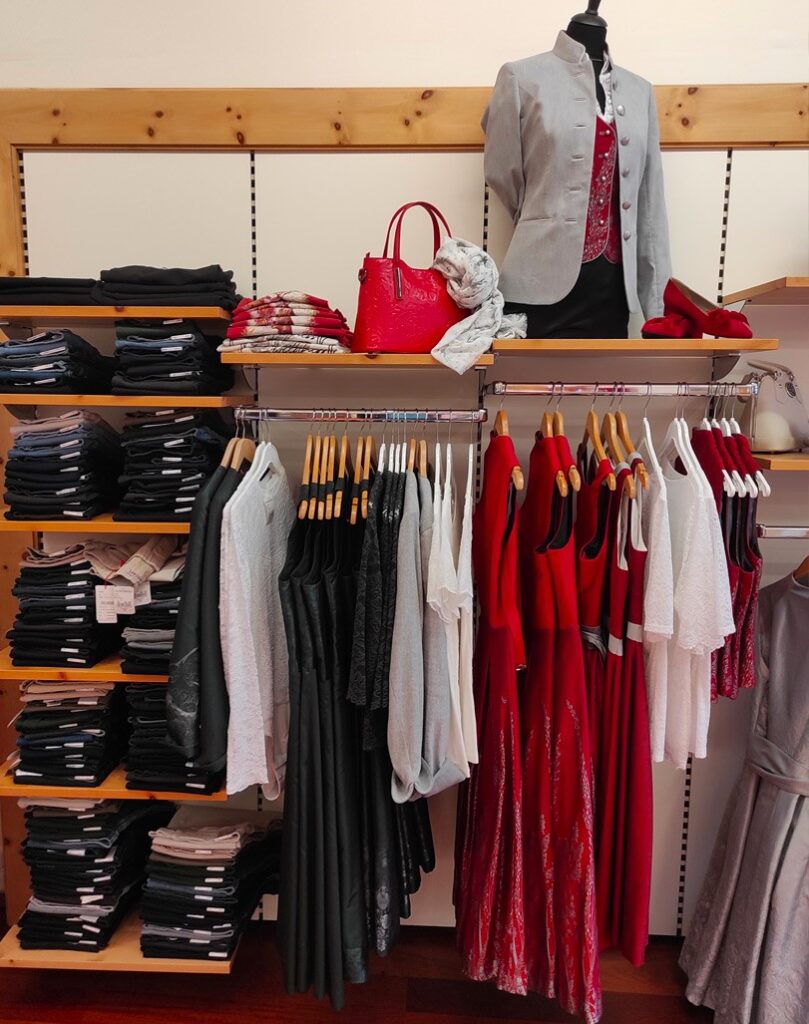
- Traditional clothing store
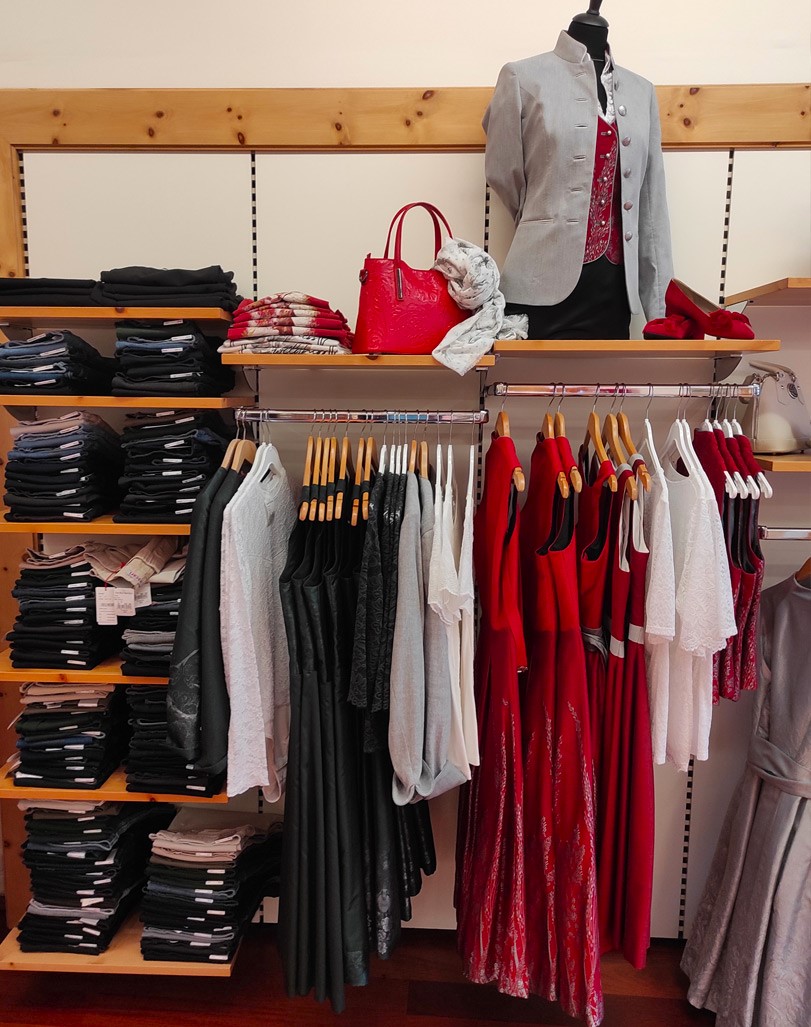
Final invitation for lovers of traditional fashion:
Just a short distance from Gurk, you'll find the excellent traditional Austrian clothing store "Alpe Adria factory Strohmaier" with a long-standing tradition. If you like these kinds of pieces, we highly recommend visiting this place.
Furthermore, the design of today's handcrafted clothing is often adapted so that it can be perfectly combined with, for example, classic jeans. Additionally, you can buy clothing at the company store for less than in regular boutiques in tourist centres or department stores.
Not far from the regular store, there’s also a genuine outlet paradise of the same brand.
Store address: Gurktal Straße 15, Weitensfeld im Gurktal
Outlet address: Kirchgasse 13, Weitensfeld im Gurktal