





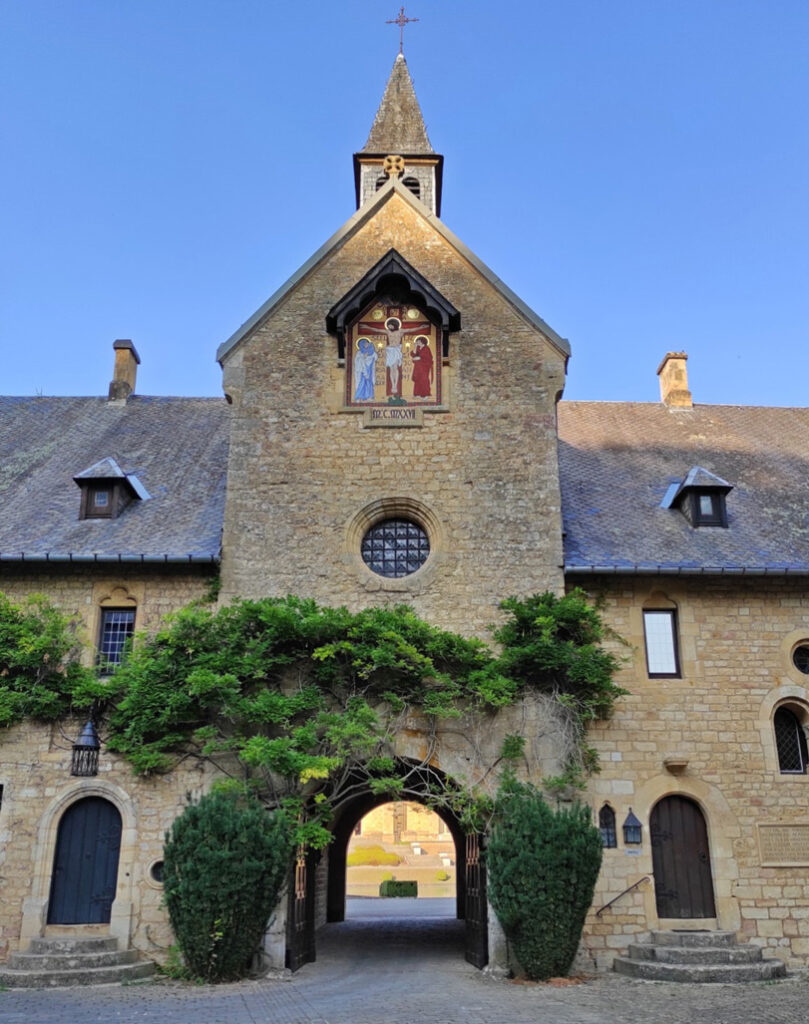
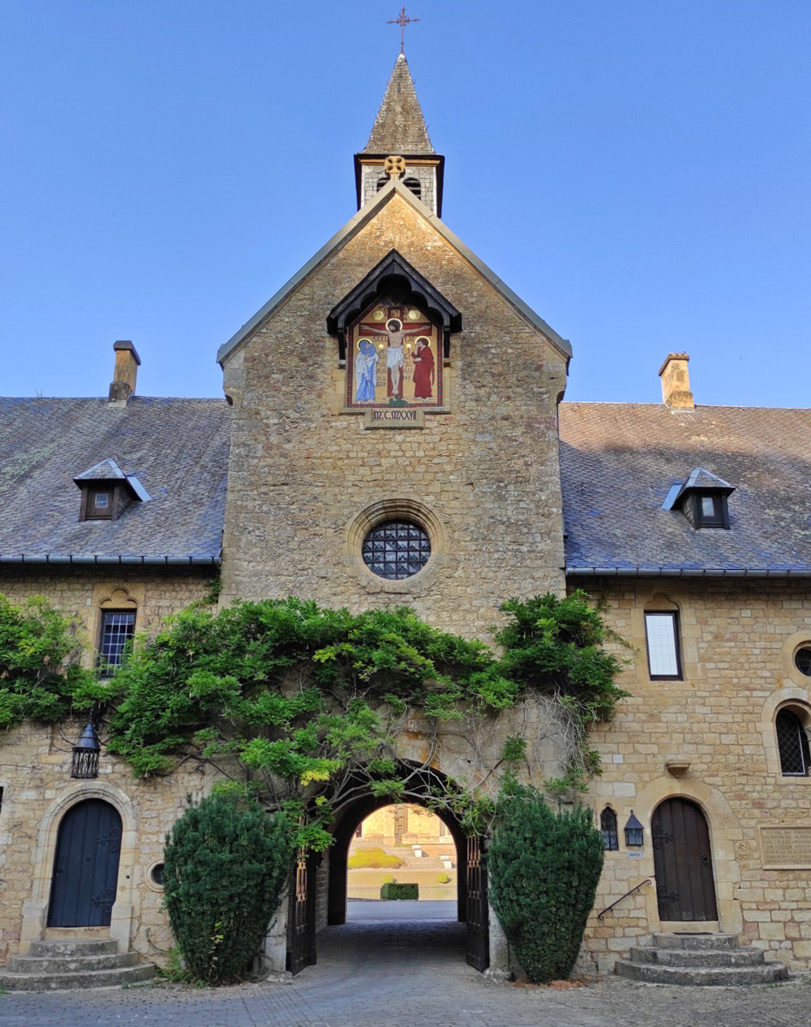
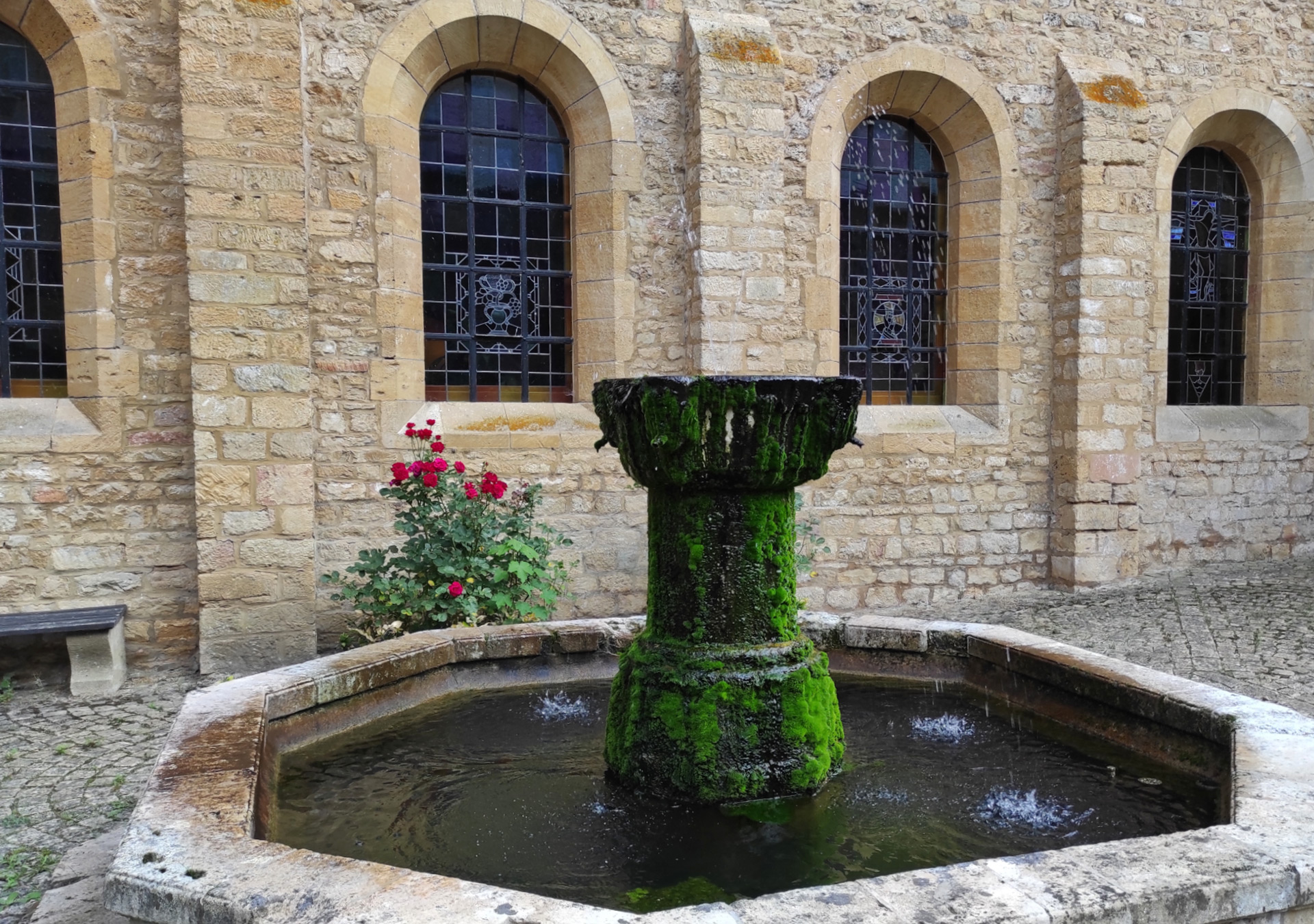
Imagine a quiet valley where one of Europe's most enchanting monasteries was born—Orval. According to legend, it was here that Countess Mathilde of Tuscany lost her wedding ring, which fell into a fountain. Desperate, she prayed to God—and at that moment, a trout appeared on the water's surface, returning the ring to her. "Truly, this place is Orval (Golden Valley)!" cried the moved Matilda, deciding to found a monastery there. Today, this legend is commemorated not only by a beautiful fountain with a fresco but also by the trout, which adorns everything from bottles of the local beer to the monastery's ironwork.
But who was Matilda of Canossa really? She was a woman who shook the Middle Ages—a fearless warrior, diplomat and one of the most powerful women of her time. She stood by the popes against emperors, ruled over much of Italy, and her legacy is so exceptional that she is one of only three women buried directly in Saint Peter's Basilica in the Vatican.
-

- Sightseeing tour
-
- Sightseeing tour
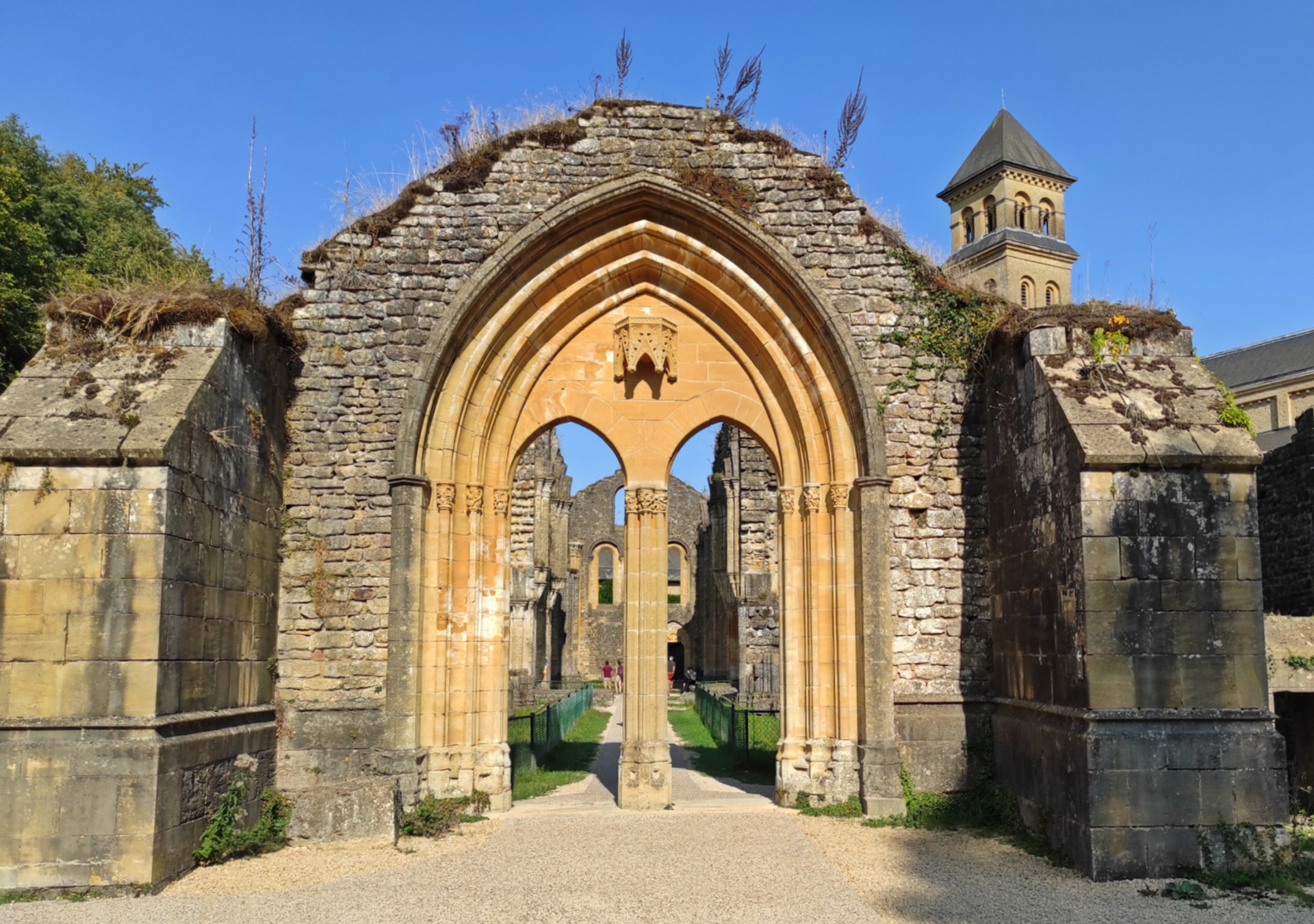
However, the true story spans 165 million years. The abbey walls are built from yellow ochre stone, once shaped by a prehistoric sea. The last Ice Age then carved out the valley where the monastery now stands. Forests grew here, only to be felled by humans millennia ago. Were there early settlers? Perhaps—but all that remains of them are mysterious Merovingian graves.
In 1070, the first monks from southern Italy arrived in Orval to establish their spiritual home. The local Count Arnould de Chiny welcomed them and gifted them a piece of his land. Soon, a church and monastery rose, but after forty years, the monks mysteriously vanished. Their work was taken over by canons, who completed the church—it was solemnly consecrated in 1124.
Yet, funds ran low, and the canons sought help from the powerful Cistercian order. Saint Bernard heeded their plea, and in 1131, seven monks arrived in Orval to found a new community. Together, they rebuilt the monastery and began developing a thriving farmstead, even establishing ironworks.
But life was not always easy. A fire in the mid-13th century nearly destroyed the monastery, and poverty was so severe that its dissolution was even considered. Yet Orval endured and still stands today as a silent witness to centuries of faith and determination.
-
- Sightseeing tour
-
- Sightseeing tour
And it is here, within the quiet walls of the abbey, that one of the most remarkable Trappist treasures was born— Orval beer. The first brewmaster, Bavarian master Pappenheimer, created a unique recipe that gives the beer its unmistakable bitter-fruity flavour.
Moreover, every sip of Orval supports a good cause. The proceeds from its sales go to charity and the maintenance of the monastery. This is one of the principles of authentic Trappist beer—it must be brewed by monks (or under their supervision), and the profits must serve others. Worldwide, there are only 10 breweries permitted to use the label Authentic Trappist Product.
And that's not all. The abbey also produces a unique Trappist cheese. The recipe originates from the French abbey of Port-du-Salut, but Orval has elevated it to a local treasure. Each loaf is made from fresh milk from local farms and ages for three weeks in the monastery cellars. Additionally, the hand-care of the rind gives the cheese its character—a distinctive flavour and silky texture. And an interesting fact? One batch yields exactly 320 loaves, each weighing around two kilograms.
Want to taste the real Orval? Look for it among the "plateau" cheeses, which pair perfectly with wine or beer.
-
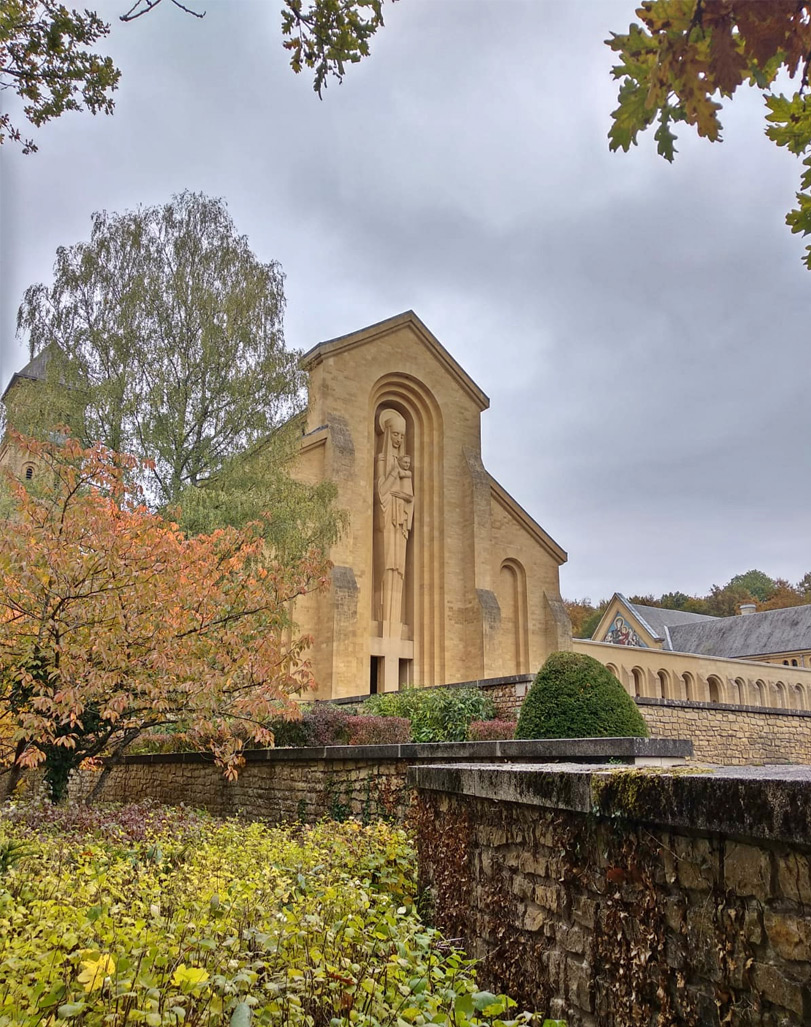
- Private part of the abbey
-
- Private part of the abbey
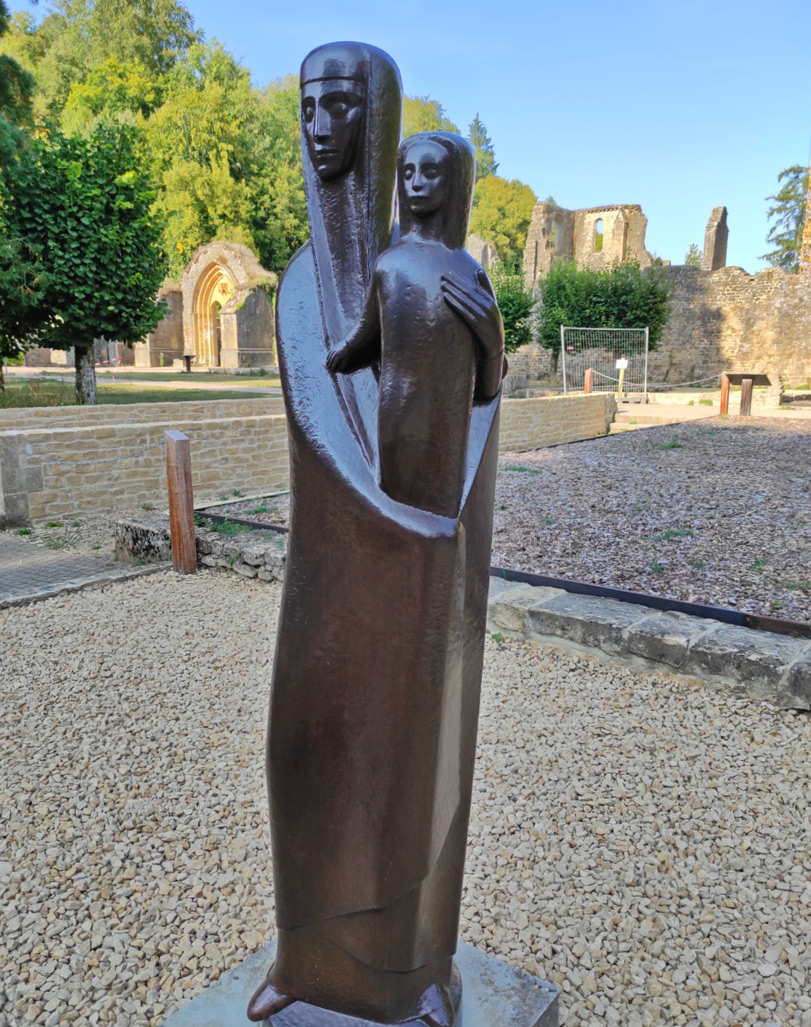
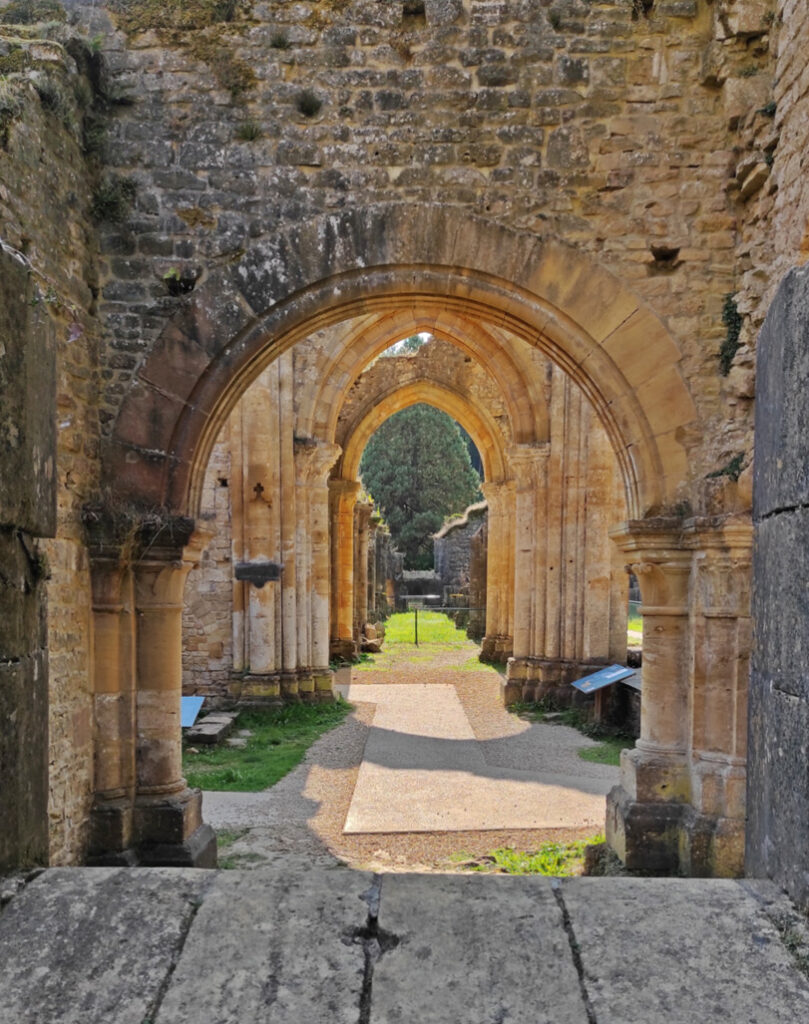
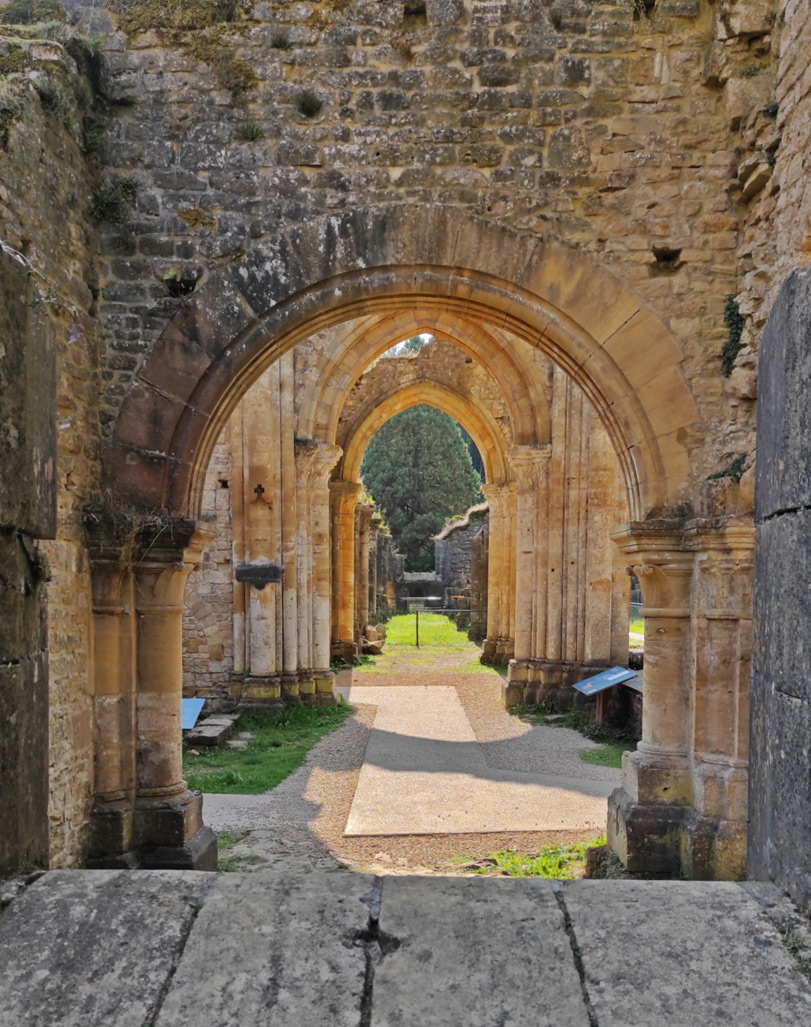
You can immerse yourself in the mysterious world of Cistercian monks by visiting the ruins of a medieval abbey hidden in a green valley.
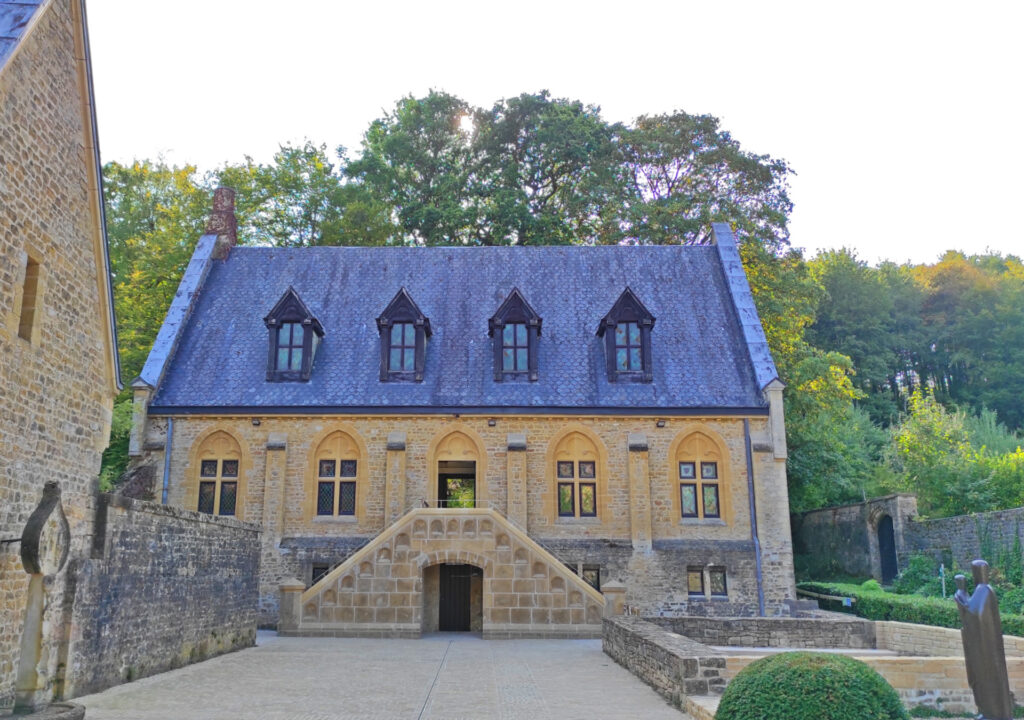
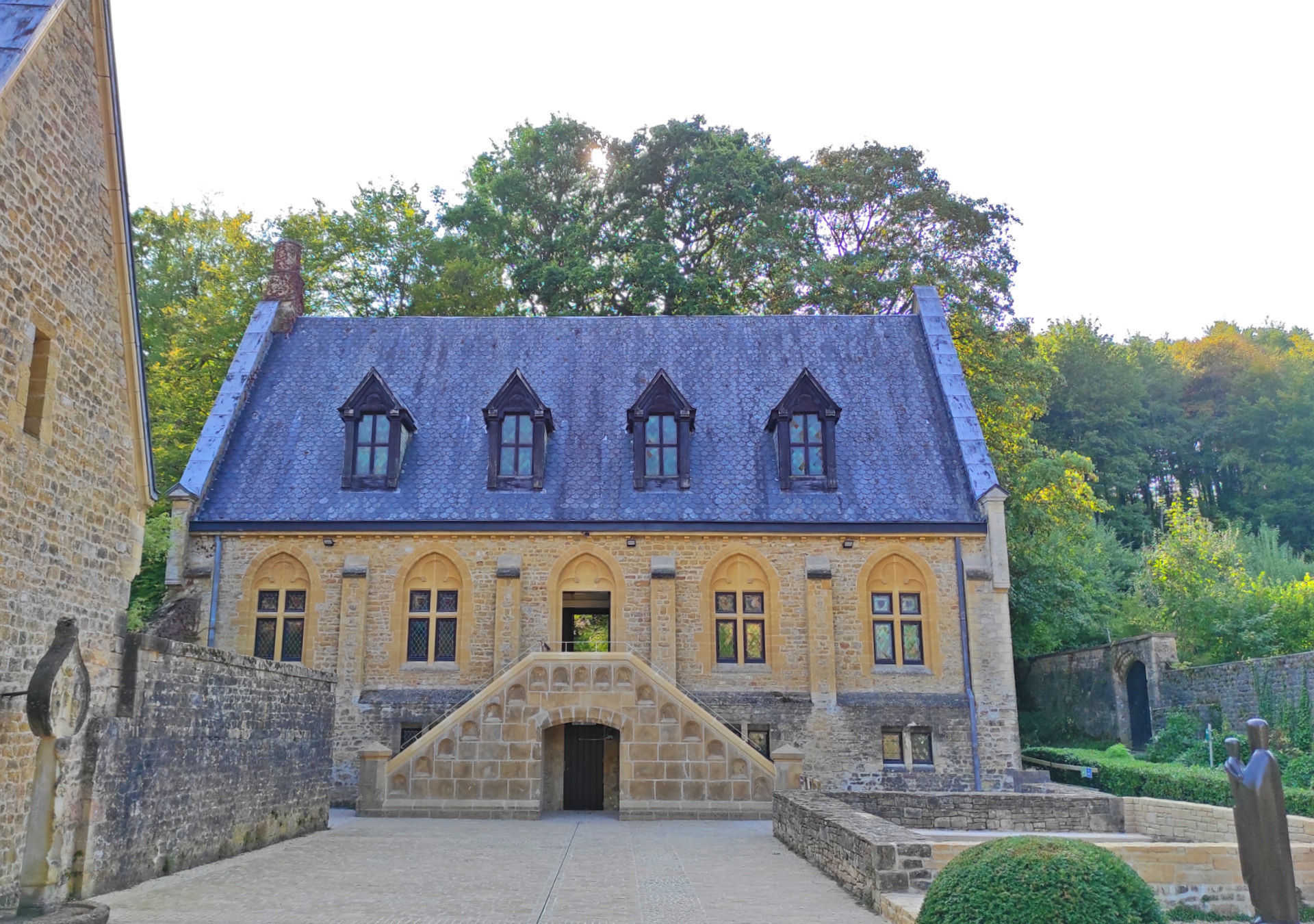
A video projection in the guesthouse will introduce you to the history of the monastery and the present-day life of the monks. A subsequent walk through the ruins reveals how monastic life once functioned. Art lovers will be delighted by the collection of sacred treasures and Art Deco pieces, while technical minds will be fascinated by exhibits from former ironworks. In the 18th-century underground spaces, you will find authentic traces of the monks’ daily lives. There is also a fragrant garden of medicinal plants, uncovering the secrets of the monastery’s pharmacy. And if you are lucky, you might come across one of the local exhibitions that regularly enliven Orval with art.
From mid-July to the end of August, you can enjoy guided tours in French and Dutch every afternoon. In September, the tours take place every Sunday afternoon. You don’t have to pay anything extra—the tour is included in the ticket price. Just join the group at the foot of the guesthouse stairs.
Address: Orval, n°1, Villers-devant-Orval
-

- Private part of the abbey
-

- Private part of the abbey
Our tip:
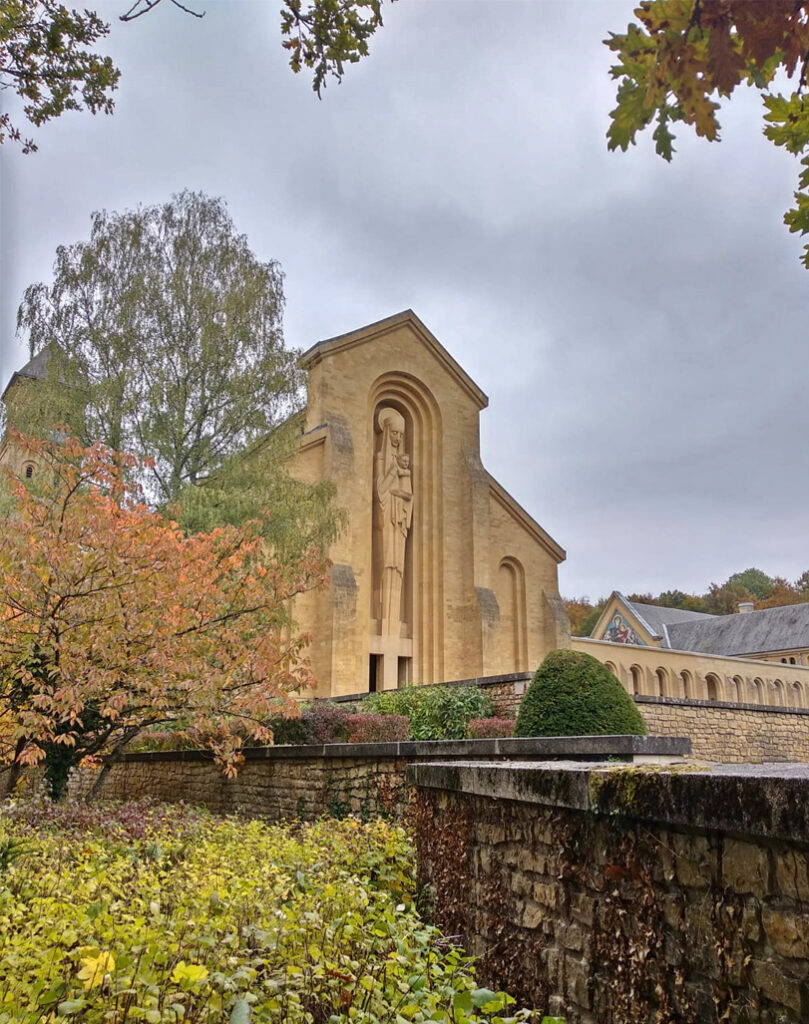
As you wander through this mystical place, ask if you can peek into the new part of the monastery. We were lucky enough to get in—and it was worth it. The stunning new church is usually open during the monks' prayer times, which fill the entire space with an incredible atmosphere. You can stroll through the quiet courtyard and step into a masterpiece of modern architecture that will amaze you with its pure beauty. You will experience peace and a feeling as if you have touched something sacred.
Where to buy Trappist products?
Step into the magical world of monastic delicacies at the monastery shop. Here, you can buy Orval beer as well as exceptional cheeses. Among the exclusive specialties are the aged cheese "Vieil Or" and honey from rare black bees, available only seasonally. You will also find souvenirs to commemorate your visit.
Where to park?
Convenient free parking is available right in front of the abbey gate.
Our invitation:
Visit also Nový Dvůr Abbey —the only functioning Trappist abbey in the Czech Republic. Learn more in our article Religious treasures of the Karlovy Vary Region.