




Austria is always on our travel radar. It never fails to impress us with that perfect combination of wild Alpine nature, immaculately preserved historical sites, and culinary experiences that will leave your mouth watering for a month after you return. Our trip today takes us to Graz—a city many travellers unfairly pass by on their way to the coast.
As the second most populous city in Austria after Vienna, it might sound big, but don’t be fooled by its size. Its historic centre has retained such an incredibly picturesque atmosphere that it rightfully belongs on the UNESCO World Heritage list.
Parish Church of the Holy Blood (Stadtpfarrkirche)
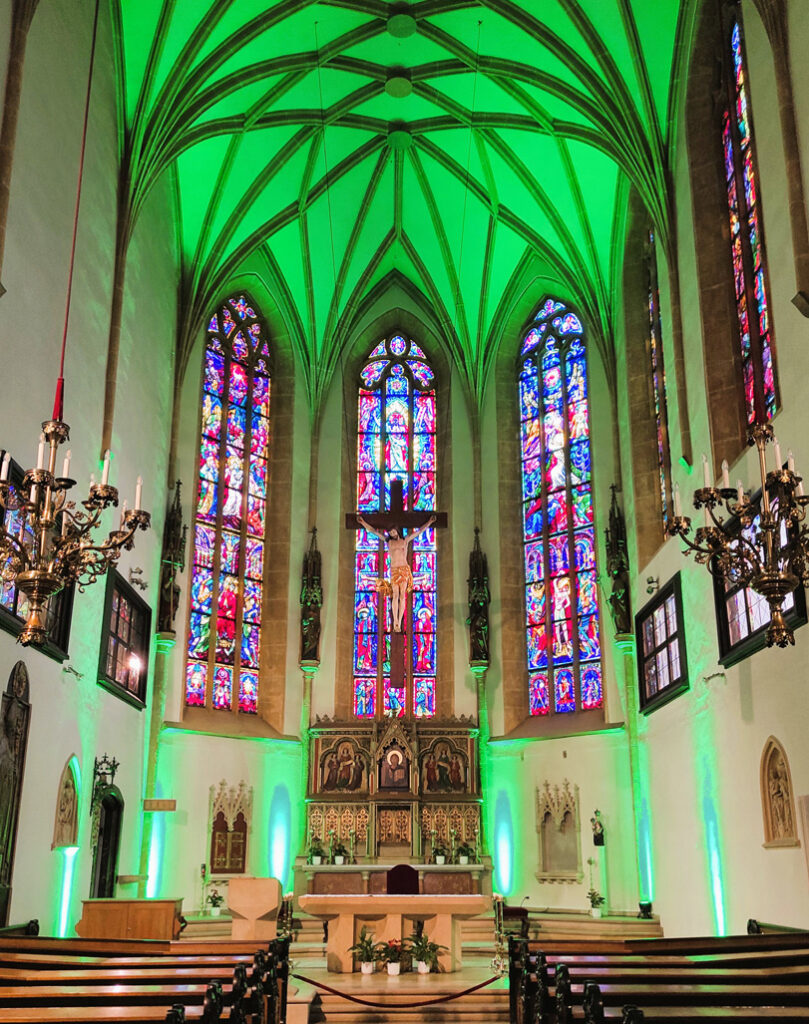
Most conventional tourist guidebooks criminally overlook it, yet this is exactly where we recommend you start your walk. At Herrengasse 23, you will find an architectural gem that hides an unexpected post-war scandal.
When artist Albert Birkle was restoring the church's stained-glass windows after World War II, he decided on a bold artistic protest. If you look closely at the window depicting the Passion of Christ, you will spot two very familiar faces in the crowd of tyrants: Adolf Hitler and Benito Mussolini. This silent resistance in the church windows has successfully endured to this day.
-
- Parish Church
-
- Town Centre
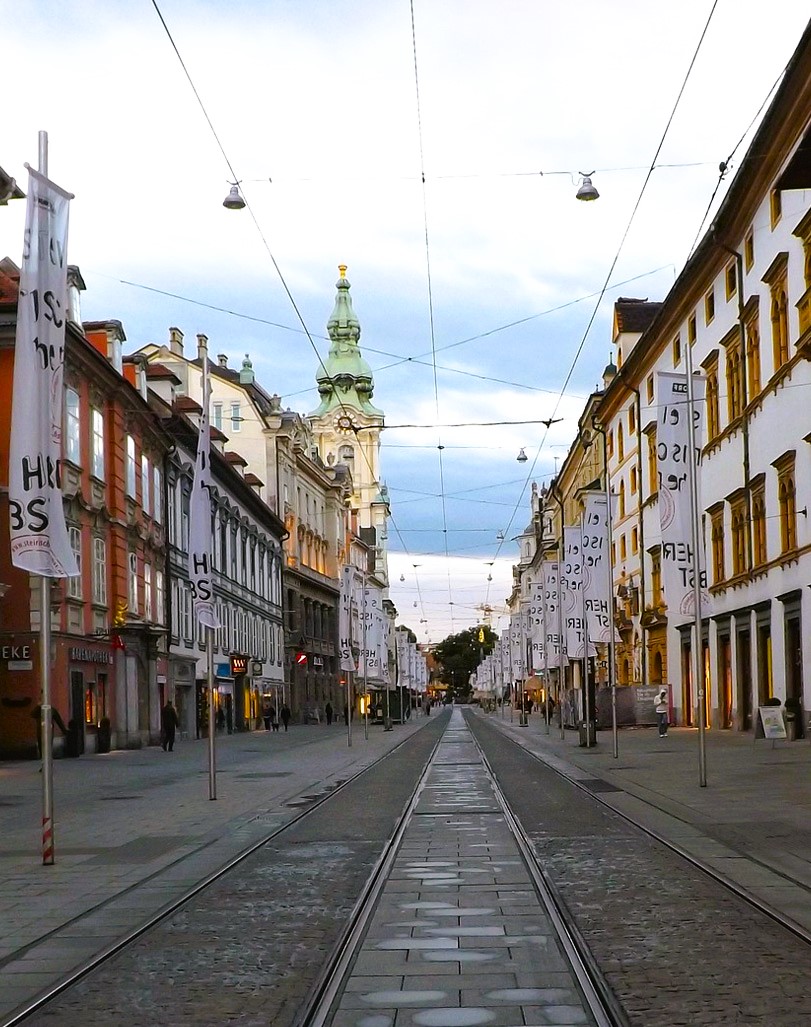
Styrian Armoury (Landeszeughaus)
Just walk a short distance to Herrengasse 16 and you will find yourself in front of a beautiful 17th-century Renaissance palace. It originally served as a gigantic military storehouse. During the Ottoman wars, Graz played a key strategic role, protecting the approach routes to Styria, Carinthia, and Carniola.
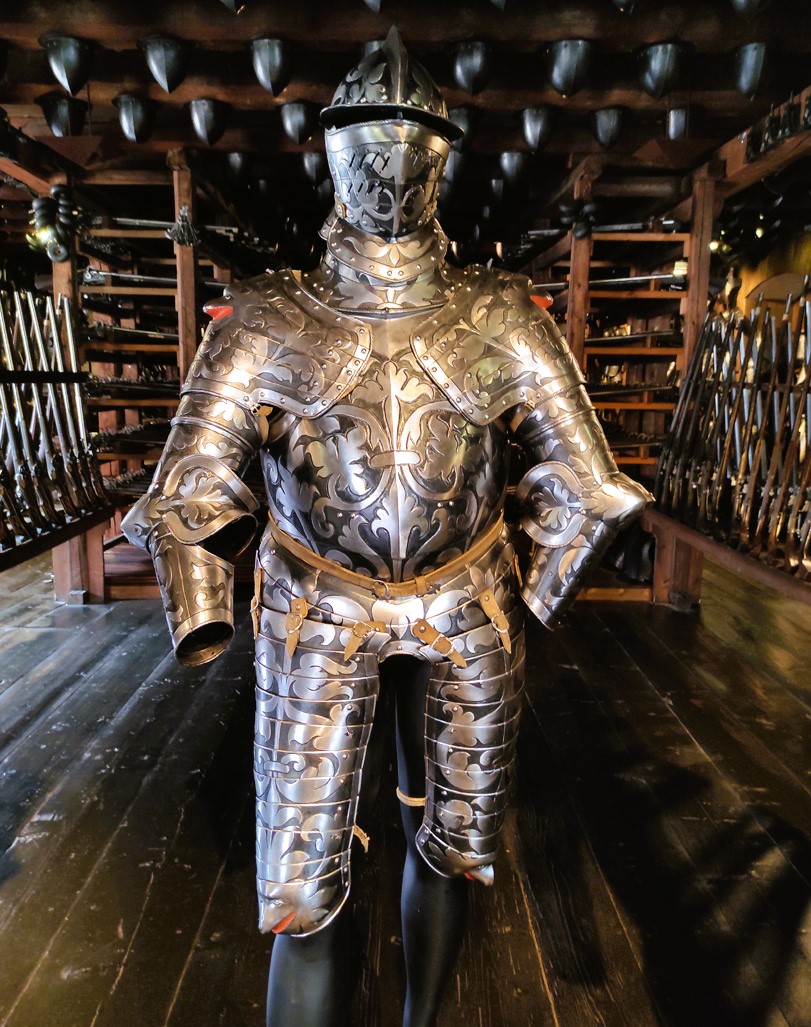
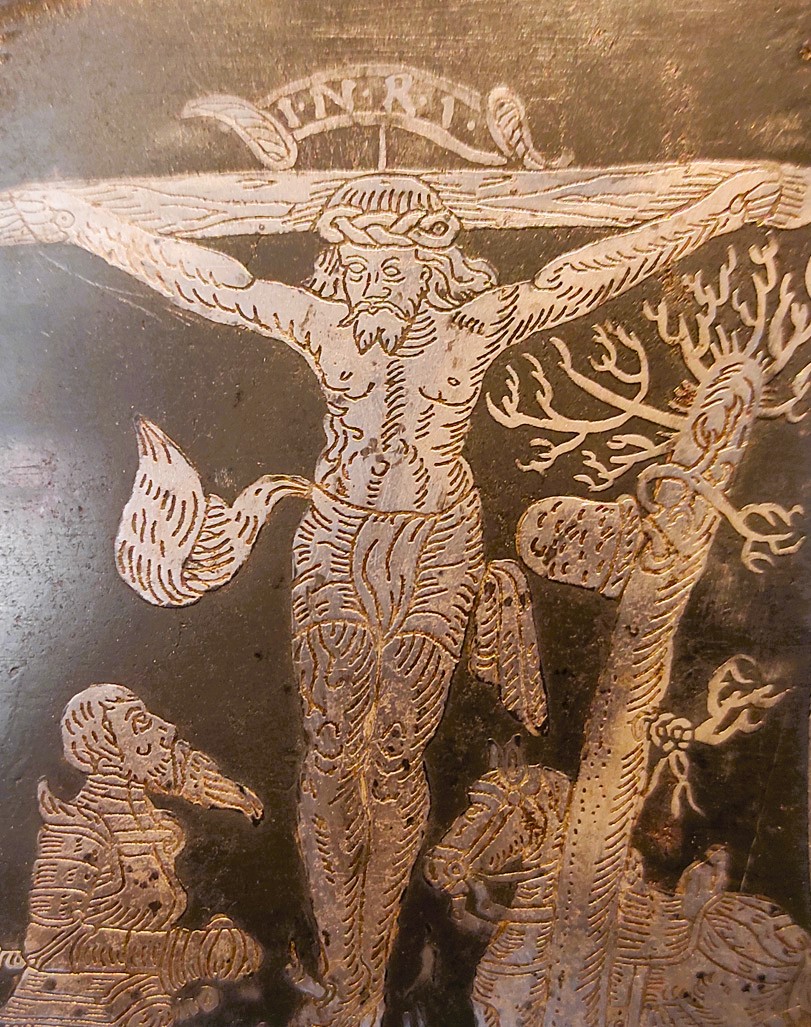
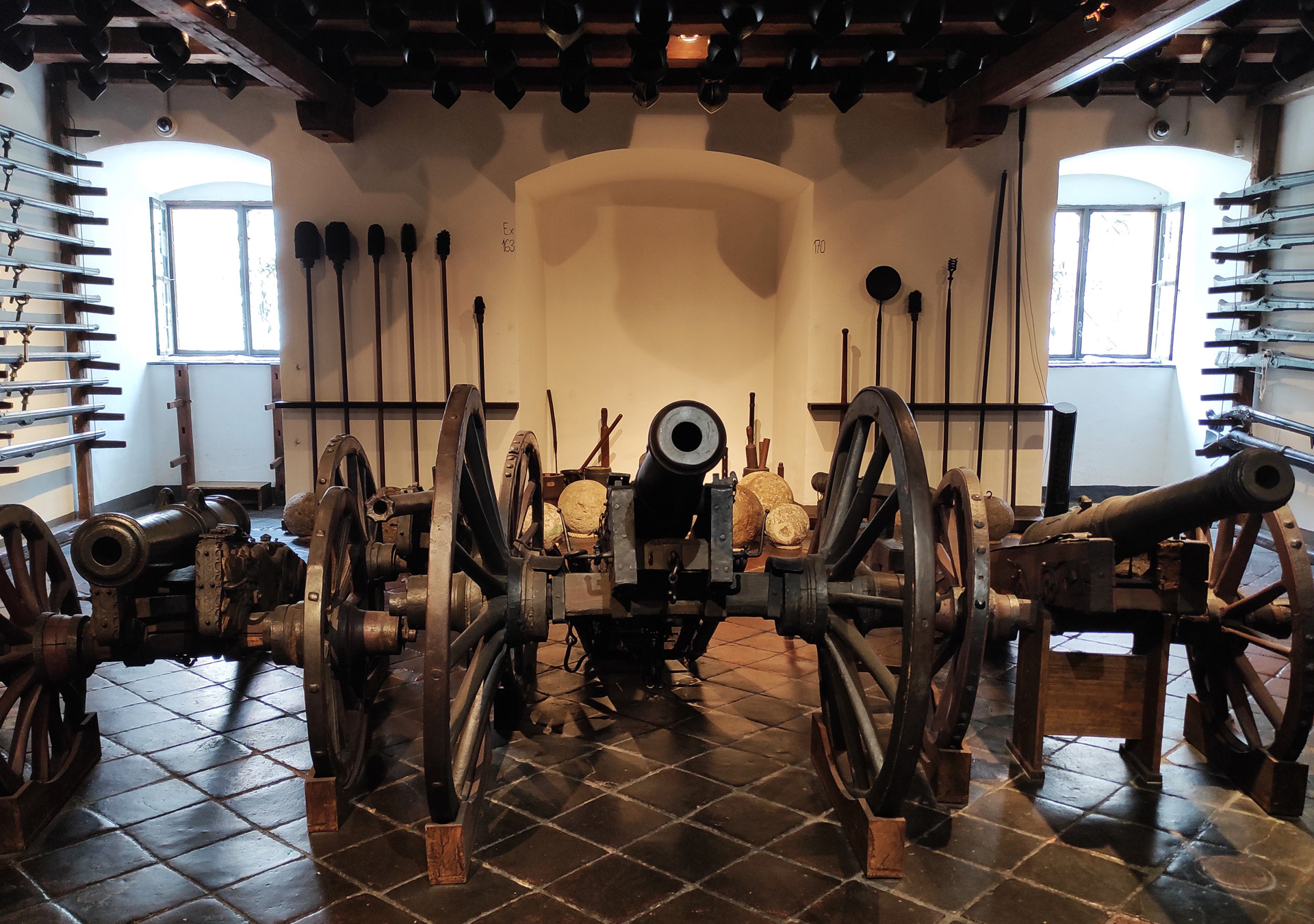
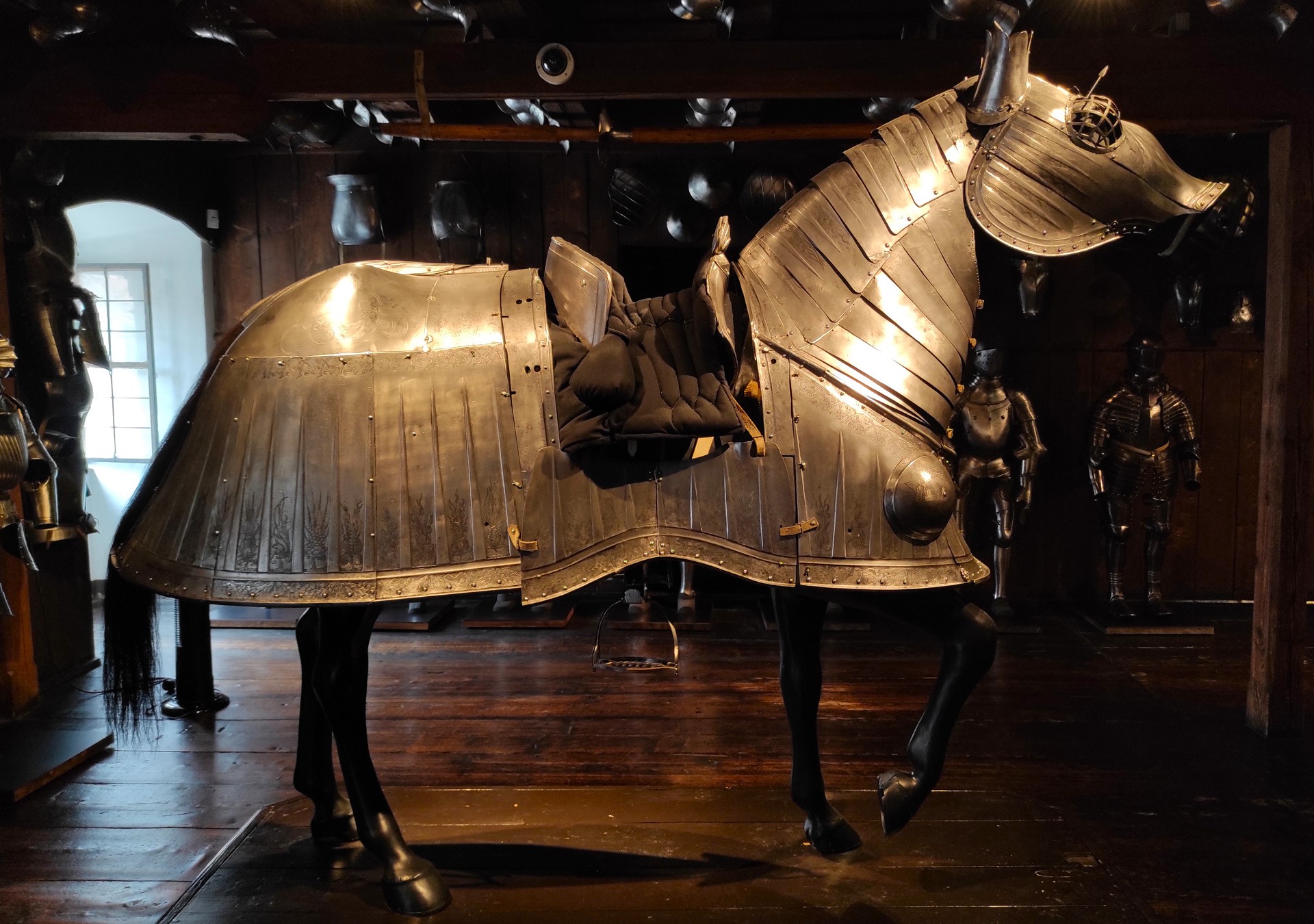
Today, it houses the largest preserved historical armoury in the world. Kept in a nearly original arrangement, you will find over 32,000 exhibits here—ranging from massive cannons and heavy firearms to fascinating, elaborately engraved armour and a complete suit of plate armour for a knight's horse.
-
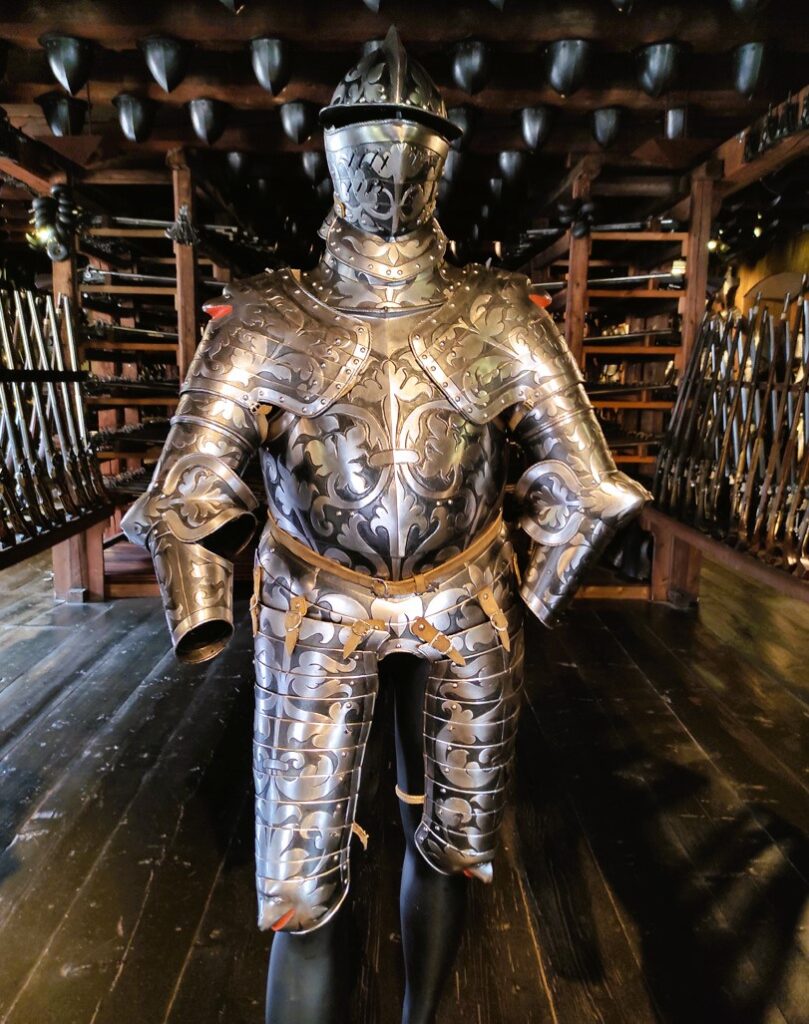
- Protective Armour
-
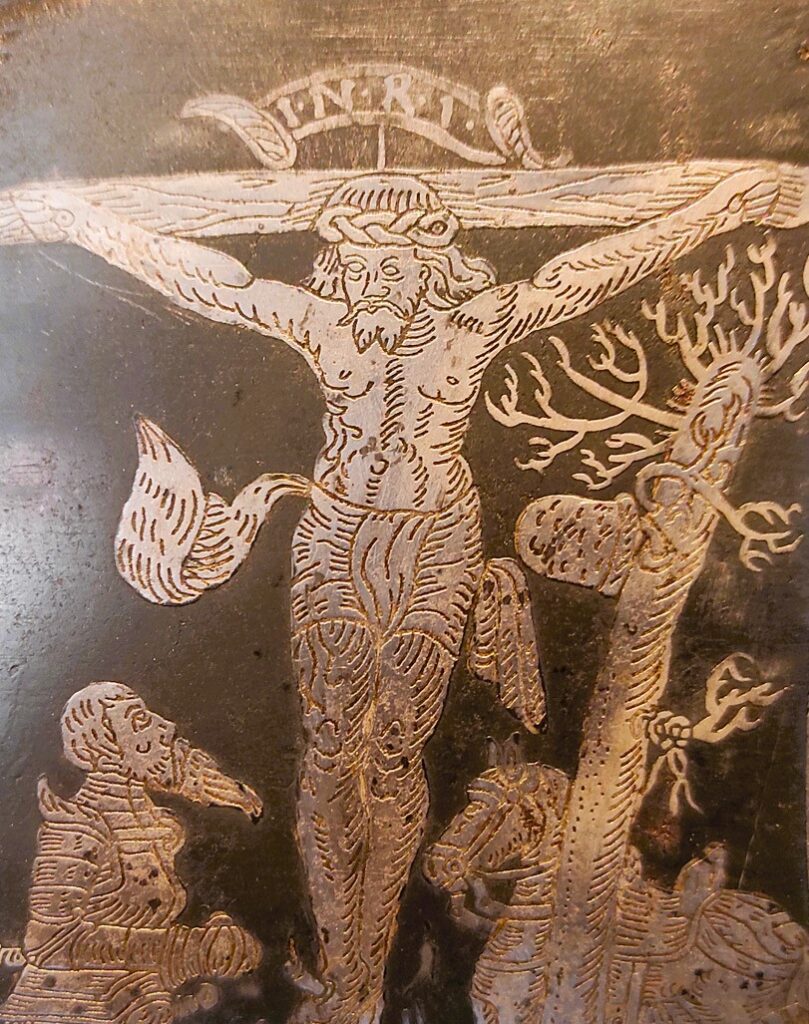
- Engraving on the Helmet
-
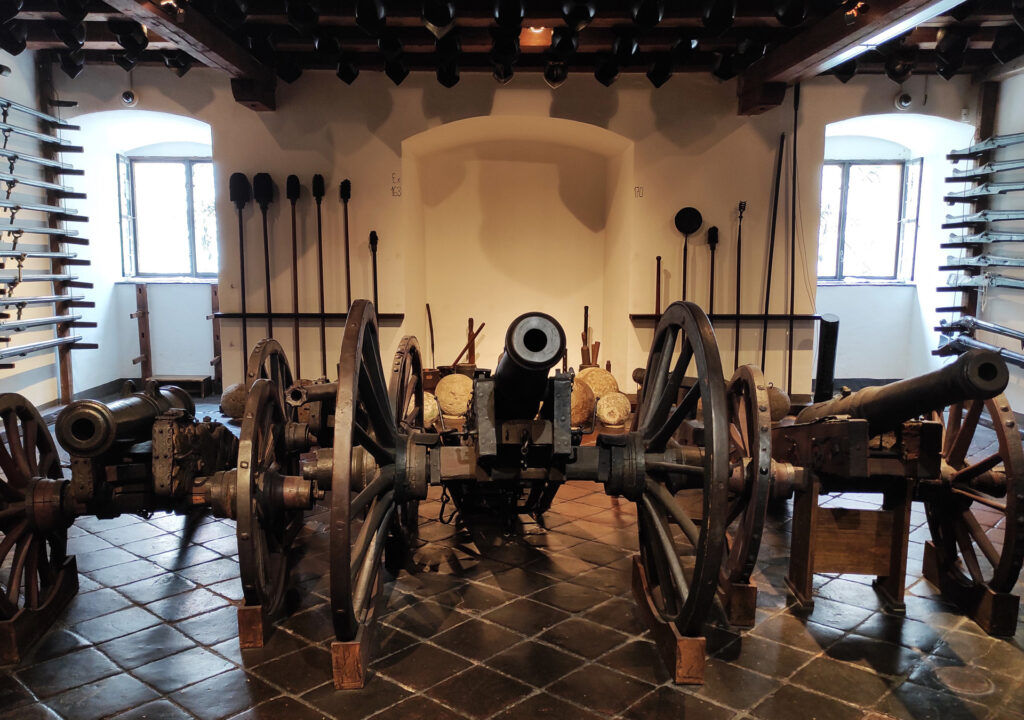
- Heavy Weapons
-
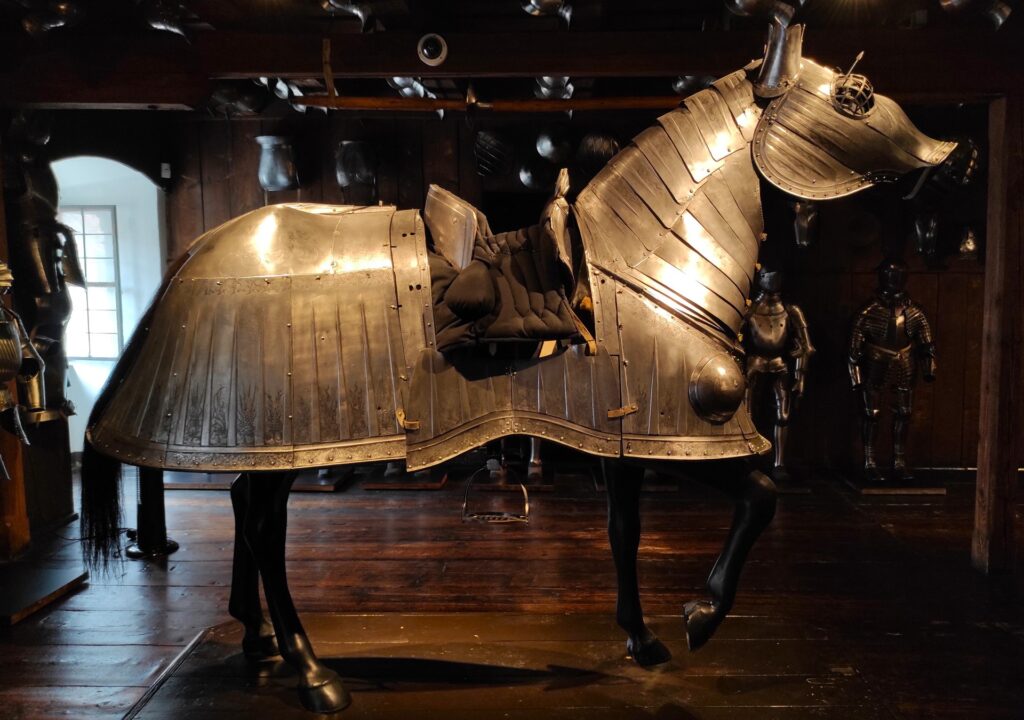
- Horse Plate Armour
Regional House (Landhaus)
Right next to the armoury hides an absolute architectural triumph. The Landhaus once served as the seat of the Styrian nobility, who governed a territory extending as far as present-day Slovenia from here. Today, the Styrian regional parliament meets in the building.
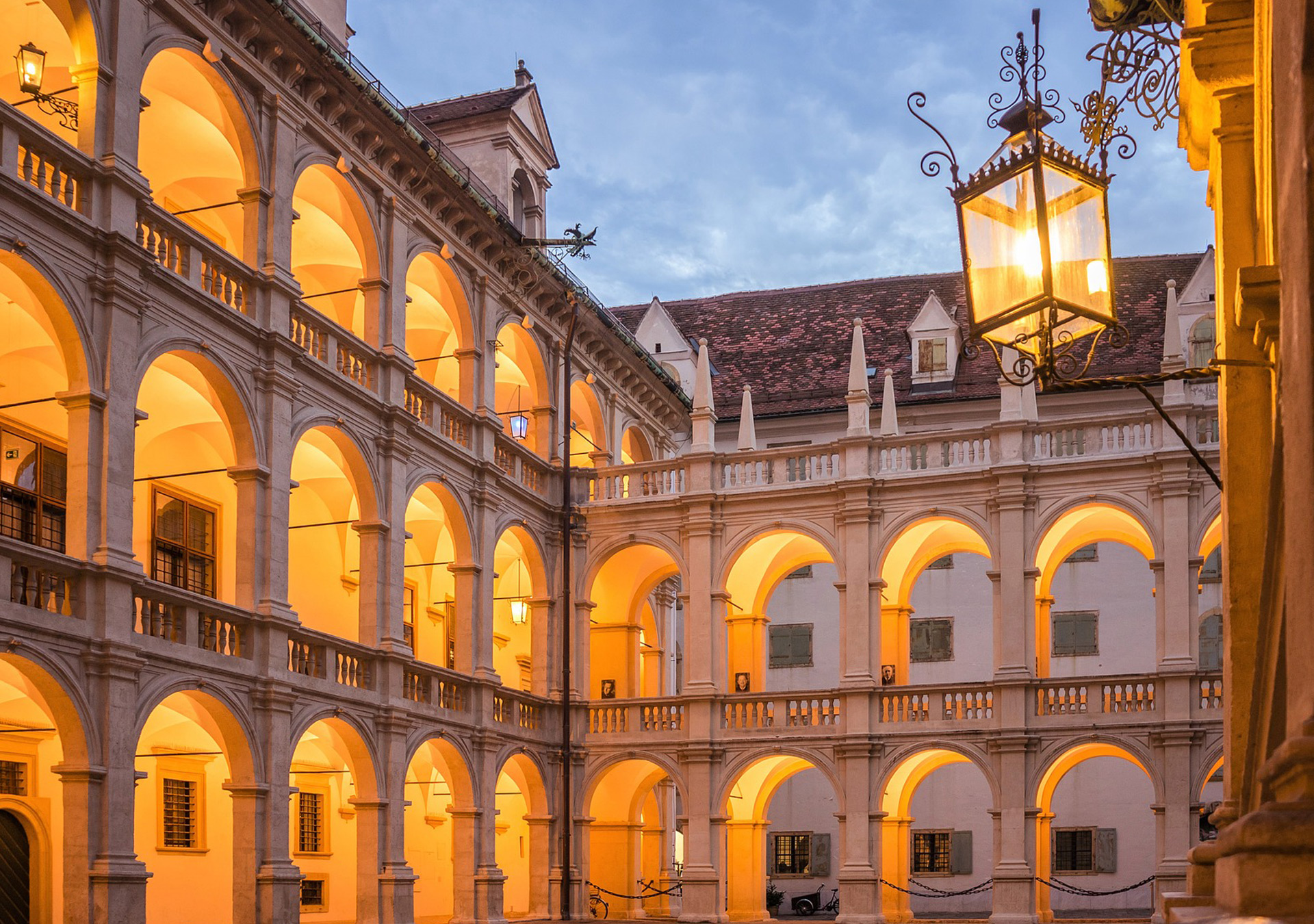
The real magic unfolds the moment you pass through the gate next to the information centre. A breathtaking courtyard with three-story arcades opens before you, immediately reminding you of sun-drenched Italian palaces.
-
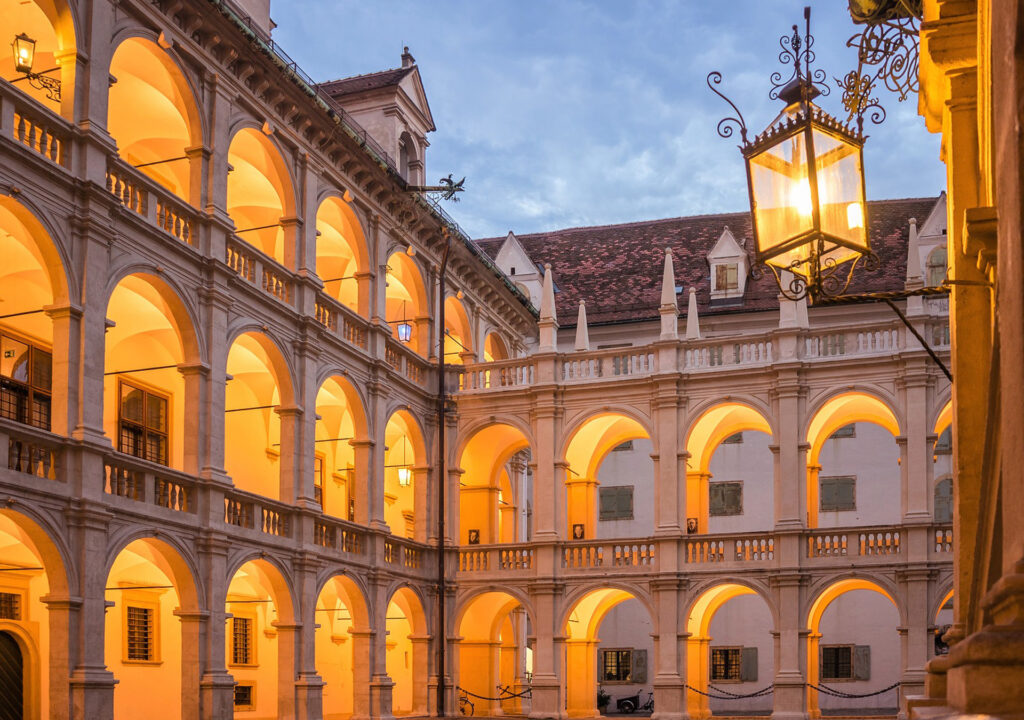
- Regional House
-
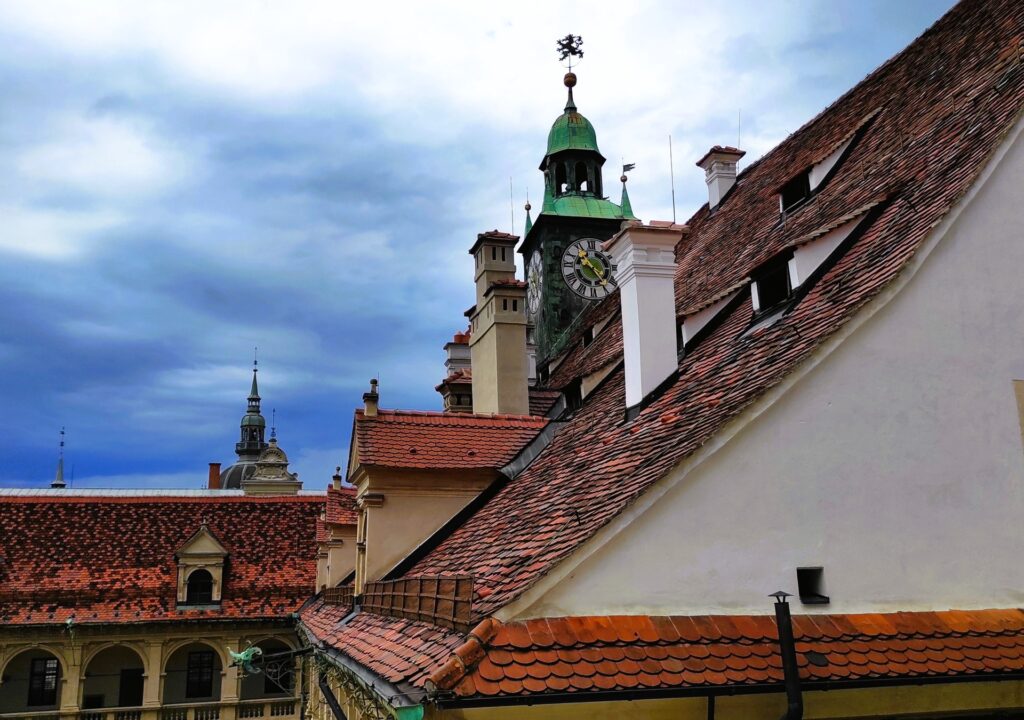
- Regional House
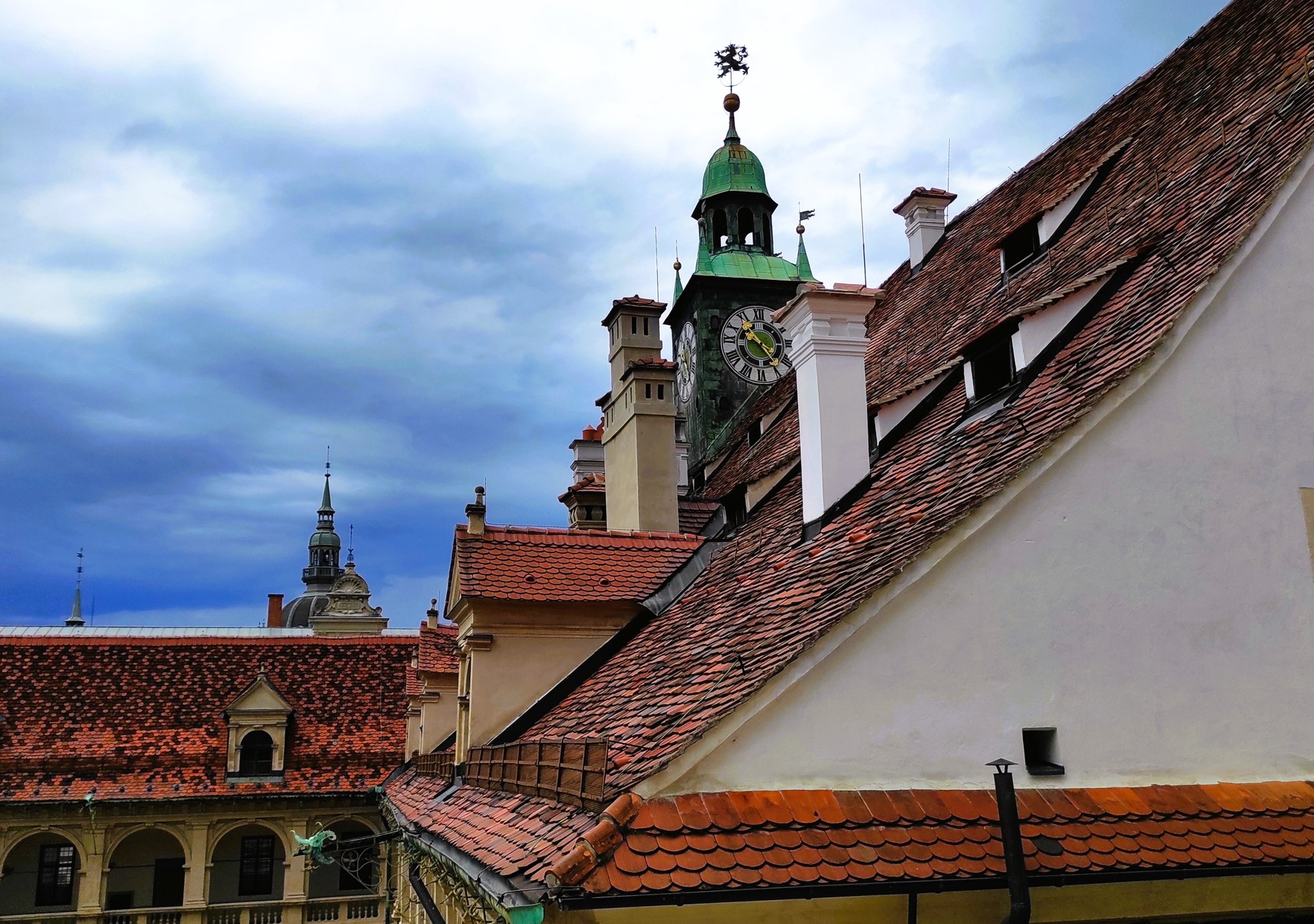
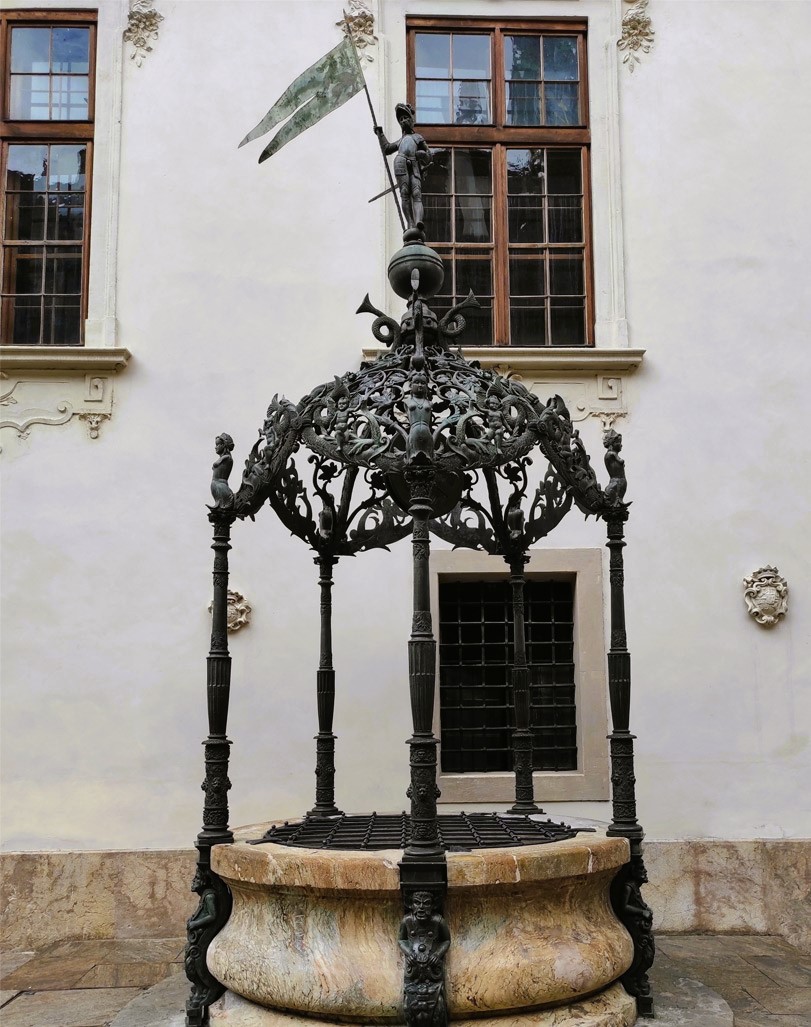
Moreover, in the middle of the courtyard stands a masterpiece of wrought bronze: a Renaissance fountain with a canopy topped by a bronze warrior.
-
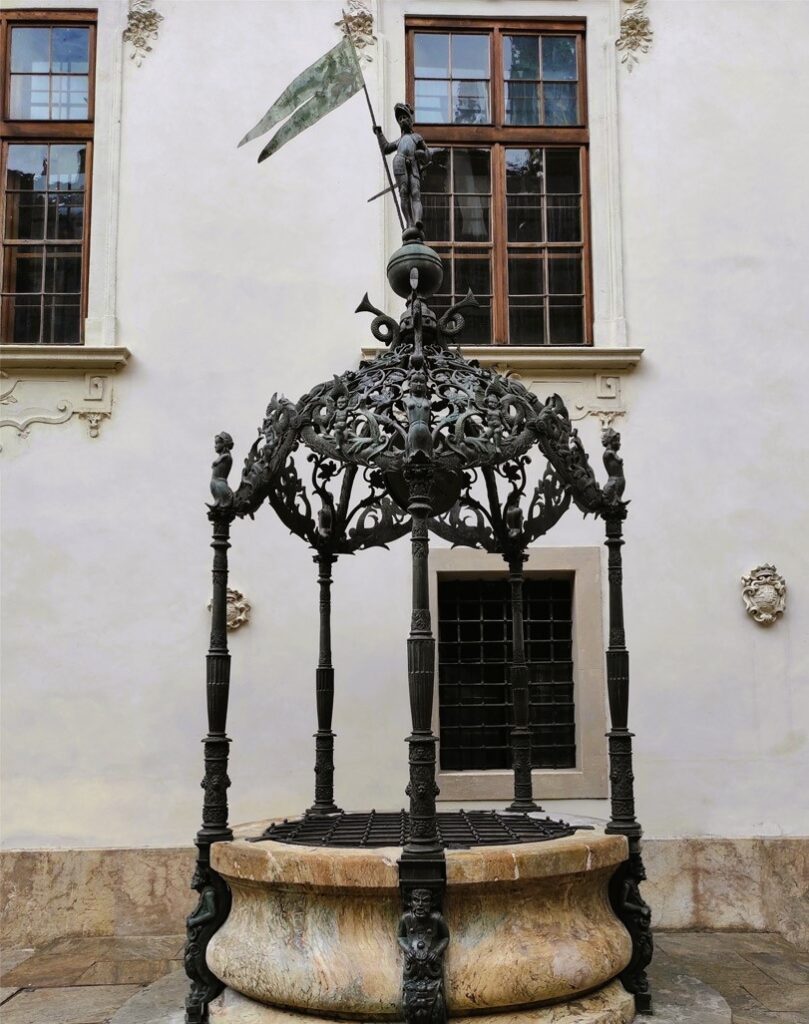
- Renaissance Fountain
-

- Walk Through the City Centre During a Trip to Graz
Main Square (Hauptplatz)
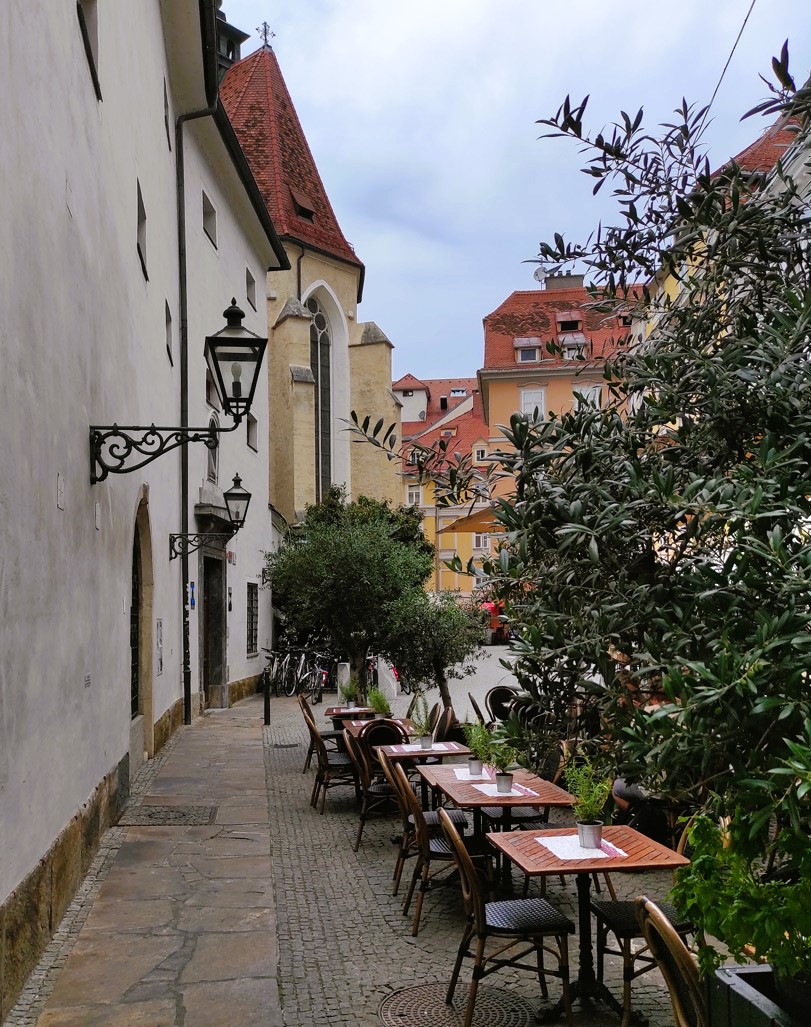
From there, it is just a few steps to the Main Square. The first thing to catch your eye is the monumental Neo-Renaissance Town Hall and beautifully decorated burgher houses—led by the famous Baroque-Renaissance Haus am Luegg, whose intricate details resemble an ornate gingerbread house.
The dominant feature of the entire square is the giant fountain of Archduke Johann, a visionary and reformer who played a fundamental role in the modernization of Styria. Sitting around his statue are four female figures symbolizing the four main rivers of historical Styria—the Mur, the Enns, the Drava, and the Sann.
-
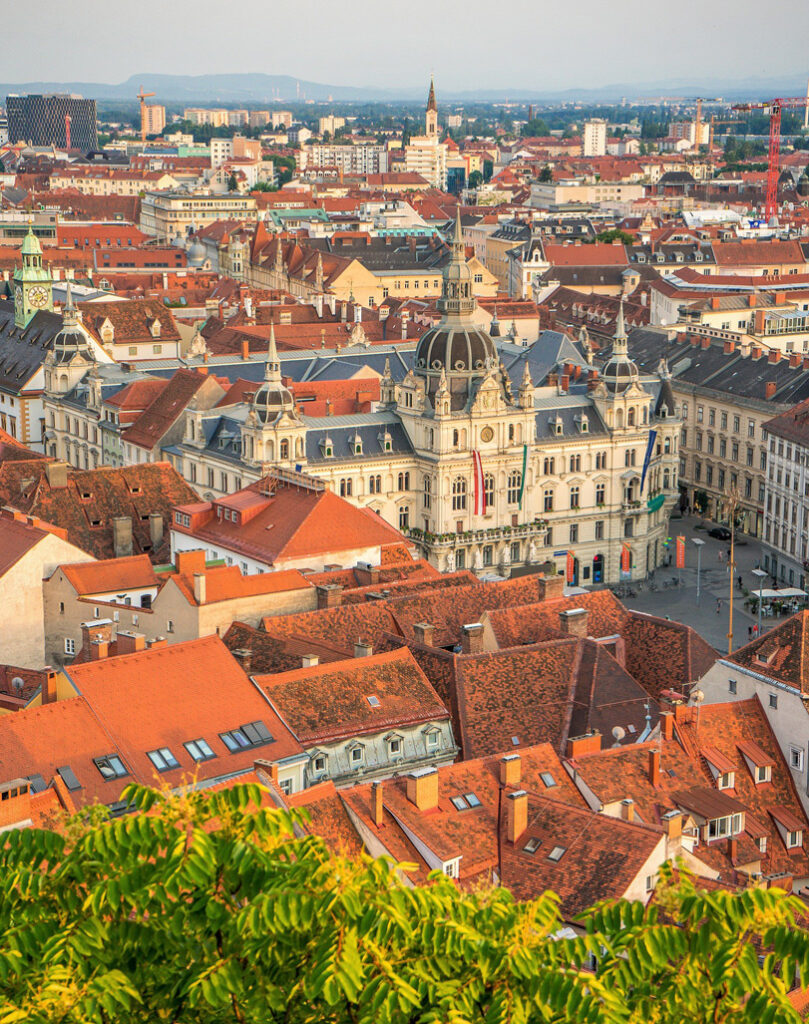
- Main Square with the Town Hall
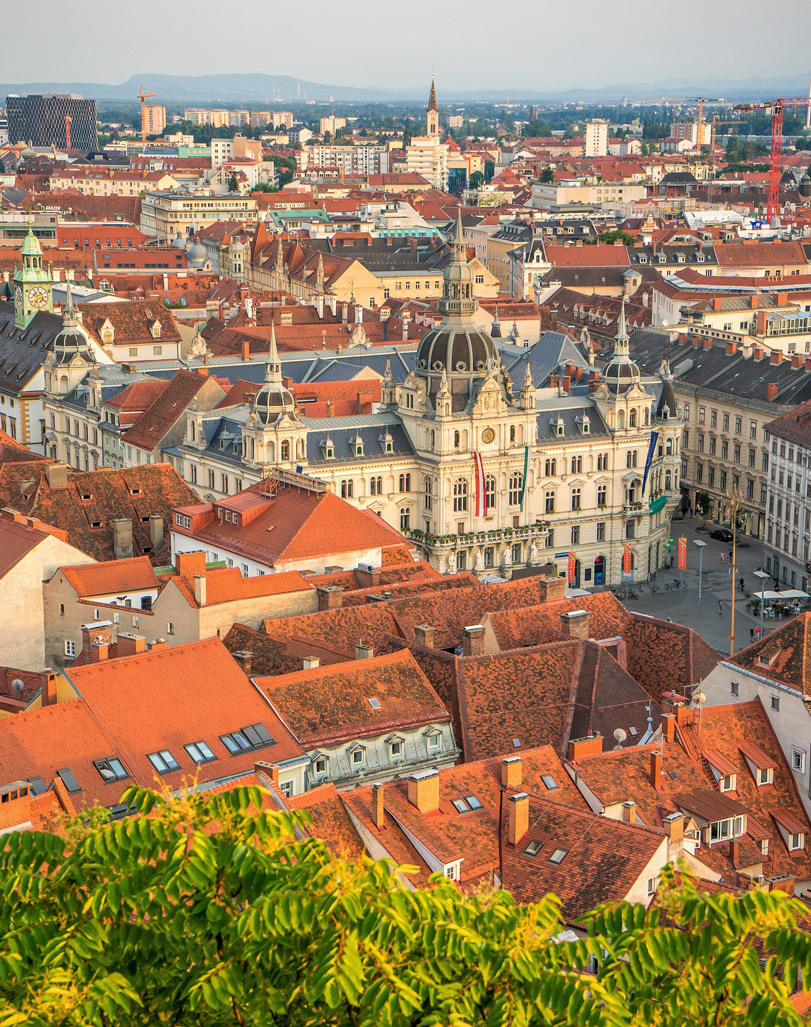
-
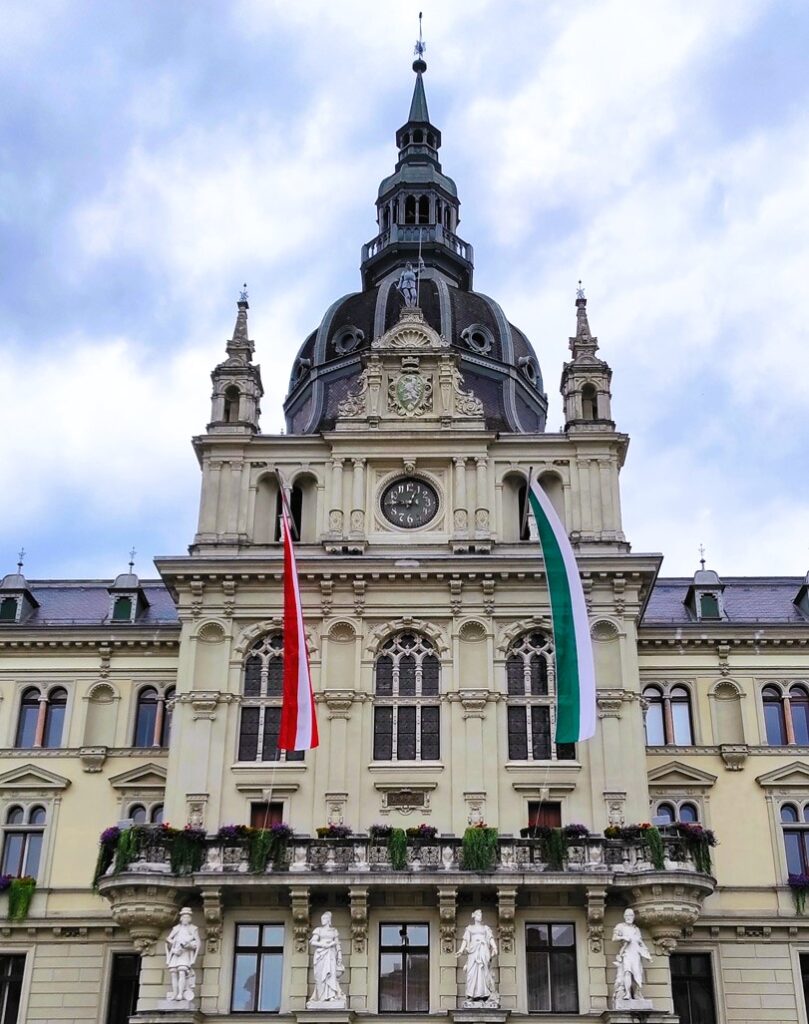
- Neo-Renaissance Town Hall
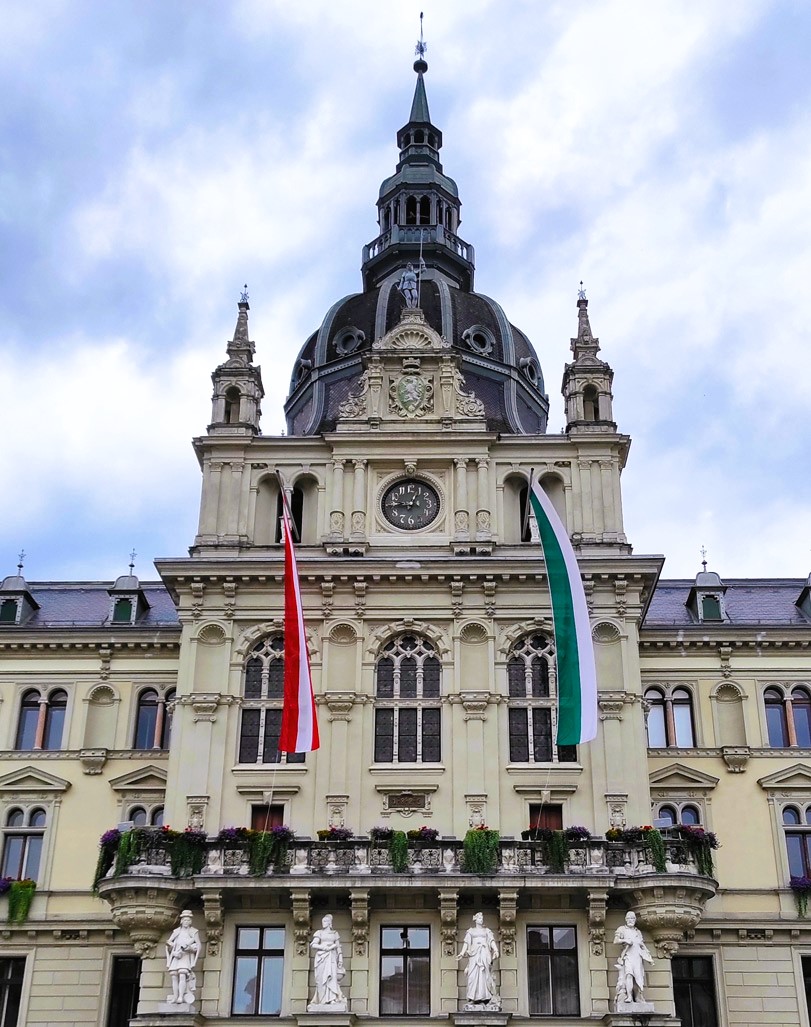
-
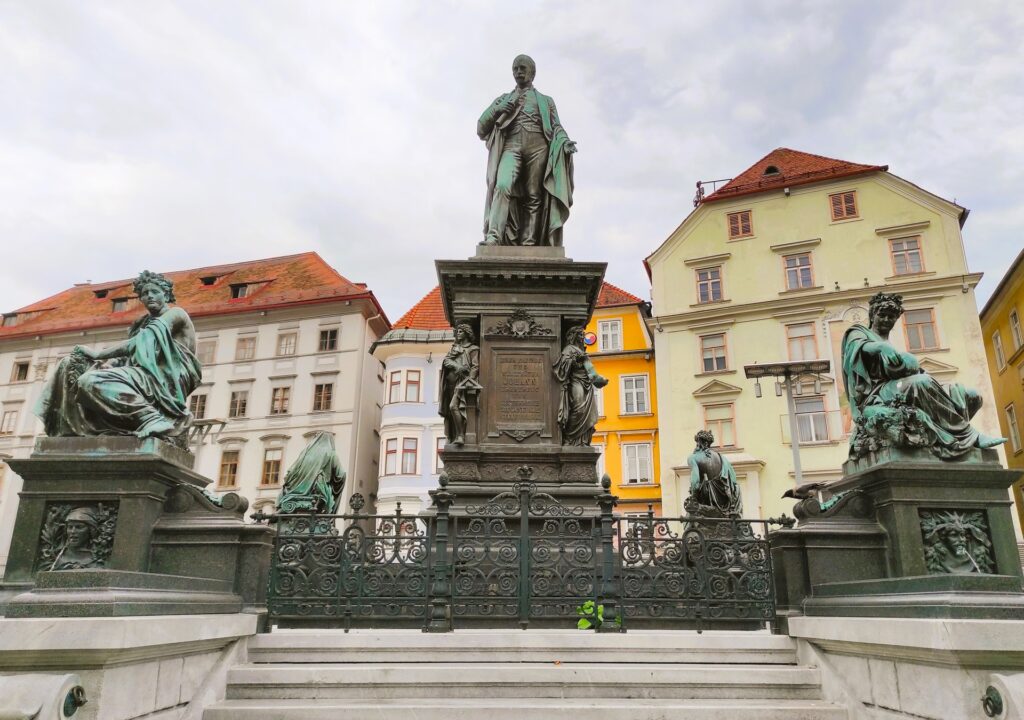
- Fountain of Archduke Johann
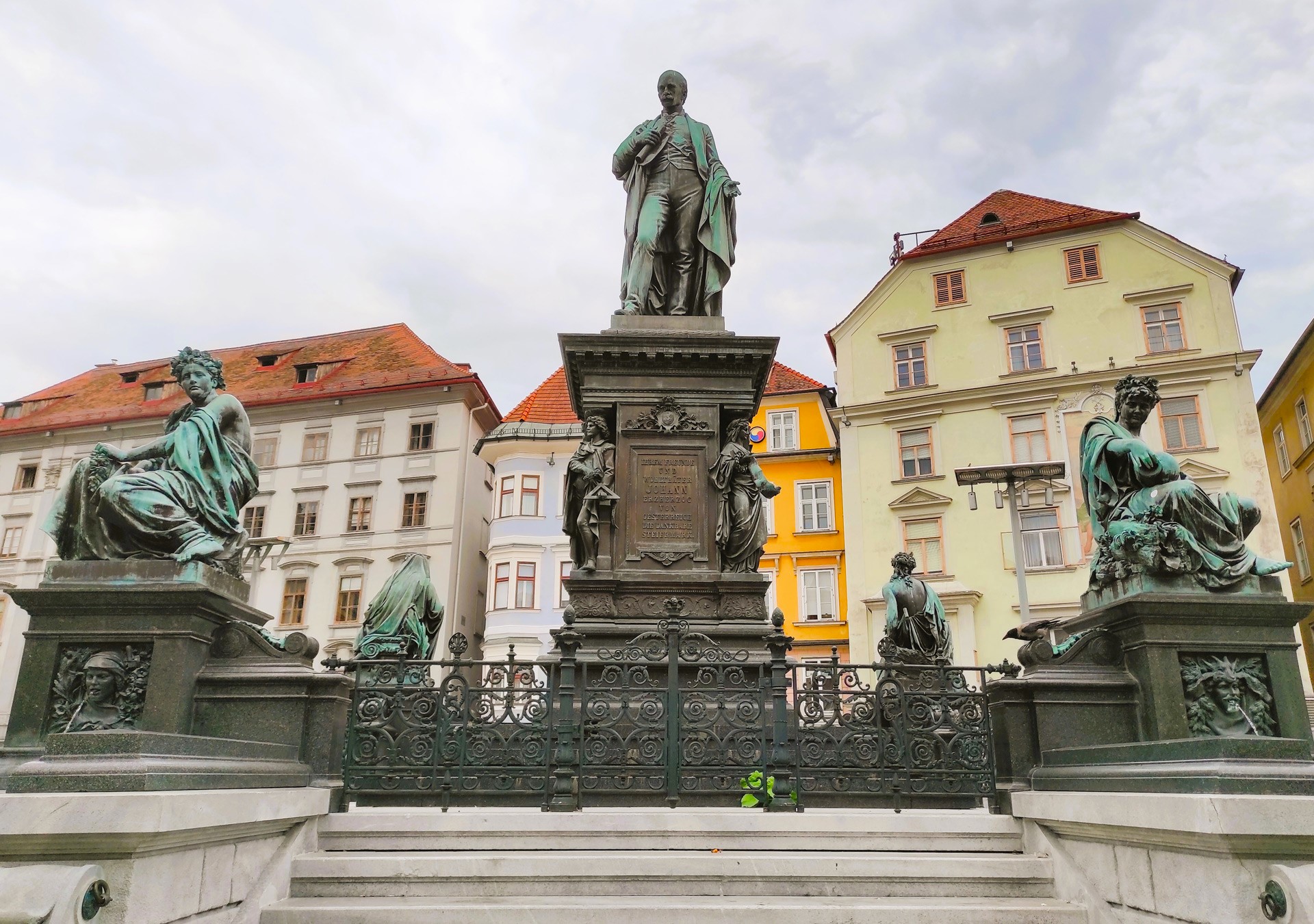
-
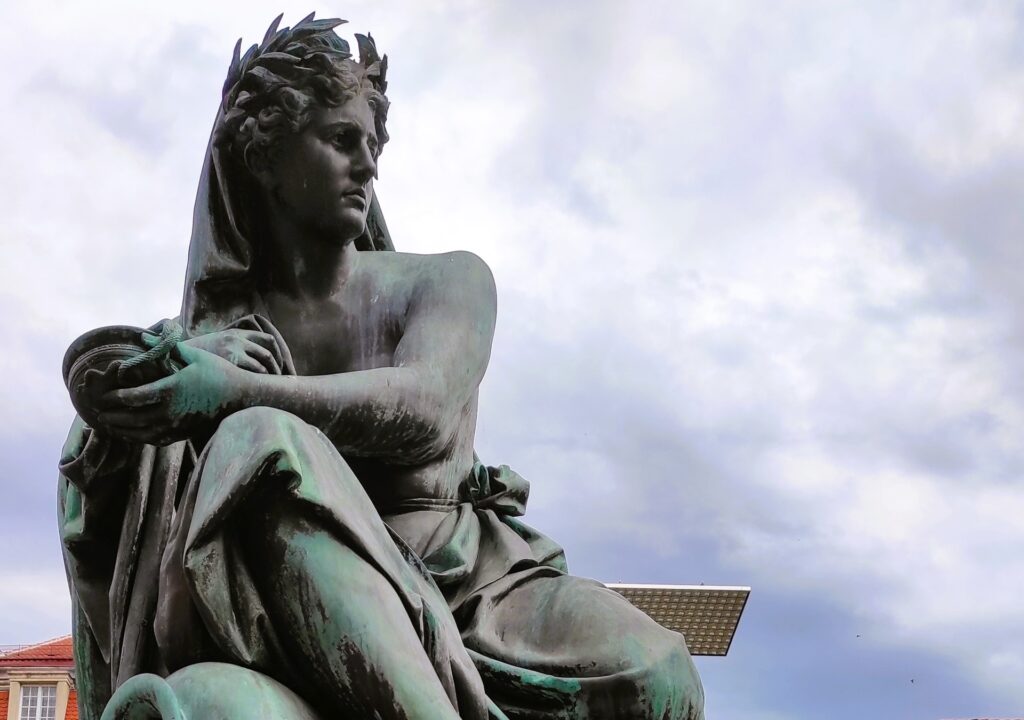
- Fountain of Archduke Johann

Graz Cathedral (St. Giles')
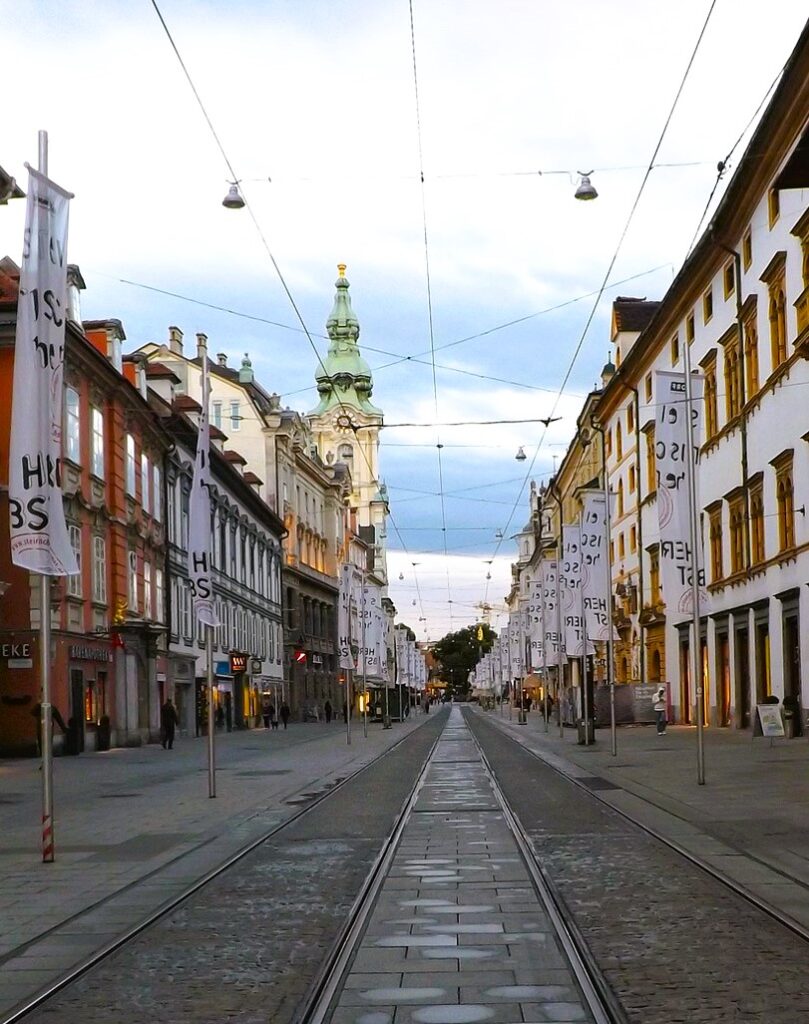
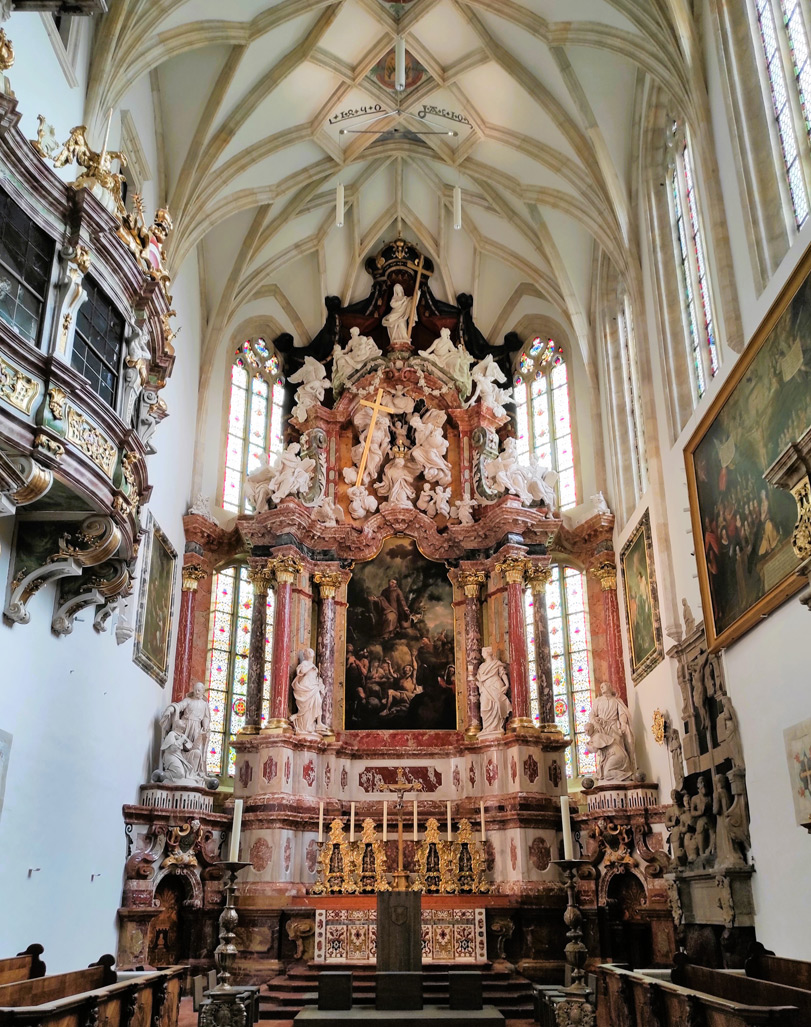
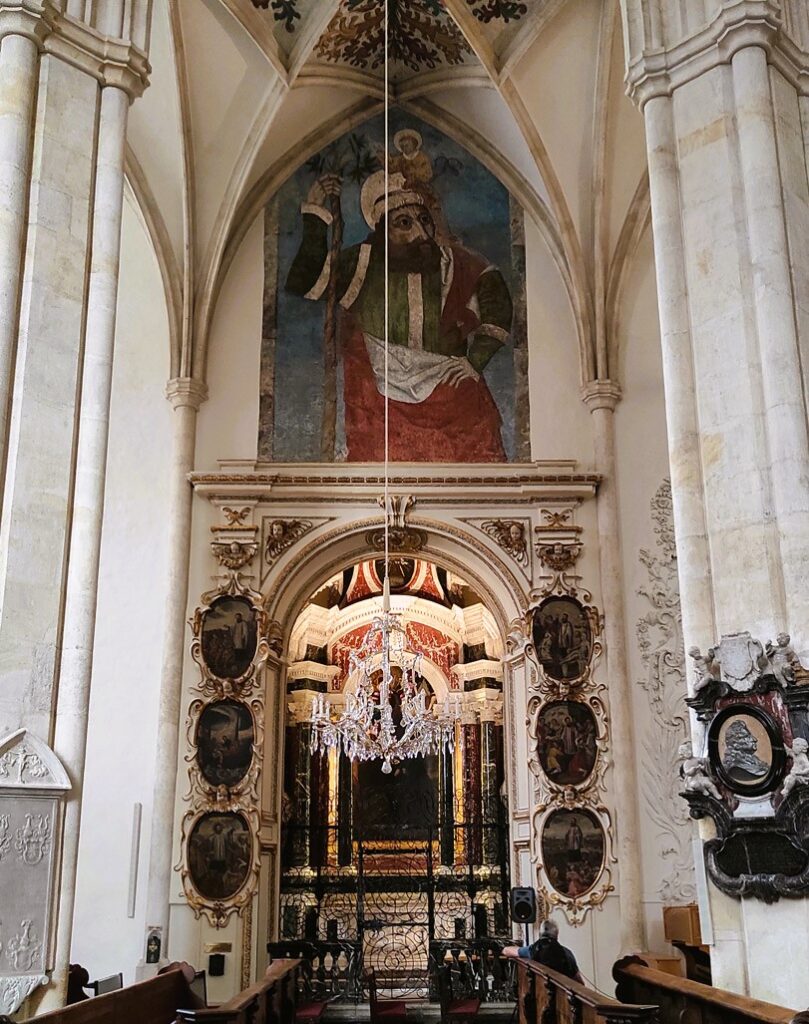
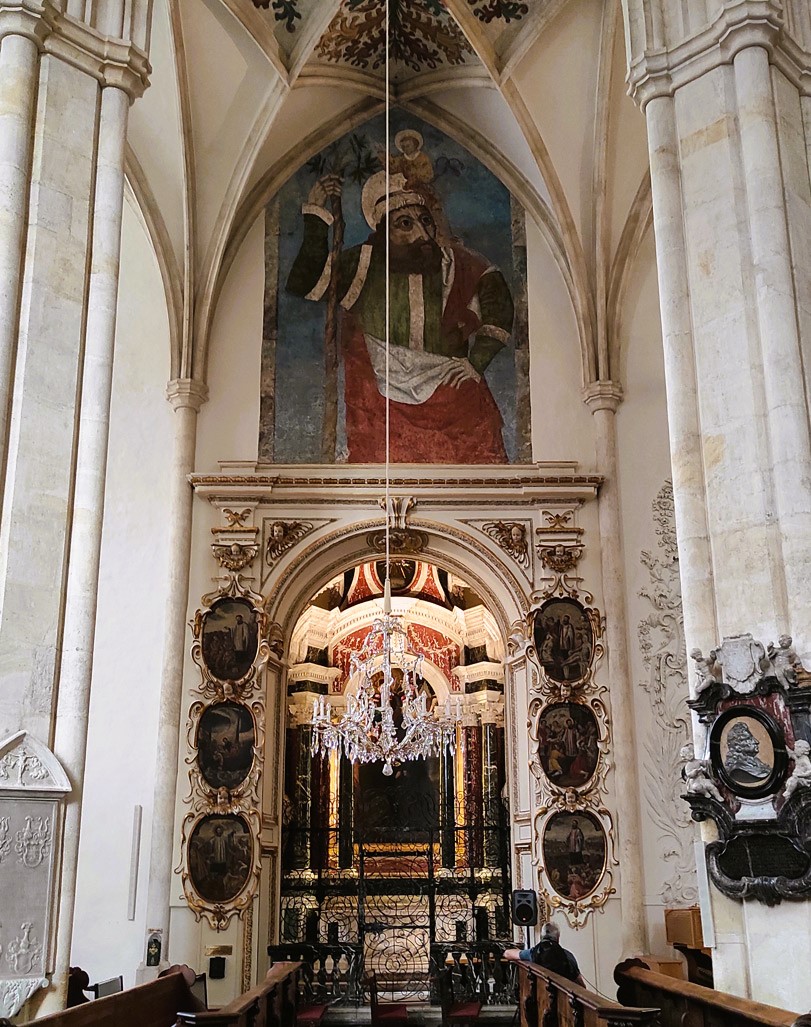
Leaving the square via the picturesque shopping street Sporgasse, which is packed with stylish boutiques and fragrant cafes, you will reach Bürgergasse 1. This is where the Gothic Cathedral of Saint Giles stands. It originally served as the court church of the imperial castle and has retained its Late Gothic character to this day.
Inside, you will be enchanted by its majestic interior, but the greatest treasure is the exterior fresco known as the Gottesplagenbild (God's Plagues Painting). It fascinatingly depicts the three disasters of the year 1480: the plague epidemic, a locust plague, and Ottoman invasions.
-
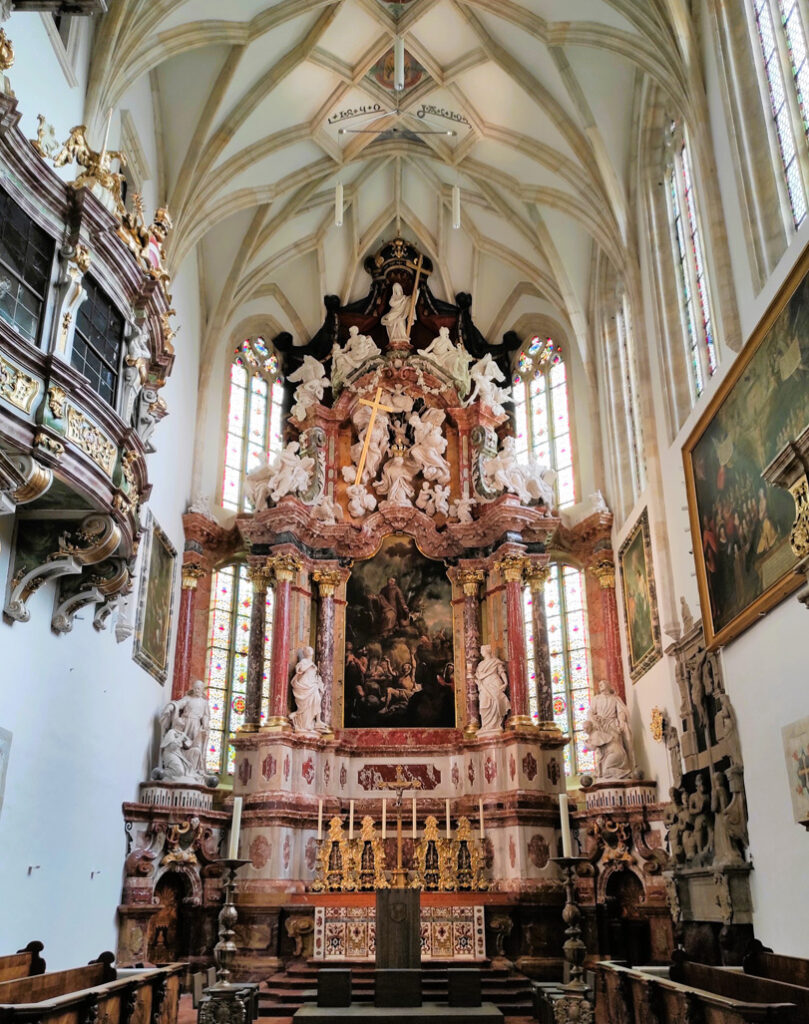
- Graz Cathedral
-
- Graz Cathedral
Mausoleum
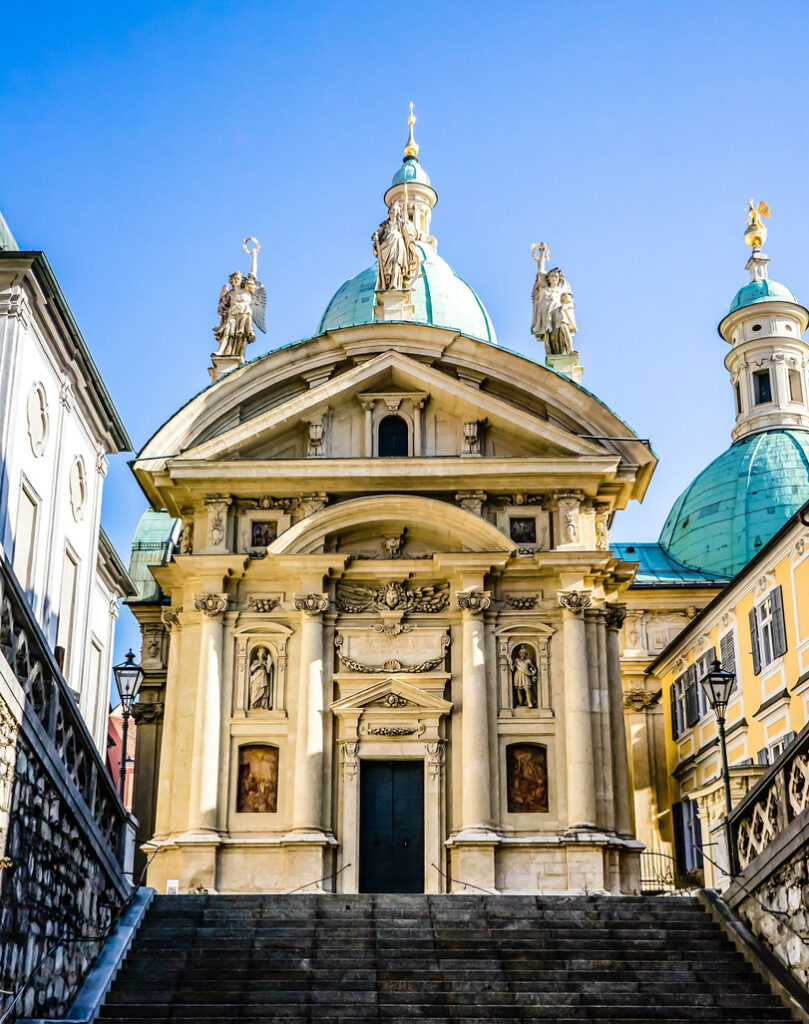
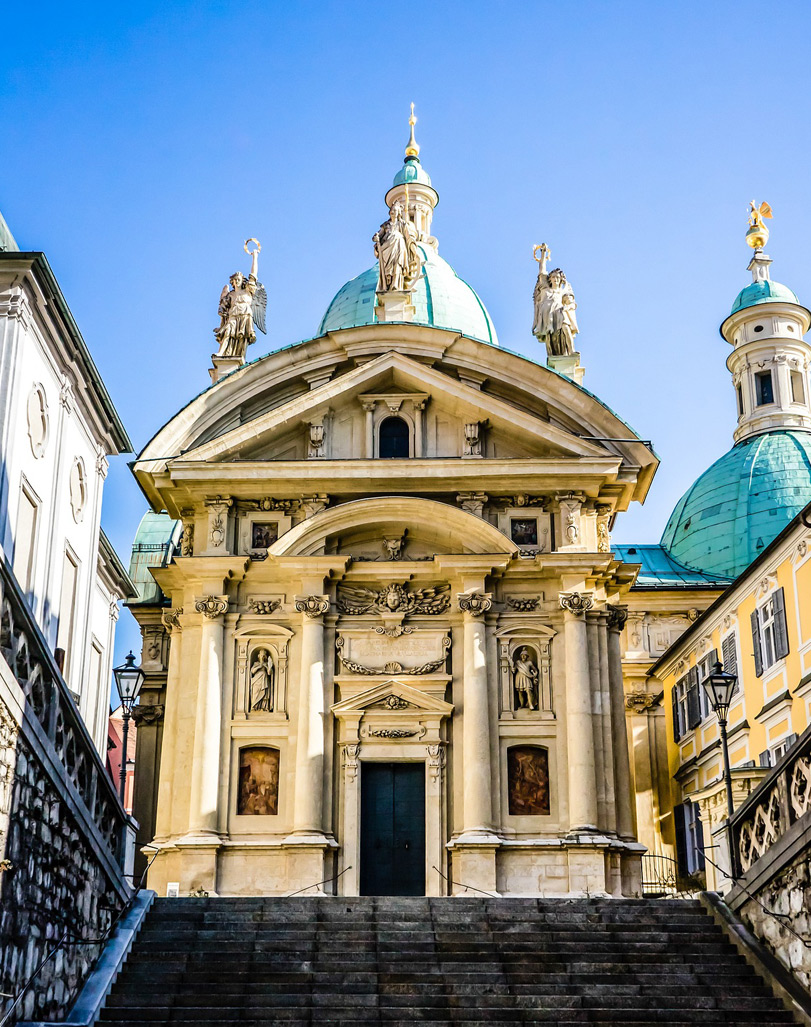
Right next to the cathedral at Burggasse 3, the grandest building in the city towers into the sky. It is the pompous tomb of Emperor Ferdinand II. For Czech history, this site carries a powerful context—it was Ferdinand II who ordered the execution of 27 Czech lords on Old Town Square in Prague in 1621 following the defeat of the Bohemian Estates Uprising.
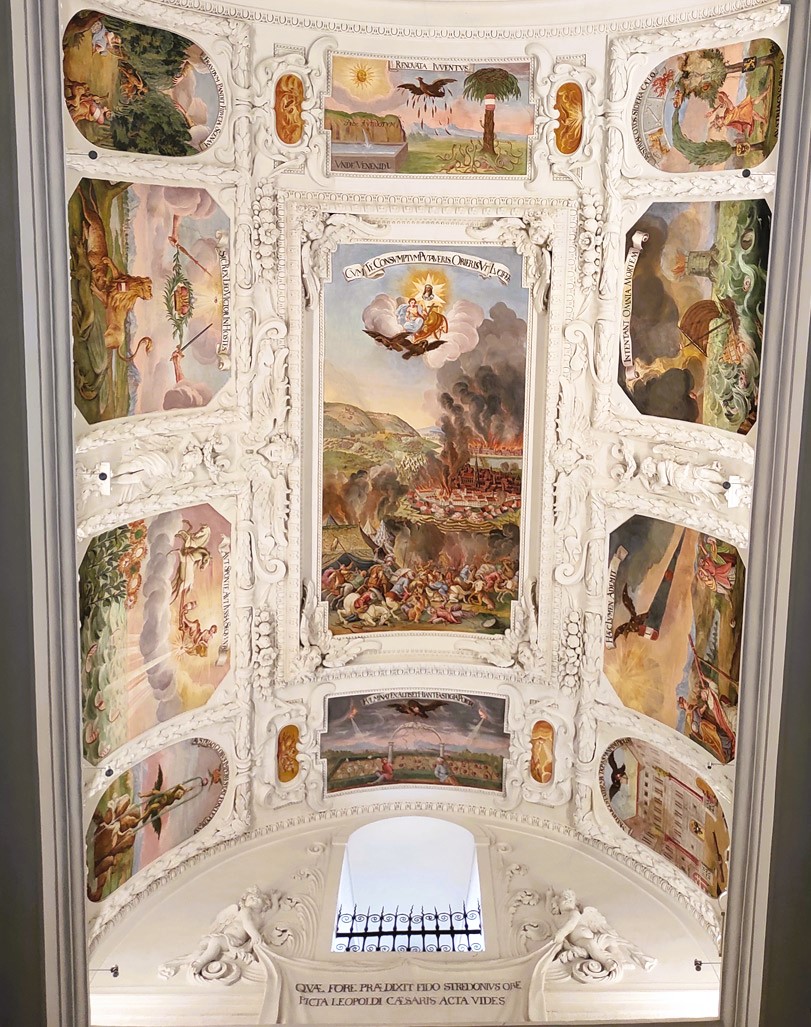
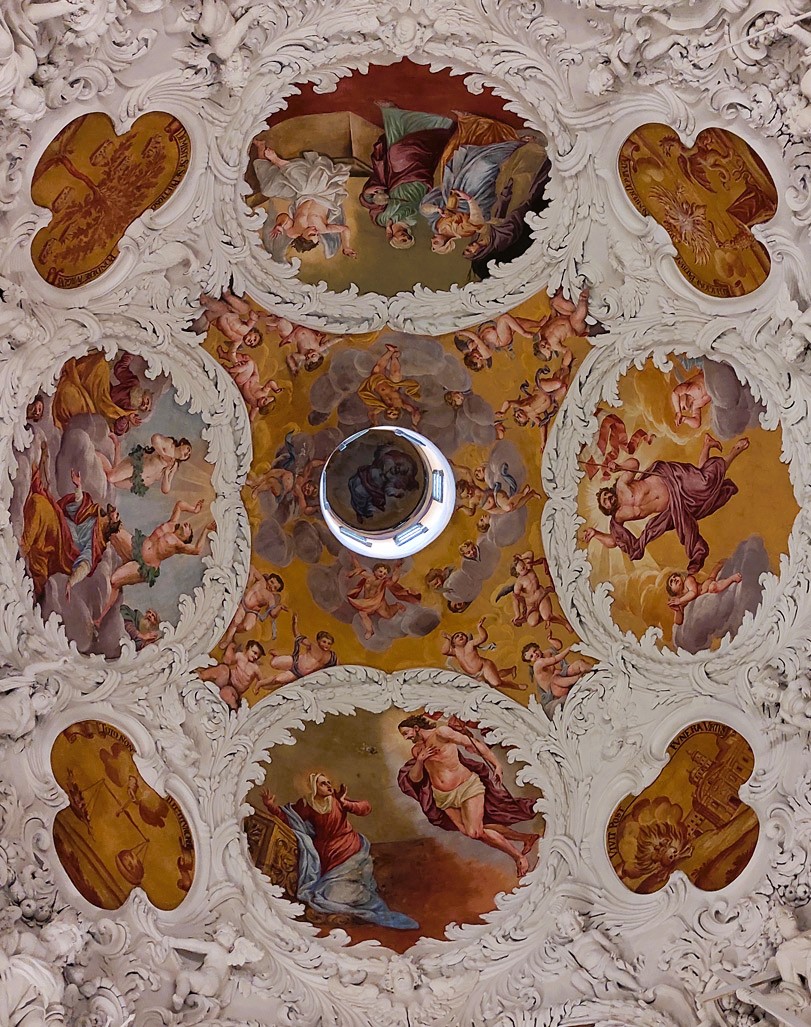
Inside, you will be mesmerized by the rich ceiling frescoes, in the centre of which are scenes celebrating victories over the Ottoman armies.
-
- Mausoleum Entrance
-
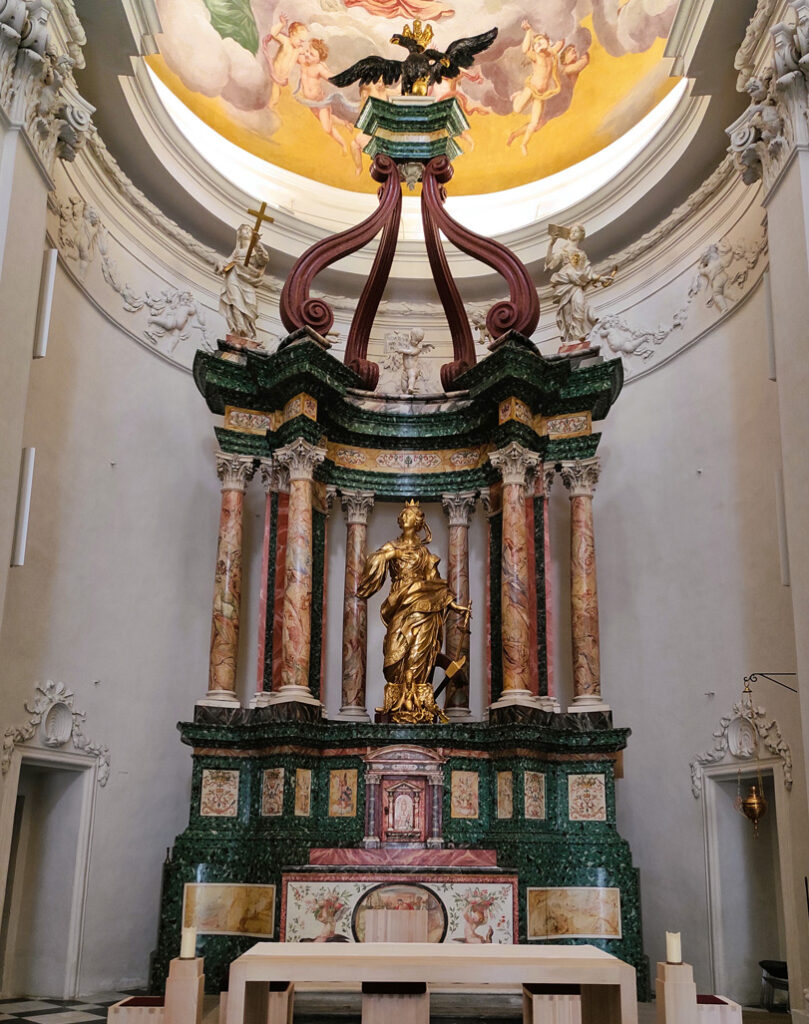
- Altar of St. Catherine
-
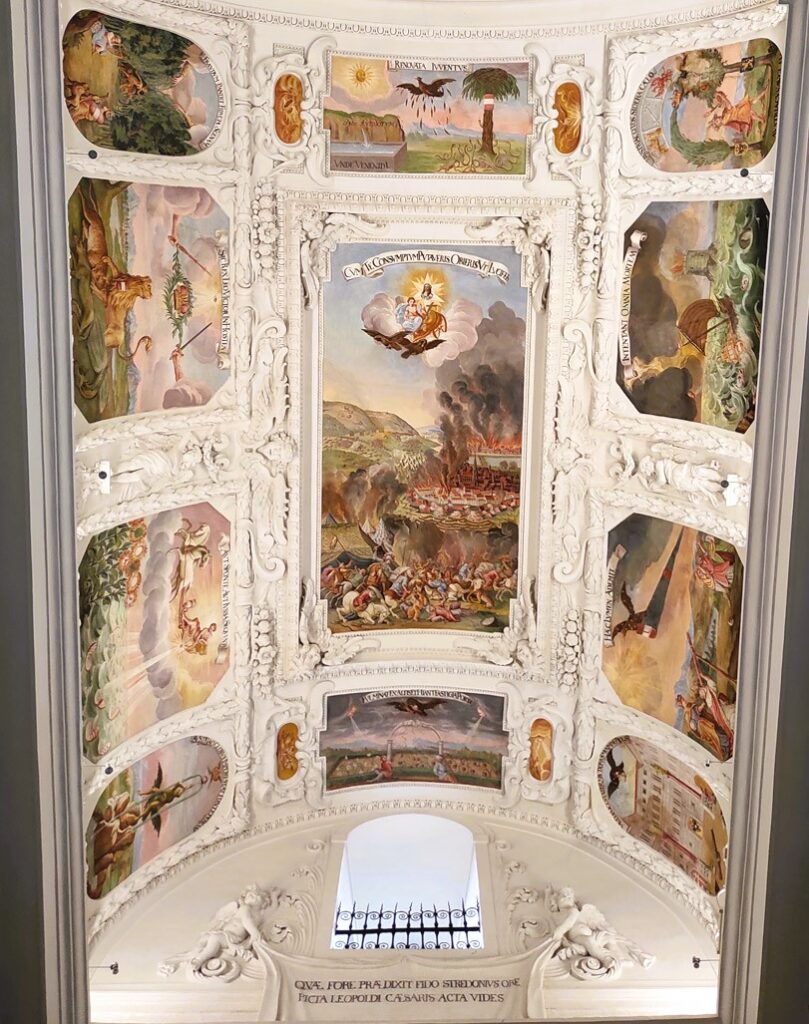
- Mausoleum Ceiling Frescoes
-
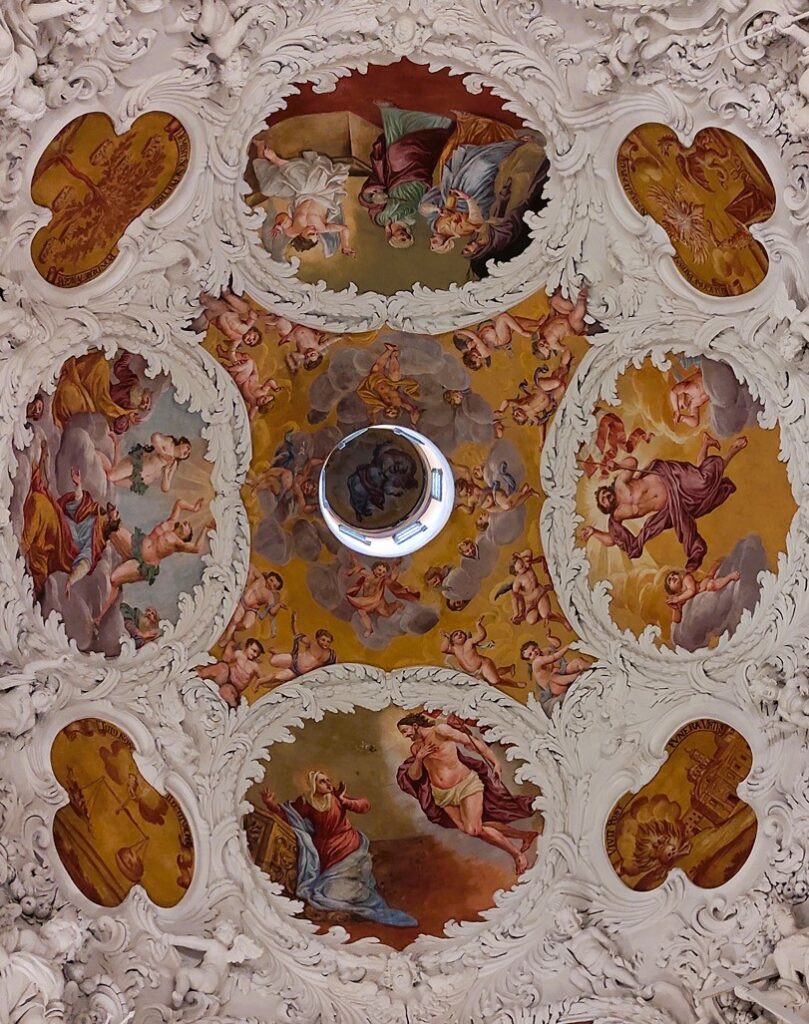
- Mausoleum Ceiling Frescoes
Murinsel
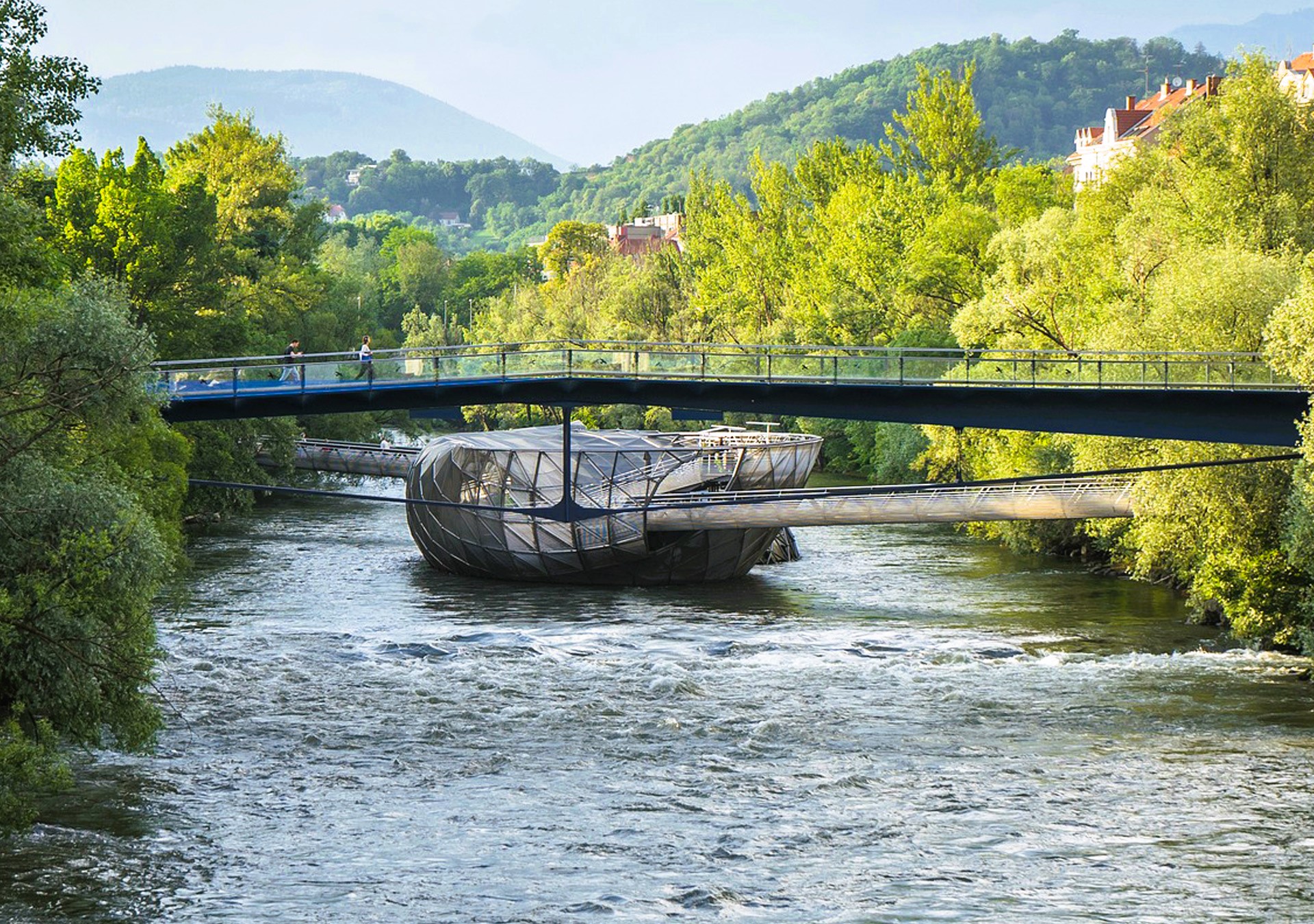
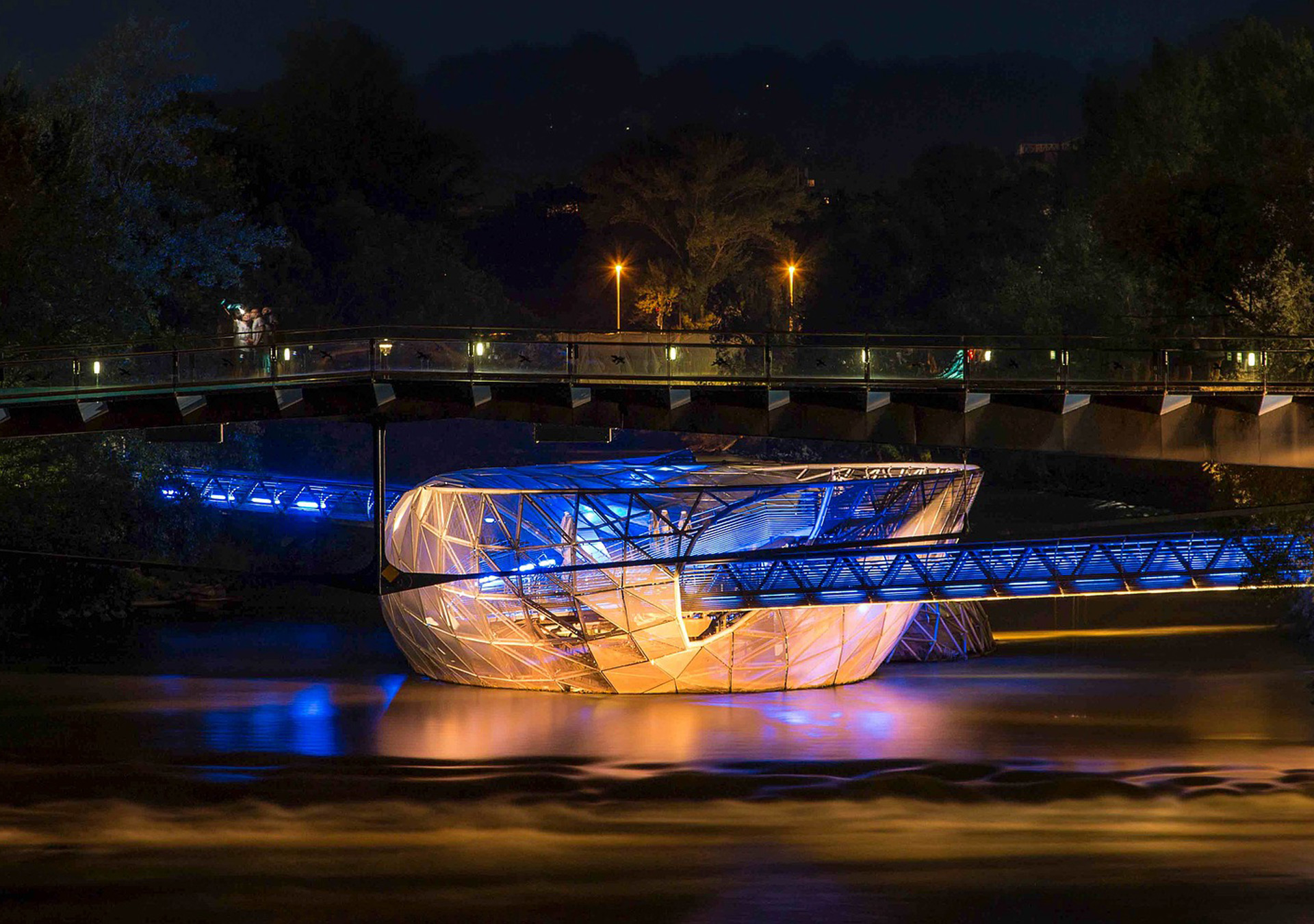
Let's move into the 21st century. This artificial island on the Mur River is an absolute triumph of modern architecture. Shaped like a giant floating sea shell, it serves as an original footbridge connecting both banks of the river.
Inside the shell, you will find a stylish cafe and an open-air amphitheatre. Although the Murinsel was originally designed as a temporary installation, its great popularity among locals secured its permanent stay in Graz.
Our tip:
The Murinsel has its most magical charm after dark, when it lights up with a mystical blue glow.
-
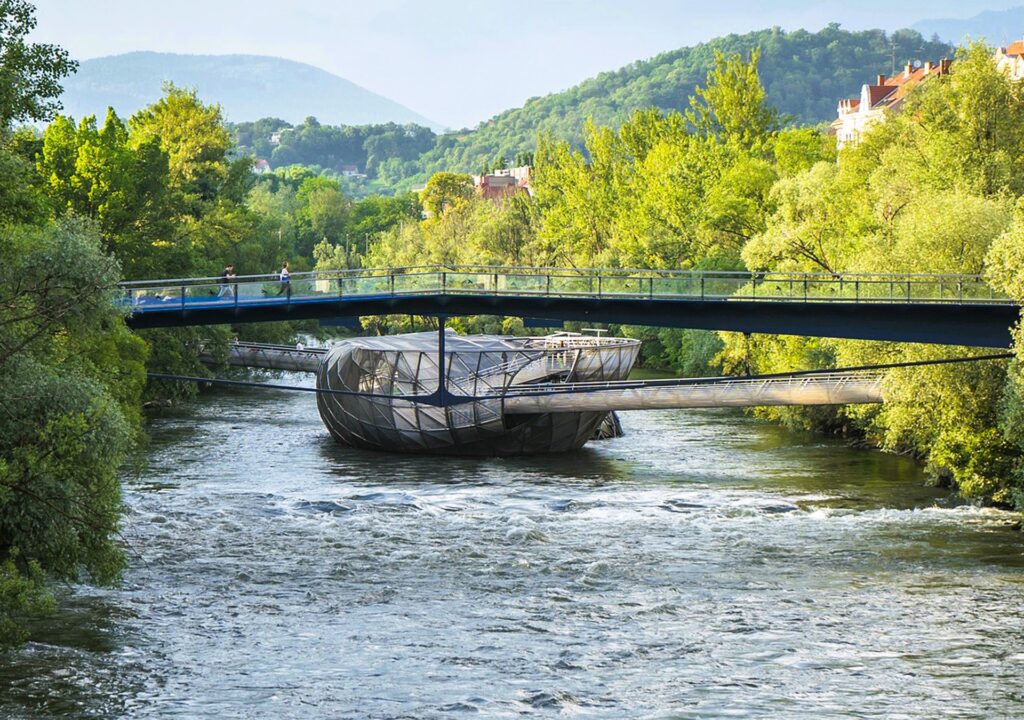
- Murinsel
-
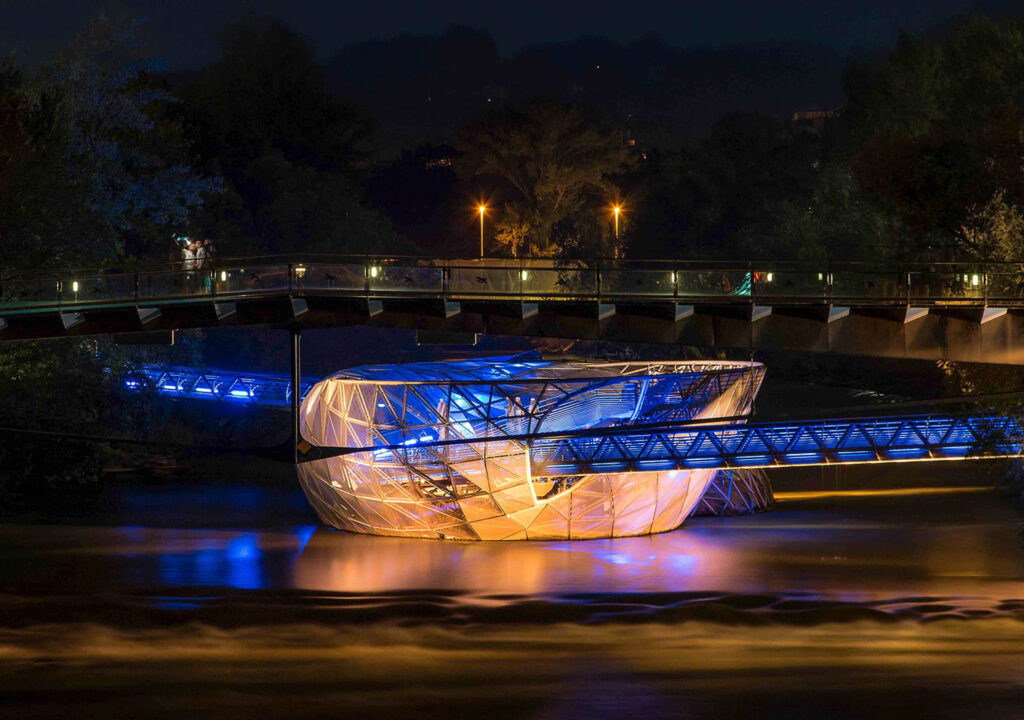
- Murinsel
Kunsthaus Graz (House of Arts)
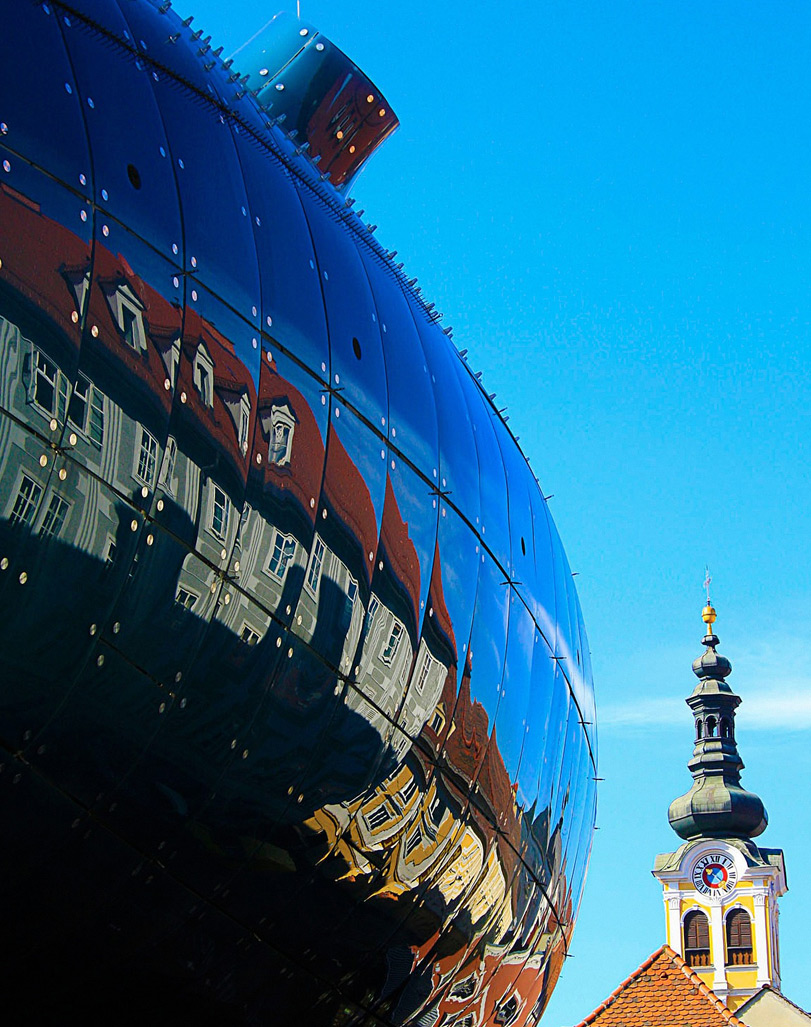
Just cross the Murinsel to the right bank of the river onto Lendkai street, and you will instantly understand why the House of Arts has become one of the symbols of modern Graz. This futuristic building, nicknamed the "Friendly Alien," looks as though it landed here from another planet.
Its rounded, biomorphic silhouette sharply contrasts with the historic centre. After dark, it lights up with light projections, making you feel for a moment that the Kunsthaus is truly coming to life.
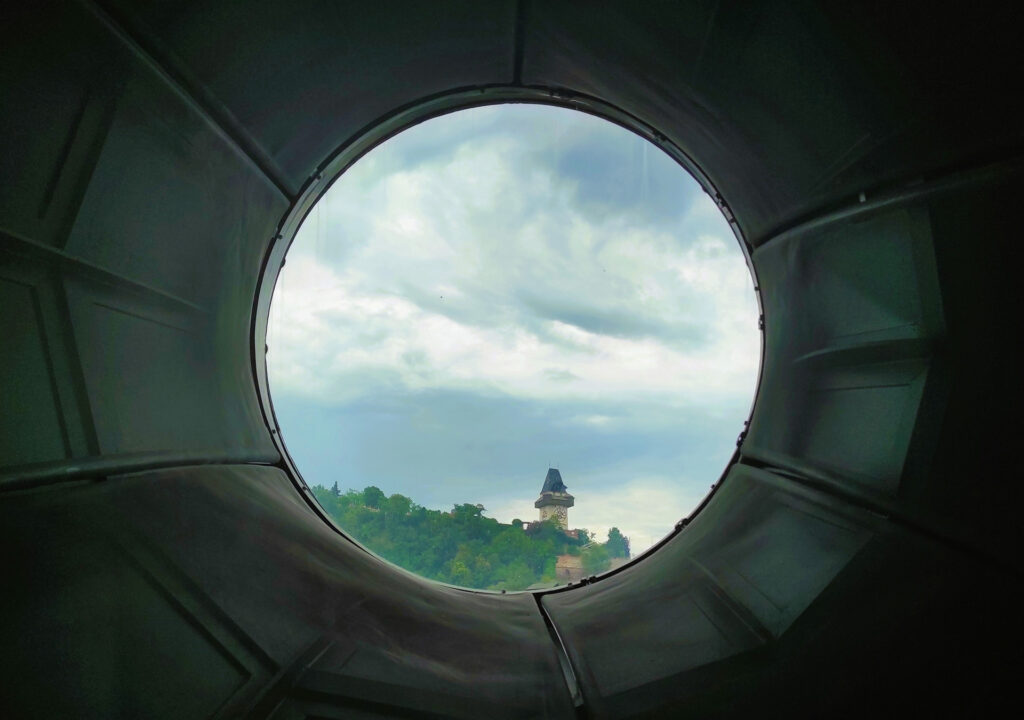
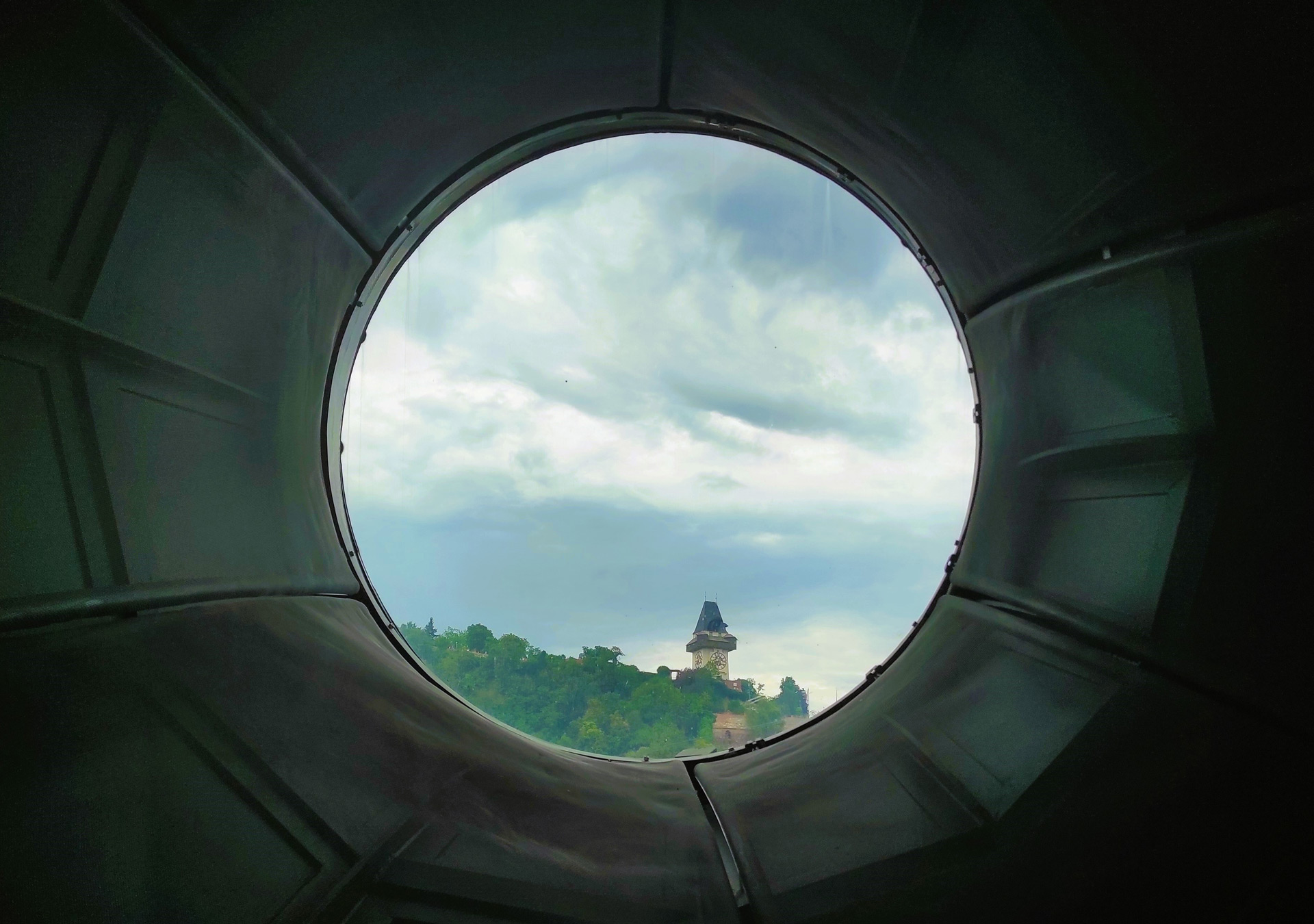
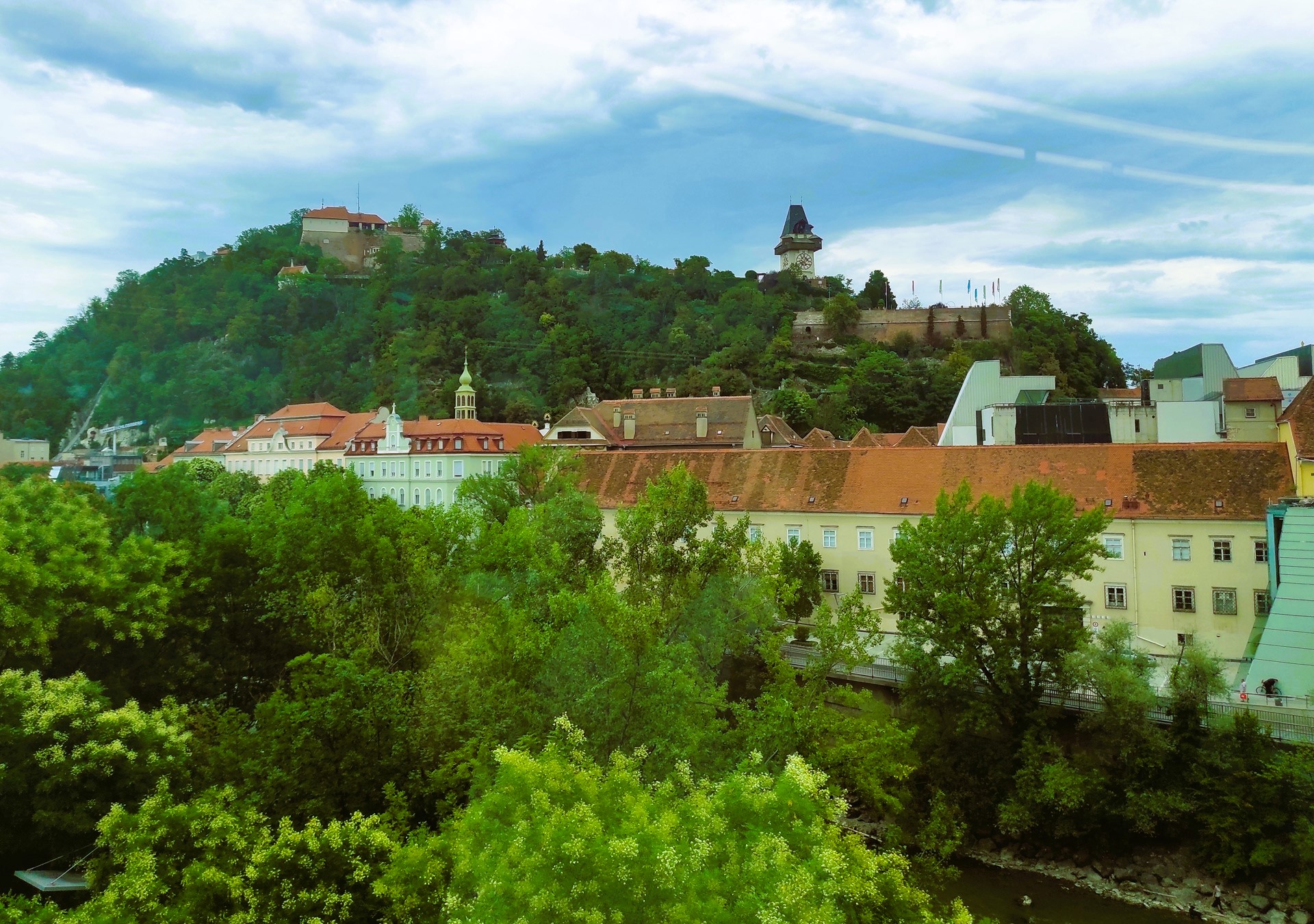
Be sure to ride up to the glass-walled viewing area for one of the most beautiful views of Graz. A sea of red roofs will spread out right before you, with the famous Clock Tower (Uhrturm) proudly towering above them on the crest of the Schlossberg.
-
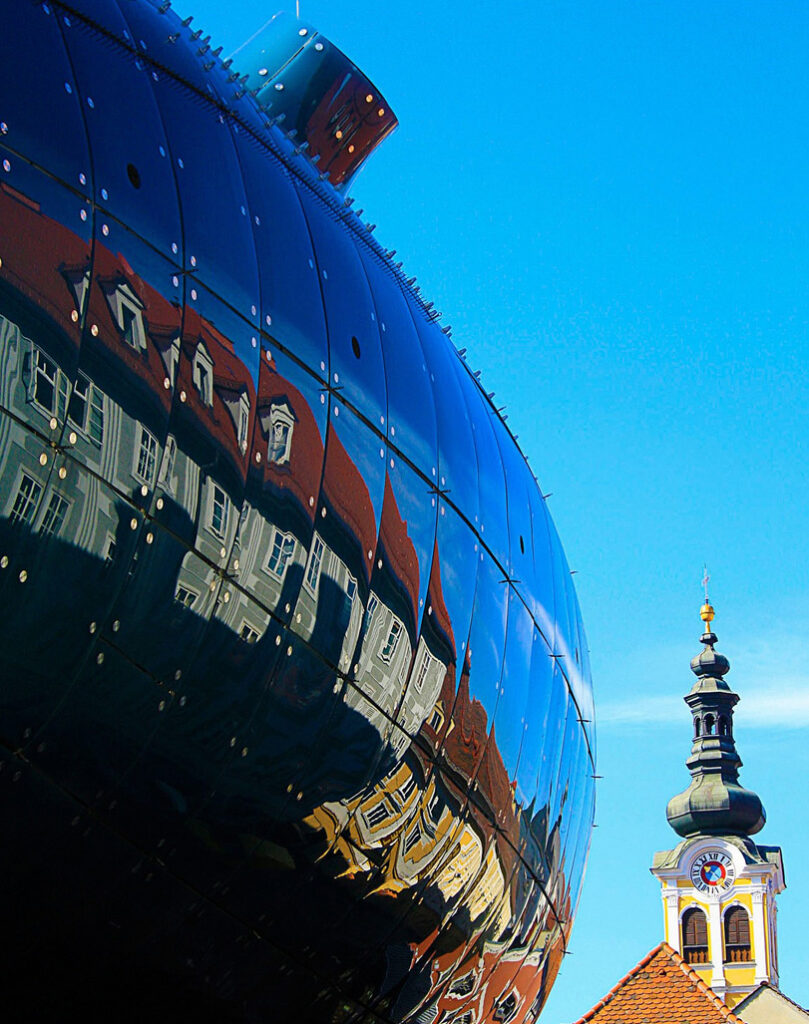
- House of Arts
-
- House of Arts
-
- House of Arts
-

- House of Arts

Clock Tower (Uhrturm)
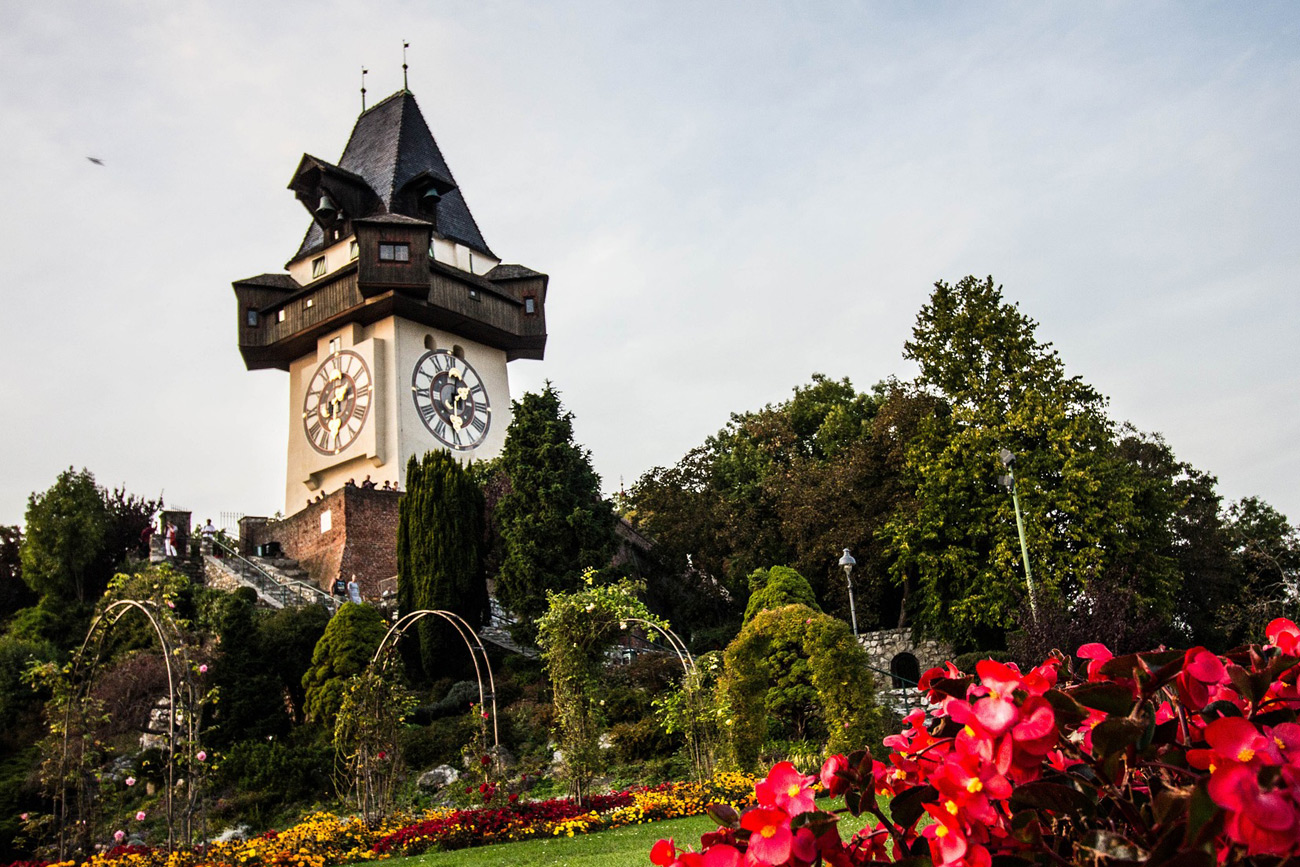
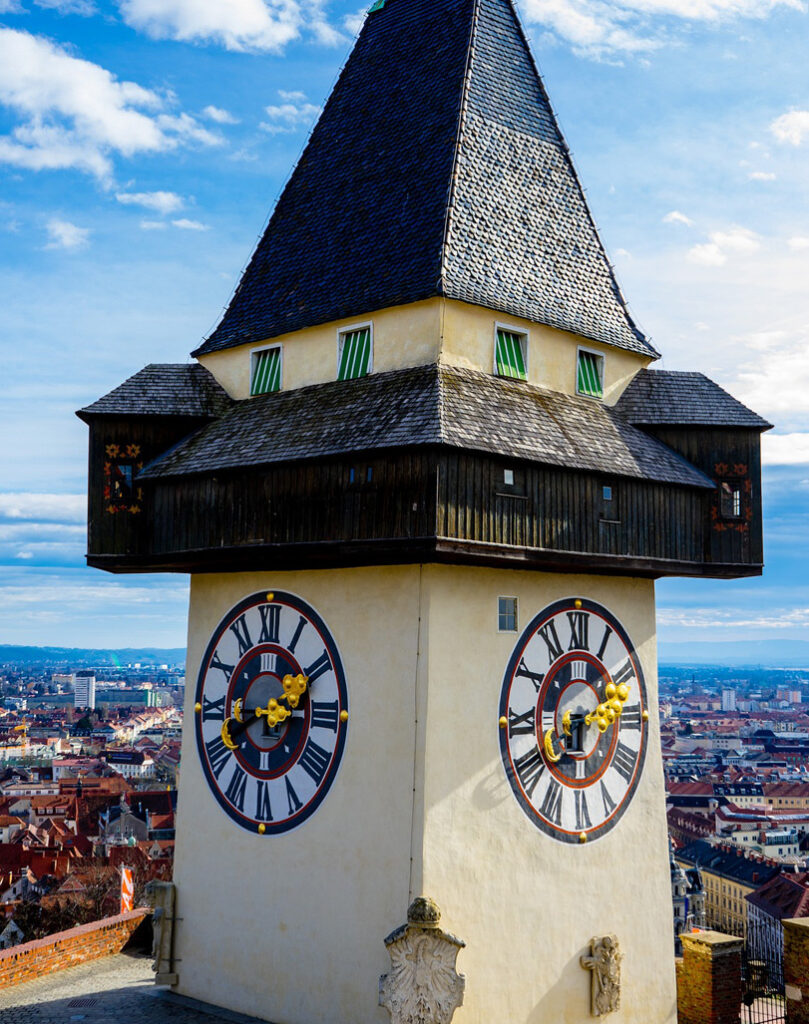
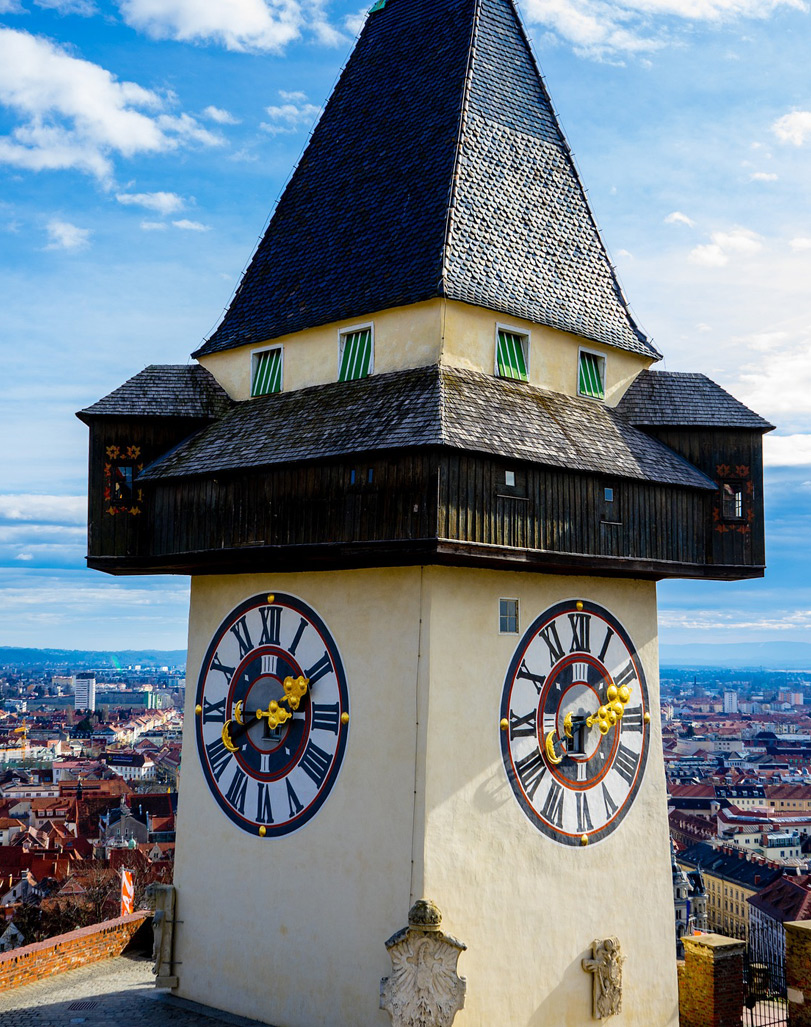
You simply cannot check Graz off your bucket list without visiting Schlossberg and its iconic Clock Tower. However, when you stand beneath it, take a closer look at the clock face—you will find that this city symbol ticks to its own rhythm.
The amusing historical detail lies in the fact that the hands are reversed: the long hand shows the hours, while the short hand counts down the minutes. Originally a strategic move to ensure people could easily tell the time from a great distance, today it serves as a charming puzzle for tourists.
Furthermore, the terrace around the tower, framed by blooming flower beds, offers one of the finest panoramic views of the town.
Our tip:
Take the Schlossbergbahn funicular up and walk down the Kriegssteig stairs. You will have Graz in the palm of your hand from both perspectives.
-
- Clock Tower
-

- Clock Tower

Not Just a Hotel Tip:
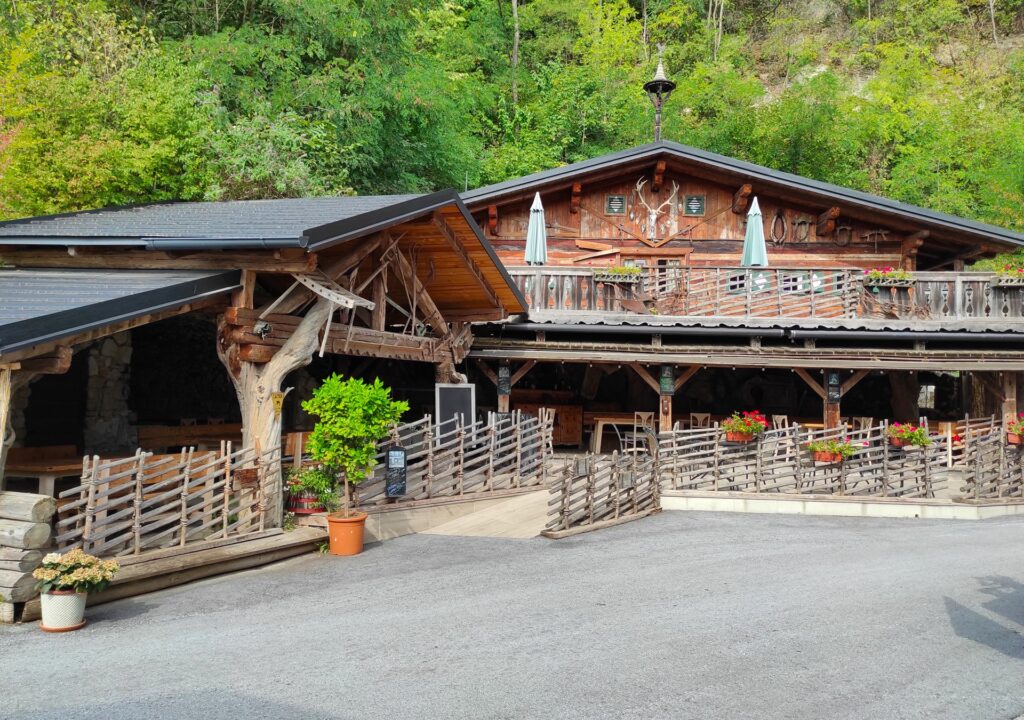
If you are figuring out where to stay in Graz smartly, comfortably, and at a reasonable price, we have a tried-and-tested tip for you. The I AM Hotel Graz-Seiersberg on the outskirts of the city worked out wonderfully for us. We intentionally chose accommodation outside the centre, and it turned out to be a great choice.
The rooms are cozy, and the hotel restaurant serves excellent local food, so you don't have to figure out complicated dinner plans in the evening. If you like wine, make sure to order a glass of Schilcher with your dinner—a typical rosé wine from Western Styria that is inherently tied to this region.
However, the biggest advantage is the free parking. Parking in the centre of Graz tends to be expensive, so this can save you a nice chunk of your budget. We then took the bus to the historic centre without any hassle—the bus stop is just a few steps from the hotel.
Address: Erzherzog-Johann-Straße 84, Seiersberg
-
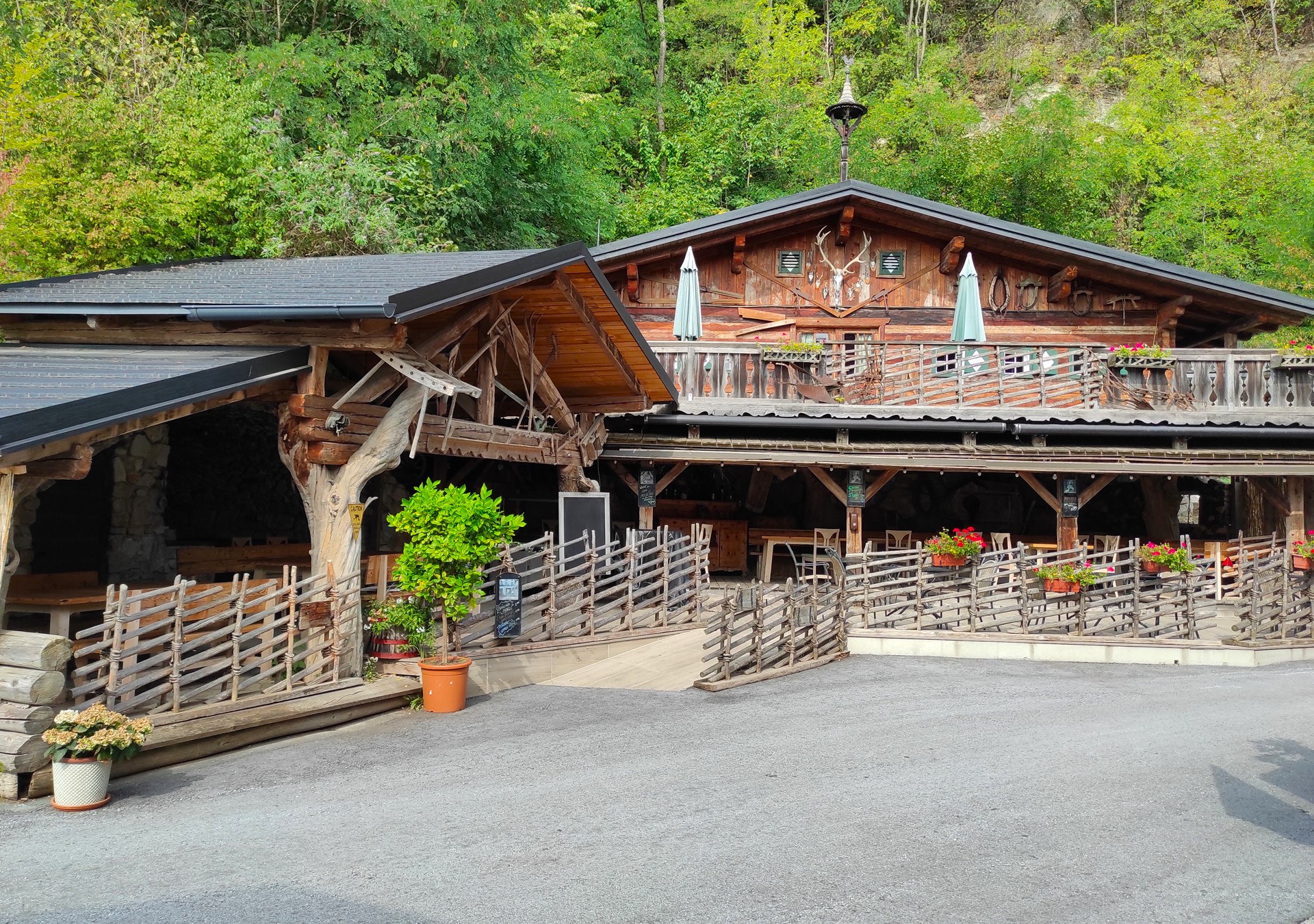
- Outdoor Dining
-
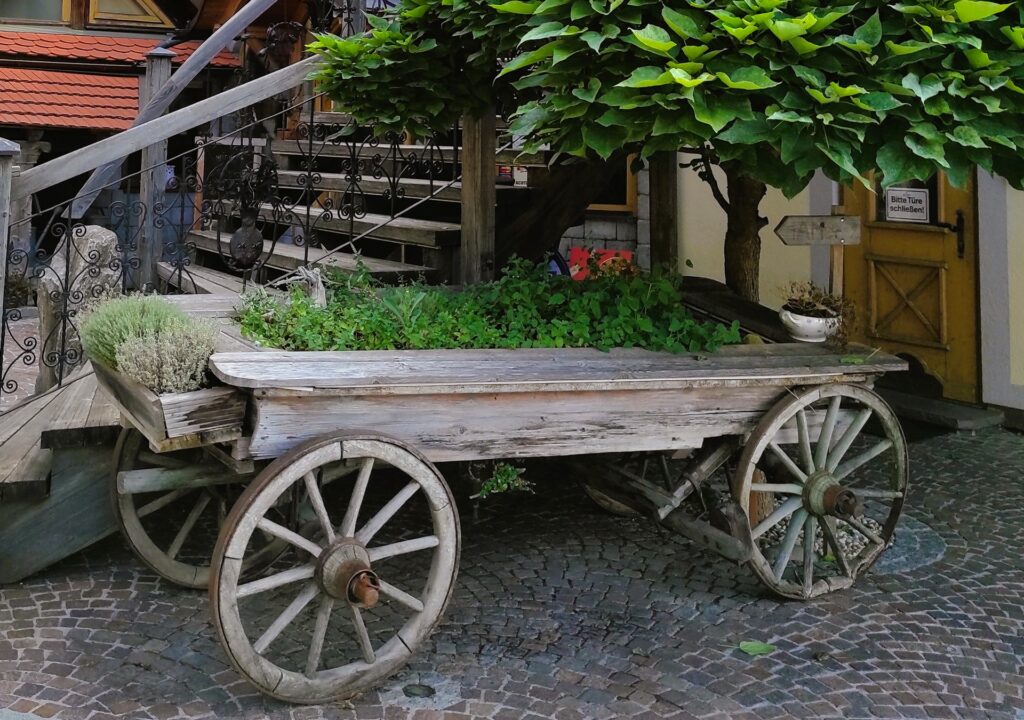
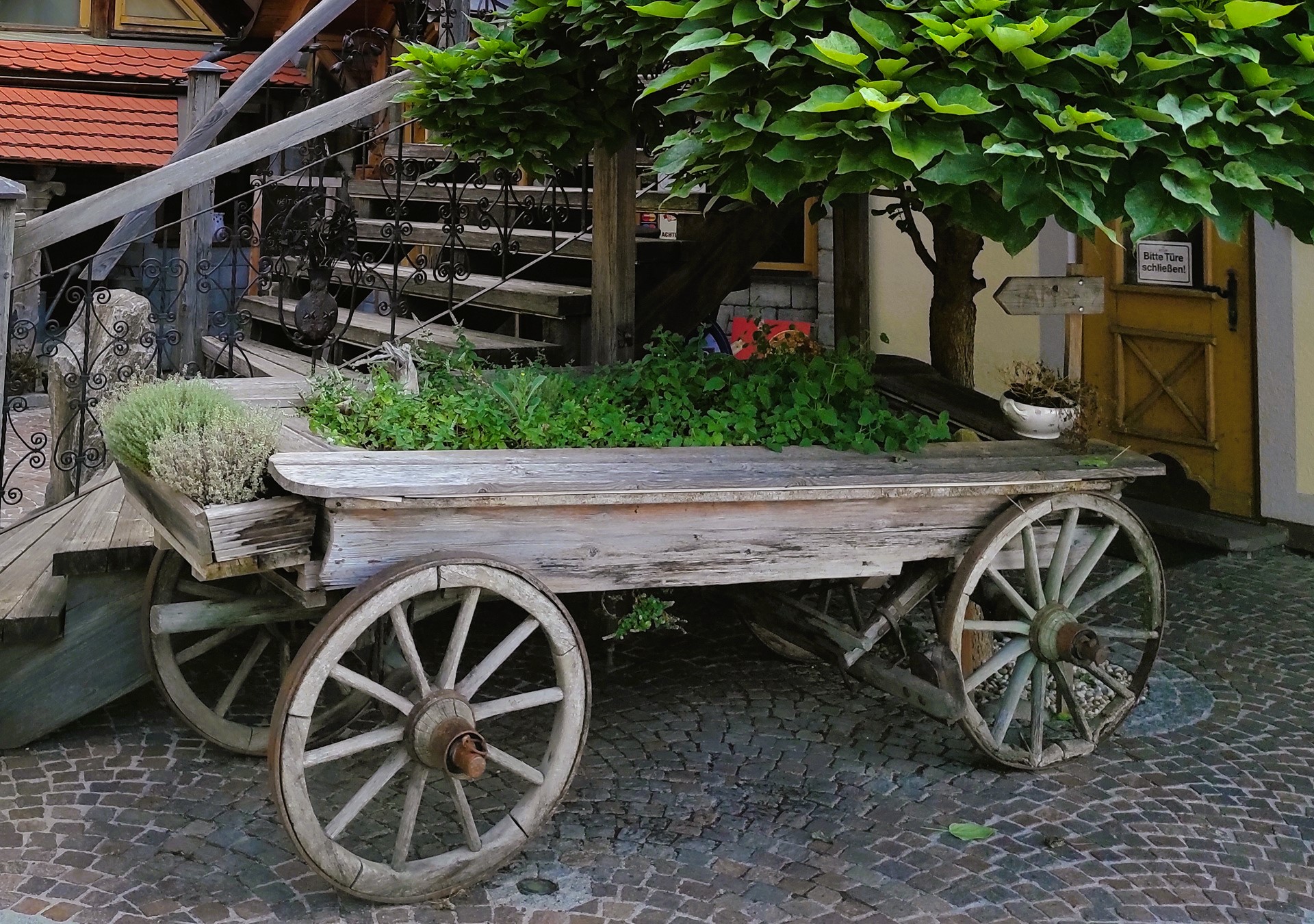
- Rural Romance
Culinary Highlights:
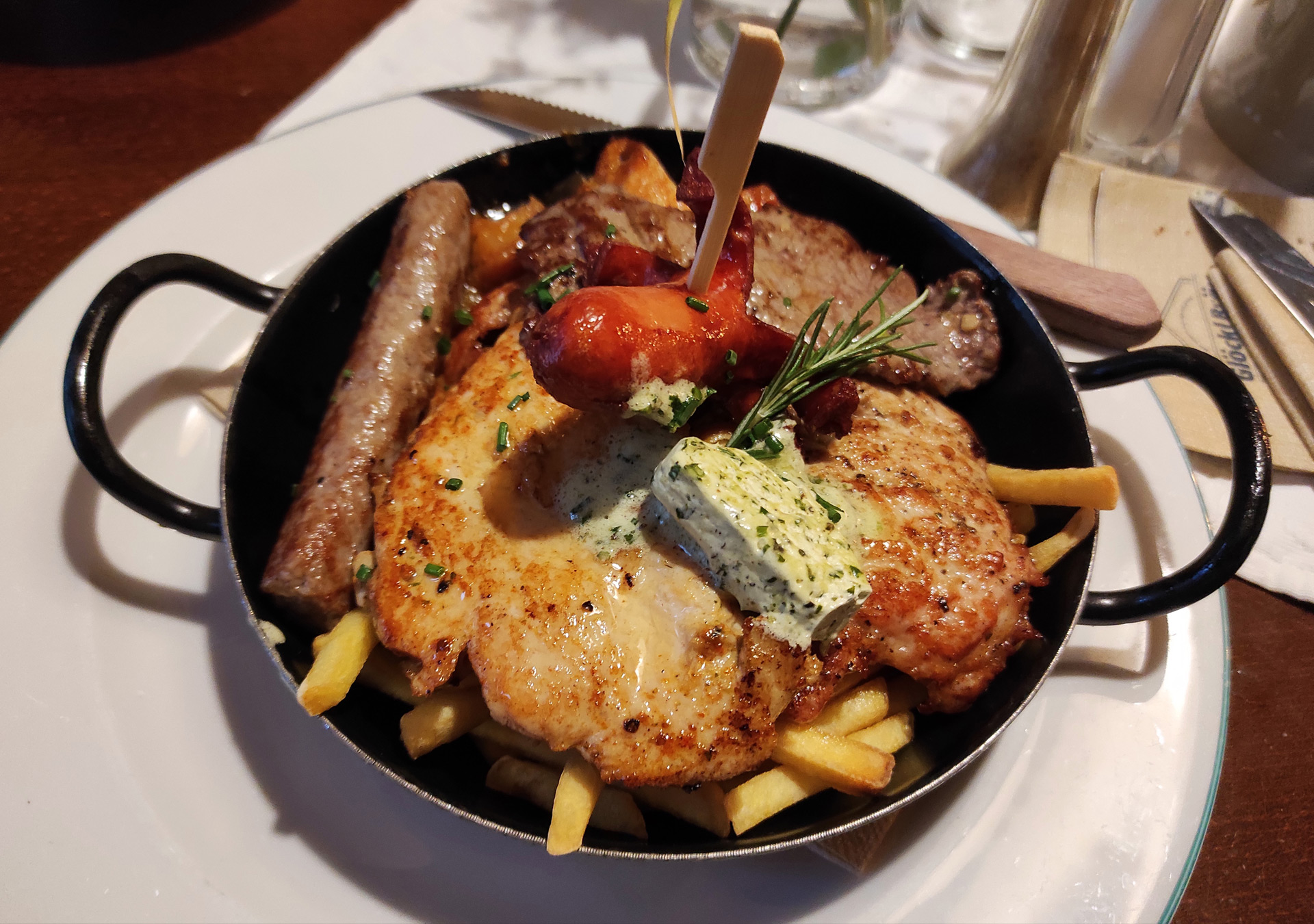
When you get hungry after exploring the city, skip the typical tourist traps and head over to Glöckl Bräu. If you want to taste truly honest Austrian cuisine accompanied by a perfectly poured beer, you won't go wrong here. The atmosphere is pleasantly traditional, and the staff are friendly even during peak hours.
Address: Glockenspielplatz 2–3, Graz
-
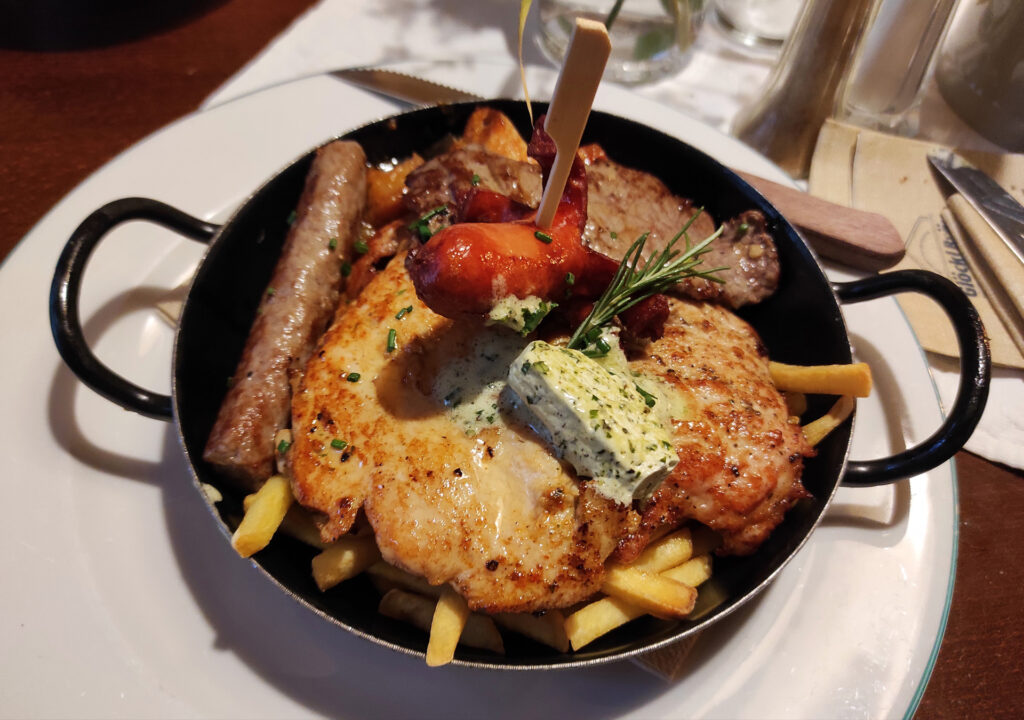
- Meats on the Grill with French Fries
-
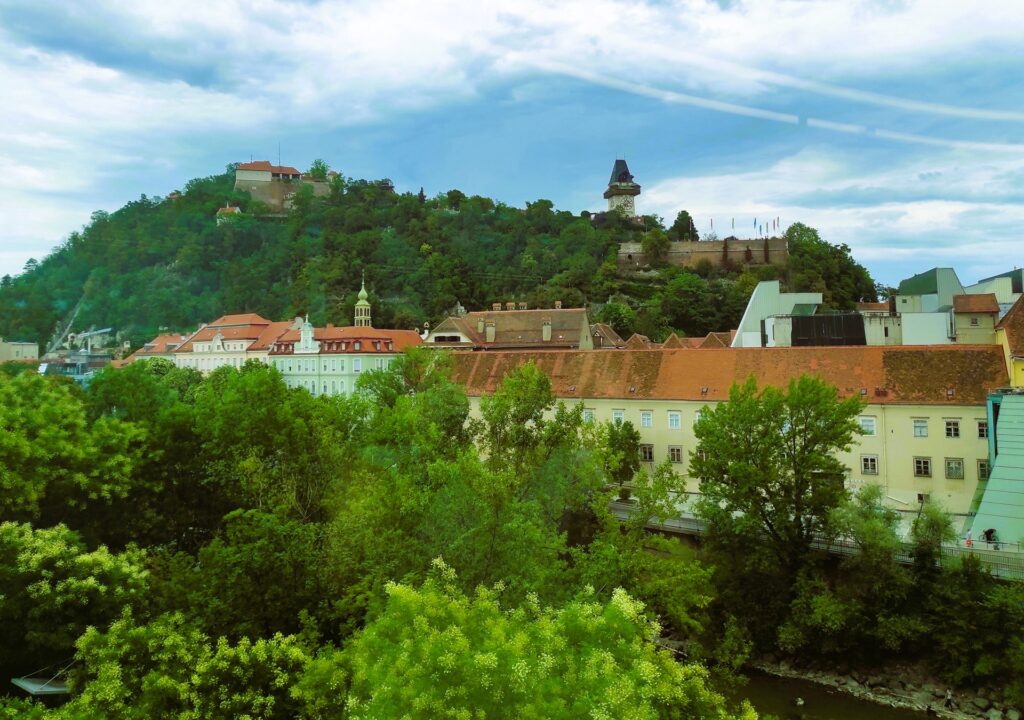
- Schlossberg
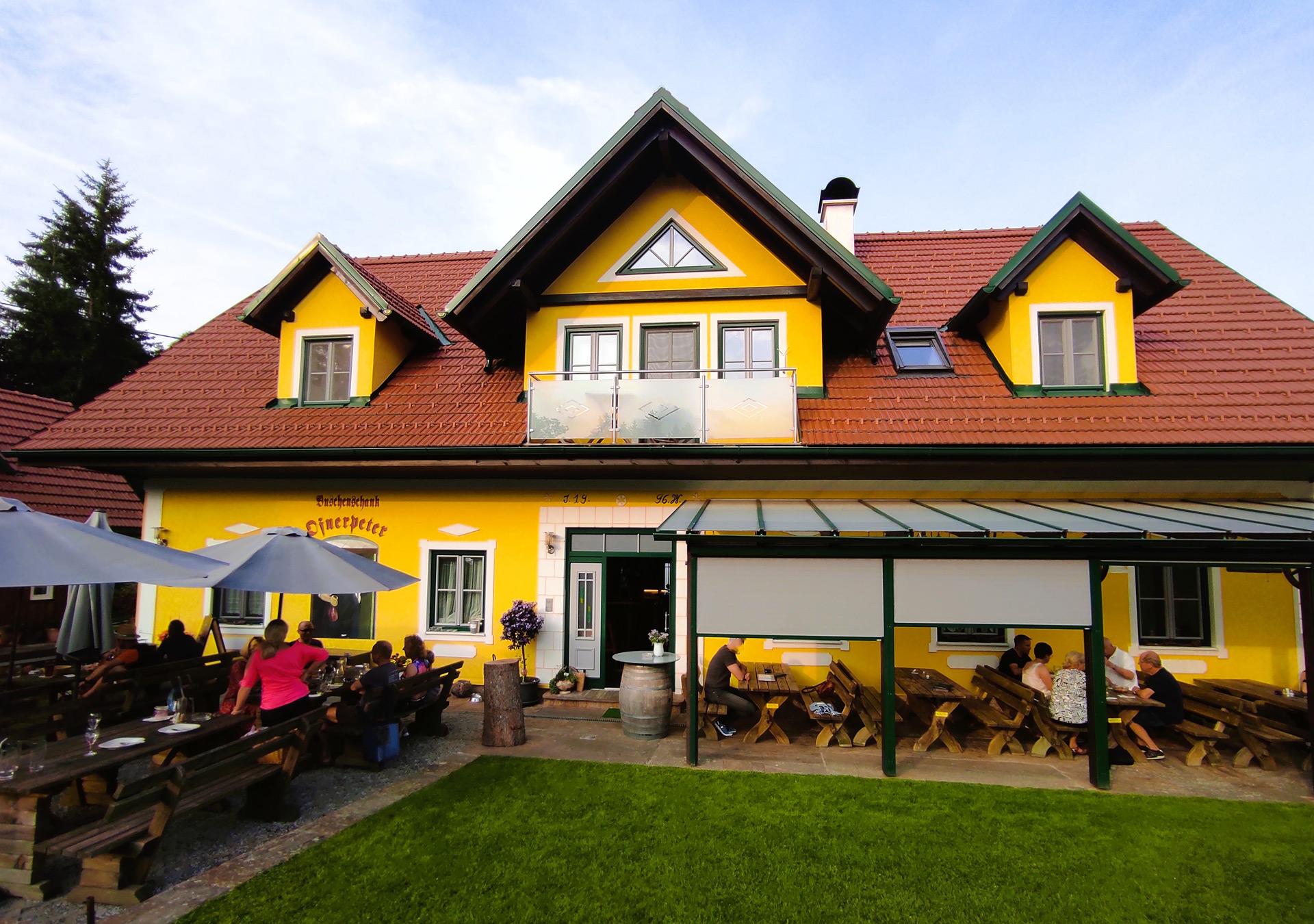
Another great spot offering traditional Styrian cuisine alongside homemade wines is the family-run Buschenschank Ofnerpeter in Rosenhof near Graz, owned by the Höller family since 1786.
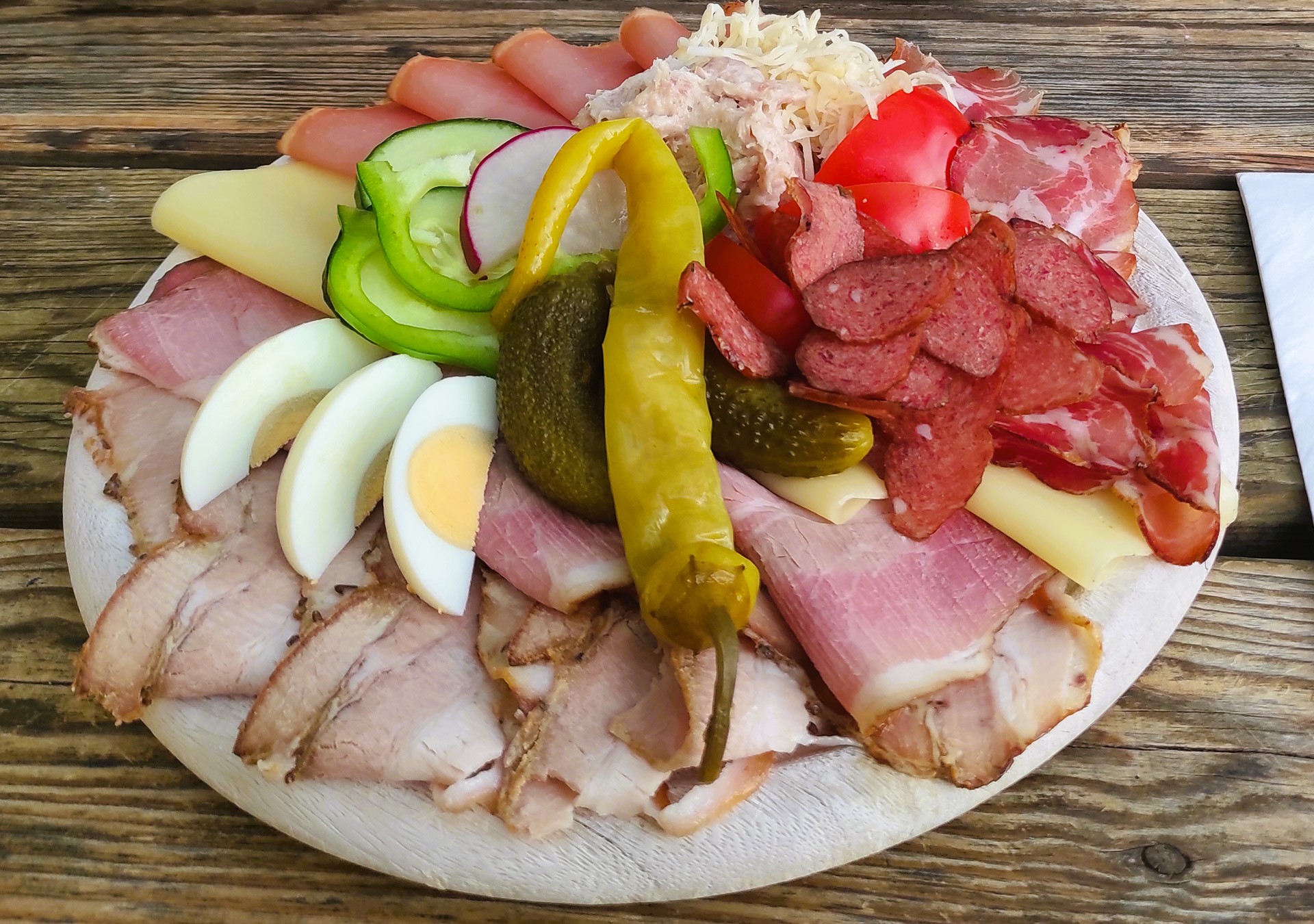
Nestled in the middle of vineyards, they make their own wine and serve it with a platter full of homemade charcuterie, cheeses, and spreads. Don't expect warm meals here; the "Buschenschank" concept is built purely around cold cuisine and locally produced items.
Sitting on the terrace with a view of the Styrian hills is simply perfect. Plus, if you are traveling with children, they have a brilliantly designed playground: you can see it directly from your table, yet it is far enough away for the noise not to disturb your relaxation.
And if you don't feel like heading back after all that great wine, you can stay the night directly on-site.
Address: Rosenhof 54, St. Stefan ob Stainz
-
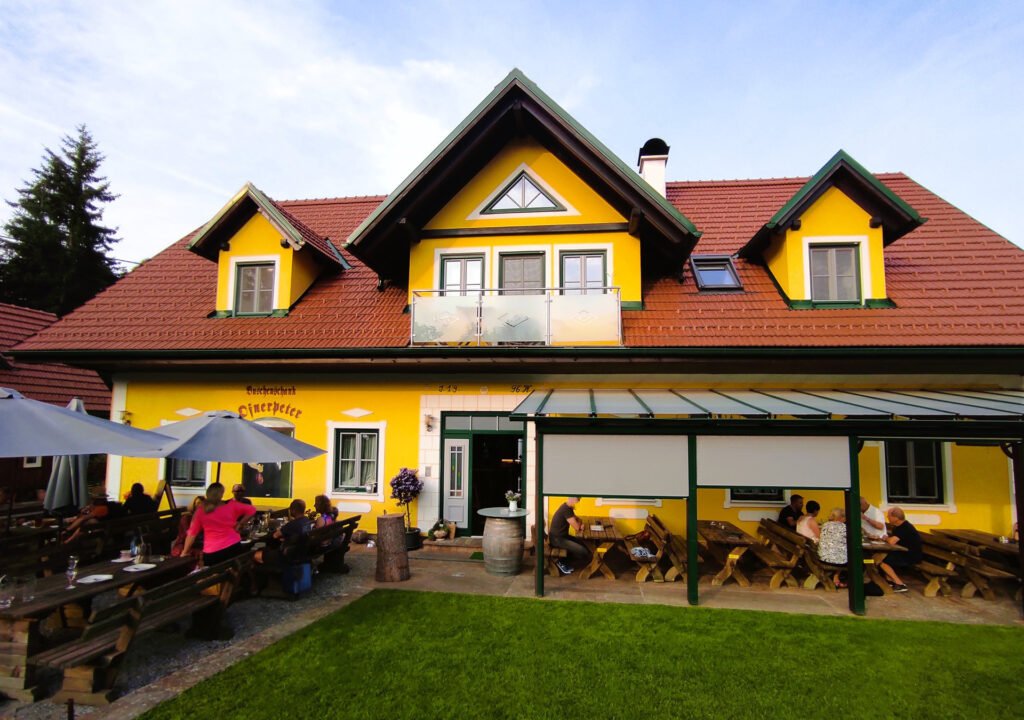
- Buschenschank Ofnerpeter
-

- Traditional Cold Platter
What to bring home from your trip to Graz?
Forget about tacky magnets. The king of all souvenirs is Styrian Pumpkin Seed Oil (Steirisches Kürbiskernöl), which ranks among Austria's most famous gastronomic specialties. This 100% pure oil made from pumpkin seeds boasts a deep green colour and an unmistakable, subtly nutty flavour.
It is brilliant for seasoning salads, soups, or spreads. And now for the best part: a true Styrian classic is to drizzle it over rich vanilla ice cream or crepes. Sounds crazy? It tastes divine! Simply put, this oil is a permanent staple that is never missing from our kitchen at home.
If you want to discover the place where the imperial family itself used to vacation in the 19th century, we recommend reading our article about the charming spa town of Bad Ischl.